| Read in browser | ||||||||||||||

Rising temperatures are a growing concern for the world’s top fashion brands, many of which rely heavily on supply chains in nations experiencing outsized impacts from climate change. One manufacturing campus in eastern India shows how suppliers are tackling heat threats, though at a cost. Also, we hear about preparations for a Super El Niño and learn how New Zealand — with an economy dominated by agriculture — is becoming a global test bed for methods to curb methane emissions. Subscribe to Bloomberg.com for unlimited access to all our coverage. Hot fashionBy Azman Usmani A grid of about 800 sewing machines whir, rows of hissing irons let out clouds of steam and hundreds of workers move across a production floor at a vast clothing manufacturing facility in eastern India, some using laser-guided cutters to slice through giant rolls of fabric. Outside the sprawling site in Khordha, in Odisha state – a 40-acre campus intended to eventually pack in as many as 10,000 staff – temperatures on a late June morning hover around 34C, and feel far more extreme as hot, damp winds sweep in from the Bay of Bengal to deliver punishing humidity. 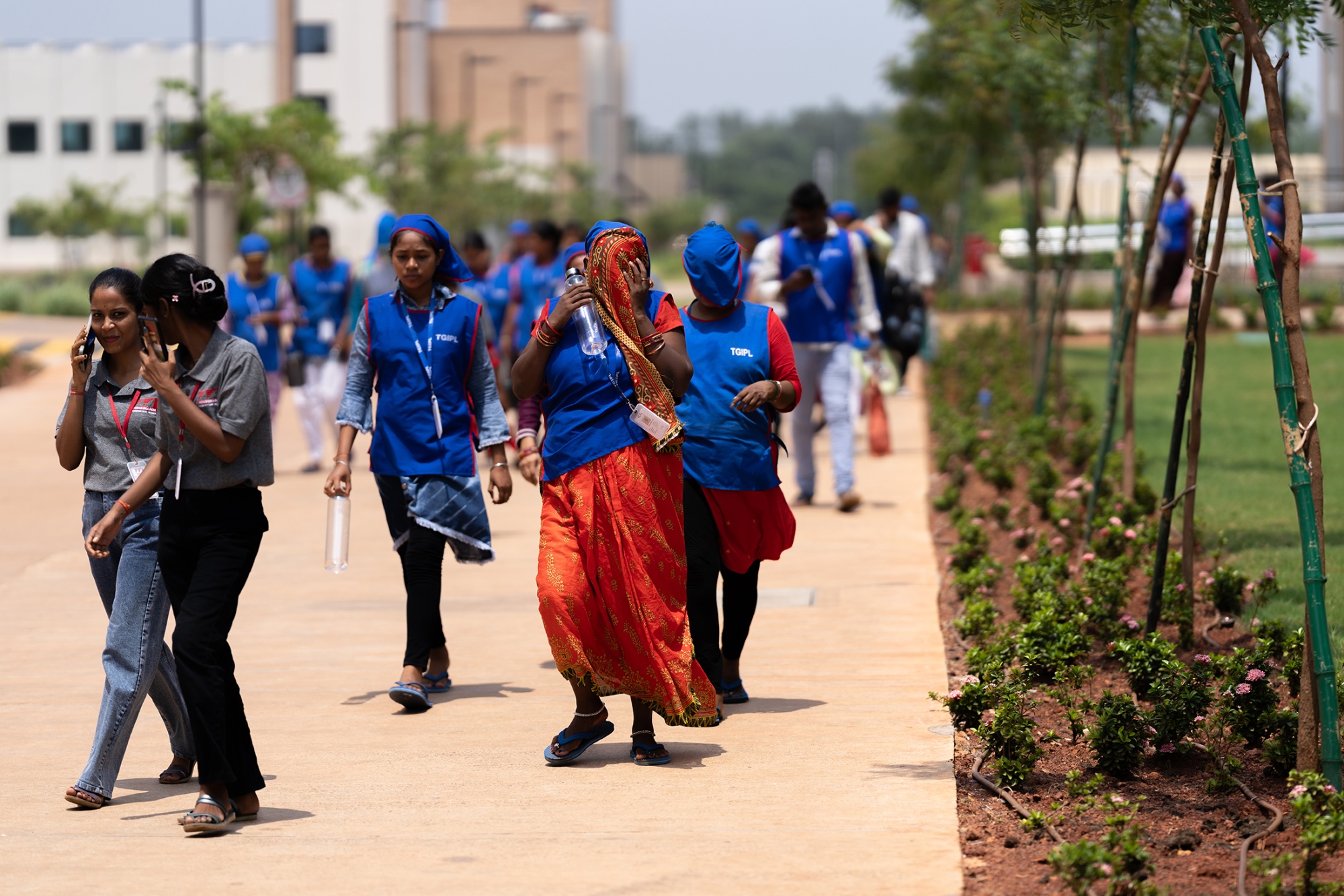
Employees heading to work at Epic Group’s manufacturing site in Khordha, Odisha, on June 26.
Photographer: Anindito Mukherjee/Bloomberg
The conditions appear all too familiar for supply chains across Asia that serve the $1.7 trillion global fashion industry, and in which tens of millions of staff – predominantly women — face increasingly severe impacts from extreme heat, frequently with inadequate protections inside their workplaces. In India, scorching temperatures are driving higher employee absences and contributing to productivity losses of as much as 10% for garment manufacturers during the peak summer months, according to a June study by the NYU Stern Center for Business and Human Rights. Production lines for the clothing industry have long been particularly susceptible to the effects of extreme temperatures – often combining large numbers of workers in close proximity, high volumes of heat-generating equipment and basic or poorly ventilated buildings. 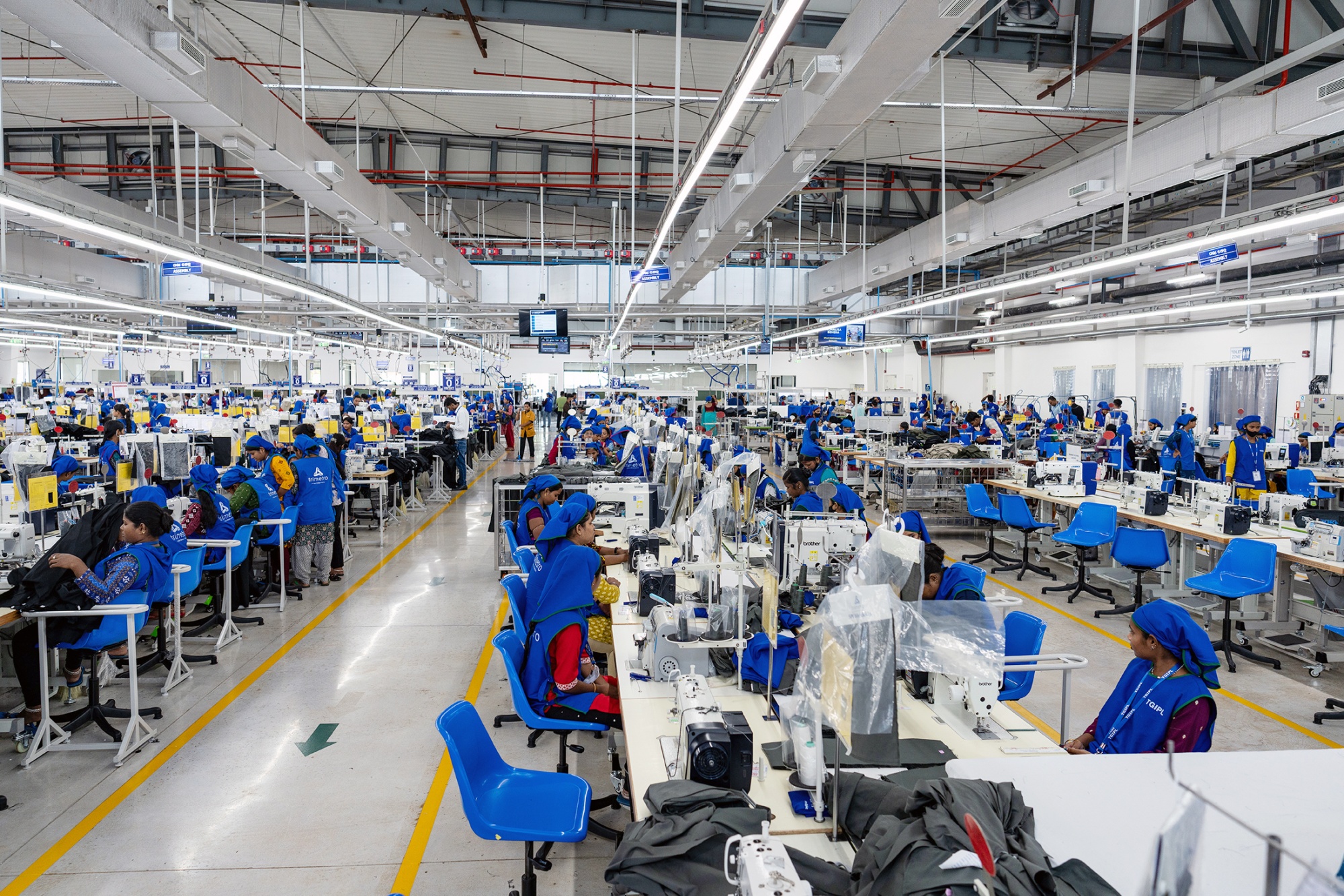
The 40-acre Trimetro site has been built for as many as 10,000 employees.
Photographer: Anindito Mukherjee/Bloomberg
“Industrial architecture was designed to keep the most economically important component in the factory safe — which was the machines,” says Vidhura Ralapanawe, executive vice president for innovation and sustainability at Epic Group, a garment supplier to brands like Uniqlo that opened its new Khordha campus in April with an ambition of tackling workplace heat. The wider clothing sector has been slow to address the impacts of surging temperatures on employees, according to Ralapanawe. “It’s like the crab in the boiling pot of water. You don’t see the problem because it’s happening so slowly,” he says. “By the time you realize the thresholds are crossed, it comes as a shock.” 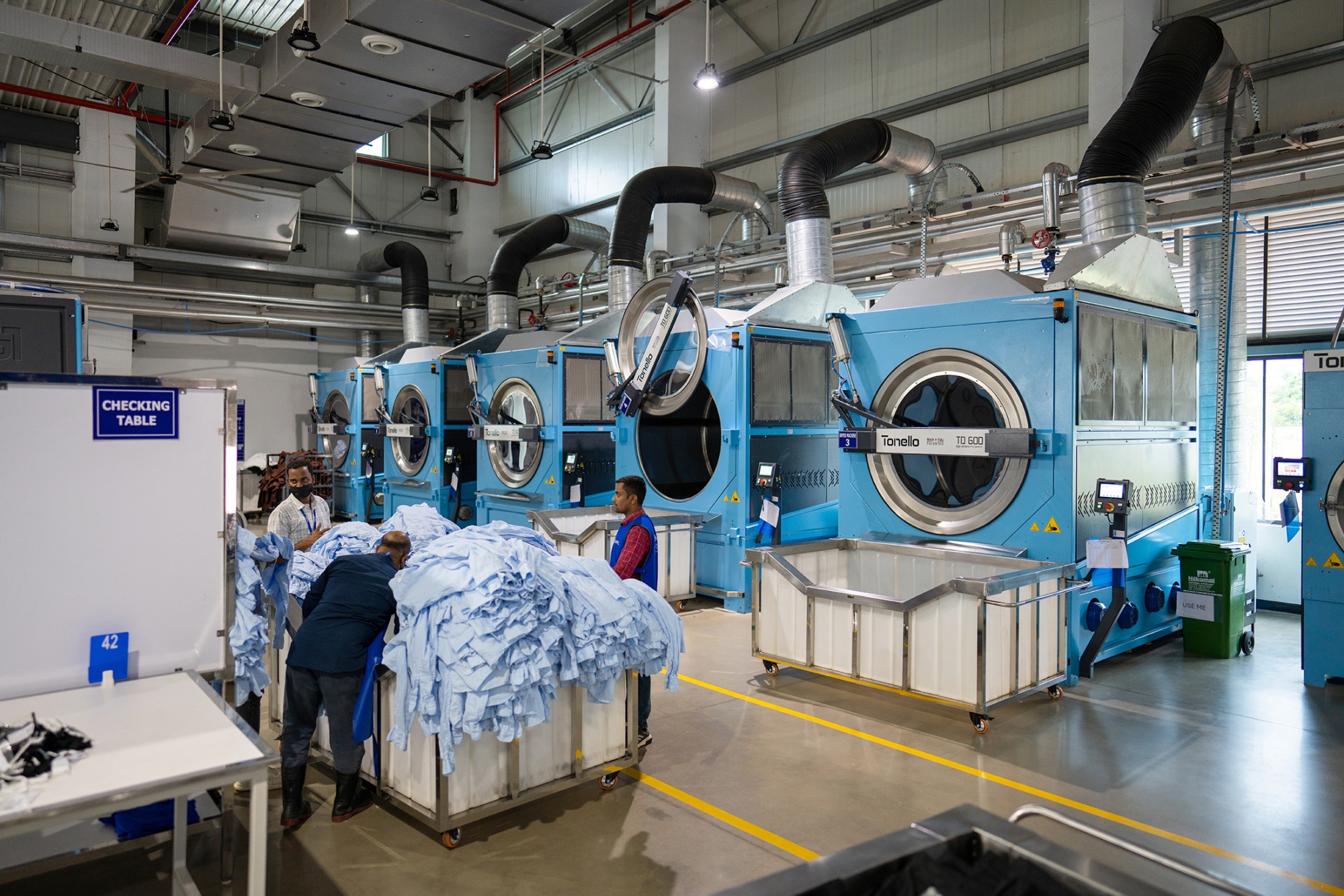
The air conditioning system uses oversized pipes to reduce friction and chiller power consumption.
Photographer: Anindito Mukherjee/Bloomberg
Beneath the sweeping blades, Mamata Sahani, 23, and Madhusmita Das, 27, guide fabric through stitchers. Their faces are dry and collars free of sweat, and the pair joke together as the factory’s speakers broadcast a mix of Hindi film soundtracks and Odia devotional songs. In a previous job at a different factory there was minimal cooling equipment, Sahani explains. “We just had a few fans across the factory floor. During summers the tin roof got so hot that we felt we were baking,” she says. “I am able to work better here. It isn’t hot, so I can focus on my work more.”
Keep reading
Workforce at risk90 million The number of people directly employed in the global apparel industry, many of whom are exposed to worsening climate risks, according to Cornell University’s Global Labor Institute and the International Finance Corp. Rising bill“The more you stretch the limits, the more expensive it becomes.” Vidhura Ralapanawe Executive vice president for innovation and sustainability at Epic Group on the mounting costs of tackling increasingly extreme climate impacts. Your Heat Week Zero listenThe great famine of the 1870s killed 50 million people — and El Niño was a key driver. Another El Niño phase has just begun and it’s expected to be among the strongest. There are five times as many people in 2026 as there were in the 1870s and the planet is 1.4C hotter. So are we better prepared? Bloomberg’s Akshat Rathi speaks with Mingfang Ting, professor of climate at Columbia University, about the natural phenomenon and its interaction with human-caused climate change. Listen now, and subscribe on Apple, Spotify or YouTube to get new episodes of Zero every Thursday. Extreme impacts⚡ US heat sends power demand far beyond forecasts 🔥 Europe’s expanding heat wave tests fire defenses 💧 Here’s how climate change could raise your water bill World’s methane labNew Zealand’s farms are set to become a real-life laboratory for one of agriculture’s toughest climate challenges — reducing the methane cows and sheep belch. After years of research and investment, the country is on the cusp of giving farmers the first of a new generation of tools to curb the amount of the greenhouse gas livestock emit. Whether they can be deployed at the scale and speed needed to meaningfully reduce emissions and satisfy climate goals remains uncertain. 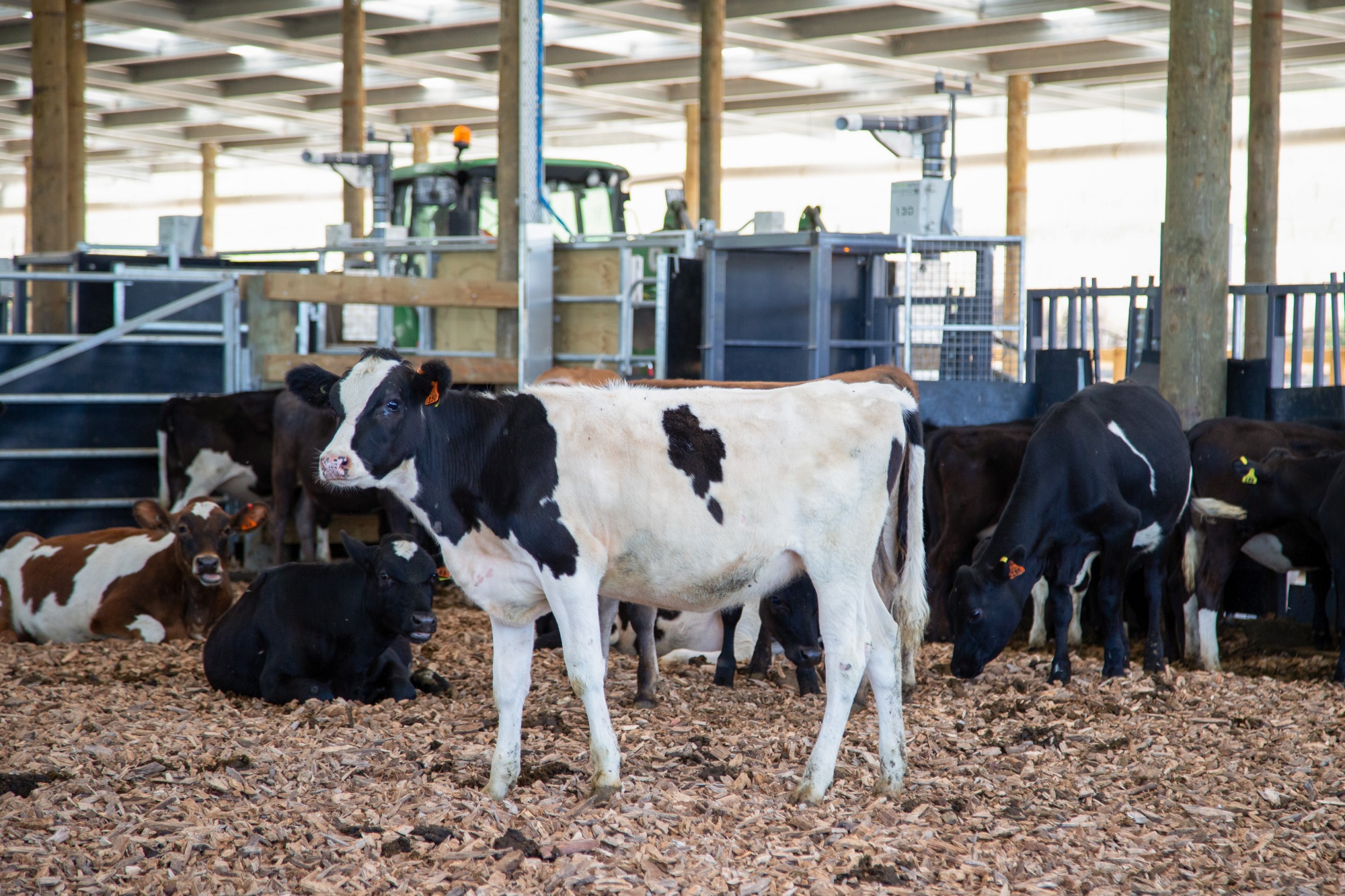
Cows at Pamu Landcorp Farming’s St Kilda facility near Taupo.
Source: Pamu Landcorp Farming
A growing number of startups and researchers are testing everything from methane-inhibiting compounds extracted from daffodils and probiotics known as Kowbucha — a nod to kombucha — to vaccines and selective breeding for lower-emitting livestock. Together, the technologies may reshape farming globally — if they can clear regulatory hurdles and gain widespread adoption.
Get full coverage
🎥 Attention all filmmakers!Working on a short documentary about climate change? Don’t miss your chance to submit it to the Bloomberg Green Docs film competition. Grand prize: $25,000. Submissions accepted through August 14, 2026. See official rules at bloomberg.com/greendocs. More from GreenPhoto finish
A live King Cobra in a cafe in Hong Kong.
Photographer: Paul Hilton/Bloomberg News.
At least 900 snakes have escaped from inundated breeding farms in China’s Guangxi region, the world’s largest snake breeding hub. The reptiles, including venomous cobras, fled into nearby villages and farmland as heavy rains flooded the area. Authorities deployed teams to capture the animals and set up temporary medical clinics to ensure rapid treatment for bite victims. Still, at least one woman died after being bitten as her journey to hospital was delayed due to flooded and blocked roads. More from Bloomberg
Explore all Bloomberg newsletters. We’re improving your newsletter experience and we’d love your feedback. If something looks off, help us fine-tune your experience by reporting it here. Follow Us
You received this message because you are subscribed to Bloomberg’s Green Daily newsletter. If a friend forwarded you this message, sign up here to get it in your inbox.
|
Thursday, July 9, 2026
Fixing fashion’s heat risk






Subscribe to:
Post Comments (Atom)
Next Africa: Two sides of change
Nigeria’s oil and gas industry is evolving ...
-
PLUS: Dogecoin scores first official ETP ...
-
Swaps, memes, homes, tokens. View in browser Unicorn bucket We have talked a fe...


No comments:
Post a Comment