| Read in browser | ||||||||||||||
Welcome to Next Africa, a daily newsletter on where the continent stands now — and where it’s headed. Sign up here to have it delivered to your email. In today’s edition, we look at Nigeria’s oil industry reforms. And:
Too Much, Too Soon?Bola Tinubu is overseeing, perhaps, the most consequential reform yet of Nigeria’s oil and gas industry. The manner in which he’s going about it is beginning to worry investors. The president’s biggest change was scrapping a costly fuel subsidy, followed by incentives for deep-water projects and tax waivers on certain fossil-fuel investments. Approvals have been faster for international companies divesting and special concessions were granted to Aliko Dangote’s mega-refinery. The results are showing. Nigeria — Africa’s biggest crude producer— is finally a net exporter of petroleum products. Shell, TotalEnergies and ExxonMobil have announced major deep-water commitments, while local producers that benefited from divestments continue to boost output. 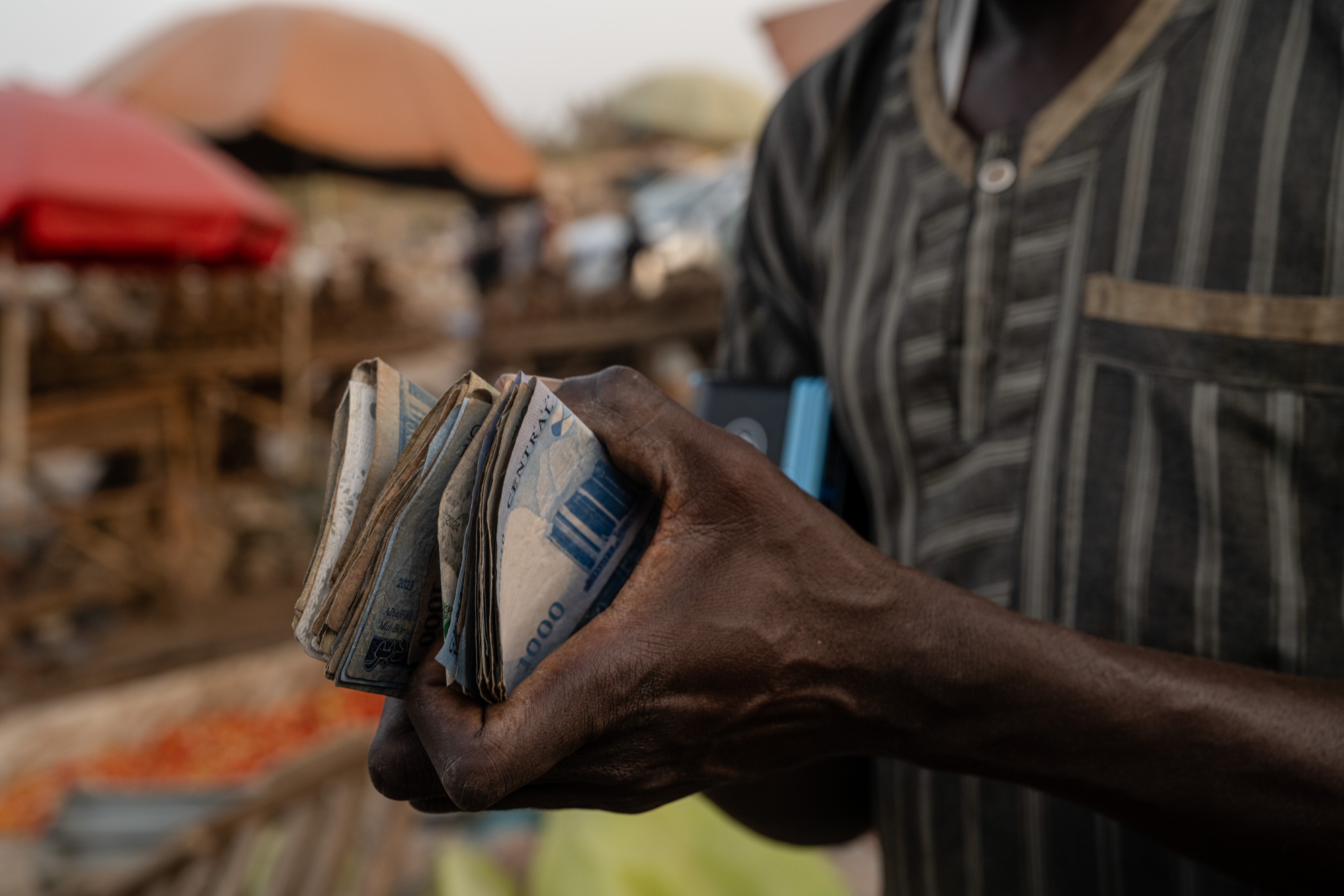
A vendor at a weekly market in Abuja, Nigeria.
Photographer: Etinosa Yvonne/Bloomberg
The same speed that has impressed investors is now unsettling some of them. As the US and Iran resumed hostilities this week, executives gathered in an Abuja conference named after Tinubu to take stock of the state of their industry. Publicly, the reforms were praised. Privately — in smaller groups and lowered voices — there’s a concern that Nigeria is also becoming less predictable. Investments are long-term bets requiring billions of dollars and a payback period stretching across administrations. Investors need assurances that policies can be durable, surviving legislators and presidents. That’s why Executive Order 9, which is Tinubu’s most significant diktat and directs the state-owned oil company and the regulatory agencies to remit oil and gas revenues to a federation account, has become a test case. While some hailed it as necessary to improve state finances and transparency around the agencies that have historically been opaque, it also encroaches on aspects of a landmark petroleum-industry law that took decades of bargaining to pass. The law was meant to provide the sector with a coherent legal and governance framework, yet it was simply overridden by a presidential order without recourse to lawmakers. Reforms can often hand investors riches, but change subject to the whims of politicians can also take them away. — Nduka Orjinmo 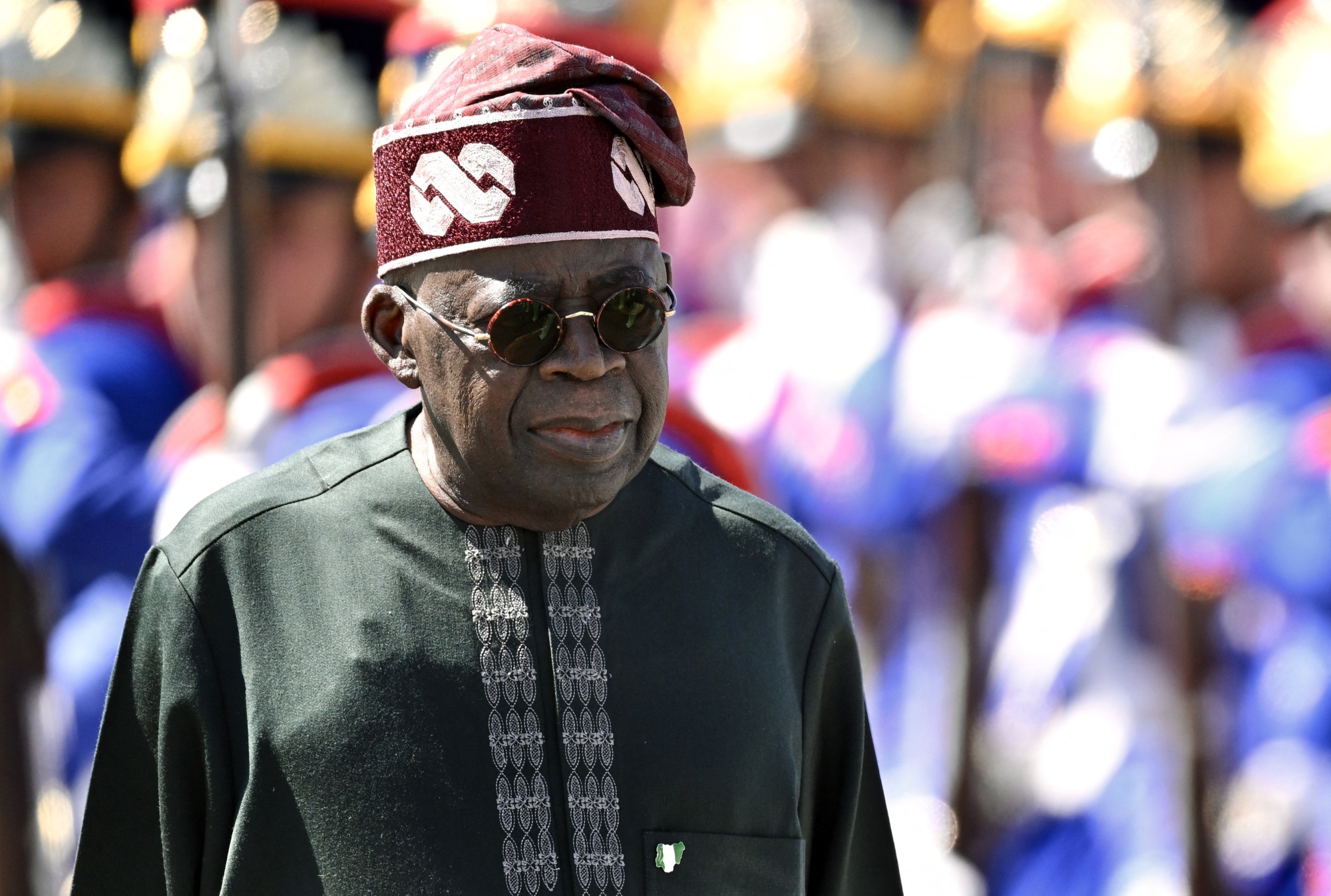
Tinubu.
Photographer: Evaristo Sa/AFP/Getty Images
What Everyone’s ReadingNigerian equities have overtaken South Korea’s for the highest dollar-based returns this year. The African nation’s stocks have rallied on macroeconomic reforms, higher oil prices and improved foreign-exchange supply, with the naira gaining 4% against the dollar since January. That S&P Dow Jones Indices is considering upgrading the country to frontier-market status adds to investor appeal. 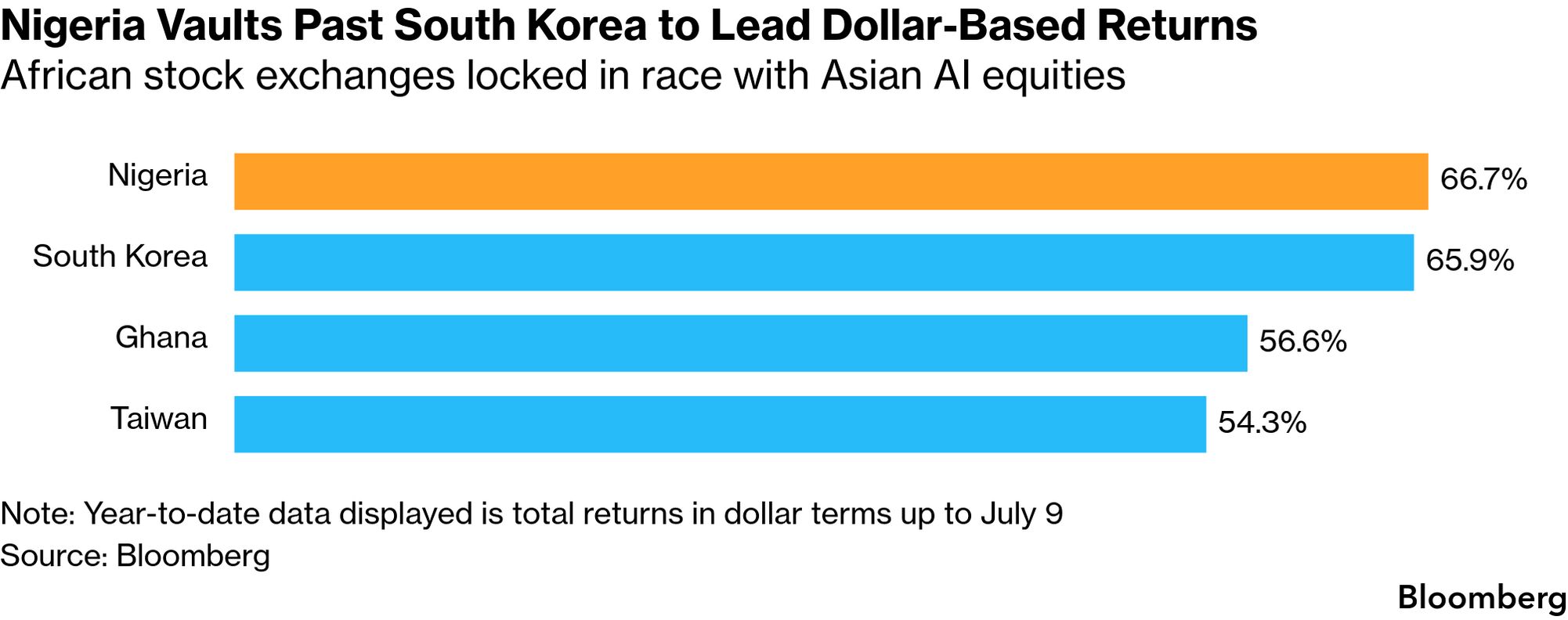
Egyptian inflation slowed for a third consecutive month, though new risks to US-Iran peace talks may prompt caution when the central bank decides on interest rates later on Thursday. Consumer price growth has eased since April, despite pressures from higher fuel costs from the Iran war and a weakened Egyptian pound. Oil eased from its biggest gain since May on Wednesday as traders assessed the outlook for Middle Eastern crude supplies after fresh hostilities between the US and Iran. The US military struck Iran for a second day, and Tehran retaliated against American allies in the Persian Gulf, raising fears of a return to war. The World Bank approved an $875 million loan for Ivory Coast to support economic growth and job creation, and signed an interim deal with Eni’s local unit and the West African nation to provide technical assistance for its burgeoning gas sector. 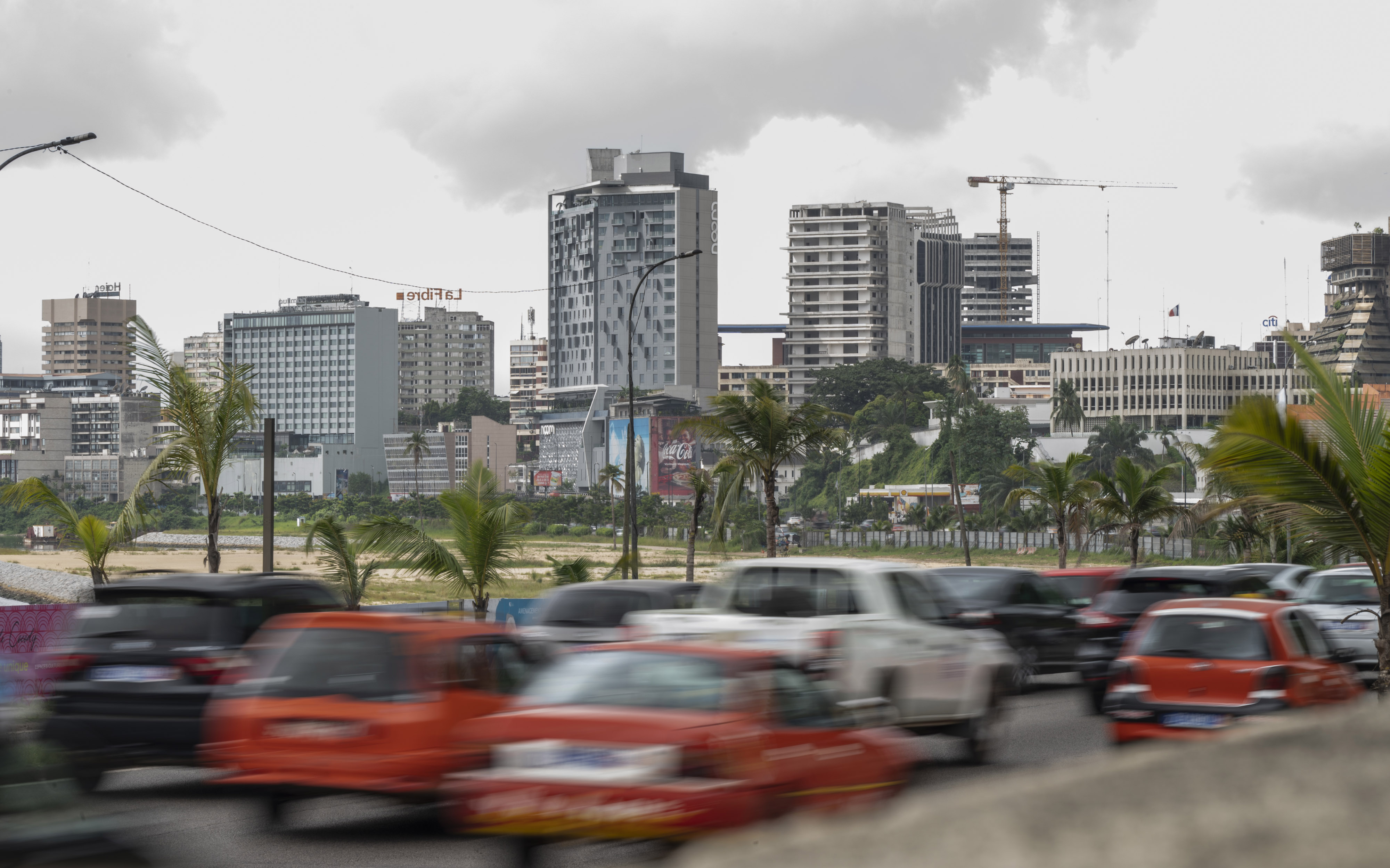
The business district of Abidjan, Ivory Coast.
Photographer: Andrew Caballero-Reynolds/Bloomberg
The City of Johannesburg pledged to pay creditors by next week to have $219 million of government funding reinstated and is in talks about selling debt to fund upgrades to infrastructure. The Nation Treasury withheld transfers to South Africa’s economic hub because of failure to manage its finances properly, amid deteriorating services. Quote of the Week“Life is unfair. The world is unfair.” Hossam Hassan Egyptian men’s World Cup football coach Hassan was speaking after his side lost to Argentina in dramatic fashion, claiming the defending champions were favored in refereeing decisions. Last WordMorocco is the final African nation remaining in the World Cup and faces one of the favorites, France, in the quarter finals. Its run at the football showpiece adds to a record unbeaten streak and victory in Boston today will match its semi-final spot in Qatar four years ago. It’s no surprise then that success on the pitch has spilled over into growing influence in Moroccan politics. In this week’s Next Africa podcast, Jennifer Zabasajja asks former Moroccan star Hassan Kachloul what the Atlas Lions’ historic campaign means to fans back home. 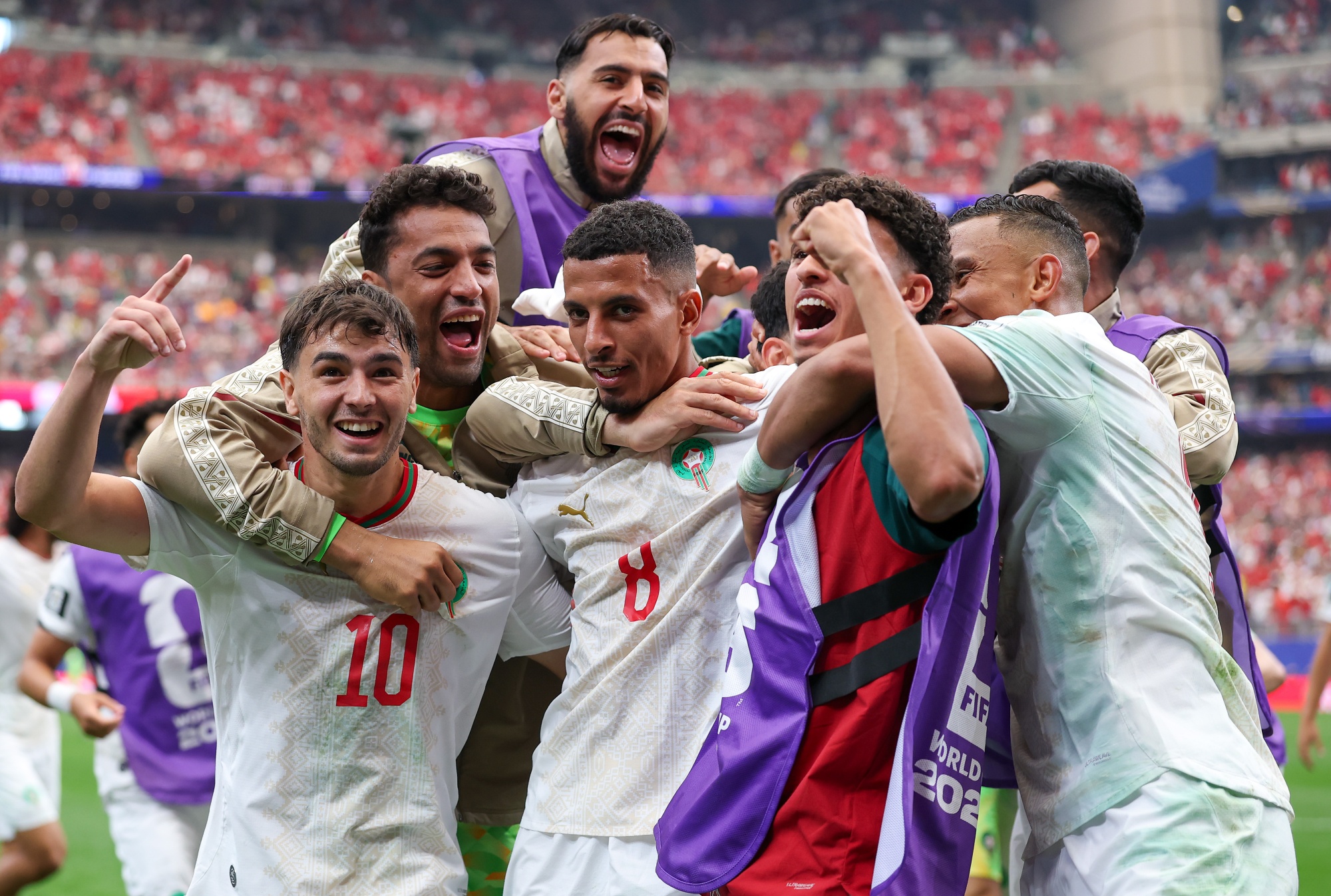
Morocco celebrate a second goal against Canada during their Round of 16 match on July 4.
Photographer: Kevin C. Cox/Getty Images
We’ll be back in your inbox with the next edition tomorrow. Send any feedback to gbell16@bloomberg.net. More From BloombergEnjoying Next Africa? You might also like:
We’re improving your newsletter experience and we’d love your feedback. If something looks off, help us fine-tune your experience by reporting it here. Follow Us
You received this message because you are subscribed to Bloomberg’s Next Africa newsletter. If a friend forwarded you this message, sign up here to get it in your inbox.
|
Thursday, July 9, 2026
Next Africa: Two sides of change





Subscribe to:
Post Comments (Atom)
Next Africa: Two sides of change
Nigeria’s oil and gas industry is evolving ...
-
PLUS: Dogecoin scores first official ETP ...
-
Swaps, memes, homes, tokens. View in browser Unicorn bucket We have talked a fe...


No comments:
Post a Comment