| Read in browser | ||||||||||||||


Welcome to the Brussels Edition. I’m Suzanne Lynch, Bloomberg’s Brussels bureau chief, bringing you the latest from the EU each weekday. Make sure you’re signed up. The EU is launching a fresh push to up its game when it comes to technological prowess and innovation, part of a bid to loosen dependency on other markets, particularly the US. The new “tech sovereignty” package, to be unveiled tomorrow, contains a suite of measures designed to bolster the EU’s homegrown industrial and technological base, according to a draft of the plan we’ve seen. A central plank is the Cloud and AI Development Act, or CADA, which aims to spur construction of European data centers. This would require governments to store critical data on EU-owned cloud services, and also carry out a compulsory “sovereignty risk assessment” of their cloud providers. The Commission is also proposing the designation of “data center strategic projects.” 
European Commission President Ursula von der Leyen, TSMC CEO C.C. Wei, and Olaf Scholz, Germany’s then-chancellor, at a ground-breaking ceremony for a new semiconductor plant in Dresden, Germany, on Tuesday, Aug. 20, 2024.
Photographer: Liesa Johannssen/Bloomberg
The proposal is an effort to confront US dominance, and major players like Amazon Web Services, Microsoft Azure and Google Cloud. Similarly, the Commission is trying to reduce reliance on non-EU critical supplies like semiconductors through a rebooted Chips Act. Whether Europe is able muster sufficient firepower and political will to compete with rivals over critical supplies and the next wave of digital infrastructure remains to be seen. In the run-up to the adoption of the package tomorrow, some senior Commission figures have expressed concern about any tilt towards protectionism. The reality is that Europe still remains highly dependent on key imports and services, as evidenced by the recent u-turn on sanctioning Chinese semiconductor firm Yangzhou Yangjie Electronic Technology following complaints from German auto producers that they needed the inputs. Meanwhile, as Jorge Valero and Alberto Nardelli reported overnight, the Commission is preparing to grant countries additional fiscal flexibility to cope with the impact of high energy costs due to the Iran war. Brussels will allow governments to spend around 0.3% of GDP on energy-related spending outside the EU’s fiscal framework, sources say. The development is a boost for Italy, which has been leading calls for greater fiscal wiggle room from Brussels as it battles the energy crunch. The Latest
Seen and Heard on Bloomberg 
Protectionism is “killing” Europe, Serbian President Aleksandar Vucic told Bloomberg TV in Belgrade. Speaking after returning from Beijing with more than $1 billion of investment pledges, Vucic said that joining the EU remains the Balkan nation’s goal. “We’ll do our job,” Vucic said. “But in the meantime, we have to take care of ourselves. We cannot wait forever.” Chart of the Day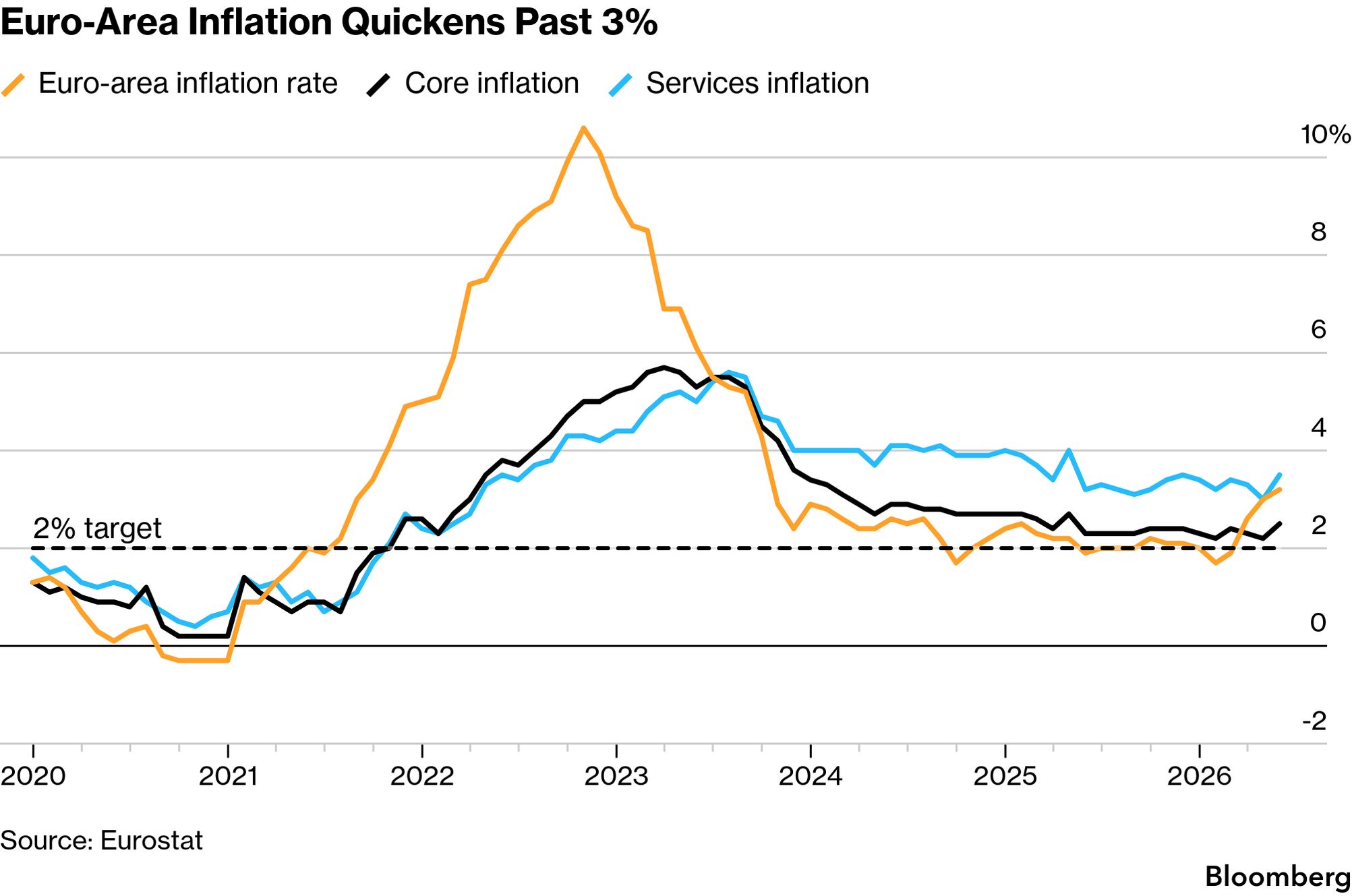
Euro-area inflation topped 3% for the first time in more than two and a half years, cementing expectations for an interest-rate hike when the European Central Bank meets next week. Consumer prices rose 3.2% from a year ago in May, up from 3% the previous month, Eurostat said today. That was in line with analysts’ expectations. Coming up
Final ThoughtSenior officials have warned Vladimir Putin that spending on the war in Ukraine is on an unaffordable path, the most serious sign of internal division in Moscow since the full-scale invasion began. Finance ministry and central bank officials have advised the Russian president that the current level of defense expenditure may lead to a dangerous widening of the budget deficit, according to sources and documents we reviewed. 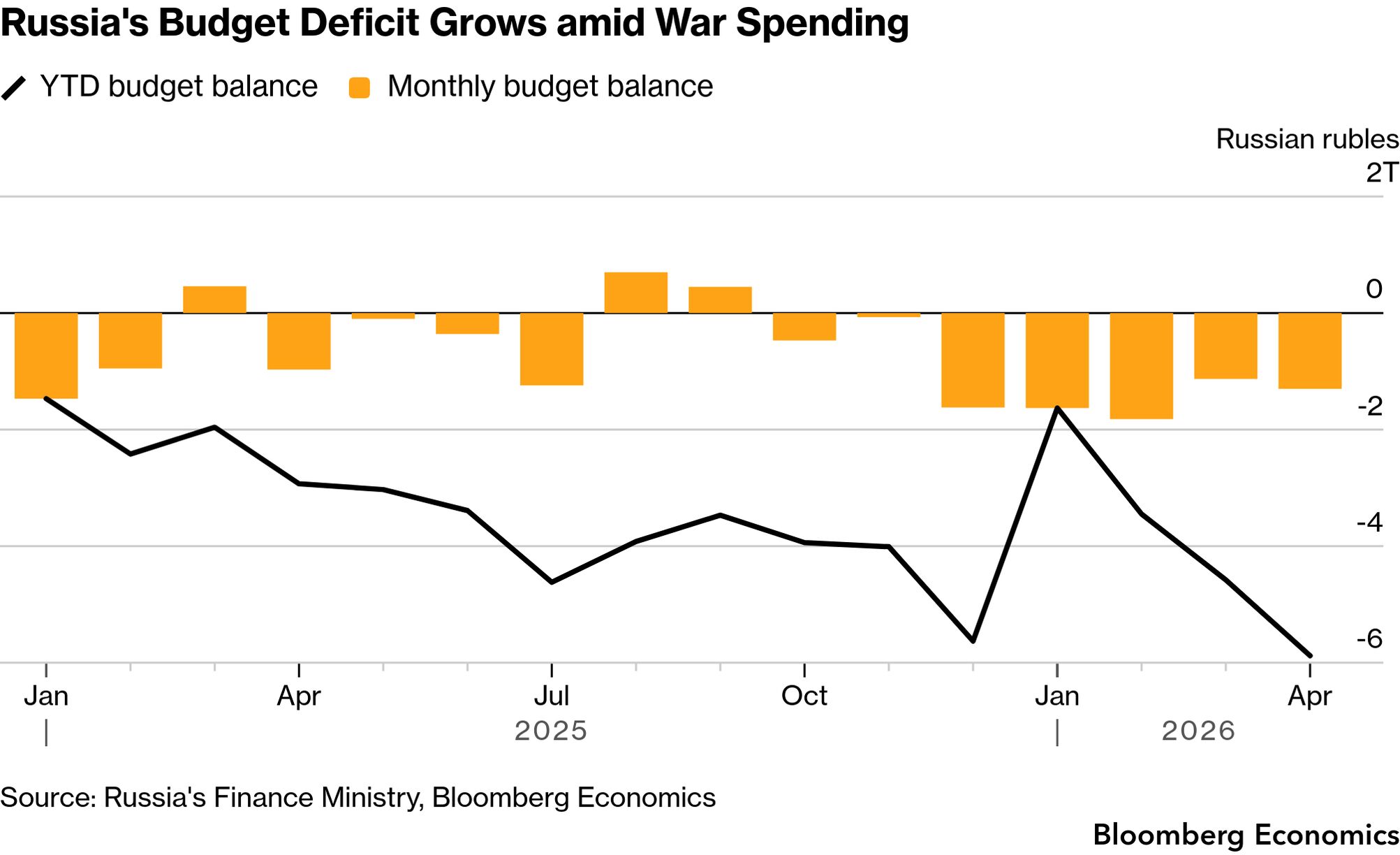
Like the Brussels Edition?Don’t keep it to yourself. Colleagues and friends can sign up here. We’re improving your newsletter experience and we’d love your feedback. If something looks off, help us fine-tune your experience by reporting it here. Follow Us
You received this message because you are subscribed to Bloomberg’s Brussels Edition newsletter. If a friend forwarded you this message, sign up here to get it in your inbox.
|
Tuesday, June 2, 2026
Brussels Edition: Chasing tech sovereignty





Subscribe to:
Post Comments (Atom)
AirJoule Technologies: Short Squeeze Setup Amid Rising Risks
Record short interest above 17% sets the stage for a potential squeeze, but AirJoule must overcome cash-burn, dilution, certification, ...

-
Revolutionary Stem Cell & PRP —Start Your Journey Today ...


No comments:
Post a Comment