| Read in browser | ||||||||||||||

Welcome to Balance of Power, bringing you the latest in global politics. If you haven’t yet, sign up here. Votes are still being tallied in Ethiopia after Monday’s elections, but it’s a foregone conclusion that Prime Minister Abiy Ahmed will secure another five-year term. A political status quo in Africa’s most populous nation after Nigeria won’t necessarily translate into stability, though. The contest for seats in the national legislature, which elects the premier, saw the opposition vote split among more than 40 small blocs, putting Abiy’s Prosperity Party on a clear path to victory. 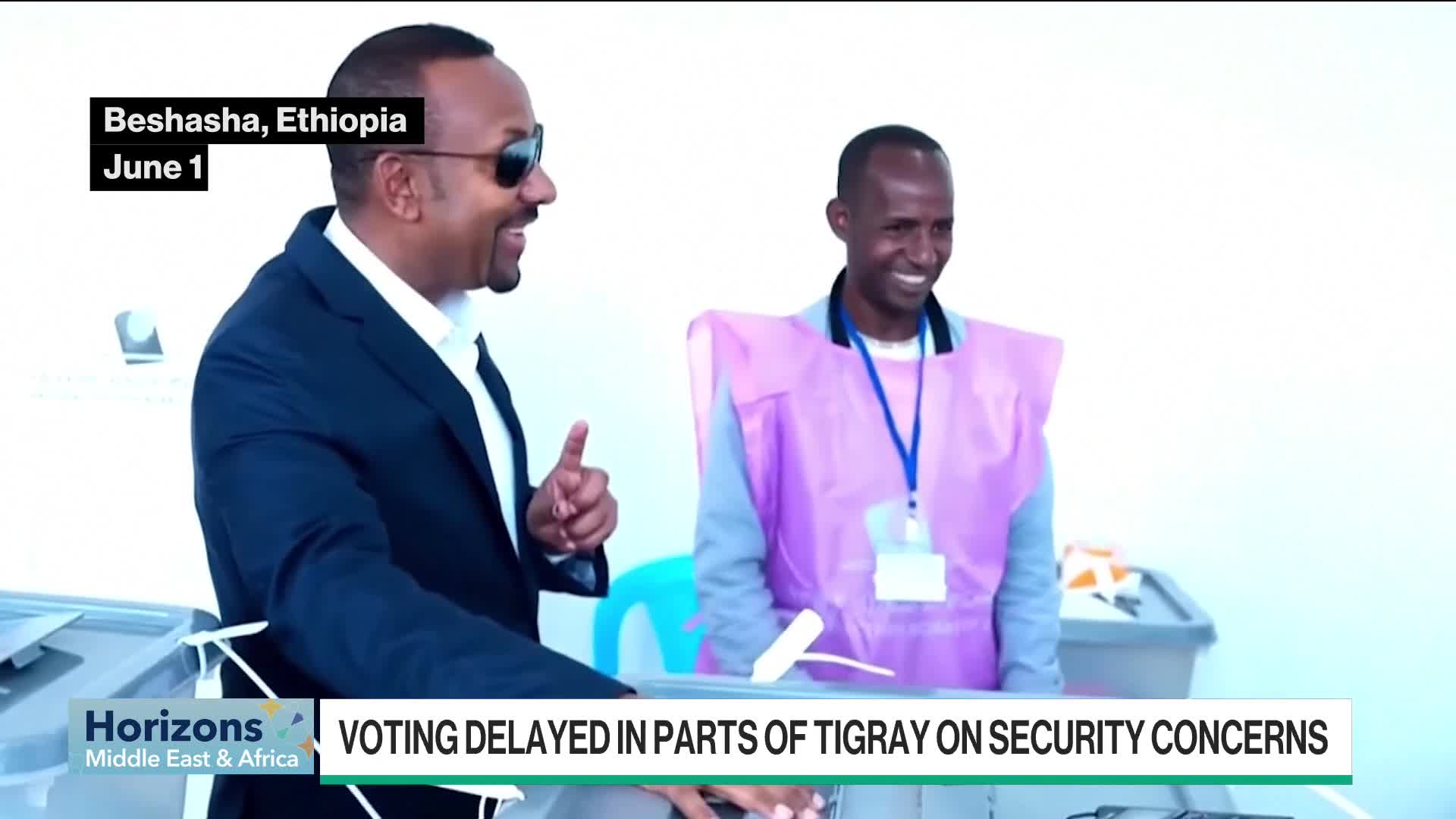 
WATCH: Bloomberg’s Jennifer Zabasajja reports on the election.
The election was deferred in the northern Tigray province and parts of neighboring Amhara, home to some of Abiy’s fiercest rivals. Ethiopia continues to be riven by internal divisions, most notably between the federal government and the Tigrayans. They fought a two-year civil war that claimed hundreds of thousands of lives before a truce was agreed in 2022. Armed insurgencies continue elsewhere in the country. Abiy, 49, who won a Nobel Prize after forging a peace deal with Eritrea following decades of animosity, has done little to ease the tensions and instead largely resorted to force to quell dissent. He’s angered Somalia and Eritrea by demanding direct access to the sea, antagonized Egypt by building a huge dam on a Nile River tributary, and drawn accusations from Sudan’s military that he’s backing a militia in the nation’s civil war. Regional diplomats warned earlier this year that relations between Ethiopia and Eritrea had deteriorated sharply, raising the risk of renewed conflict. The US is unlikely to keep Abiy in check. The Trump administration has sought to broker peace deals in Sudan and the Democratic Republic of Congo, but is now squarely focused on the Middle East. Africa is far down its priority list. While Abiy’s grip on power appears secure, Ethiopia’s future and that of the wider region will hinge on how he chooses to wield it. — Fasika Tadesse and Michael Cohen 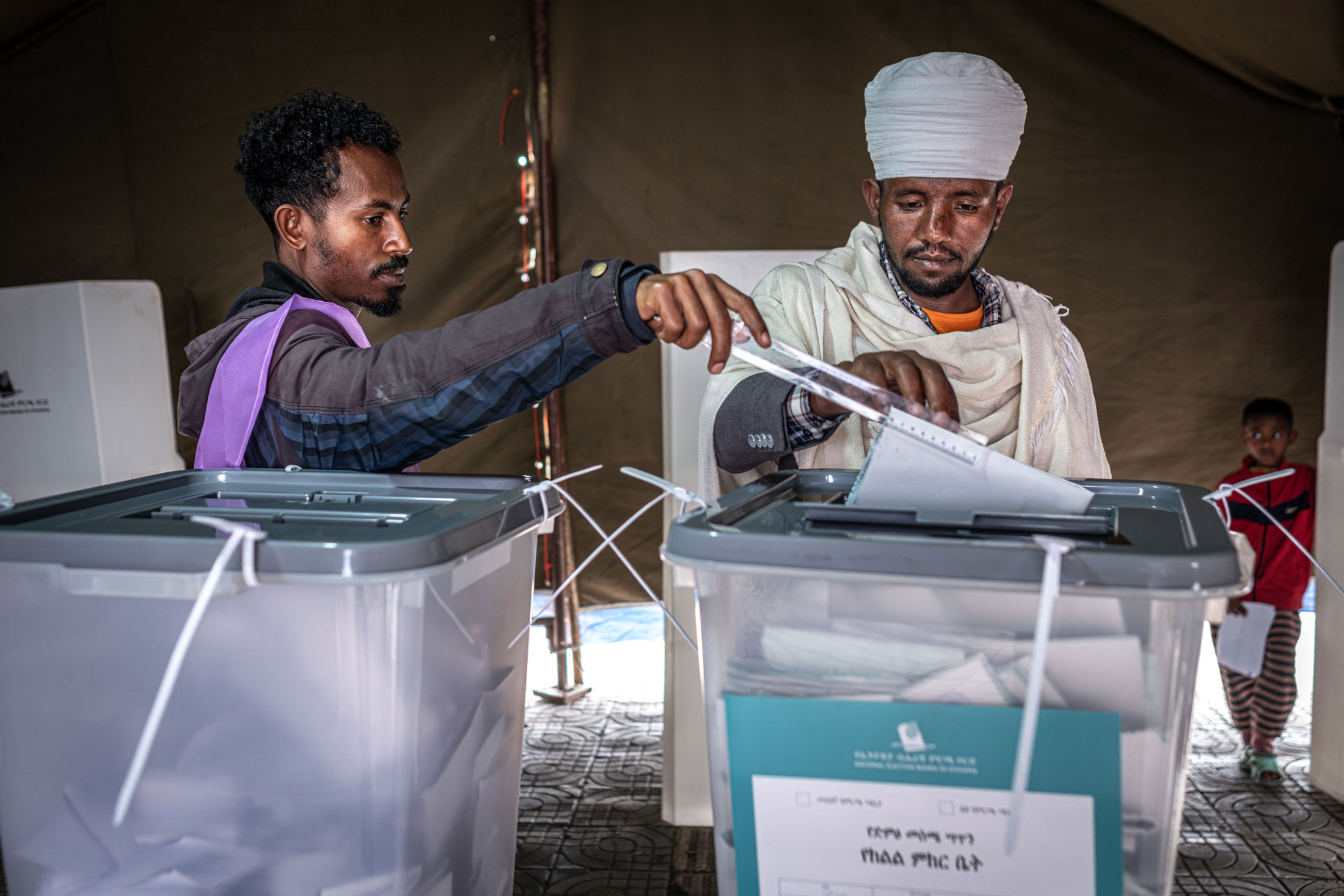
A voter casts his ballot in Addis Ababa on June 1.
Photographer: Marco Simoncelli/AFP/Getty Images
Global Must ReadsUS and Iranian forces exchanged military strikes in the latest test of a fragile ceasefire. After President Donald Trump abandoned a plan to escort commercial ships through the Strait of Hormuz, the US military is trying less public ways of protecting vessels in the vital waterway. Meanwhile, Israel’s determination to pursue its own objectives underscores the president’s tenuous control over the outcome of the crisis. 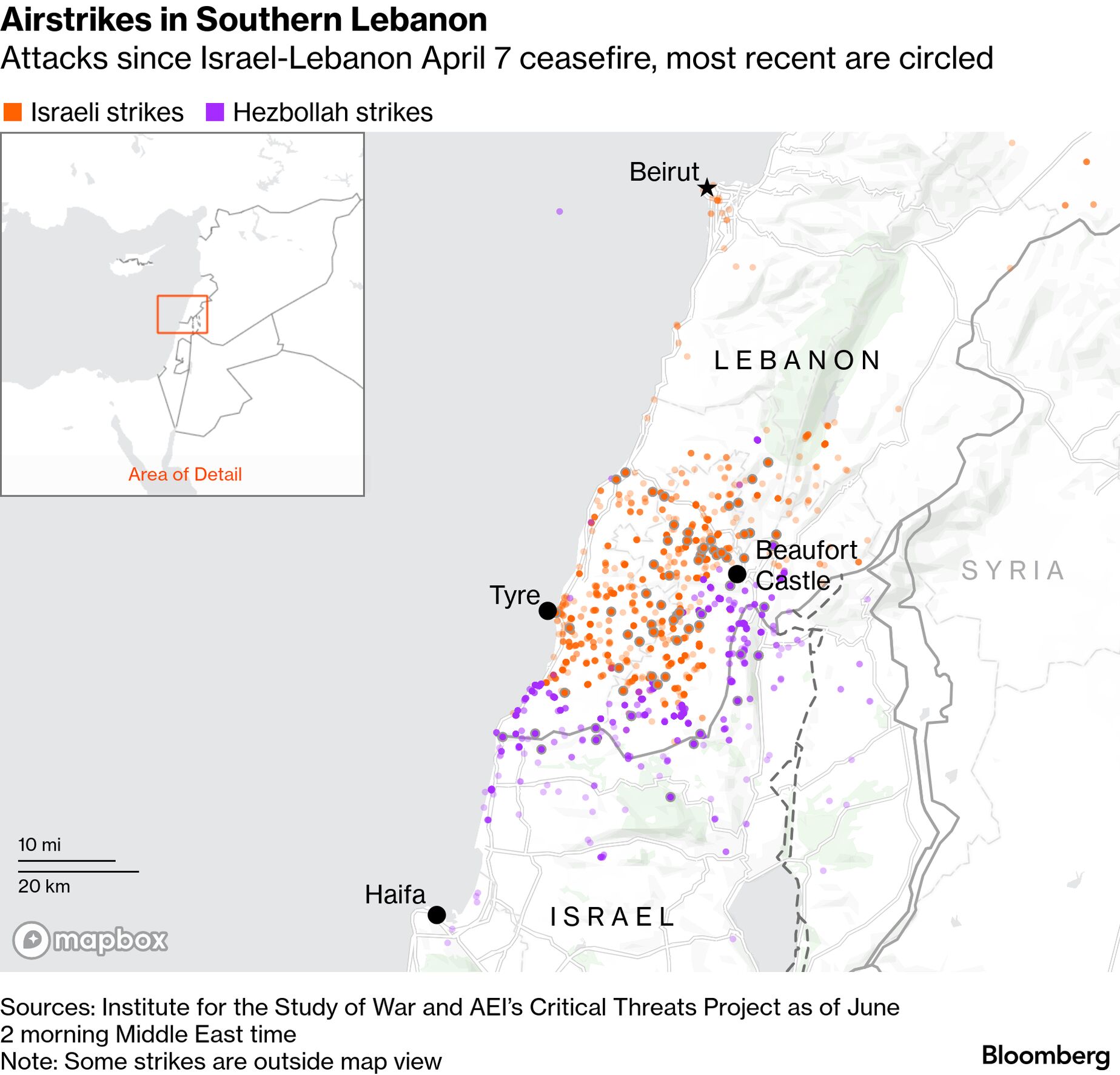
Riots erupted in Southampton yesterday at the scene of the murder in December of a White student by a Sikh man as the case becomes a political lightning rod in Britain. After the perpetrator was jailed this week, right-wing Reform UK leader Nigel Farage drew cross-party condemnation for calling on the public to respond to the case “with pure, cold rage,” and pushing the idea of a “two-tier culture” in which “the rights of White people matter less than those of ethnic minorities.” The US is proposing new tariffs of at least 10% on imports from 60 trading partners, including China, following a probe into goods allegedly produced by forced labor, a move by the Trump administration to rebuild the tariff wall that the Supreme Court struck down. The plan raises questions about the stability of a truce with Beijing following a summit last month between Trump and Chinese President Xi Jinping. 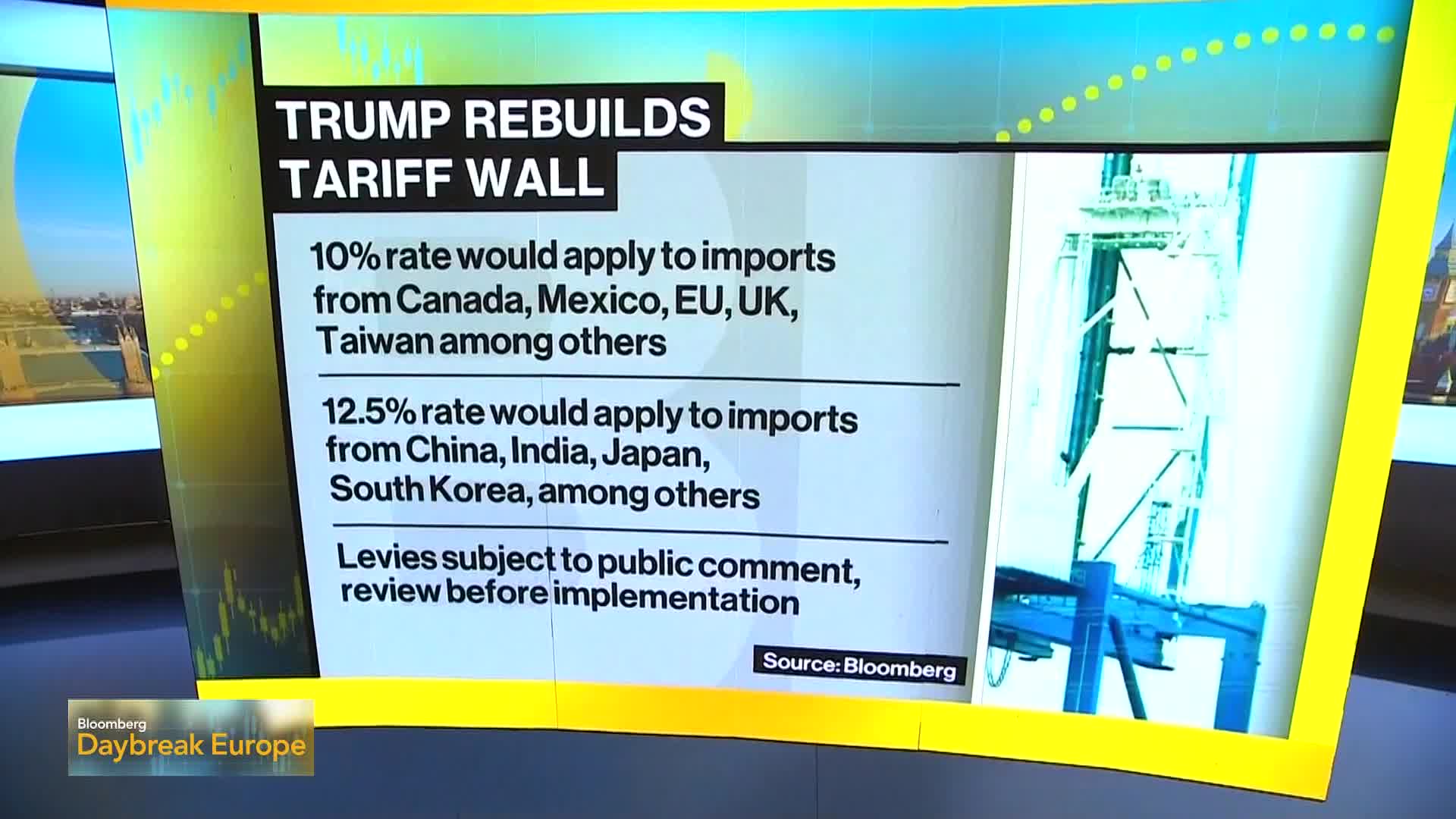
WATCH: Ros Mathieson reports on the new tariffs.
Norway’s $2.3 trillion sovereign wealth fund needs ethics rules that allow it to stay invested in big tech stocks, Finance Minister Jens Stoltenberg said in an interview in Oslo yesterday, comments that come after tensions with the Trump administration over a divestment policy. Stoltenberg, a former NATO chief, also said friction between the US and its European allies is “more difficult to manage” now than when he left in 2024. Thousands of municipal-council seats are up for grabs in South Korea, but attention will focus on 16 governor and mayoral races in its biggest cities in the first electoral test for President Lee Jae Myung a year into his term. While the result won’t impact dynamics in parliament — where Lee enjoys a large majority — a clear ruling-party victory would symbolize the strength of his popularity. Mexican teachers seeking higher wages are threatening to disrupt World Cup games, piling pressure on organizers already facing questions over airport capacity, traffic congestion and security risks in some host cities. 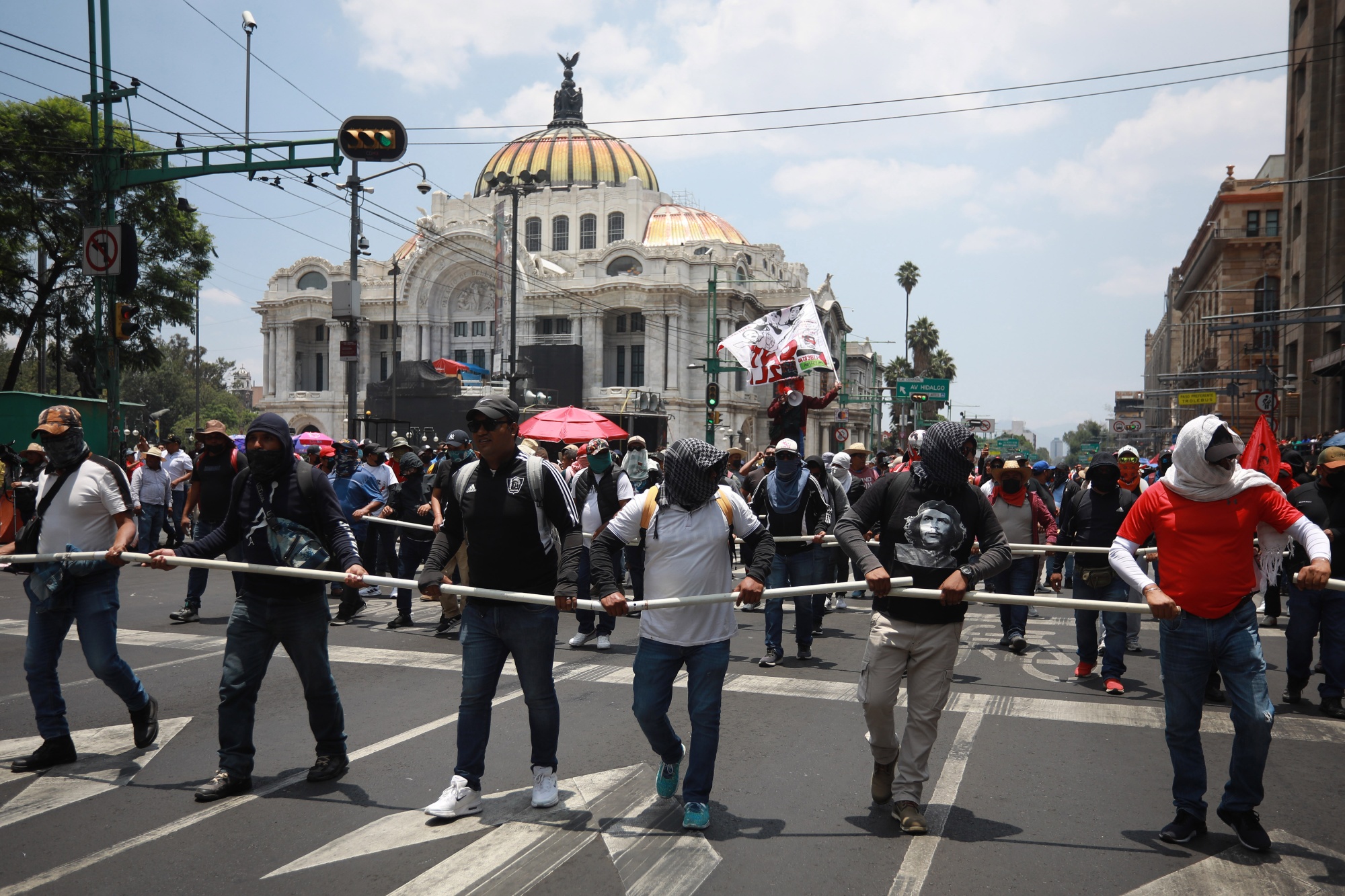
Demonstrators take part in a protest by teachers in Mexico City on Monday.
Photographer: Daniel Cardenas/Anadolu/Getty Images
Hours after the US proposed 25% tariffs on Brazil for unfair trade practices, President Luiz Inácio Lula da Silva had found a way to seize on the threat, branding it “TariFlávio” after his top challenger: Flávio Bolsonaro, who met Trump at the White House last week. Republican Steve Hilton and Democrat Xavier Becerra surged to the top of California’s crowded gubernatorial primary, with billionaire Tom Steyer trailing in a contest shaped by money, scandal and uncertainty. Philippine President Ferdinand Marcos Jr. said his government is considering passing a supplemental budget to help the public cope with the oil crisis as he urged the Senate to return to work. Sign up for the Washington Edition newsletter for news from the US capital and watch Balance of Power at 1 and 5 p.m. ET weekdays on Bloomberg Television. Chart of the Day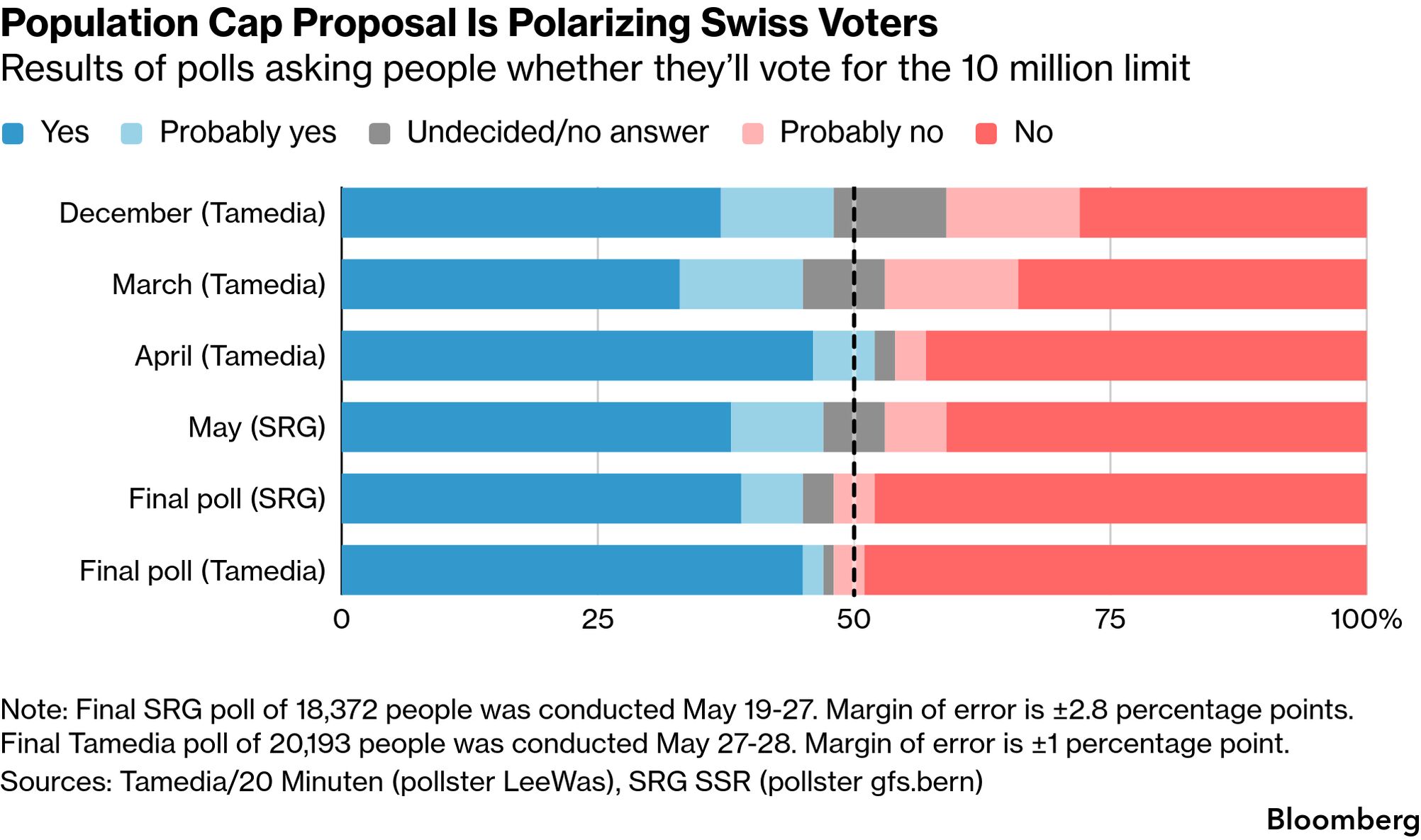
A proposal to cap Switzerland’s population at 10 million people has lost ground among voters, with opposition to the idea now above 50% for the first time, according to final polls before a national vote. The result on June 14 may still be very close, but the trend is now pointing to a rejection. That will come as relief to the government and businesses, who have opposed the cap because of its potential damage to the economy. And FinallyRussia’s billionaires are under increasing state judicial pressure, with charges ranging from corruption to accusations of giving non-military support to the enemy and even dual citizenship. Asset seizures are breaking up business empires and redistributing wealth, often to more loyal business groups. Vadim Moshkovich spent decades building up agricultural company Ros Agro before a Moscow court last month ordered the seizure of his family’s 49% stake after prosecutors said he violated a ban on combining public service with business activities. 
A banner depicts the Kremlin’s Spasskaya tower and skyscrapers of Moscow’s International Business Centre in central Moscow.
Photographer: Kirill Kudryavtsev/AFP/Getty Images
More from Bloomberg
We’re improving your newsletter experience and we’d love your feedback. If something looks off, help us by reporting it here. Follow Us
You received this message because you are subscribed to Bloomberg’s Balance of Power newsletter. If a friend forwarded you this message, sign up here to get it in your inbox.
|
Wednesday, June 3, 2026
A region braces





Subscribe to:
Post Comments (Atom)
AirJoule Technologies: Short Squeeze Setup Amid Rising Risks
Record short interest above 17% sets the stage for a potential squeeze, but AirJoule must overcome cash-burn, dilution, certification, ...

-
Revolutionary Stem Cell & PRP —Start Your Journey Today ...


No comments:
Post a Comment