|
When “Breakeven” Replaces Your Strategy
|
|
The problem occurs when a trader’s underlying objective has changed.
|
Originally, they entered because of a strong technical setup, and they believed the trade offered an attractive risk/reward profile. But once the position moves heavily against them, the goal changes.
|
|
They simply want to get back to breakeven.
|
|
But that’s not a trading strategy. It’s an emotional objective. Traders can become so focused on their entry price that they give that level a meaning it doesn’t deserve. In truth, the market neither knows nor cares where they entered.
|
|
Loss aversion also starts to take hold. Because accepting a loss is painful, traders may look for a reason to postpone it. To them, accepting the loss can feel like admitting they were wrong.
|
|
So they hold on in the hope that a favorable economic release, earnings announcement, or broader market rebound will put everything right.
|
Sometimes the market does turn around and hand them a “get out of jail” card. But this can reward bad behavior. It can also falsely teach them that ignoring their stop loss was the right decision.
|
|
Sooner or later, a trade won’t bounce back. And that’s when losses can accelerate.
|
Tune in to Trading With Larry Live 
Each week, Market Wizard Larry Benedict goes live to share his thoughts on what’s impacting the markets. Whether you’re a novice or expert trader, you won’t want to miss Larry’s insights and analysis. Even better, it’s free to watch. Visit us on YouTube to catch the latest! |
|
|
Treat a Loss Like a Business Expense
|
|
Over more than 40 years in the markets, I’ve learned to take a loss and move on. Trading is a business, so I recommend thinking of a loss as an operating expense.
|
|
It should be no different from any other cost involved in running a business. You have to accept it and simply move on.
|
|
Before entering a trade, you should know exactly how much you’re prepared to lose and what price action would break the setup – for example, a stock falling below support.
|
|
If you trade options, you need to decide whether adding, adjusting, or rolling is genuinely part of your strategy.
|
Importantly, those decisions need to be made while you’re objective – not after a position has started moving against you and emotion has taken control.
|
|
If the setup gets invalidated, close the trade. That doesn’t mean you can’t enter again later – but only if a new high-quality setup develops, not because of your desire to win back lost funds.
|
|
Taking a loss protects your capital. It also protects your confidence, discipline, and ability to recognize the next genuine opportunity. Taking a big hit saps that confidence and can have you second-guessing yourself, leading to missed opportunities ahead.
|
|
One bad trade rarely destroys a trader.
|
|
That first loss might feel expensive at the time. But compared with what can happen if you refuse to accept it, it’s often the cheapest loss you’ll ever take.
|
|
Happy Trading,
|
|
Larry Benedict
Editor, Trading With Larry Benedict
|
|
|
Get Instant Trade Alerts on Mobile!
|
|
|
|
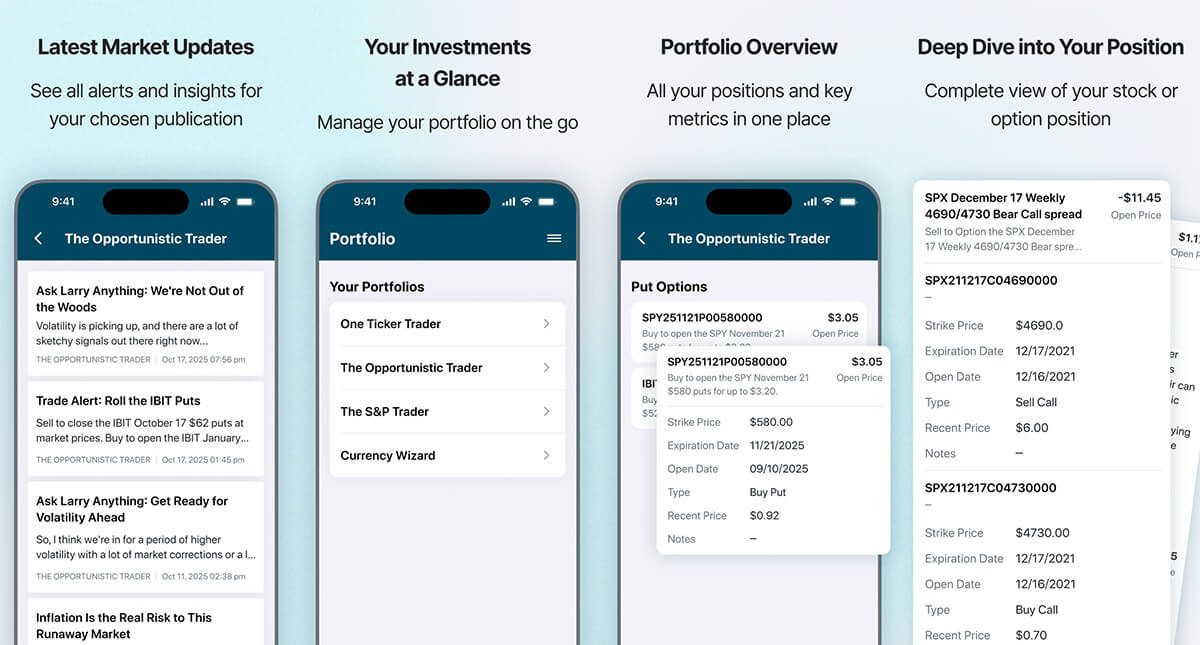
Click the icon below from your mobile device to download The Opportunistic Trader app today for one-tap access to trade alerts, issues, and model portfolios for all of Larry’s services.
|
|
Available in the app store on Android and iPhone.
|
|
|
|












No comments:
Post a Comment