| Read in browser | ||||||||||||||
Welcome to Next Africa, a daily newsletter on where the continent stands now — and where it’s headed. Sign up here. In today’s edition, we look at:
Rethinking Debt ReliefSenegal’s likely restructuring of almost $5 billion of eurobonds presents creditor nations with an opportunity to rethink the global approach toward debt relief. The Group of 20’s Common Framework introduced almost six years ago set out broad guidelines to renegotiate loans for countries unable to meet their obligations. Zambia, Ghana and Ethiopia clinched restructuring deals using the system, but talks were prolonged, painful and peppered with pitfalls. Coordination between lenders with diverse interests was a particularly thorny issue. While the Paris Club of mostly rich-country creditors has decades of experience in negotiating relief, the emergence of major new financiers like China introduced new complexities. 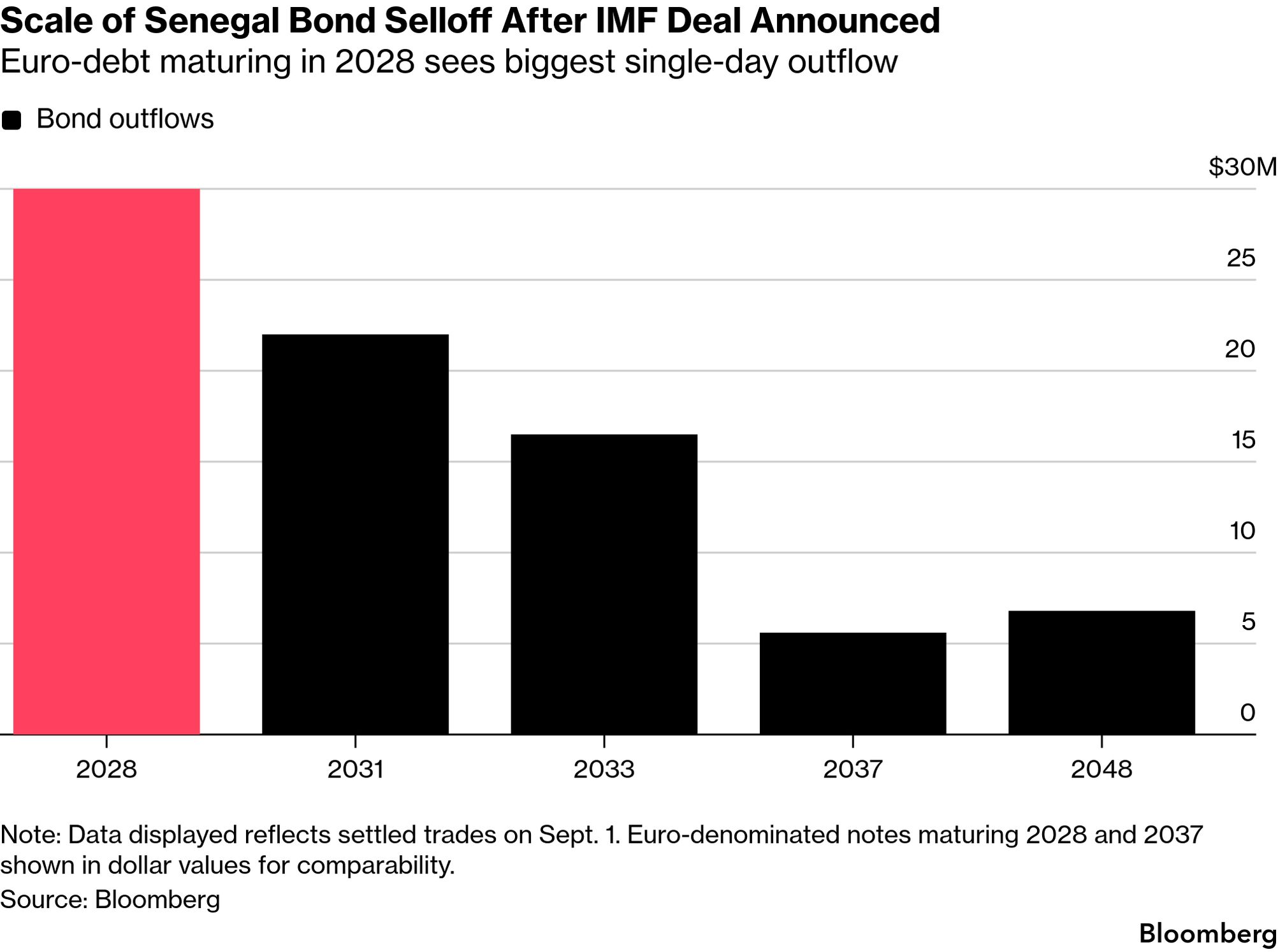
A process in which official or state-owned lenders formed committees that agreed on how to restructure their loans and then essentially imposed the same terms on commercial creditors drew the ire of bond investors. Now the G20 and IMF are trying to fix the problems. Refinements will include shorter negotiating timelines, better information sharing early on, and parallel engagements with different creditor classes and greater transparency on the comparability of how they are treated, according to Senegalese Finance Minister Cheikh Diba. While Senegal has clinched a $2.2 billion rescue program with the IMF to stabilize its finances following the discovery of previously undisclosed loans, it hasn’t explicitly stated that it will actually default. Investors see that as the most likely course of action, though, given this week’s selloff of the nation’s bonds. Martin Kessler, executive director of the Paris School of Economics’ Finance for Development Lab, sees Senegal as a test case for a revamped Common Framework. “There has been an improvement, but I think it’s proof of failure that Senegal took that much time to apply,” he says. — Matthew Hill 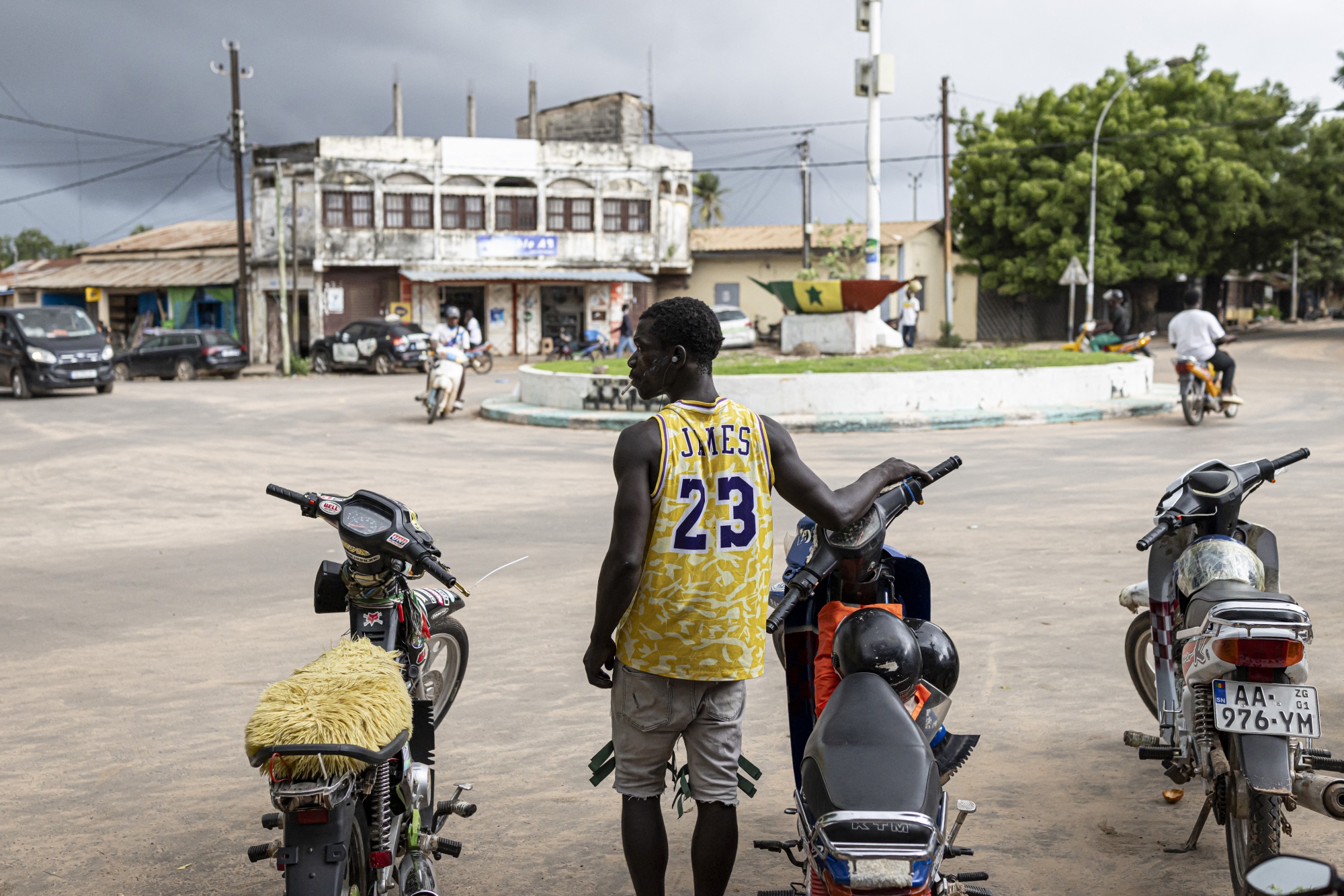
A motorcycle taxi driver in Ziguinchor, Senegal.
Photographer: Patrick Meinhardt/AFP/Getty Images
What Everyone’s ReadingNigerian billionaire Aliko Dangote says an initial public offering for his refinery, Africa’s largest, is imminent. “We’re opening in the next 10, 12 days,” he said in Gaborone, Botswana’s capital, where he met President Duma Boko. Dangote Petroleum Refinery & Petrochemicals is looking to raise as much as $2 billion for its plant on the outskirts of Lagos. The proceeds will go into doubling daily processing capacity to about 1.4 million barrels. 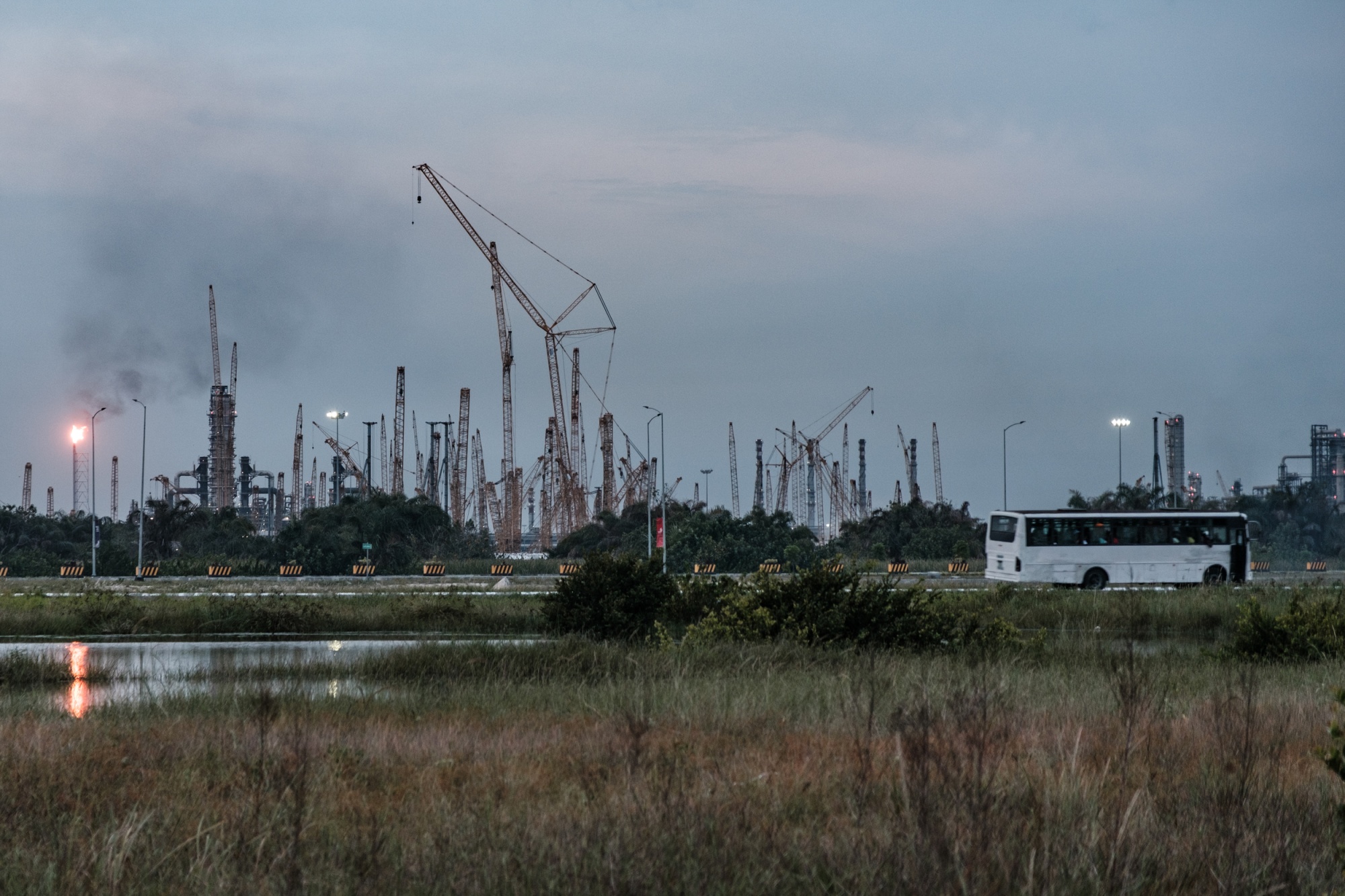
The Lekki free-trade zone, which houses the Dangote refinery, near Lagos.
Photographer: Victor Adewale/Bloomberg
South Africa’s Industrial Development Corp. plans to sell its stake in a Namibian uranium project. The IDC owns about 10.5% of Rossing Uranium, and continued involvement in the project would leave it vulnerable because the mine’s backers include sanctioned Iranian and Russian entities, the financier says. Rossing operates one of the world’s largest open-pit uranium mines in the Namib desert. The World Bank cautioned Zimbabwe against rushing to end the use of dollars in the economy as it could trigger investors to take their money out of the country. The southern African nation has set 2030 as the deadline to phase out the domestic use of the greenback and make its bullion-backed ZiG the only currency. Cobalt’s spectacular rally is reversing as Democratic Republic of Congo’s exports of the battery metal pick up, testing the top producer’s efforts to control prices. The central African country imposed limits on exports in early 2025 — first with an outright ban and then with quotas, sending prices soaring. They subsequently slid as shipments increased and concerns about global demand and recycled supplies weighed on the market. 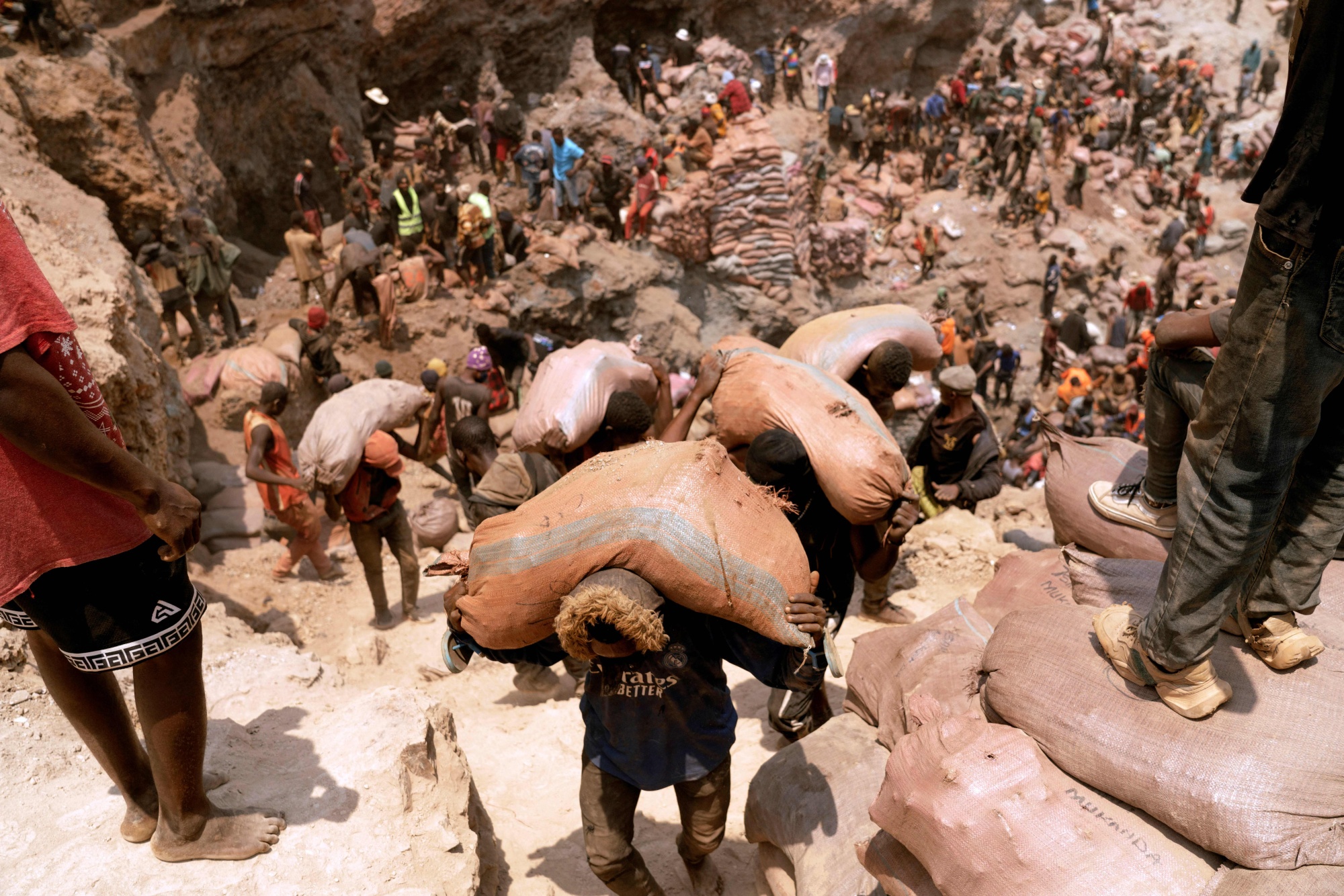
Artisanal miners carry sacks of ore at a cobalt mine near Kolwezi in Congo.
Photographer: Junior Kannah/AFP/Getty Images
Roche plans to deploy new laboratory equipment in the epicenter of Congo’s Ebola epidemic as authorities struggle to contain a virus that has repeatedly outrun the response. The Swiss drugmaker will install a LightCycler diagnostic system in Bunia, capital of hard-hit Ituri province, and provide technical support and training. The pilot could be expanded to other areas. Next Africa Quiz — Which African nation is home to the recently built tallest building on the continent? Send your answers to nextafrica@bloomberg.net. On this week’s Next Africa podcast, Antony Sguazzin discusses what he found when he visited a trial cash-handout project in Malawi and whether similar programs could be replicated in other impoverished countries. What’s Coming Up
Last WordSouth Africa’s antitrust authority will consider probes into malls and shopping centers in predominantly Black urban and rural communities that make it difficult for small, independent retailers to trade in those spaces. Townships and rural regions remain among the country’s poorest areas. Still, they’re emerging as key focus areas for established business looking to tap underserved markets. 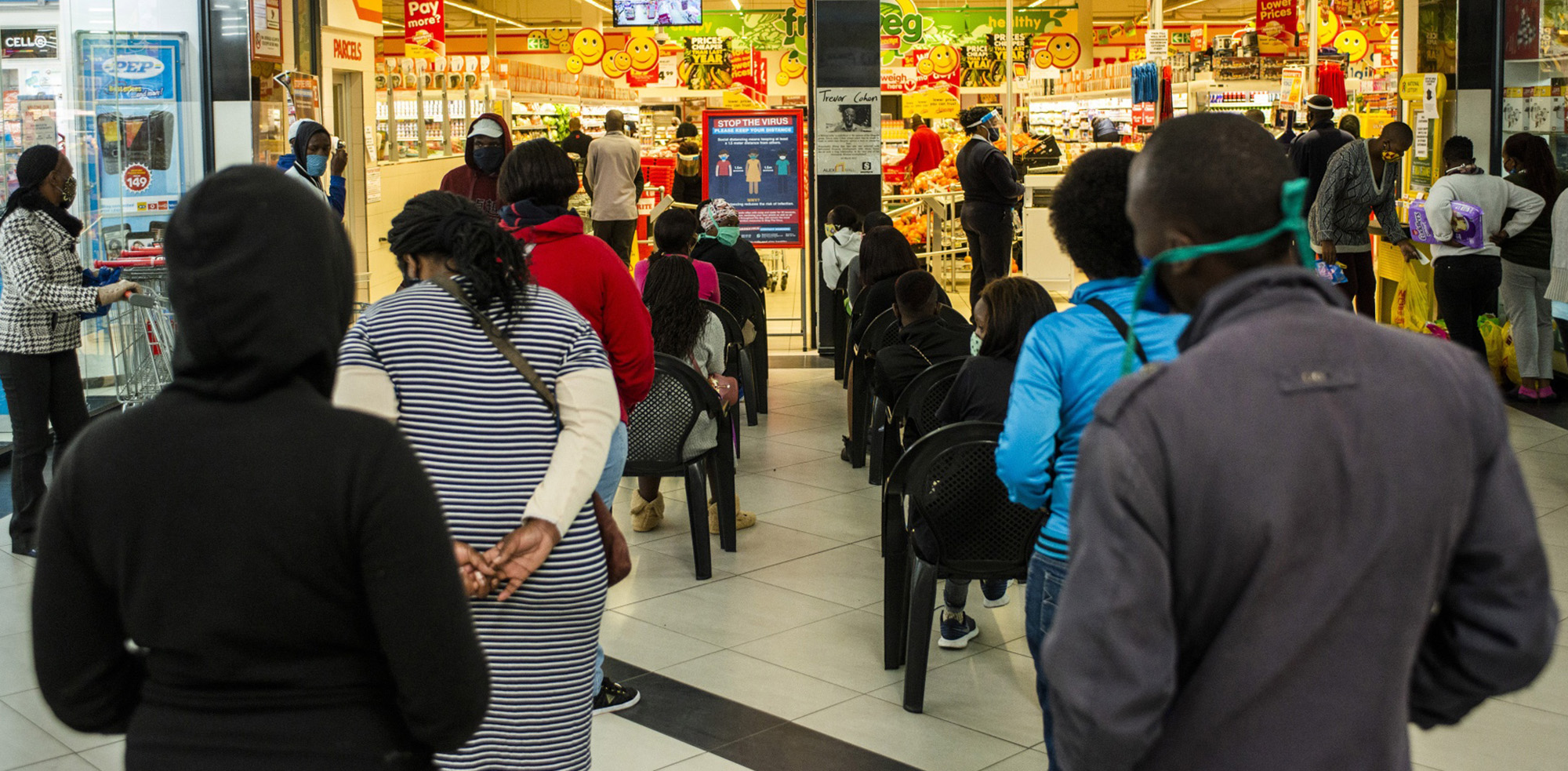
A mall in Johannesburg’s Alexandra township.
Photographer: Waldo Swiegers/Bloomberg
We’ll be back in your inbox with another edition on Monday. Send any feedback to nextafrica@bloomberg.net. More From BloombergEnjoying Next Africa? You might also like:
We’re improving your newsletter experience and we’d love your feedback. If something looks off, help us fine-tune your experience by reporting it here. Follow Us
You received this message because you are subscribed to Bloomberg’s Next Africa newsletter. If a friend forwarded you this message, sign up here to get it in your inbox.
|
Friday, September 4, 2026
Next Africa: A debt reset





Subscribe to:
Post Comments (Atom)
I Can't Wait For The 10-Year To Hit 5%
Everybody's going to panic. I'm going to get paid. So can you. ...

-
Revolutionary Stem Cell & PRP —Start Your Journey Today ...
-
You’ve shown interest in Regenerative Medicine ...


No comments:
Post a Comment