| Read in browser | ||||||||||||||

Lego has encountered obstacles as it tries to make its ubiquitous colorful bricks more sustainable. Today’s edition explains how the family office of the Kirk Kristiansens — the billionaires behind the toy brand — plans to ramp up investments in plastic recycling to help tackle part of the problem. Subscribe to Bloomberg.com for unlimited access to all our coverage. Building an industryThe fund managing the wealth of the Danish billionaires behind Lego A/S intends to significantly ramp up investments in plastics technologies, as Europe prepares to enforce much stricter recycling rules. The climate unit of Kirkbi A/S plans to double the size of its $1.6 billion portfolio over the coming five years. Plastics recycling will represent “an area where we plan to invest heavily,” Anupam Bhargava, chief executive officer of Kirkbi Climate, said in an interview. The European Union has set a 2030 deadline for all packaging to be recyclable. The requirement — known as the EU’s Packaging and Packaging Waste Regulation (PPWR) — is part of a larger set of measures designed to cut carbon emissions and waste in the EU. 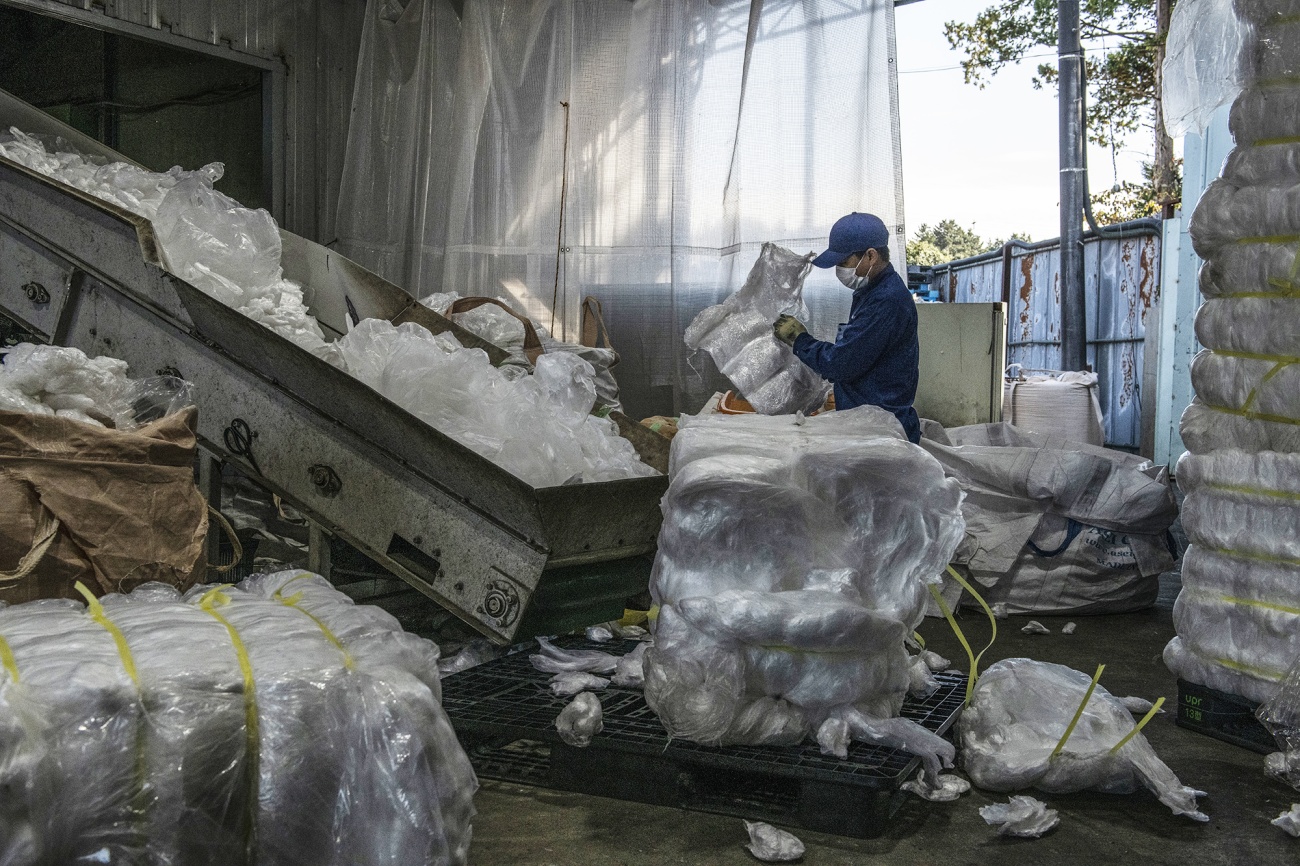
A worker loads plastic bags into a shredding machine to be recycled and turned into pellets in Kasama, Japan.
Photographer: Carl Court/Getty Images
The new rules “will create added confidence for investors like us that the market will eventually mature,” Bhargava said. “We can dive in knowing that the market economics don’t work today, but if there’s no chance for the market economics to ever work, then that’s very difficult.” Recycling as a business area has long been held back, due to a combination of low investment and stubbornly competitive petrochemical prices that have made virgin plastic cheaper than recycling. Today, “there’s no solution where you can invest in a technology company and that will produce amazing results,” Bhargava said. That’s because companies involved in recycling work “in a value chain that is currently highly fragmented and not very efficient.” With the packaging regulation deadlines looming, however, “the industry needs to get ready now,” Bhargava said. Kirkbi is the holding company of the Lego group whose colorful plastic building blocks are sold around the world. The company managed 189 billion kroner ($29 billion) in assets as of year-end. Kirkbi Climate, which invests in the energy transition and land use in addition to plastics recycling, has 10 billion kroner under management. Future investments will be roughly split between energy and recycling, with a focus on a handful of EU countries and plastics, Bhargava said.
Keep reading
Plastic footprint35 kilograms (77 pounds) The amount of annual plastic-packaging waste generated per person, most of which is made from imported fossil fuels, according to EU estimates. Investment strategy“The idea for the family was that if we’re going to help solve climate at scale, then we need to be a business builder. And that means investing in a very different way.” Anupam Bhargava Chief executive officer of Kirkbi Climate Capturing moreBy Akshat Rathi and Alastair Marsh The world’s largest direct air capture plant is sucking more carbon dioxide from the atmosphere at a lower cost, an improvement for a sector struggling to scale economically as global warming surpasses dangerous levels. Swiss carbon-removal company Climeworks said its Mammoth facility in Iceland removed 675 tons of carbon dioxide in the first half of this year, almost six times as much as a year earlier. The cost of running the plant has fallen by more than half, the company said in a statement, without disclosing the actual expense 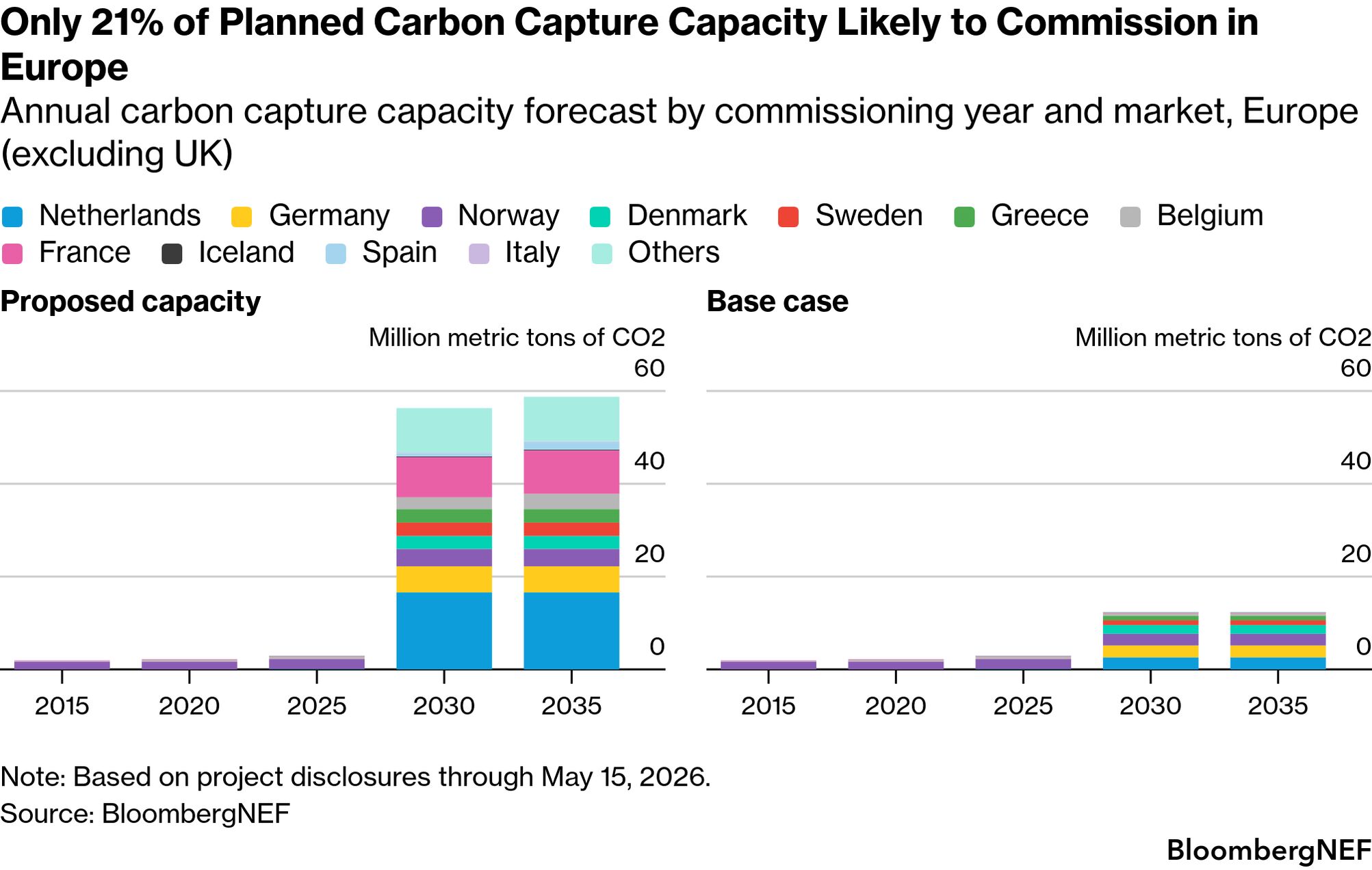
The better performance from Mammoth, which began operations in 2024, and others like it may be crucial to combating global warming, but only if the technology can grow big enough to make a meaningful dent. Several billion tons of carbon removal may be required annually by mid-century to keep temperatures below 2C above pre-industrial levels, researchers led by Matthew Gidden of the International Institute for Applied Systems Analysis wrote in a 2024 report. Carbon emissions from fossil fuels reached 38.1 billion tons last year, according to the Global Carbon Project.
Read more
Your 200th Zero listenClimber Alex Honnold is best known as the star of Free Solo, an Oscar-winning documentary that followed his rope-free ascent of the 3,000-foot (1,000-meter) face of Yosemite’s El Capitan. But he has also established the Honnold Foundation to bring solar power to those who most need it. This week on Zero, in our 200th episode, Bloomberg’s Akshat Rathi asks Honnold how he gets big things done and why helping communities get clean energy has become his other passion in life.Listen now, and subscribe on Apple, Spotify or YouTube to get new episodes of Zero every Thursday. More from Green🎥 Attention all filmmakers!Working on a short documentary about climate change? Don’t miss your chance to submit it to the Bloomberg Green Docs film competition. Grand prize: $25,000. Submissions will be accepted through October 2, 2026. See official rules at bloomberg.com/greendocs. More from Bloomberg
Explore all Bloomberg newsletters. We’re improving your newsletter experience and we’d love your feedback. If something looks off, help us fine-tune your experience by reporting it here. Follow Us
You received this message because you are subscribed to Bloomberg’s Green Daily newsletter. If a friend forwarded you this message, sign up here to get it in your inbox.
|
Thursday, September 10, 2026
Lego billionaires bet on plastic recycling







Subscribe to:
Post Comments (Atom)

-
Revolutionary Stem Cell & PRP —Start Your Journey Today ...
-
You’ve shown interest in Regenerative Medicine ...


No comments:
Post a Comment