
Welcome to Bw Reads, our weekend newsletter featuring one great magazine story from Bloomberg Businessweek. Today Lily Meier and Devin Leonard write about Lululemon, the $14 billion athleisure giant with a new CEO. One of her first challenges isn’t a rival — it’s the brand’s combative founder. You can find the whole story online (free) here. If you like what you see, tell your friends! Sign up here. Subscribe to Bloomberg.com for unlimited access to all our coverage. Over the past 28 years, Lululemon Athletica Inc. has sold dozens of kinds of leggings. Its Equanimity pants allowed downward-doggers to “embrace your asana.” Its High Times pants were meant to take wearers from hatha to happy hour. Its Clarity pants were engineered to “get that hiney to kundalini class,” as the company boasted on its website. Then there are its bestselling Align pants, which for more than a decade have hugged millions of women’s quads and calves, whether they were doing Pilates or SoulCycle, making a grocery run, queuing up for a latte or meeting on Zoom. Lululemon leggings not only turned into the prevailing uniform of the modern-day American woman but also became for the company what iPhones are to Apple. So in January, when the company unveiled its Get Low line, customers had no reason to doubt that a $108 investment in the leggings would allow them to “experience what uninhibited movement feels like,” as Lululemon wrote on its website. But Get Low, it turned out, wasn’t squat-proof. “Oh, my God, guys, I can’t believe I’m showing you this!” gasped a TikToker named Lauri, sharing a rear view of herself in the mirror with her phone. “I bent over, and they were completely see-through!” Lululemon paused sales of the collection online. Then it ignited another onslaught of social media outrage by restoring the legging, with the caveat that customers should probably choose a larger size and maybe slip on skin-toned undies first. “Imagine selling something FULL PRICE that’s clearly defective and trying to gaslight your client base by telling them to wear seamless skin-toned underwear,” fumed one of many commenters on Reddit. This wasn’t the first time the Vancouver-based company had a sheer-leggings problem and fumbled the recovery. In 2013 it endured one of its most embarrassing and costly setbacks when it had to remove almost one-fifth of its women’s bottoms from store shelves because they were similarly diaphanous, only for its founder and then-chairman, Chip Wilson, to tell the press that the leggings weren’t the problem; its customers were. “They don’t work for some women’s bodies,” he told Bloomberg Television at the time. He tried to walk back the remark, but the damage had been done. Now more than a decade later, Wilson was officially gone from the company, but Lululemon still couldn’t get out of its own way. In 2024, two years before the Get Low disaster, the company halted sales of its Breezethrough line, designed for hot yoga, after wearers griped that its design created a less than flattering “whale-tail” effect on their backsides, as if they were wearing a thong or a G-string. By then, Lululemon was reporting quarterly revenue slumps in the US, its largest market, and its shares, following an end-of-the-year rally, would experience a precipitous descent. 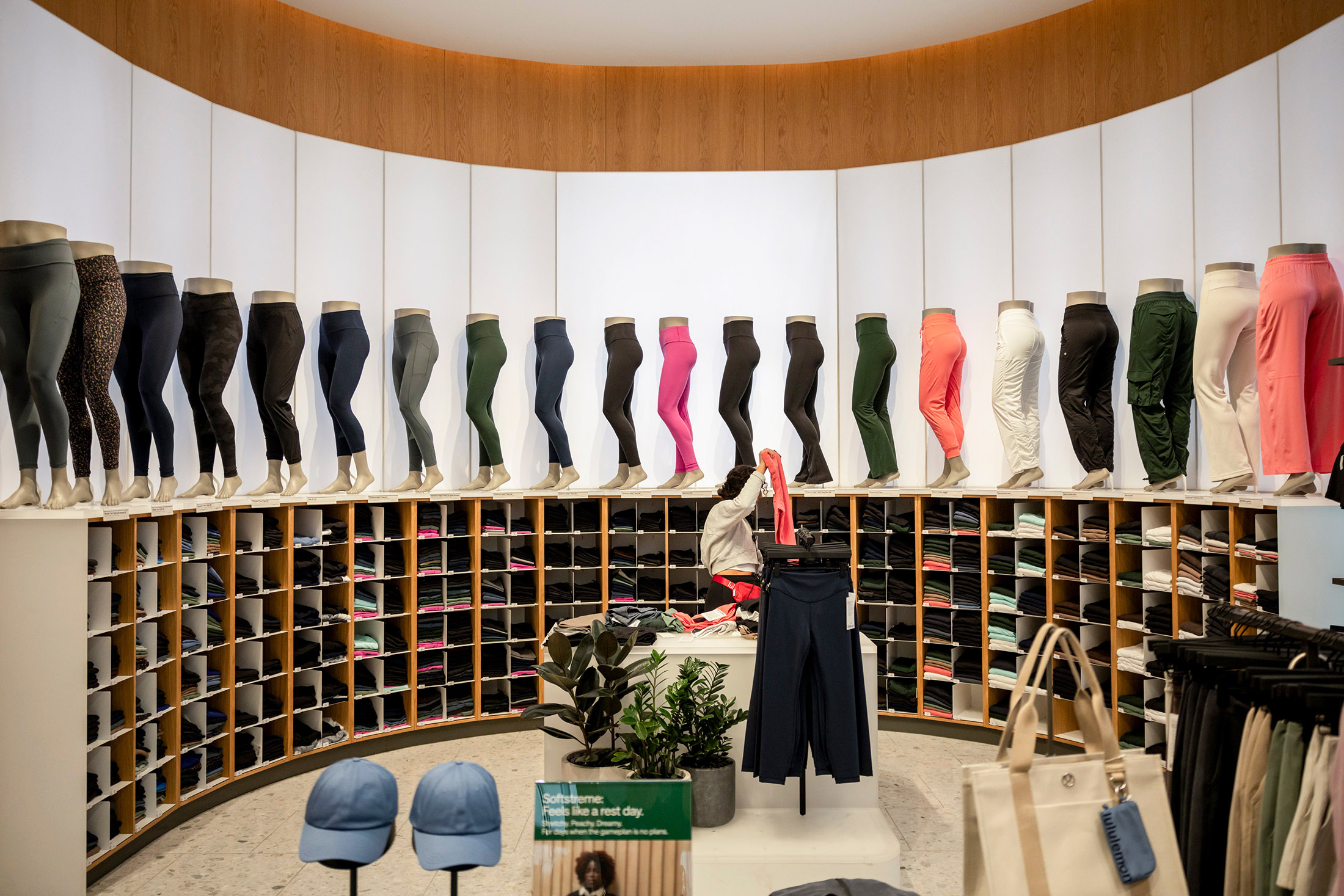
A wall of leggings at a Lululemon store in New York.
Photographer: Yuki Iwamura/Bloomberg
For decades even an occasional pratfall couldn’t impede Lululemon’s reign. It enjoyed yearly double-digit revenue growth and increased its store count. Its shares caught fire under former Chief Executive Officer Calvin McDonald, who took charge in 2018 and led the company through a period of pandemic-fueled hypergrowth. Then it seemed as if everything that could go wrong did. It made a rash of unforced errors just as a swarm of competitors rushed in. By the end of last year, Lululemon announced that McDonald would be departing as it was trying to ward off a loud proxy campaign being waged by none other than Wilson, its disputatious billionaire founder and, owning nearly 9% of the stock, its largest individual shareholder. In the decade since his departure from the company, he hadn’t lost the ability to attract attention to it, however noxious his methods could be. Wilson wrote a book published in 2018 titled Little Black Stretchy Pants, in which he aired his grievances about being forced out of the company and accused its various leaders of subsequently presiding over “five years of missed opportunity.” In early 2024 he made headlines by complaining to Forbes that the men in Lululemon’s ads looked “sickly” and that the women were “not inspirational,” and he also blasted the company’s diversity and inclusion initiatives. More recently, Wilson lambasted Lululemon’s management in a full-page Wall Street Journal ad: “Like a plane crash, decline rarely happens because of a single failure, it’s a series of mistakes.” Lululemon responded that Wilson’s ideas were out-of-date, that his actions had been damaging to its brand, and that he had conflicts of interest. Among other things, Wilson has more than a 17% stake in Amer Sports Inc., the Finnish company that owns Arc’teryx, another Canadian activewear apparel company. But nothing seemed to deter Lululemon’s founder. And he wasn’t the only major investor pressuring the company. Elliott Investment Management, the activist hedge fund, had amassed a more than $1 billion stake in Lululemon, and its preferred candidate for the top job was a former chief financial officer of Ralph Lauren Corp. 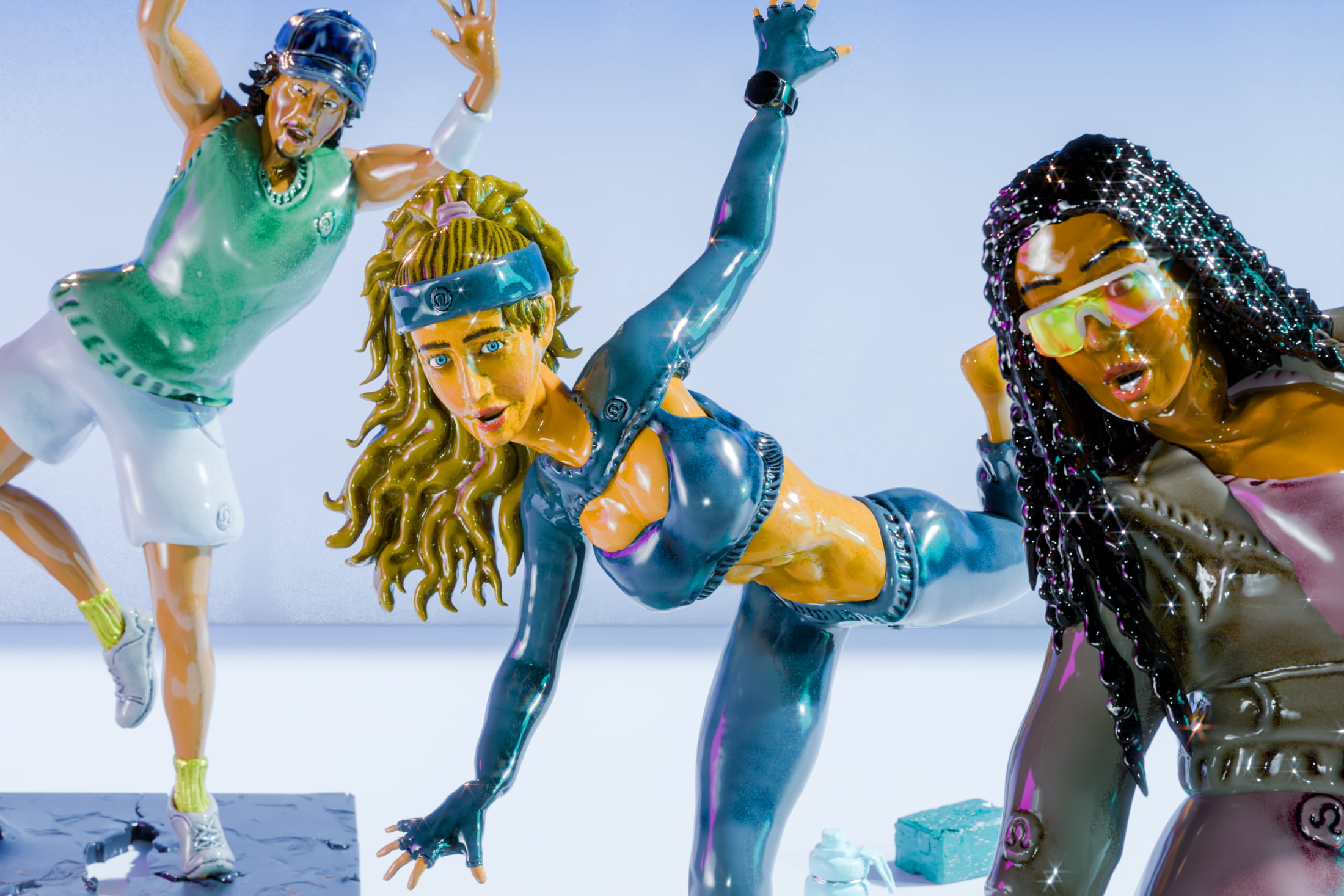
Illustration: Fromm Studio for Bloomberg Businessweek
Instead, Lululemon announced in April that it had selected Heidi O’Neill, a former top executive at Nike Inc., to be its next CEO. “She has this very unique ability to imagine a future that doesn’t exist and then the ability to create the processes and the discipline to actually ensure that it comes true,” Marti Morfitt, chair of Lululemon’s board, told Bloomberg Businessweek in June. Even so, Lululemon shares swooned on the news of the hiring. O’Neill may have been at Nike for a quarter of a century, but she’d also helped preside over a period when shares plummeted and the company lost its cachet with sneaker fans. She seemed an odd choice for an apparel company in need of a turnaround, and it will be a while before she can prove her naysayers wrong. O’Neill won’t take the helm of Lululemon until September, when her noncompete agreement with Nike expires. (O’Neill declined to comment to Businessweek.) Once she does, however, she’ll have more to worry about than winning over shareholders and her new employees. In May, Wilson and Lululemon agreed to a ceasefire of sorts: The founder would stop his virulent attacks for all of 18 months. But as part of the agreement, he’s been able to choose new board members and will get regular sit-downs with O’Neill as she’s trying to decide where to steer the company. In other words, after more than a decade on the outside, Wilson has regained a foothold at Lululemon.
Keep reading
On the PodcastThis week, there’s a lot to digest on the Everybody’s Business podcast from Bloomberg Businessweek. Hosts Max Chafkin and Stacey Vanek Smith dig into the recent elections in Michigan as well as political spending with Businessweek editor-at-large Wes Kosova. Plus, Businessweek’s Extra Salt columnist Deena Shanker unpacks the image problem at the Department of Health and Human Services with the cyclospora outbreak, Robert F. Kennedy Jr.’s new cooking show and cuts to SNAP funding. Listen and subscribe on Apple, Spotify, iHeart and the Bloomberg Terminal. ICYMIBloomberg News senior reporter Olivia Carville has been investigating child safety in the digital world. In her latest story for Businessweek, she writes: When TikTok tweaked its algorithm in 2021 to stop users from being overwhelmed with harmful content, the company didn’t roll out the safer version to everyone, a confidential internal document shows. Instead, to see if the change might reduce the app’s stickiness, the company conducted an experiment. It created a control group of 10% of US users — at the time, that would have been about 15 million people — who kept the old version of the app. This group, according to the document, included 16-year-old Chase Nasca. TikTok’s algorithm pushed him thousands of videos about suicide, sadness, hopelessness and loneliness, right up until he killed himself. More Weekend Reads
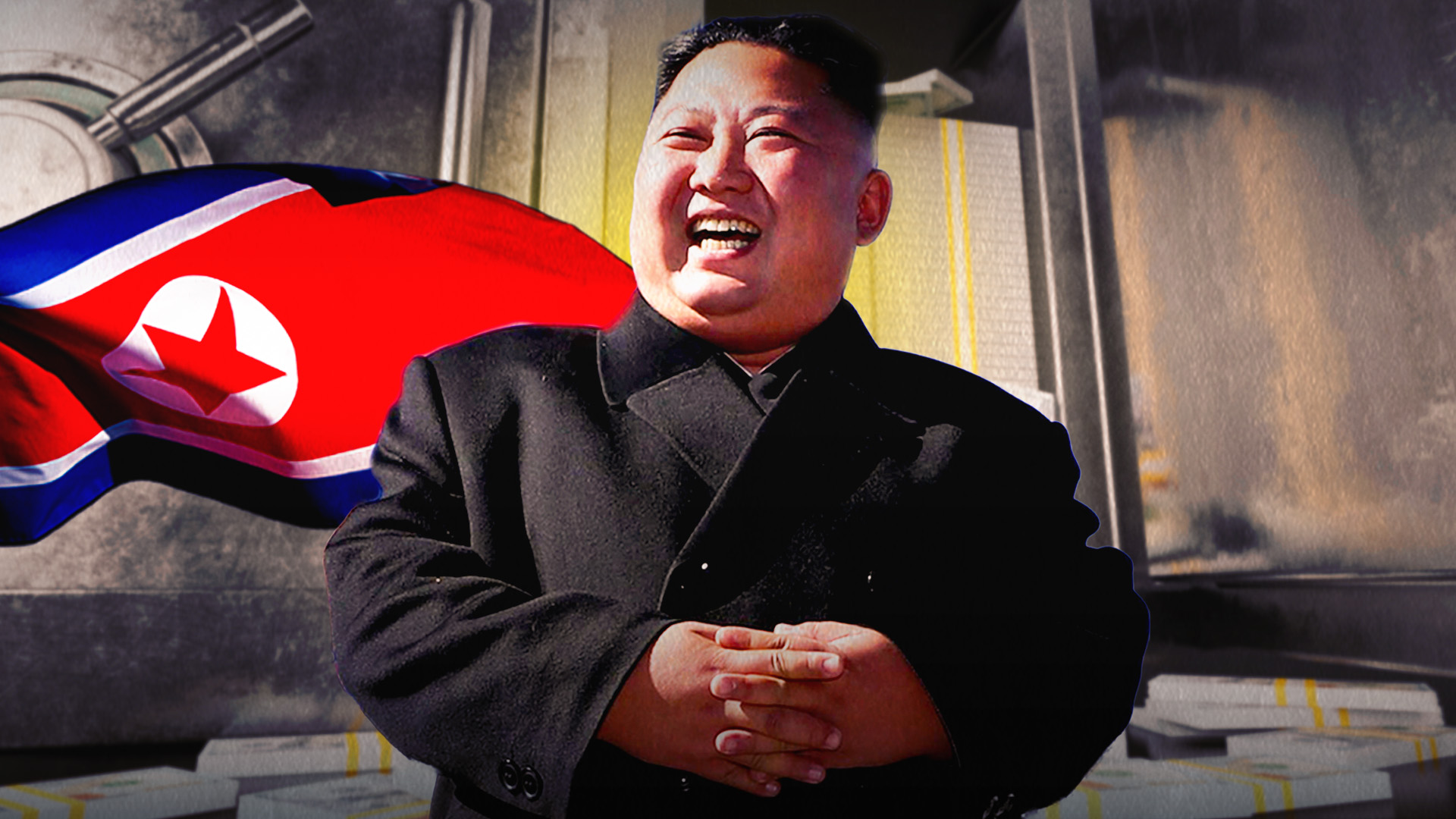 
Weekly Doc: Why Sanctions Aren’t Stopping North Korea
Play Alphadots!Our daily word puzzle with a plot twist. 
Today’s clue: Fasting & furious? More From BloombergLike Businessweek Daily? Check out these newsletters:
Explore all Bloomberg newsletters. We’re improving your newsletter experience and we’d love your feedback. If something looks off, help us fine-tune your experience by reporting it here. Follow Us
You received this message because you are subscribed to Bloomberg’s Businessweek Daily newsletter. If a friend forwarded you this message, sign up here to get it in your inbox.
|
Sunday, August 9, 2026
Bw Reads: Lululemon is at war with itself






Subscribe to:
Post Comments (Atom)
Please confirm your payment/affiliate account (6067 daily)
figured i'd stop sitting on it ...

-
Revolutionary Stem Cell & PRP —Start Your Journey Today ...
-
You’ve shown interest in Regenerative Medicine ...


No comments:
Post a Comment