| Read in browser | ||||||||||||||


Welcome back to Pursuits Weekly, our look at the world’s biggest culture stories, as well as ideas and recommendations around travel, dining and art. Sign up here to get this newsletter every Saturday in your inbox. How sprawl will save Athens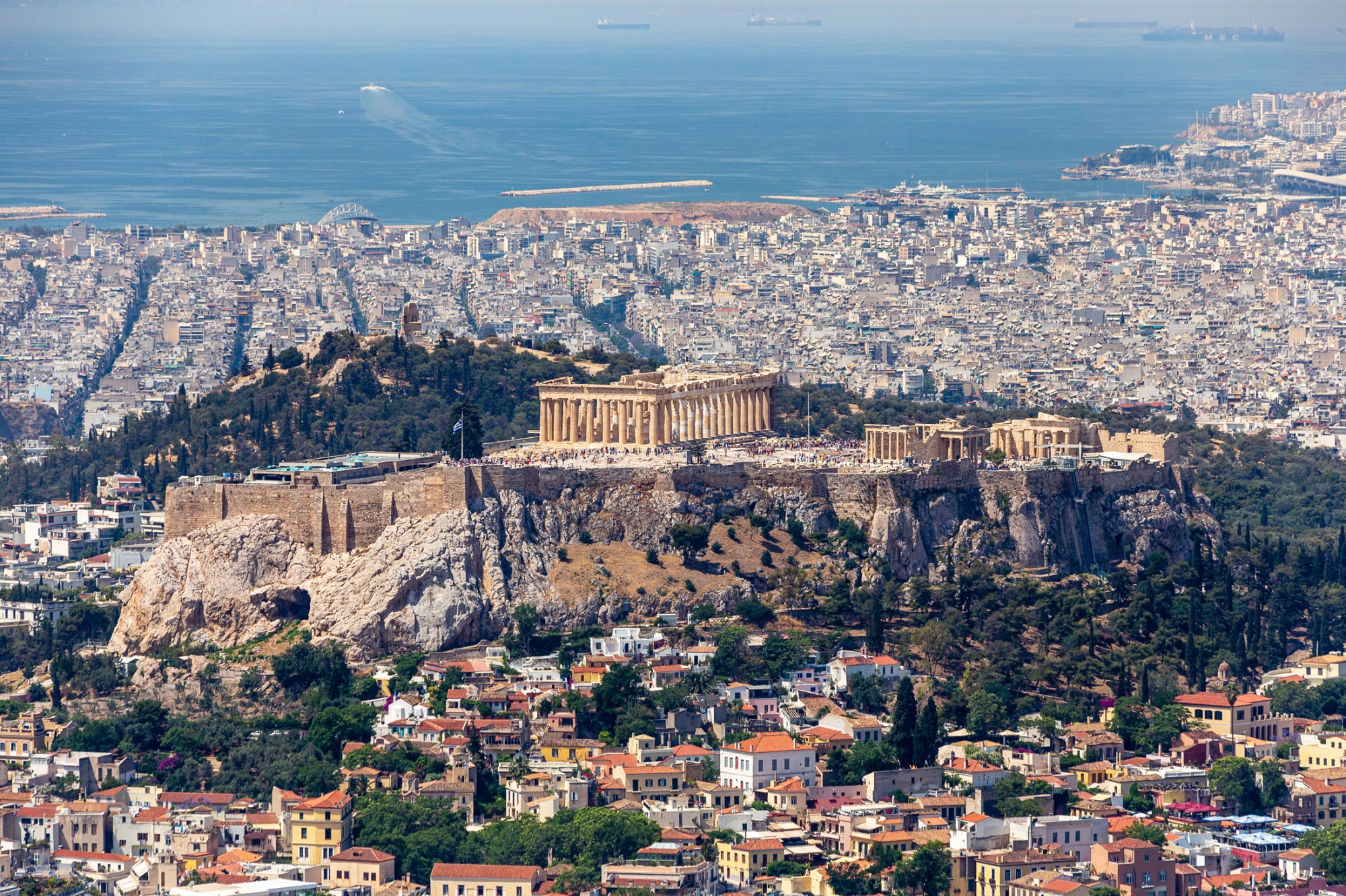
Athens’ secret superpower is that it isn’t walkable.
Source: Getty Images
Brandon Presser visited more than 400 hotels, restaurants and sights earlier this year as part of his obsessive research for the Athens edition of our city guide series, Two-Night Minimum. The good news, he writes, is that, thanks to a quirk of its history, Athens is unique among European capitals in being able to easily absorb almost any number of tourists and expats. Greeks tend to lionize the outsize impact of their culture upon the world. (Exhibit A: The major movie opening this weekend.) But there’s one thing Greeks won’t generally tell you — which is that there’s a gap of about 1,000 years in Athens’ relevance. Planting the roots of modern democracy was monumental, but after that, Greek culture shifted east to Constantinople, which is of course today known as Istanbul, though you’ll never hear a Greek call it that. For 1,500 years, Athens was a backwater with no more than a few thousand people, until the Greek nation broke away from the Ottoman Empire in the mid-19th century and selected Athens anew as its capital. From then on, the city’s growth looks surprisingly similar to that of Los Angeles, spreading across the Attica basin’s arid hills down to the sea, and booming after World War II with a sprawl of diverse new neighborhoods built in brutalist blocks of concrete. As CityLab’s Feargus O’Sullivan details, the design of the city’s apartments, with wealthier people on the upper floors and poor students in the basement, created vertical stratification inside a five-story building — and helped Athens avoid horizontal stratification. As a result, there aren’t really neighborhoods that are only rich or only poor. 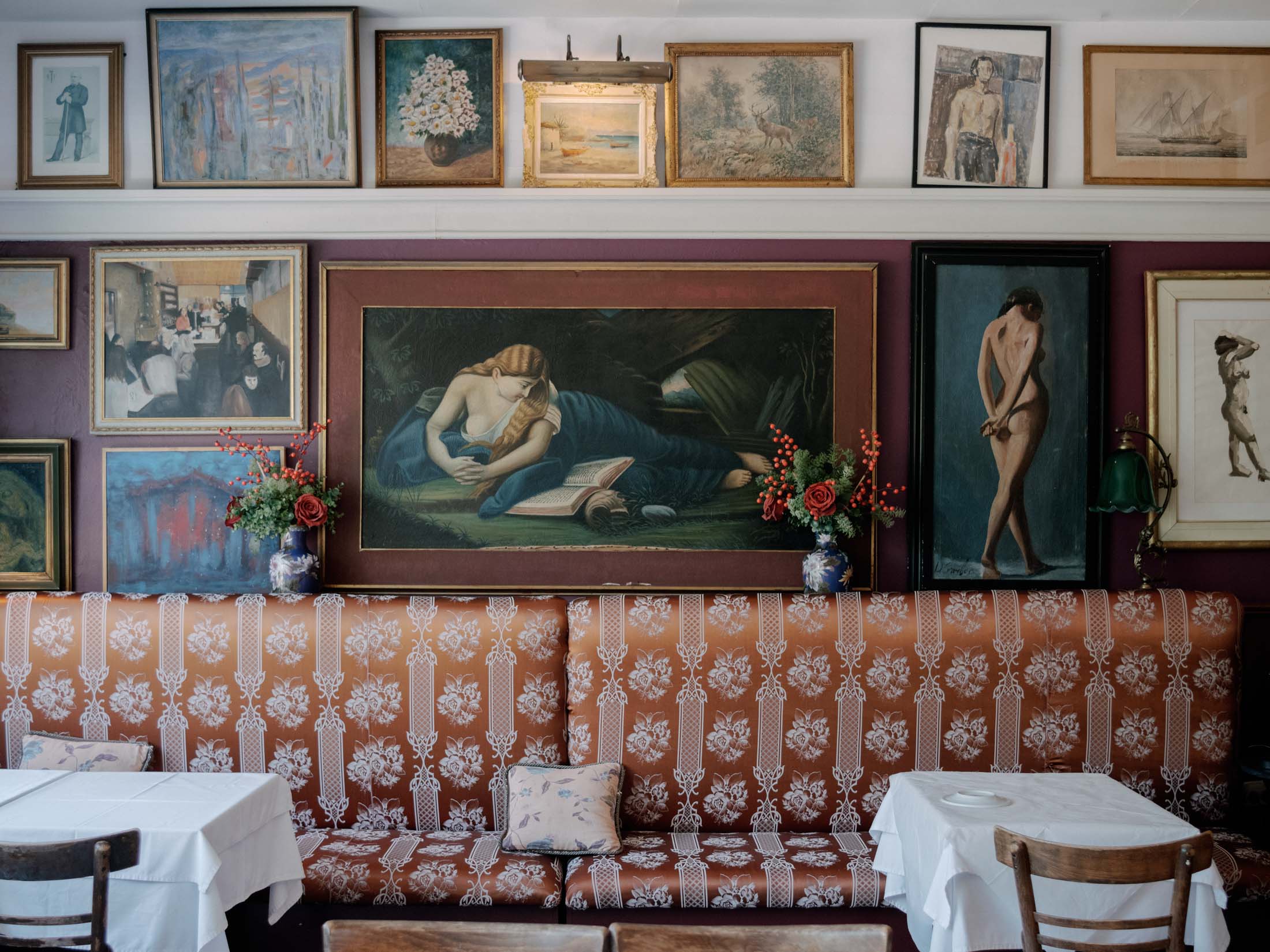
Cafe Avissinia on Plateia Avissinias, the antiques-market square hidden in the back alleys of Monastiraki. Opened in 1986 and crowded with flea-market finds, the bistro is known for weekend rebetiko sessions and a rooftop terrace facing the Acropolis.
Photographer: Myrto Papadopoulos for Bloomberg Pursuits
This history is unusual for a European capital. Almost all the others established themselves as strongholds during the Middle Ages and grew steadily from there. They kept a certain compactness beloved of modern-day urbanists — a much more sustainable and emotionally gratifying design than the ever-expanding suburbs that continue to pull at the edges of US cities. But what if the sprawl is Athens’ secret weapon, the very thing that will make it Europe’s best city? After all, in a dense city center, very little tends to be done to counter the perils of overrtourism. (The one thing that does predictably happen, much to the annoyance of travelers, is the increase of prices.) About 150 miles away from Athens, six cruise ships can park in Santorini’s caldera every day, offloading more than 50,000 passengers onto the island’s tiny towns. And many golden visa schemes have opened the door for more permanent stays in cities such as Lisbon, where real estate prices have ballooned by as much as 300% over the past 12 years, shutting out many Portuguese home owners. 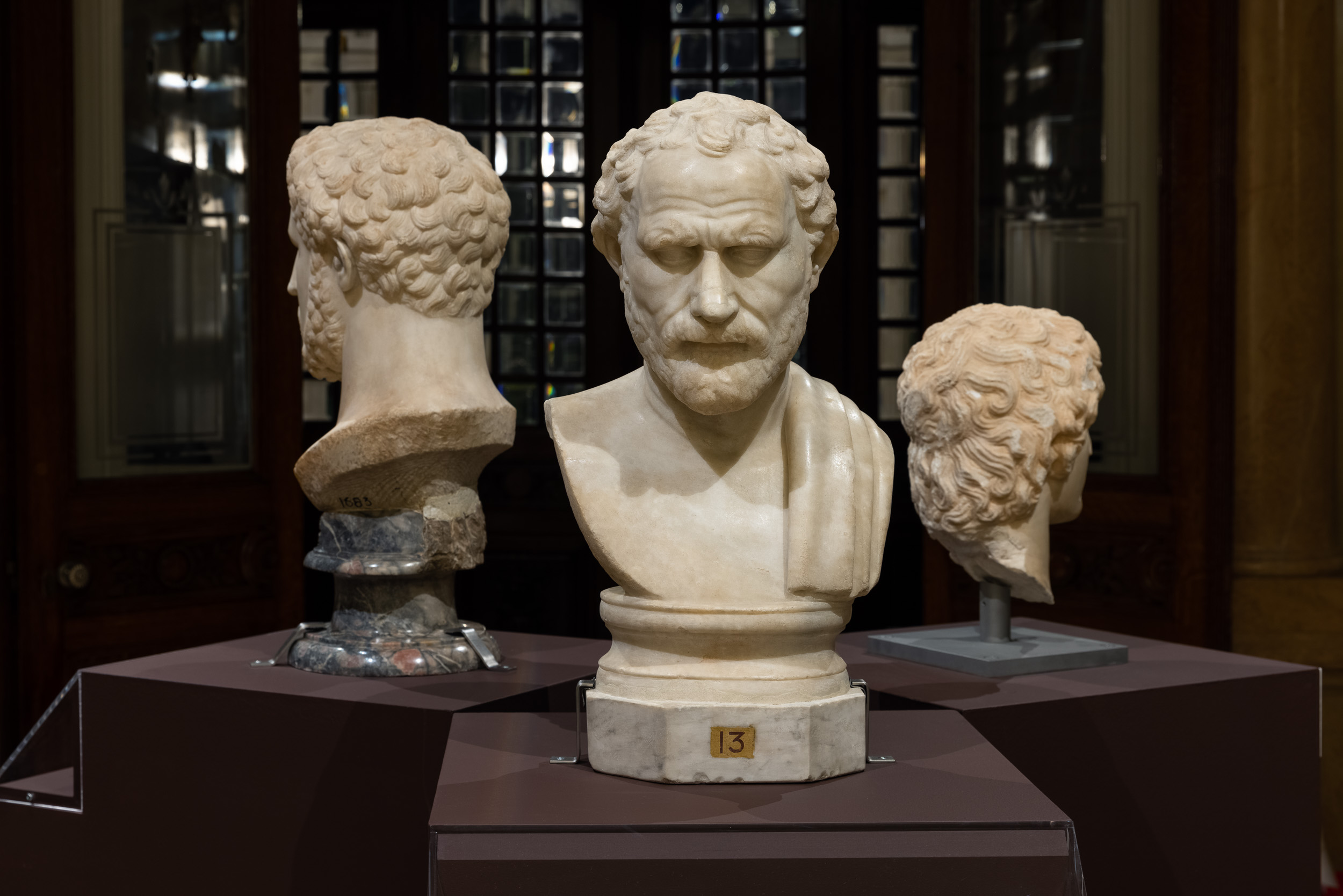
The Museum of Cycladic Art is beloved for its black-and-mirror-clad cafe that doubles as an excellent shop selling jewelry, dishware and art books.
Photographer: Paris Tavitian/Museum of Cycladic Art
The livability and value systems of Berlin, Lisbon and other European cities continue to attract Americans and other transplants like moths to a flame. It’s a foregone conclusion that Athens is already next, given its cheap prices and pronounced beach culture. The Greek capital’s housing prices are already on the rise, and there’s been a sudden profusion of international cuisine and bars taking their place along the bevy of old-school tavernas. But it’s Athens’ sprawl that will ultimately save the city from the legions of expats who saturate more compact urban environments, by spreading the new arrivals across a broader patchwork of desirable neighborhoods. By the numbers
The Boca Raton resort in Florida is fantastic for kids.
Photographer: Ysa Perez for Bloomberg Businessweek
140% The increase in bookings at South Florida’s Boca Raton resort since it unveiled its $200 million new water park. Luxury doesn’t need to be snobby anymore, writes Nikki Ekstein, who’s overjoyed by the proliferation of family-friendly outdoor thrills at high-end hotels. 285 The number of farmers on St. Barts in 1946. By 1979, that number had been reduced to two, as cows were replaced by millionaires and billionaires. James Tarmy reviews Michael Gross’ new history of the island. 80,000 The number of vials of Re2O skin booster that Korean biotech company L&C Bio sells every month. The product, which stands for “Return to Your 20s,” is made from human skin, as Sangmi Cha and Hyonhee Shin report. $593 million The amount of money that Hollywood has spent trying to bring Matt Damon home, between The Odyssey, The Martian, Interstellar and Saving Private Ryan. Line of inquiry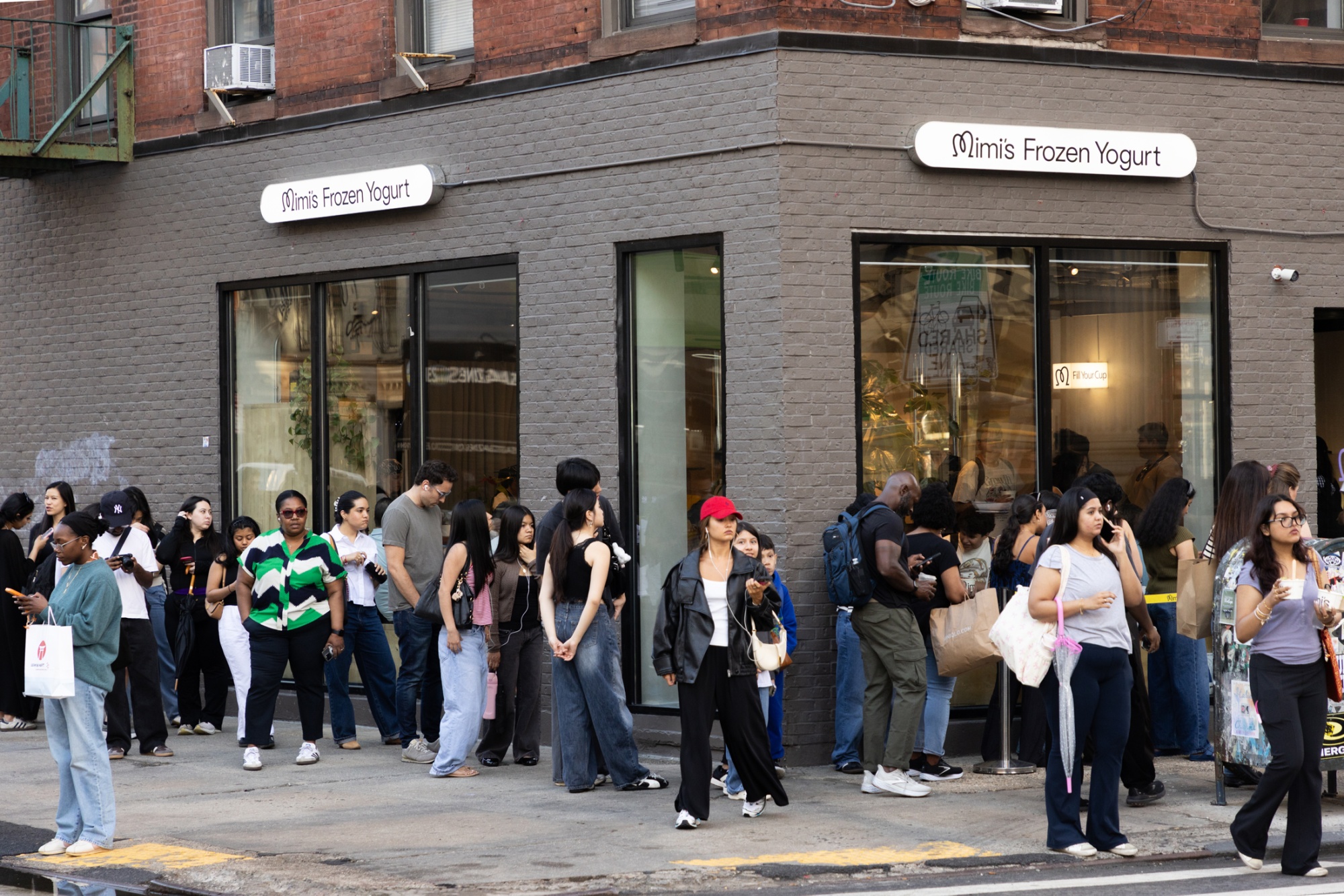
This line is for frozen yogurt. One person called it “the hottest club in New York.”
Photographer: Yuvraj Khanna for Bloomberg Businessweek
Do you think lines outside stores are dumb? Do you roll your eyes at the people using up the precious hours of their life standing in them? Well, Matthew Kronsberg is here to tell you to keep an open mind. “Over the past year, I’ve lined up for coffee in Shanghai, for croissants in Edinburgh, and for bagels, pizza, cinnamon buns and, most recently, frozen yogurt at home in New York,” he writes. Like 74% of his fellow queuers, he’s found that the wait is worth it. Kronsberg has science to back him up. Recent research by Neir Eshel, an assistant professor of psychiatry and behavioral sciences at Stanford University, found that an increase in the amount of effort put into getting a treat increases the amount of dopamine released in the brain. Besides, standing in line is the one place where you don’t need to feel any guilt about spending an hour doomscrolling. What else are you going to do? There’s a large community of people “who actively and consistently seek out queued experiences,” says Kaitlyn Zou, who started whatisthislinefor.nyc. “They’re buying the ability to say that they are part of the moment.” Sam Guerrini, 26, a visitor from Cleveland, put it succinctly: “There’s 100 spots that we can go to on the street, and we picked the one with a line. I hope that says a little bit.” Ranking Burgundies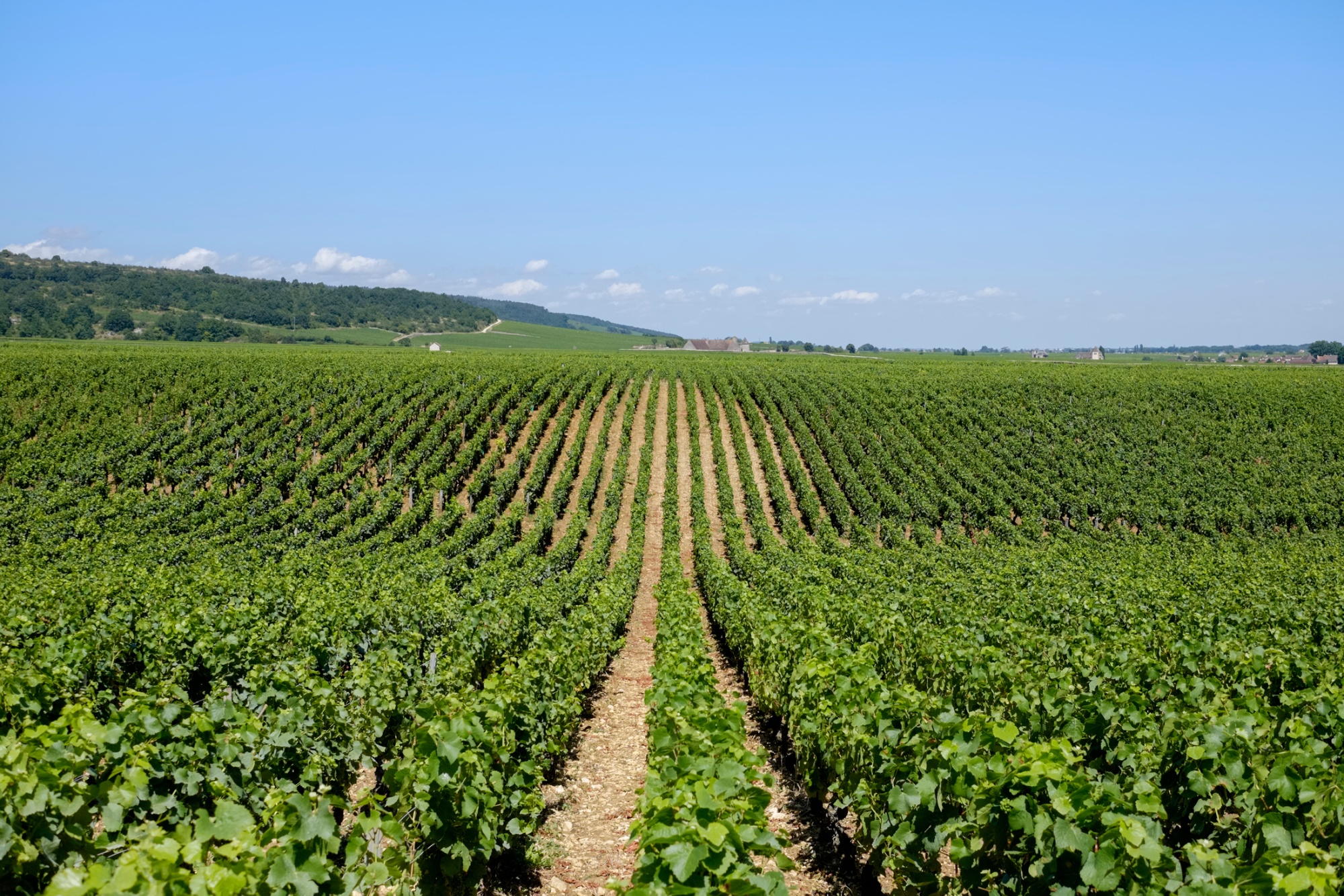
The vines at Domaine de la Romanée-Conti might look like those anywhere else, but good luck finding a bottle of wine made from their fruit for less than $2,000.
Source: Getty Images
Burgundy is by some margin the most intimidating wine region in the world. It has more than 3,500 separate domaines, and on average each one has less than 8 hectares (20 acres) of land, parceled into dozens of separate cuvées. The total number of separate wines made in the region each year has never been counted but could easily reach 100,000, many of which cost hundreds or even thousands of dollars a bottle. And that’s before you get to vintage variations, which are particularly important in Burgundy given the subtlety of the wines. Understanding Burgundy, then, is a lifelong quest for the legions of global oenophiles who consider it the pinnacle of winemaking. Wine drinkers who don’t have unlimited hours and dollars to devote to Burgundy, by contrast, are generally left out in the cold, which is a shame because it’s wonderful to be able to drink it every so often, maybe on a special occasion, without first climbing an ultra-steep learning curve. Enter the Michelin Guide, which kicked off its new Michelin Grape distinction this month with a ranking of Burgundy estates. Nine, including the inevitable Domaine de la Romanée-Conti, received three grapes; 20 got two; and a further 33 now have one. Burgundy snobs predictably hated the whole idea. How can you possibly give the massive Louis Jadot a grape without specifying which of the company’s vast range of wines you’re talking about? How can you give Arnoux-Lachaux a grape when the winery refuses press ratings and has asked to have it removed? And how does any of this help “the person building a cellar, allocating a budget, assessing a vintage or making the irreversible decision to pull the trigger on a wine they will not drink for fifteen years,” in the words of Label Drinker? I have to admit, however, that I kinda like the Michelin list. It says the quiet part out loud: All wine drinkers place enormous stock in the name on the label, so it’s useful to have a ranking of those names. And though most of these wines will remain almost impossible to find at retail, it will help others find a new audience and might be surprisingly helpful for someone trying to narrow down a high-end wine list. The real utility of the Michelin grapes is still to come. They’re not going to be confined to Burgundy: Soon other regions will join them. And at that point, we’ll finally have something other than price to let us compare wines from Burgundy with those from elsewhere. If a New World wine ever gets three grapes, that winemaker will be able to consider themselves to be somehow on the same level as DRC. That’s a great gift to be able to bestow. One Very Specific Recommendation: The Steele Canvas Everyday Zip Top Tote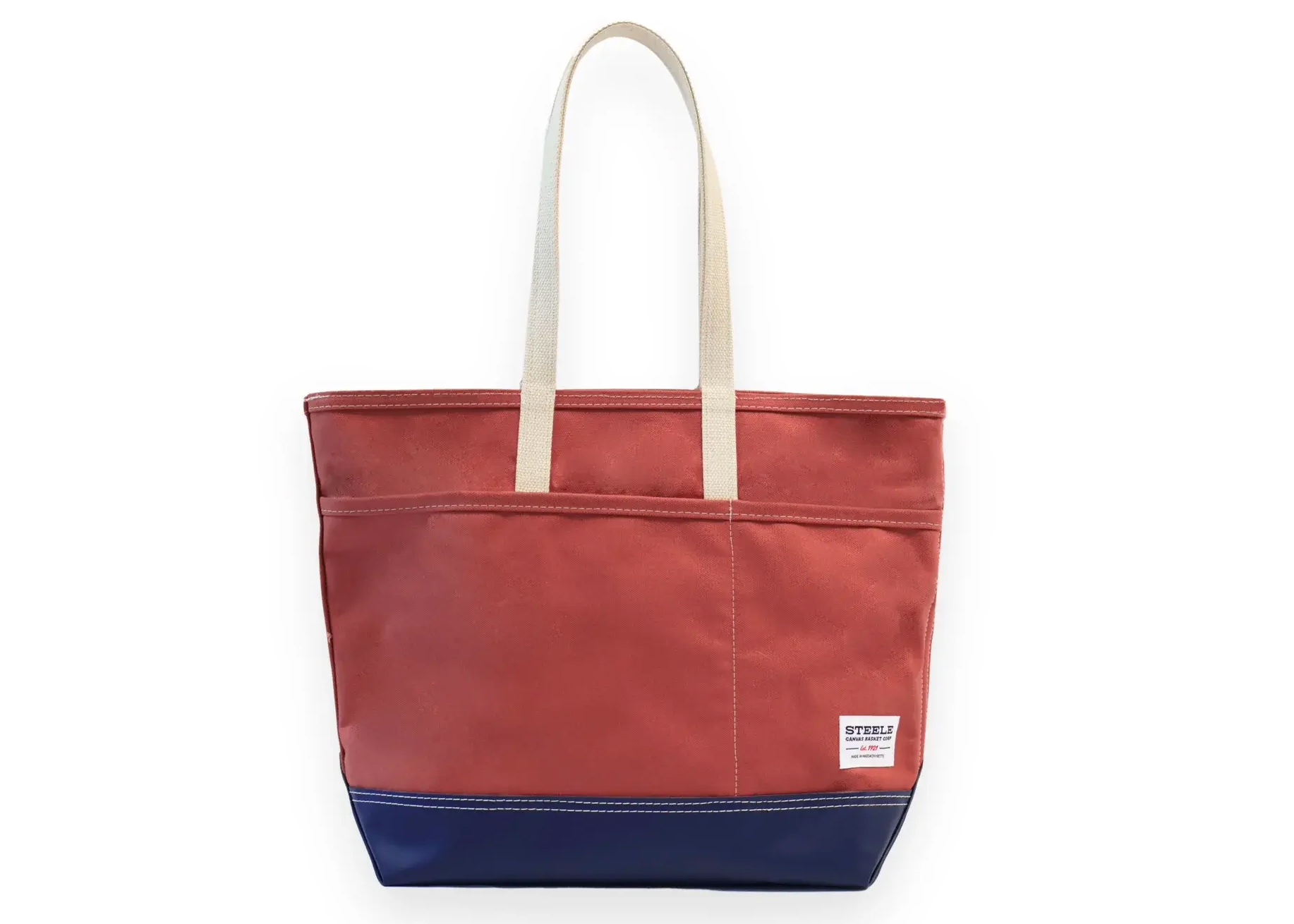
Vinyl bottoms don’t get soggy.
Source: Steele Canvas Basket Corp
As a Mainer and one of the world’s primary experts on boat ‘n’ totes (my family has dozens stuffed in our front closet, many monogrammed), I’m discerning when it comes to what makes a good one. The handles must be long enough to hang over your shoulder but short enough to not graze the ground when holding the bag at your side. The top should zip shut, in my opinion, though many like them it to remain open. This is a bit like choosing between a buttered lobster roll and a mayo-based one; everybody’s right, here. If a canvas tote has pockets, which isn’t necessary, they should be of varying size. It’s helpful if at least one is on the outside of the main compartment, so your Wayfarers and the keys to your Saab are readily available. It must be sturdy, with a double-ply bottom — or, even better, an added vinyl layer so water doesn’t soak through when you put it down on the ferry. It’s helpful if it’s cute, but that’s not really the point. It should look as if it’s always lived in your family’s cottage by the seashore, as if you inherited it from your beloved-but-tough great-grandmother, who was a selkie. This summer, Massachusetts-based Steele Canvas, which has been making baskets and canvas bags for more than a century, came out with a Nantucket Red capsule collection in their popular line of totes. It is :chef’s kiss: perfect. The Everyday zip-top tote ($110) has four internal pockets, two exterior ones and a contrasting blue vinyl bottom. The 11-inch cream handles and contrast stitching brighten the whole affair. It can fit a couple of towels, books, sunscreen and a big bag of Cape Cod potato chips. Even if you’re not from New England, carrying it will make you immediately look as if you’re the kind of person who’s been using that kind of bag for years. Like it grew out of your arm as a child while you were on your way to sail your Optimist out on Buzzards Bay. Toss in some Island Creek oysters and a bottle of Whispering Angel, and you’ve got yourself a perfect afternoon. New for subscribers: Free article gifting. Bloomberg.com subscribers can now gift up to five free articles a month to anyone you want. Just look for the “Gift this article” button on stories. (Not a subscriber? Unlock unlimited access and sign up here.) More From Bloomberg Ideas & Culture
We’re improving your newsletter experience, and we’d love your feedback. If something looks off, help us fine-tune your experience by reporting it here. Follow Us
You received this message because you are subscribed to Bloomberg’s Bloomberg Pursuits newsletter. If a friend forwarded you this message, sign up here to get it in your inbox.
|
Saturday, July 18, 2026
The upside of urban sprawl





Subscribe to:
Post Comments (Atom)
Doc's Formula for Buying Winning Stocks
In today's Masters Series, originally from the July 13, 2026 issue of the free Health & Wealth Bulletin, Dr. David Eifrig provides...

-
PLUS: Dogecoin scores first official ETP ...
-
Swaps, memes, homes, tokens. View in browser Unicorn bucket We have talked a fe...


No comments:
Post a Comment