| Read in browser | ||||||||||||||

The energy crisis caused by the Iran War has already pushed governments to accelerate adoption of renewable energy and nudged consumers to buy electric vehicles and home solar panels. Now, another impact that’s good for the planet: US public transit has gotten a boost as gas prices stay elevated. Cheaper alternativeBy Todd Woody As the Iran war enters its fourth month, ridership on US public transit systems is rising as gasoline prices remain near historic highs. Weekday commutes on Los Angeles County’s Metro system, for instance, jumped nearly 8% between January and May. “With gas prices in April averaging roughly $5.70 per gallon, the ability to travel across the county for just $1.75 makes rail an increasingly attractive and cost-effective alternative,” Maya Pogoda, senior director of communications for Los Angeles’s Metro system, said in an email. 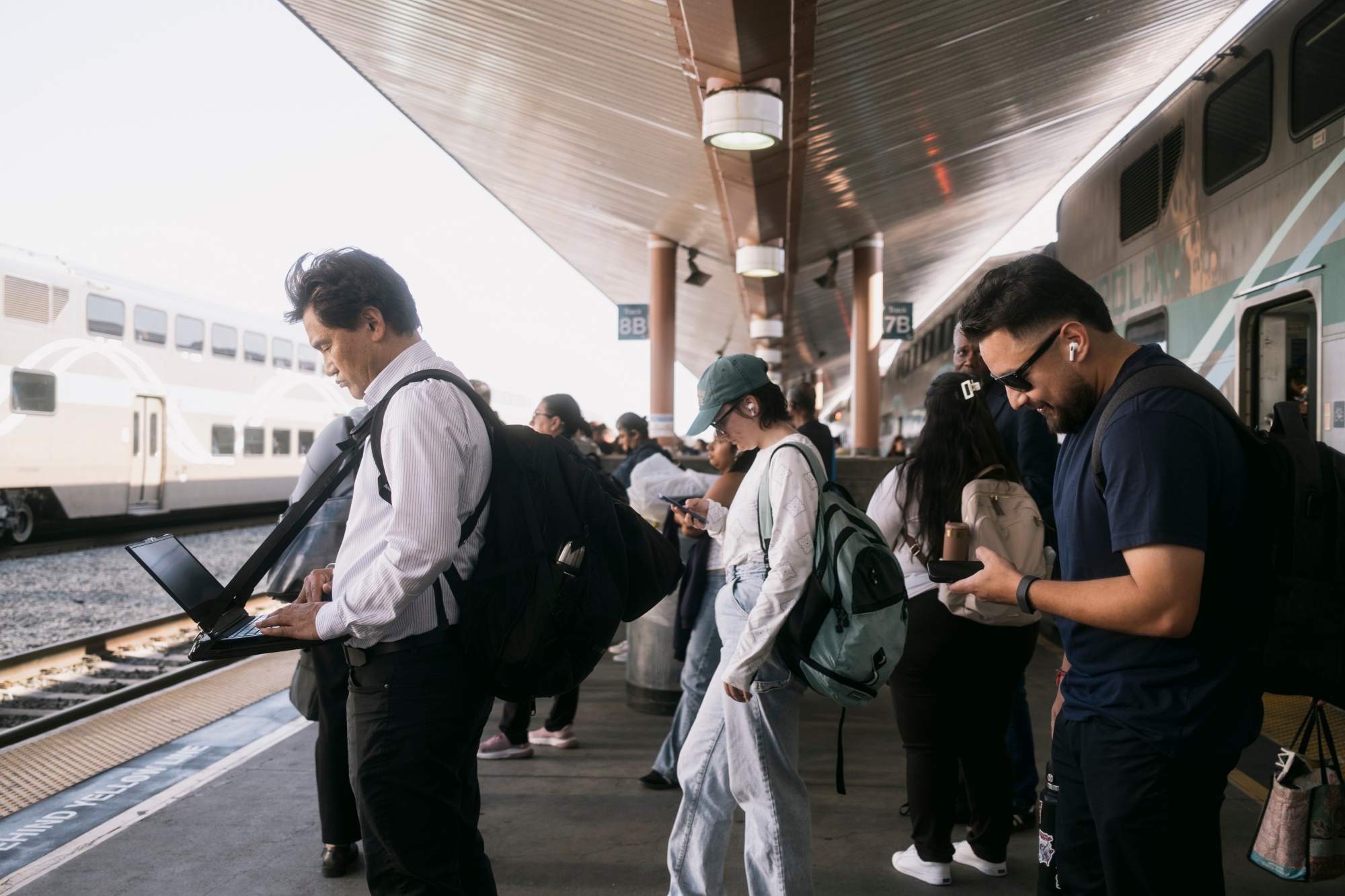
Commuters wait for a Metrolink train at Union Station during the evening commute in Los Angeles, California, US, on Wednesday, June 3, 2026.
Bloomberg via LA Commuter
Transportation agencies in Boston, Chicago and other cities also report growing ridership. Experts said it remains unclear to what extent gas prices are driving a switch to public transit versus other factors, such as return-to-office mandates and the ongoing recovery from the pandemic. But a May report from the New York Federal Reserve found that low- and moderate-income households have decreased their consumption of gasoline as pump prices spike, “potentially by carpooling or substituting to public transit where available.” Studies have correlated a rise in gas prices with an increase in public transit use. Hiroyuki Iseki, an associate professor of urban studies and planning at the University of Maryland, said his research has shown that every 10% increase in gas prices over the course of a year results in up to a 1.2% rise in public transit demand. “The cost pressure accumulates over time,” he said in an email. “Some segments of people will be forced to consider the trade-off between transportation costs, housing costs, convenience [and] activities to conduct that generate the need to travel.” California’s gas costs are 41% higher than the US average — regular gas in the Golden State hovers above $6 a gallon with premium fuel edging toward $7 — and the state has seen notable increases in public transit use. In San Diego County, light rail ridership jumped nearly 18% between February and April compared to an 11% increase for the same period last year, according to the latest available data. In Northern California, the Bay Area Rapid Transit (BART) train system saw a nearly 11% rise in weekday ridership between January and May. April ridership surged 21% on Caltrain, the commuter railroad that links Silicon Valley to San Francisco, compared to the previous year. Chicago experienced an 11% increase between January and April with more interest from lower-income customers, according to a spokesperson for the city’s transit authority. Ridership on Boston’s rail line rose 13%. 
A driver refuels at a gas station in Los Angeles in April.
Photographer: David Swanson/Bloomberg
With the Iran war at a stalemate, gas prices are expected to remain high throughout 2026. Even so, Iseki said drivers are loath to give up their wheels. After the oil shocks of 2008 and 2022, drivers largely returned to old habits when gas prices declined, according to researchers. Experts said that though this is the second sudden run-up in gas prices in four years and comes amid persistent inflation and geopolitical upheaval, it may not result in a significant switch to public transit — though it could cut driving. That’s because people now have more alternatives, according to David King, an associate professor in the School of Geographical Sciences and Urban Planning at Arizona State University. “If we don’t drive, some trips might turn to transit, some trips might turn to work-from-home, some trips might turn to delivery, some are going to be biking or walking,” he said, noting people can also keep driving but eliminate their gas bill by switching to an electric vehicle.
Read more
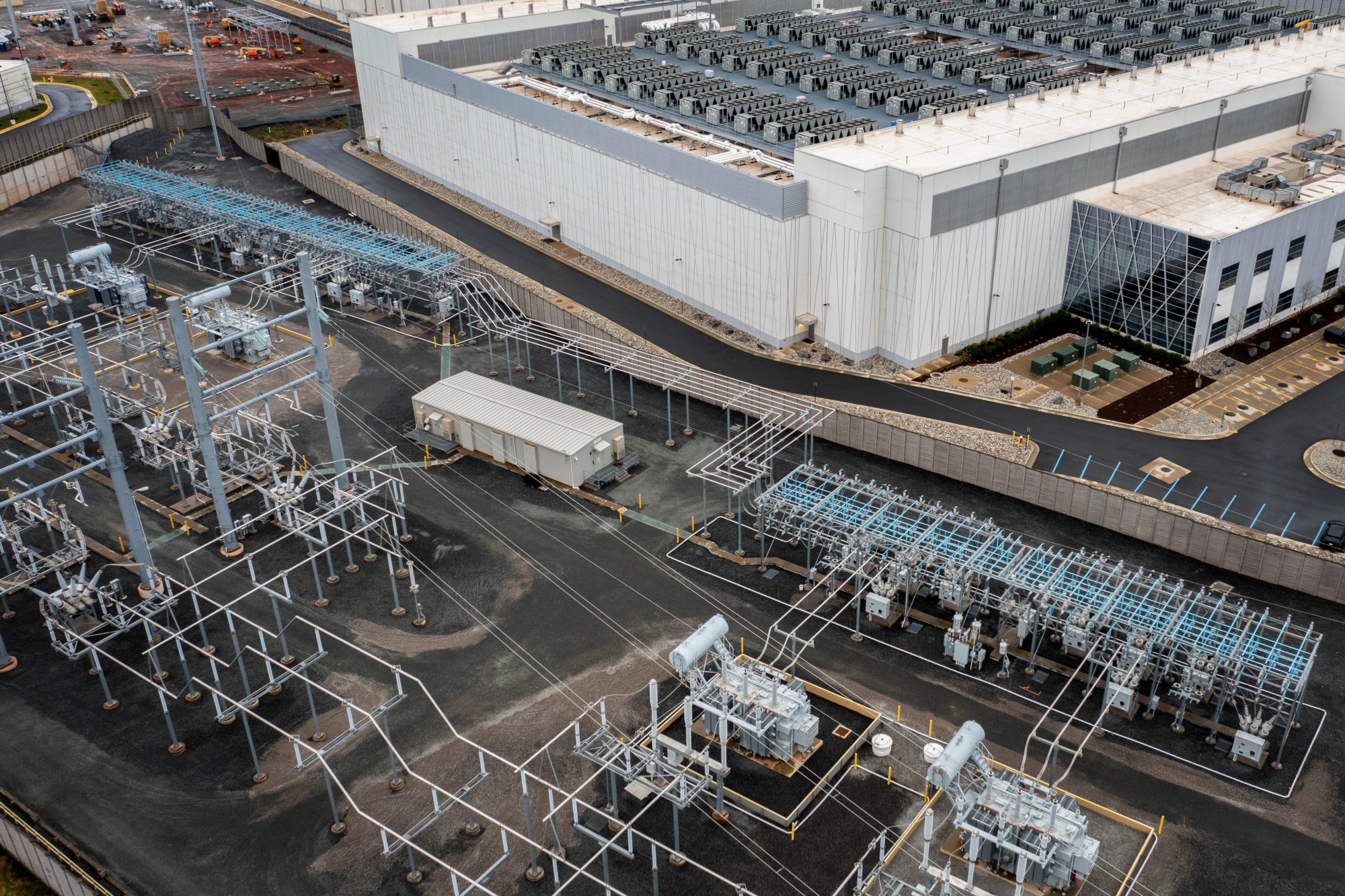
Your weekend readBy Emily Forgash and Rachael Dottle Artificial intelligence data centers are on the verge of reaching their limits. To meet ballooning demand, chipmakers like Nvidia Corp. are churning out ever more powerful chips, requiring a new generation of data centers that will draw many times more power than their predecessors. Rampant power consumption, fueled by “AI factories” that gobble up enough power to keep the lights on in millions of homes, threatens to put more pressure on electricity prices in the US, expand AI’s carbon footprint — and potentially slow down the AI boom. Political backlash against data centers is already creating friction, and industry leaders warn of another more basic constraint: the limits of power generation. “Very soon, maybe even later this year, we’ll be producing more chips than we can turn on,” Tesla Inc. and SpaceX CEO Elon Musk said earlier this year. Demand, however, continues to surge. Trillions of dollars are expected to flow into the AI build-out, raising the prospect that energy shortages could become one of the biggest brakes on AI’s growth. 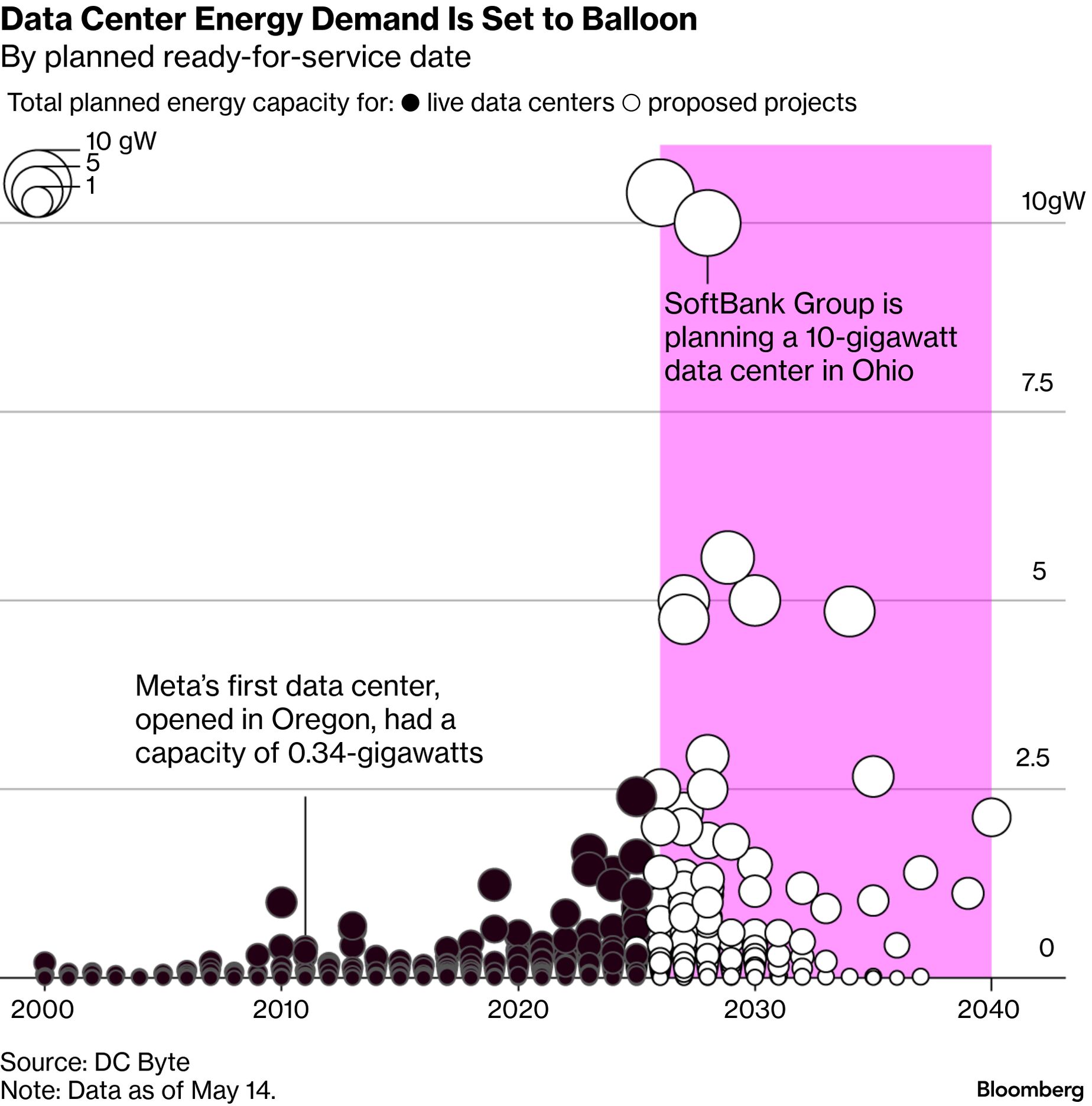
This crunch is forcing a reckoning among key AI players — hyperscalers, data center operators, chip makers and power equipment producers. As they scale up, they are having to reimagine how data centers are designed, built and powered. Traditional data centers that support services like cloud storage, e-commerce and web hosting use chips known as central processing units, or CPUs. These tasks are typically far less energy-intensive than AI processing. A standard server rack in this kind of data center might require between 25 and 40 kilowatts, or enough to power around 20 AC units. 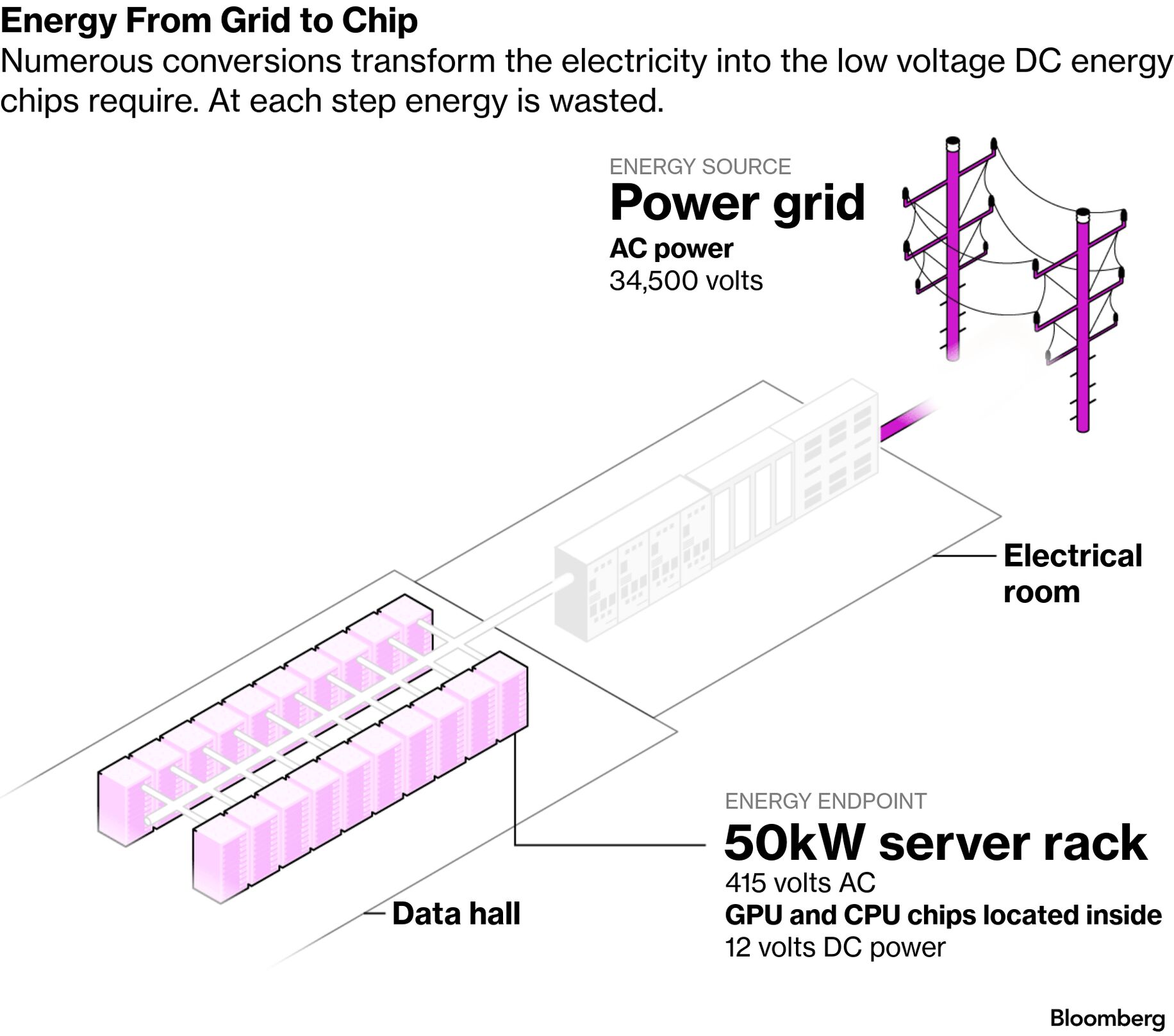
Read more
Your weekend listenIt’s been more than three months since the US attacked Iran, leading to the closure of the Strait of Hormuz that carries 20% of the world’s oil and gas. The shock to energy markets has been so intense that some countries are taking longer-term measures to cope. 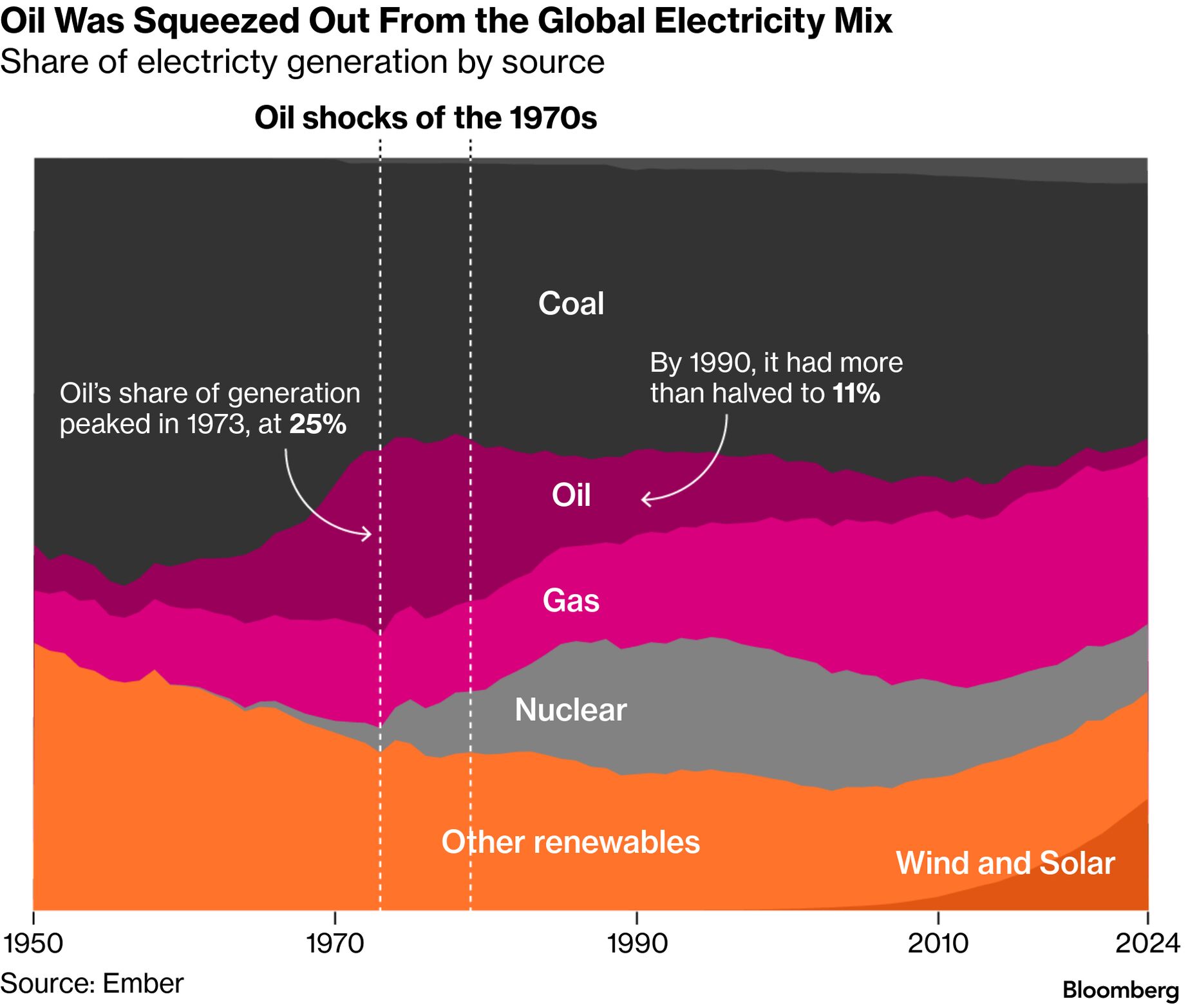
This week on Zero, Akshat Rathi and Peter Guest explore the history of policy responses to energy shocks and what’s different in the 2020s. Listen now, and subscribe on Apple, Spotify or YouTube to get new episodes of Zero every Thursday. In case you missed itMore from Bloomberg
Explore all Bloomberg newsletters. We’re improving your newsletter experience and we’d love your feedback. If something looks off, help us fine-tune your experience by reporting it here. Follow Us
You received this message because you are subscribed to Bloomberg’s Green Daily newsletter. If a friend forwarded you this message, sign up here to get it in your inbox.
|
Saturday, June 6, 2026
US public transit gets a boost









Subscribe to:
Post Comments (Atom)
-
Bloomberg Evening Briefing Americas View in browser Who's paying for Donald Trum...
-
PLUS: Dogecoin scores first official ETP ...


No comments:
Post a Comment