| Read in browser | ||||||||||||||
Welcome to Balance of Power, bringing you the latest in global politics. If you haven’t yet, sign up here. There’s a lot of transatlantic agonizing that the agreement between the US and Iran falls short of containing the Islamic Republic’s nuclear ambitions. Foreign-policy boffins are split over what constitutes sound nuclear non-proliferation policy. One camp swings a mallet, the other builds a mousetrap. 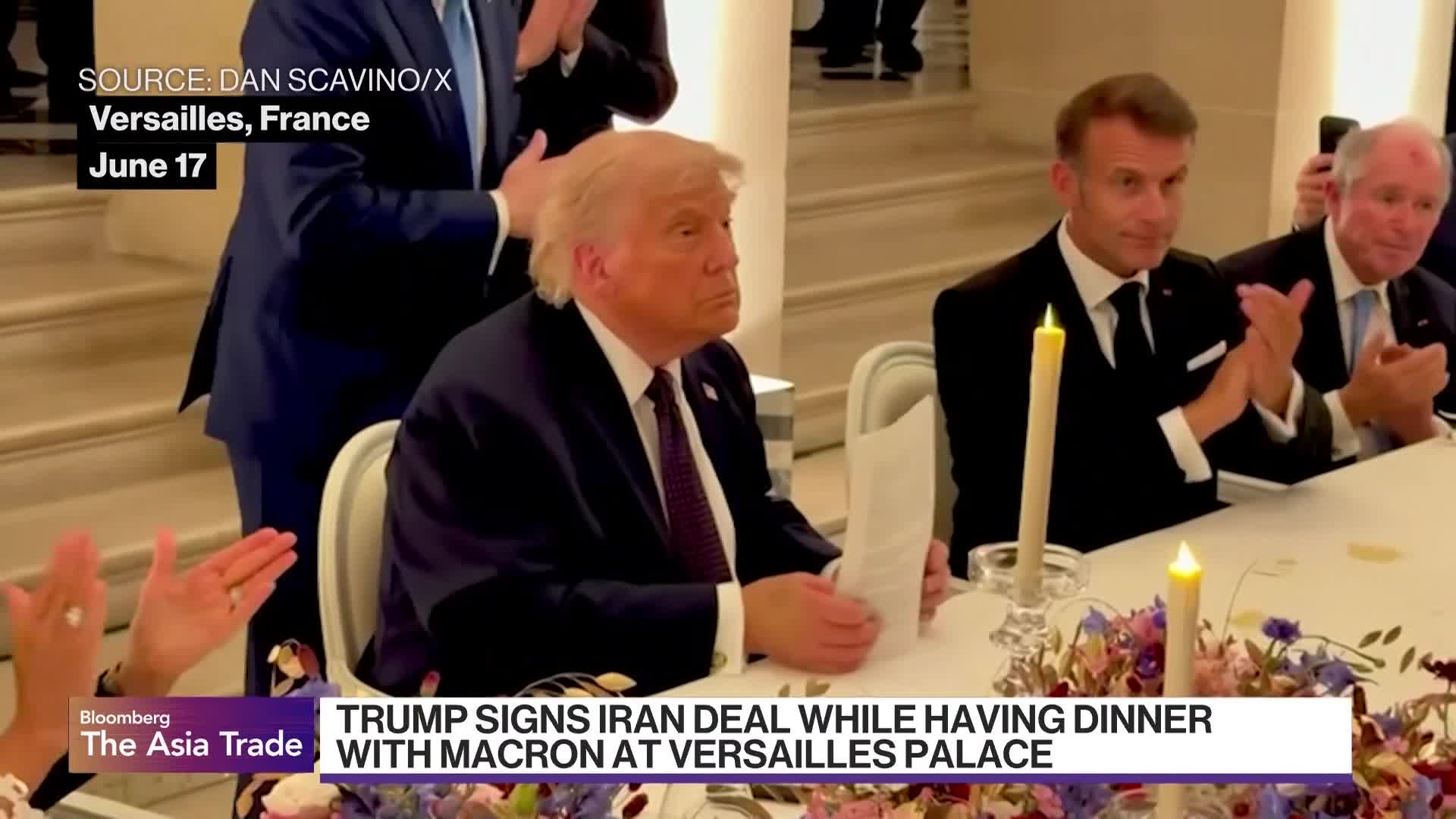 
Bloomberg’s Michael Heath reports on the interim deal to end the war.
In one corner sit the maximalists, who argue that Iran should never be able to enrich any uranium because nuclear-fuel production is by its very nature dual-use. The technology can be used to generate power and make bombs. Maximalists in US President Donald Trump’s administration advocate sanctions and military force to coerce adherence to this policy. Then there are the pragmatists, who suggest Iran may be allowed to enrich uranium within limits and under strict international monitoring. The 80-year-old tech genie has already fled the bottle, they argue, and building an international system of accountability is preferable to permanent war. Former US President Barack Obama’s 2015 deal was built to trigger early detection of any Iranian cheating. With Trump now recognizing that Iran isn’t a nail that can easily be hammered, he faces the challenge of building a better mousetrap than the one he disassembled in 2018 during his first term. Data compiled over the last 25 years show that the longer Western powers wait to strike a lasting detente over Iran’s nuclear program, the worse are its terms. In 2005, it could have been a few hundred symbolic centrifuges in exchange for sanctions relief. Under the 2015 accord, the number of machines used to separate uranium isotopes grew to 5,060. With no deal in place, Iran was spinning more than 20,000 when last year’s bombing began. Talks are scheduled over the next 60 days. The number that emerges between zero and 20,000 will show which of the two camps has won the Iran debate. — Jonathan Tirone 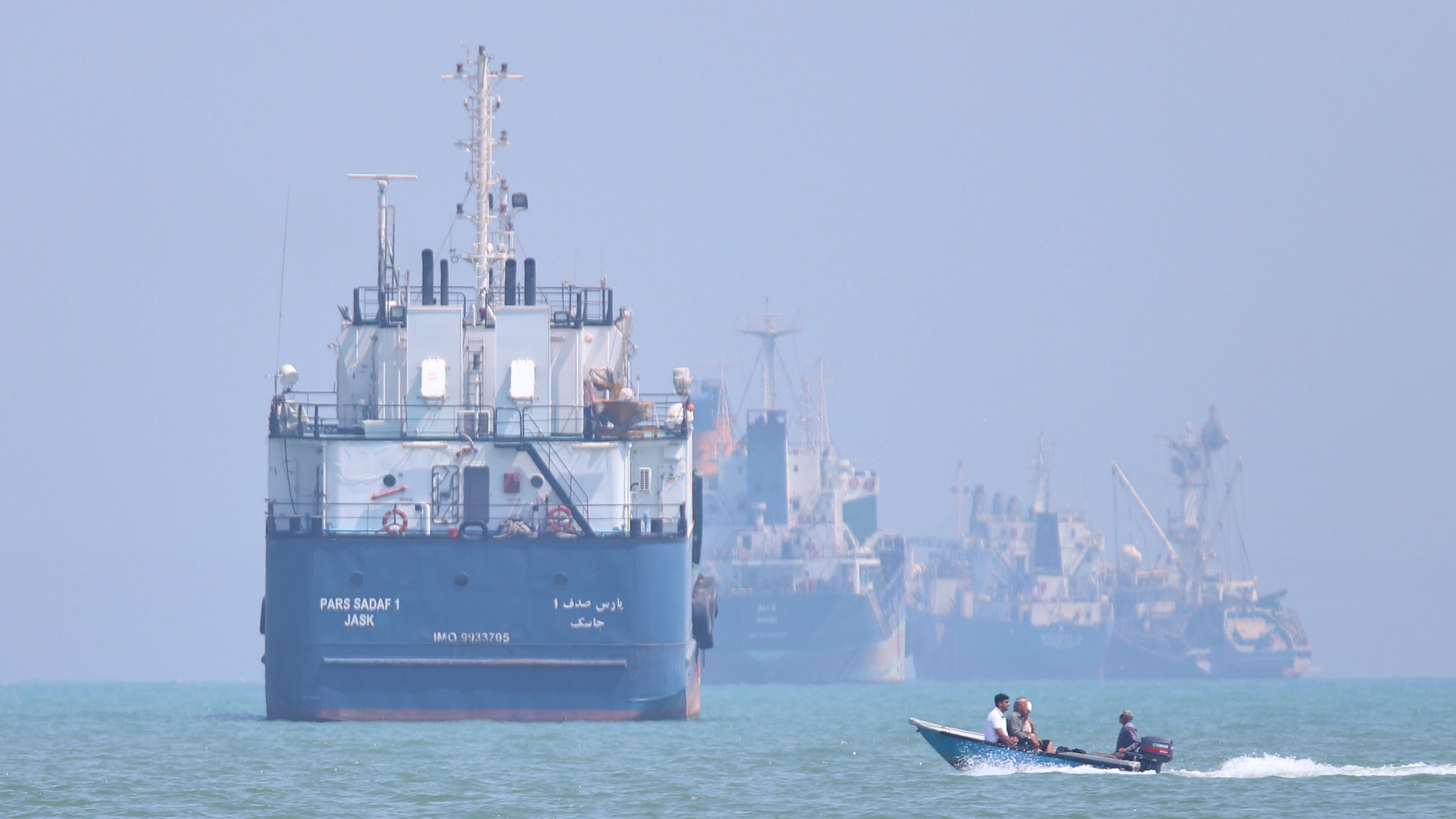
Ships in the Strait of Hormuz near Bandar Abbas, Iran, on June 11.
Photographer: Amirhosein Khorgooi/ISNA/AP Photo
Global Must ReadsThe Group of Seven industrial nations this week pledged an ambitious target to diversify away from China, adding momentum to the European Union’s own push to counter a growing trade imbalance with the world’s biggest export engine. The 27 EU capitals unanimously agree on the economic threat posed by China’s trade policy if left unchecked and the bloc’s leaders are expected to discuss how to handle upcoming trade talks with Beijing and explore possible responses at a meeting in Brussels today. 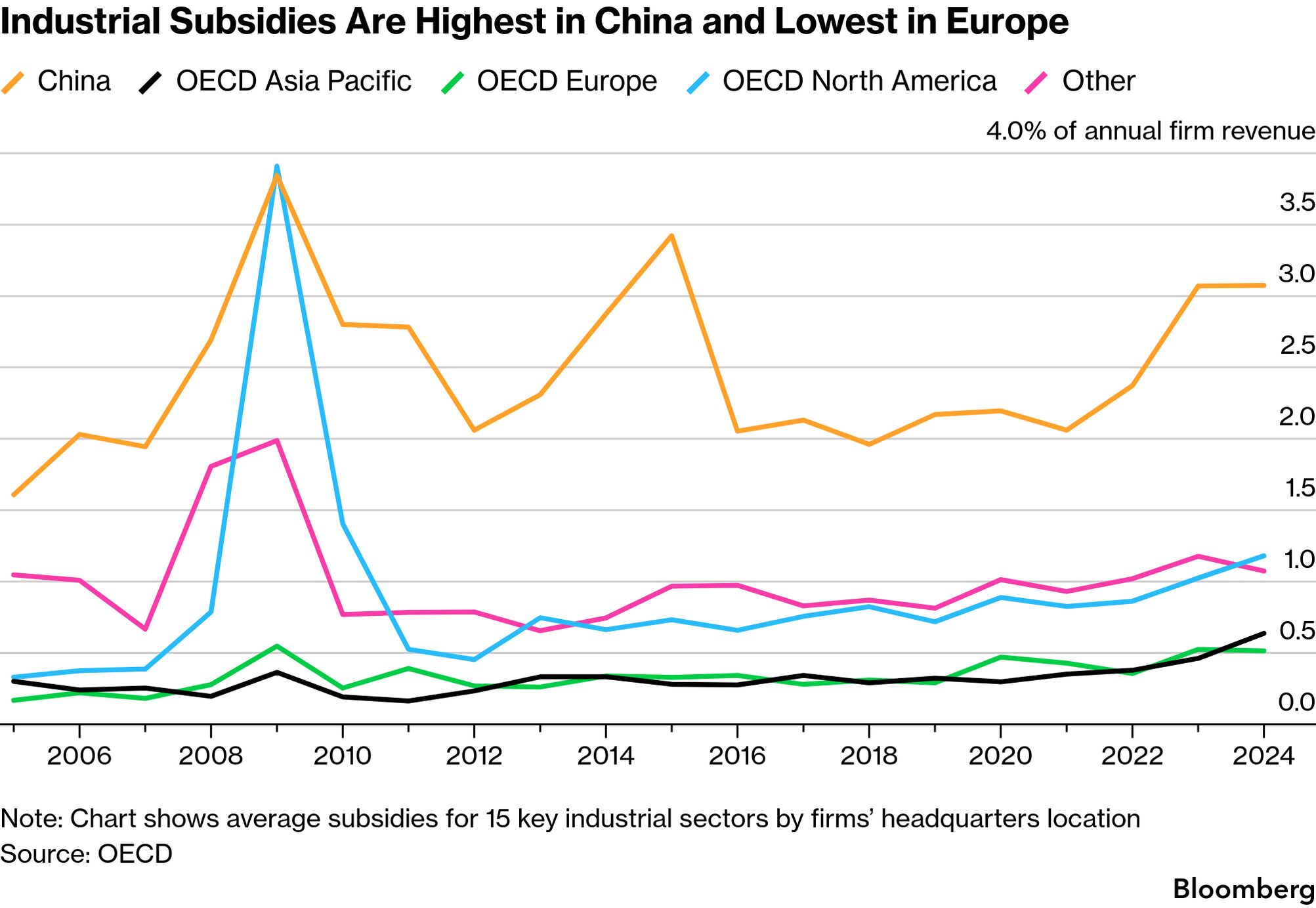
Trump and Indian Prime Minister Narendra Modi struck an upbeat tone at their first in-person meeting in more than a year, aiming to turn the page on recent strains caused by trade and other disputes. Also at the G7 in Evian, President Lee Jae Myung said South Korea’s relationship with the US is “solid and eternal” after he spoke with the American leader who vowed to help resolve Korean peninsula issues. Some UK cabinet ministers are pushing Prime Minister Keir Starmer to increase defense funding further following Defence Secretary John Healey’s resignation over the spending row, increasing pressure on the premier who is reliant on backing from his cabinet to stay in office. Meanwhile, Conservative leader Kemi Badenoch will set out plans to make the UK “investable” in a speech today to help revive the flagging fortunes of her party. A record Ukrainian drone attack on Moscow overnight hit the city’s oil refinery, a key supplier of fuel to the Russian capital, and disrupted airport operations. The Kremlin is increasingly relying on expensive domestic debt to help fund the war, while defense spending this year may be as much as 5 trillion rubles ($69 billion) higher than originally budgeted, or almost 40% above planned spending, sources says. US exports to Cuba have surged this year as businesses use a trade loophole to get fuel, appliances, furniture, food and vehicles past Trump’s wall of sanctions. US exports to the Caribbean nation through mid-May are almost triple all of 2025, with the surge in commercial shipments that are mainly from Miami offering insight into how Trump is allowing Havana to secure enough supplies to stave off complete economic collapse. 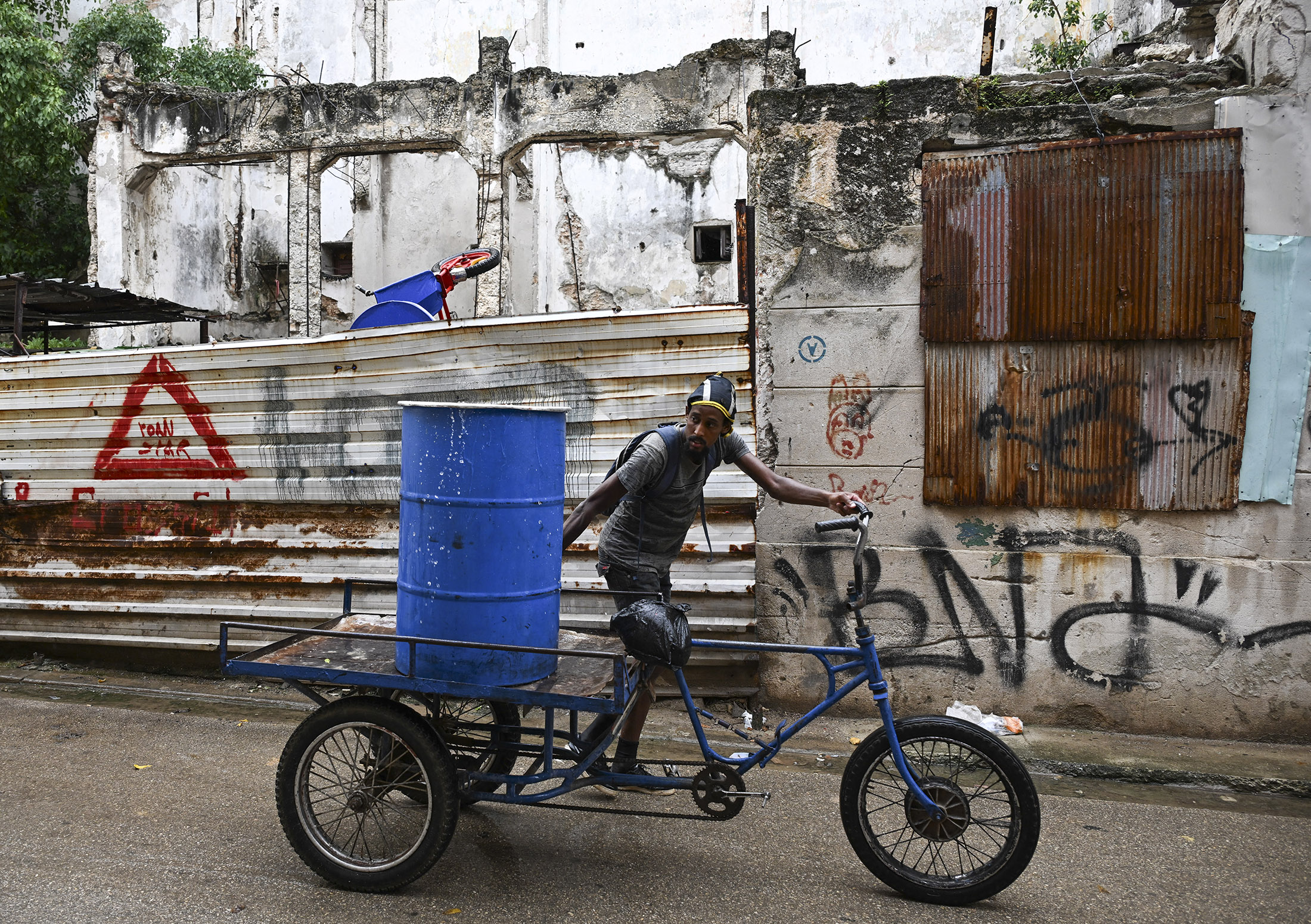
A man transports a water tank during a power outage in Havana on June 10.
Photographer: Yamil Lage/AFP/Getty Images
Trump is happy with Canada’s arrangement to allow a capped number of Chinese electric vehicles to be imported at a low tariff rate, Prime Minister Mark Carney said. Ethiopia’s ruling party is on course to win elections held June 1, cementing Prime Minister Abiy Ahmed’s hold on power. The US has emptied the immigration detention camp in the Florida Everglades known as Alligator Alcatraz after the state spent hundreds of millions of dollars on the high-profile facility to support Trump’s mass deportation agenda. Keiko Fujimori is close to victory in her fourth bid for Peru’s presidency even as she trails in the domestic vote. Sign up for the Washington Edition newsletter for news from the US capital and watch Balance of Power at 1 and 5 p.m. ET weekdays on Bloomberg Television. Chart of the Day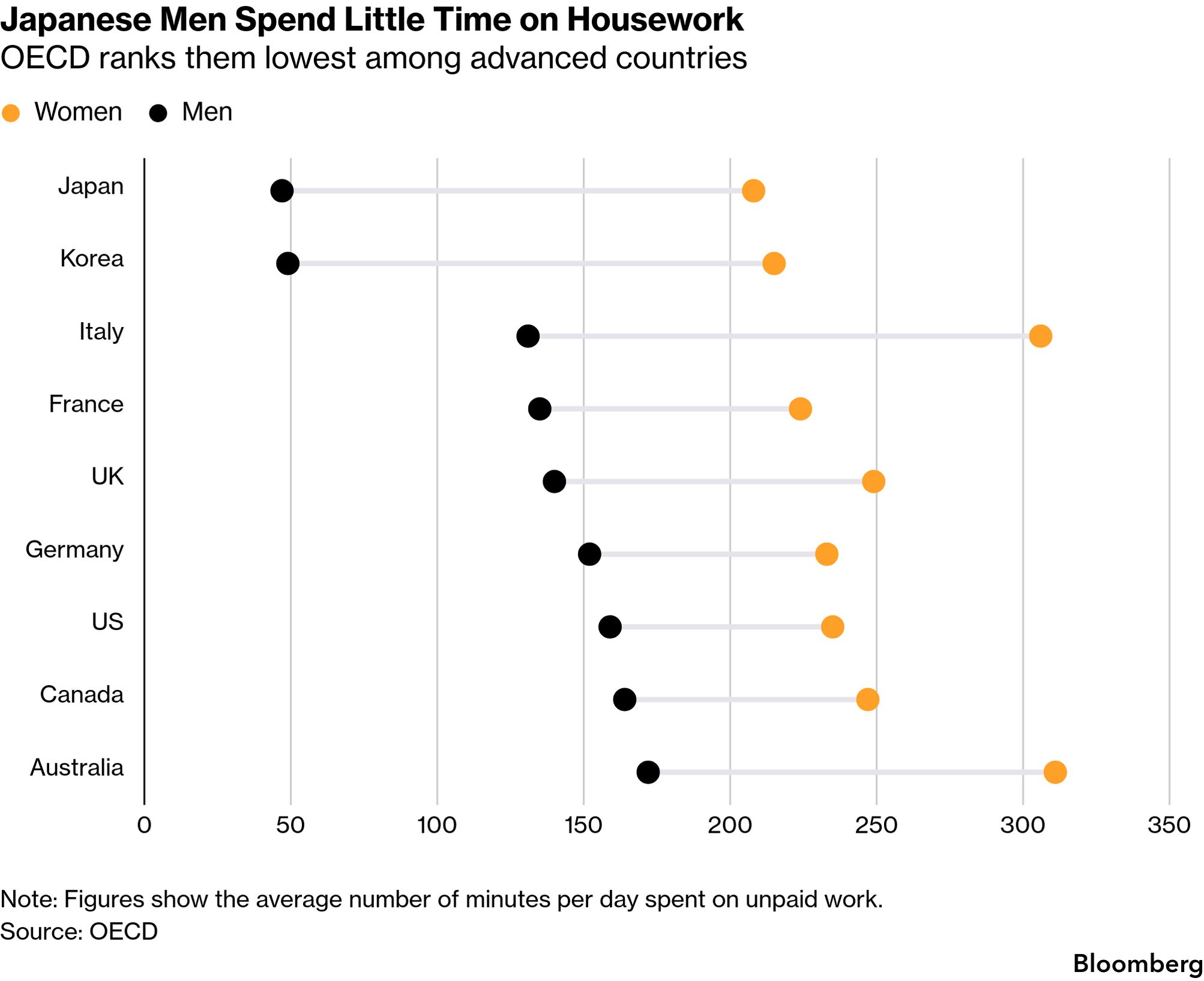
Japanese soccer fans have gone viral for tidying up the stadium after their team’s World Cup soccer match against the Netherlands this week, only to prompt a meme criticizing the country’s men for not applying the same standards of behavior while at home. The post refers to data showing that Japanese men on average do only a small proportion of unpaid labor such as cleaning, shopping and childcare, even as more women are entering the workforce. And FinallyNo two potato harvests are the same, yet each of the 100 million Pringles cans that leaves the Kellanova plant in central Poland has to have the crunch and flavor consumers expect. The process of ensuring that consistency is increasingly guided by artificial intelligence. Sensors, lasers and cameras feed data on everything from humidity to protein content into software from Siemens, which continuously adjusts the recipe for changing raw materials before quality problems can slow production or lead to waste. It’s an example of the promise of industrial AI, a branch of the technology where Europe still has a chance to play a leading role. 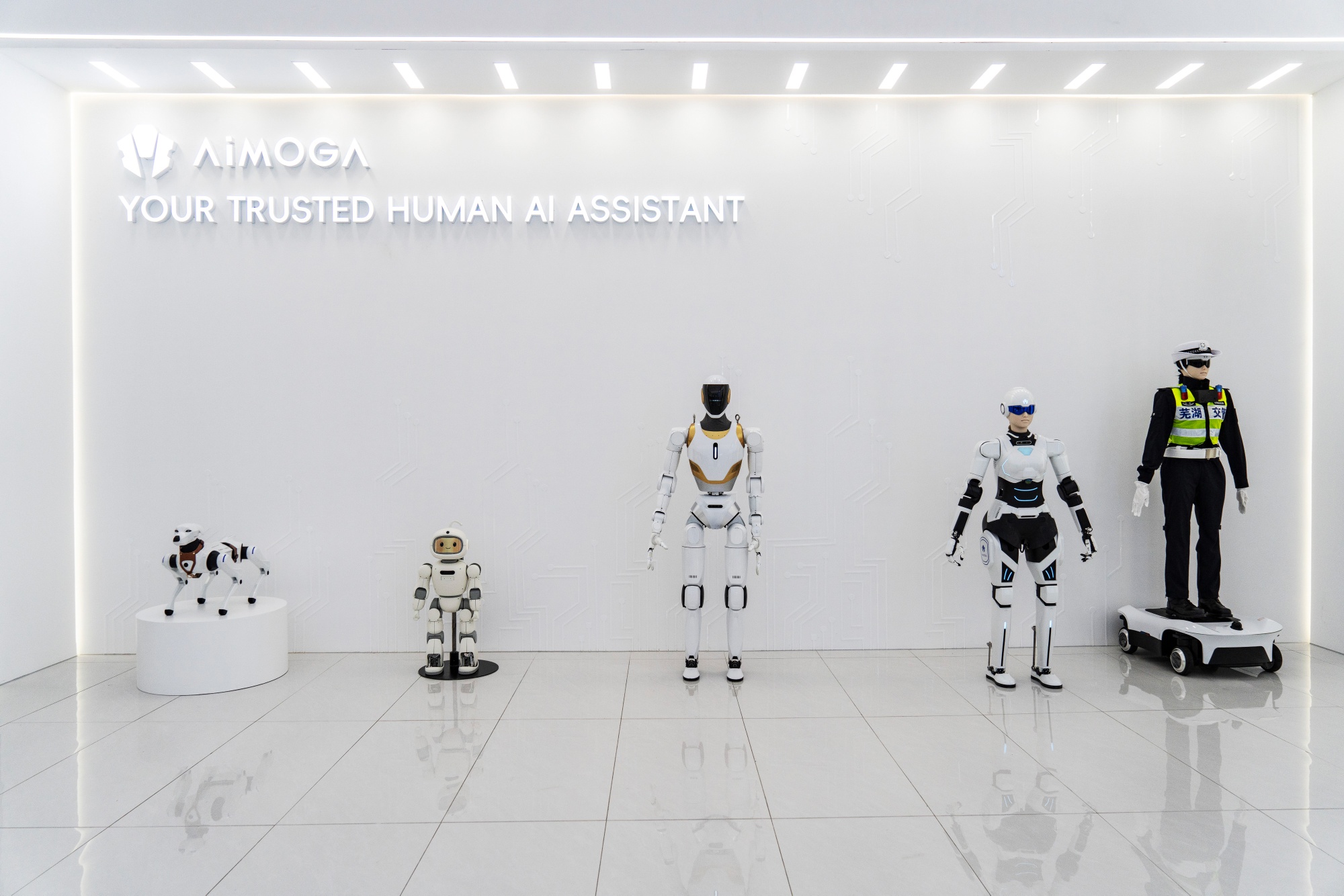
Robots on display at Chery Automobile’s AiMOGA showroom in Wuhu, China, on May 20.
Photographer: Qilai Shen/Bloomberg
More from Bloomberg
We’re improving your newsletter experience and we’d love your feedback. If something looks off, help us by reporting it here. Follow Us
You received this message because you are subscribed to Bloomberg’s Balance of Power newsletter. If a friend forwarded you this message, sign up here to get it in your inbox.
|
Thursday, June 18, 2026
Trump’s nuclear dilemma





Subscribe to:
Post Comments (Atom)
-
Bloomberg Evening Briefing Americas View in browser Who's paying for Donald Trum...
-
PLUS: Dogecoin scores first official ETP ...


No comments:
Post a Comment