| Read in browser | ||||||||||||||

Welcome to Balance of Power, bringing you the latest in global politics. If you haven’t yet, sign up here. Two decades before Donald Trump burst onto the political stage in the US, Pauline Hanson staked her claim to Australia’s far right. In her first speech in parliament in 1996, Hanson said the country would be “swamped by Asians” and called for defunding Aboriginal support programs. She rejected accusations those ideas were racist. Nothing much has changed about Hanson, her views or her critics. But suddenly she’s no longer an outsider. Her One Nation party has surged in the polls, the first time since World War II that a minor player has overtaken establishment parties. It won its first lower house seat last month, and looks competitive in a major state election in November. 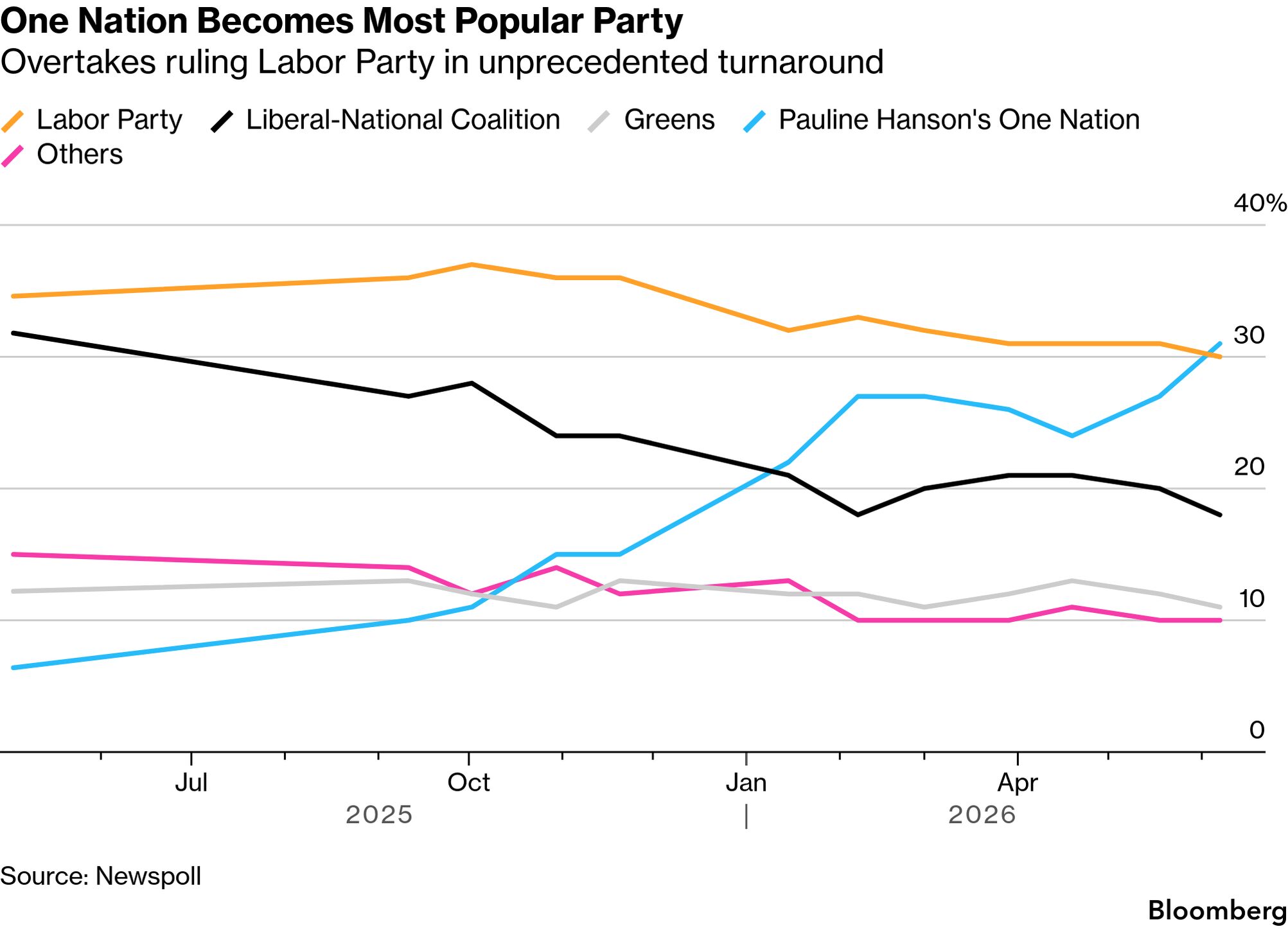
“The rest of the country has caught up with me,” Hanson said this month on a podcast. Her moment comes as Australia catches up to the populist political mood that’s swept the US, the UK and parts of Europe, where trust in institutions is fading and voter polarization is crystallizing amid anger over the cost of living, immigration and inequality. In the six weeks since One Nation won a rural election, the party has pulled in millions of dollars in donations. Hanson addressed the National Press Club for the first time last week, the kind of establishment appearance that anoints her as a serious political force. Australia’s richest woman is also playing a role. Mining billionaire Gina Rinehart last year flew Hanson to speak at an event at Trump’s Mar-a-Lago estate in Florida, gifted her a plane in April and has been advising on policy. The next national election isn’t due for another two years. A poll this week showed One Nation would get 49% if the vote was held today. If Hanson maintains her new-found momentum until then, Australian politics could be in for a dramatic Trump-style reset. — James Mayger 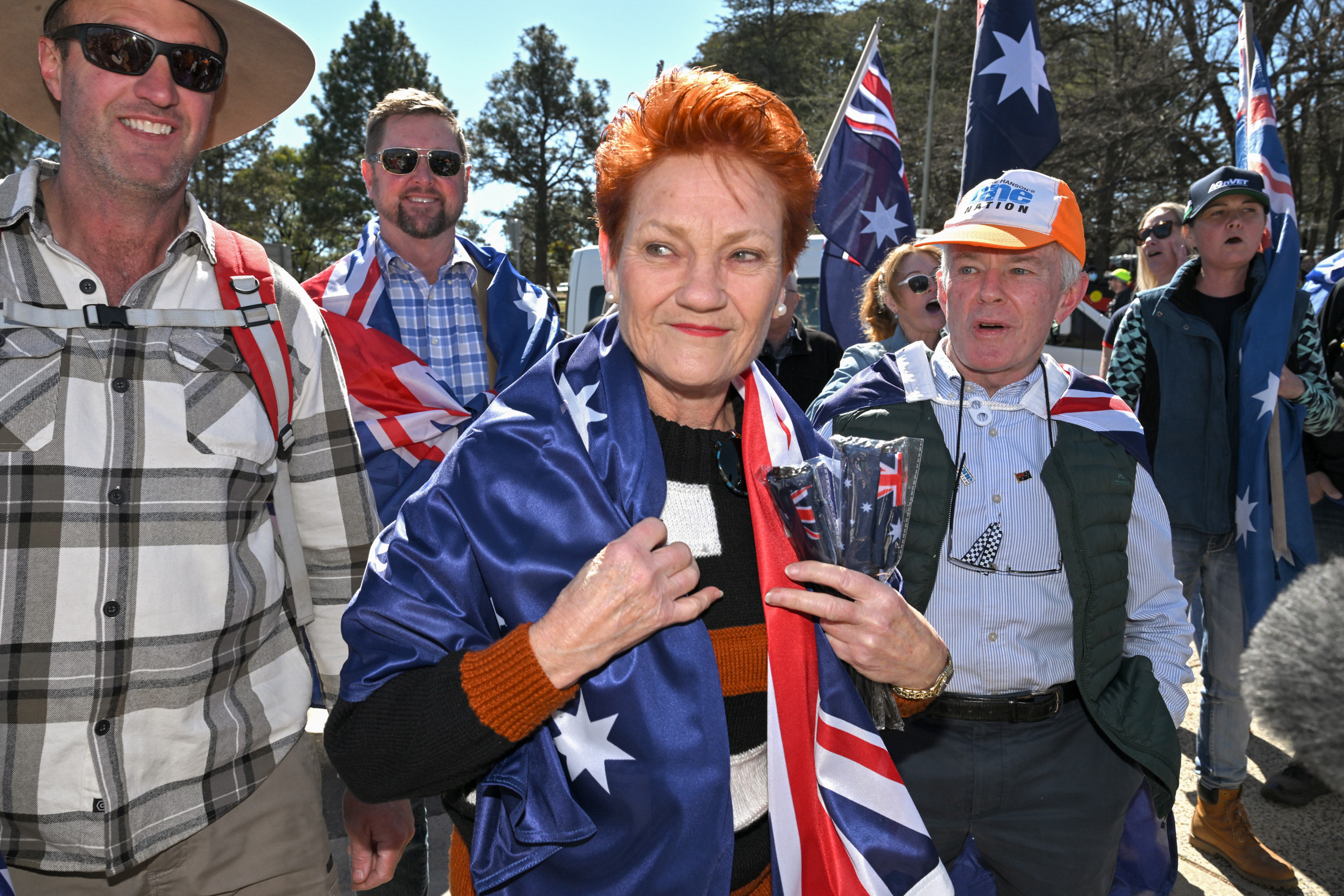
Hanson attends the March for Australia anti-immigration rally in Canberra on Aug. 31.
Photographer: Mick Tsikas/EPA/Shutterstock
Global Must ReadsNATO Secretary General Mark Rutte played to Trump’s love of praise and splashy visuals during a visit to Washington aimed at easing the US president’s anger over alliance nations’ reluctance to help with the war against Iran. Leaders of Europe’s so-called E5 nations insisted they’re doing what Trump wants — making NATO “more European” — as he considers deep cuts to the protections that have secured the continent for decades. 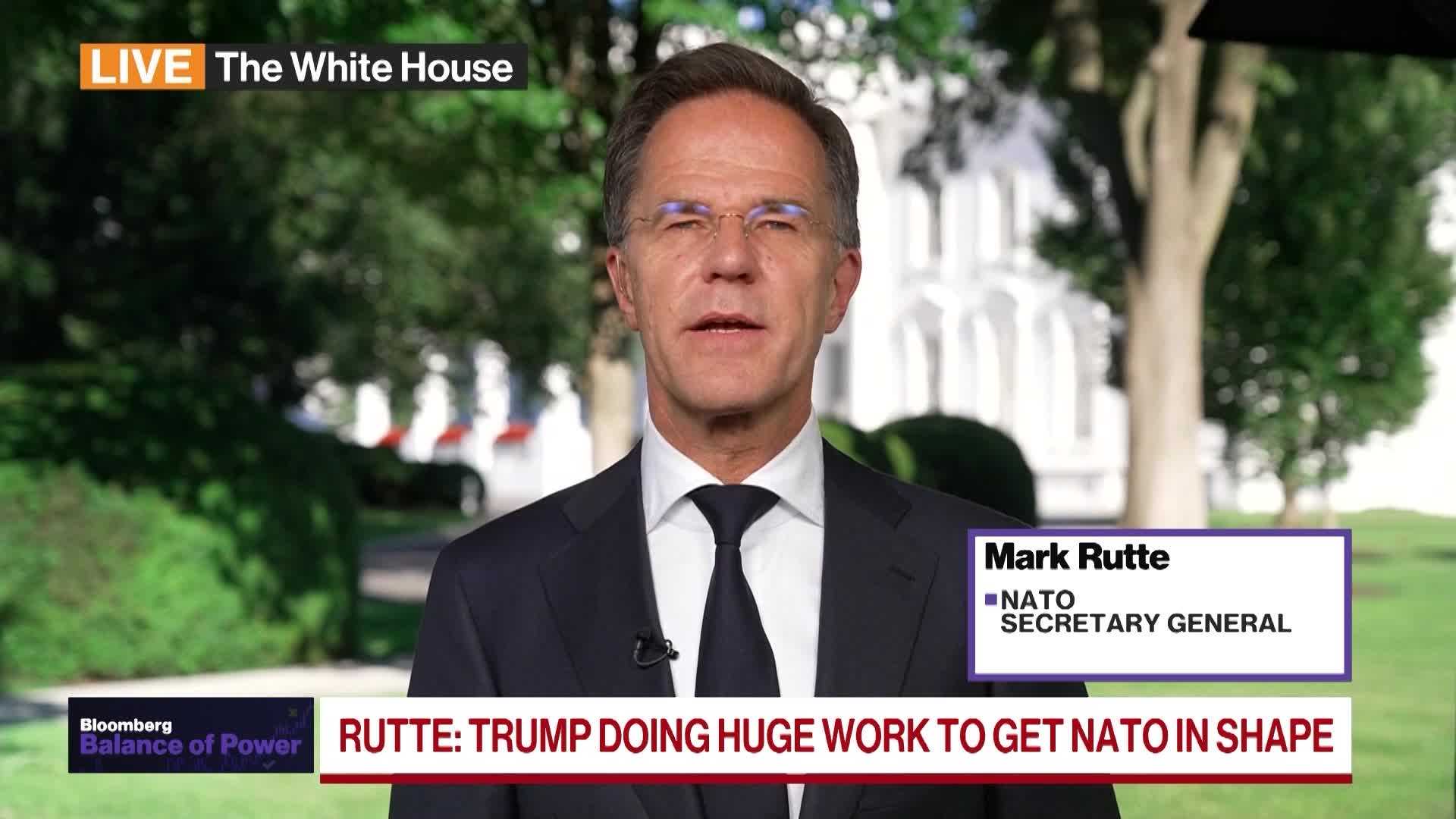 
Rutte discusses Europe’s efforts to take on more responsibility for its own defense and Ukraine’s progress in the war with Russia.
Tensions between Trump and US Senate Republicans reached fever pitch during a lunch yesterday after a 24-hour exchange that saw lawmakers rebuke him over the war with Iran and he abruptly canceled a signing ceremony for housing legislation the GOP sees as essential to its midterm election efforts. John Kennedy, a Louisiana Republican, told reporters that Trump was “mad as a murder hornet” at the war powers vote. A long-time ally of Britain’s next expected prime minister, Andy Burnham, said he will seek to pursue “flexibility” within the government’s spending and borrowing rules, an indication the former Manchester mayor may look to depart from the course pursued by Chancellor Rachel Reeves. Trump was dismissive of Burnham yesterday, saying he was unfamiliar with him and has only heard that he is “extremely liberal.” Indonesia has spent decades establishing itself as one of the world’s most important emerging markets, yet now Southeast Asia’s largest economy risks losing that standing and potentially jeopardizing billions of dollars in foreign investment. We look at the implications for the $1.5 trillion economy should index provider MSCI downgrade its equity market to “frontier.” Just as the wars in Ukraine and the Middle East have laid bare the value of cheap airborne drones, sea drones are seen as playing a crucial role in the Indo-Pacific region — an area 30 times larger than the continental US and dominated by vast expanses of water. Militaries from the US to China are now racing to develop and deploy such systems above and below the surface. 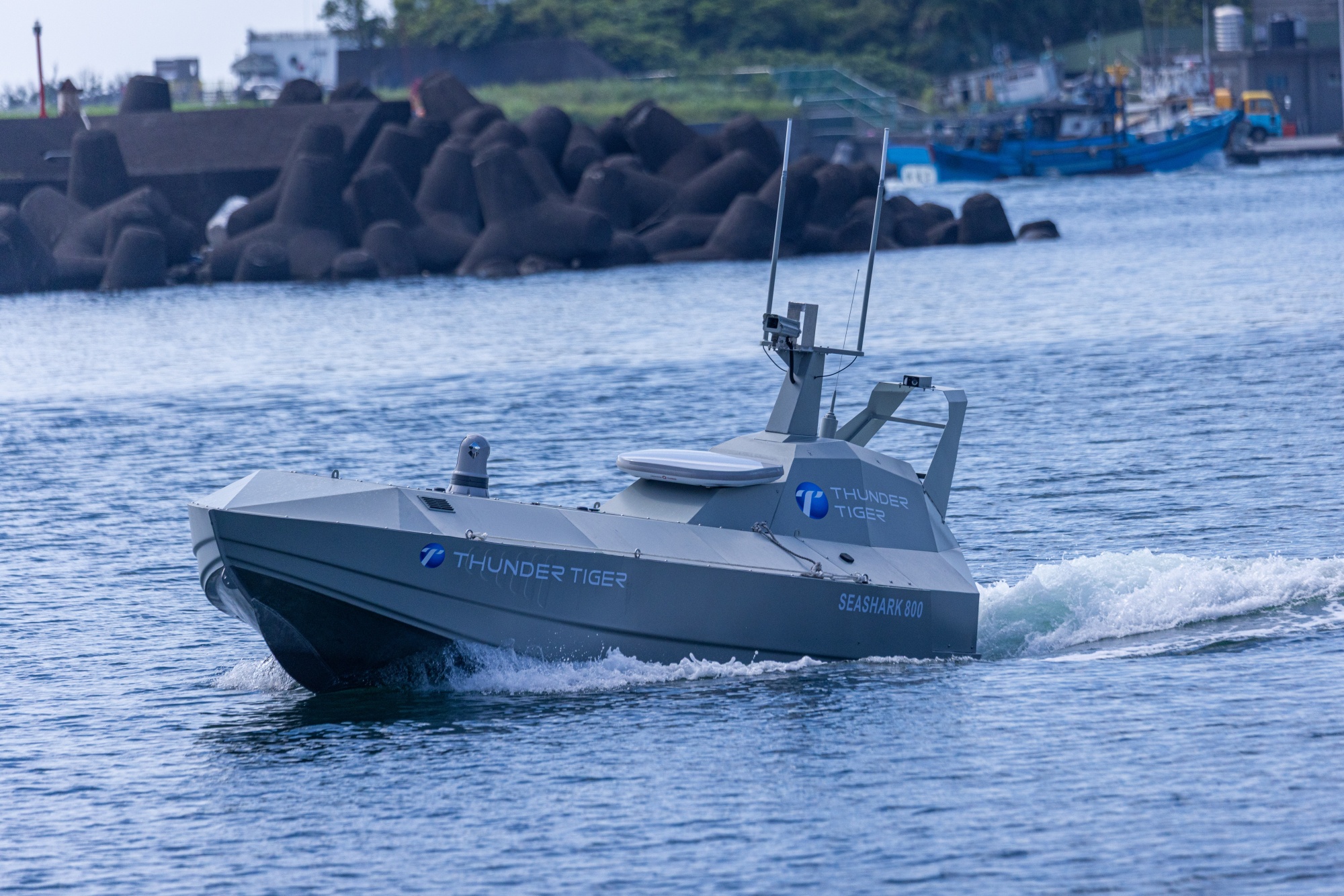
A Sea Shark 800 during a demonstration in Taiwan in June 2025.
Photographer: Annabelle Chih/Getty Images
The leader of the second-biggest party in South Africa’s governing coalition has taken a strong stand against xenophobic violence, urging the authorities to protect immigrants who are being targeted by protesters. The US decided against sending senior officials to an Asia-Pacific Economic Cooperation meeting in Macau, blaming what it called China’s “discriminatory” visa rules on American diplomats. A doctor who returned to France after doing humanitarian work in the Democratic Republic of Congo has become the first person with Ebola outside the central African region, and the French health ministry has identified five possible contacts who should isolate. The Brazilian Senate leader from President Luiz Inácio Lula da Silva’s party stepped down from his post after a police investigation uncovered connections to failed lender Banco Master, a scandal that’s become a liability for both of the main presidential campaigns. 
On this episode of Trumponomics, Sarah O’Connor, author of We Are Not Machines: The Fight for the Future of Work, explains why AI’s biggest threat may not be job loss, but the erosion of creativity, autonomy and meaning. Listen on Apple, Spotify or wherever you get your podcasts.
Sign up for the Washington Edition newsletter for news from the US capital and watch Balance of Power at 1 and 5 p.m. ET weekdays on Bloomberg Television. Chart of the Day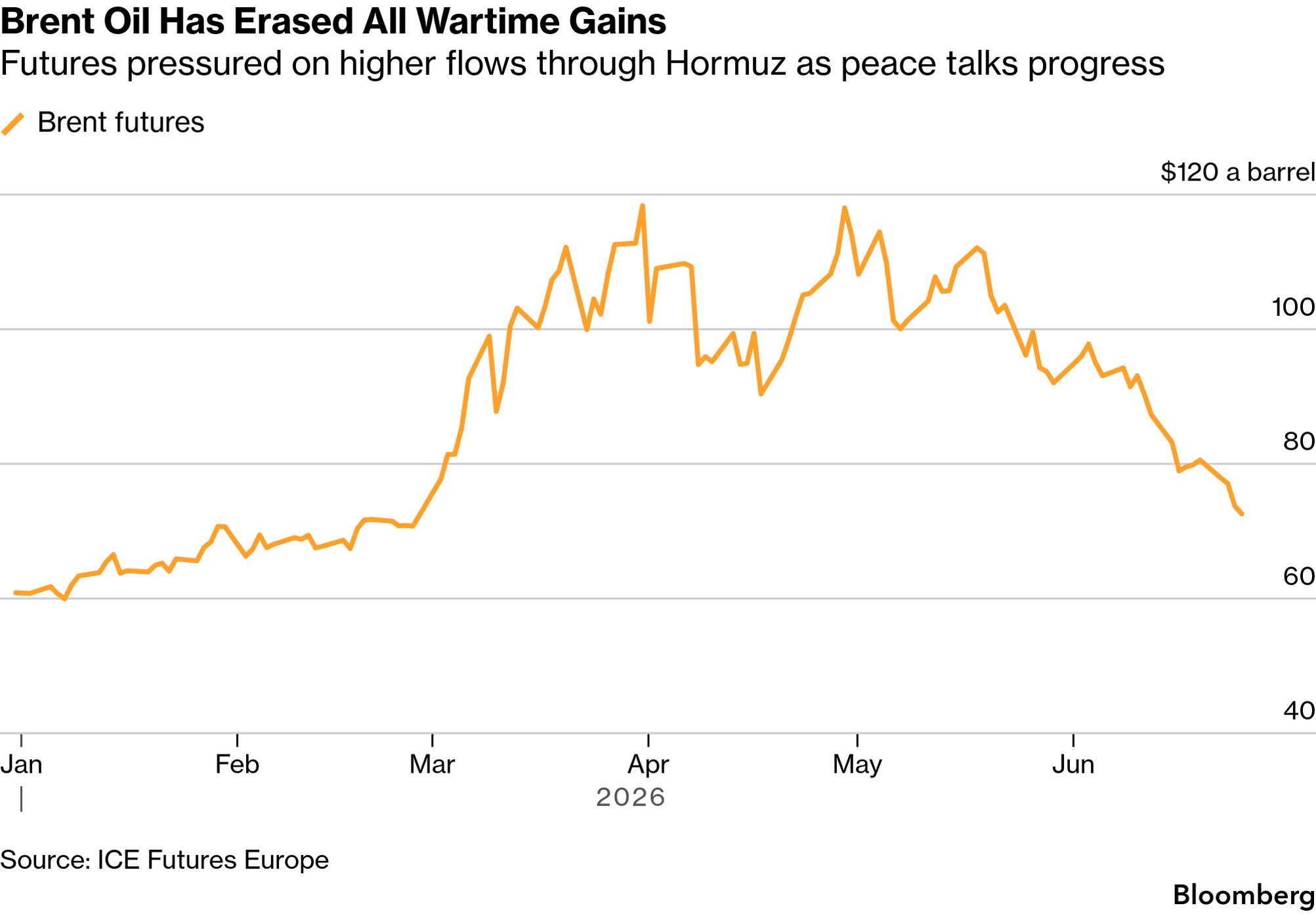
Brent oil is back to pre-war levels as flows through the Strait of Hormuz ramp up due to progress on a US-Iran peace deal. While claims from Washington and Tehran on talks have diverged at times and further discussions face hurdles, early optimism about a lasting agreement has led to more tankers openly crossing the key waterway. And FinallyTwo massive back-to-back earthquakes in Venezuela killed at least 32 people and injured more than 700, toppling dozens of buildings and devastating the country’s main international airport. The disaster will further strain the nation’s crisis-hit economy that is reeling from one of the world’s fastest inflation rates and rolling power outages. 
A street in Caracas yesterday.
Photographer: Manaure Quintero/AFP/Getty Images
More from Bloomberg
We’re improving your newsletter experience and we’d love your feedback. If something looks off, help us by reporting it here. Follow Us
You received this message because you are subscribed to Bloomberg’s Balance of Power newsletter. If a friend forwarded you this message, sign up here to get it in your inbox.
|
Thursday, June 25, 2026
Trumpian turn





Subscribe to:
Post Comments (Atom)
Earthquakes rock Venezuela
Bloomberg Morning Briefing Americas ...
-
Bloomberg Evening Briefing Americas View in browser Who's paying for Donald Trum...
-
PLUS: Dogecoin scores first official ETP ...


No comments:
Post a Comment