| Read in browser | ||||||||||||||

Welcome to Next Africa, a daily newsletter on where the continent stands now — and where it’s headed. Sign up here to have it delivered to your email. In today’s edition, we look at Guinea’s decision to clamp down on gold exports. And:
Export CurbsGuinea’s leader has instructed gold producers operating in his country to refine their metal in a new facility in the capital, Conakry. The directive is the latest attempt by President Mamadi Doumbouya, a coup leader who won December elections, to generate more cash from minerals and industrialize the impoverished West African nation. His local processing push was previously targeted mainly at the bauxite industry, which supplies China’s aluminum smelters, and he has been successfully cajoling investors to develop plants that can manufacture alumina, an intermediate product. Doumbouya also expects the companies behind the massive Simandou iron ore project, including Rio Tinto and Chinese state-owned behemoths, to build a factory to produce iron pellets or steel. 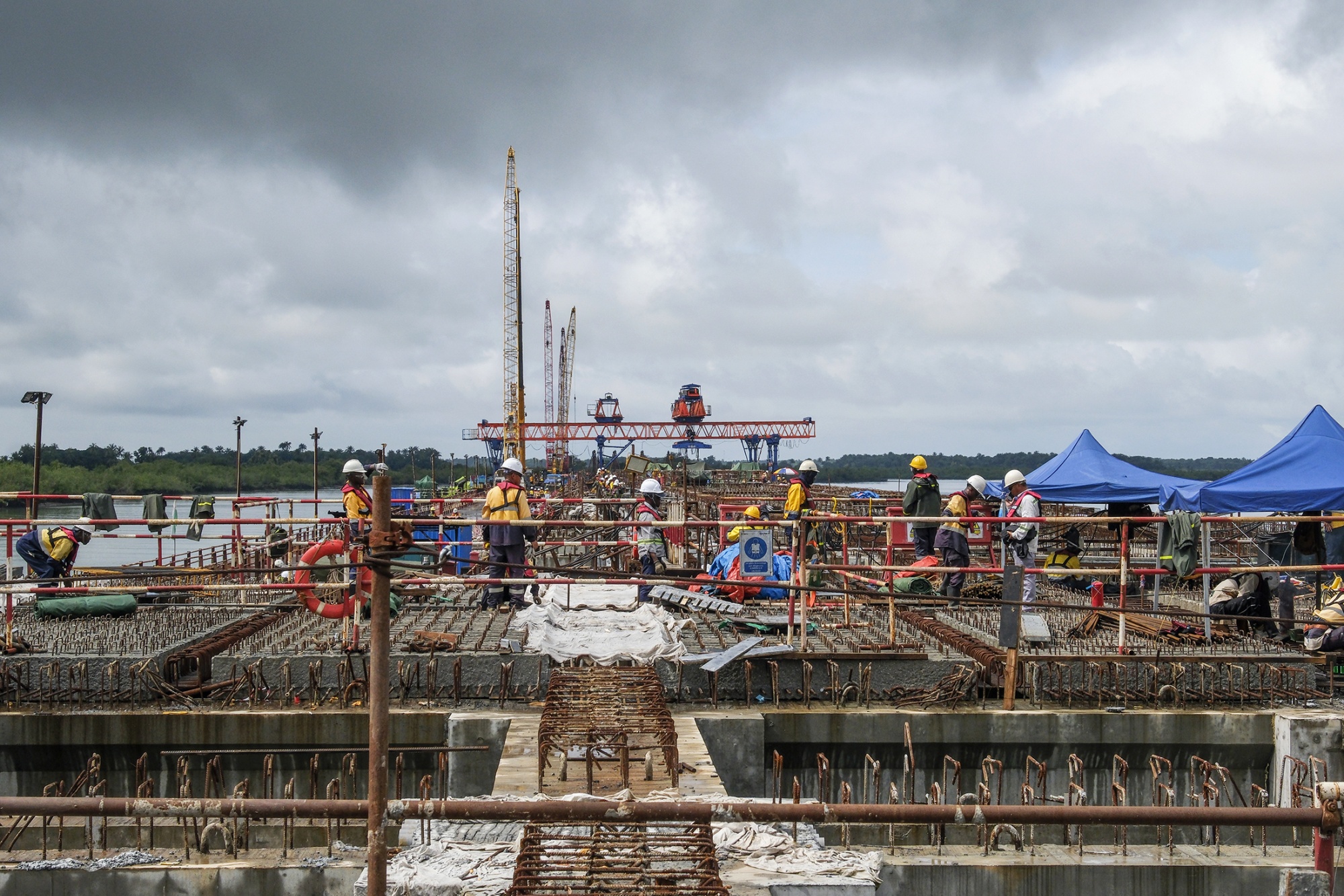
Construction of the Morebaya Port, Guinea.
Photographer: Ricci Shryock/Bloomberg
But unlike the policies affecting the bauxite and iron ore producers, which are required to process a relatively small portion of overall output in Guinea, the president wants the Conakry refinery to handle all gold mined in the country. The directive follows a trend among mineral-rich African governments from Ghana to Zimbabwe that have been overhauling the status quo with a flurry of reforms to rein in oversupply, boost domestic refining and steer mines toward local ownership. Guinea is Africa’s sixth-biggest bullion producer, according to the World Gold Council. Artisanal operations, which account for most of that volume, are likely the government’s principal target as it bids to curb smuggling and formalize the industry. But Doumbouya’s announcement on state television left unanswered questions for the handful of large-scale commercial mines owned by firms like AngloGold Ashanti and Predictive Discovery. It isn’t clear when the refinery will open — the president claimed it will be a matter of days, while his mines minister said it would be weeks. The facility will also lack international certifications, at least at first. That means mining firms, which already produce doré bars that can contain more than 90% gold, may have to re-refine their bullion overseas. The joint venture between Guinea’s government and private investors is also the subject of arbitration proceedings, creating additional uncertainty about how it will operate. As ever, the devil will be in the detail. — William Clowes and Ougna Camara 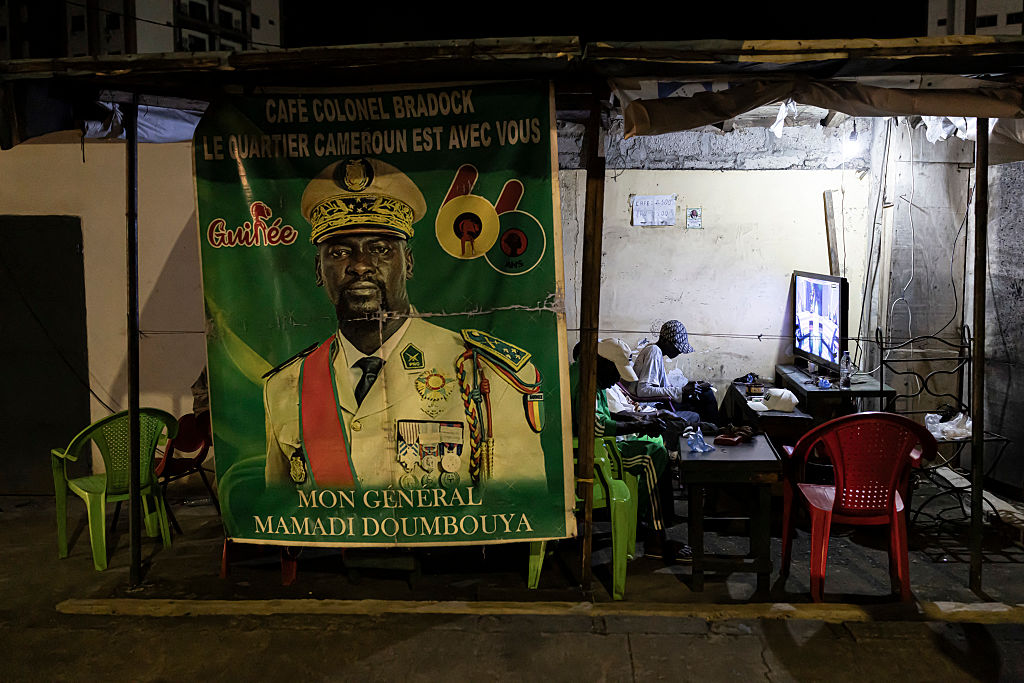
Residents watch TV next to a poster of Doumbouya in Conakry on Sept. 23.
Photographer: Patrick Meinhardt/AFP/Getty Images
What Everyone’s ReadingJohannesburg, South Africa’s economic hub, has halted some essential services because it can’t pay for fuel, the main opposition party in the nation’s biggest city says. The crisis adds to its financial woes with the municipality mired in corruption scandals and unable to provide reliable water, electricity and other basic services. 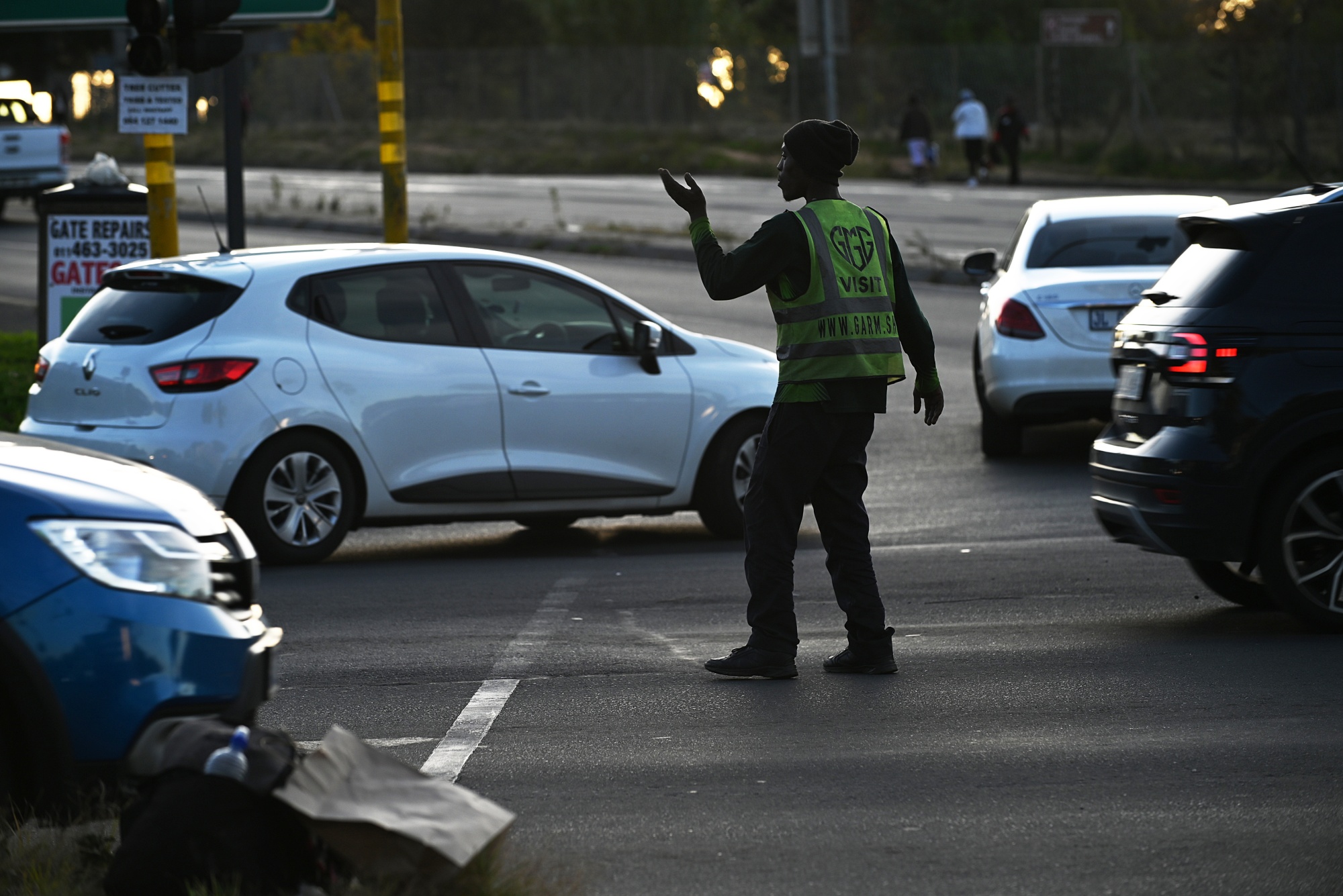
A person directs traffic for tips while traffic lights don’t work in Johannesburg.
Photographer: Leon Sadiki/Bloomberg
Morocco left interest rates unchanged, seeking to keep borrowing flowing for a football World Cup-linked building boom while guarding against inflationary risks as the US and Iran try and reach a lasting peace deal. The North African nation’s economy has been recording its fastest growth since 2021, bolstered by better agricultural harvests and an infrastructure spending spree ahead of it co-hosting the 2030 showpiece tournament. WeLight, which operates more solar mini-grids in Africa than any other company, said the International Finance Corp. bought a stake in the business, backing its expansion into Nigeria and the Democratic Republic of Congo. Sub-Saharan Africa has about 565 million people without access to electricity, about 80% of the world’s total. South Africa has seen a wave of xenophobic attacks and demonstrations against the presence of undocumented migrants in recent months, and there are mounting concerns that the violence will escalate ahead of a June 30 deadline protesters have given foreign nationals to leave the country. Our explainer looks at why the violence keeps flaring. 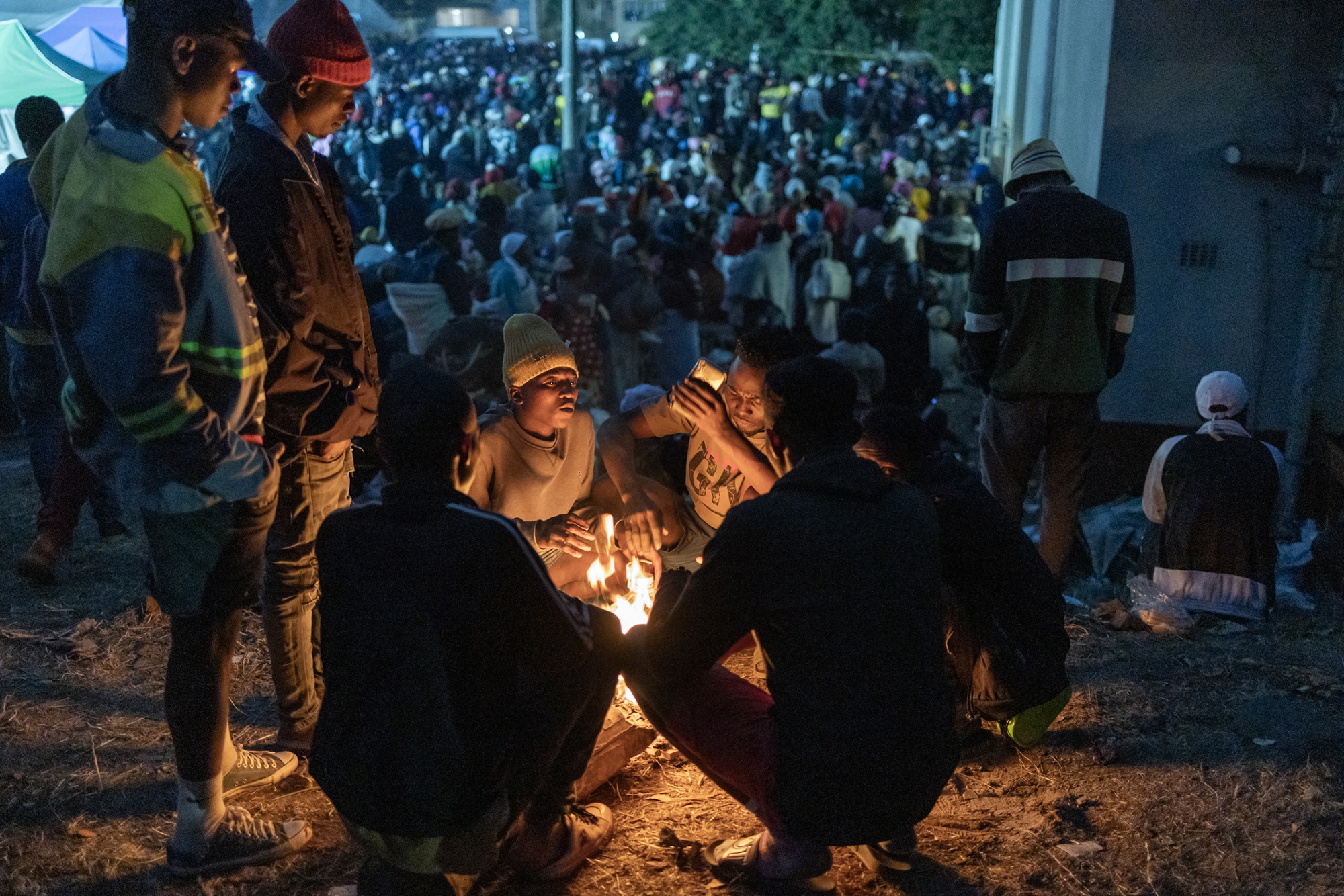
Foreign nationals seeking refuge at a park in Durban on June 13.
Photographer: Rajesh Jantilal/AFP/Getty Images
Vedanta Resources plans to sell an 11.9% stake in a US-based unit to raise about $372 million to develop its Konkola Deep copper mine complex in Zambia. Mining executives are increasingly focused on copper amid expectations that supply will struggle to keep pace with demand from electric vehicles, renewable energy, power grids and AI infrastructure. Africa Newsmaker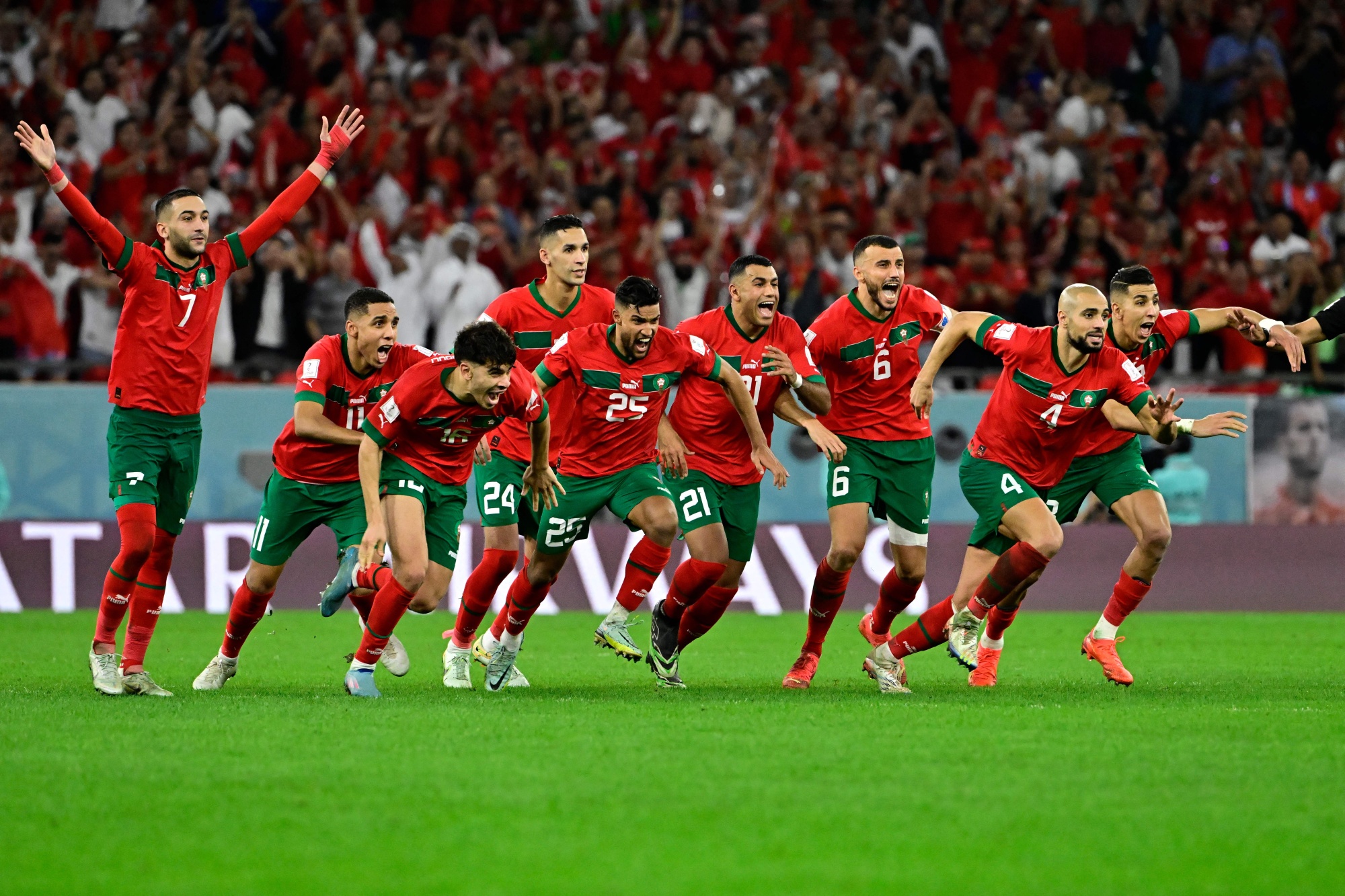
Morocco celebrate winning their World Cup match against Spain in Qatar in 2022.
Photographer: Javier Soriano/AFP/Getty Images
Morocco’s national football team is reportedly on a world record unbeaten streak. The men’s side has officially not lost in 39 consecutive international matches, surpassing previous runs by Italy and Argentina. The milestone includes victory in the Africa Cup of Nations final that was awarded to the team after Senegal was punished for an on-field protest (that ruling is being challenged). Morocco faces Haiti at 6pm in Atlanta on Wednesday in its final game of Group C in the 2026 World Cup. Last WordTonino Lamborghini is partnering with Zimbali Lakes Resort to develop a luxury hotel and branded residences near Durban. The project underlines a wave of developments, including Club Med’s first resort in South Africa and premium lifestyle estates, that are reshaping the KwaZulu-Natal province’s North Coast. The region is emerging as a popular base for wealthy South Africans seeking an alternative to Cape Town that offers warm weather and an outdoor lifestyle. The portfolio of Lamborghini — the son of famed auto designer Ferruccio Lamborghini — also includes developments in Dubai and Brazil with upcoming projects in India and Thailand. 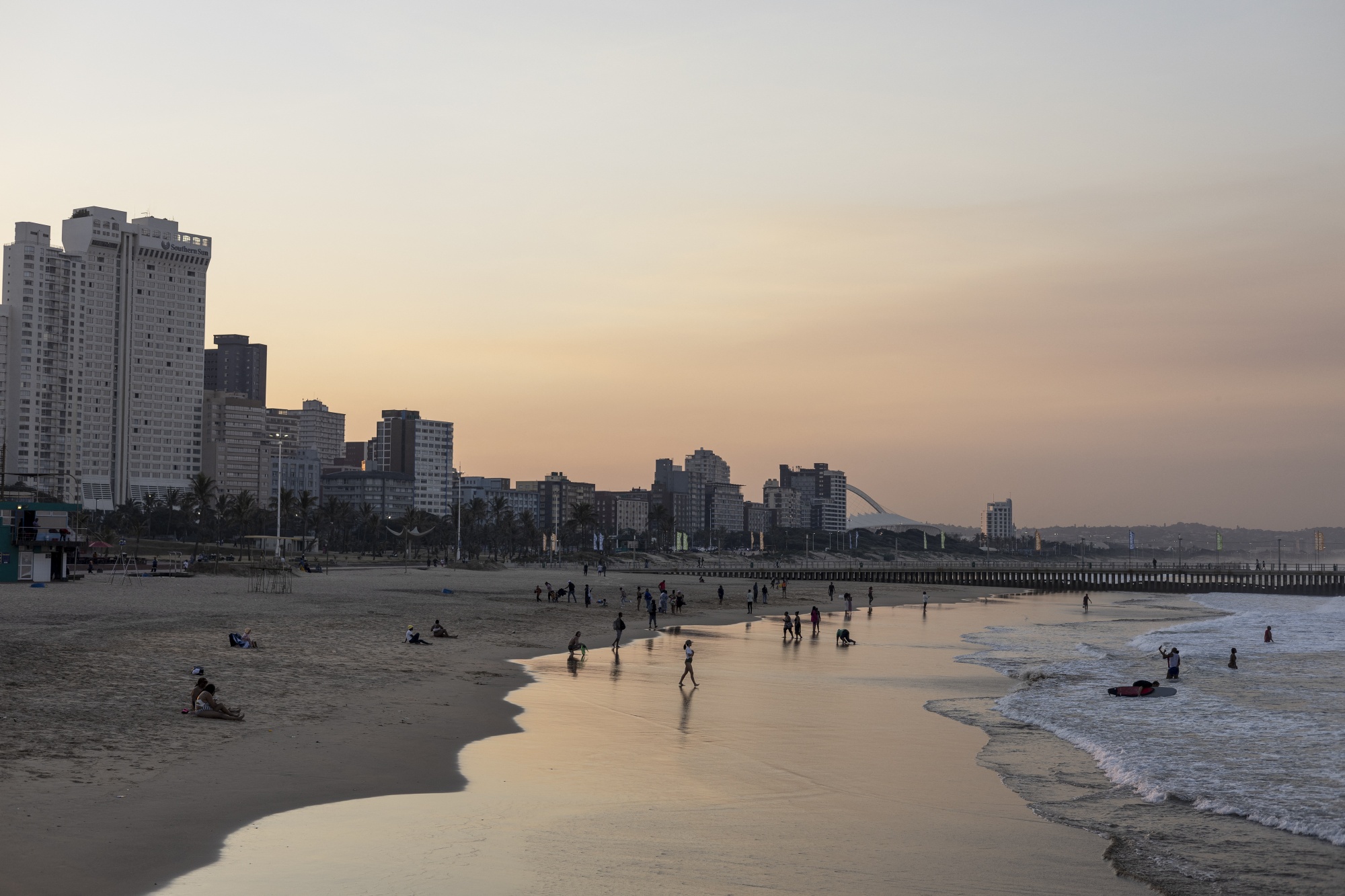
Beachgoers at sunset in Durban, South Africa.
Photographer: Wikus de Wet/AFP/Getty Images
We’ll be back in your inbox with the next edition tomorrow. Send any feedback to gbell16@bloomberg.net. More From BloombergEnjoying Next Africa? You might also like:
We’re improving your newsletter experience and we’d love your feedback. If something looks off, help us fine-tune your experience by reporting it here. Follow Us
You received this message because you are subscribed to Bloomberg’s Next Africa newsletter. If a friend forwarded you this message, sign up here to get it in your inbox.
|
Wednesday, June 24, 2026
Next Africa: Keeping it close





Subscribe to:
Post Comments (Atom)
Next Africa: Keeping it close
Guinea is clamping down on gold exports ...
-
Bloomberg Evening Briefing Americas View in browser Who's paying for Donald Trum...
-
PLUS: Dogecoin scores first official ETP ...


No comments:
Post a Comment