| Read in browser | ||||||||||||||

Welcome to Balance of Power, bringing you the latest in global politics. If you haven’t yet, sign up here. The US and Iran are declaring major progress since reaching an interim peace deal last week. Their optimism may prove short-lived. On the face of it, the days since President Donald Trump signed the agreement have gone better than almost anyone expected. Ships are passing through the Strait of Hormuz. More tankers are crossing with their satellite signals switched on — a sign of growing confidence. Brent crude has fallen from a late-April high of around $125 a barrel to about $76 as traders anticipate more Iranian supply and a recovery in Gulf shipping. The US has lifted its naval blockade and issued a 60-day license allowing Iran to sell oil internationally. Iranian sellers are already approaching refiners in India, Japan and South Korea. Tehran says $12 billion in frozen assets is being released in two installments. Still, the thorniest issues are nowhere near to being resolved. 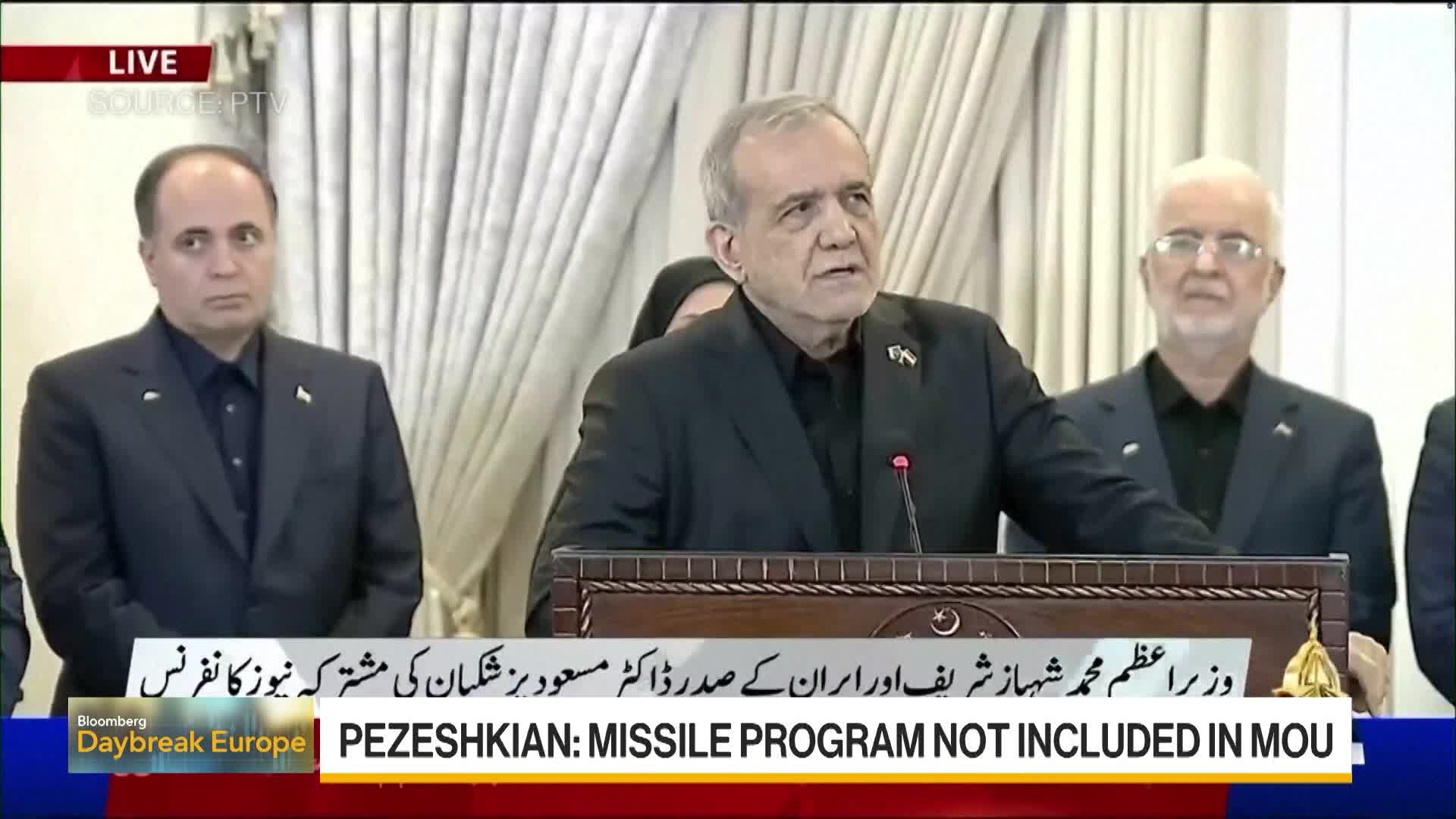 
Bloomberg’s Abeer Abu Omar has the latest on the talks and conflicting claims from the negotiations.
Washington says Iran agreed to sweeping nuclear inspections. Tehran says that’s false. No limits on uranium enrichment have been agreed, and Iran insists its ballistic-missile program is outside the deal. The two sides also contradict each other over money. Trump says unfrozen funds will remain in a US-controlled escrow account and pay for imports of American food and medicine. Iran says it alone will decide how the money is spent. While ships are moving through Hormuz again, there’s no agreement over how the crucial waterway will be administered. Iran wants a formal role and has proposed insurance requirements that could lead to fees. Lebanon is the most likely trigger for a quick return to fighting. Iran says ongoing Israeli operations breach the agreement. Israel says it won’t withdraw until the Lebanese army can prevent the Iran-backed Hezbollah militia from returning. Today, Tehran added it would raise Israel’s attacks on Hamas in Gaza with the US. Any of these disputes has the potential to unravel the deal and wipe out the good vibes Trump and Iran are working so hard to project. — Peter Martin 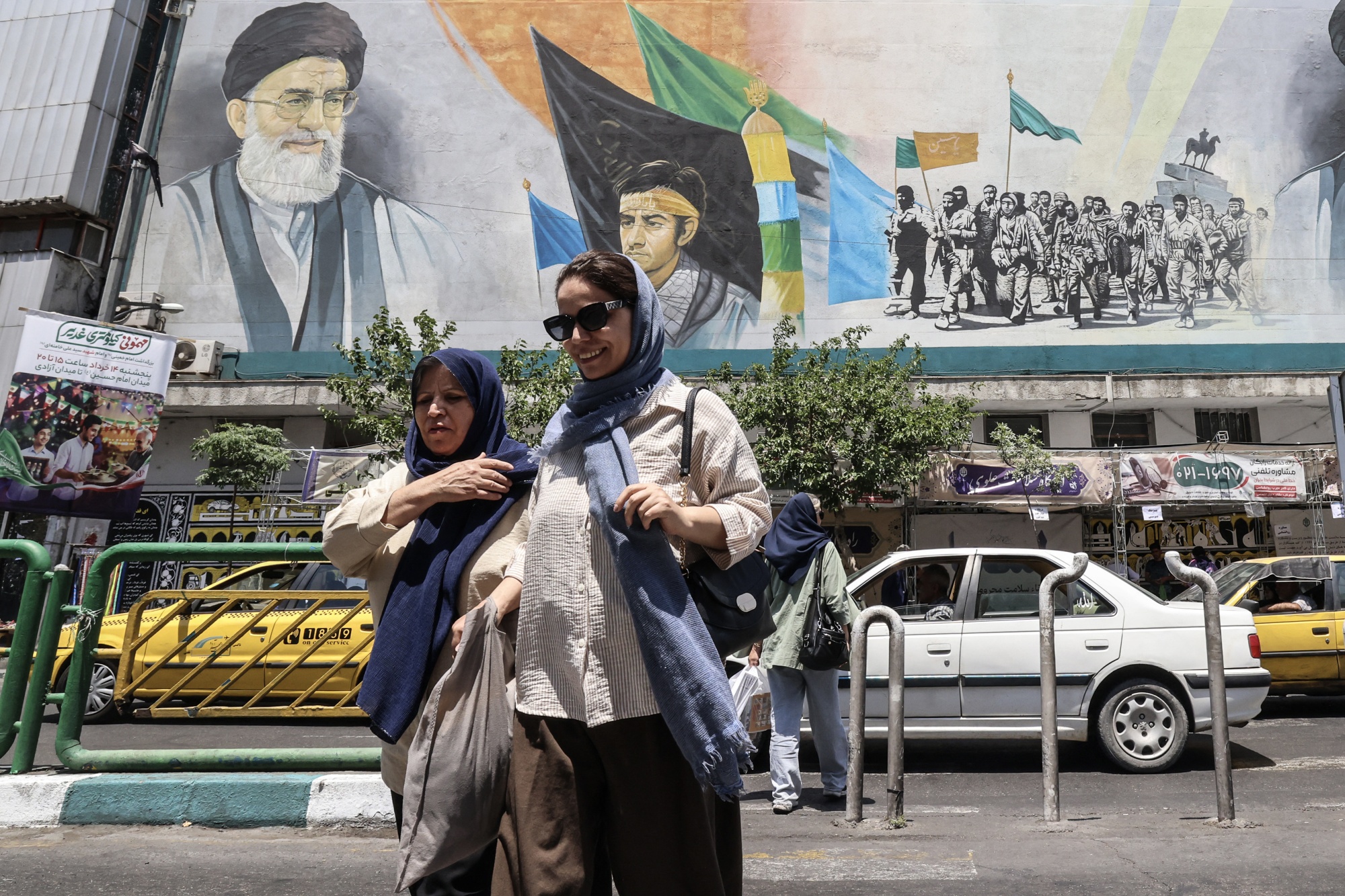
Women walk through Enghelab Square in Tehran on June 3.
Photographer: Atta Kenare/AFP/Getty Images
Global Must ReadsPremier Li Qiang played down worries about the disruption wrought by surging Chinese exports on the global economy, saying his nation “provides the world with increasing dividends of innovation through technological progress and industrial upgrading.” China’s widening trade surplus with major partners has come under increased scrutiny as policymakers around the world weigh measures to counter a flood of exports. China is choking off shipments of critical minerals to Japan, a slowdown that’s hurting companies and prompting calls for Japanese Prime Minister Sanae Takaichi to find a solution to a spat with Beijing over the Taiwan issue. Also, Japanese Chief Cabinet Secretary Minoru Kihara said China detained two people from his country in May on suspicion of smuggling prohibited goods — as Beijing wages a campaign against illicit activity linked to the rare earths industry. Italy’s Foreign Minister Antonio Tajani sought to mend fences with the US, saying the countries should work to de-escalate tensions after a spat between Trump and premier Giorgia Meloni. What had begun as an effusive relationship began to descend into acrimony in April, when Meloni publicly condemned the war in Iran and the US leader’s attacks on Pope Leo XIV, leading to Tajani canceling a trip to Miami last week for a planned business summit. 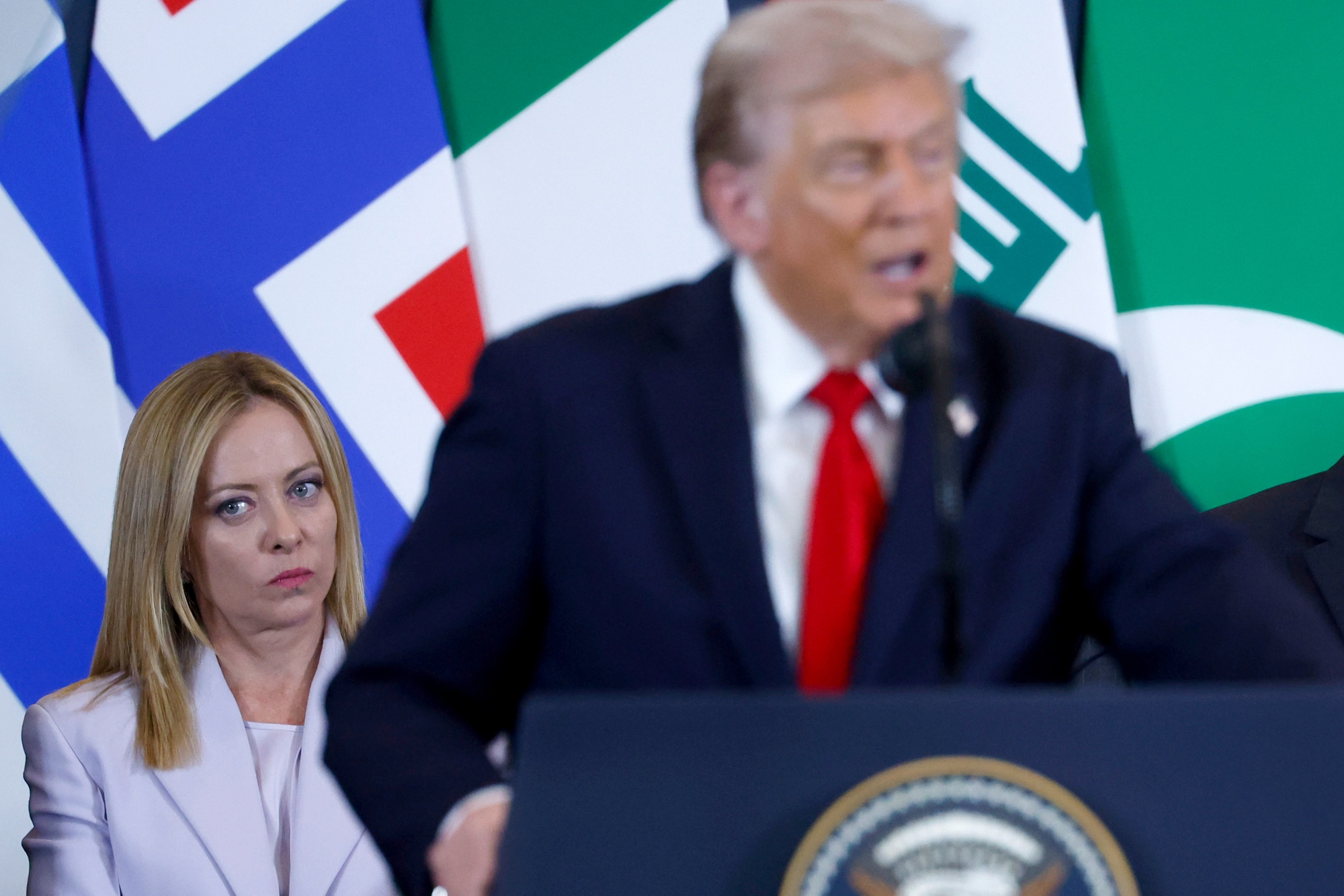
Meloni and Trump in Sharm El-Sheikh, Egypt.
Photographer: Chip Somodevilla/Getty Images
The victory of Abelardo de la Espriella, a conservative backed by Trump, in Colombia’s presidential election marks a sharp turn for a country that had sought to be a leader of a global transition away from oil, coal and gas. The latest representative of a populist right wave in Latin America, de la Espriella has urged increased production of oil and gas, with his call for “fracking to the max” echoing Trump’s “drill, baby, drill” embrace of fossil-fuel expansion. Conservative Keiko Fujimori is poised to become Peru’s next president after running her fourth consecutive campaign, despite rival Roberto Sánchez claiming irregularities. The outcome would finally deliver Fujimori the job she has sought since 2011 and make her the first woman elected president of the politically turbulent nation, while also reassuring investors who favor her pro-business policies. Germany signaled it will move ahead with plans to impose lower drug prices on pharmaceutical companies, calling a US accusation of unfair trade practices “unfounded.” Trump said that six people have been arrested for allegedly damaging the Lincoln Memorial Reflecting Pool, which has been plagued by algae and peeling paint after a renovation that he directed. 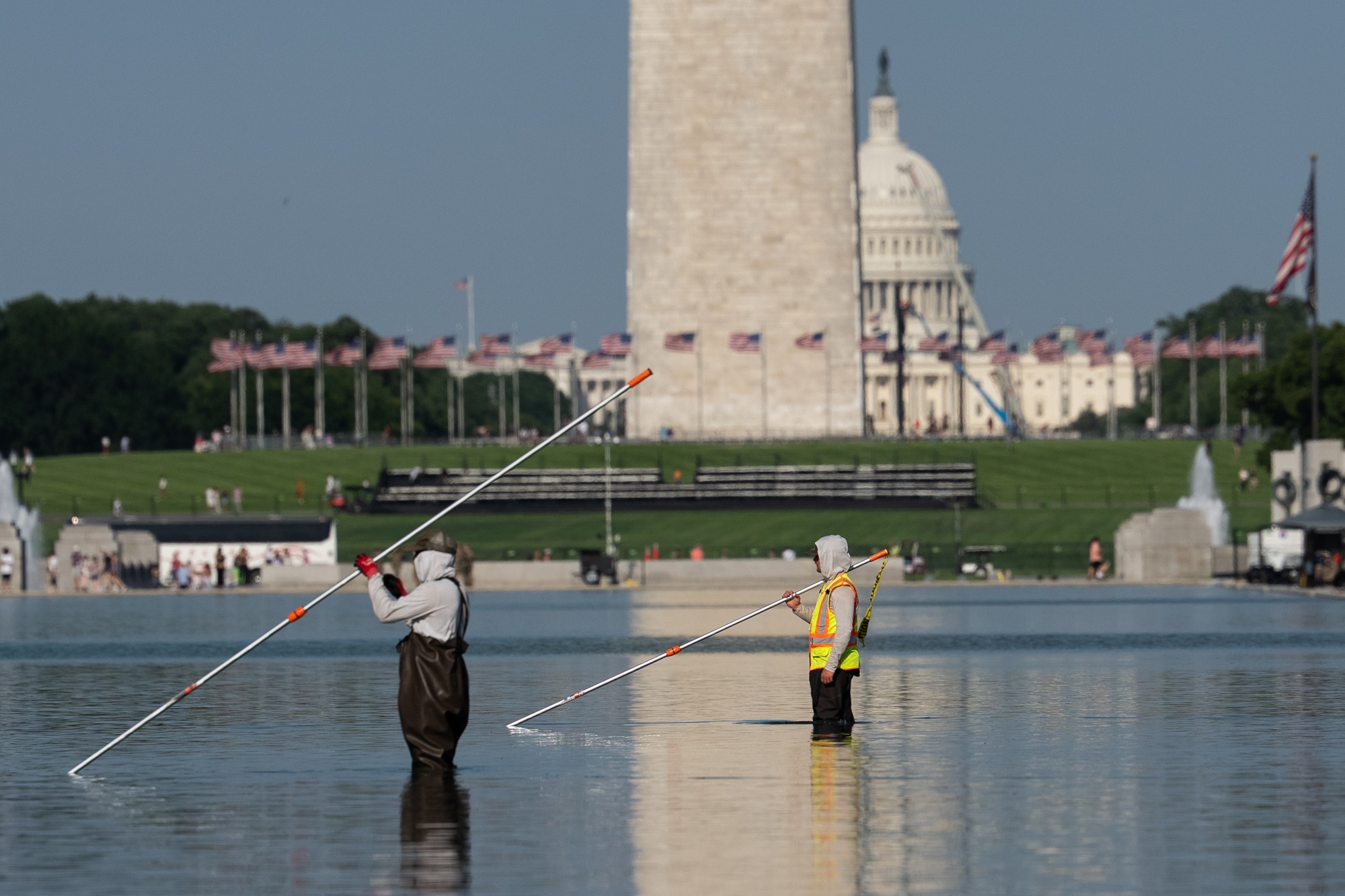
Workers clean algae from the pool in Washington on June 17.
Photographer: Aaron Schwartz/Bloomberg
Johannesburg has halted some essential services because it can’t pay for fuel, another sign of a deepening financial crisis in South Africa’s biggest city. Andy Burnham is all but certain to become the UK’s next prime minister after Darren Jones, who had been talked up as a potential rival, said he would not launch his own leadership bid. Sign up for the Washington Edition newsletter for news from the US capital and watch Balance of Power at 1 and 5 p.m. ET weekdays on Bloomberg Television. Chart of the Day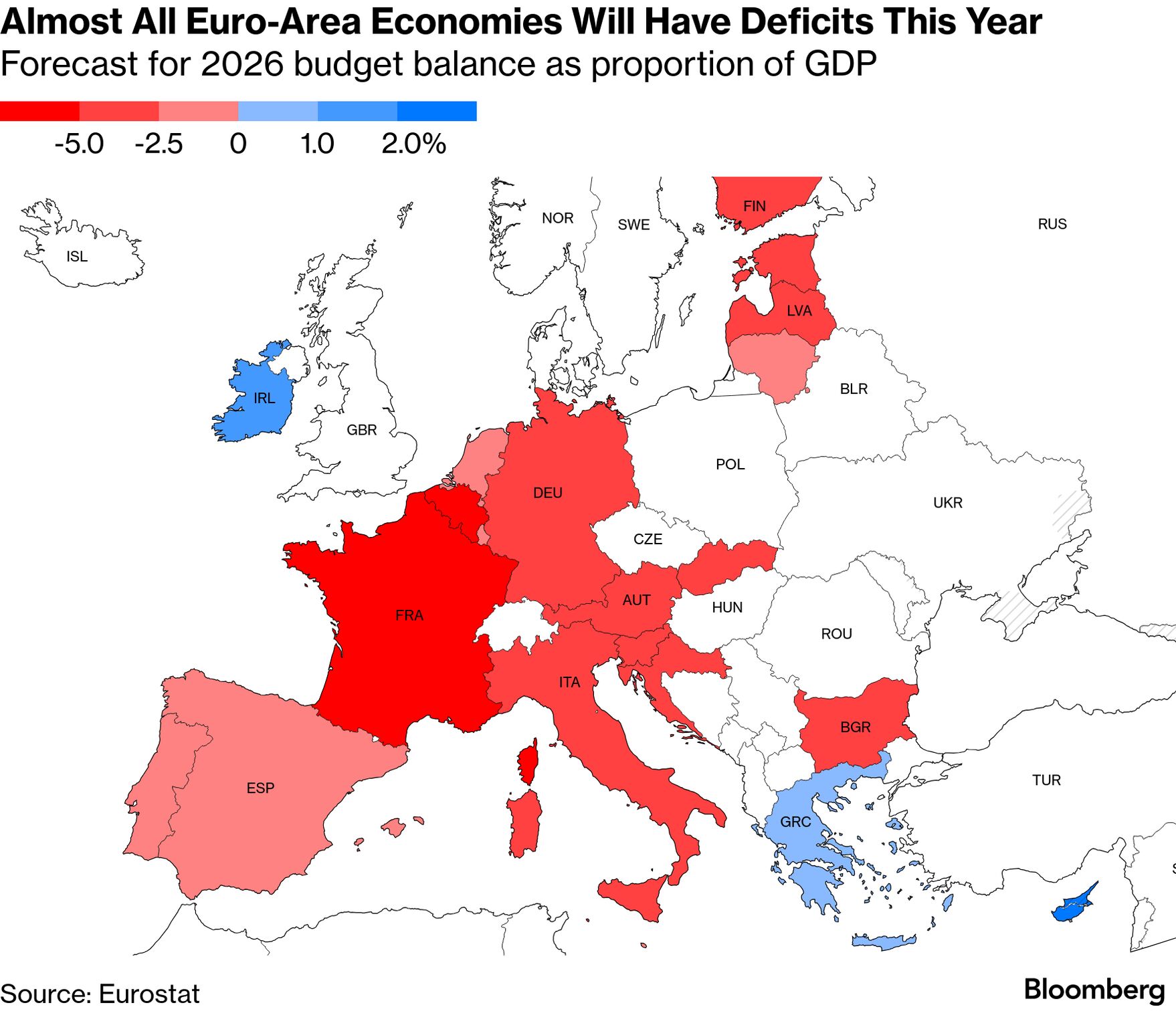
The European Union’s regime for monitoring public finances has arguably just passed its toughest health test since a revamp after the pandemic. In a year when market jitters roiled economies from the UK to Japan, a move by the European Commission to grant a bit more budget room to indebted governments such as Italy hasn’t upset investors, and isn’t causing sovereign analysts to flinch either. And FinallyFinland’s National Defense Course is designed to get leaders, and future leaders, thinking about how to plan for and respond to worst-case scenarios so that they can keep the country functioning during a national emergency. Politicians, academics, museum directors and military commanders are among those who take part in briefings and visits to strategic facilities over a period of three to four weeks, sleeping in barracks and wearing fatigues. “The war in Ukraine has shown exactly why a course like this is needed,” said Arto Räty, a retired general who once led it. 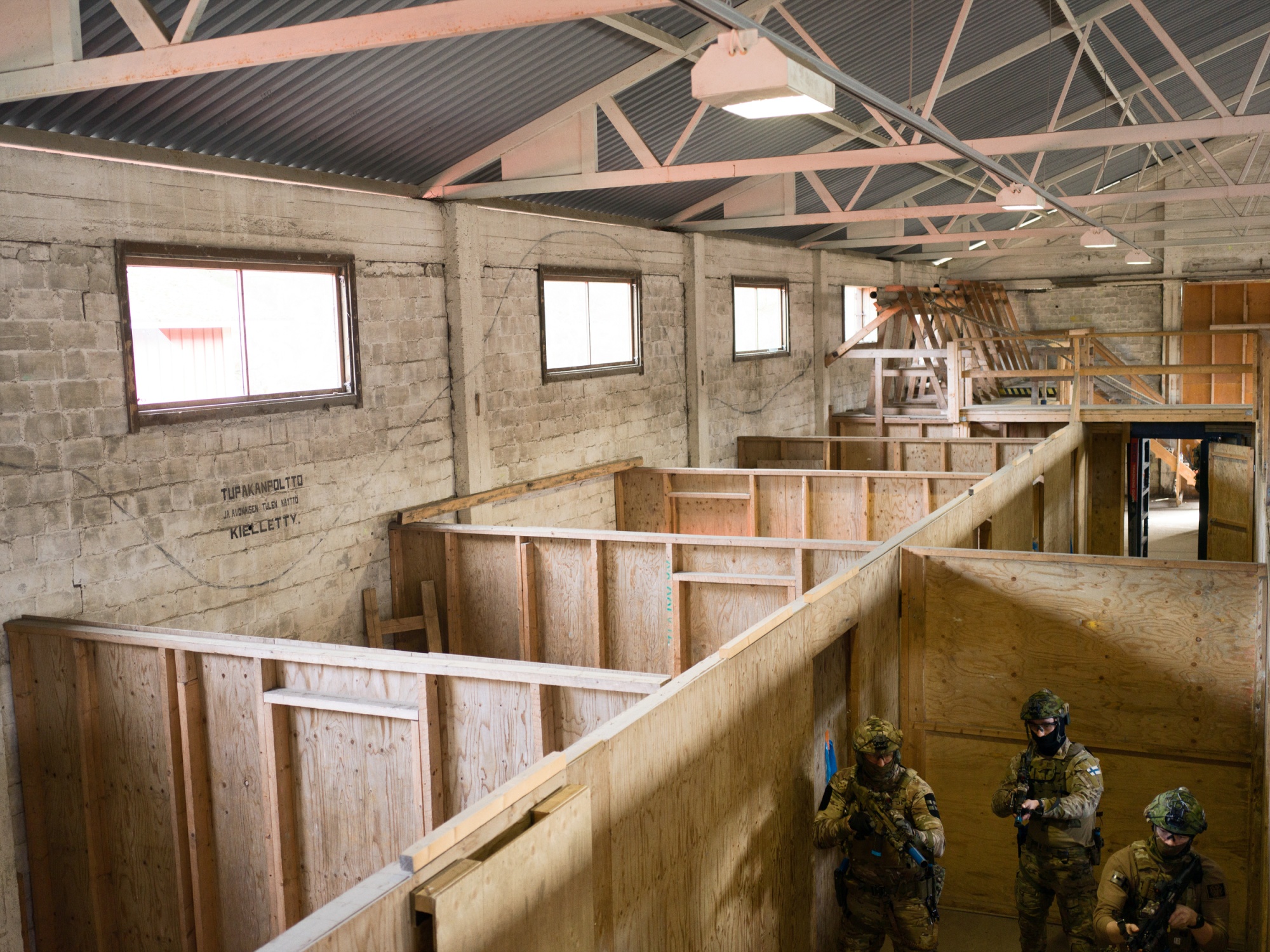
A Finnish defense training course in Santahamina.
Photographer: Carl Bergman/Bloomberg
More from Bloomberg
We’re improving your newsletter experience and we’d love your feedback. If something looks off, help us by reporting it here. Follow Us
You received this message because you are subscribed to Bloomberg’s Balance of Power newsletter. If a friend forwarded you this message, sign up here to get it in your inbox.
|
Wednesday, June 24, 2026
Thorny issues





Subscribe to:
Post Comments (Atom)

-
Bloomberg Evening Briefing Americas View in browser Who's paying for Donald Trum...
-
PLUS: Dogecoin scores first official ETP ...


No comments:
Post a Comment