| Welcome to Next Africa, a twice-weekly newsletter on where the continent stands now — and where it's headed. Sign up here to have it delivered to your email. There was a somber mood at Luthuli House, the African National Congress' headquarters in Johannesburg early on Friday. After 30 years of running South Africa pretty much as it pleased, the party looks set to lose the parliamentary majority it has held since apartheid ended three decades ago — by a substantial margin. It's hardly a surprise that many voters deserted the ANC in Wednesday's election. 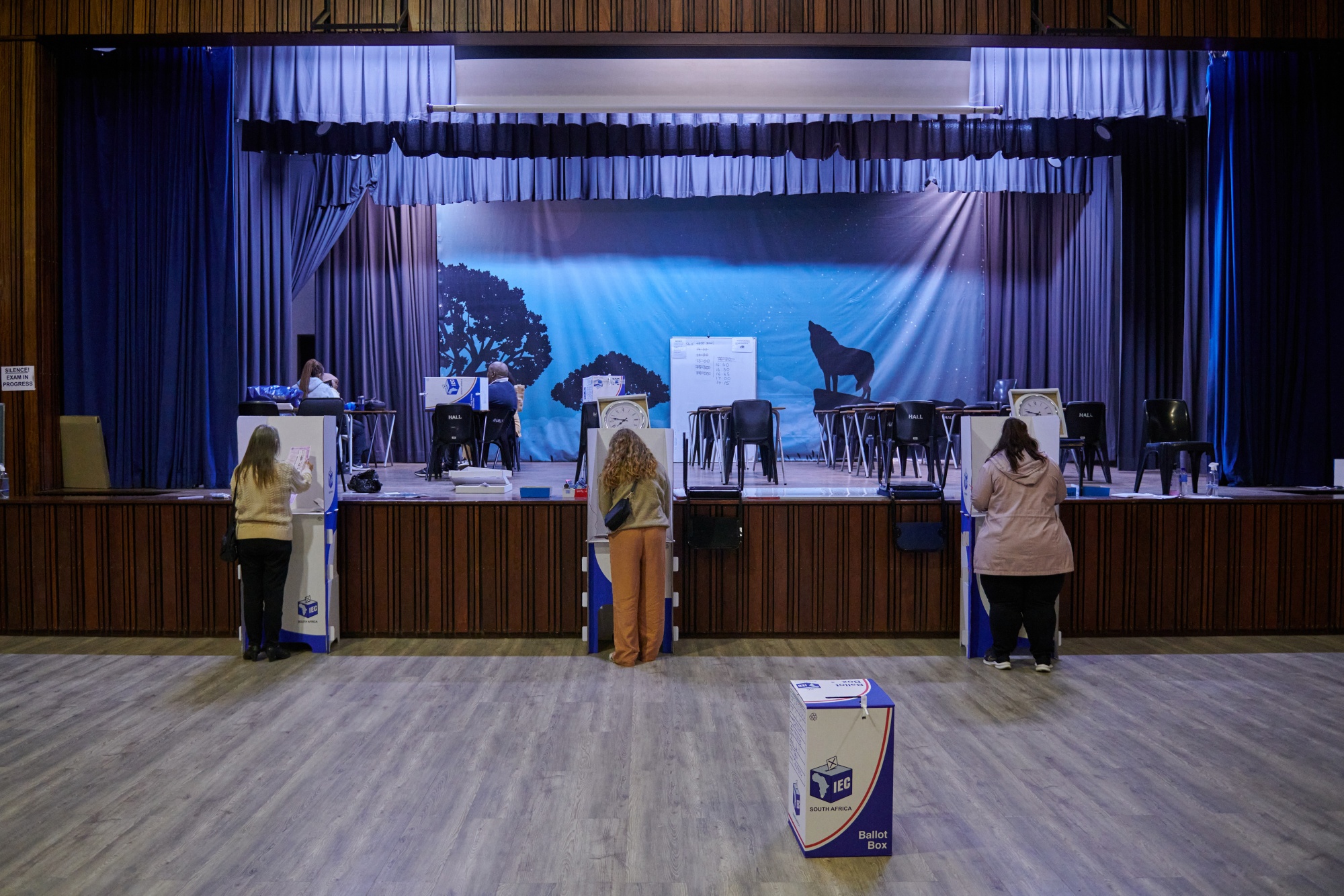 A polling station in Pretoria. Photographer: Waldo Swiegers/Bloomberg While it made huge strides in dismantling White-minority rule and providing education, healthcare and other services to the Black majority during its first 15 years in office, the next 15 were dire. The troubles began when Jacob Zuma took over as president in 2009 and presided over an era known as state capture, when tens of billions of dollars were looted from state coffers. The ANC ousted Zuma in 2018 and replaced him with Cyril Ramaphosa — who made some headway in tackling energy shortages and logistics snarlups but failed to fire up the economy and create jobs. Zuma added insult to injury by backing a new party that's eaten into the ANC's support, especially in his home province of KwaZulu-Natal where he is widely revered by his fellow Zulu speakers. The once-unassailable party that Nelson Mandela led to power now faces some tough choices. With around 42% of support, it will need help to govern. That means either having to partner with the business friendly Democratic Alliance (which is predominantly White-led), the radical Economic Freedom Fighters or even Zuma's party. Courting the latter two would involve wooing leaders expelled or suspended from the ANC — a humbling prospect for those currently in charge. An alternative is to try and form a minority government, but that would be tricky to run and make for constant bartering on policy. Ramaphosa's own future hangs in the balance. While he has said in the past he intends to stay for another five years, there's a risk his party could hold him responsible for the poor showing. Turbulent times lie ahead. — Mike Cohen Key stories and opinion:
South African President's Allies Want Democratic Alliance Deal
South Africa's ANC Has No Good Options as Majority Vanishes
What If South Africa's ANC Has to Share Power?: QuickTake
ANC Decline Symbolizes South Africa Normalizing: Justice Malala
Apartheid's Enduring Legacy in South Africa Puts ANC at Risk Catch our X space discussion at 2:15 p.m. SAST on what the election result means for South Africa's future. You can also listen to a recording later. You can also follow Bloomberg's reporting on Africa on WhatsApp. Sign up here. One year after President Bola Tinubu came to office, investor excitement over his reforms has faded. Some say they'll reconsider their positions if Nigeria stabilizes its currency and enacts more change. Since succeeding Muhammadu Buhari in late May 2023, Tinubu acted swiftly on currency and subsidy reforms to woo investors and boost dollar liquidity. While the initial steps enthused investors, increased dollar flows and led to a rally in the naira, that's since dissipated. 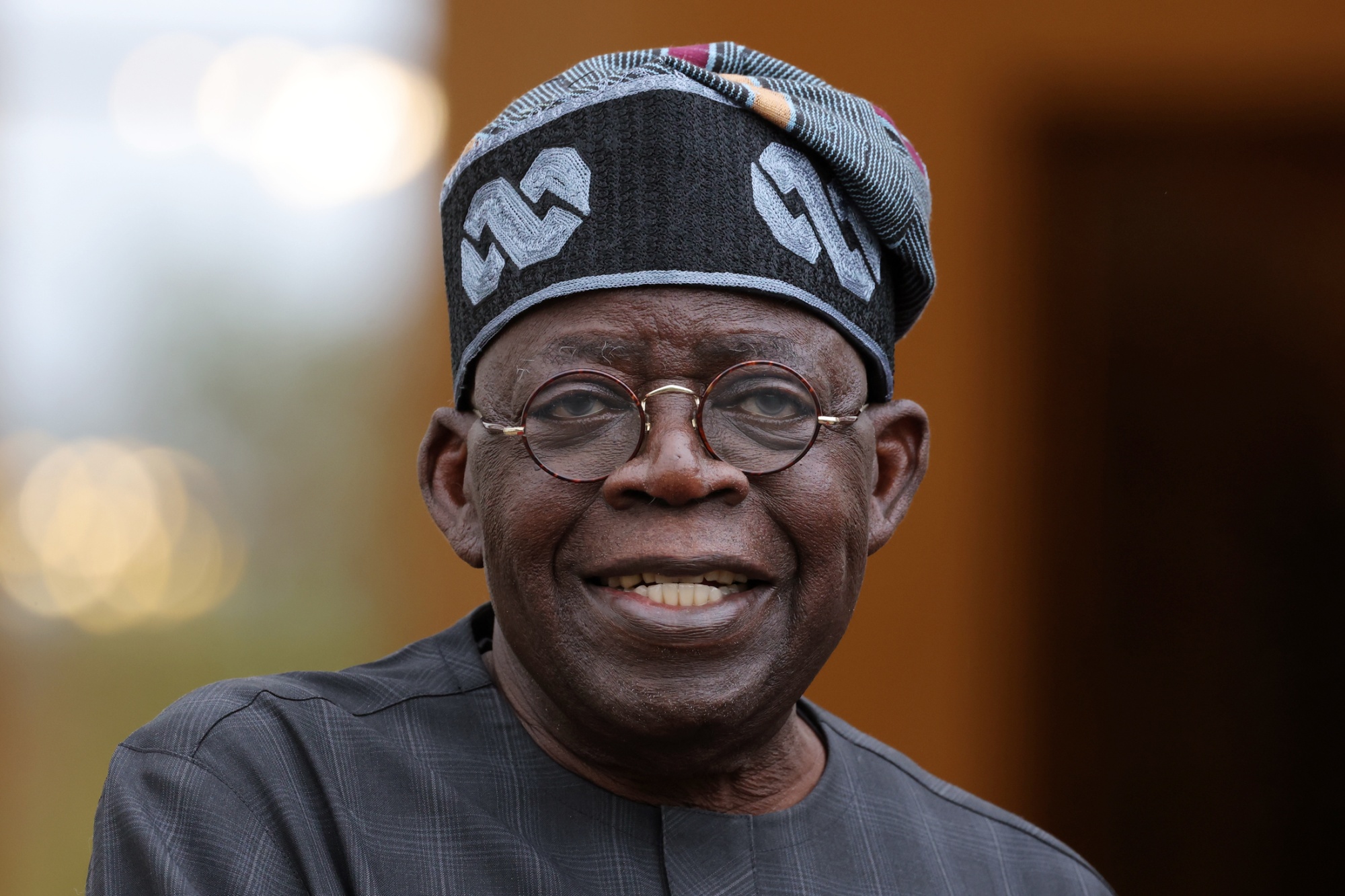 Bola Tinubu. Photographer: Sean Gallup/Getty Images Mining giant BHP abandoned its $49 billion takeover bid for Anglo American, walking away for now from what would have been the biggest mining deal in more than a decade. The announcement marked an abrupt end to the five-week public battle between two of the industry's biggest names. It will ratchet up the pressure on Anglo to deliver on an ambitious turnaround plan that involved exiting its diamond, platinum and coal interests. A major sticking point in the deal talks was how to deal with Anglo's South African units. Out of options to defend their currencies, African policymakers from Harare in the south to Juba in the east and Lagos in the west are cracking down on street dealers. Authorities in Zambia, Zimbabwe, Nigeria and South Sudan are throwing everything at the money traders, who they accuse of undermining their currencies. They've banned and arrested them, imposed hefty fines and revised existing guidelines for bureaux de changes. 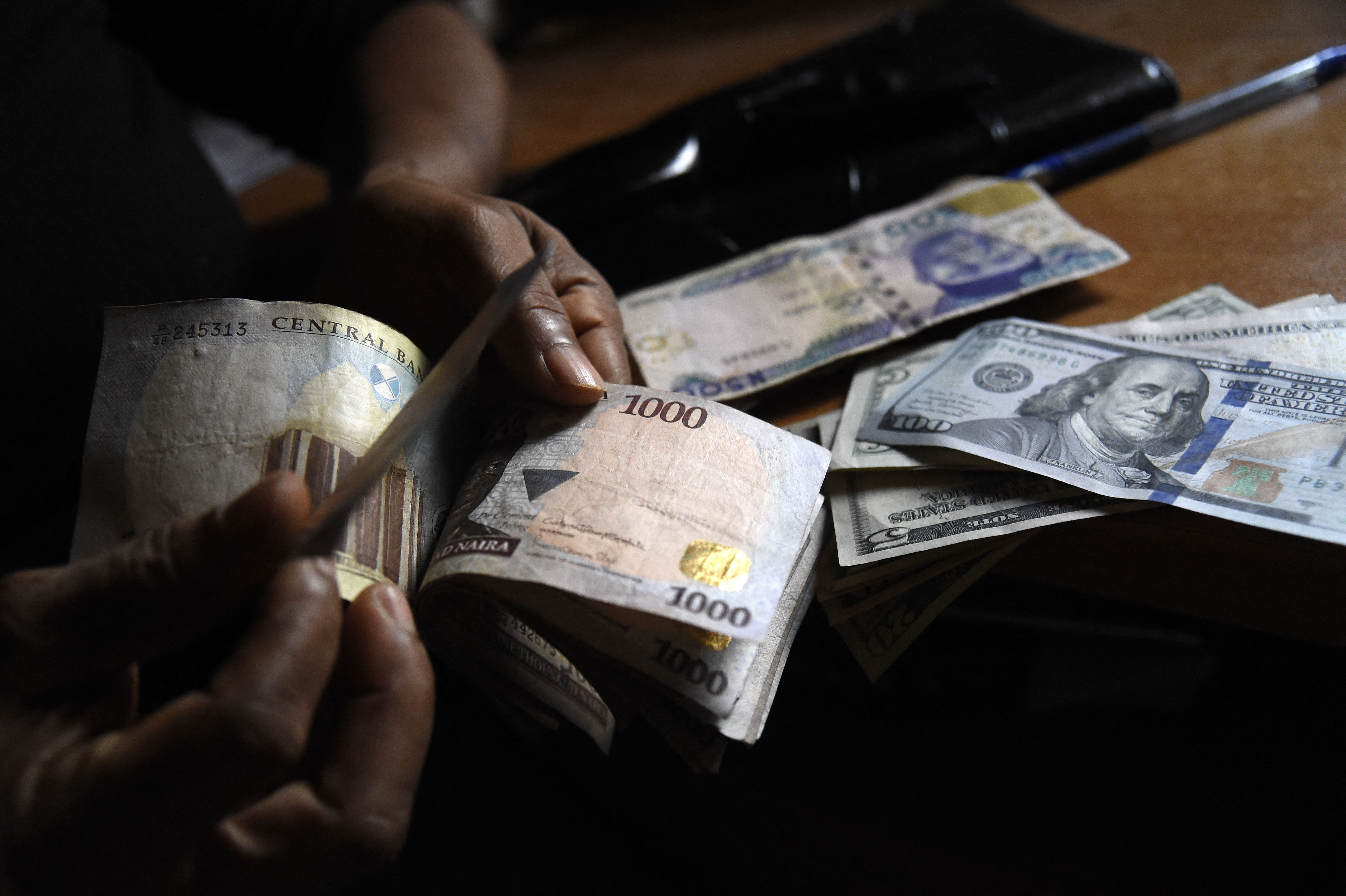 A trader exchanges Nigerian naira for US dollars in Lagos. Photographer: Pius Utomi Ekpei/AFP/Getty Images Zimbabwe, which has become synonymous with runaway inflation, is now contending with deflation following the introduction of its new currency. In its first inflation reading using the ZiG, launched on April 5, consumer prices fell 2.4% in May from a month earlier. The unit is the southern African nation's sixth attempt at a stable local currency in 15 years. It replaced the Zimbabwe dollar, which had crashed several times since it was reintroduced in 2019, fanning inflation. Ghana's private power producers are threatening to walk away from talks to revamp $1.6 billion in arrears, a potential snag in the West African nation's long-running efforts to restructure its debt. Independent Power Generators Ghana said the government hasn't kept to an agreement on payments, despite some producers agreeing to take losses and others cutting energy charges. Separately, Ghana is renegotiating with official creditors for better terms in an ongoing debt-restructuring process. 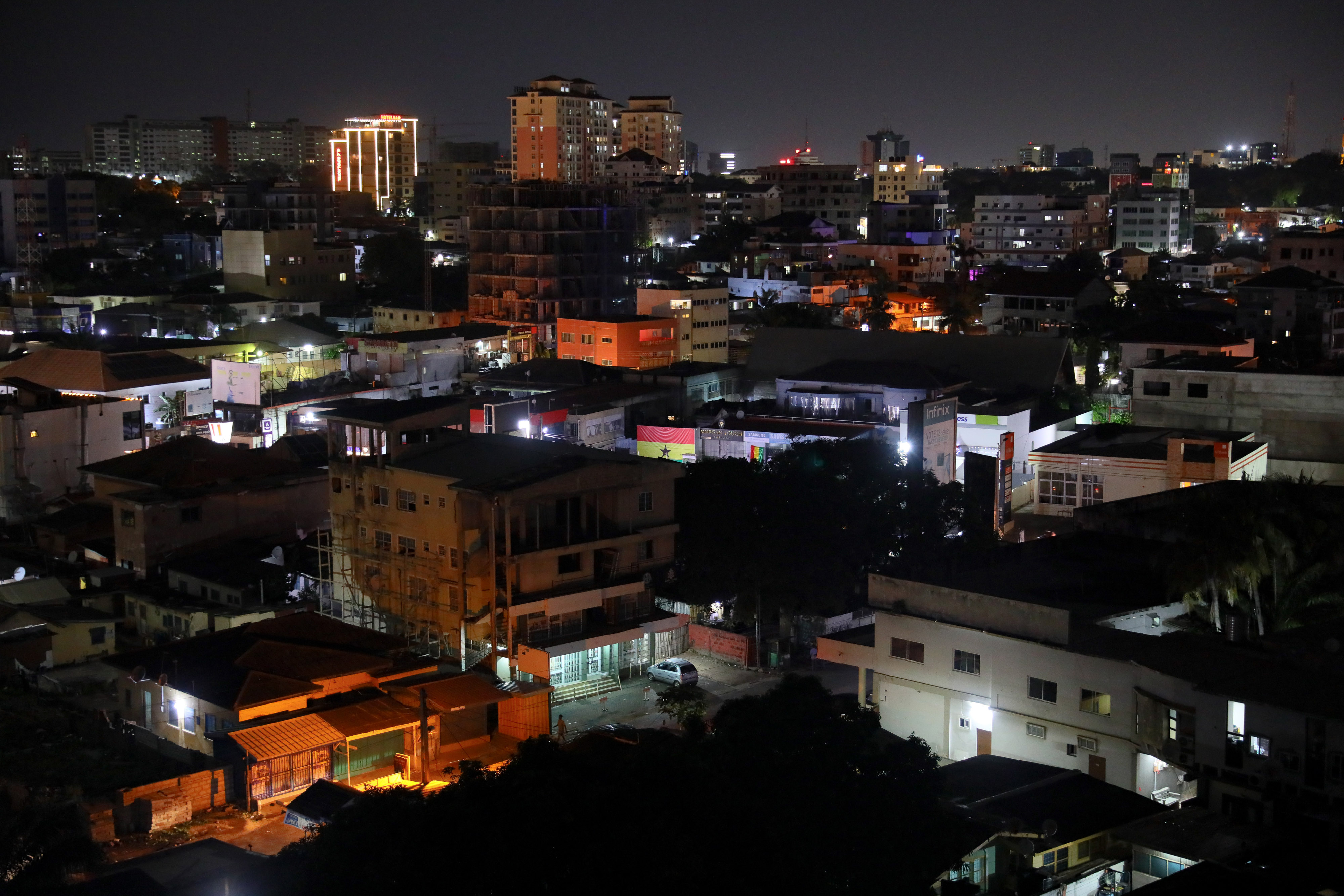 Ghana's capital, Accra. Photographer: Nipah Dennis/Bloomberg Benin has given neighboring Niger a soft way out of a dispute that's prevented crude shipments to China from being exported through the nation's port. Landlocked Niger must send its oil to an export terminal in Benin via a 1,200-mile pipeline from the Agadem field operated by China National Petroleum Corp. While the two governments remain at odds, shipments can resume to avoid jeopardizing the Chinese investment, Benin President Patrice Talon said. Next Africa Quiz — Which African country has pioneered a cyclone-warning network that may be replicated in other parts of the world? Send your answers to gbell16@bloomberg.net. Data Watch - East Africa will bounce back to be the continent's fastest-growing region this year and next, according to the African Development Bank.
- Senegal's Sangomar field remains on track to produce its first oil by mid-year, according to a spokesperson for Woodside Energy.
- Zambia's annual inflation accelerated further in May, fanned by currency weakness and the effects of an El Niño-induced drought. Prices climbed 14.7% from a year before.
Coming Up - June 3 Nigeria PMI report for May, South Africa manufacturing PMI and Angola reserves, also for May
- June 4 South African GDP data for the first quarter, interest-rate decisions for Uganda and Lesotho
- June 5 Monthly country PMI reports for Mozambique, South Africa, Kenya, Zambia and Ghana, South Africa second-quarter business confidence, Kenya interest-rate decision
- June 6 South Africa current-account balance, Namibia inflation for May and Nigeria's first-quarter trade data
- June 7 Mauritius budget speech, May inflation & reserves data, South Africa reserves
| 







No comments:
Post a Comment