| Thanks for reading Hyperdrive, Bloomberg's newsletter on the future of the auto world. Koji Sato weathered many ups and downs during his first year as Toyota chief executive officer. Shortly after taking the helm 12 months ago, he made a bold promise that the Japanese carmaker long criticized for hesitating to embrace electric vehicles would roll out millions of them within a few years. Months later, as EV demand slowed globally, Toyota was lauded for sticking with hybrids. While sales, production and shares reached record heights as the year came to a close, the government began investigating two of Toyota's subsidiaries after internal probes uncovered decades of regulatory violations. "As far as first years go in the top job, his was extremely challenging," Bloomberg Intelligence senior auto analyst Tatsuo Yoshida said. 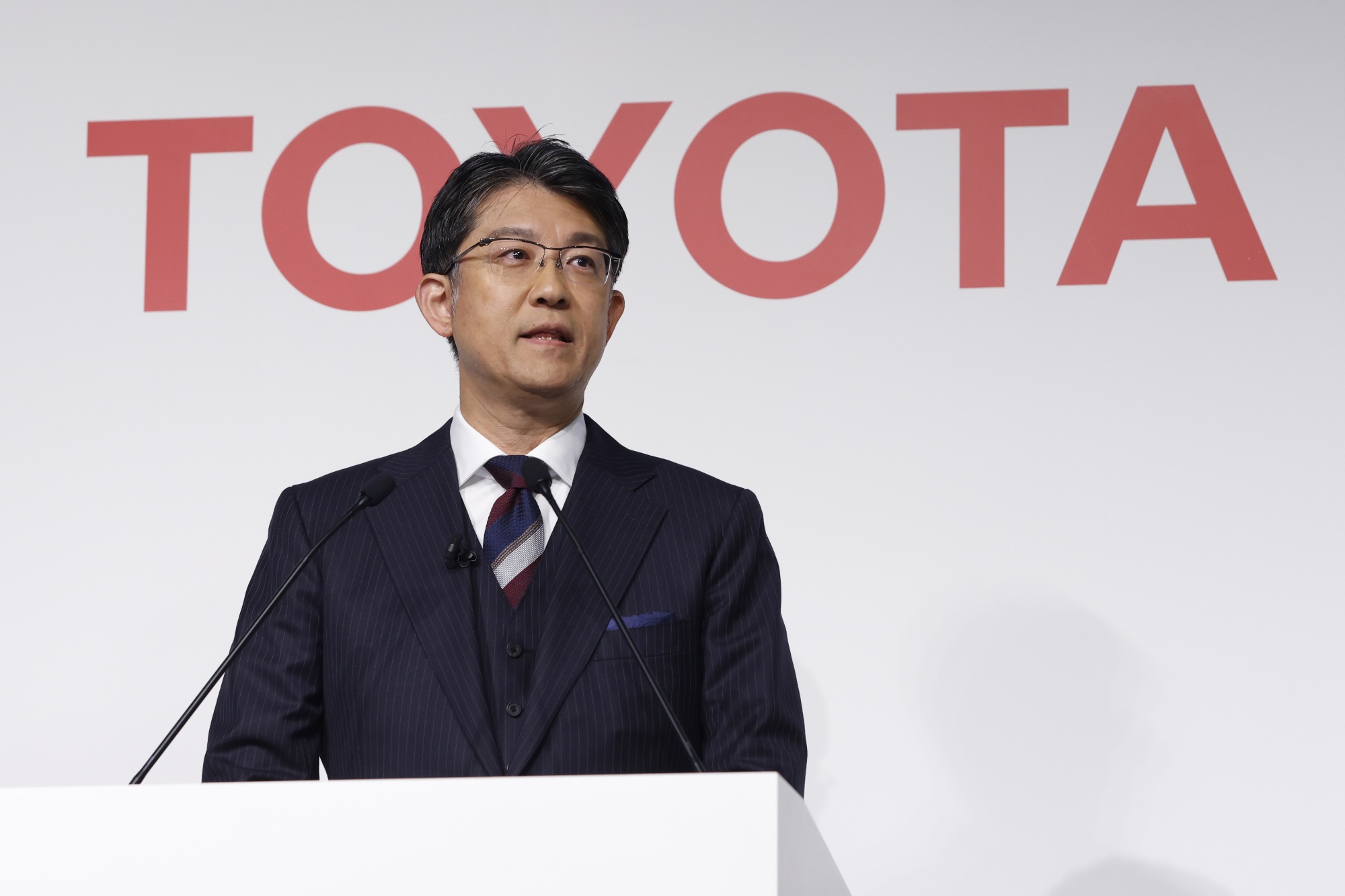 Toyota CEO Koji Sato. Photographer: Kiyoshi Ota/Bloomberg When Sato, 54, takes the stage in the coming weeks to discuss Toyota's financial performance and outlook for the next fiscal period, striking a balance between positivity and humility will be key. During his first moment in the spotlight after his appointment on April 1 of last year, Sato said Toyota would sell 1.5 million battery-electric vehicles annually by 2026. This was mostly a fleshing out of a pledge by his predecessor, Akio Toyoda, to sell 3.5 million by 2030, halve emissions by 2035 and become carbon neutral by 2050. For the most part, Sato stuck to the script by rooting everything he said in the "multipathway approach" — a philosophy proselytized by Toyoda. The grandson of Toyota's founder, who's now chairman, has long cautioned the global EV shift won't happen overnight and that, in the meantime, customers ought to have access to a broad range of powertrains, including hybrids, hydrogen fuel cells and combustion engines. What came as a surprise to many about Sato's inaugural press conference was his remark that Toyota needed to adopt what he called a "BEV-first" mentality. The plan was to position Lexus — which Sato led years before becoming CEO — as the brand that would put Toyota on course to catch up with EV frontrunners including Tesla. The detail with which Sato outlined his strategy to develop next-generation solid state batteries, and to pursue the development of "gigacasting" and other revolutionary manufacturing methods, was telling. "I took it as a sign of Toyota's confidence to make good on those lofty promises," Yoshida said. "If anything, it probably means they're hiding something more groundbreaking." Read more: Toyota CEO Sees EVs as Carmaker's 'Missing Piece' While intense competition in China and global supply shortages forced Toyota to lower its EV production goal for 2023, it still made and sold more than 11 millions cars, beating Volkswagen to cement its status as the world's best-selling automaker for a fourth consecutive year. That momentum faltered in January, when ongoing scandals at minicar brand Daihatsu and diesel-engine manufacturer Toyota Industries forced the companies to temporarily suspend output of several models. Sato has said production at both units will be reduced and upper management retrained as the entire group looks to regain public trust. 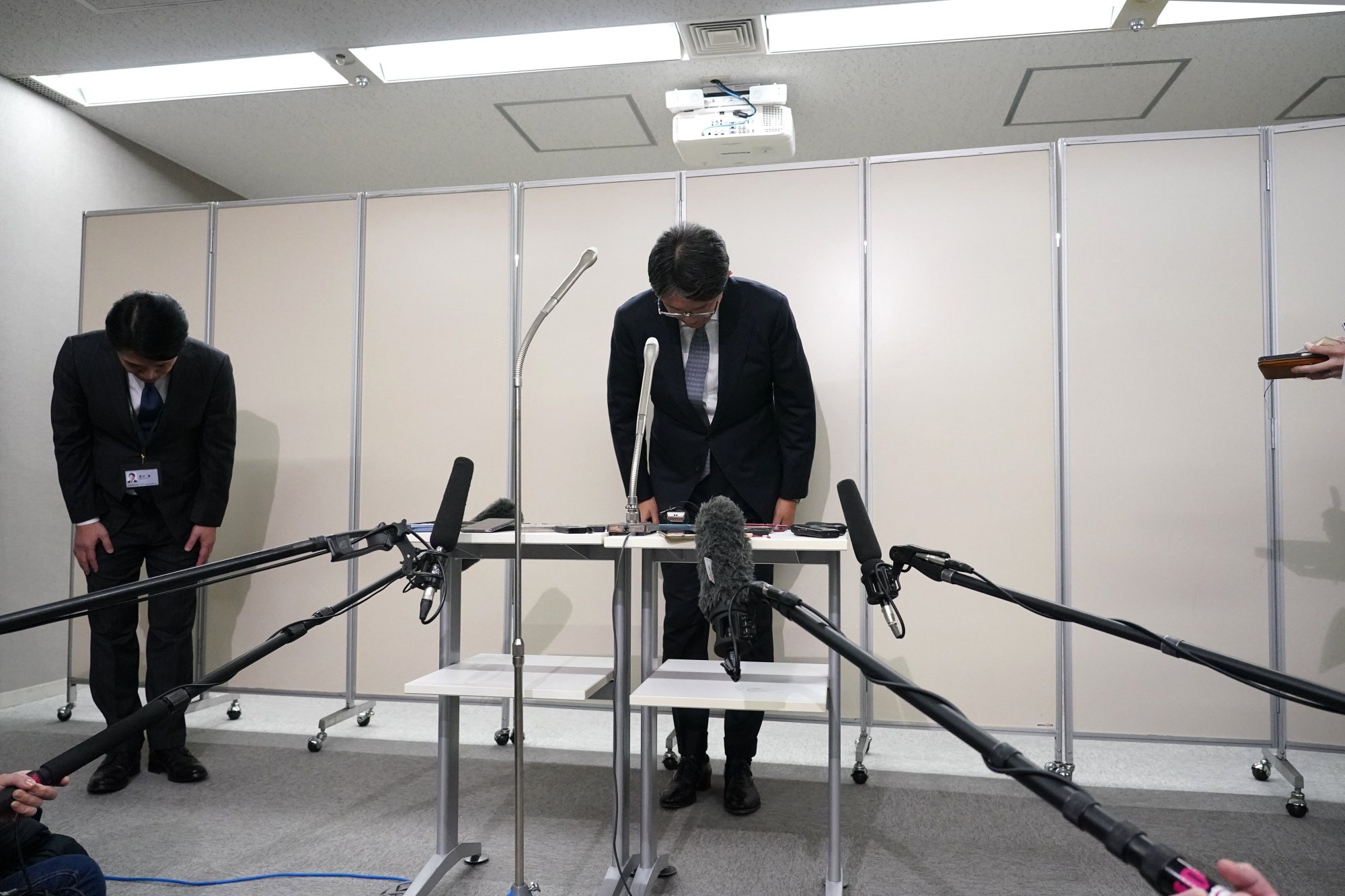 Sato, center, bows after an investigation found Daihatsu had been manipulating collision-safety test results for decades. Photographer: Toru Hanai/Bloomberg Coming off the back of what was in many respects a banner year, investors expect 2024 to be relatively lackluster for Toyota. The dust of a post-pandemic boom will settle and supply chains will stabilize. Sato is hoping a renewed focus on culture will keep the group steered clear of further turmoil. As EV demand loses steam, investors will be watching for any policy response from Beijing to spur uptake in China, the world's biggest electric-car market, along with the US political cycle. Another Trump presidency could mean more rhetoric about imported vehicles, electric or otherwise. The US is a big market for Toyota, accounting for around 35% of sales. The carmaker kept up its mixed electrification messaging when Toyoda announced a new project to develop a pair of engines. That news was light on details — "one engine will be good for the environment, one will win races," the chairman told a crowd in Tokyo recently — but again, the plan seems a bit contrarian in the EV era. Having spent his first year settling into the driver's seat, occupying this role as Toyota navigates an ever-changing landscape will further test Sato's mettle. — By Nicholas Takahashi Analysts rapidly lowered their projections for Tesla's deliveries report as the first quarter came to a close. Some on Wall Street are even braced for the company's first sales decline since the early days of the pandemic. On average, analysts surveyed by Bloomberg estimate that Tesla delivered 449,080 vehicles in the quarter. That would be down more than 7% from the company's record showing in the fourth quarter, which tends to be the best time of year for sales. The key will be delivering more cars than the 422,875 managed in the first three months of 2023 and avoiding a first year-over-year drop since the second quarter of 2020. 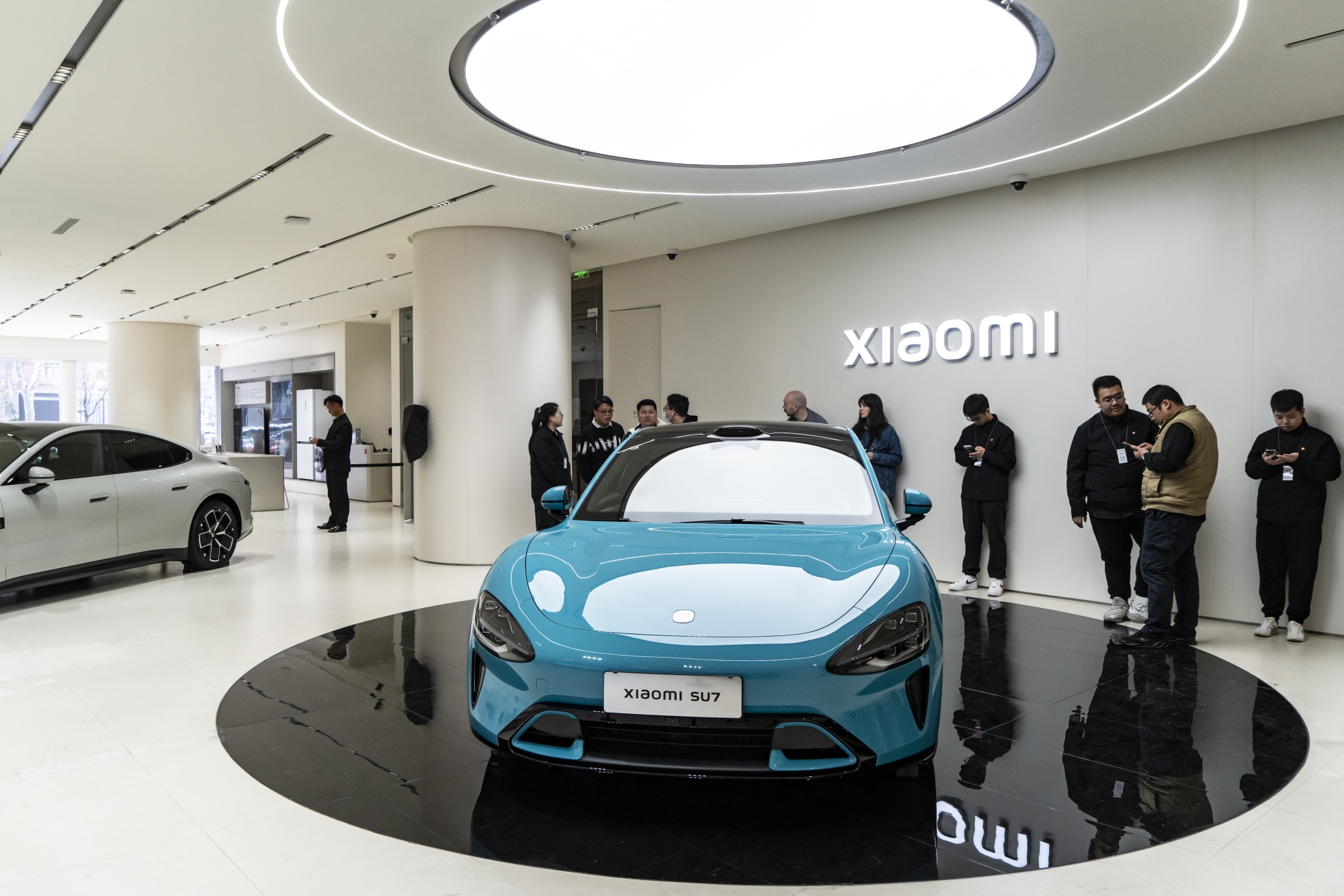 Xiaomi's SU7 EV on display in Shanghai. Photographer: Qilai Shen/Bloomberg Shares in Xiaomi surged in Hong Kong on Tuesday as demand for its first electric vehicle exceeded expectations and fueled optimism the smartphone maker may succeed in China's cut-throat auto market. The company said it received orders for almost 90,000 cars within the first 24 hours. | 







No comments:
Post a Comment