| This morning, one of the most interesting jobs in the UK came back on the market. The government is on the hunt for a new chairman of the BBC after Richard Sharp resigned. A report showed he should have disclosed potential perceived conflicts of interests during the appointment process for his BBC job, regarding his role in helping former Prime Minister Boris Johnson secure a loan. Here is his resignation statement in full. 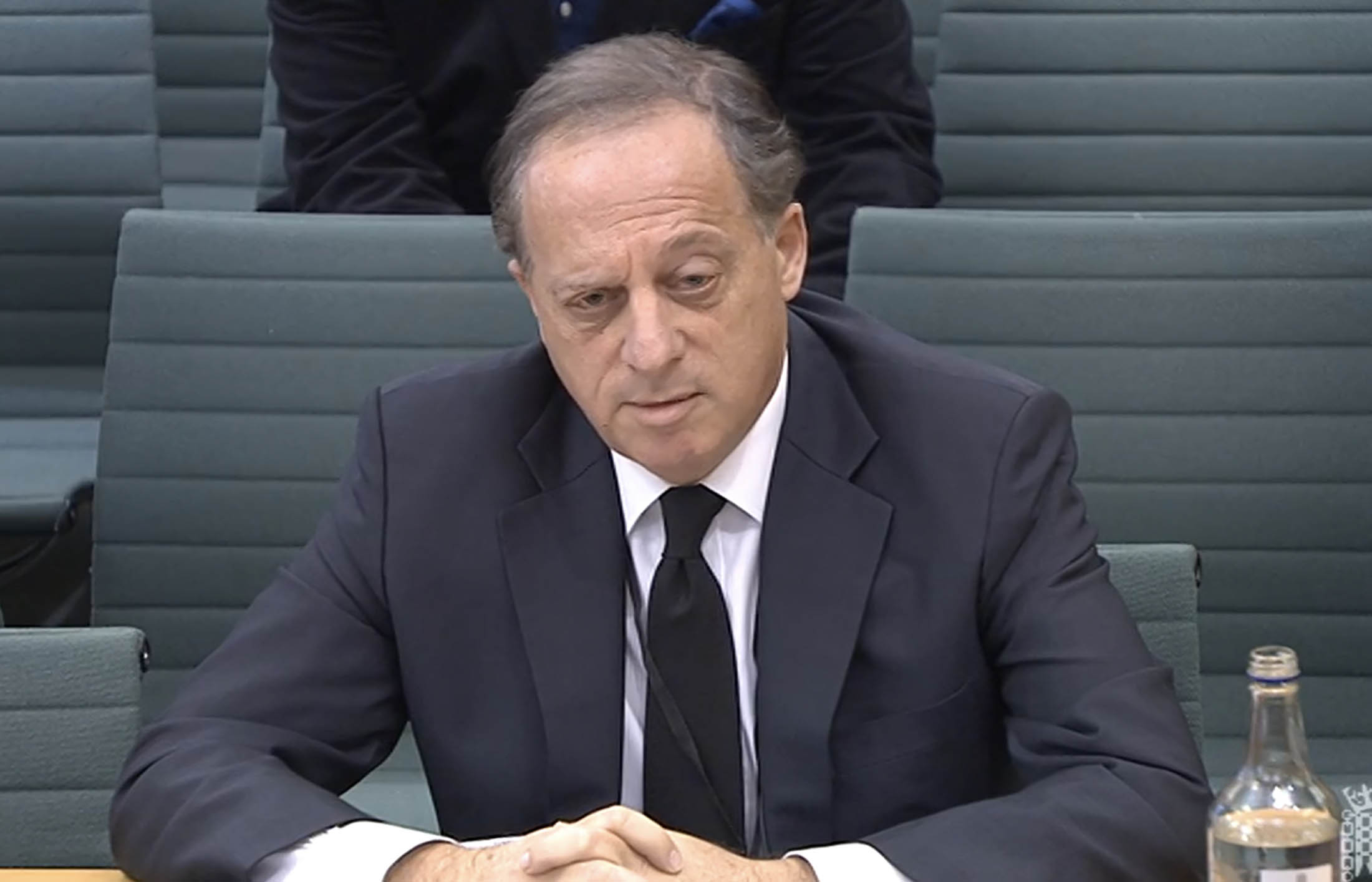 Richard Sharp Photographer: House of Commons - PA Images/PA Images It's uncomfortable for Prime Minister Rishi Sunak too: Gavin Williamson, Nadhim Zahawi, Dominic Raab and now Richard Sharp — quite a collapse in the batting order of your allies over the last few months. But for me, I want to share something a bit different. I worked with Richard Sharp when we were both advisers to Sunak. I hadn't met him before then but as soon as he arrived — albeit virtually, to begin with — he solicitously introduced himself when many other powerful men might not have bothered. Yes, he's the Goldman Sachs millionaire of legend, but despite a celebrity contacts book, he's down to earth: his background is not super-wealthy. It was the height of the pandemic and they were sun-drenched but eerie days ("eerie" for everyone at home alone in isolation, I know, but eerie too inside No. 11 — London in lockdown enveloped the place in a loud silence.) One of the many concerns that made your stomach churn was whether all of Britain's theatres and museums might go under. Tourism had dried up, and performances had been banned – everyone knew that unless we acted, museums and theatres could be boarded up forever. Actors would be royally screwed and Britain's cultural life — nourishing to the souls of the population but also nourishing to the UK's coffers — would become empty husks on street corners. Permanent Covid scars. Not just the West End but West Yorkshire and the rest. Eventually, the Government came up with the Culture Recovery Fund. As well as a great number of shrewd civil servants, it was Richard who led the creation of the fund; it was Richard who found the serious heavyweight Damon Buffini to run it with an iron grip; Richard who structured the repayments to ensure as little of taxpayers' money as possible would be lost which in turn allowed Richard (and me) to repeatedly go back to the chancellor, now PM, and get more funds to allow another tranche of cultural institutions to be squeezed into the rescue package. Of course, there were tense discussions about grants versus loans and how to ensure the money was spent wisely rather than sunk on no hoper productions that were never going to open. And there are institutions today that feel the scheme was harsh. But in the end, do you know what? It looks like the Culture Recovery Fund might have worked. Last week, an independent research outfit called Ecorys found that up to 820 arts organizations had had their future secured. The £1.57 billion pot of money, disbursed by Buffini, supported 220,000 jobs and 5,000 organizations. Some 65% of the funds went to places outside London. And Ecorys found that when these venues reopened, they did so in innovative ways. So I don't think it's an exaggeration to say that you are, in part, able to enjoy your local art gallery or theatre because of Richard Sharp's elbow grease. Had he not been in charge of the response, the UK's creative landscape might today be a more desolate place. Clearly, he's resigning now because he made what he calls "inadvertent" errors of judgment. But I can only say it as I saw it: There are cultural institutions around today because of Richard Sharp. A top chef from Fortnum & Mason has given his verdict to Bloomberg's Kate Krader on how to ensure your afternoon tea is just right: What kind of sandwiches to make, whether to serve Champagne — and he's even taken sides on the great scone debate. 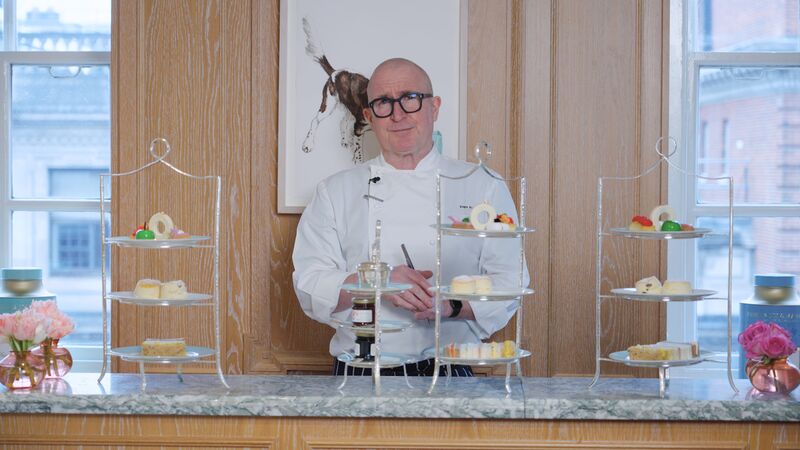 Roger Pizey presides over a selection of afternoon teas at Fortnum & Mason. Photographer: Alasdair Gray/Bloomberg | 








No comments:
Post a Comment