| London was buzzing with tourists heading into this holiday week to celebrate the Queen's Platinum Jubilee, but for all the Union Jacks fluttering along Oxford Street, there were plenty of ominous signs for the UK economy. The celebration of Queen Elizabeth II's 70 years on the throne, giving most people a four-day weekend starting Thursday, may shave a half percentage point off Britain's gross domestic product in the second quarter, according to an estimate by Bloomberg Economics based on previous holidays. Still, Prime Minister Boris Johnson told Bloomberg that the economy can avoid a recession in the months ahead even as the cost-of-living crisis sets the stage for a difficult stretch. The UK is battling both supply and demand problems, with warnings growing louder about shortages of everything from pork and auto parts to bottled beer. Meanwhile, consumer confidence has plunged with a surge in energy bills and taxes, and inflation at a 40-year high threatens to slow growth close to a halt. A recent survey by the Confederation of British Industry found demand wilting and profits under continued pressure, despite firms increasing prices aggressively in an effort to cover their costs. In response, many are scaling back investment plans. Brexit isn't paying big dividends yet either: - Earlier this month, government data showed the country's trade deficit in goods and services, excluding precious metals, widened to £25.2 billion ($31.8 billion) in the first quarter — the biggest shortfall in records dating back to 1997.
- With Washington unwilling to push ahead with talks on a major transatlantic free-trade deal, the UK this month signed its first trade agreement with a US state — Indiana, whose GDP of $438 billion last year amounted to just 1.8% of the American economy.
- According to government figures released last week, the UK recorded a loss of European Union nationals in the year through June 2021, reflecting the combined impact of Brexit and the pandemic.
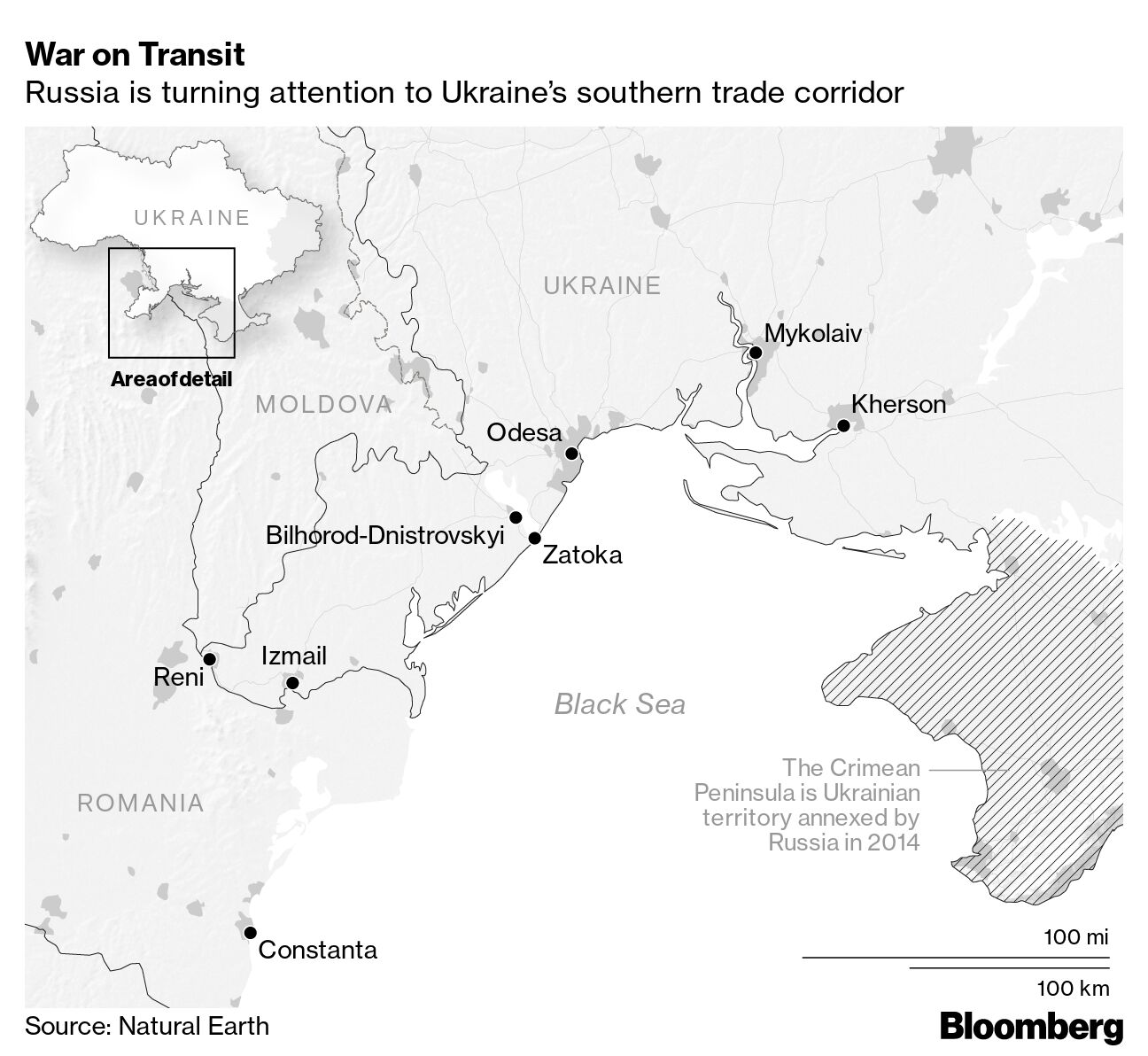
With the summer travel season approaching soon, Britain also faces the threat of a national train strike causing a transport meltdown — possibly starting in mid-June — after a ballot of 40,000 rail workers approved industrial action in a dispute over pay and job cuts. Read More: Cheap Pasta Soars by 50% in a Sign of UK Inflation Pain The bumpy road to recovery is leaving industrial casualties. Almost a decade after playing home to Europe's first mass-produced electric car, the UK is at risk of becoming a footnote in the global auto industry's shift to battery-powered vehicles. That's because the UK lacks the cell and pack factories automakers will need to support their transition away from the internal combustion engine. (Read the full story here.) The country's difficulties ensuring sufficient natural-gas supplies may be just getting started, too. The UK government has been warned that millions of households could face power cuts this winter because of Russia's invasion of Ukraine, the Times reported over the weekend. The newspaper cited a minister who said there was the potential for electricity rationing for 6 million customers during periods of peak usage. —Brendan Murray in London Rerouting Trade | The rusted rail tracks running between Reni in Ukraine's southwest corner to the port of Galati in Romania had been consigned to Soviet-era history long ago. About a quarter of the 20-kilometer line is missing. Yet like other relics of the old Eastern Bloc network, the route along the Danube River could eventually play a small part in an increasingly large and complex operation to secure vital food shipments. The challenge has politicians looking at everything from naval escorts to shifting whatever's possible overland to the Baltic. Officials at ports, logistics companies and in the agriculture industry interviewed across the region say they are scouring maps for solutions like diverting road transport and reviving rail links such as the one connecting Galati. (Read the full story here.) - Reopening the economy | China reported the fewest new Covid-19 cases in almost three months, with the easing of outbreaks in Beijing and Shanghai emboldening authorities to relax strict virus controls. Meanwhile, Japan's top three automakers saw their output in China slashed by double digits in April.
- Debt challenges | Rising helium costs, missing auto parts, and shipping delays are spurring a new wave of financial trouble for companies already saddled with debt amid broader concern that the US economy is on the brink of a downturn.
- Avoiding Colombo | Sri Lanka's political turmoil is prompting some shipping lines to detour to Indian ports instead of calling at Colombo, one of the key supply-chain hubs in Asia.
- Reducing the gap | The US merchandise-trade deficit shrank in April by the most since 2009 as imports fell amid lockdowns in China while exports increased to a record. The shortfall narrowed by 15.9% to $105.9 billion last month, following a record level in March.
- Summer snarls | Companies will hold greater levels of inventory this summer as global supply chain disruptions force a shift from a just-in-time systems, according to EmergeVest, a Hong Kong-headquartered global investment firm that specializes in logistics.
- Chemical shortages | The cost of the chlorine tablets commonly used to sanitize the water in swimming pools is rising in the US amid sustained shortages and supply-chain stress, according to Bloomberg Opinion columnist Brooke Sutherland.
- Oddlots podcast | The latest episode, recorded at the Freightwaves Future Of Supply Chain Conference in Northwest Arkansas, includes a conversation with the CEO of Arrive Logistics, one of the fastest growing freight brokerages in the country.
 | - Economic relief | Chancellor of the Exchequer Rishi Sunak has managed to thread the needle with his latest economic aid package: materially reducing the chances of recession this year, without adding significant fuel to the inflation fire, according to Bloomberg Economics.
- Sky high | Bloomberg Intelligence expects air cargo rates to stay elevated relative to historical averages because capacity isn't expected to normalize until 2023.
- Use the AHOY function to track global commodities trade flows.
- Click HERE for automated stories about supply chains.
- See BNEF for BloombergNEF's analysis of clean energy, advanced transport, digital industry, innovative materials, and commodities.
- Click VRUS on the terminal for news and data on the coronavirus and here for maps and charts.
Don't keep it to yourself. Colleagues and friends can sign up here. We also publish the New Economy Daily, a briefing on the latest in global economics. For even more: Follow @economics on Twitter and subscribe to Bloomberg.com for unlimited access to trusted, data-driven journalism and gain expert analysis from exclusive subscriber-only newsletters. How are we doing? We want to hear what you think about this newsletter. Let our trade tsar know. | 







No comments:
Post a Comment