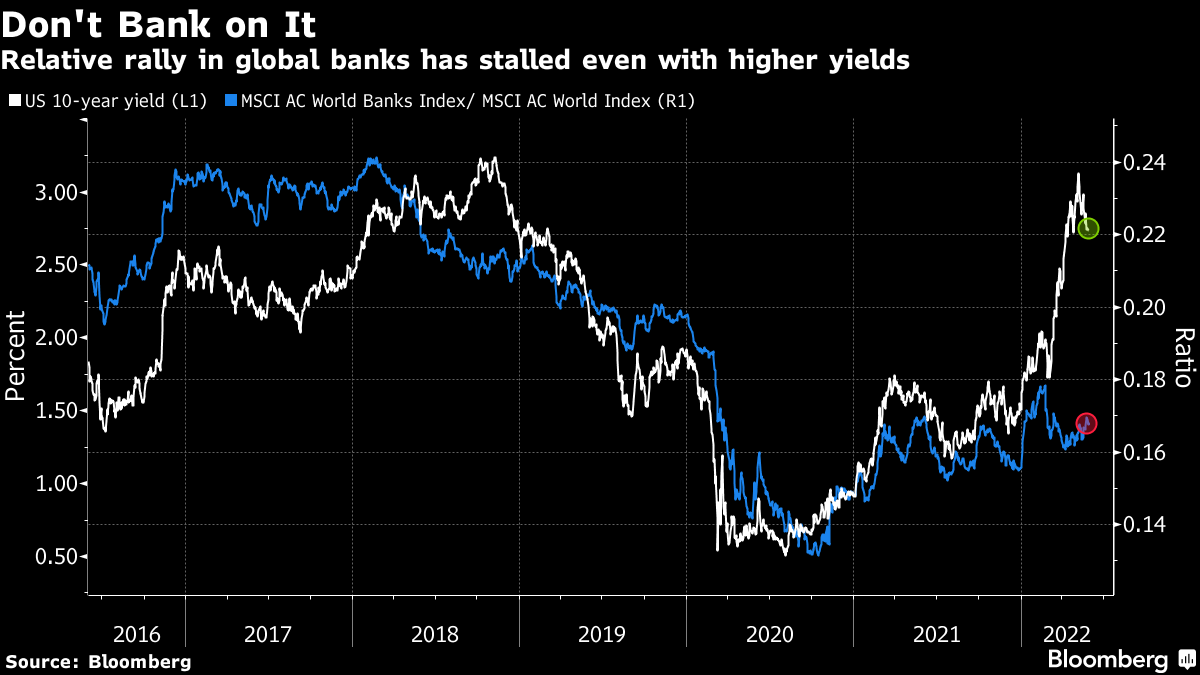
| EU leaders to pursue partial ban on Russian oil. Australia's Labor Party wins a parliamentary majority. China dealt a blow in the Pacific. Here's what you need to know today. European Union leaders agreed to pursue a partial ban on Russian oil, paving the way for a sixth package of sanctions to punish Russia for the invasion of Ukraine. The sanctions would forbid the purchase of crude oil and petroleum products from Russia delivered to member states by sea, but include a temporary exemption for pipeline crude until a solution is found that satisfies the energy needs of Hungary and other landlocked nations. It would cost Vladimir Putin up to $10 billion a year in lost export revenue, according to Bloomberg calculations, forcing Russia to sell its crude at a discount to Asia, where it's already changing hands at about $34 a barrel cheaper than the price of Brent futures. Currently more Russian oil than ever is on board tankers heading to China and India. Australian Prime Minister Anthony Albanese's Labor Party clinched a parliamentary majority after days of ballots getting counted in tightly contested seats, giving his government the heft to push through bills on issues ranging from climate change to anti-corruption measures. Labor made headway in the elections with measures that include a mandate for childcare and higher spending on affordable housing. However it has yet to show measures on boosting the economy's productive capacity that will be crucial to reining in deficits and lifting living standards. In case you missed it, here's how Albanese went from public housing kid to prime minister, and what's next for Australia when it comes to climate change.  | China's plan to sign a sweeping trade and security deal with 10 Pacific Island countries was dealt a blow because some of them expressed concern about elements in the proposal, Australia's ABC News reported. There had been some signs that Pacific nations were uneasy with China expanding its role in the region. Chinese Foreign Minister Wang Yi is on a 10-day trip to the region in what has been seen as a sign of Beijing's intensifying competition with the US and Australia for influence there. Find out which Pacific nations had reservations and why here. And here's how the US is seeking to form its own club in the region. Deep under the ocean, a fresh source of green power is emerging. Fossil-fuel dependent Japan has successfully tested a prototype generator in one of the world's strongest ocean currents that could provide a constant, steady form of renewable energy, without relying on the wind or the sun. Deep ocean generators differ from tidal generators in that they can run 24 hours a day. But there are hurdles to overcome. Get the full story here. 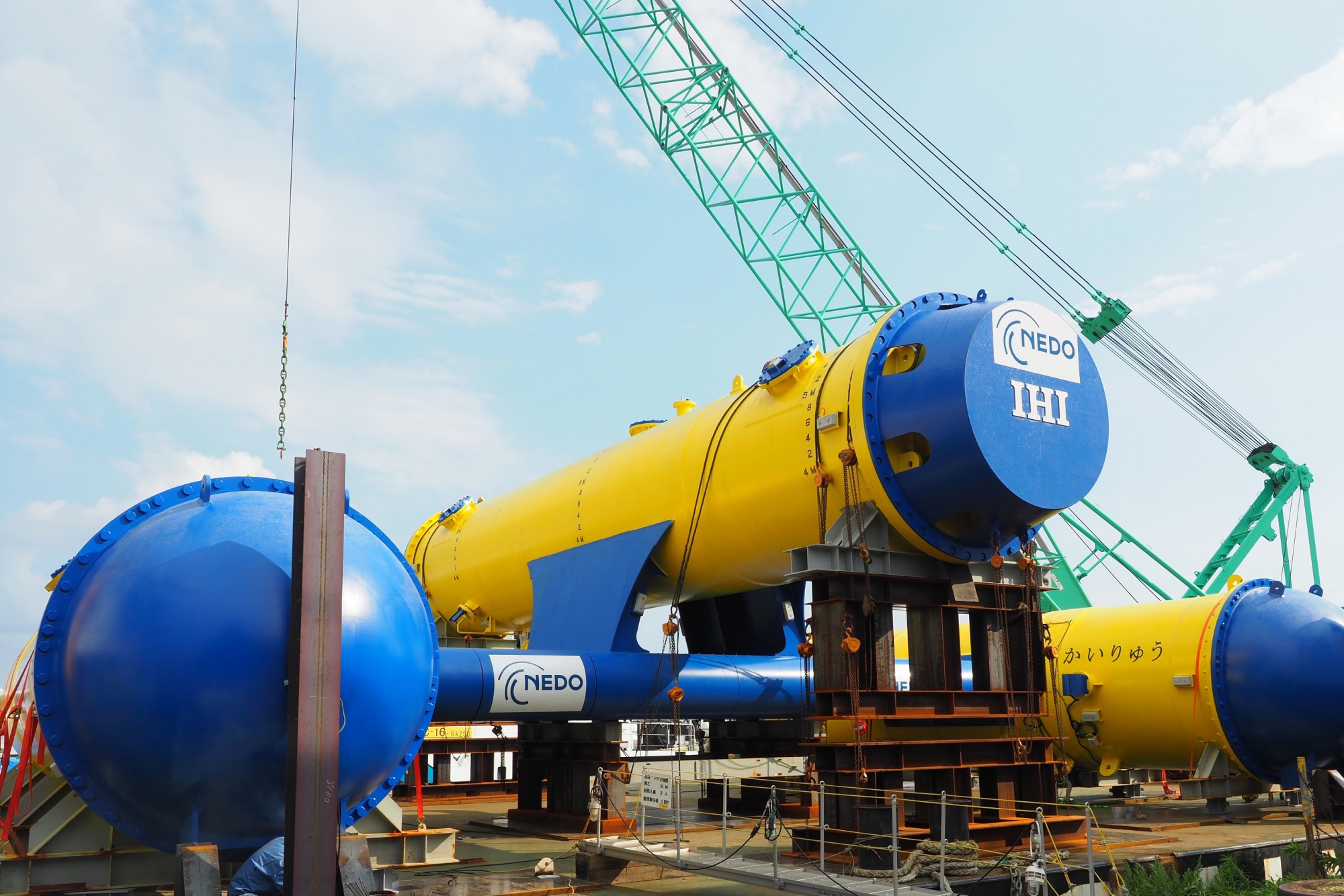 IHI's deep-ocean Kairyu has two counterrotating turbines. Photographer: IHI Corp./NEDO/IHI Corp./NEDO Stocks in Asia are poised to open steady as investors remain cautious about whether central banks can raise rates to rein in inflation without derailing growth. President Joe Biden will hold a rare Oval Office meeting on Tuesday with Federal Reserve Chair Jerome Powell amid the highest inflation in decades. Equities futures inched lower in Japan, Australia and Hong Kong, while US markets were closed Monday. Meanwhile, bonds in almost every corner of the $63 trillion global debt market are bouncing back as investors begin to see value once again in fixed-income assets. Bulls are saying the selloff is over. China's Covid-zero strategy is set to stay in place for the rest of the year, according to the majority of 540 participants who took part in the Bloomberg MLIV Pulse survey. However, optimism is running high that Trump-era tariffs will be removed and Beijing's disruptive clampdown on technology firms is coming to an end. Here's what you told us. Investors in one of the key global value sectors — banks — have failed to get the bang for their buck this year that should have come with higher bond yields. The relative performance of an MSCI gauge of the world's banking stocks broke away from its tight relationship with 10-year Treasury yields — the global bond benchmark — earlier this year, having closely tracked them for at least five years. Banks peaked relative to the broader market the day before Russia invaded Ukraine, suggesting that fears about growth are behind the move. A fall in loan demand and the potential for defaults from borrowers would be bad news for bank earnings. More investors seem to be warming to the idea that bond yields have peaked, removing a catalyst for bank stocks to close the gap. That suggests a couple of months of choppy trading lies ahead for the shares, until investors get a better sense of the global economic outlook. Cormac Mullen is a Deputy Managing Editor in the Markets team for Bloomberg News in Tokyo. | 






No comments:
Post a Comment