| Read in browser | ||||||||||||||

Welcome to Balance of Power, bringing you the latest in global politics. If you haven’t yet, sign up here. Saudi Arabia has spent years trying to wind down its war against Yemen’s Houthis. Now, as its warplanes back a renewed offensive, attacks on Riyadh are showing how hard the group is to defeat. An attack on the capital’s main airport Saturday killed 12 people and injured 309. It was hit again yesterday and missiles were intercepted overnight. Hundreds of flights have been grounded, schools have moved online and offices in the financial district have shifted to remote work. The Saudi-led coalition blames the Houthis, who haven’t claimed Saturday’s strike but have warned of further assaults on the kingdom’s airports. Saudi warplanes are backing Yemeni government forces seeking to reverse a Houthi advance near Bab el-Mandeb, a critical shipping chokepoint at the southern entrance to the Red Sea. With their latest hits, the militants appear determined to pressure Riyadh into halting its air campaign. 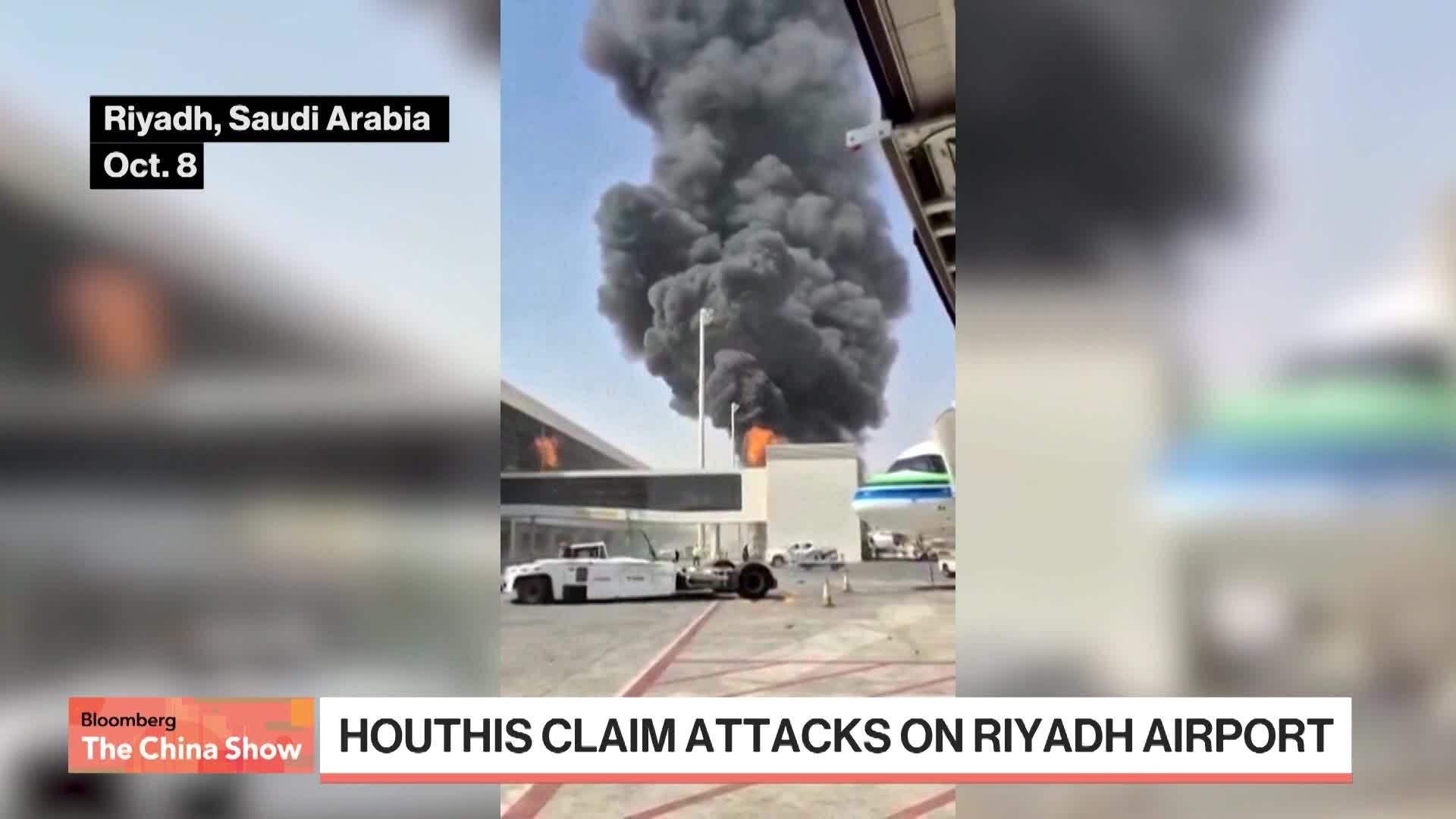 
WATCH: Bloomberg reporters and Jean-Loup Samaan, senior research fellow at the Middle East Institute of the National University of Singapore, discuss the impact of the strikes.
The problem for Saudi Arabia is that its adversary has emerged from years of fighting with formidable capabilities. Despite repeated bombing campaigns, the Houthis retain Iranian-designed ballistic missiles and cheap attack drones capable of striking deep inside the country. For Saudi Crown Prince Mohammed bin Salman, the timing is especially damaging. Riyadh is preparing to host its flagship Future Investment Initiative, where it will court global investors. Executives from BP and Shell have already pulled out of a major energy conference in the capital. Riyadh faces growing pressure to hit back harder. But an intensified campaign could invite further attacks on the kingdom without eliminating the Houthi threat. The escalation also presents difficult choices for its allies. An American was among those killed Saturday, and President Donald Trump says the US may join strikes against the Houthis. Turkey and Pakistan, which recently signed a defense pact with Saudi Arabia, face questions over how far they’re prepared to go in its defense. Ultimately, the Saudi leaders may conclude that the only path to peace is more war. — Peter Martin 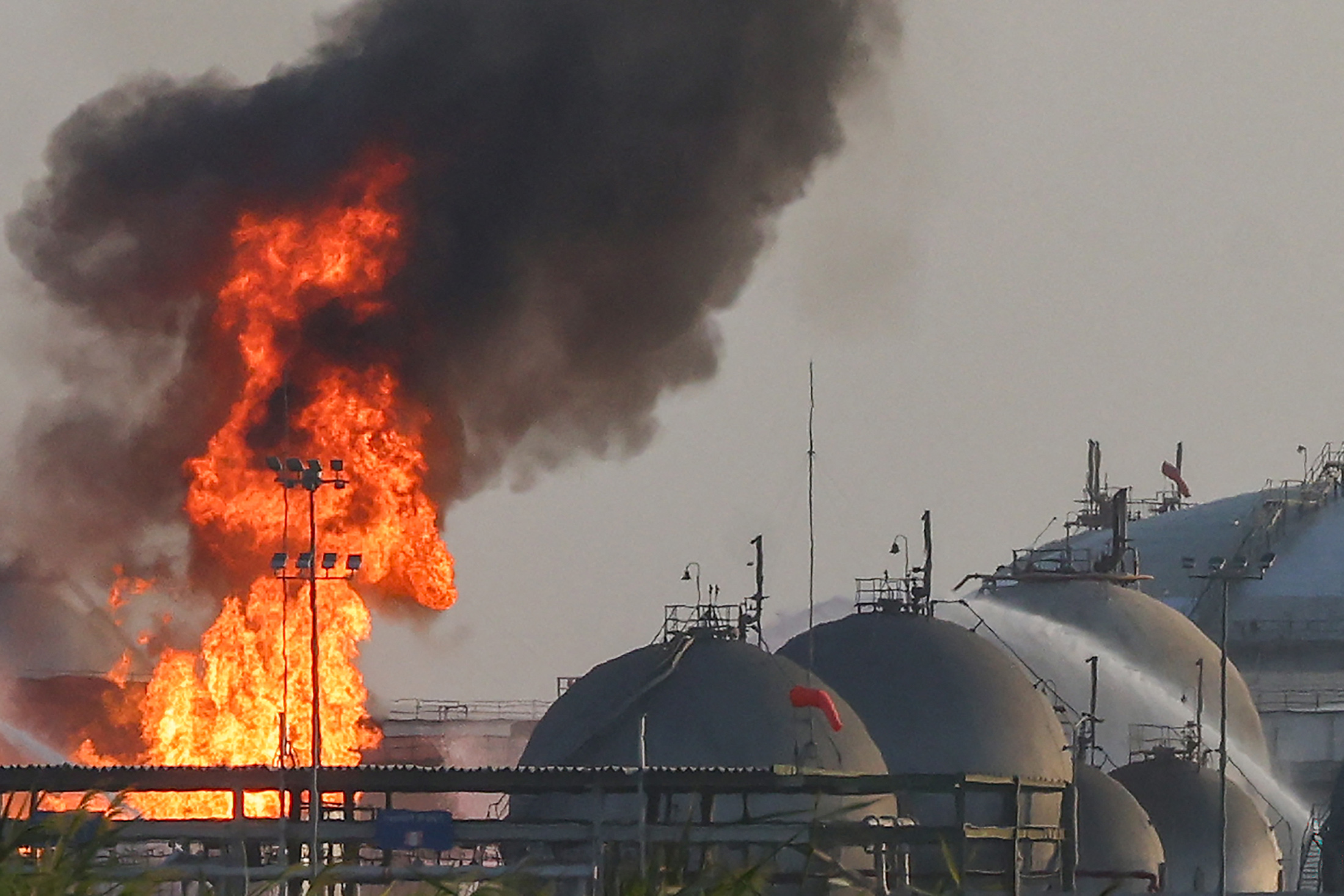
Flames at a facility belonging to Saudi oil giant Aramco, south of Riyadh, on Oct. 3.
Source: AFP/Getty Images
Global Must ReadsUkrainian President Volodymyr Zelenskyy is on a collision course with Trump, who’s increasingly looking at Kyiv’s war with Russia primarily through the lens of energy prices ahead of US midterm elections. Trump sprang an announcement of an “energy ceasefire” between Russia and Ukraine, without providing details, as the US president pushes for Zelenskyy to stop bombing oil refineries and defends a controversial diesel-export deal with Vladimir Putin. China is betting that an agreement to curb exports of hybrid vehicles to the European Union can help it sidestep harsher restrictions as the two sides try to resolve a trade dispute. The bloc would initially cap the import of Chinese hybrids at 350,000 per year, according to a document outlining the plan. India faced another day of tensions in its capital, with opposition parties’ march to the Supreme Court and the youth-led Cockroach movement pressing ahead with protests over a contentious revision of voter rolls. Prime Minister Narendra Modi hasn’t publicly commented on the latest demonstrations, although his Bharatiya Janata Party has defended the voter-roll revision and accused opposition groups of attempting to undermine democratic institutions. 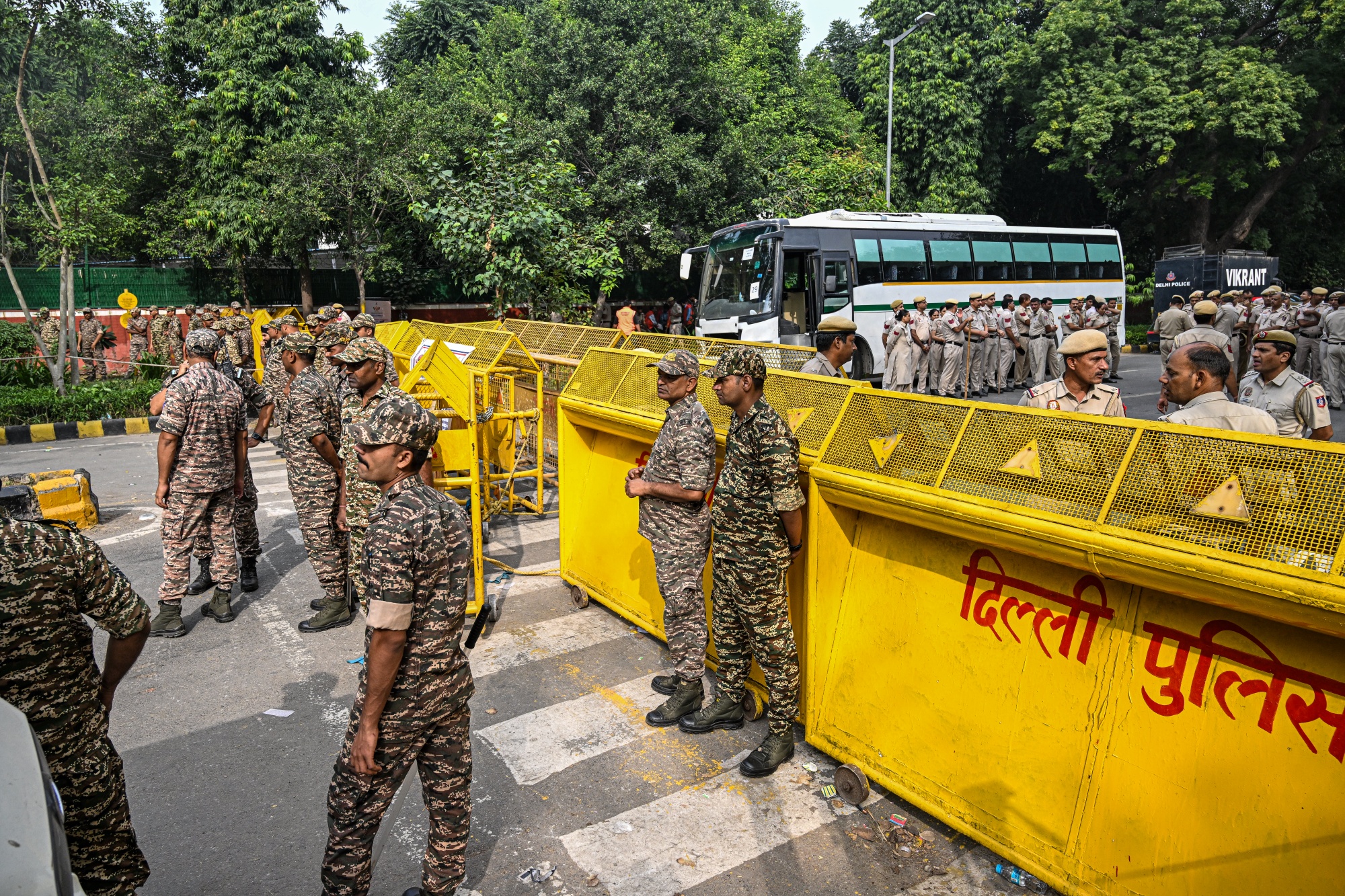
Police and paramilitary personnel in New Delhi on Saturday.
Photographer: Prakash Singh/Bloomberg
Democrats are on track to pick up as many as 19 House seats in next month’s US midterm elections, enough to secure the party a strong majority, the nonpartisan Cook Political Report says. A federal judge in New York ordered the Trump administration to stop running taxpayer-funded television ads lauding the president for now and to halt any payments of public money related to airing them as legal challenges move ahead. France is facing a fiscal crisis, with investors losing faith in its ability to manage its debt burden, while a market rout has sent borrowing costs soaring and sparked concern about the potential for contagion to other countries’ debt. The situation has been exacerbated by nationwide protests by young people demanding €10 billion to fix overcrowded classes and outdated school buildings, money the government can ill afford. Right-wing challenger Flávio Bolsonaro leads incumbent Luiz Inácio Lula da Silva ahead of Brazil’s presidential runoff on Oct. 25, a new poll showed, building on momentum after a surprise showing in the first-round vote. North Korea fired multiple ballistic missiles off its east coast today, its fourth weapons test in about a month, after warning Seoul of retaliation if its territory is violated. 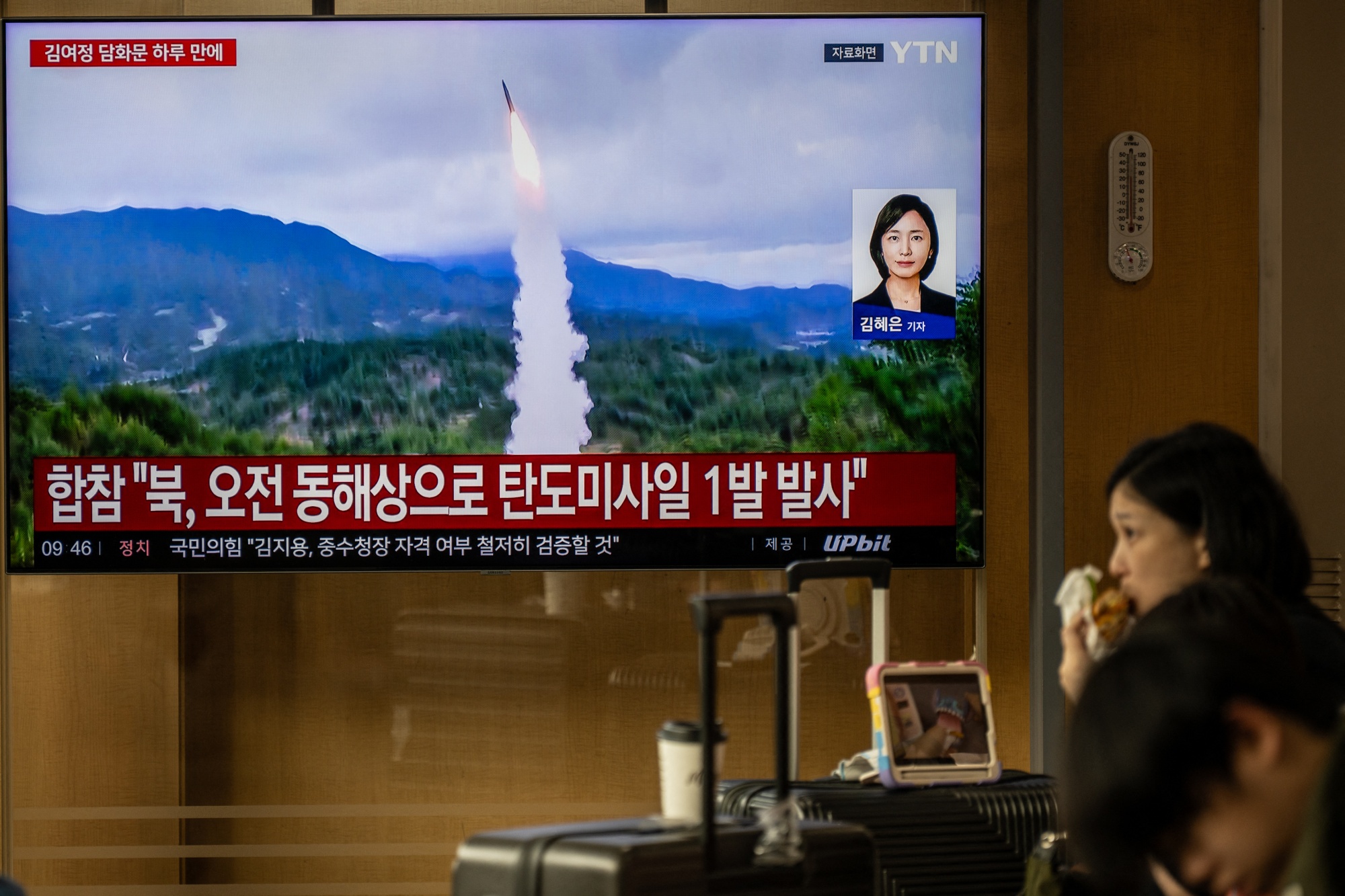
News coverage of a North Korean missile launch, in Seoul on Oct. 3.
Source: AFP/Getty Images
UK Prime Minister Andy Burnham pledged to release details of his meetings with senior figures at Manchester City, following criticism of his comments when the football club was found guilty of breaching the Premier League’s financial rules. The head of the International Monetary Fund warned of the disruptive threat from artificial intelligence to the labor market and taxation, urging policymakers to rethink education and act now to help society adapt. Sign up for the Washington Edition newsletter for news from the US capital and watch Balance of Power at 1 and 5 p.m. ET weekdays on Bloomberg Television. Chart of the Day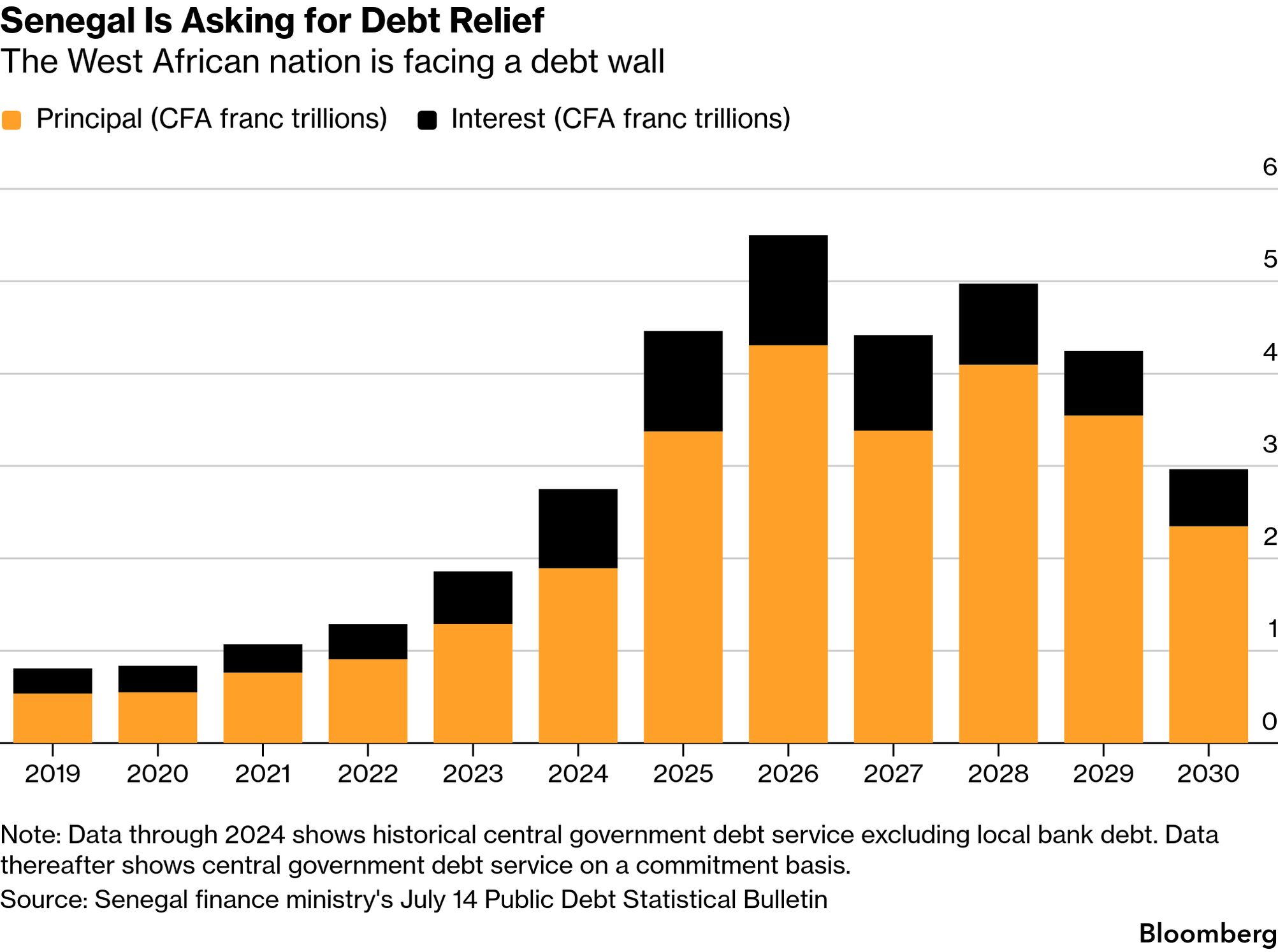
Six years and billions of dollars later, a global toolkit to help poor nations avoid chaotic defaults faces a fresh test. Senegal didn’t want to use the Group of 20 Common Framework to rework its liabilities after watching the dragged-out process endured by Ghana and Zambia but agreed to an improved version of the plan. That makes this a key step for what Stephen Paduano, a former US Treasury official, calls Common Framework 2.0. And FinallyPanama has been rattled by powerful aftershocks after it was hit by its strongest earthquake in more than seven decades on Friday. President José Raúl Mulino says no deaths have been reported so far, though the US Geological Survey gave an initial estimate of economic losses in the region exceeding $1 billion. Finance Minister Felipe Chapman says he contacted the World Bank, the IMF and other lenders “to obtain the necessary resources to face this crisis.” 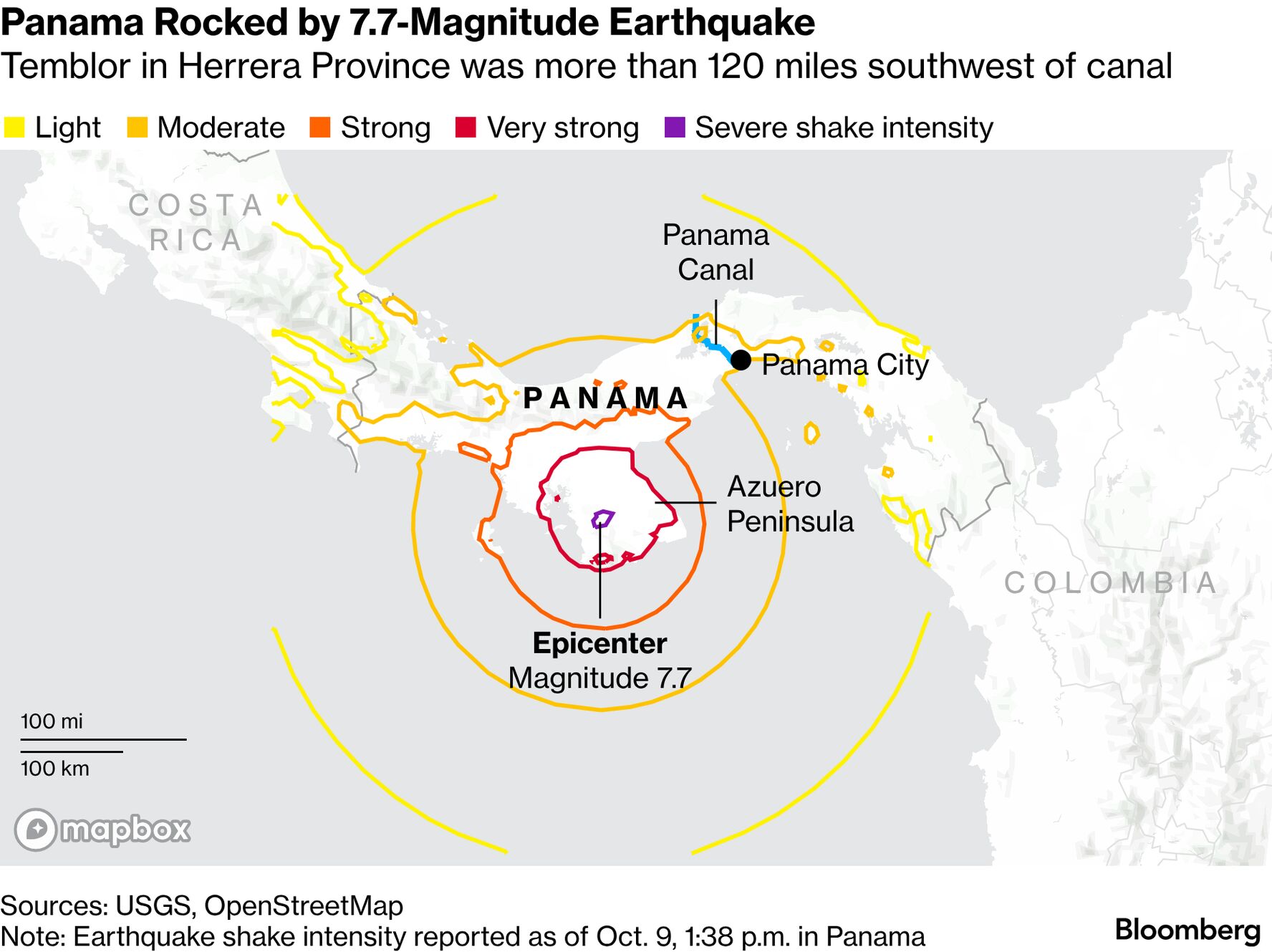
More from Bloomberg
We’re improving your newsletter experience and we’d love your feedback. If something looks off, help us by reporting it here. Follow Us
You received this message because you are subscribed to Bloomberg’s Balance of Power newsletter. If a friend forwarded you this message, sign up here to get it in your inbox.
|
Monday, October 12, 2026
Resurgent threat





Subscribe to:
Post Comments (Atom)

-
Revolutionary Stem Cell & PRP —Start Your Journey Today ...
-
You’ve shown interest in Regenerative Medicine ...


No comments:
Post a Comment