|
Why Investors Keep Buying the Dip
|
|
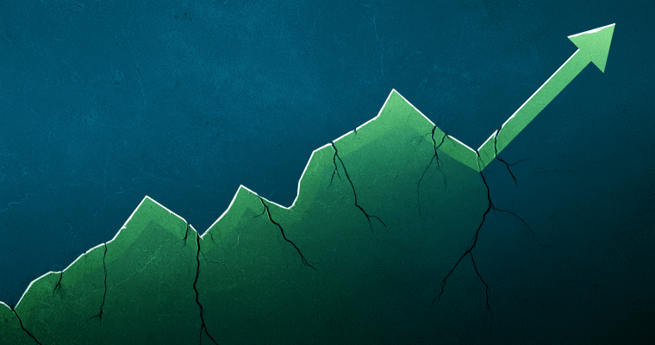
Several factors are driving this relentless buying demand.
|
|
Clearly, the first is the enthusiasm around artificial intelligence. Investors still believe tech leaders like Microsoft and Meta can grow fast enough to pay for their huge AI spending.
|
|
Then there’s good old fear of missing out (FOMO).
|
|
When a market repeatedly recovers from selloffs, traders start to become conditioned to buy each dip. Some traders wait for a bigger drop before buying. Then they watch the market rally without them. So they’re eager to jump on the next pullback.
|
|
That can create a self-reinforcing loop. The rally attracts more money into index funds, which then direct those inflows toward the market’s largest companies.
|
|
Then, of course, there are options. When traders pile into call options in anticipation of a rally, market makers may need to buy the underlying shares to hedge their exposure. That buying can help drive prices even higher, encouraging others to start chasing the move.
|
|
Before long, investors aren’t buying because stocks have become cheaper or their fundamentals have improved. They’re buying because doing so in previous pullbacks has been repeatedly rewarded.
|
Tune in to Trading With Larry Live 
Each week, Market Wizard Larry Benedict goes live to share his thoughts on what’s impacting the markets. Whether you’re a novice or expert trader, you won’t want to miss Larry’s insights and analysis. Even better, it’s free to watch. Visit us on YouTube to catch the latest! |
|
|
Respect the Trend, But Don’t Chase It
|
|
The biggest trap right now is assuming the market has to fall just because the risks seem obvious.
|
|
Sure, Treasury yields are high and rising, stock valuations are stretched, market breadth is narrow, and geopolitical risks clearly remain.
|
|
But these factors aren’t enough to trigger a sell signal on their own.
|
|
The price action ultimately tells us whether these concerns matter to the market. Until the leading stocks start breaking support and selling pressure gains traction, fighting the prevailing trend can become very expensive.
|
|
At the same time, that doesn’t mean blindly buying every pullback simply because the previous ones have recovered.
|
|
The danger comes when traders stop assessing each setup on its merits and assume that every dip is another buying opportunity.
|
|
I’ll be watching closely how the major technology leaders respond to the next setback. If they break support and can’t bounce back even after the selling eases, that’s a sign buyers may be running out of steam.
|
|
Market breadth is also something I’ll keep close tabs on. If the indexes keep climbing while fewer stocks participate, the rally will become increasingly dependent on a shrinking group of companies.
|
|
The overarching lesson is to respect the trend without becoming complacent.
|
|
Don’t fight the market simply because you believe it appears overvalued. And don’t buy every pullback purely because the strategy has worked multiple times.
|
|
For now, the market is swallowing every piece of bad news thrown at it. But that’s not something that lasts forever.
|
|
Our job as traders is to look for evidence that buyers are finally starting to lose their appetite – and be ready to act decisively when the price action confirms it.
|
|
Happy Trading,
|
|
Larry Benedict
Editor, Trading With Larry Benedict
|
|
|
Get Instant Trade Alerts on Mobile!
|
|
|
|
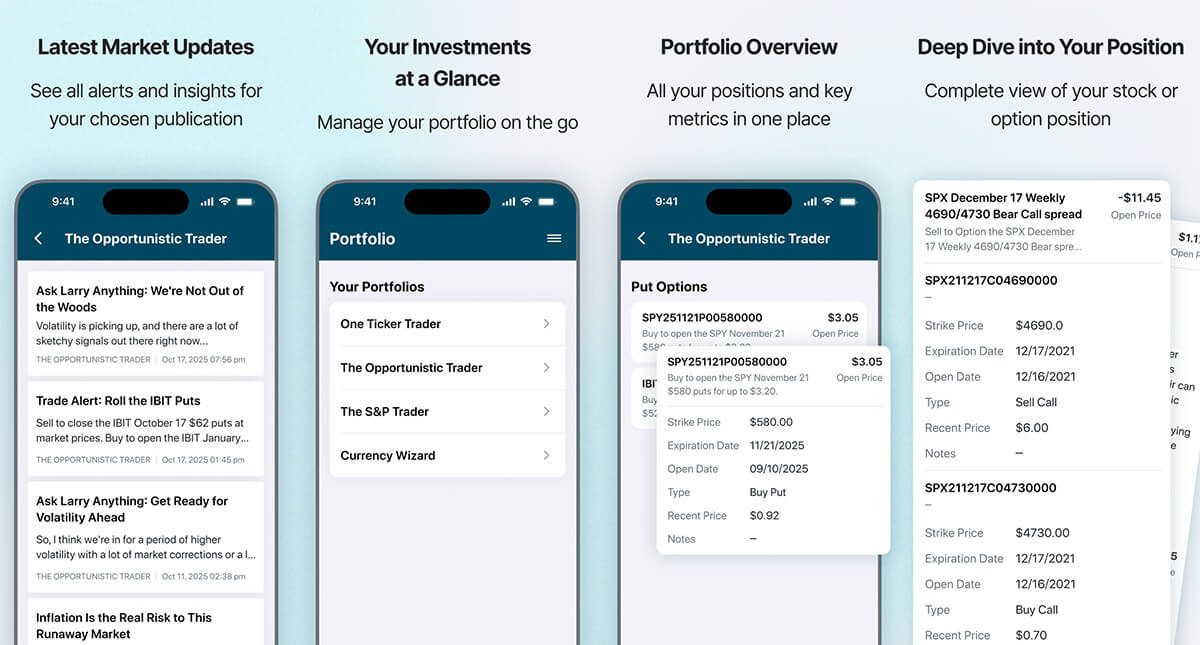
Click the icon below from your mobile device to download The Opportunistic Trader app today for one-tap access to trade alerts, issues, and model portfolios for all of Larry’s services.
|
|
Available in the app store on Android and iPhone.
|
|
|
|











No comments:
Post a Comment