| Read in browser | ||||||||||||||
Welcome to Balance of Power, bringing you the latest in global politics. If you haven’t yet, sign up here. It’s always tempting, but usually wrong, to draw national lessons from regional elections in any of Germany’s 16 federal states. This Sunday is different. The outcome of voting in the city-state of Berlin and in Mecklenburg-Western Pomerania in the northeast will go a long way toward determining Chancellor Friedrich Merz’s fate. 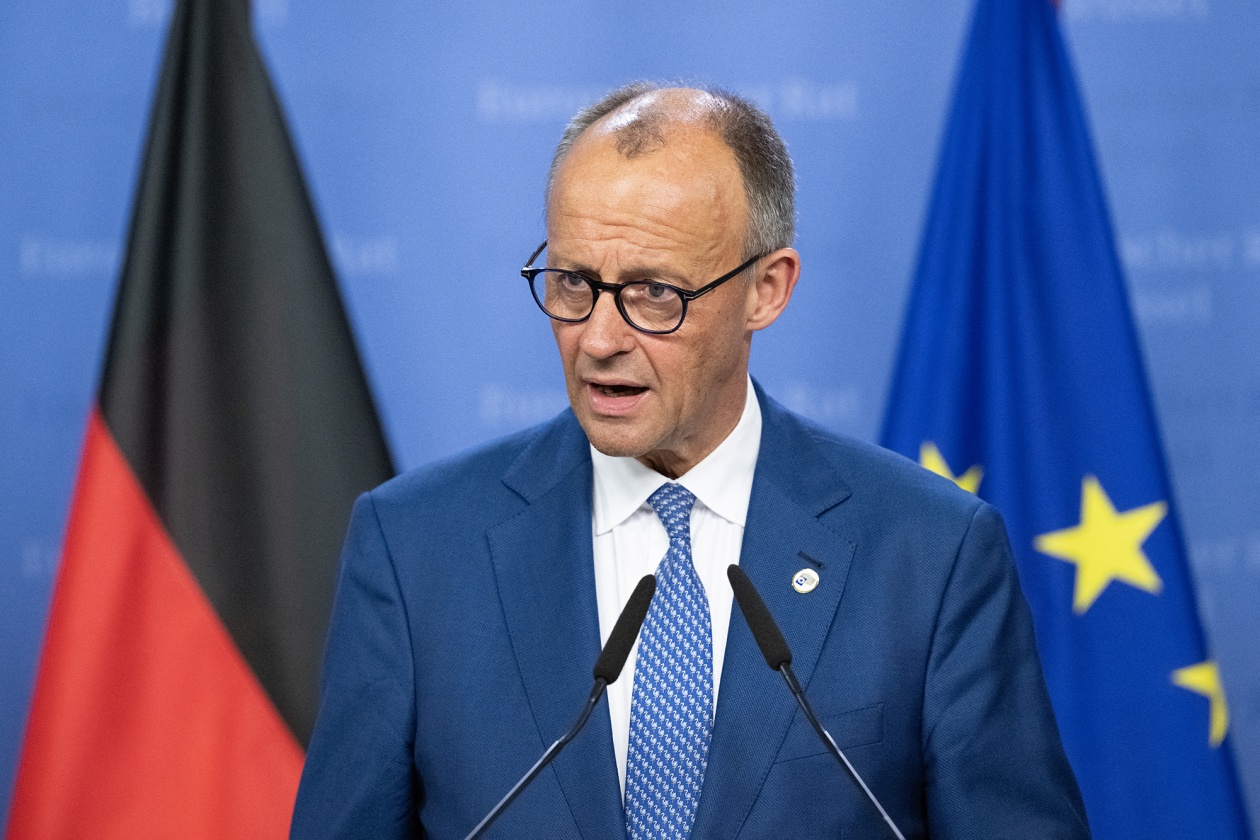
Merz.
Photographer: John Thys/AFP/Getty Images
His future as the head of Europe’s heavyweight nation is on the line, with all the political and economic ramifications that implies. Merz is a deeply unloved leader, by some measures the least popular chancellor on record. His dilemma isn’t helped by a set of challenges that would make any politician wilt. Intense economic competition with China. The collapse of the US-led world order and Donald Trump’s scorn for allies. Russia’s war in Ukraine, and surging energy prices due to hostilities in the Gulf. All are particularly acute for Germany — still the world’s No. 3 economy — with the scars seen in its beleaguered auto industry, humbled industrial sector and an export engine buffeted by rising protectionism. Politically, Merz’s misfortune was to ascend to the chancellery last year just as the far-right AfD party capitalized on evaporating support for center forces like his. But Merz also lacks the common touch of predecessors like Angela Merkel, a fellow Christian Democrat, or Gerhard Schroeder, a Social Democrat. His hectoring approach to politics, like a supermarket manager attempting to bully voters into purchases they don’t want, unsurprisingly fails to resonate. His CDU party is polling at record lows nationally, well behind the AfD. Two weeks back, the CDU suffered a calamitous defeat to an aggressively anti—migrant, nationalist AfD in Saxony-Anhalt. Polls suggest further humiliations on Sunday. Merz wants to hold on, yet party officials staring at political oblivion may see it as the tipping point for the chancellor. Just 16 months in office, Merz already looks out of time. — Alan Crawford 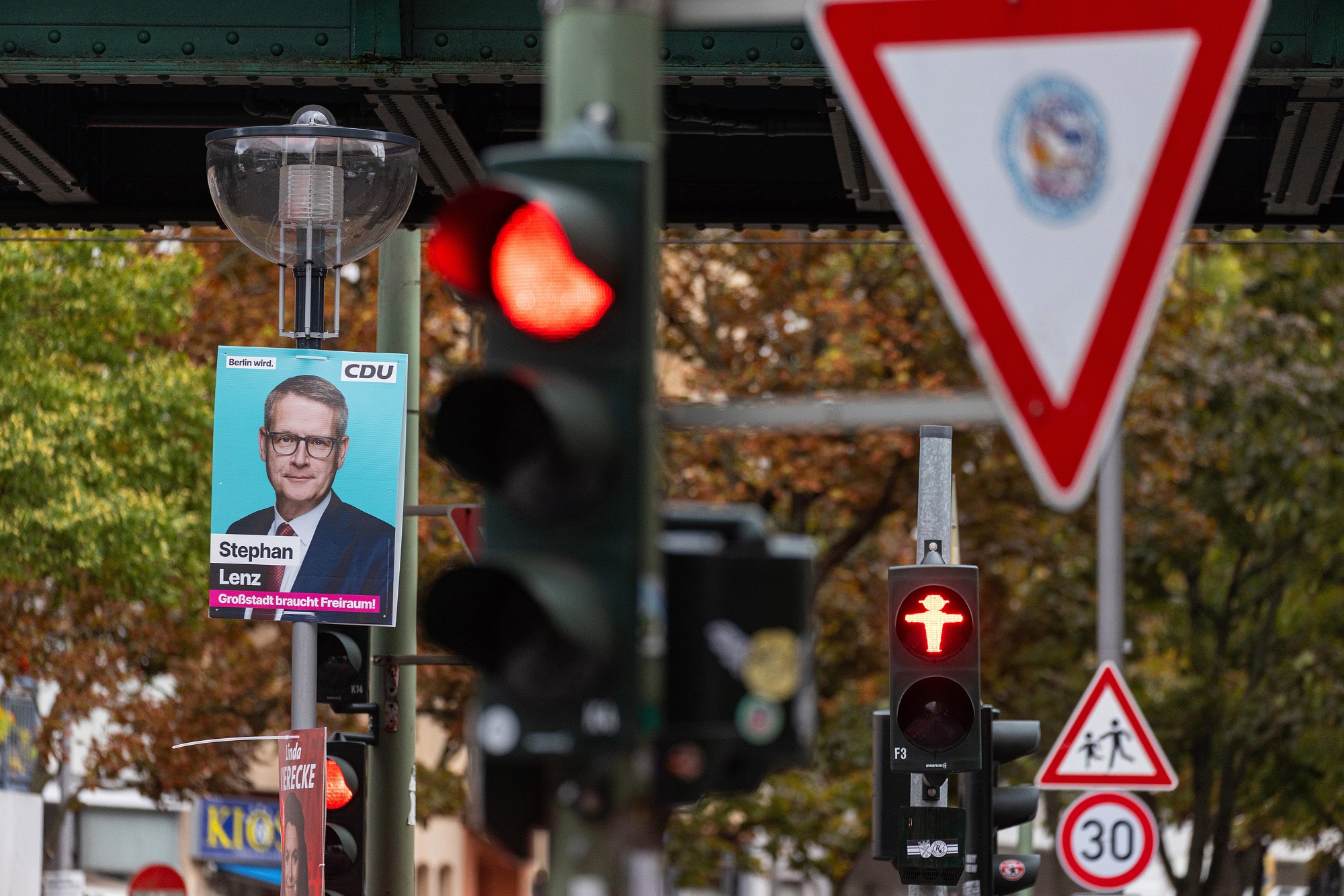
A CDU election campaign poster in Berlin on Sept. 1.
Photographer: Krisztian Bocsi/Bloomberg
Global Must ReadsThe US is expected to hold off announcing new tariffs on China and other trading partners until after next week’s summit between Presidents Xi Jinping and Trump, sources say, a delay that could preserve such a threat as leverage in the negotiations. While the reason for the postponement is unclear, Trump has repeatedly used tariff warnings to press trading partners for concessions. 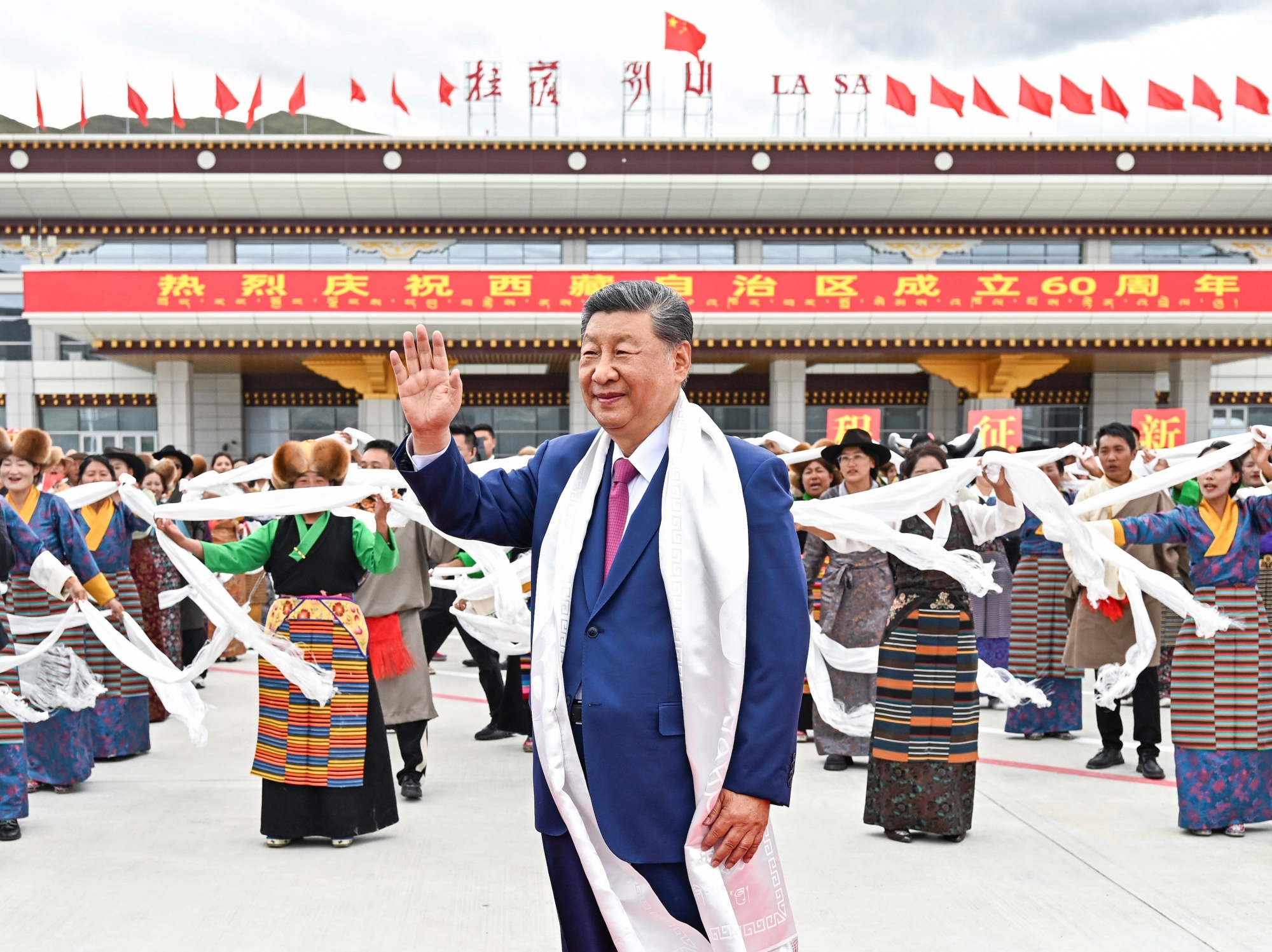
Xi in Lhasa on Aug. 20, 2025.
Photographer: Yan Yan/Xinhua News Agency/Getty Images
Marco Rubio is the first person to act as both the US’s top diplomat and the president’s national security adviser since Henry Kissinger a half-century ago — something that comes with a coveted perk: a corner desk in the West Wing and easy access to the Oval Office. Few in Washington expected Rubio to last a year as a Trump subordinate, but as our profile suggests, that loyalty has required him to set aside some of his longest-held political convictions. Russians are growing fearful that President Vladimir Putin may soon order a massive new mobilization for the war in Ukraine after this weekend’s parliamentary elections. Russia took control of the local businesses of Swiss food giant Nestle and French supermarket chain Auchan under a late-night decree issued by Putin, the Kremlin’s largest takeover of foreign corporate assets since at least 2024 amid rising tensions with Europe. Trump told Axios he was approaching a “big decision” on whether to re-escalate attacks on Iran, with a meeting with Persian Gulf nations planned for next week in New York on the sidelines of the UN General Assembly. A group of UN-backed experts meanwhile found “reasonable grounds” to believe that US forces committed war crimes during the conflict, pointing to two airstrikes including one that hit a primary school in Minab, killing around 150 civilians. At nearly 12,000 feet above sea level in Tibet, grapes grow against the odds. Pazhu Winery is producing thousands of bottles of chardonnay, ice wine and an indigenous red called Yajiang No. 1. Read about the high-altitude winery here. 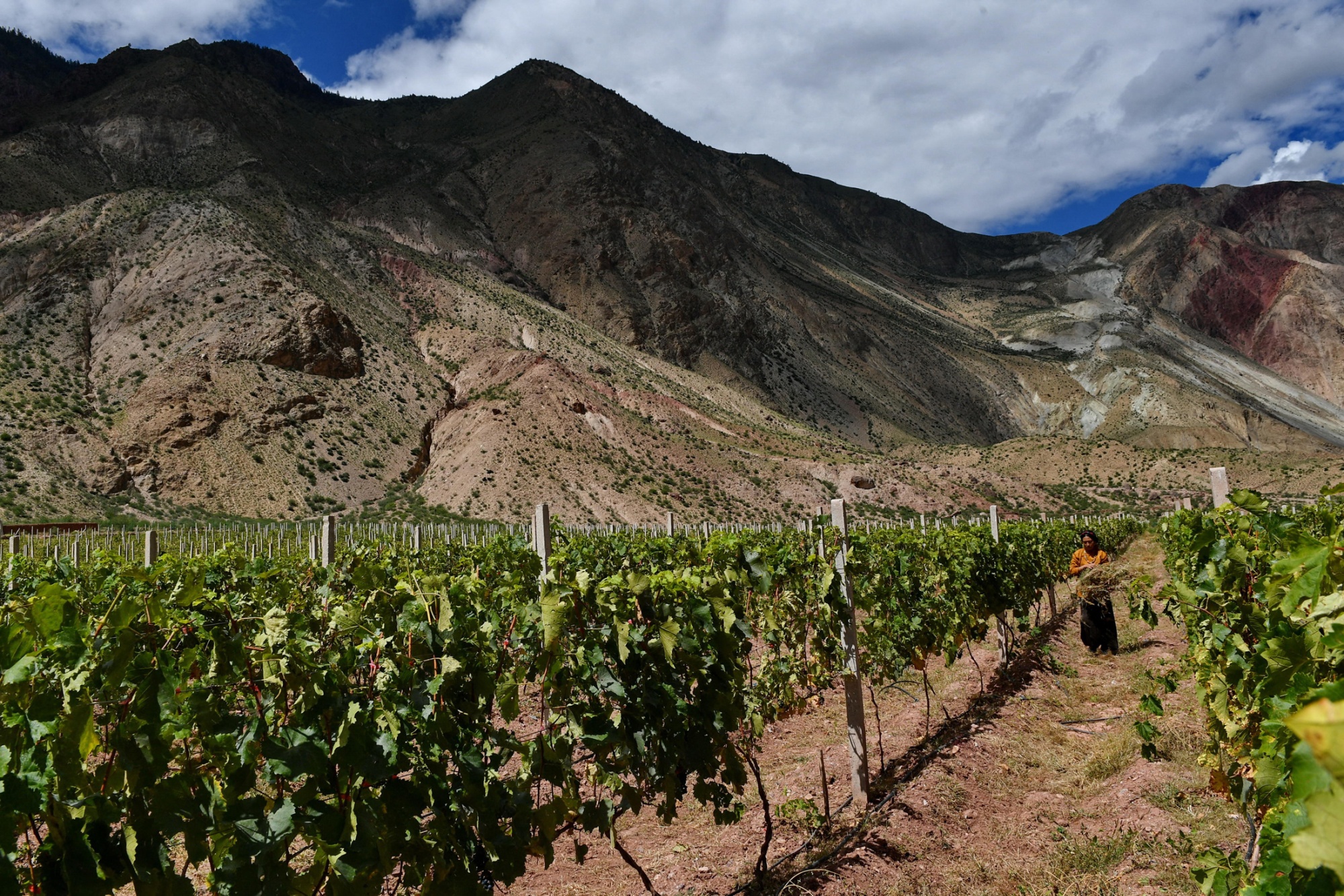
A vineyard in Tibet.
Photographer: Zhang Rufeng/Alamy
Lee Jae Myung ruled out sending troops to the Strait of Hormuz despite pressure from Trump as the South Korean president fights to reverse hemorrhaging public support and get his policy agenda back on track. Former Malaysian prime minister Najib Razak, a central figure in the country’s biggest corruption scandal, has been allowed to serve the remainder of his jail term under house arrest after spending the last four years in prison following an intervention by the king today. Brazil’s government announced an increase to social-welfare payments just weeks before a tense election, with polls showing President Luiz Inácio Lula da Silva tied with his right-wing challenger, Flávio Bolsonaro. 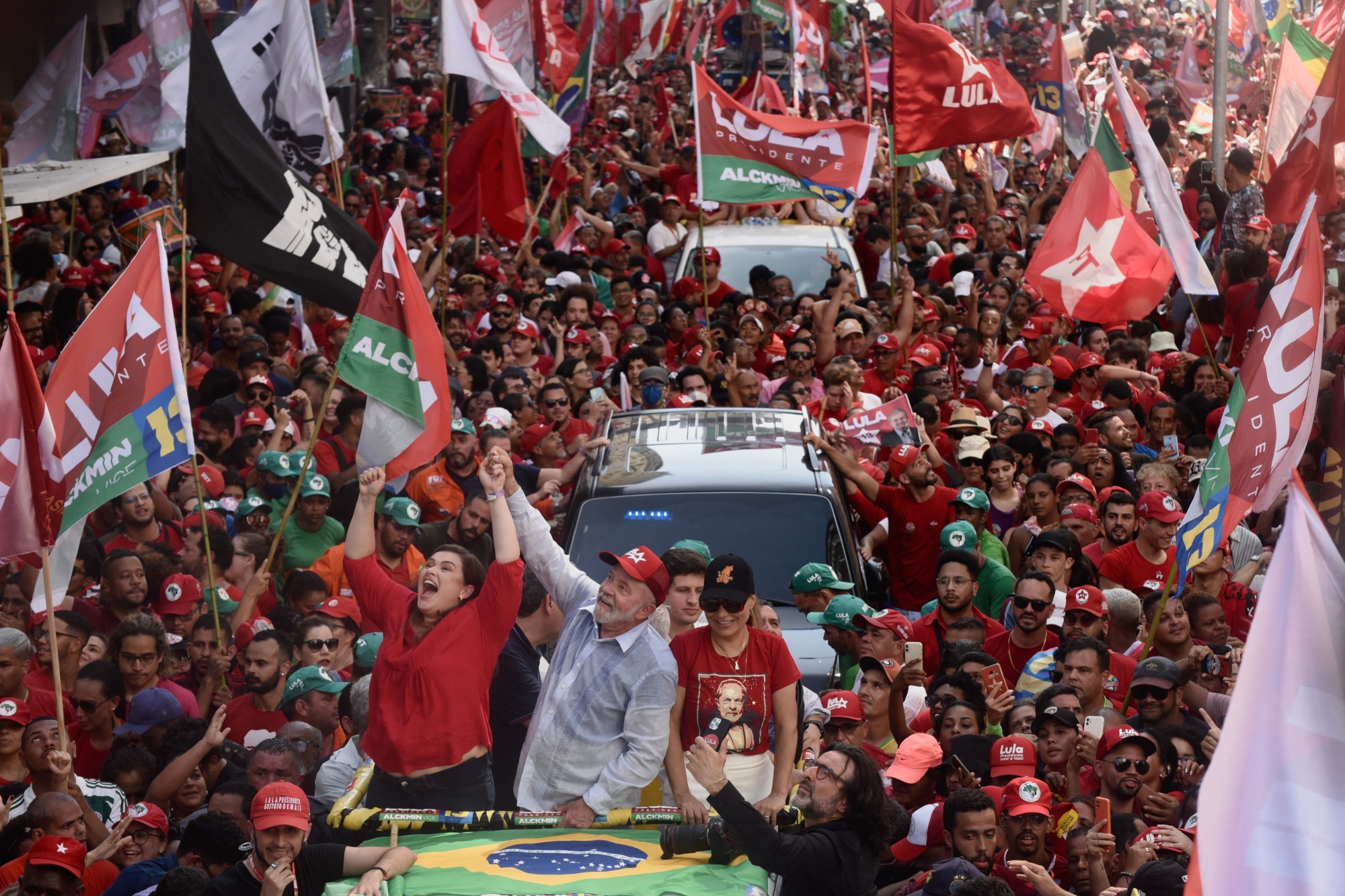
Lula greets supporters during a campaign rally in Recife, Brazil, in 2022.
Photographer: Maira Erlich/AFP/Getty Images
Don’t miss from Bloomberg Weekend: Mishal Husain speaks with journalist Maggie Haberman about Trump’s presidency, while Alan Wong looks at how Chinese AI models are challenging US dominance. Morgan Meaker writes about Europe’s border-wall obsession. Subscribe to the newsletter here. Sign up for the Washington Edition newsletter for news from the US capital and watch Balance of Power at 1 and 5 p.m. ET weekdays on Bloomberg Television. Chart of the Day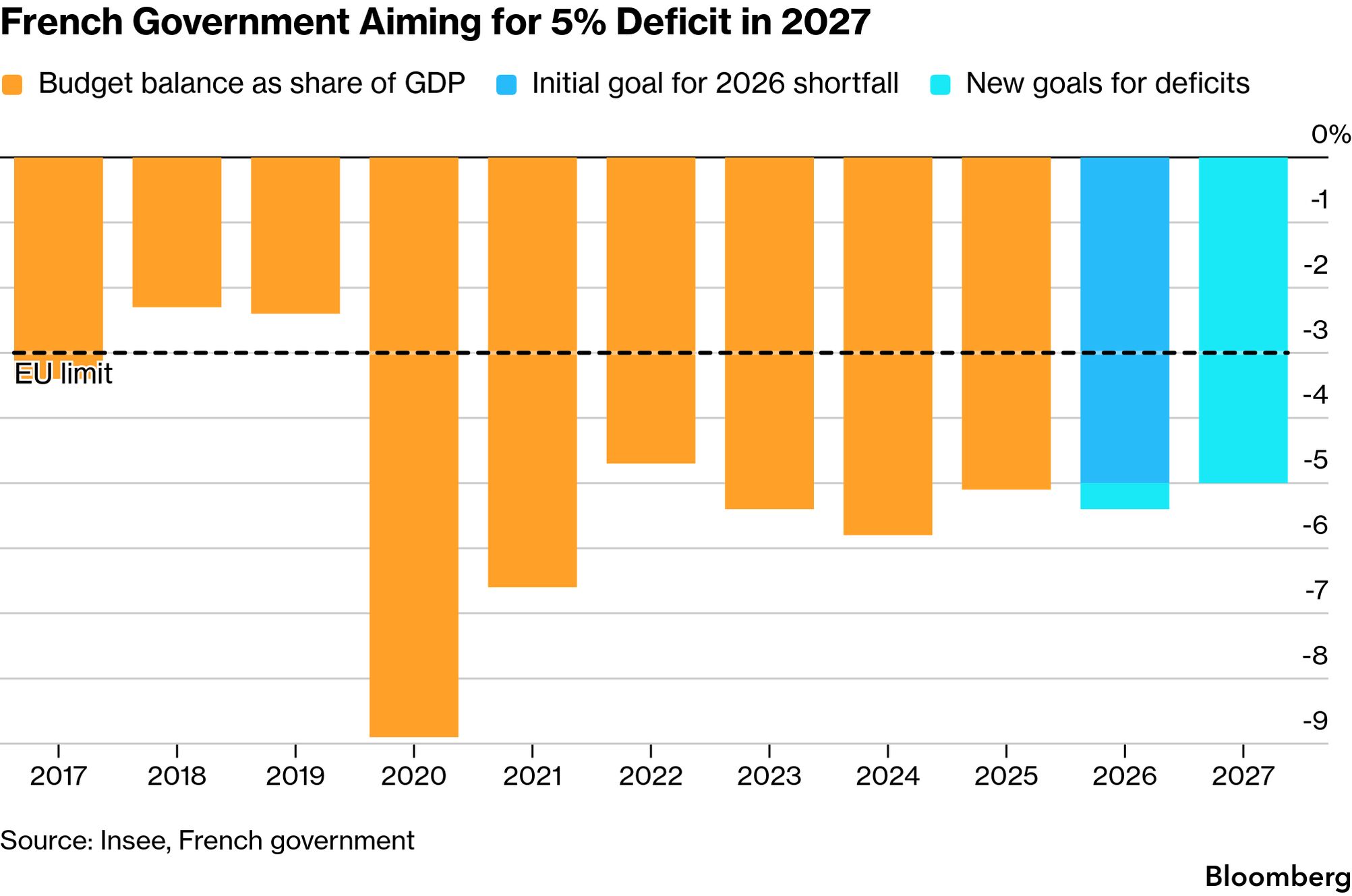
French Prime Minister Sébastien Lecornu will propose a vast effort to control spending and narrow the budget deficit after failing to do so in 2026, setting the stage for a parliamentary battle that risks toppling the government just ahead of presidential elections. France is struggling to get a grip on runaway public finances as economic growth slows sharply and a fragmented legislature pushes back against austerity measures. And FinallyPower grids serving more than 100 million North Americans are bracing for a demand surge as unseasonable heat strains electrical equipment scheduled for repairs. Temperatures are running more than 20F above normal in some areas served by the Midcontinent Independent System Operator, with triple-digit heat forecast around the South through at least Sunday, according to the US National Weather Service. The searing weather arrived just as power-plant operators were due to take key systems offline for maintenance. 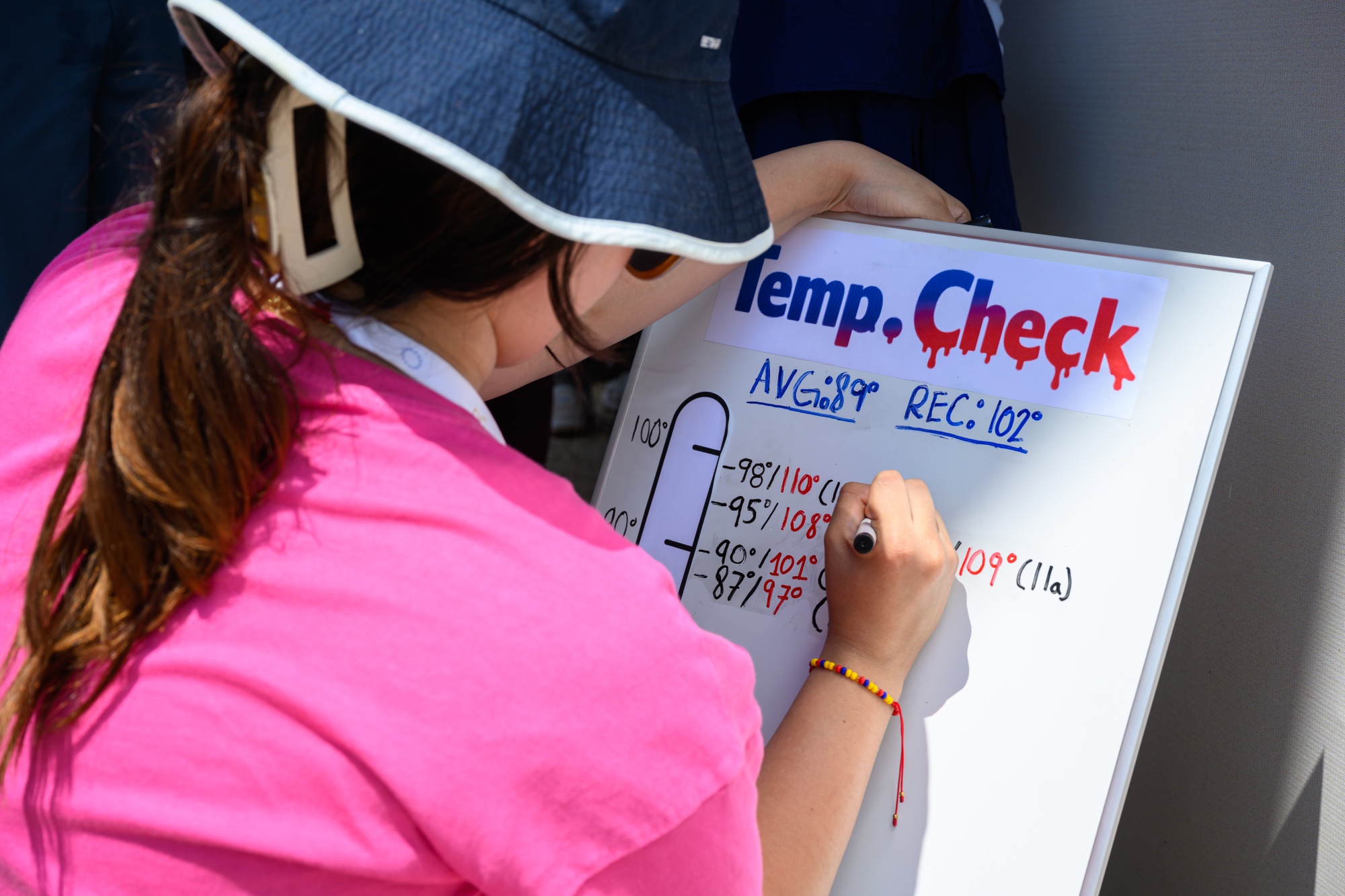
A person records the temperature at the Great American State Fair in Washington on July 3.
Photographer: Alexi J. Rosenfeld/Getty Images
Pop Quiz (no cheating!). In which country has the central bank governor been in his post for 10 presidents? Send your answers to balancepower@bloomberg.net More from Bloomberg
We’re improving your newsletter experience and we’d love your feedback. If something looks off, help us by reporting it here. Follow Us
You received this message because you are subscribed to Bloomberg’s Balance of Power newsletter. If a friend forwarded you this message, sign up here to get it in your inbox.
|
Friday, September 18, 2026
On the line





Subscribe to:
Post Comments (Atom)
-
Revolutionary Stem Cell & PRP —Start Your Journey Today ...
-
You’ve shown interest in Regenerative Medicine ...


No comments:
Post a Comment