| Read in browser | ||||||||||||||

Inflation is piling pressure on central bankers in Europe to keep raising rates, with France and Italy reporting higher-than-expected readings today, due to elevated oil and gas prices. But here’s an inflation trend interest rate hikes can’t fix: Pricier food, driven by extreme weather caused by climate change. We also look at how China is finding a way to wean itself off expensive diesel, with the rise of electric trucks. Subscribe to Bloomberg.com for unlimited access to all our coverage. Persistently priceyFrom seaweed to sirloin and tomatoes to corn, grocery items around the world are getting more expensive as climate change turns temporary weather-related price spikes into a more persistent driver of inflation, a new study shows. Analysts at Zero Carbon Analytics, an international research firm, mapped food price spikes between 2022 and 2026, tracing them to extreme weather events they say are tied to climate change. So far this year, they’ve connected all but one of the price jumps they documented to unprecedented temperatures, drought or rainfall, meaning the events were more extreme than any similar instance in the historical climate record. The lone exception was a winter storm that sent US tomato prices soaring about 40% but wasn’t made worse by climate change. 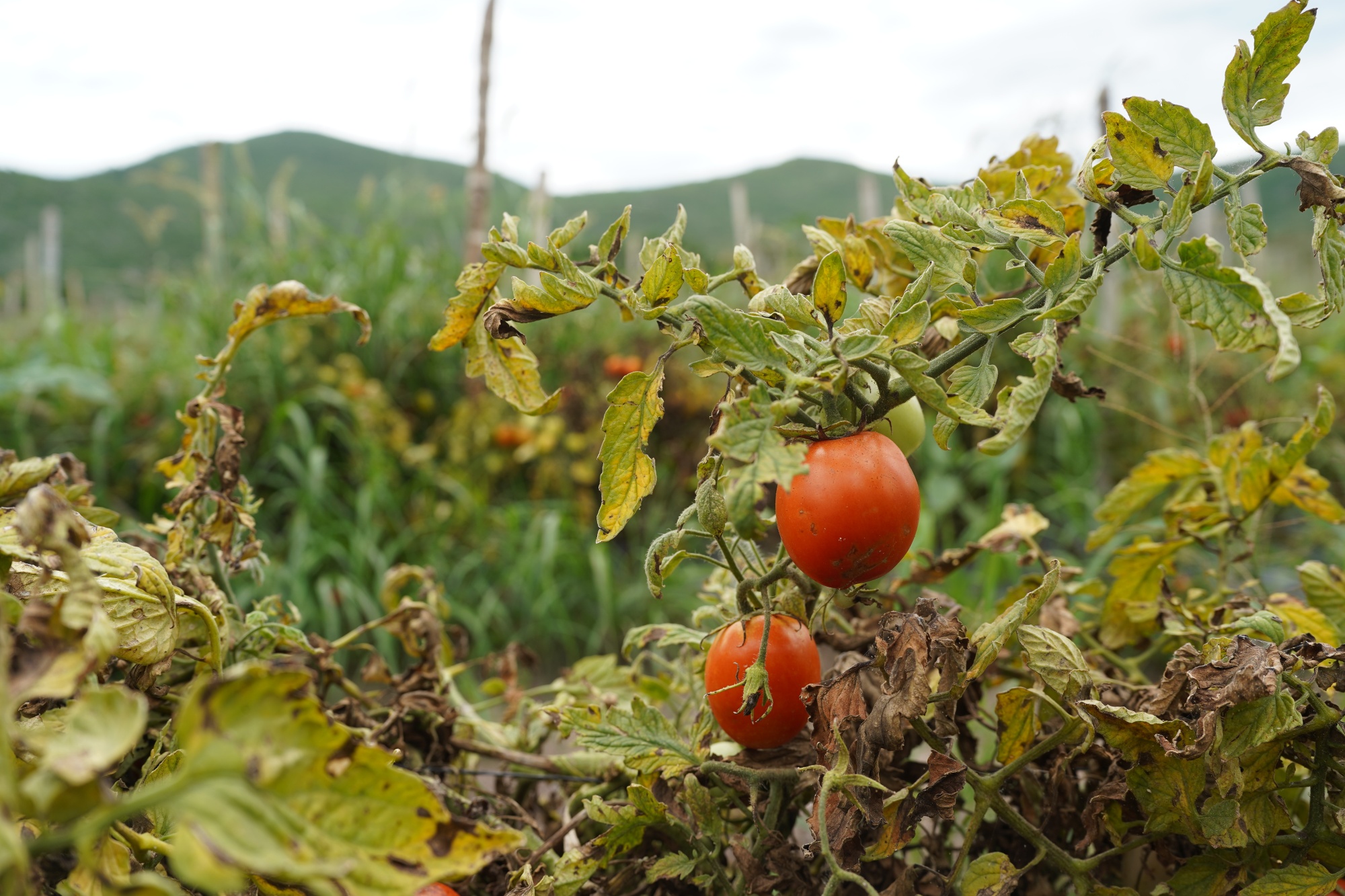
Damaged tomato plants at a farm in Rioverde, San Luis Potosi state, Mexico on June 17.
Photographer: Mauricio Palos/Bloomberg
The findings are part of the growing body of research into how climate change is reshaping inflation, a phenomenon some economists dub “climateflation.” 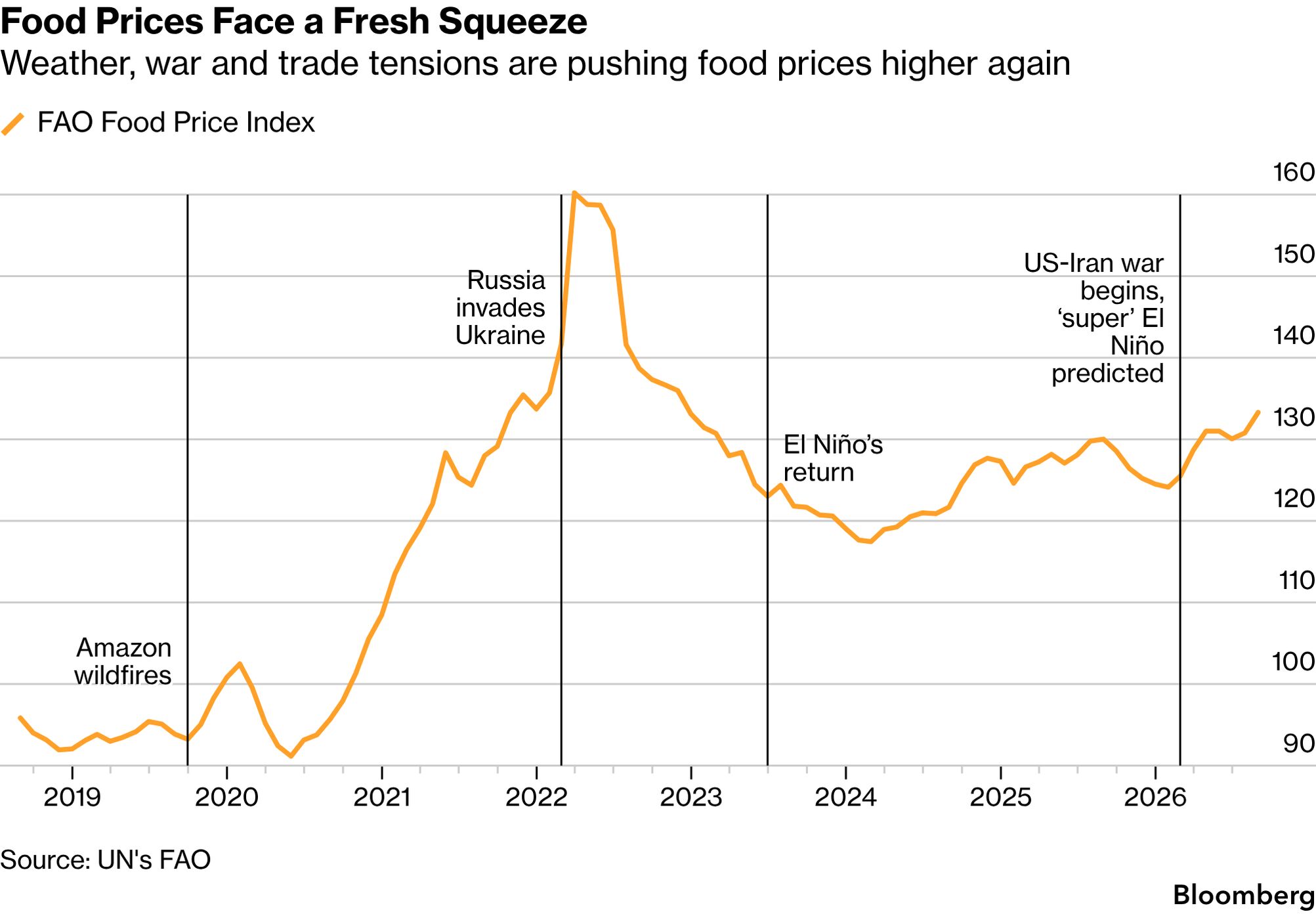
“Climateflation represents a permanent rise in everyday living costs driven by fossil fuel dependency and extreme weather destruction, locking in persistent inflation that strains household budgets worldwide,” Joanne Bentley-McKune, a climate scientist and lead author of the Zero Carbon Analytics briefing, said in a statement. Broadly, 2026 has proven a difficult year for global growers. In addition to geopolitical tensions that have upended critical trade corridors in the Mideast and the Black Sea, sending input costs soaring, extreme weather has ravaged harvests and already begun to threaten the planting window for next year’s crop. A historically severe “super” El Niño is poised to be at the forefront of risks to global food supplies into 2027. Prices of key crop staples, including wheat, corn, cocoa and sugar, have already climbed this year, helping push the United Nations’ food-commodity index to an almost four-year high in August
Read more
Sushi impact20% The price rise by March for Nori, the seaweed used to make sushi, due warmer sea waters around Japan hurting the harvest. Economic solutions lacking“Interest rate hikes cannot fix declining crop yields or protect vulnerable households,” Climate scientist and lead author of the Zero Carbon Analytics briefing Making trucks greenBy Bloomberg News As Qu Shaolong pulls his electric truck into one of the many charging stations that dot the Chinese coal hub of Yulin, the latest phase in the country’s energy transition is playing out in real time. “I don’t think anyone will switch back to diesel trucks,” said the 39-year-old, who has spent the last three years behind the wheel of an electrified hauler. “Nobody wants to return to a last-generation technology.” 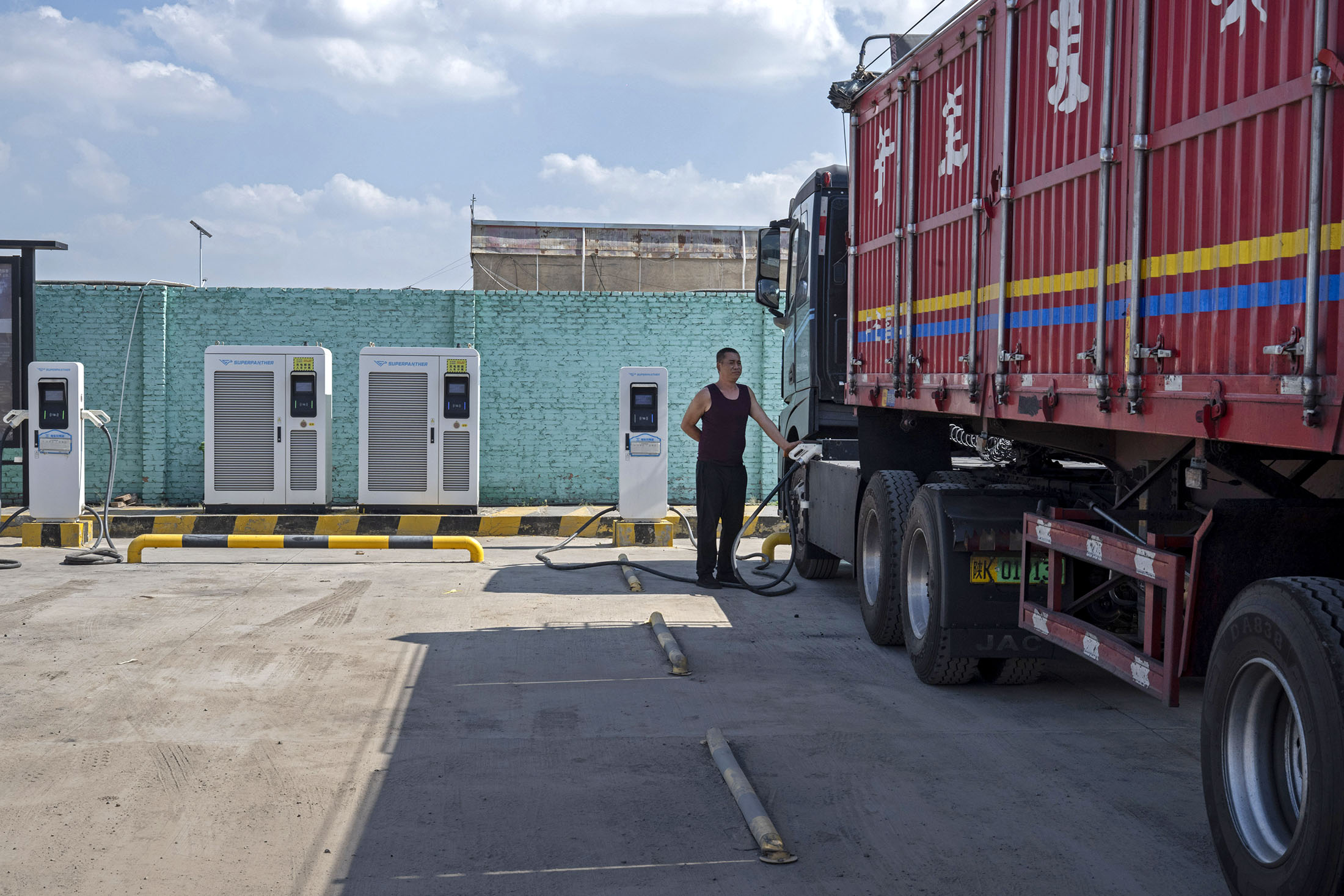
Truck driver Qu Shaolong with his e-rig at a charging station in Yulin, Shaanxi Province.
Photographer: Gilles Sabrié/Bloomberg
Qu is one of thousands of drivers powering a profound shift in the world’s biggest oil import market. Chinese e-truck sales jumped almost 80% in the first half from a year earlier, according to BloombergNEF, getting a boost as the US-Iran war and Ukrainian attacks on Russian refineries sent diesel prices soaring. They are on pace to account for close to a third of all rigs sold this year, up from just 8% a couple of years ago. Diesel consumption in China will drop more than 10% this year, Sinopec Economics & Development Research Institute estimates, a shift that has helped Beijing navigate this year’s oil shock and limited price rises for global markets in turn — all while cutting emissions, even if coal still plays a major role in electricity generation. 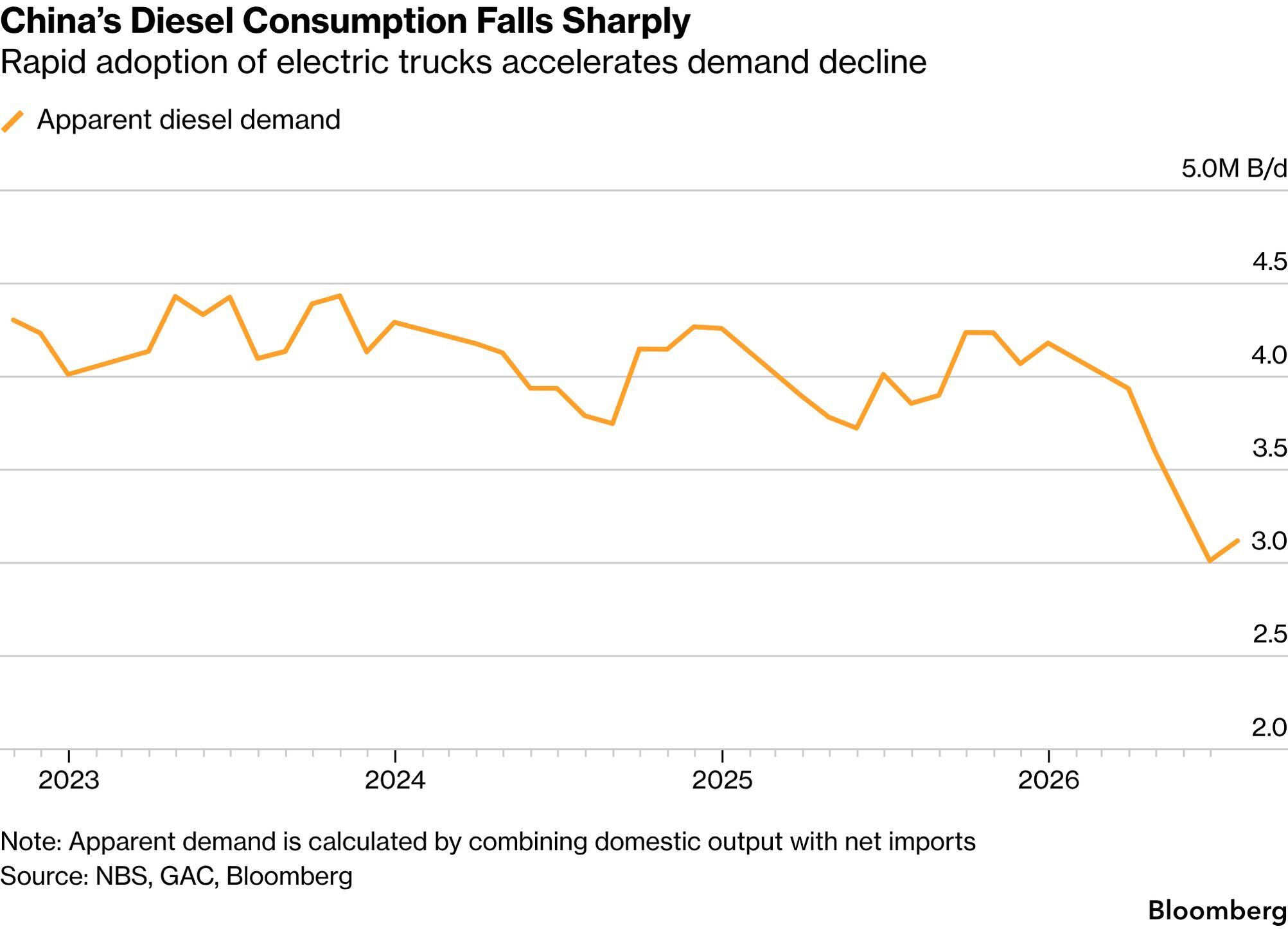
The electrification of road freight is emerging as a structural force that could undermine long-term oil demand across the world. “The EV revolution that began with China’s passenger car fleet has now quickly spread into the field of heavy-duty trucking,” said Anders Hove, a senior research fellow at the Oxford Institute for Energy Studies. “As EV adoption accelerates, EVs become a larger and larger cushion″ against supply shocks such as the Iran war, he said.
Read more
Hazy skies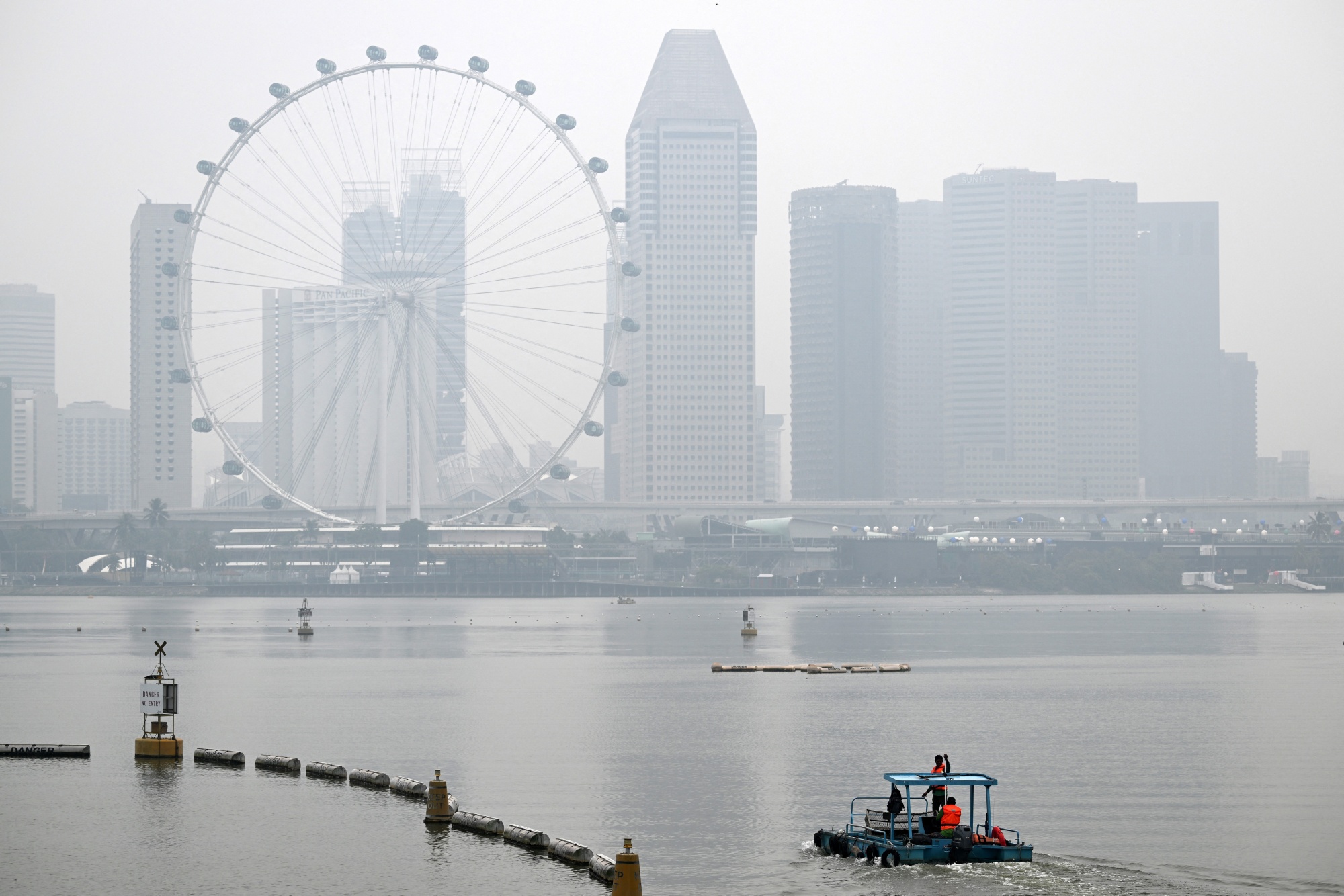
Workers sail along the Marina bay reservoir as the city skyline is shrouded with haze in Singapore on September 28, 2026. (Photo by Roslan RAHMAN / AFP via Getty Images)
AFP via Getty Images
Singapore and Kuala Lumpur are choking under severe haze spewing from wildfires in neighboring Indonesia, with air quality deteriorating dramatically ahead of major sporting events. The two cities currently rank among the top five most polluted in the world, according to data compiled by IQAir. Malaysia is due to host its first Formula One race in nine years this weekend at the Sepang International Circuit, alongside the Standard Chartered Marathon in Kuala Lumpur, and the acrid conditions could disrupt both events. Your Zero listen 
A bonus Zero episode: Miatta Fahnbulleh, the UK Secretary of State for Energy Security and Net Zero, discusses the country’s energy transition, the push for affordable and secure power and the UK’s role in the global climate action with Bloomberg’s Aaron Rutkoff at Bloomberg Green New York 2026. More from Green🎥Attention all filmmakers!Working on a short documentary about climate change? Don’t miss your chance to submit it to the Bloomberg Green Docs film competition. Grand prize: $25,000. Submissions will be accepted through October 2, 2026. See official rules at bloomberg.com/greendocs. More from Bloomberg
Explore all Bloomberg newsletters. We’re improving your newsletter experience and we’d love your feedback. If something looks off, help us fine-tune your experience by reporting it here. Follow Us
You received this message because you are subscribed to Bloomberg’s Green Daily newsletter. If a friend forwarded you this message, sign up here to get it in your inbox.
|
Wednesday, September 30, 2026
Ever expensive food






Subscribe to:
Post Comments (Atom)
-
Revolutionary Stem Cell & PRP —Start Your Journey Today ...
-
You’ve shown interest in Regenerative Medicine ...


No comments:
Post a Comment