| Read in browser | ||||||||||||||

As drought plagues the American West, water managers are contending with another major problem: Dirt. Extreme rain is pounding hillsides left bare by wildfire, washing sediment and debris into reservoirs. We look at how this is shrinking the US’s water storage capacity at a time when it needs it the most. Also today, how Google is attempting to tackle one of aviation’s climate challenges. And France’s Champagne region is preparing for output to plunge this year after scorching temperatures and drought. Muck piles upBy Kyle Stock The federal government finally stepped in to referee the Colorado River earlier this summer, cooling one of the most pitched battles in the war for water rights that has engulfed much of the American West. Arizona, California and Nevada will have to reduce the amount of water they take from the river by about one-quarter for the next two years. The goal is to let reservoirs along the Colorado fill up in the midst of a prolonged drought and one of the lowest snowpacks on record. But while the top of the lakes may rise again, an arguably bigger problem is lurking at the bottom, and the government is doing little about it. A steady buildup of sediment – sand and silt and mud – is shrinking the nation’s water storage capacity precisely when we need it most. 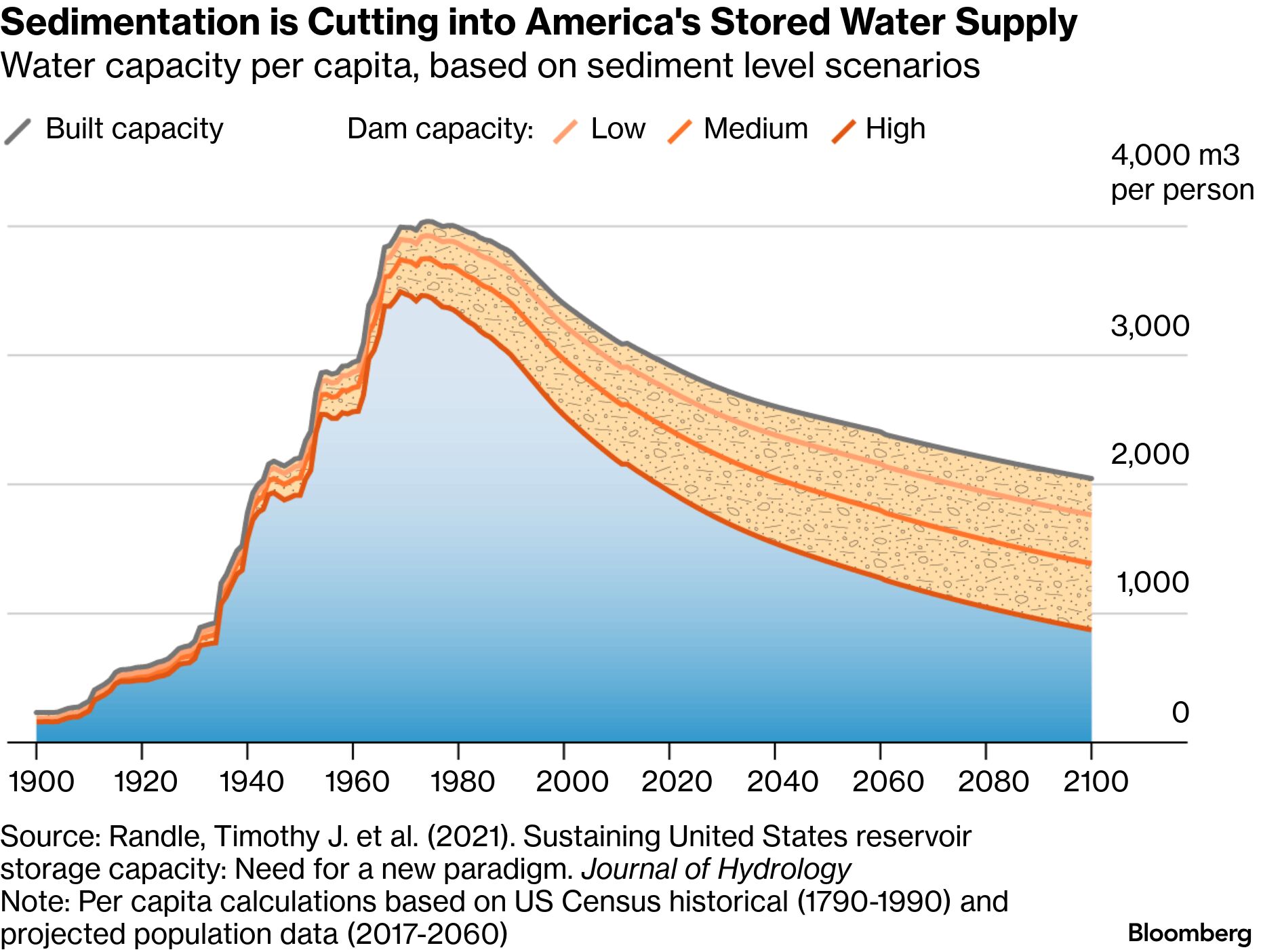
Bloomberg spent months poring over more than 100 years of federal sediment surveys and talking to hydrologists. What emerged is a troubling picture: Of the reservoirs we analyzed, nearly one in three are more than 10% full of sediment. Sediment is natural and it was entirely expected when engineers built America’s more than 90,000 dams. But those dams are, on average, 64 years old and we’ve done little to address the rising sediment levels, or measure them, for that matter. In the midst of a historic water crisis, we still don’t have an accurate picture of just how much water we have stored. 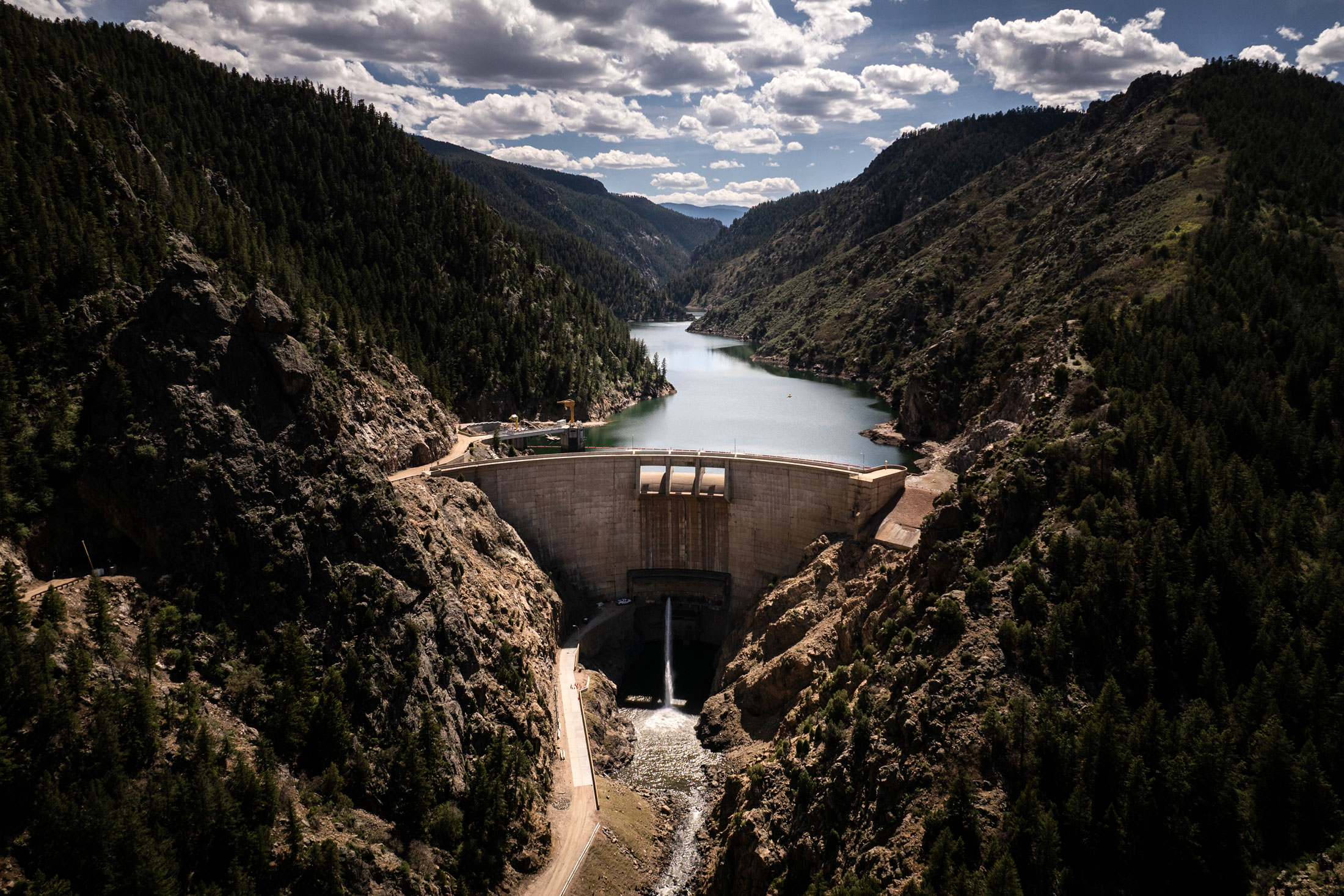
As the West grapples with record-low snow and rainfall, crucial reservoirs like Strontia Springs are experiencing diminished storage capacity.
Photographer: Chet Strange/Bloomberg
“You can’t see the problem unless you’re looking for it, and we’re kind of not looking,” said Aaron Hurst, a geomorphologist who left the Bureau of Reclamation in 2024. 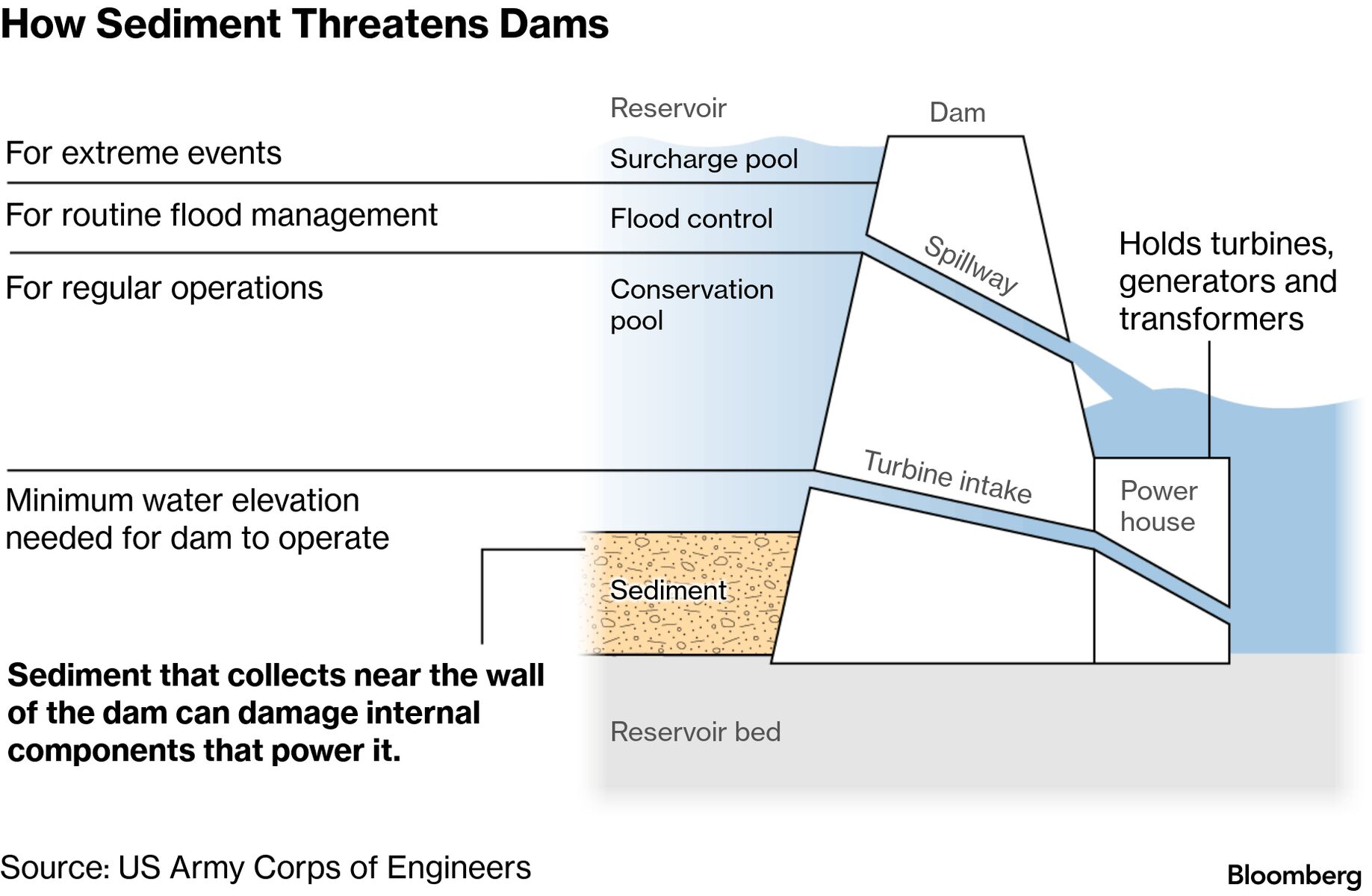
The surveys suggest we probably have even less water than we think. Sure, we have a decent picture of sediment in our largest reservoirs, but data is scarce on the tens of thousands of smaller ones, where sediment tends to stack up more quickly. The Colorado River, for example, feeds 15 storage lakes, though we usually only hear about the two biggest: Lake Mead and Lake Powell. When factoring in those smaller bodies of water, the country has lost an estimated 8% of its water storage capacity, the equivalent of 25.5 million Olympic-sized swimming pools, according to a study published this week in Nature. Federal engineers say they haven’t been given enough money to stay on top of the problem. External hydrologists, in turn, say the government would be smart to spend a little on it now, rather than a lot later. Ultimately, the muck is expensive, threatening to clog billions of dollars in economic activity from hydroelectric power and agriculture. Farmers, in particular, are spending millions each year to pump extra water from wells, which, in turn, inflates prices at the grocery store. 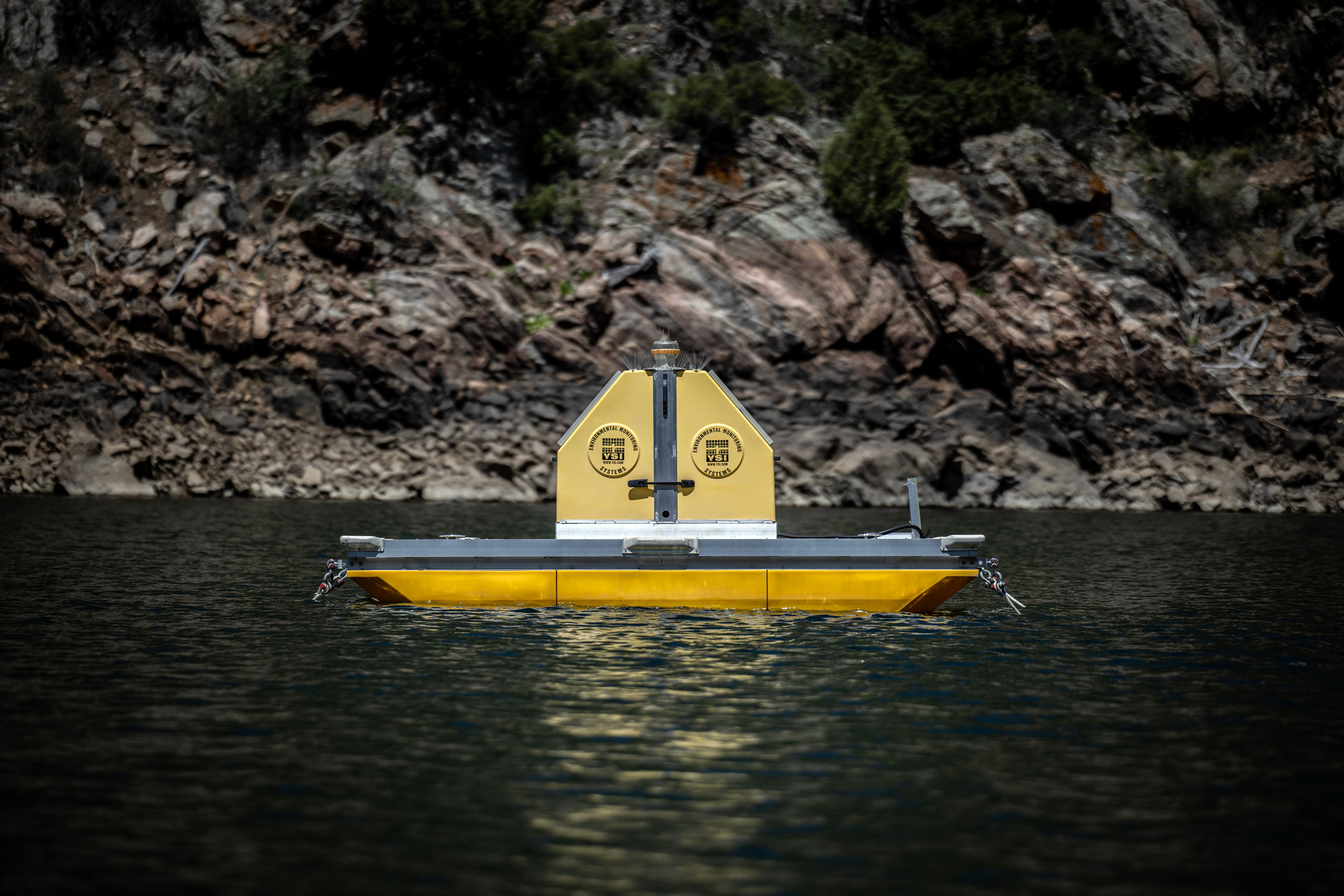
A water-quality measuring tool in Strontia Springs Reservoir.
Photographer: Chet Strange/Bloomberg
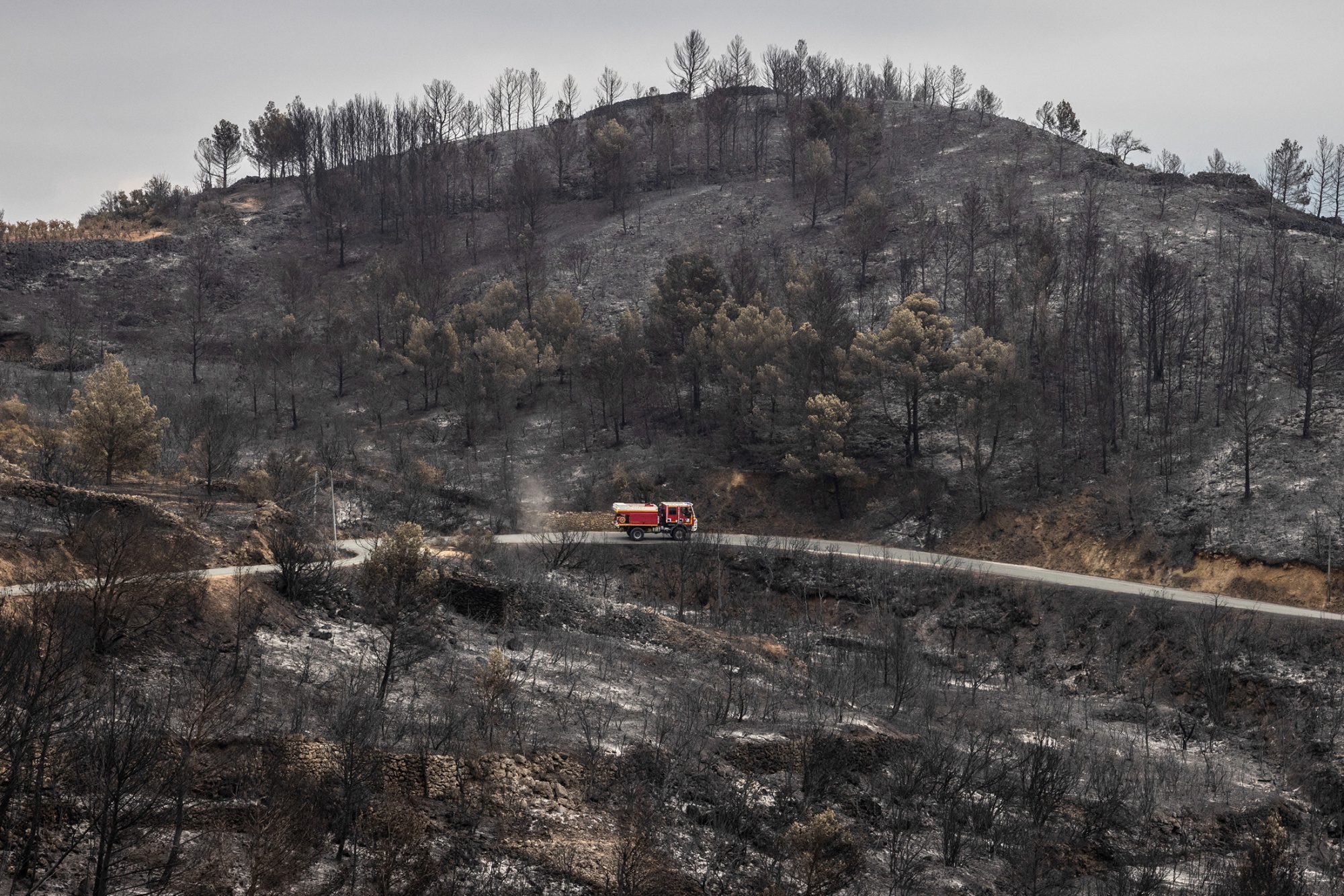
Climate change, meanwhile, may force the issue. Its symptoms, including drought, wildfire and more volatile, intense rainfall, are all recipes for huge sediment surges.
Keep reading
Shrinking storage44% share of per-capita water storage capacity the US has lost since a peak in the 1970s Dragging on“People back in the ’60s and ‘70s figured, `Well, the next generation can figure that out.’ But now, fast-forward to the present, there aren’t any great solutions.” Tim Randle an engineer who led the sediment group of the Bureau of Reclamation on long overlooked sediment levels Google aims for cleaner flightsBy Saritha Rai and Danny Lee Alphabet Inc.’s Google and Cathay Pacific Airways Ltd. are putting artificial intelligence to work on one of the aviation industry’s most visible but least-addressed climate problems. Contrails, the crisp white condensation plumes that often trail aircraft flying at high altitudes, are composed of frozen water vapor attached to engine exhaust particles. While they mar blue skies and are the basis of conspiracy theories, their main risk is as an environmental hazard by trapping heat — just like naturally forming cirrus clouds. Contrails are responsible for roughly one-third of aviation’s total climate impact, according to Google. 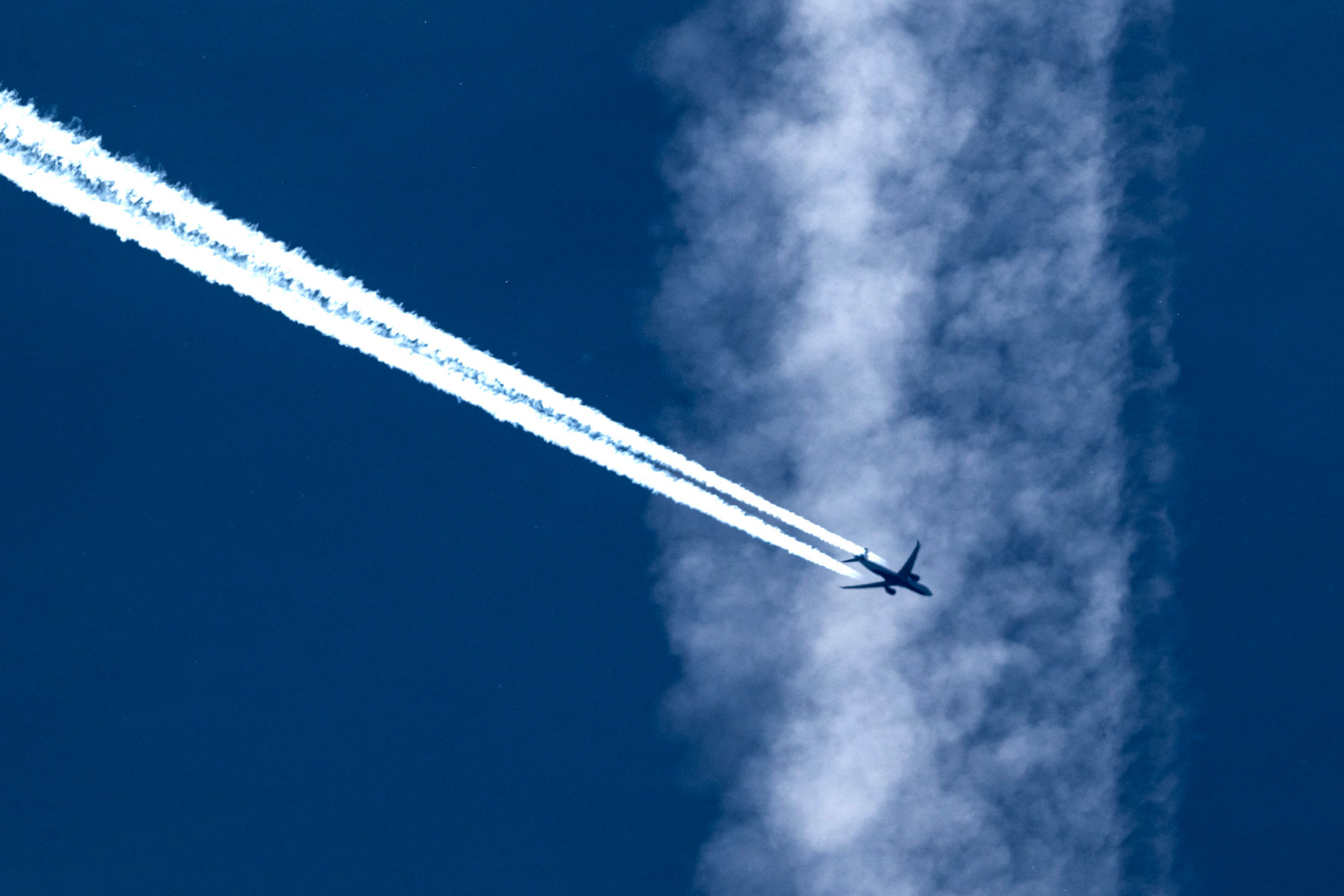
Contrails are composed of frozen water vapor attached to engine exhaust particles.
Photographer: Olivier Chassignole/AFP/Getty Images
But this effect can be reduced significantly based on early-stage operational trials conducted in late 2025 on several dozen Cathay routes using Google’s AI algorithms, the companies said Monday. A pilot project achieved a 40% decline in the warming impact of contrails by simply prompting pilots to avoid atmospheric sweet spots where they tend to form. Cathay is Google’s first airline partner in the Asia-Pacific region to try out its AI-powered contrail mitigation technology, and the first to test contrail avoidance globally on ultra-long haul flights. Google has previously partnered with American Airlines Group Inc. on similar trials.
Read more
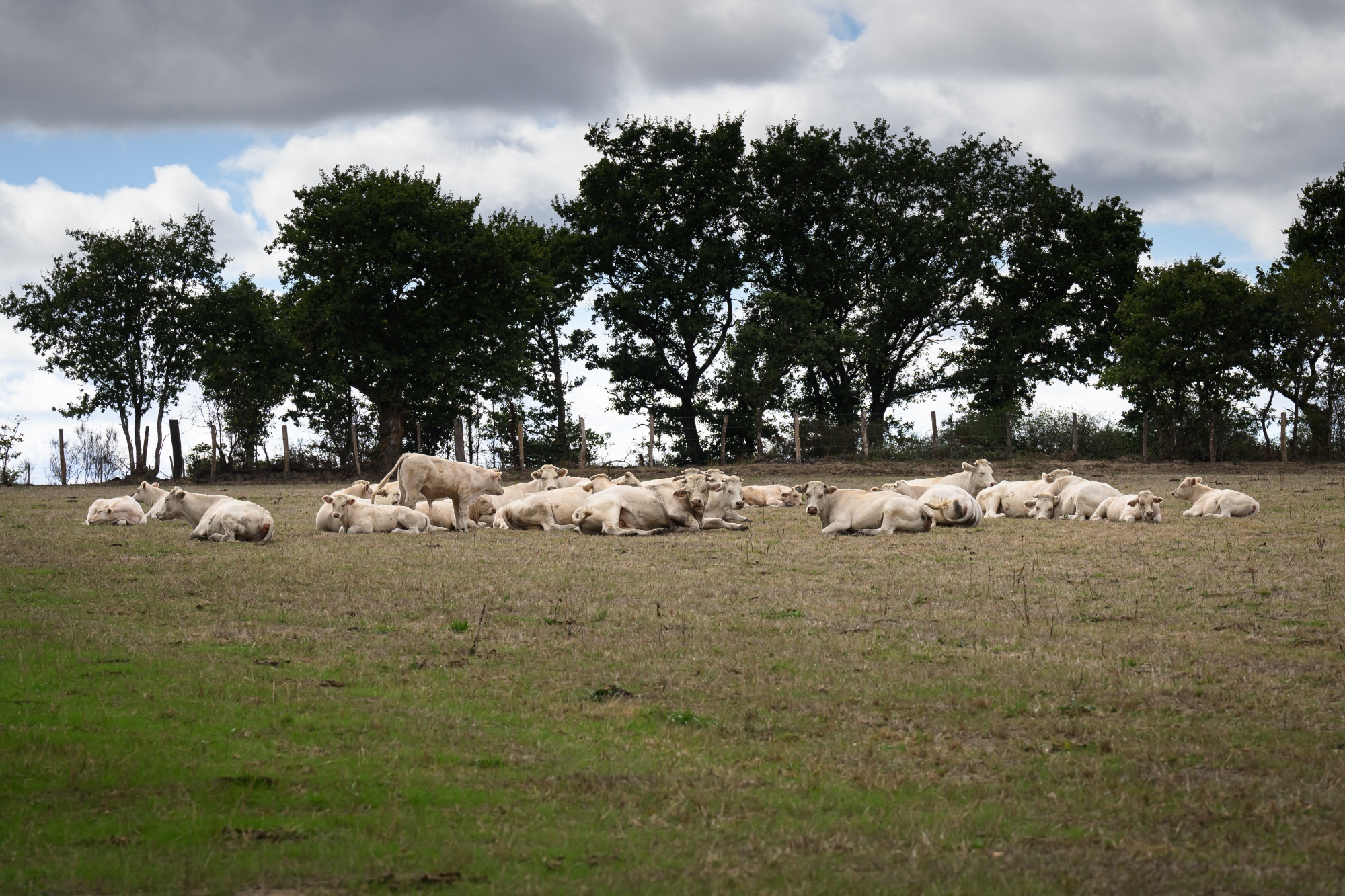
Champagne feels the heatFrance’s Champagne output is set to fall by almost half from 2025 as extreme weather batters yields. 
French Champagne bottles in a refrigerated display cabinet at a store in Marseille, France.
Photographer: Jeremy Suyker/Bloomberg
Champagne production is estimated to fall to 1.34 million hectoliters, 48% below last year, according to a statement from the Agriculture Ministry. Overall, wine production in 2026 is estimated at 34 million hectoliters, down 6% year-on-year and 17% below the five-year average. The drop in production reflects a reduction in vineyard area and weaker yields after this year’s scorching temperatures and drought. The national harvest would be one of the smallest in the past 30 years, according to the statement, which is based on data through Sept. 1.
Read more
Your Zero listenOn the morning of August 26, a glacial collapse in the Himalayas triggered a flash flood that sent ice, mud, rocks and fast-moving water through a valley in Nepal, wiping out entire communities. This week on Zero, Akshat Rathi is joined by Lou Del Bello, who has been reporting on the disaster for Bloomberg News from New Delhi. They discuss what can be done to keep mountain communities safe, and why events like this are likely to become more frequent in a warming world. Listen now, and subscribe on Apple, Spotify or YouTube to get new episodes of Zero every Thursday. More from Green🎥 Attention all filmmakers!Working on a short documentary about climate change? Don’t miss your chance to submit it to the Bloomberg Green Docs film competition. Grand prize: $25,000. Submissions will be accepted through October 2, 2026. See official rules at bloomberg.com/greendocs. More from Bloomberg
Explore all Bloomberg newsletters. We’re improving your newsletter experience and we’d love your feedback. If something looks off, help us fine-tune your experience by reporting it here. Follow Us
You received this message because you are subscribed to Bloomberg’s Green Daily newsletter. If a friend forwarded you this message, sign up here to get it in your inbox.
|
Tuesday, September 8, 2026
America’s reservoirs fill with dirt







Subscribe to:
Post Comments (Atom)
Billionaire divorces
Some of South Korea’s biggest companies may be affected by a pair of high-profile divorces. ...
-
Revolutionary Stem Cell & PRP —Start Your Journey Today ...
-
You’ve shown interest in Regenerative Medicine ...


No comments:
Post a Comment