| Read in browser | ||||||||||||||

How are US water and sewar systems built over a century ago coping with the extreme weather that’s becoming more common with climate change? The short answer: not well. We also take a look today at how the Environmental Protection Agency in the US is making it harder for companies to measure the carbon footprint of their supply chains. And, some good news: UK hospitals are poised to get more money for air conditioning after a record hot summer. Water StressBy Patrick Sisson The size of the deluge made national headlines, but it was hardly unprecedented: There were at least five other significant water system leaks around Los Angeles that week, a spate of failures that brought scrutiny of the system’s advanced age. The Sunset water main that ruptured had been installed in 1916. 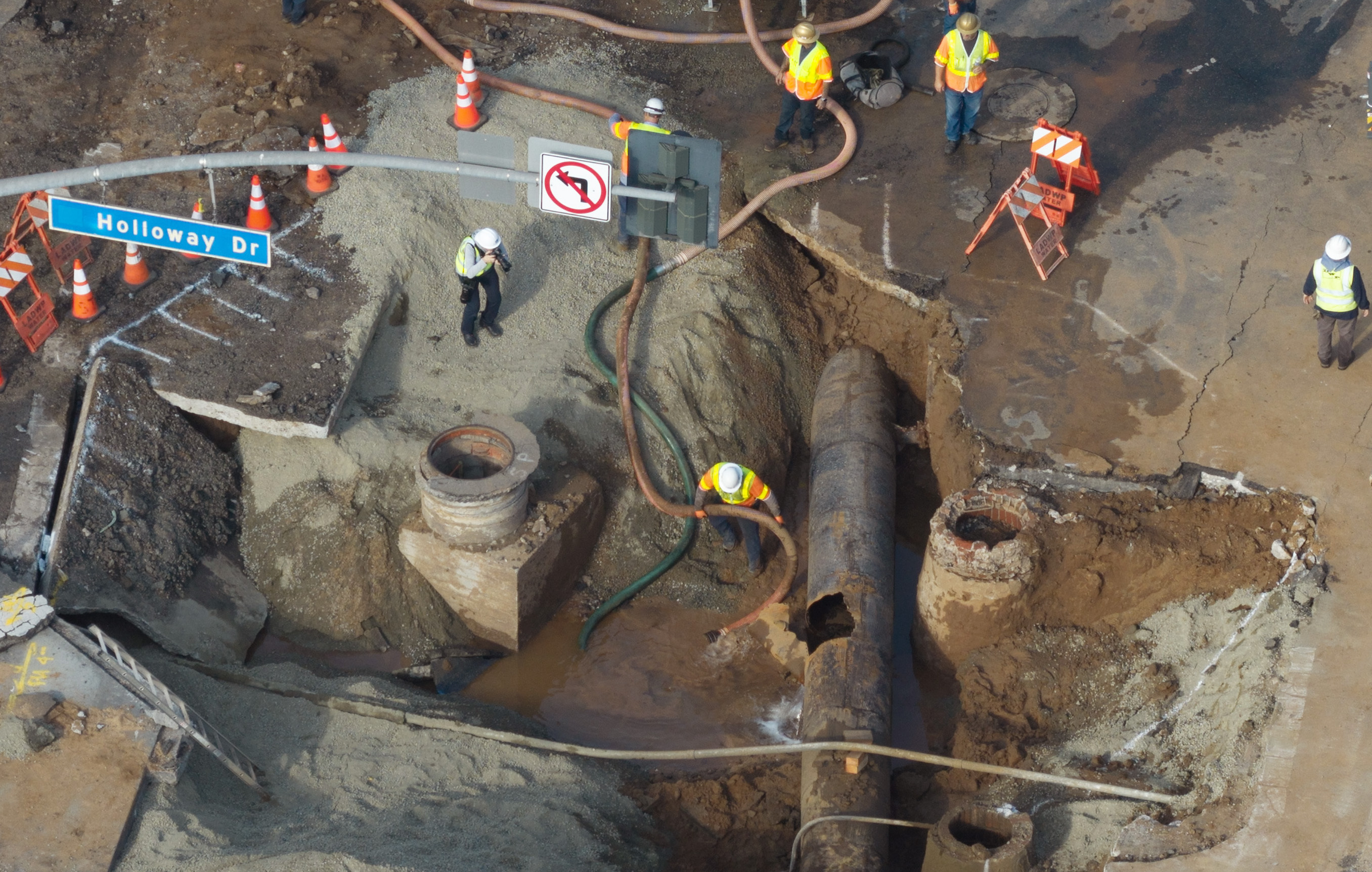
A broken water main in West Hollywood shut down a portion of Sunset Boulevard in July.
Photographer: Myung J. Chun/Los Angeles Times via Getty Images
The roughly 50,000 community water systems across the US typically operate underground and out of sight, drawing attention only when they aren’t working. But these vital utilities find themselves increasingly in the public eye as they race to upgrade infrastructure and avoid catastrophic failures exacerbated by more severe weather and other factors. “Climate problems make every other problem in the water sector worse,” said Scott Berry, senior advisor on policy and external affairs for the US Water Alliance. “Droughts, storms, flooding, heat waves, all of those things generally manifest as types of water stress. It affects different places in different ways, but affects everybody.” To keep pace with climate risks and make needed upgrades, Berry estimates that US water systems would need an additional $140 billion a year for the next 20 years. The US Environmental Protection Agency has a more modest, though still significant, estimated price tag: $625 billion over the same period. Researcher Zia Lyle of the University of North Carolina estimates that 67 million American utility customers are served by water utilities with high climate risk, and that more than a quarter of water systems face high financial and climate vulnerability.
Read more
Vulnerable customers67 million The number of American utility customers served by water utilities with high climate risk, according to researcher Zia Lyle of the University of North Carolina Exacerbated risk“Climate problems make every other problem in the water sector worse,” Scott Berry, senior advisor on policy and external affairs for the US Water Alliance No GuidanceBy Zahra Hirji As the Trump administration aggressively rolls back rules and mandates to reduce pollution, it is also taking down climate change-related data, tools and other information from federal websites that experts say businesses, researchers and others have long relied on to better understand current and future environmental risks. 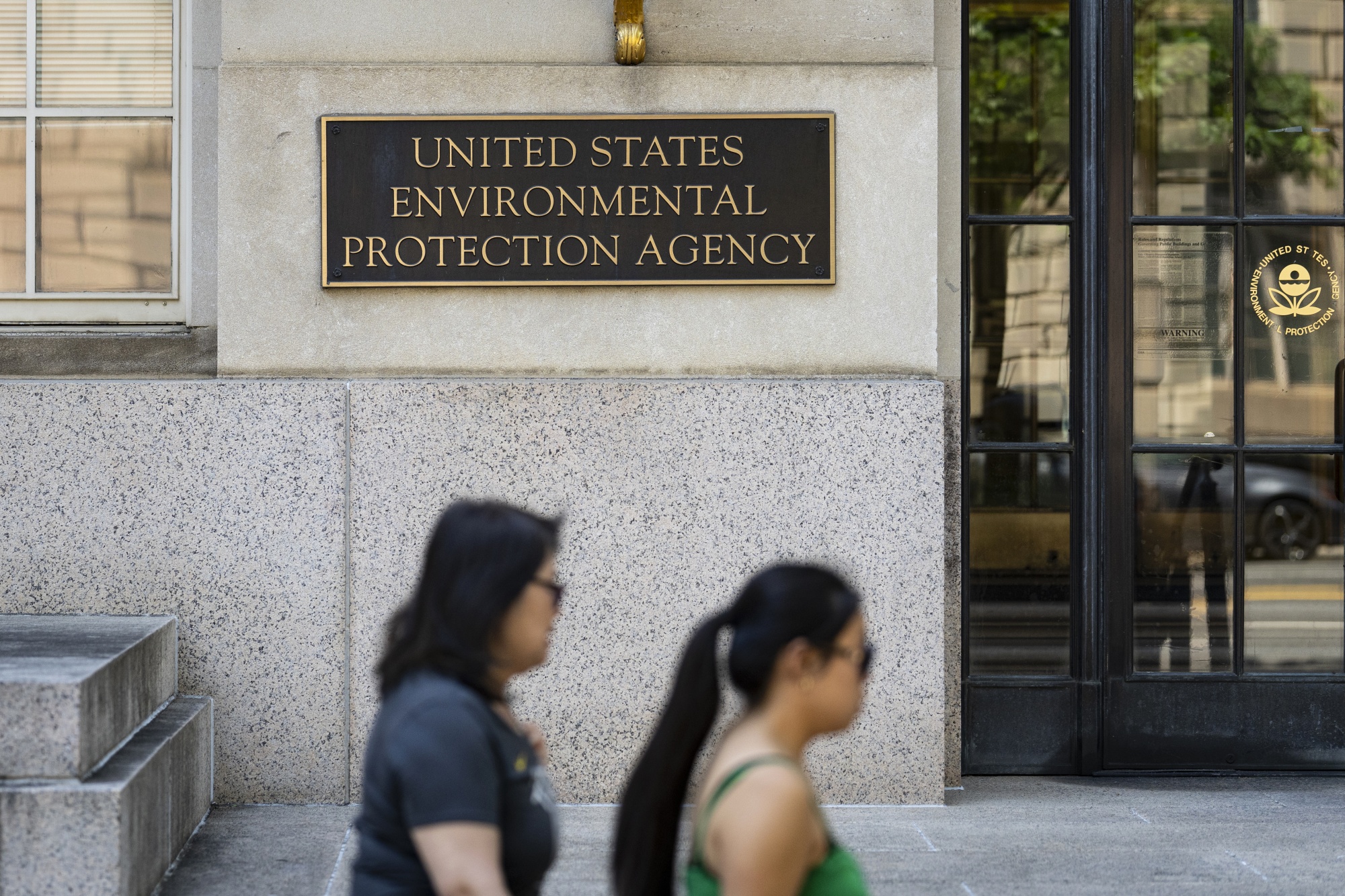
The Environmental Protection Agency (EPA) headquarters in Washington.
Photographer: Al Drago/Bloomberg
This fits into a government-wide push to abandon the mandatory collection of corporate climate information. Last fall, the EPA proposed to effectively end its Greenhouse Gas Reporting Program that collects annual emissions from big industrial polluters, such as coal plants, oil refiners and chemical plants. In June, the US Securities and Exchange Commission proposed to rescind a rule requiring public companies to report both greenhouse gas emissions and climate-related business risks.
Read more
Climber Alex Honnold is best known as the star of Free Solo, an Oscar-winning documentary that followed his rope-free ascent of the 3,000-foot (1,000-meter) face of Yosemite’s El Capitan. But he has also established the Honnold Foundation to bring solar power to those who most need it. This week on Zero, Bloomberg’s Akshat Rathi asks Honnold how he gets big things done and why helping communities get clean energy has become his other passion in life.Listen now, and subscribe on Apple, Spotify or YouTube to get new episodes of Zero every Thursday. More from Green
Medical staff prepare to receive a patient for a CT scan at The Royal Blackburn Teaching Hospital.
Photographer: Hannah McKay/Reuters/Bloomberg via X03696
The UK government has agreed to allocate more money to ensuring the country’s hospitals can maintain safe temperatures after successive heat waves exposed what doctors described as “horrific” conditions. The government will set aside £32 million ($43.2 million) for air conditioning and cooling for hospitals in the UK’s National Health Service, according to a statement. The decision follows sustained complaints from medical staff, with multiple cases of nurses fainting and of doctors warning that patient safety was being compromised due to extreme heat. Read More: ‘Horrific’ Conditions Grip UK Hospitals Unprepared for Heat
Read more
Photo finish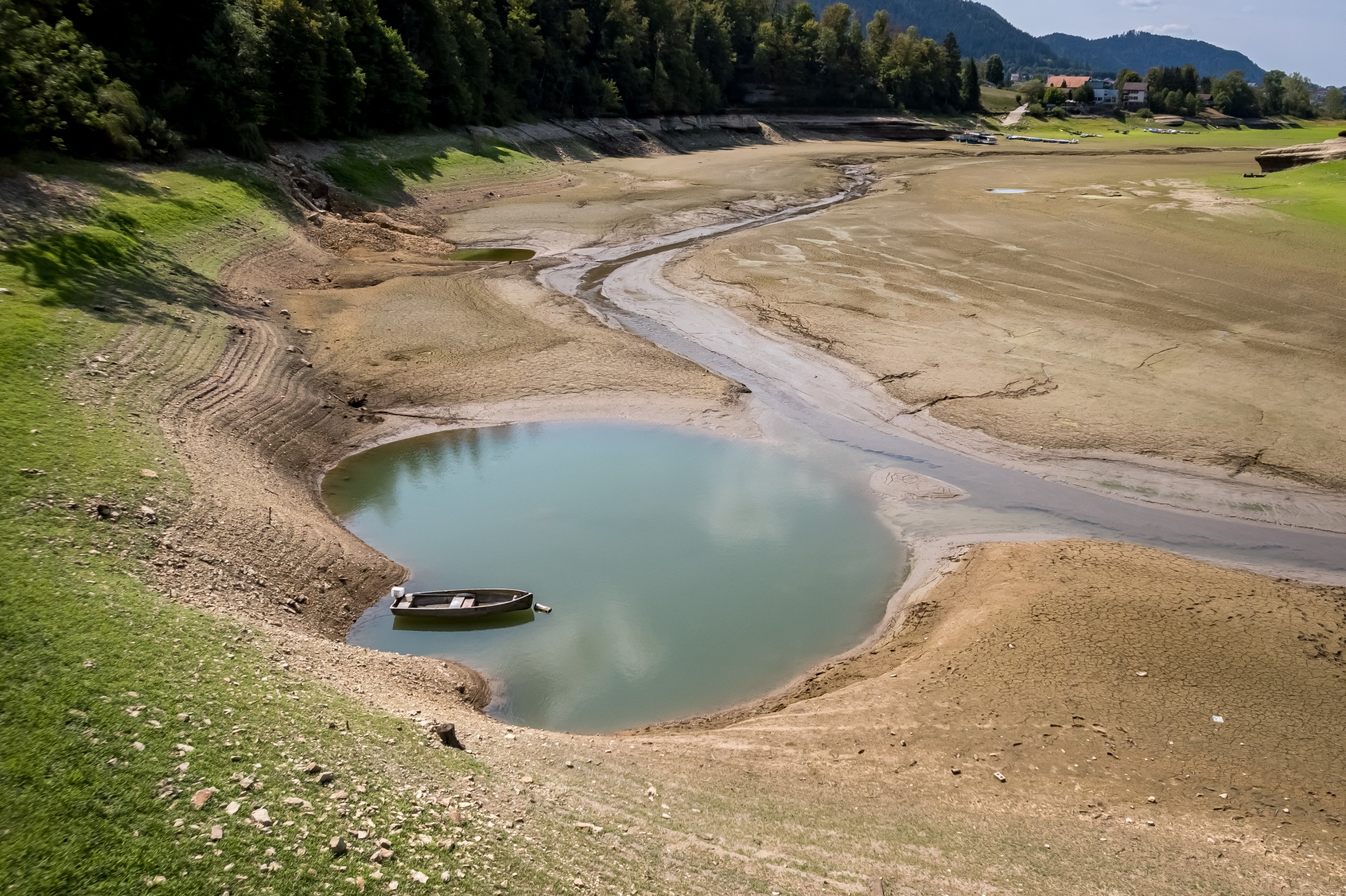
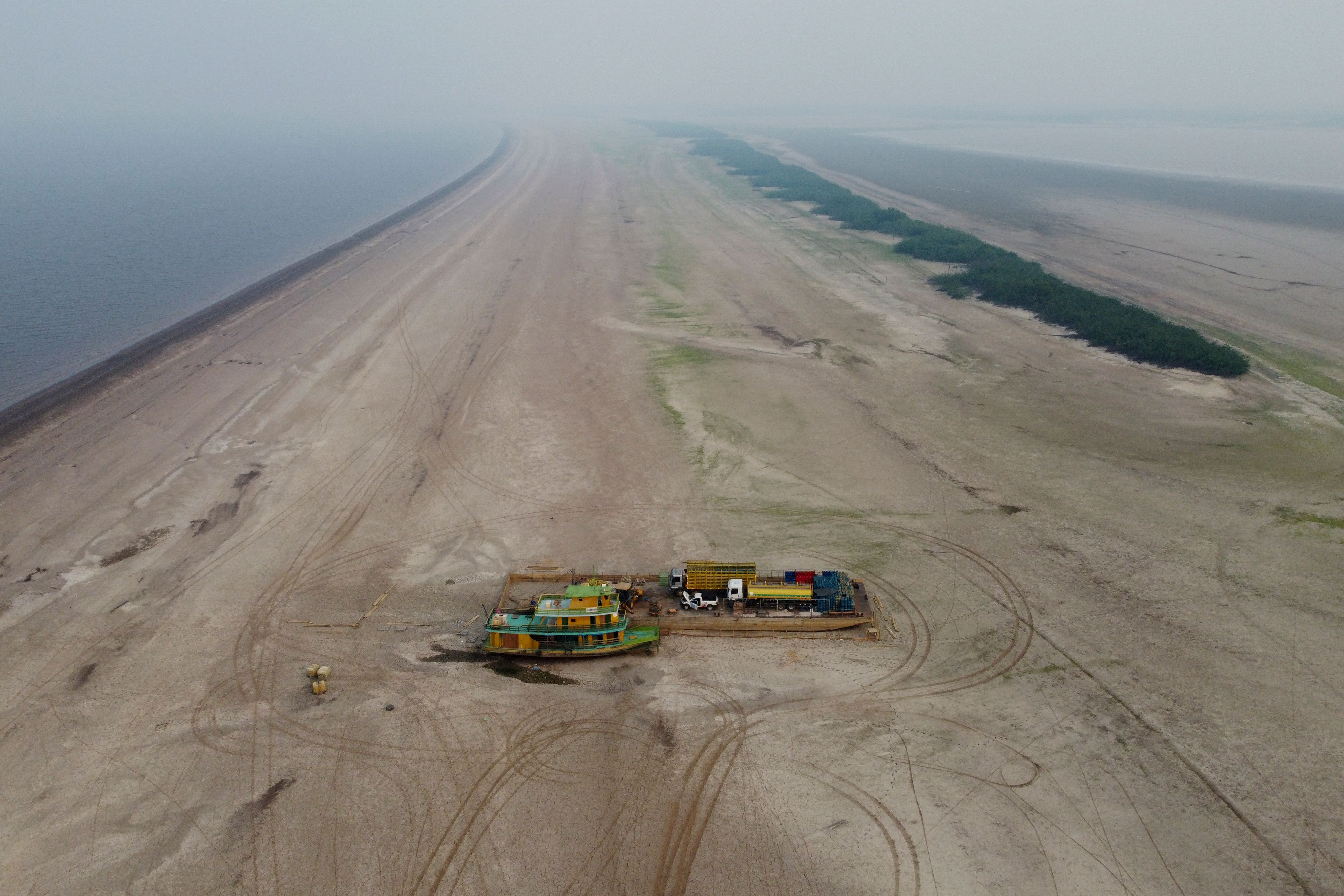
The exposed bed of Brenets Lake, part of the Doubs River, on Aug. 11.
Photographer: Fabrice Coffrini/AFP/Getty Images
Last month tied July 2023 as the hottest month recorded worldwide, with temperatures 1.65C above preindustrial levels, the European Union’s Copernicus Climate Change Service said Thursday. August 2026 was the first month since November 2025 to exceed 1.5C of global warming. Western Europe just completed its hottest summer on record, eclipsing a mark set in 2003.
Read more
🎥 Attention all filmmakers!Working on a short documentary about climate change? Don’t miss your chance to submit it to the Bloomberg Green Docs film competition. Grand prize: $25,000. Submissions will be accepted through October 2, 2026. See official rules at bloomberg.com/greendocs. More from Bloomberg
Explore all Bloomberg newsletters. We’re improving your newsletter experience and we’d love your feedback. If something looks off, help us fine-tune your experience by reporting it here. Follow Us
You received this message because you are subscribed to Bloomberg’s Green Daily newsletter. If a friend forwarded you this message, sign up here to get it in your inbox.
|
Friday, September 11, 2026
19th Century Pipes, 21st Century Problems






Subscribe to:
Post Comments (Atom)
Starlink Is So Dominant, Europe Is Paying Musk and Funding His Rivals
Britain is buying Starlink today while the EU pours billions into IRIS², creating two waves of spending across the satellite supply chain ...
-
Revolutionary Stem Cell & PRP —Start Your Journey Today ...
-
You’ve shown interest in Regenerative Medicine ...


No comments:
Post a Comment