| Read in browser | ||||||||||||||


Welcome back to Pursuits Weekly! This week, Annika Inampudi joins me to look at the world’s biggest culture stories, as well as ideas and recommendations for travel, dining and art. Sign up here to get this newsletter every Saturday in your inbox. Theater is for the rich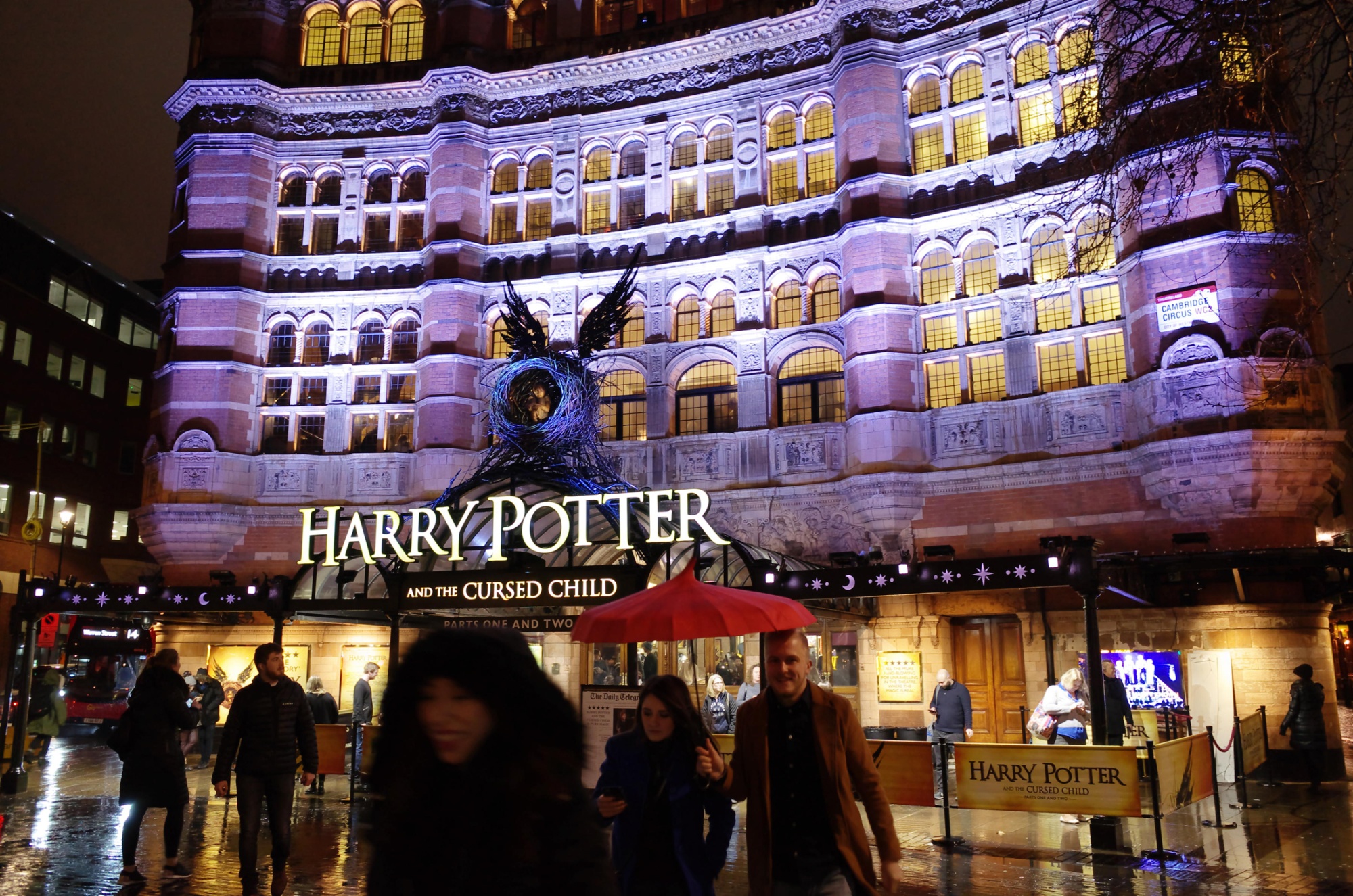
It’s big business.
Source: Alamy
Mari, the self-described “global events and experiences company” run by billionaire Ari Emanuel, is spending a reported $6 billion to acquire ATG Entertainment, a company that runs 70 theaters, including 10 in London’s West End and seven on Broadway. That works out to about $350 for each of the 18 million tickets the company sells each year. Mari already owns TodayTix Group, which is responsible for 15% of ticket sales on Broadway and more than 20% in the West End. Producer Sonia Friedman, who works with ATG, told Freakonomics last year that she was bullish on advances in ticketing and the ability of theater owners to have a more direct relationship with theatergoers. Physical theaters are at the heart of the live experience and also at the heart of the fraught economics of Broadway, where new shows rarely recoup their investment despite record industry revenue (which is another way of saying ever-more-inaccessible ticket prices). Producer Jared Harbour did a deep dive into the economics of running theaters earlier this month and concluded that “the house always wins” — or, as producer Jeffrey Seller put it in the Freakonomics episode, it’s a system where the theater owner is always in a “heads I win, tails you lose” situation. Mounting a new show can cost well over $20 million, so there’s a lot less appetite for risk-taking and a lot more banking on known intellectual property and household-name stars. “Almost all theaters have done a real retreat into less programming and greater timidity,” the Public Theater’s Oskar Eustis recently told the New York Times. 
Tickets to see George Clooney in Good Night, and Good Luck cost as much as $849.
Photographer: Emilio Madrid
What’s at the root of the problem? “Everyone wants to point fingers at the labor unions for why the model isn’t working,” Harbour tells me. “But if you actually look at how much these theater owners are making on a week-by-week basis, they’re really the ones that we should be pointing our fingers at.” Emanuel is making the right noises, saying that he started out in theater and that he’s making a “long-term bet.” Theater owners can champion playwrights and producers, and, especially in London, they’re often producers as well. (ATG has a vibrant theater-producing arm.) By the same token, however, if Emanuel is rolling ATG into a group that also owns rich-people franchises such as the Frieze art fair and the Miami Open, it stands to reason that he’ll naturally be drawn toward premium experiences bearing four-figure ticket prices. The average household income of people going to Broadway plays hit $320,141 last year, according to the Broadway League. And it shows no sign of coming down, creating a pipeline problem for the long-term future: Theater doesn’t just need audiences, it also needs artists, and those performers and directors need to grow up with some kind of access to the art form. “Art is for the masses,” Harbour says. “When you’re pricing people out of these artistic experiences, it has long-term negative effects in terms of who can see these shows and be inspired by them.” By the numbers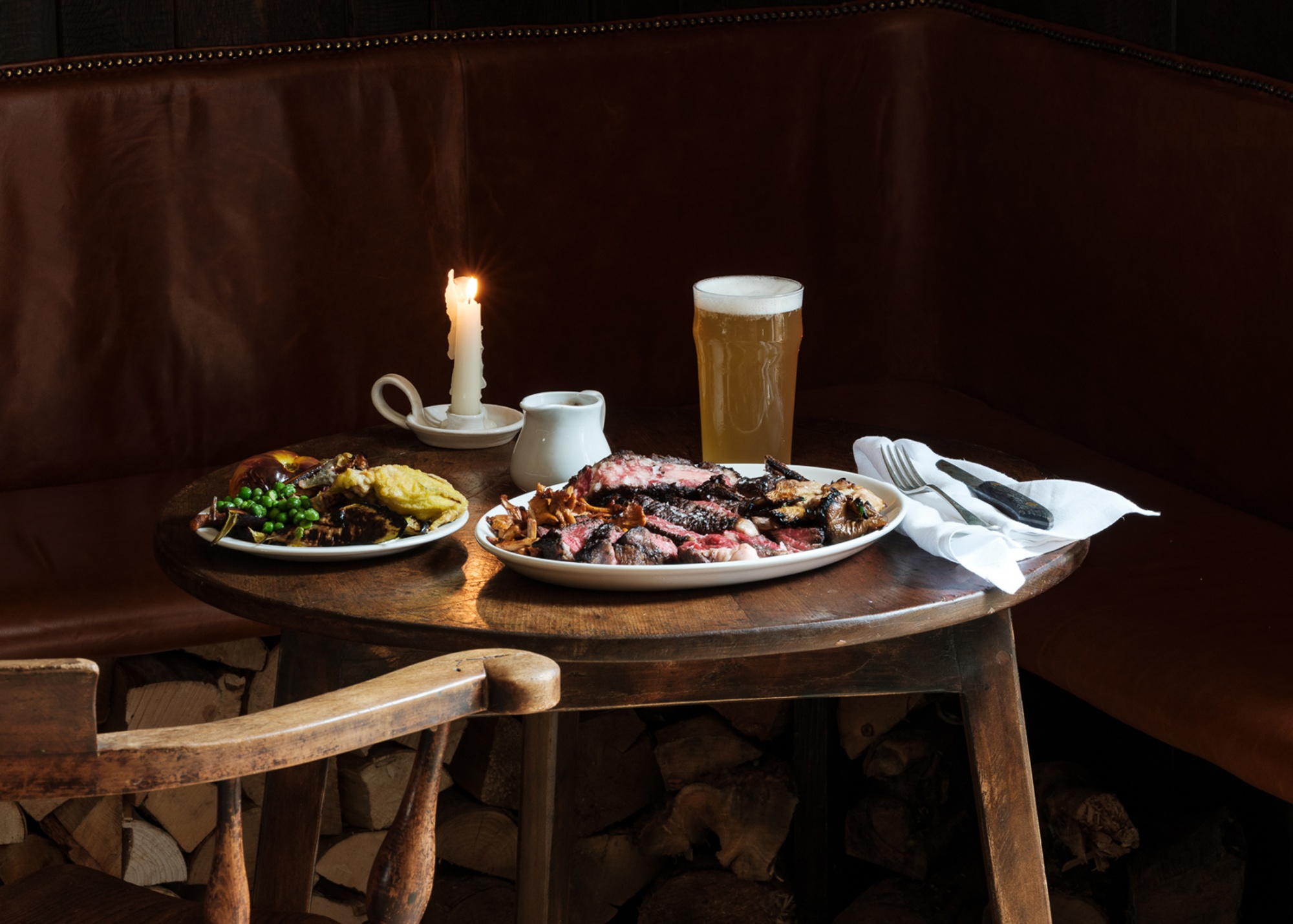
Rumor has it Vice President JD Vance tried to get a table at the Bull, to no avail.
Source: The Bull Charlbury
£18 The price of a goat’s curd and chard tart at the Bull in Charlbury. The restaurant is a hot destination in the Cotswolds, a region in southwest England known for its celebrity scene and picturesque villages, which is also gaining notoriety for its upstart food scene, Sarah Rappaport writes. 86% The typical discount on an Oscar de la Renta coat on secondary resale website The RealReal. The popularity of vintage fashion has upended the carefully honed pricing strategies of luxury brands as shoppers value items with staying power and brand identity, writes Felix Salmon. $588 The average cost of a one-way economy plane ticket from the US to Europe in 2025, taxes and fees excluded — a third of the price-adjusted cost in 1984. As cross-Atlantic trips become more accessible, travel is morphing from a luxury into an essential, the Wall Street Journal reports. $6,500 The price of a “rush coach” to help young women get into coveted sororities at large colleges in the Deep South, reports Gabriel Baumgaertner. 75 million The number of books author Sarah J. Maas has sold in her lifetime. “Romantasy is the Taylor Swift of the publishing industry,” fan and industry watcher Kim Dyer tells Hannah Miller and Madison Muller, referring to the way the romance-fantasy genre fueled a turnaround in the once-dying books market. Gear shift
Sunday will be the 75th anniversary of the Pebble Beach Concours d’Elegance.
Source: Kimball Studios/Pebble Beach Concours d’Elegance
Hannah Elliott stops by Monterey, California, before the 2025 Pebble Beach Concours d’Elegance, where collectors peacock their rare and expensive vintage cars in front of watchful judges. Heralded as the “world’s most prestigious car show,” the organization is undergoing a regime shift as a younger generation of car aficionados take the driver’s seat. But where do modern supercars such as Lamborghinis, McLarens and Ferraris fit after 75 years of carefully honed charm? “When people dream of going to the Kentucky Derby, they don’t want to go one year and everybody’s wearing T-shirts and flip-flops,” says outgoing chairman Sandra Button. “They want to wear the hat and the frock.” Park troubles
Bipartisan boos for Big Bend’s new border barriers.
Photographer: John Moore/Getty Images/Getty Images North America
Tourists excited to take in the beauty of Big Bend National Park may face an unexpected obstacle to their view — bulldozers and border patrol. Alicia A. Caldwell and Joe Lovinger report that the Trump administration has started construction on a border security project in West Texas, despite bipartisan concern about environmental damage to the national park. Local residents and environmental activists say that the park’s steep ravines and cactus-filled scrubland already deter people from crossing over from Mexico. Some are worried that the high-intensity lighting required for border operations could ruin the park’s Dark Sky status as one of the few places in the US stargazers can view the Milky Way with the naked eye. Budget cuts have already been taking a toll on the National Park Service, which has eliminated roughly a quarter of its permanent workforce since January 2025. At the same time, the president removed a crowd control policy that limited the number of daily visitors, leading to some parks receiving a record number of visitors this year. Nine lives — and maybe one more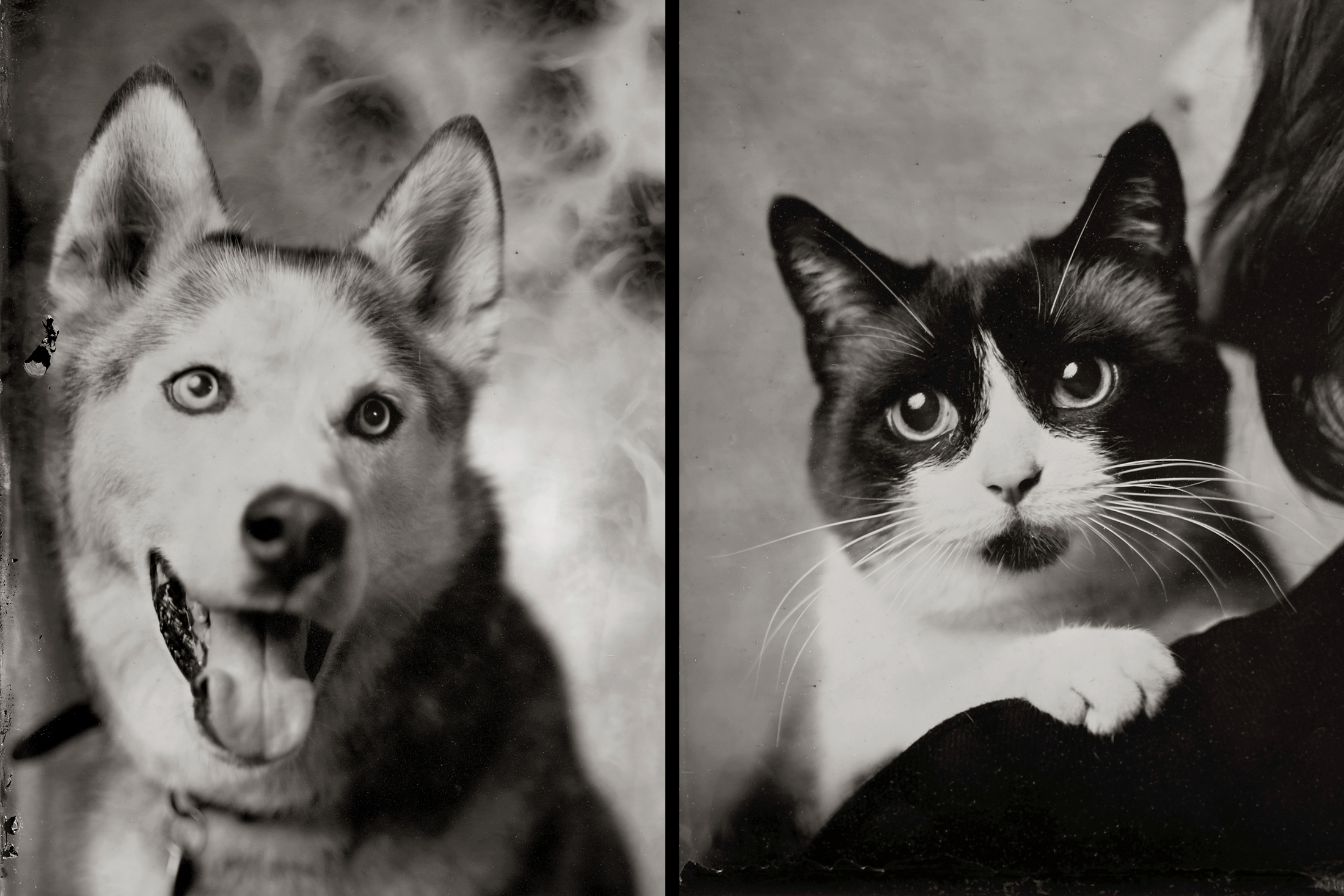
Should it be called petmaxxing?
Photographer: NYC Tintype/Justin Borucki for Bloomberg
“They’re my babies,” Amy Greene, who gives her dogs peptide injections, tells Anna Edney and Annika Inampudi. “If you had a solution for me, for my pets to live forever, I would buy it. I am that dog mom.” Pet owners are embracing the world of do-it-yourself healthcare, cobbling together unconventional regimens that are as diverse as red-light therapy and repurposed kidney transplant pills, in the hopes of extending their pets’ lifespan by a year or two. With US pet spending expected to hit a record $165 billion this year, startups and Big Pharma alike are looking to cash in. The startup Loyal is testing three undisclosed drugs specifically designed for longevity. Animal medicine behemoth Elanco Animal Health Inc. has dedicated 50 employees to research extending the life of pets. One very specific recommendation: Kuna alpaca scarves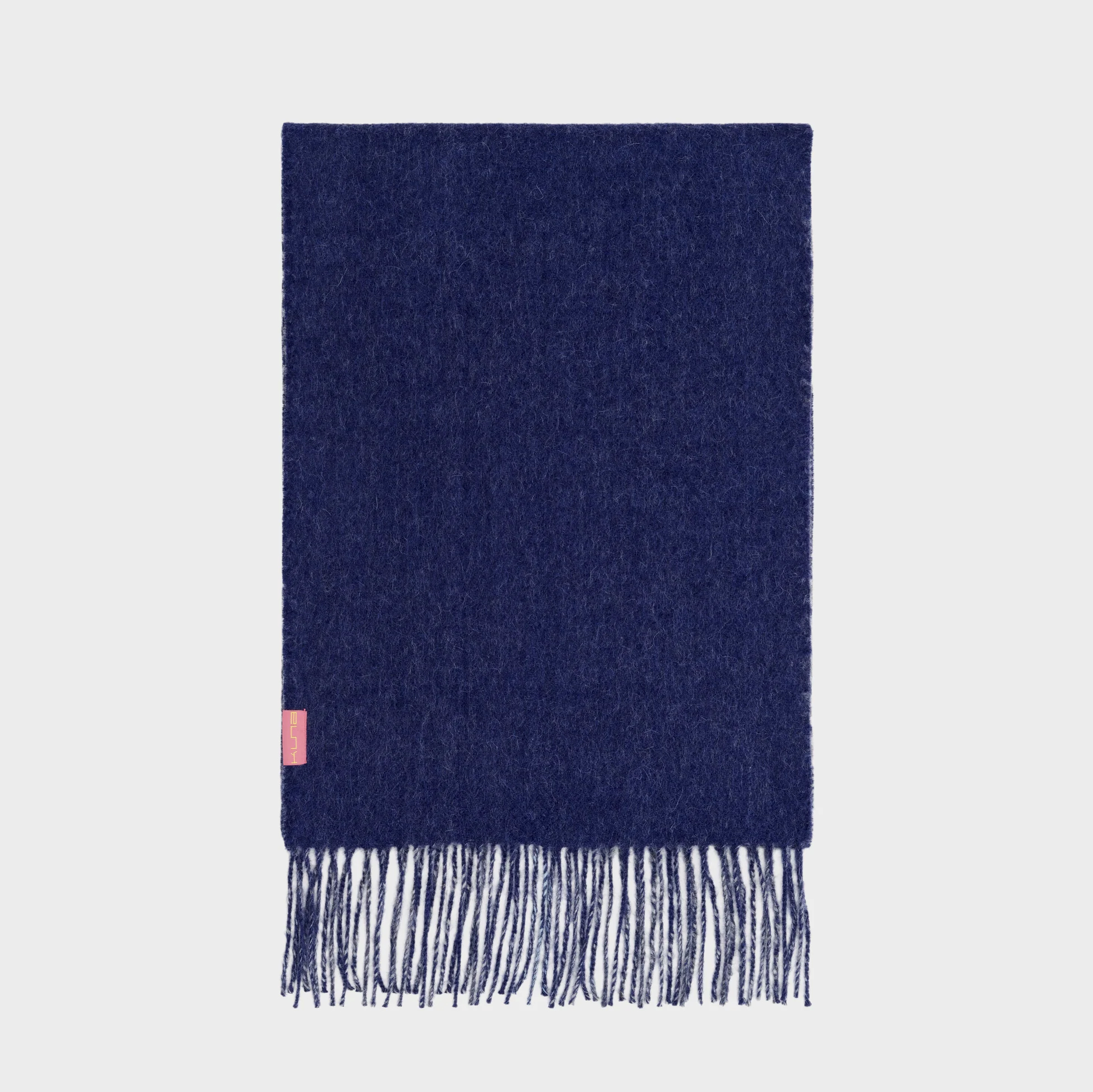
Source: Kuna
Last week, I went to Peru. My trip involved admiring the gorgeous Andes Mountains, trekking to Incan ruins and petting many, many alpacas. While there, I also got a chance to snag a scarf made from alpaca wool. Unlike most sheep’s wool, alpaca fibers have a semihollow core, which keeps the material lightweight while still keeping you warm. It’s also waterproof, which is less helpful in arid Cusco but will be perfect for hearty New York winters. Kuna’s Chilean shawl is made of 100% baby alpaca wool and runs for about 279 soles (roughly $83). Although alpaca’s cousin, the vicuña, is known for producing the most expensive luxury fiber in the world — and for being mired in controversy — baby alpaca wool offers an affordable alternative. —Annika Inampudi New for subscribers: Free article gifting. Bloomberg.com subscribers can now gift up to five free articles a month to anyone you want. Just look for the “Gift this article” button on stories. (Not a subscriber? Unlock unlimited access and sign up here.) More from Bloomberg Ideas & Culture
We’re improving your newsletter experience, and we’d love your feedback. If something looks off, help us fine-tune your experience by reporting it here. Follow Us
You received this message because you are subscribed to Bloomberg’s Bloomberg Pursuits newsletter. If a friend forwarded you this message, sign up here to get it in your inbox.
|
Saturday, August 15, 2026
No more cheap seats





Subscribe to:
Post Comments (Atom)

-
Revolutionary Stem Cell & PRP —Start Your Journey Today ...


No comments:
Post a Comment