| Read in browser | ||||||||||||||

Welcome to Next Africa, a daily newsletter on where the continent stands now — and where it’s headed. Sign up here. In today’s edition, we look at:
Keeping the WiresSouth Africa’s power utility Eskom has held off on crippling rolling outages for more than a year and started a green-energy business to fill demand for renewables. The coal-reliant firm even turns a profit these days, following seven years of losses when households and businesses endured daily electricity cuts. Reforms designed to modernize Eskom — a century-old monopoly — have also moved along. The legal framework is being built to separate generation, distribution and transmission units to help boost competition, allowing private companies to access the grid. There’s a catch, though, that comes with better performance. 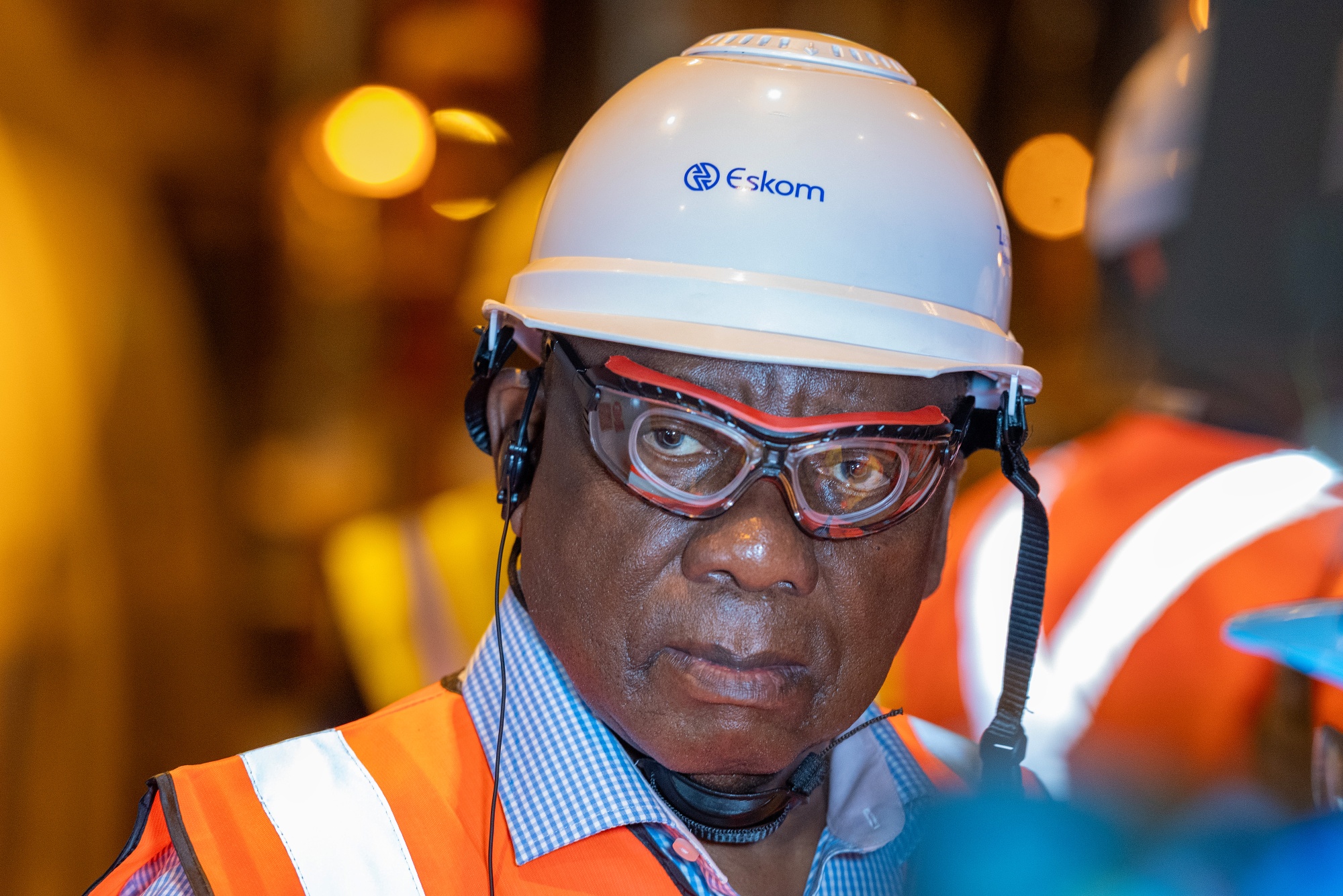
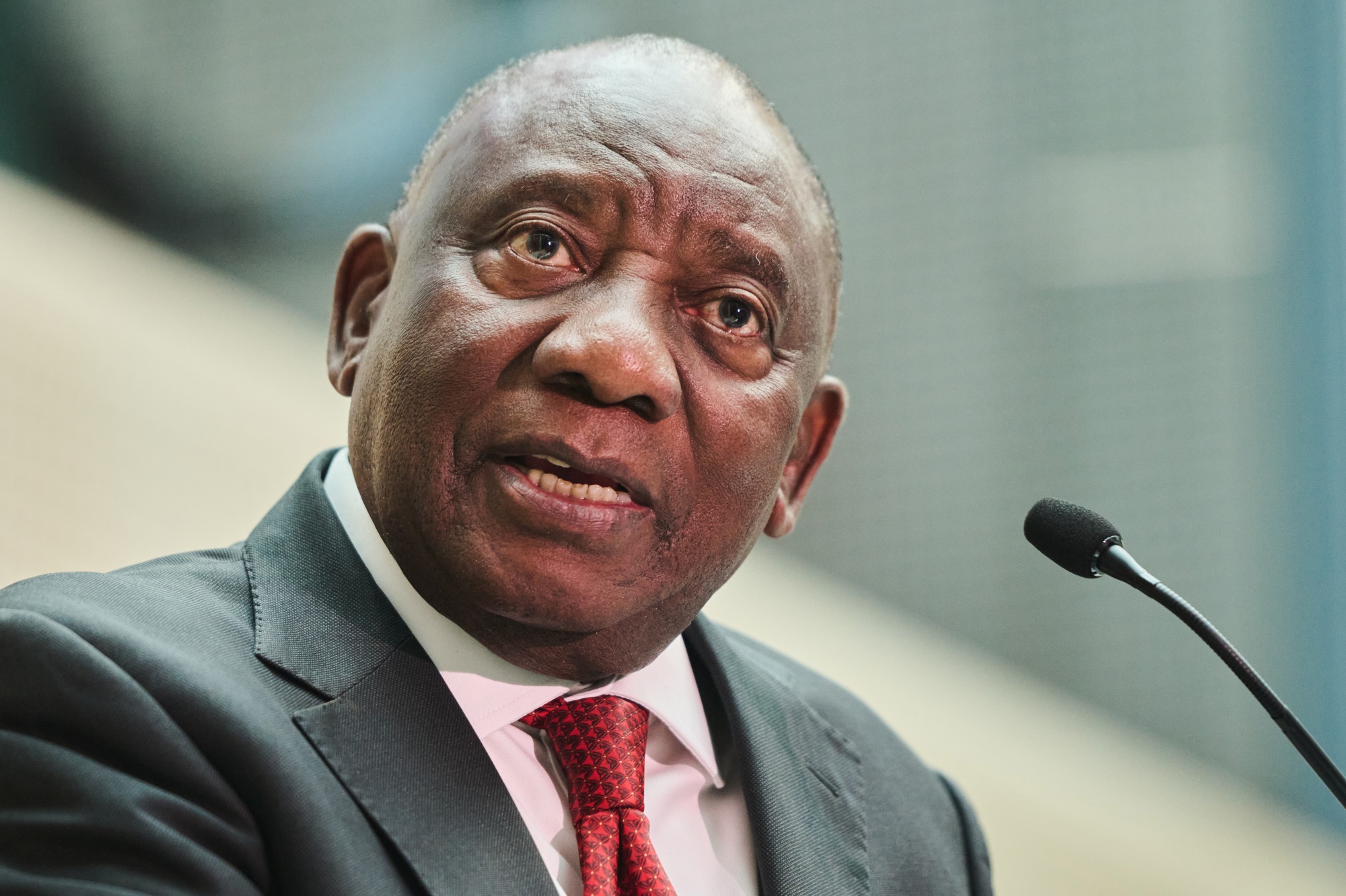
Cyril Ramaphosa at the Kusile Power Station on April 10.
Photographer: Leon Sadiki/Bloomberg
The company’s leaders aren’t eager to lose Eskom’s profitable transmission assets. That’s put them at odds with the plan endorsed by President Cyril Ramaphosa who, because they work for a state-owned company, is ultimately their boss. Business groups insist that to create a fair environment in which private companies can supply and trade electricity, transmission assets must be owned by an independent operator, rather than Eskom, the dominant player in generation. Ramaphosa agrees. The spat has now gone public. In an interview last week, Eskom’s Chairman Mteto Nyati dug in, warning that the government shouldn’t leave the business in an unsustainable state and suggested the proposal will worry the utility’s creditors. 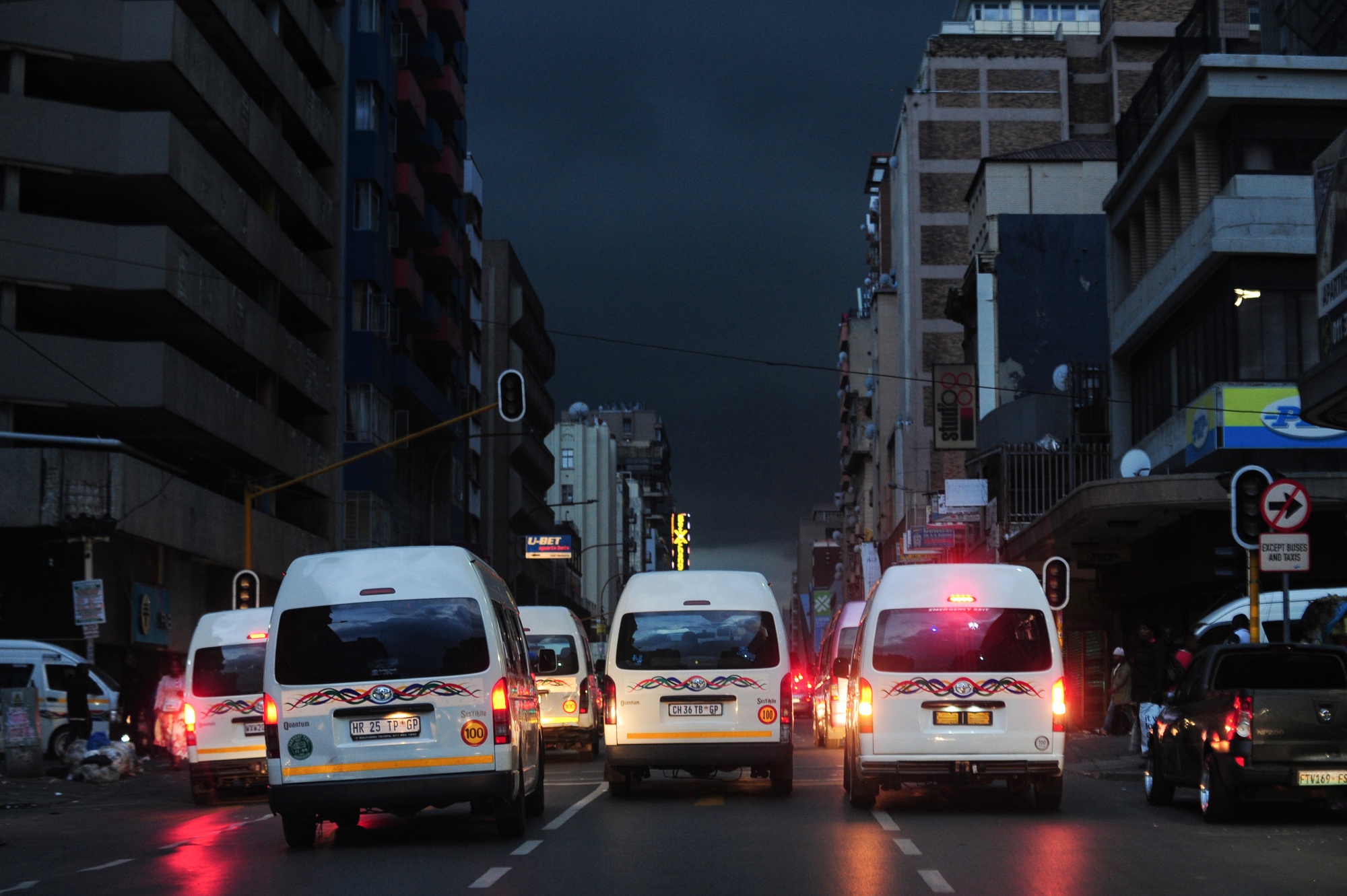
Taxis in central Johannesburg during a power outage in February 2023.
Photographer: Leon Sadiki/Bloomberg
The presidency countered that the impression left by the head of the board was “unfortunate.” The National Treasury and a task team set up to advise the government support the breakup, leaving Eskom’s leadership out on a limb. A stable electricity system has taken away one of the biggest anchors that held back South Africa’s economy for more than a decade, and an ambitious reform project was meant to ensure the lights stay on for decades to come. Yet disagreement may slow, if not derail, that process and set Eskom up to return to turmoil and the dark days of loadshedding. — Paul Burkhardt What Everyone’s ReadingZambian President Hakainde Hichilema’s party is confident of a win in Thursday’s election, even as challenger, Brian Mundubile, eats into support by making the high cost of living a central campaign target. While the incumbent can boast impressive economic numbers, that progress hasn’t translated into better standards for many citizens. 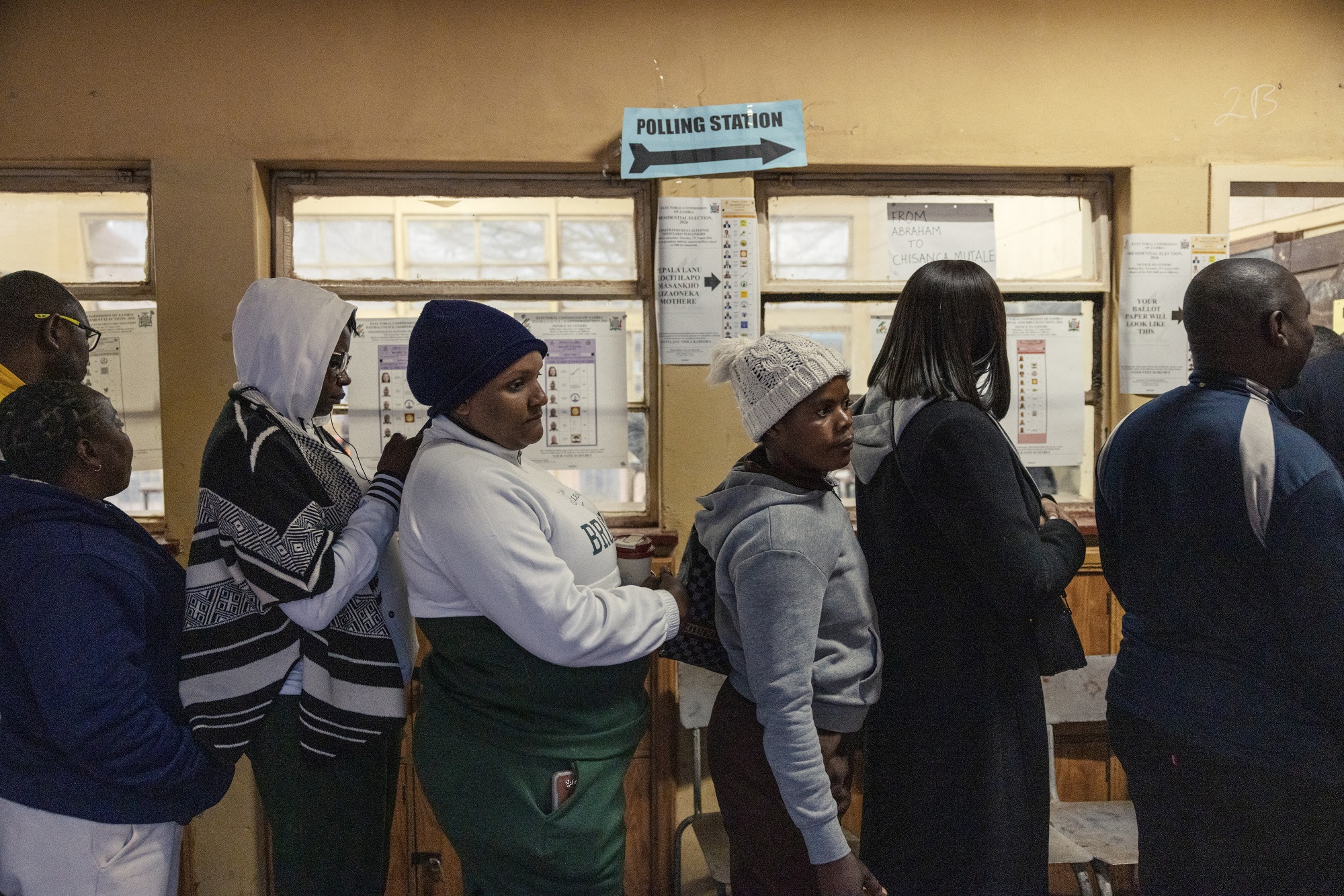
Voters queue in Lusaka.
Photographer: Gianluigi Guercia/AFP/Getty Images
Nigeria’s central bank expanded eligibility for participation in Open Market Operations, allowing individuals, companies and more financial institutions to trade in securities. The measures add to steps Governor Olayemi Cardoso has implemented since taking over at the central bank three years ago, including liberalizing the foreign-exchange market. A group of companies including TotalEnergies warned that Madagascar’s requisition of the island’s only oil-storage facility could disrupt fuel supplies by preventing tankers from unloading. The government last week decreed that it would need the Galana tanks to unload a ship that arrived on Wednesday carrying 67 million liters of diesel, just as another tanker carrying oil products sourced by the firms was due to dock. Maternal deaths have doubled in the epicenter of the Democratic Republic of Congo’s Ebola outbreak, as pregnant women avoid hospitals and medical staff and supplies are diverted to fight the virus. The mounting toll is exposing two threats to mothers and babies: The breakdown of routine maternity care and the largely unknown consequences for those who contract the Bundibugyo strain. 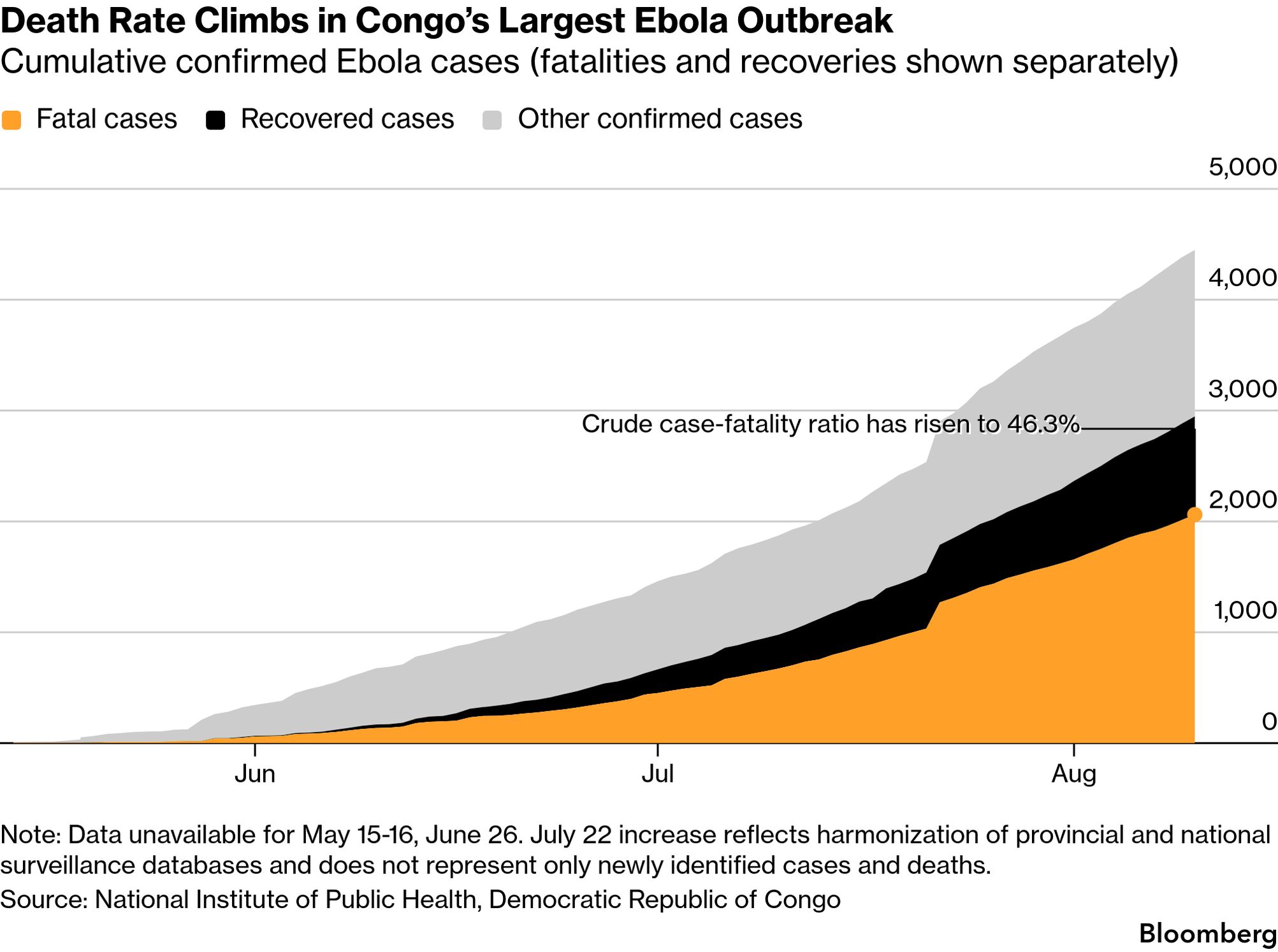
This month’s most lucrative emerging-market carry trade is attracting foreign investors to South African rand bonds at the fastest pace since January. Separately, planned capital investment slumped 81% in the first half of 2026 as the Iran war strained business confidence and the number of government projects declined sharply. Quote of the Week“If things improve, I will try my luck again.” James Wahela A shop owner after returning to Malawi Wahela was among thousands of migrants repatriated to their home countries amid anti-foreigner protests in South Africa. Last WordTens of thousands of Indian workers are being paid extra to record how they use their hands, from stitching shoes to welding steel. Artificial intelligence companies are competing to collect videos to give their machines new skills. The tasks are being filmed by workers who are effectively teaching robots to take over their jobs. 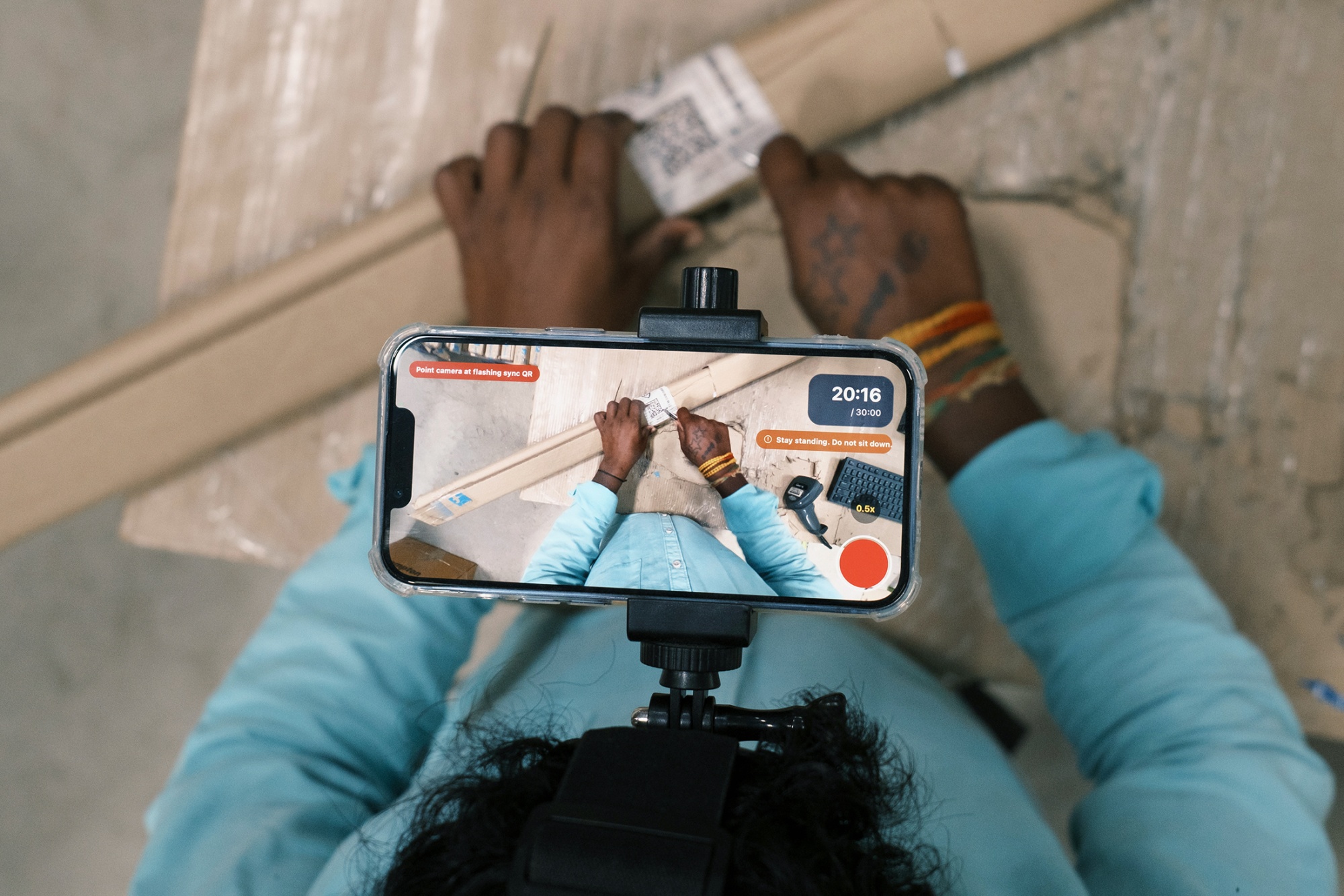
A camera captures a worker labeling and scanning items.
Photographer: Isaac Nico/Bloomberg
We’ll be back in your inbox with the next edition tomorrow. Send any feedback to gbell16@bloomberg.net. More From BloombergEnjoying Next Africa? You might also like:
We’re improving your newsletter experience and we’d love your feedback. If something looks off, help us fine-tune your experience by reporting it here. Follow Us
You received this message because you are subscribed to Bloomberg’s Next Africa newsletter. If a friend forwarded you this message, sign up here to get it in your inbox.
|
Thursday, August 13, 2026
Next Africa: A power struggle





Subscribe to:
Post Comments (Atom)
I analyzed Elon Musk’s psychology (and it made me rich)
Have you ever watched Elon Musk on TV and thought he was a little… strange? ...
-
Revolutionary Stem Cell & PRP —Start Your Journey Today ...


No comments:
Post a Comment