| Read in browser | ||||||||||||||

Welcome to Next Africa, a daily newsletter on where the continent stands now — and where it’s headed. Sign up here. In today’s edition:
Political RewardsThe ink is barely dry on a controversial Zimbabwean constitutional amendment to extend Emmerson Mnangagwa’s presidency and his backers are being rewarded. The 83-year-old appointed 10 allies to the senate, most notably mining tycoon and serial state-contract winner Kudakwashe Tagwirei. Sanctioned by the US and UK for alleged corruption, Tagwirei — who refutes claims of graft — was among the most enthusiastic of the well-heeled businessmen who supported Mnangagwa’s push to lengthen his current term until 2030. The additional senators and a future requirement that lawmakers, rather than citizens, elect the nation’s leader were tenets of the constitutional change. 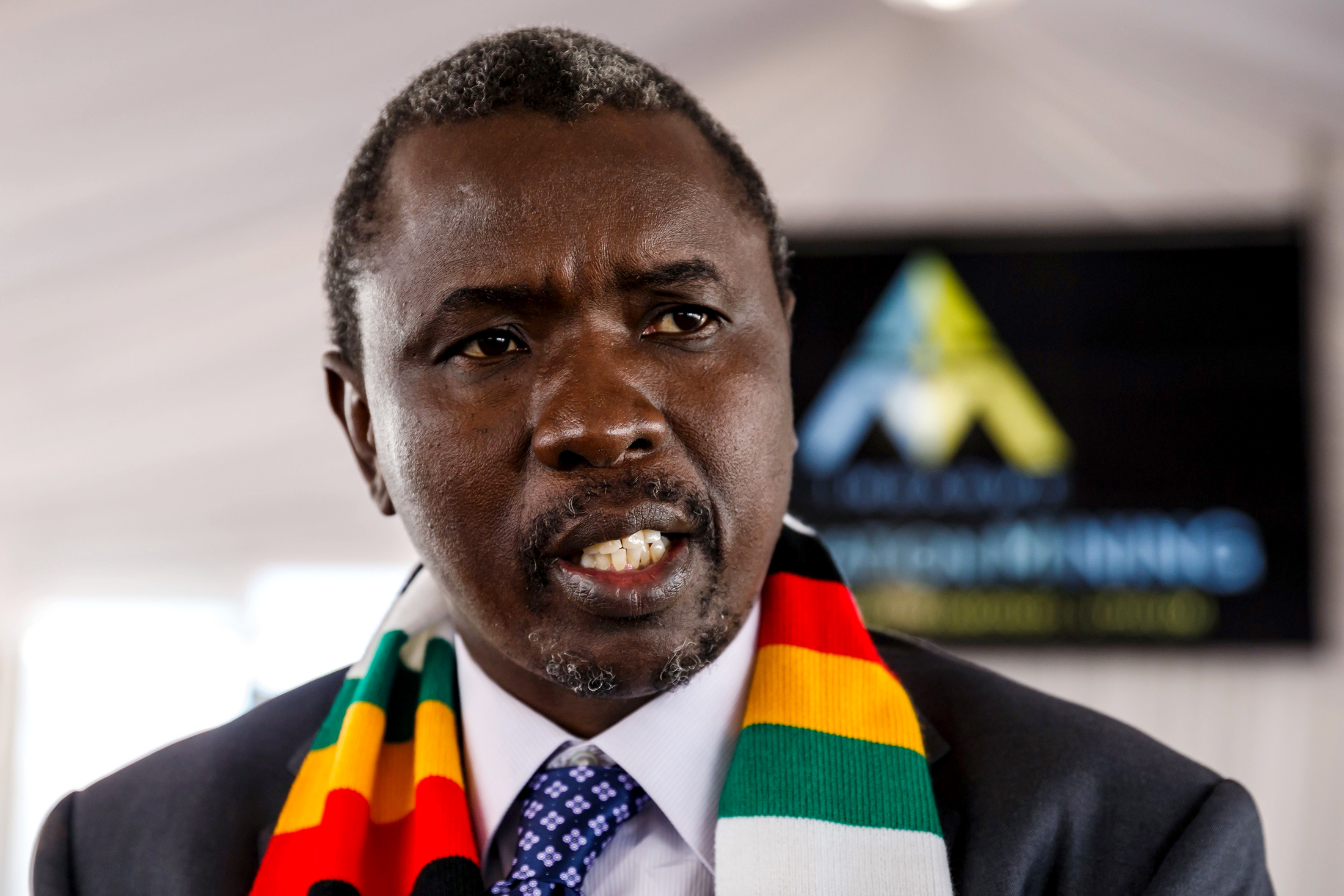
Tagwirei in July 2018.
Photographer: Jekesai Njikizana/AFP/Getty Images
The ascension of the businessman, an adviser to Mnangagwa for many years, into politics has been rapid. Despite the objections of some stalwarts in the ruling Zanu-PF, he was appointed to its highest decision-making body last year. Gifts of cars to party officials followed. The transformation of Zimbabwe’s ruling elite from a coterie of liberation-struggle veterans to a clique of state-linked businessmen is now in full swing. Gold trader Scott Sakupwanya is a Zanu-PF lawmaker and Paul Tungwarara, who’s won government construction projects, is a senior party official and special adviser to the president. The new senators were chosen by the president “for their professional skills and other competencies,” the country’s parliament says. While Tagwirei hasn’t clarified his long-term political ambitions, he has moved closer to the center of power that’s key to his financial well-being. What is clear is there is now a changing of the political guard in a country that suffered one of Africa’s most bitter struggles against colonialism. — Antony Sguazzin 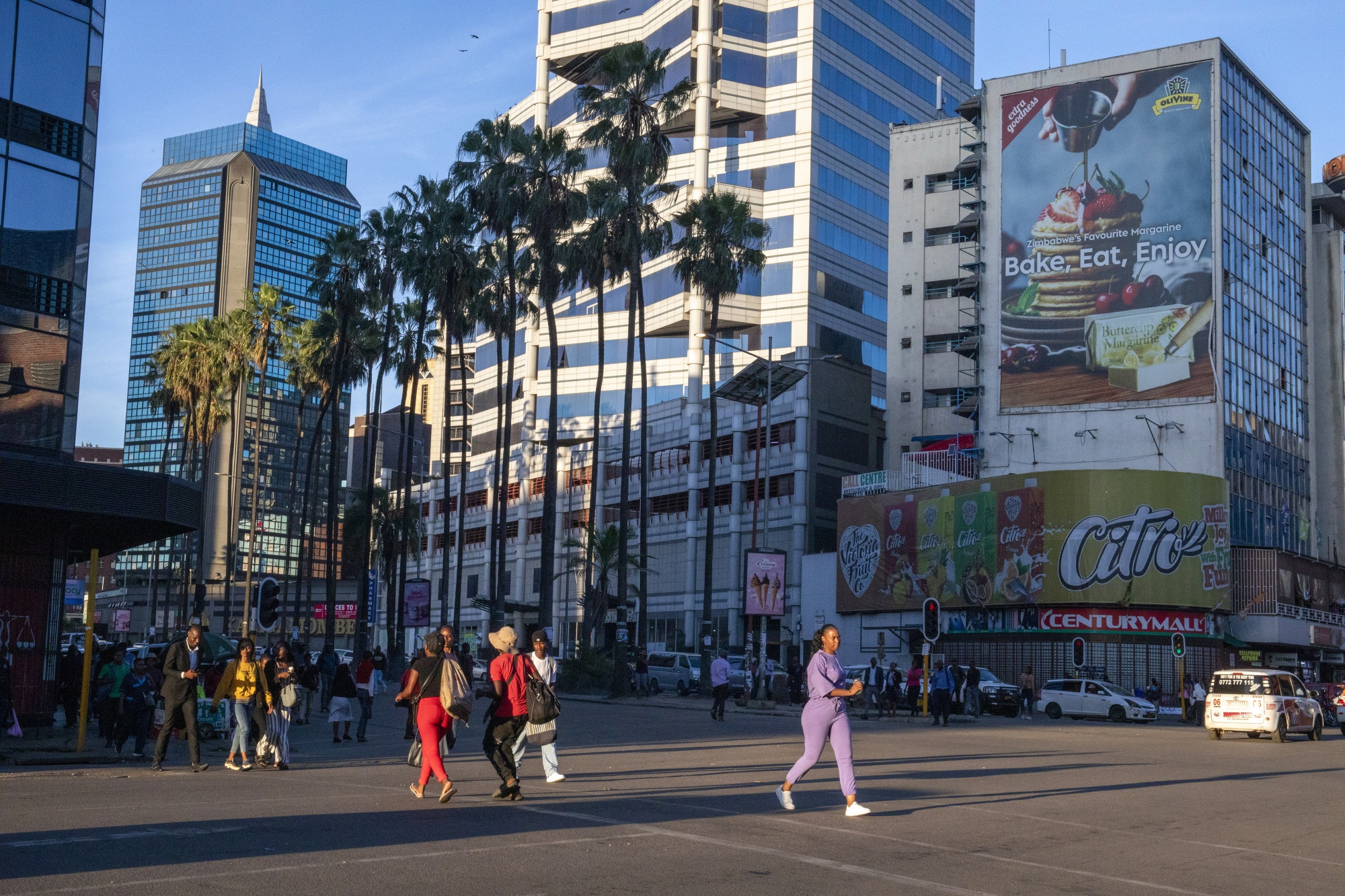
The central business district of Harare, Zimbabwe’s capital.
Photographer: Cynthia R Matonhodze/Bloomberg
What Everyone’s ReadingCampaigning for Nigeria’s January election is officially underway, with voters in Africa’s largest democracy offered the same slate of candidates as three years ago — and confronting many of the same challenges. Bola Tinubu is widely tipped to win a second term as president, despite public anger over the high cost of living on his watch. 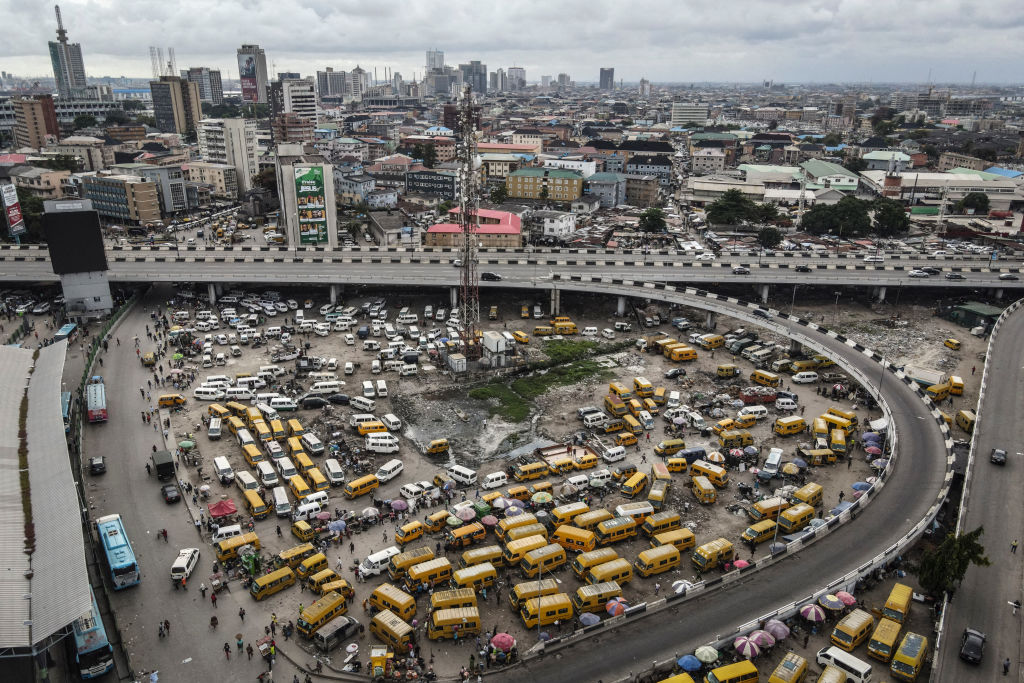
Lagos, Nigeria.
Photographer: Olympia de Maismonth/AFP/Getty Images
Ethiopia is burning through billions of dollars in a frantic, and so far unsuccessful, bid to stem the selloff in its currency. Hopes of stabilization after an IMF-backed devaluation in 2024 were dashed by the Iran war, which upped the cost of fuel and fertilizer imports and reduced remittances from Gulf-based workers. The birr is the worst performer over the past 12 months against the dollar of 23 African units tracked by Bloomberg. South African inflation cooled more than expected in July, hardening the argument for the central bank to keep interest rates on hold as it assesses the fallout from the Middle East conflict. The data coincided with a decrease in gasoline prices as the cost of crude oil retreated from highs reached during the early stages of the war. 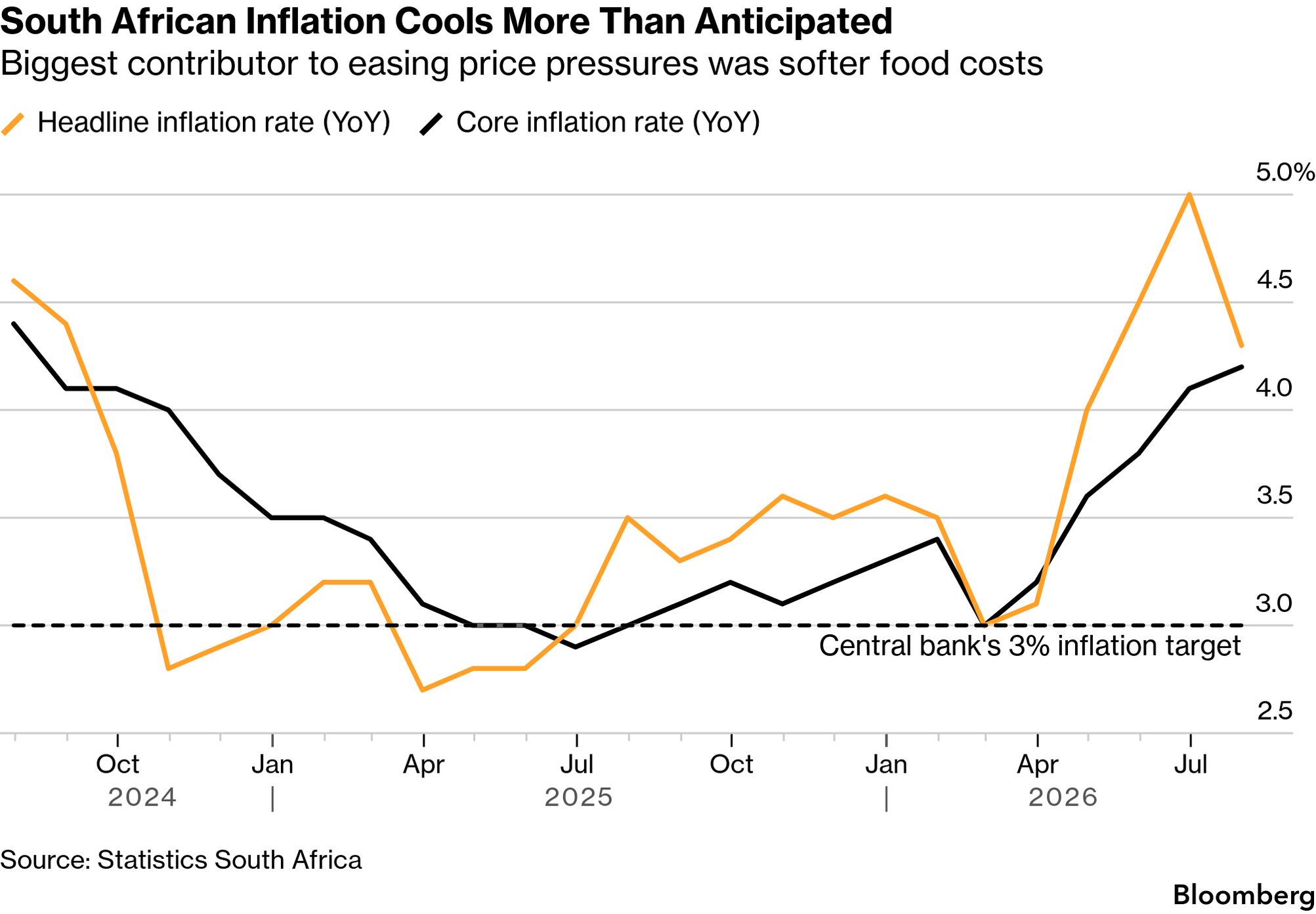
Protests broke out again in Libya’s capital after the energy-rich country suffered its third widespread blackout in two days, fueling public anger over deteriorating services. Armed groups have exacerbated the crisis, with a gasoline tank damaged at the Zawiya refinery last week and a nearby power substation struck in a drone strike. Absa is looking to expand its presence in Nigeria, adding Africa’s most populous nation to its push to diversify beyond its biggest markets. The Johannesburg-based lender plans to convert its representative office into a merchant bank to help shift its earnings away from South Africa, Kenya and Ghana. 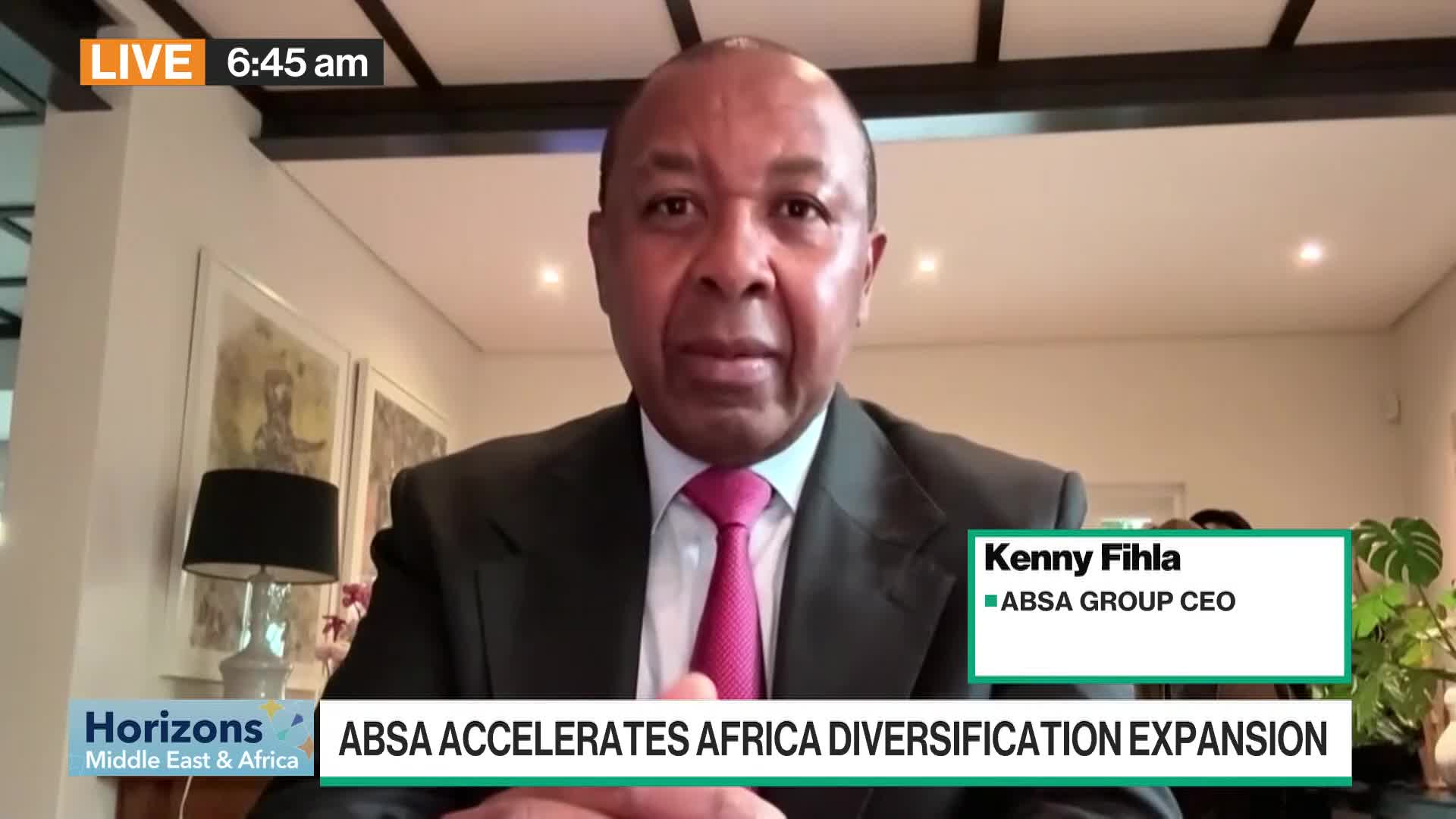 
WATCH: CEO Kenny Fihla speaks with Bloomberg’s Jennifer Zabasajja on Absa’s plans.
Record foreign-currency reserves and a vote of confidence from the IMF have cut Egypt’s risk premium to the lowest since 2014. Even as geopolitical risks mount across the region, remittances and tourism have supported dollar supply, while a more flexible pound has helped Cairo absorb shocks without depleting its buffers. 
Join Bloomberg reporters for a Live Q&A on Thursday as we look at just how bad the Ebola outbreak in central Africa could get.
Photographer: Michel Lunanga/Getty Images
Africa Newsmaker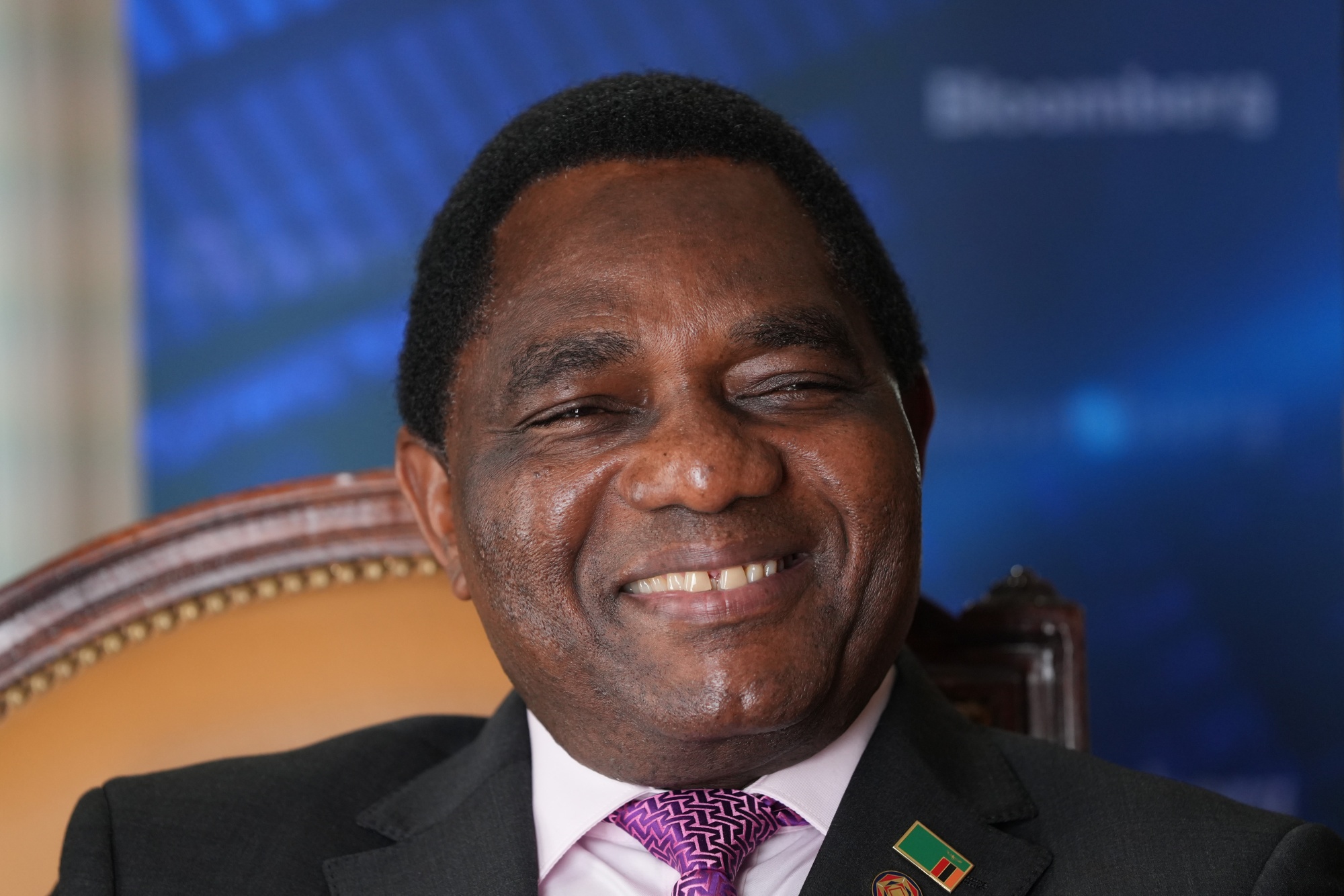
Hakainde Hichilema during a Bloomberg TV interview in Paris in June 2023.
Photographer: Nathan Laine/Bloomberg
Hakainde Hichilema secured a second term as president of Zambia in a landslide that even eclipsed his big win five years ago. The mandate will allow him to build on the macroeconomic successes of his first stint and gives him time to ensure the benefits of a rebound in Africa’s second-biggest copper producer filter through to all citizens. Last WordWhat if replacing a single amino acid in malaria-carrying mosquitoes could help save the almost half a million children under the age of 5 who die from the disease each year? After battling with rudimentary tools for millennia, malaria fighters are now armed with a potentially revolutionary technology. This Bloomberg editorial delves into at what’s possible. 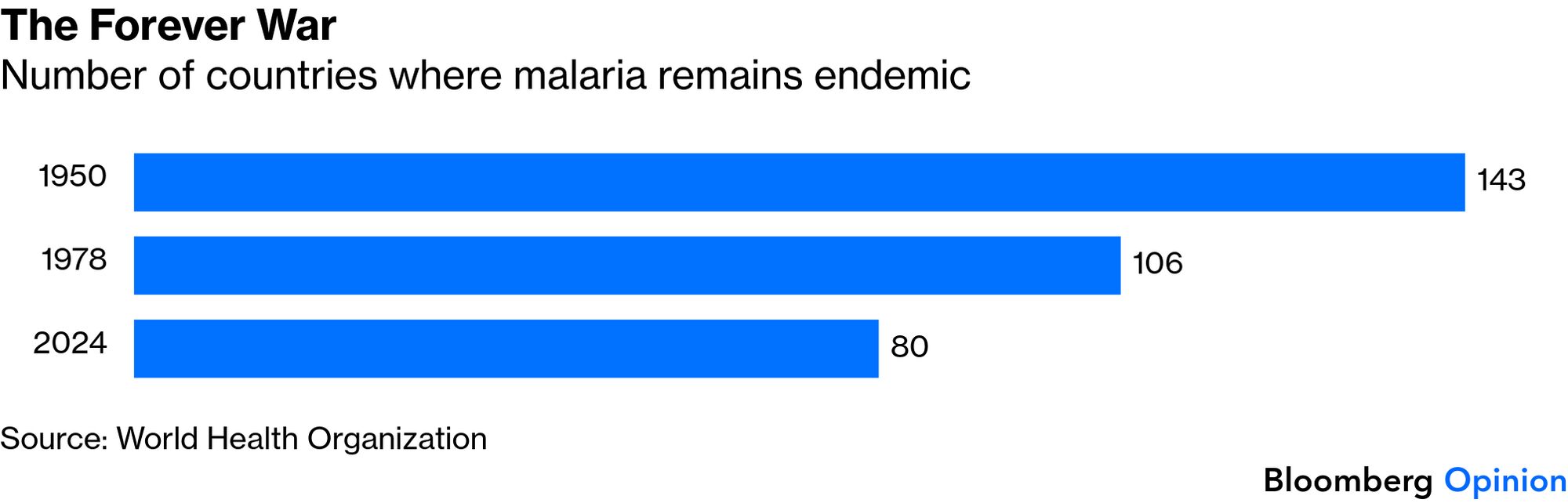
We’ll be back in your inbox with the next edition tomorrow. Send any feedback to nextafrica@bloomberg.net. More From BloombergEnjoying Next Africa? You might also like:
We’re improving your newsletter experience and we’d love your feedback. If something looks off, help us fine-tune your experience by reporting it here. Follow Us
You received this message because you are subscribed to Bloomberg’s Next Africa newsletter. If a friend forwarded you this message, sign up here to get it in your inbox.
|
Wednesday, August 19, 2026
Next Africa: Paying back





Subscribe to:
Post Comments (Atom)
Next Africa: Paying back
Zimbabwe’s president rewards his backers ...
-
Revolutionary Stem Cell & PRP —Start Your Journey Today ...


No comments:
Post a Comment