| Read in browser | ||||||||||||||

Welcome to Balance of Power, bringing you the latest in global politics. If you haven’t yet, sign up here. Back in 2021, President Xi Jinping called on his underlings to create a “trustworthy, lovable and respectable” image for China. This week, Xi received evidence that the mission is being accomplished, though he should give President Donald Trump an assist. A survey by the Pew Research Center found that more people around the world view China more positively than the US for the first time in almost 20 years. 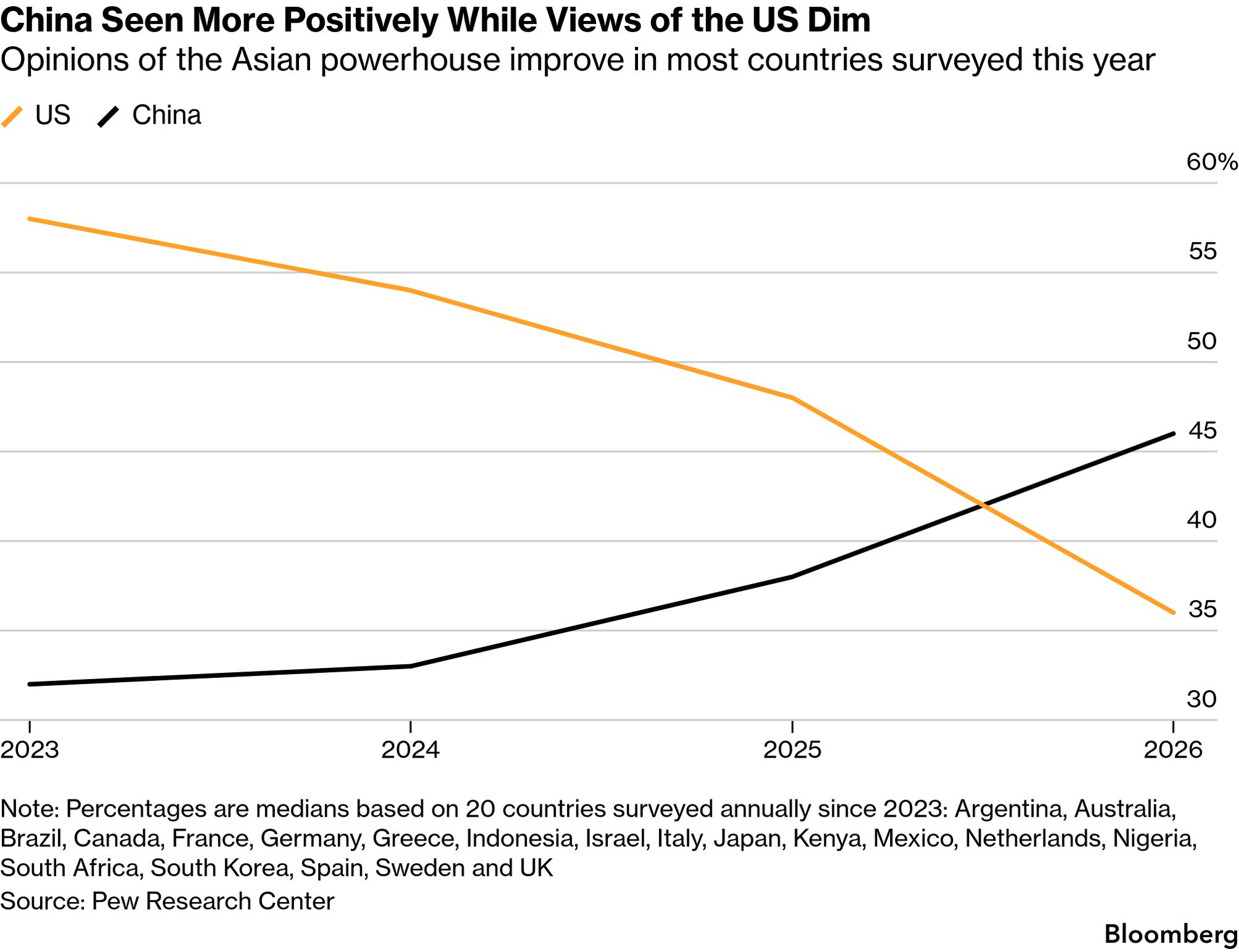
Even the US’s closest neighbors, Canada and Mexico, saw China in a better light. Younger people especially had a better vibe about the country. Much of this is down to a collapse in US favorability as Trump alienates traditional American allies and others with his trade tariffs, demands to control Greenland and war launched on Iran. It’s still a fillip for Xi, the most powerful Chinese leader since Mao Zedong, who died in 1976. He and his diplomats portray China as a stabilizing force in a world rocked by upheaval, pointing to rapid economic growth and equally swift technological advances. China is now the global leader in electric vehicles and solar-power tech, while holding its own against the US in artificial intelligence. They’ll be especially pleased that the Pew results seem to gloss over China’s support for Russia in Ukraine and tensions over its stampede of exports to the rest of the world — issues that irk Europe to the extent that it’s considering retaliation, even if the US is more reticent on trade reprisals. The survey results also give Chinese diplomats something to talk about during an uneven economic recovery. China reported quarterly GDP data this week that was the weakest in more than three years. While exports are humming, there’s reason to worry about everything else, especially weak consumer sentiment, a yearslong property slump and a dour job market. Given those worries, Xi will gladly take the soft power win over Trump. — Philip Glamann 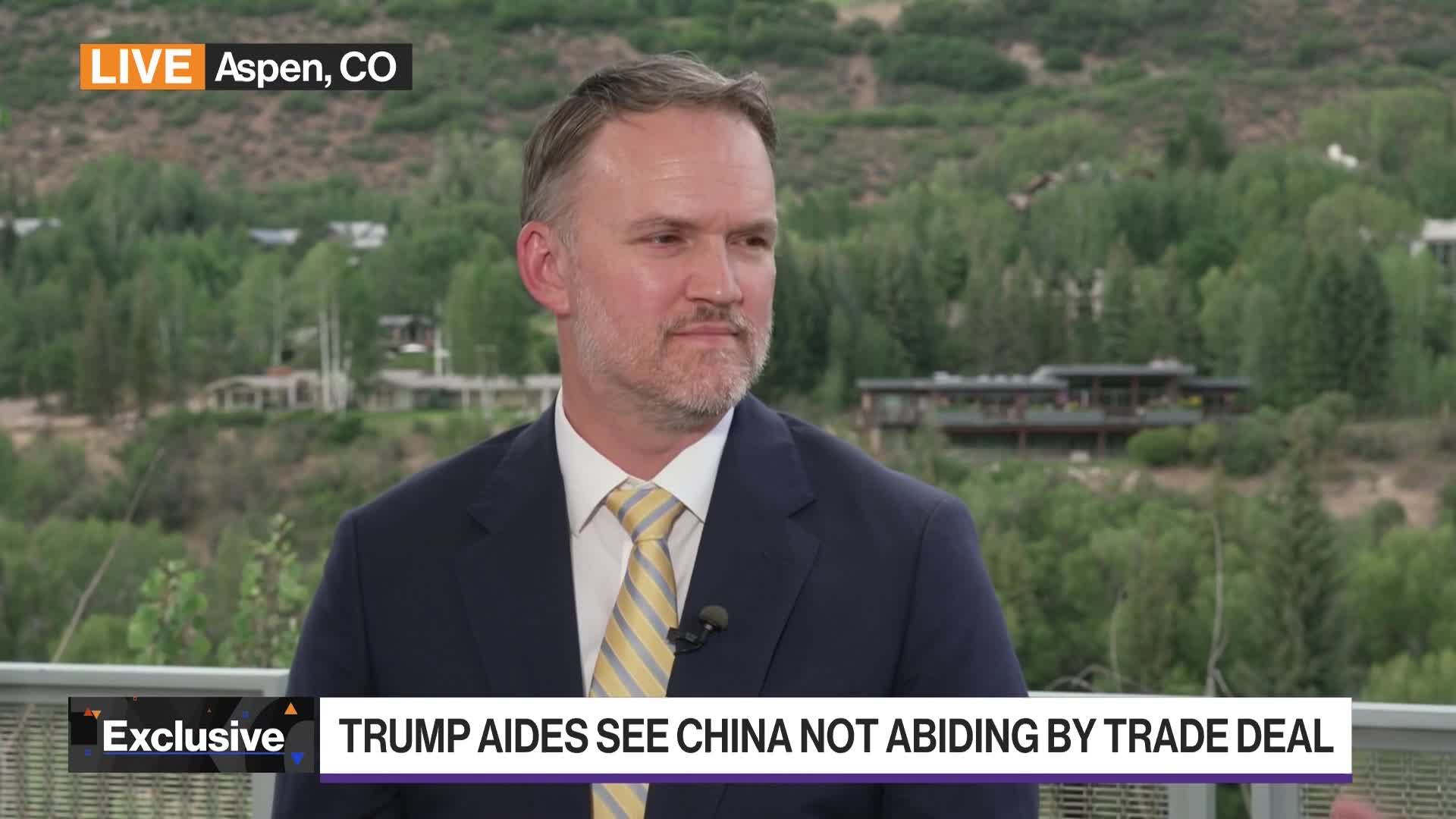 
WATCH: US Trade Representative Jamieson Greer speaks on Bloomberg TV.
Global Must ReadsThe US launched more airstrikes on Iran after Trump pledged to intensify the bombardment until Tehran stops attacking ships in the Strait of Hormuz and opens the waterway. In its first strike on a vessel since it reimposed restrictions on Iran’s shipping, the US military hit a supertanker deep within the Persian Gulf. Read how Trump and Vladimir Putin of Russia are coming face to face with the limits of massive airpower to achieve strategic victory. 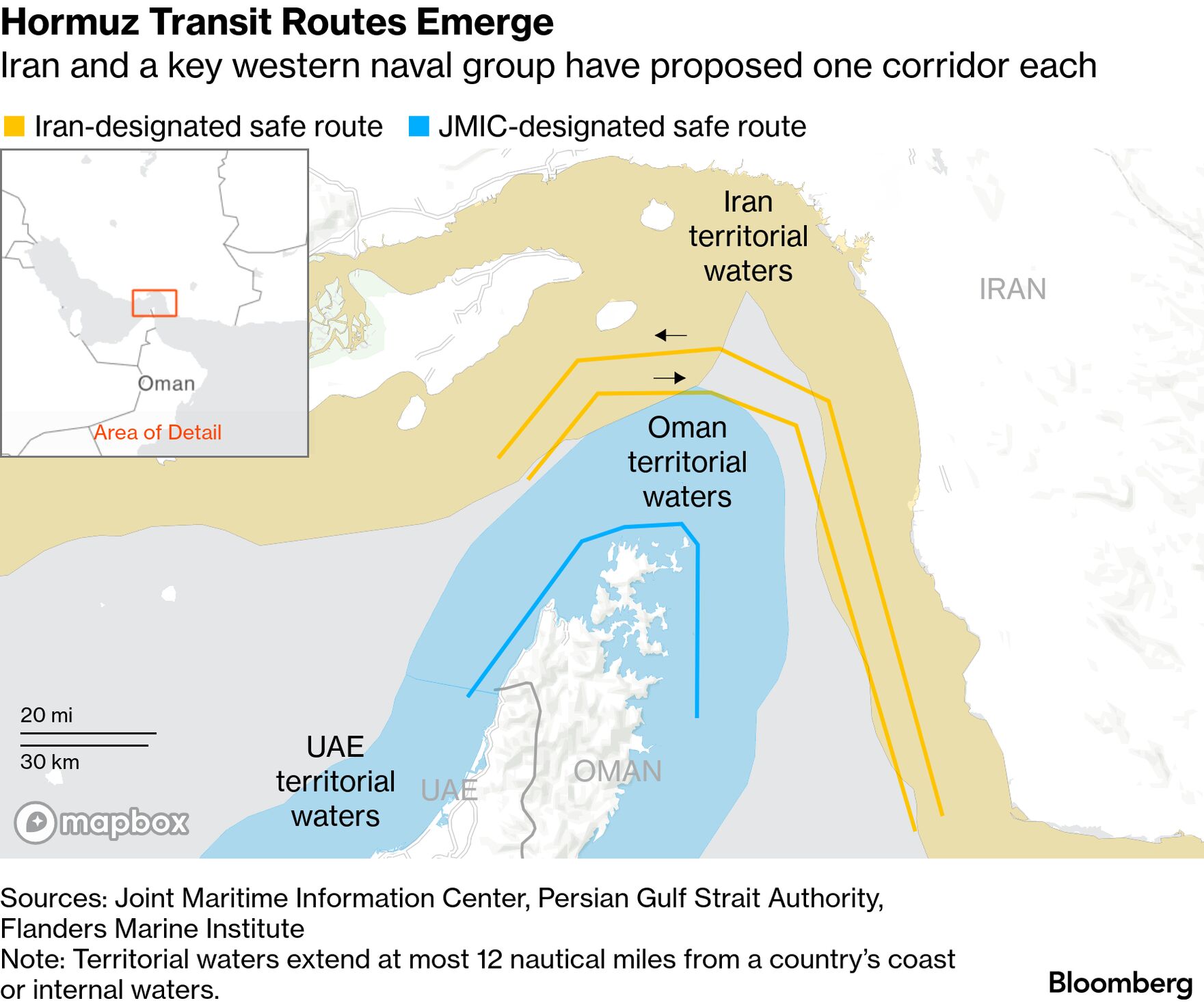
President Volodymyr Zelenskyy nominated the head of a state-run energy company, Sergii Koretskyi, as Ukraine’s next prime minister, underscoring his focus on preparing for the coming winter under the threat of Russian attacks. Zelenskyy’s dismissal of popular Defense Minister Mykhailo Fedorov triggered street protests from citizens and dismay among foreign allies over the departure of a reformer credited with ramping up its drone-warfare capabilities. The fissures in Italian Prime Minister Giorgia Meloni’s right-wing coalition are showing, with her parliamentary majority failing in a shock loss on an electoral-reforms amendment she’d championed to avert the risk of a hung Senate, or even defeat, in next year’s general election. Meloni overcame the government infighting to win lower-house approval for the reform today. More than 100 Democrats including former Speaker Nancy Pelosi backed a House measure to block all military aid to Israel in a sign of a growing rift in the Democratic Party over how to deal with the US ally. Israeli Prime Minister Benjamin Netanyahu’s government is passing laws aimed at strengthening his rightist-religious political bloc before tight elections in October. Several of Russia’s richest people including some close to President Putin have moved billions of dollars abroad in the past year after growing concerned about the country’s wartime economy and the government budget, according to sources and documents seen by Bloomberg. High-profile asset seizures have intensified fears among members of the Russian elite that the state could confiscate their wealth or that they may lose their fortunes. 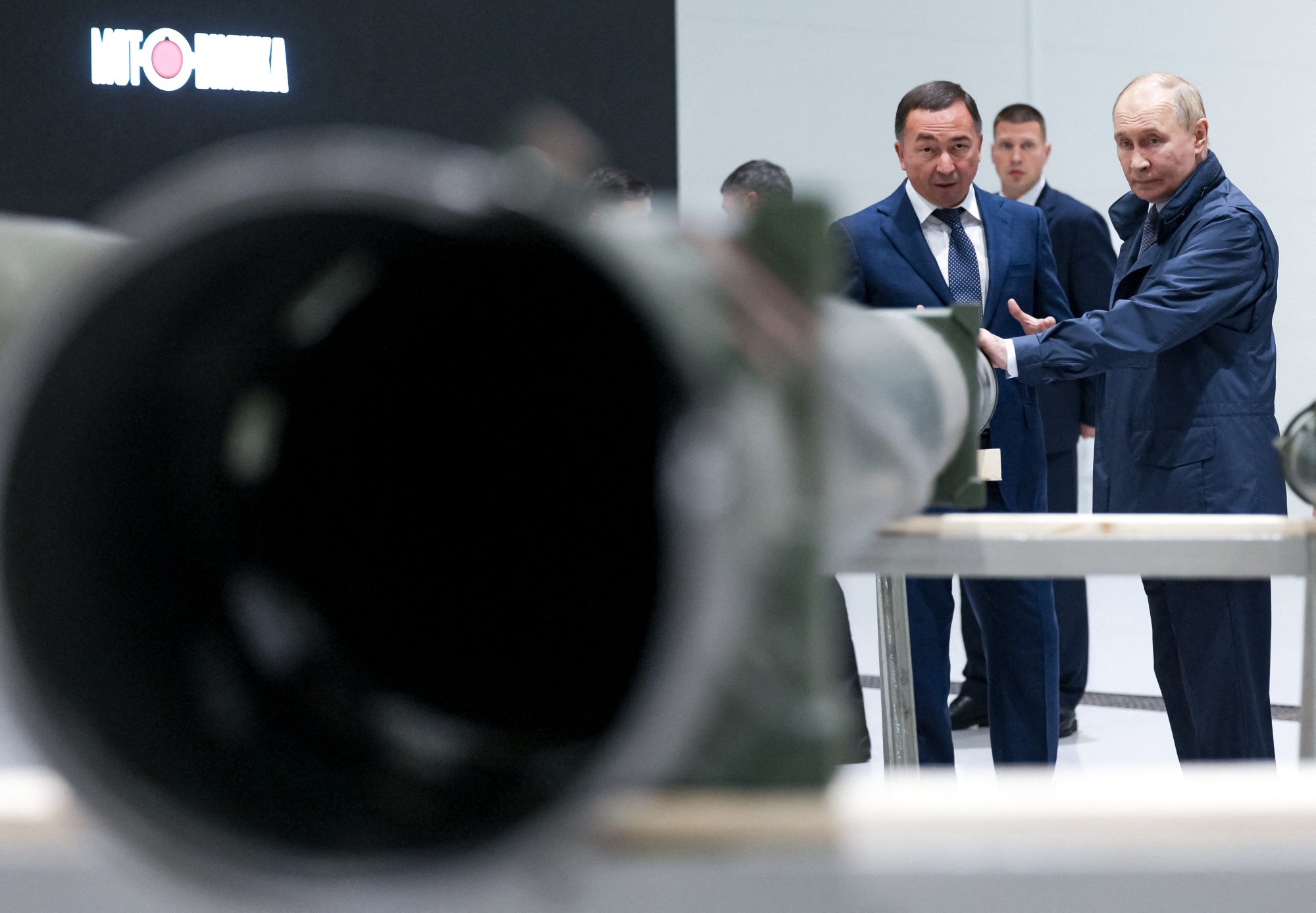
Putin visits a military equipment manufacturer in Perm in a photo released by Russian state media.
Photographer: Gavril Grigorov/AFP/Getty Images
Prime Minister Edi Rama’s larger-than-life persona failed to nail down Albania’s bid to host a NATO summit next year when the alliance’s leaders met in Ankara. Federal Reserve Chairman Kevin Warsh said that Trump — who’s long called for slashing US interest rates — hasn’t tried to interfere with the central bank, and wouldn’t succeed if he attempted it. As reports swirl that UK Home Secretary Shabana Mahmood will be Andy Burnham’s pick for Chancellor of the Exchequer, the direction of his incoming government is causing consternation on the left of the Labour Party before he’s even become prime minister. The US will begin charging a 25% tariff on imports of certain goods from Brazil following a probe alleging that the country engaged in unfair trade practices. 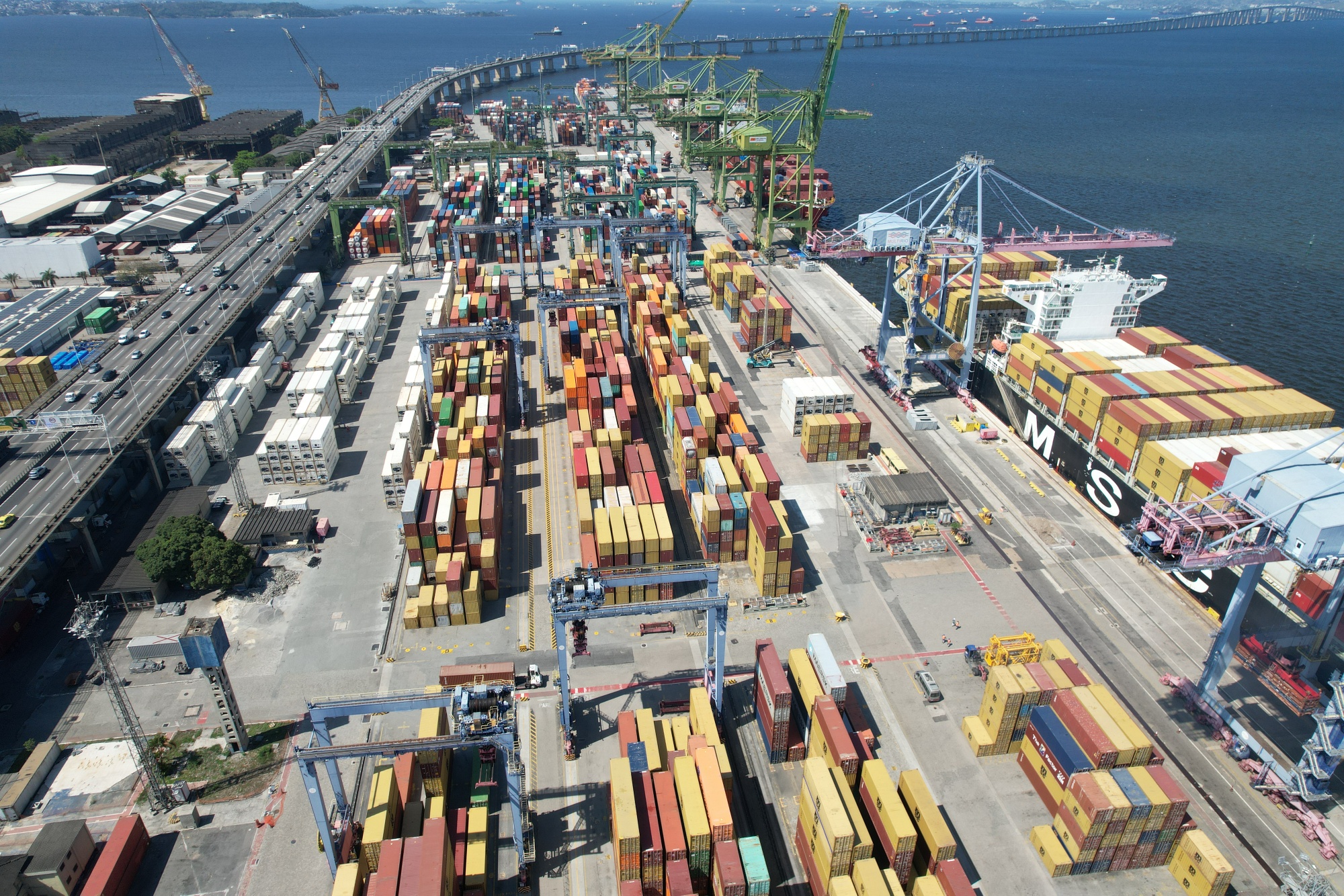
Containers at the Port of Rio de Janeiro in March.
Photographer: Fabio Teixeira/Anadolu/Getty Images
Sign up for the Washington Edition newsletter for news from the US capital and watch Balance of Power at 1 and 5 p.m. ET weekdays on Bloomberg Television. Chart of the Day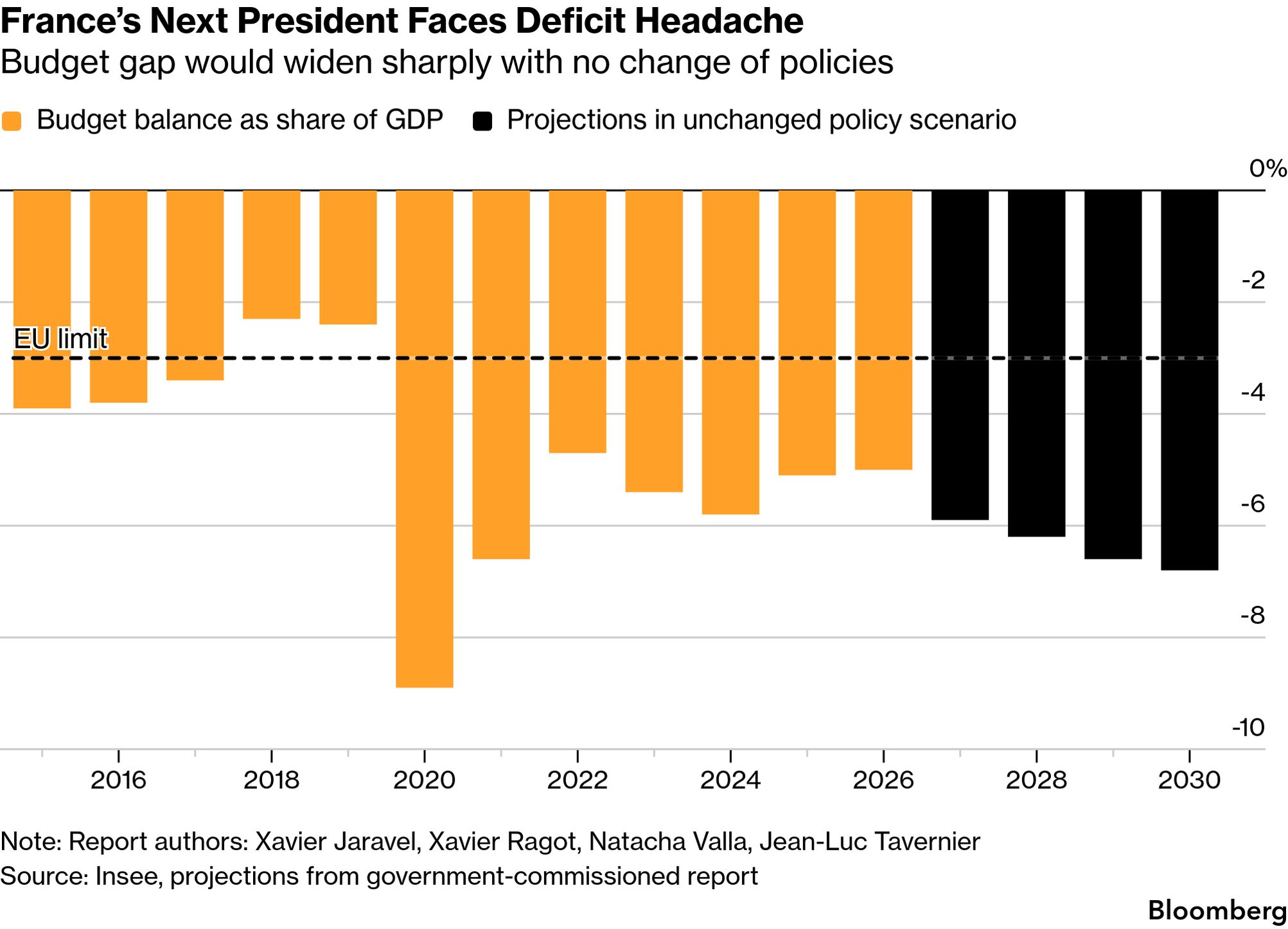
France’s next president will need to find €126 billion ($144 billion) of savings just to stabilize debt over a five-year term, according to a Finance Ministry-commissioned report that offers a stark warning to candidates hoping to succeed Emmanuel Macron next year. It shows the fiscal gap swelling to nearly 7% of output in 2030 without policy action, mainly due to servicing borrowing costs, and urges governments to use every lever available including tax increases to steady the ship. And FinallyExperts attribute the dramatic drop in reported methane emissions in the European Union to a change in the methodology for measuring them, which allows open-pit mine operators to establish their own emissions factors based on site-specific tests without clear guidelines. The lack of transparent measurement guidelines from coal mining has raised concerns that companies may be undercounting their output, potentially allowing them to overstate their progress on reaching climate goals. 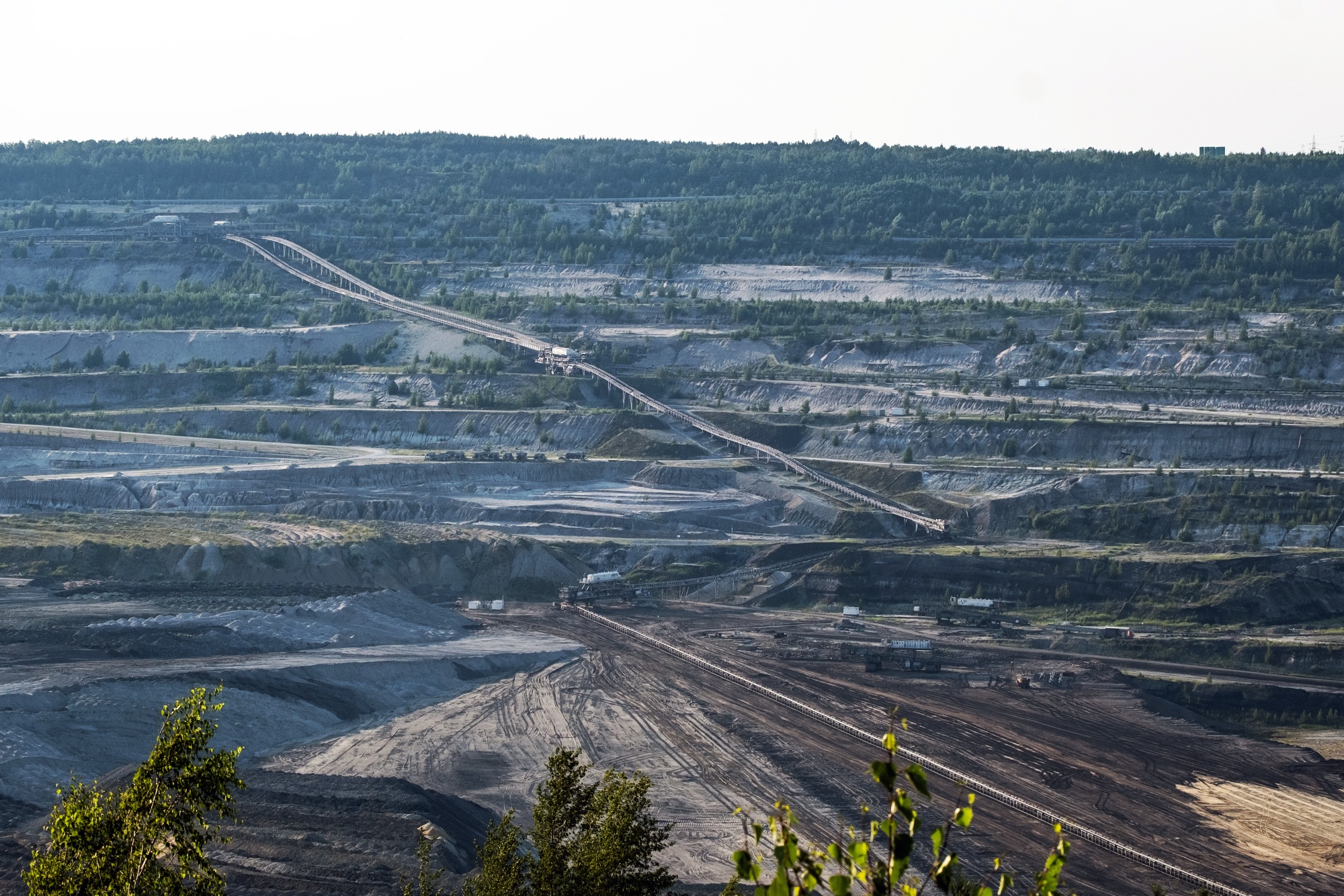
Emissions from open-pit coal mines are trickier to measure than those from underground ones.
Photographer: Dawid Zieliński/Bloomberg
More from Bloomberg
We’re improving your newsletter experience and we’d love your feedback. If something looks off, help us by reporting it here. Follow Us
You received this message because you are subscribed to Bloomberg’s Balance of Power newsletter. If a friend forwarded you this message, sign up here to get it in your inbox.
|
Thursday, July 16, 2026
Trustworthy and lovable





Subscribe to:
Post Comments (Atom)
China culls AI lovers
Beijing has issued guidance curtailing the use of AI companions, which had grown popular. ...
-
PLUS: Dogecoin scores first official ETP ...
-
Swaps, memes, homes, tokens. View in browser Unicorn bucket We have talked a fe...


No comments:
Post a Comment