| Read in browser | ||||||||||||||

Carnage wreaked by Europe’s extreme-heat fueled wildfires is no longer an exception, it’s a reality likely to become increasingly routine for the world’s fastest-warming continent. On the ground in France and Spain, we hear from firefighters, residents and scientists about an era of escalating climate threats. Subscribe to Bloomberg.com for unlimited access to all our coverage of climate change, clean energy and extreme weather. A megafire era hits EuropeBy Nayla Razzouk, Clara Hernanz Lizarraga, Sabrina Nelson Garcinuño, Olivia Rudgard, Joe Wertz, Raeedah Wahid and Vivien Ngo In a forest near Lège-Cap-Ferret, west of Bordeaux, Matthieu Jomain directs his crews as they fire water jets into the vegetation. Dense gray smoke seeps along the forest floor. A commander in the Gironde firefighting force, Jomain deployed to the region last week, and quickly realized that this wasn’t a normal fire. It was moving fast, changing in direction and intensity as it spread. On Friday night, as his team traveled between the upscale resort area of Cap Ferret and Bordeaux, they were caught by surprise by a wall of flames and had to fight their way out. 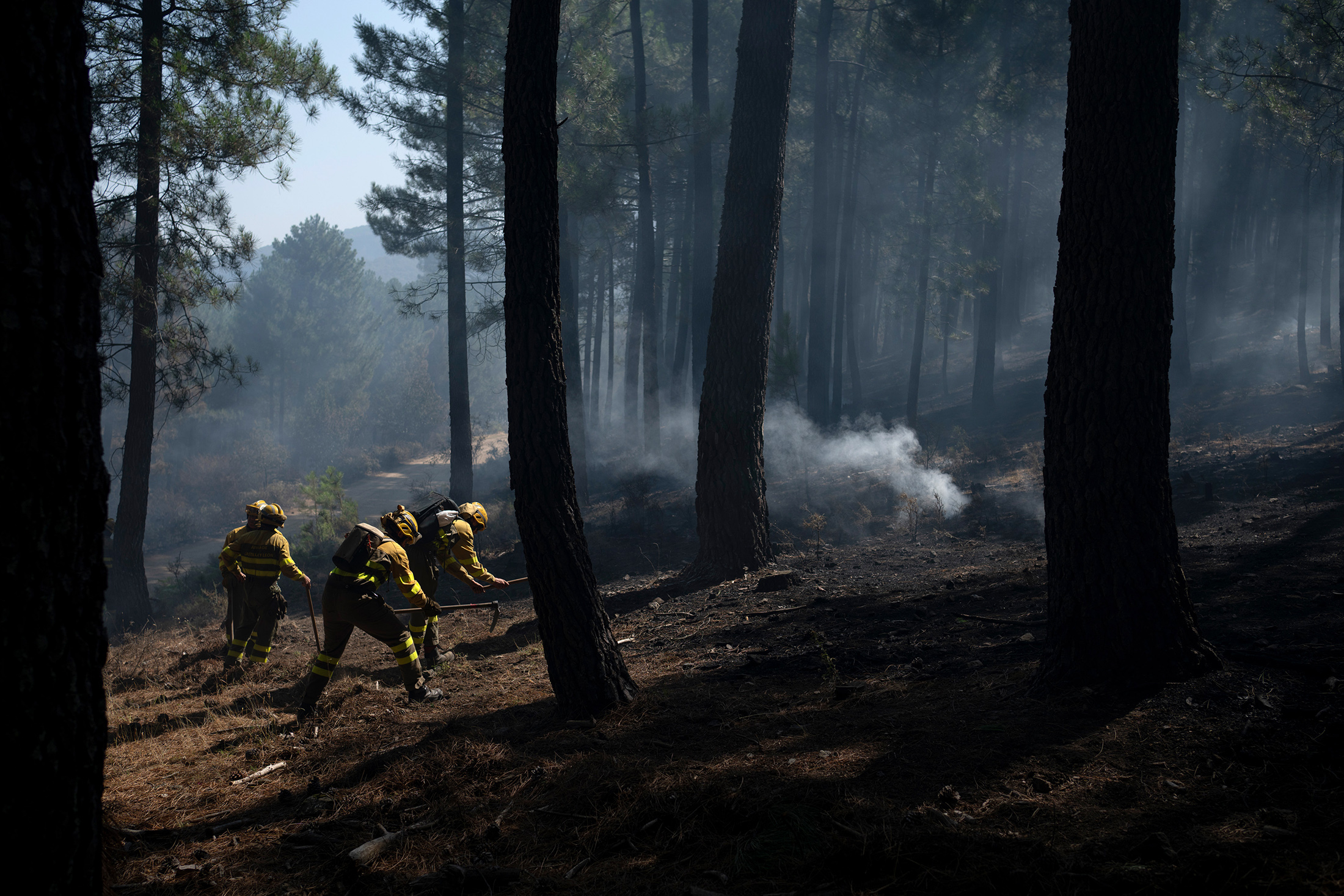
Firefighters fight a wildfire in a forest near El Tiemblo in Spain on July 29.
Photographer: Brais Lorenzo/Bloomberg
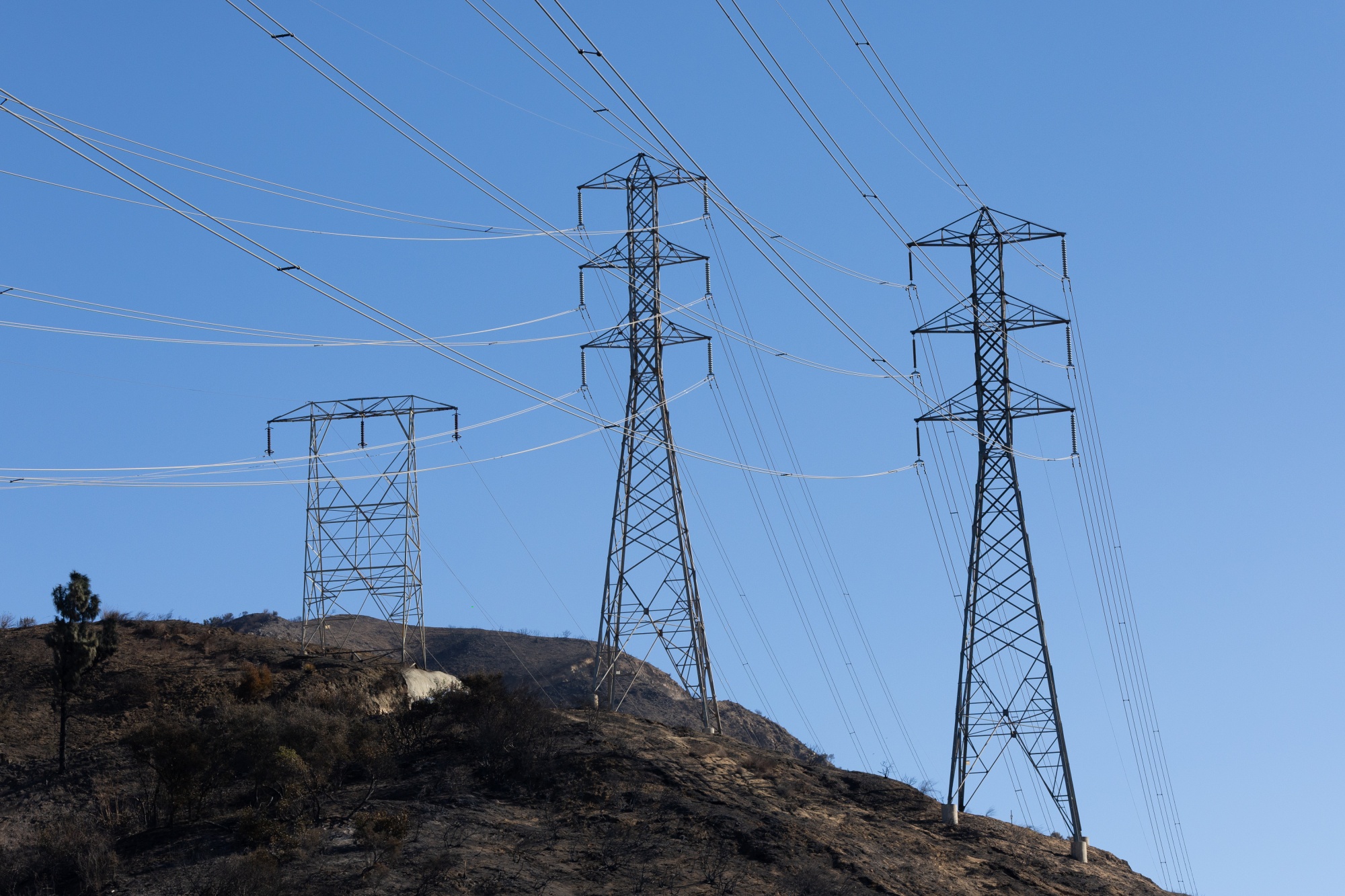
“This is war against the wildfires,” he said. “I have been a firefighter for 26 years and I have never seen wildfires of this magnitude.” The Gironde wildfire began on July 22 and spread with unprecedented speed, ripping through forests and across the countryside, burning roughly 420 square kilometers (162 square miles) and destroying around 200 homes. It is a fire so large that it began to warp the weather around it, generating its own windstorms. More than 220,000 people were evacuated, as firefighters battled to contain the blaze and stop it reaching the western suburbs of Bordeaux. Around the same time that the French fire began, two separate blazes started in rural areas west and southwest of Madrid. They merged last weekend, forcing tens of thousands of people to flee for safety. In the UK, authorities declared a major incident as fire crews fought a wildfire spreading close to the Sizewell B nuclear power station. Greece, Portugal, Italy and Albania are all struggling with blazes too, the consequence of four successive heatwaves across the continent that turned landscapes into tinderboxes, and a confluence of other conditions — heavy rains over the winter that led to an abundance of vegetation, high winds that help fires to spread, and the hollowing out of rural economies that has left fields abandoned. Climate change has made this “fire weather” more common, and more extreme. Europe is warming faster than any other continent, meaning that blazes of the kind that tore across Gironde are likely to become a new normal, pushing the boundaries of firefighters’ ability to stop them, and threatening urban areas and critical infrastructure, with enormous consequences for businesses, societies and economies. 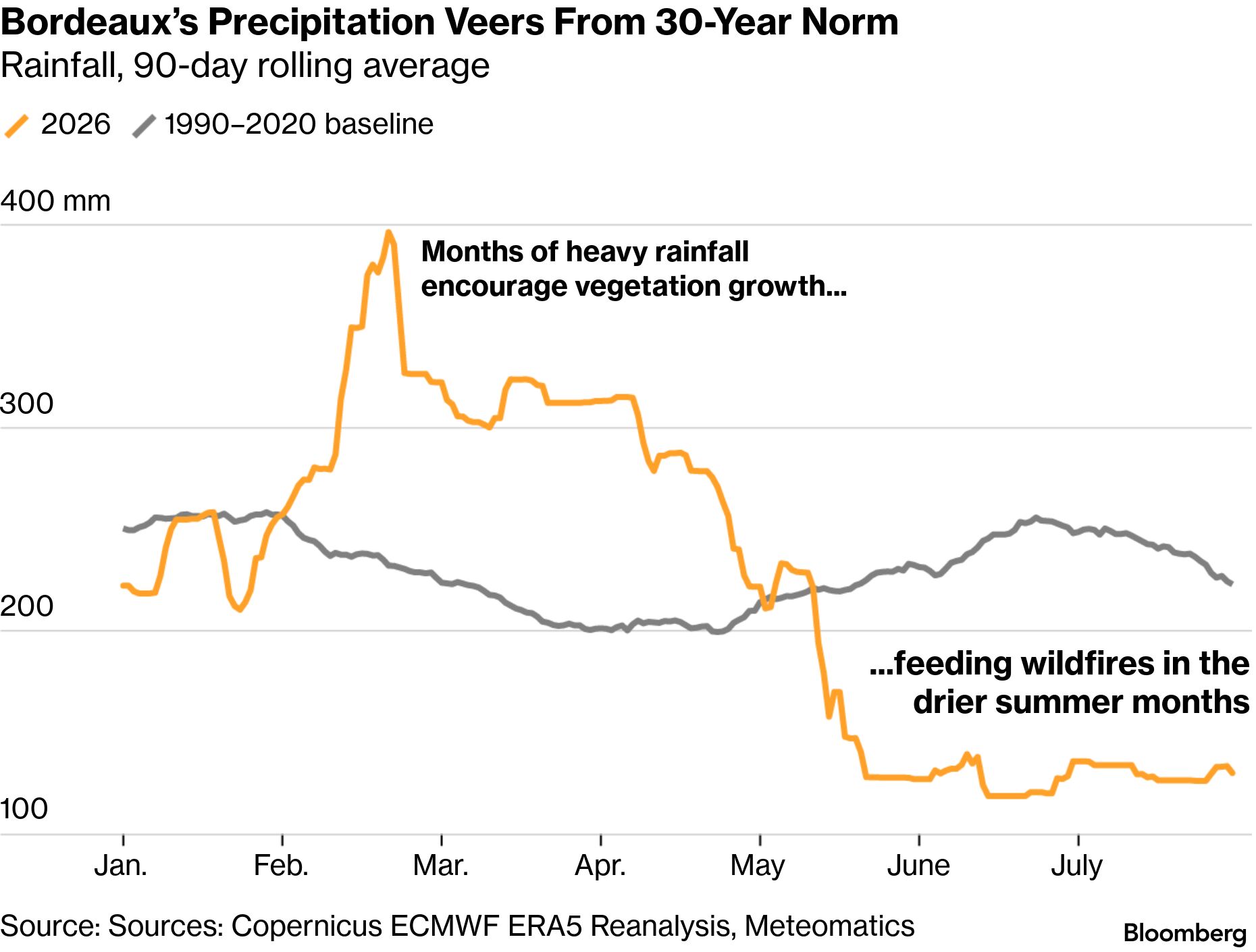
“It’s not a matter of money. It’s not a matter of investment. It’s not a matter of how heroic the firefighters are,” said Raul Cordero Carrasco, a climate researcher at the University of Groningen. “You just cannot stop a fire when the conditions are so extreme as we have seen in recent days in Europe.” 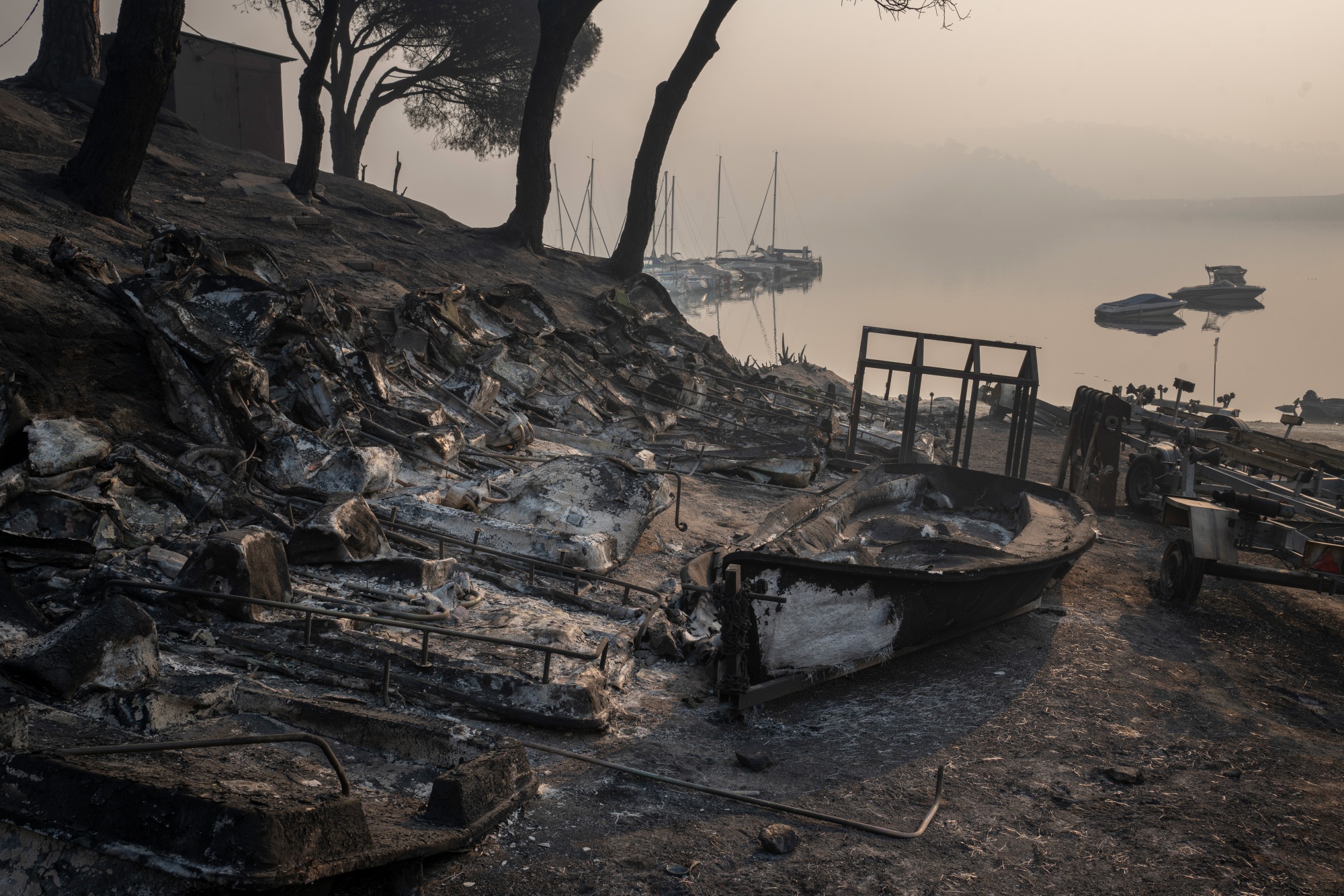
Burned leisure boats and trailers at a marina on the San Juan reservoir in Spain on July 29.
Photographer: Brais Lorenzo/Bloomberg
“At first I couldn’t believe it. I stayed until the very end because I trusted that someone would come, firefighters, police, someone. But then the fire started surrounding me,” Bravo said. “That’s when I got in my car and fled, because I realized it was true, that nobody was going to come.” He later learned that fire crews had not been able to assist because they were deployed in neighboring towns, which were being engulfed by flames. The fire ripped through the beachfront at San Juan, once bustling with restaurants, boats and campsites, leaving it in ruins. Bravo’s bar is wrecked.
Keep reading
Climate impact20 times Climate change made weather that fueled Europe’s wildfires at least 20 times as likely in Spain, and at least twice as likely in France, according to scientists at the World Weather Attribution group. Unique threat“The nature of the risk is very different than any other peril.” Firas Saleh Director of wildfire models at Moody’s, on the impact of blazes compared to other catastrophic weather events. Insurers warn over rising risksBy Alastair Marsh and Claudia Cohen Europe’s insurers are bracing for a new era of catastrophe risk fanned by rising temperatures in the world’s fastest-warming continent. Insurers, reinsurers and brokers contacted by Bloomberg are already predicting increased premiums and bigger losses tied to natural catastrophes. Importantly, they don’t see the latest bouts of extreme heat as a temporary shock, but as a long-term trend. 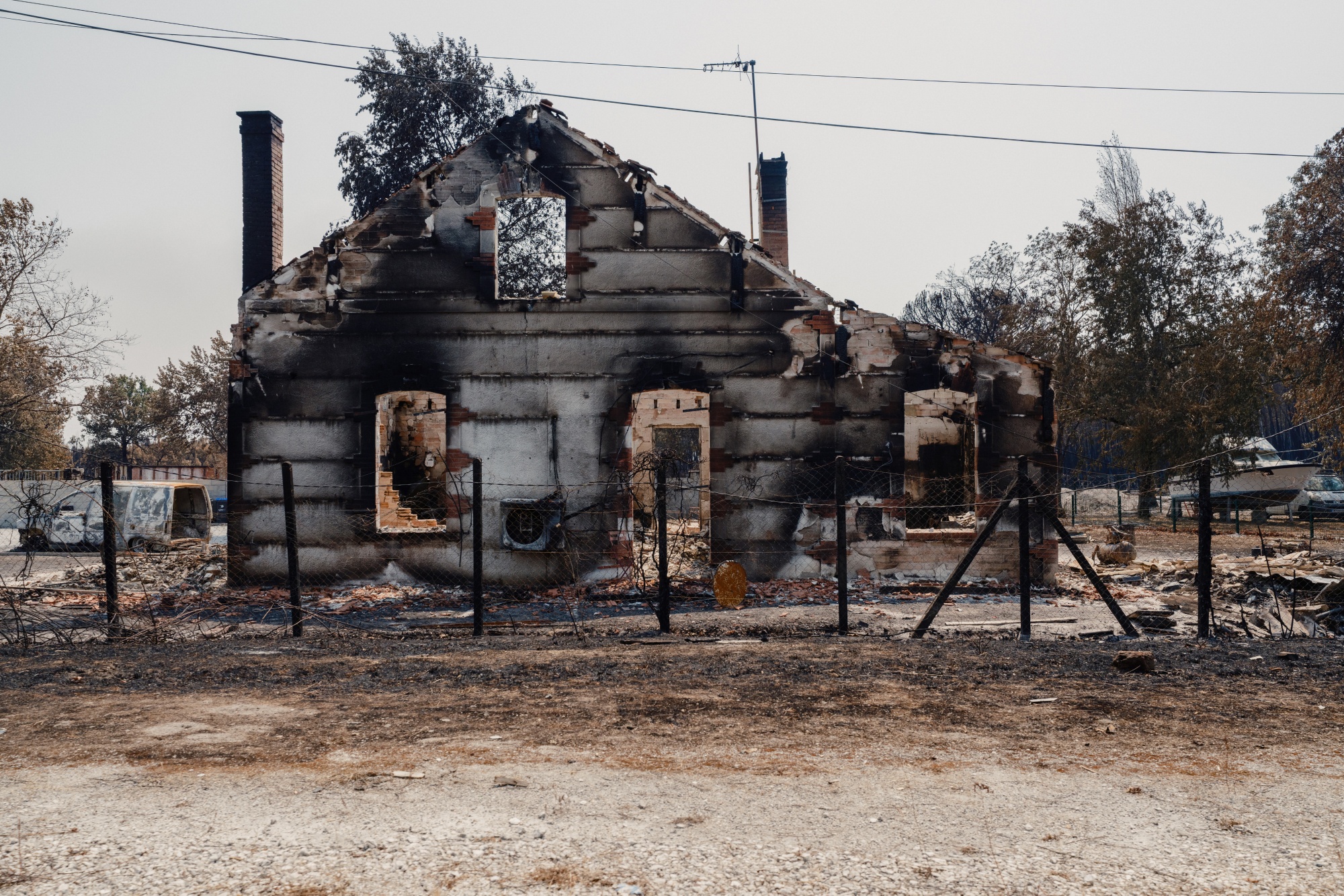
A house destroyed by a wildfire near Lanton, France.
Photographer: Wayan Barre/Bloomberg
The industry is “actively evaluating” the extent to which the rise in temperatures “represents a fundamental shift in Europe’s catastrophe risk landscape,” said Will Bruce, global head of climate risk consulting for Aon Plc, the world’s second-largest insurance broker. Efforts are also underway to expand the “range of capital available to support resilience and recovery,” he said. That may require transferring more risk to the capital markets, “including catastrophe bonds and other insurance-linked securities.” Efforts are also underway to expand the “range of capital available to support resilience and recovery,” he said. That may require transferring more risk to the capital markets, “including catastrophe bonds and other insurance-linked securities.” 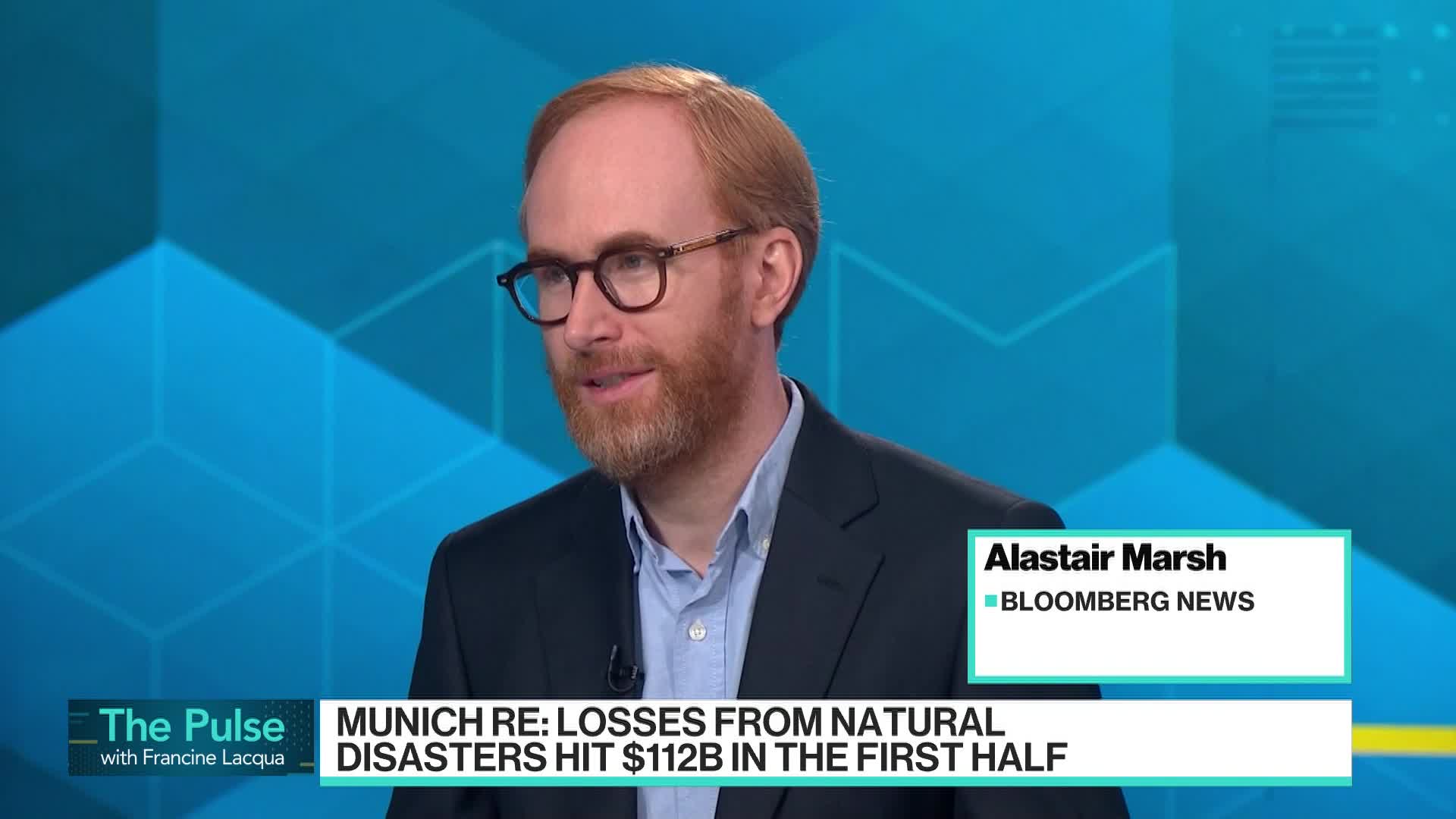 
As Europeans struggle to adapt to a much hotter world than the one inhabited by their parents, they’re trying to comprehend not just a different physical reality, but also the financial burden that will likely accompany it. Munich Re says it’s now clear that the combined forces of El Niño and global warming have produced a “dangerous mix” that will drive up losses in the second half of this year. Wildfires have already ravaged Spain, France and Greece. Even corners of Europe that used to consider themselves too far north to be at risk are now finding they’re affected. European forecasts show “very high” fire danger forecasts through early August reaching as far north as Scandinavia. In the UK, a large wildfire broke out on Thursday close to a nuclear power station. “What is already clear is that wildfire losses extend well beyond damage to property,” said Tyson Vickery, managing director and global placement leader for Europe at Marsh, the world’s largest insurance and risk-advisory broker. “Business interruption caused by evacuation orders, smoke or restricted access can create significant losses even where there is limited or no physical damage.”
Read more
Unprepared Europe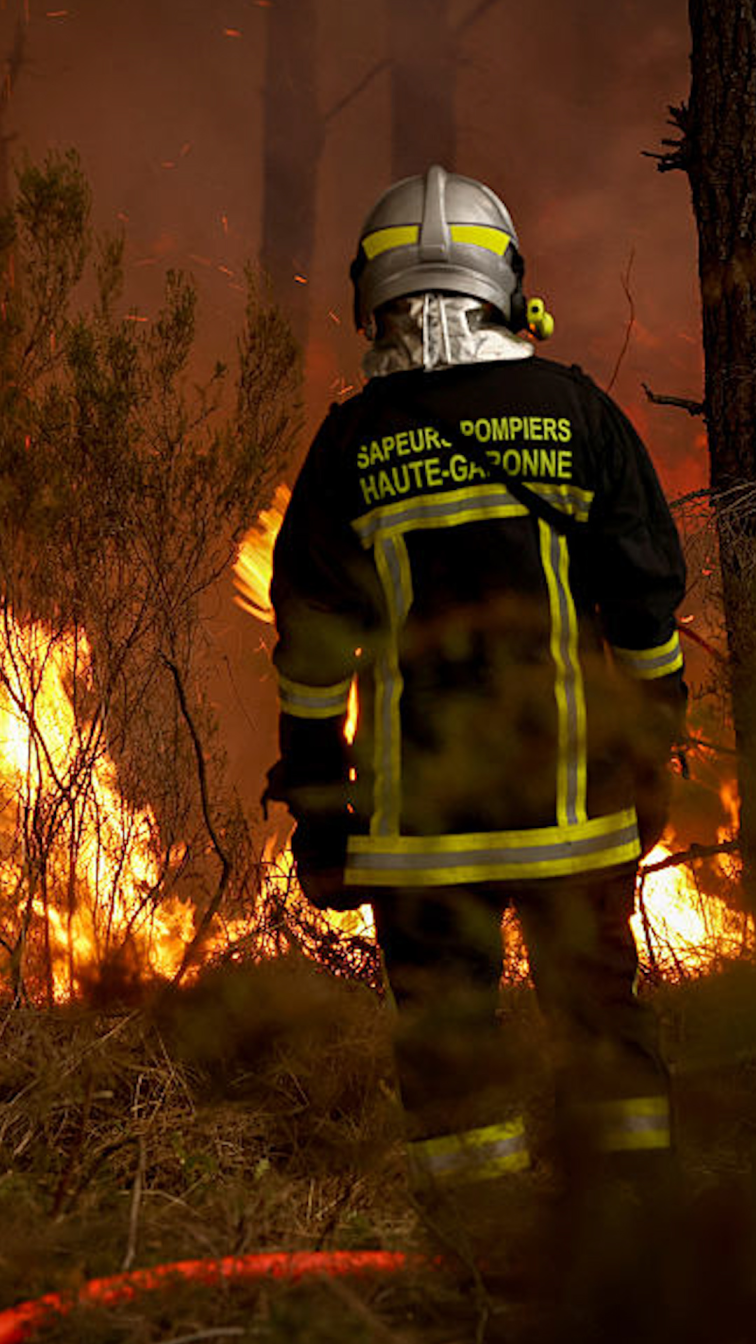
Record-breaking wildfires in France and Spain are exposing clear gaps in the countries’ firefighting capacities. Watch Bloomberg Opinion columnist Lara Williams explain where resources are lacking in Europe. 🎥 Attention all filmmakers!Working on a short documentary about climate change? Don’t miss your chance to submit it to the Bloomberg Green Docs film competition. Grand prize: $25,000. Submissions accepted through August 14, 2026. See official rules at bloomberg.com/greendocs. More from GreenMore from Bloomberg
Explore all Bloomberg newsletters. We’re improving your newsletter experience and we’d love your feedback. If something looks off, help us fine-tune your experience by reporting it here. Follow Us
You received this message because you are subscribed to Bloomberg’s Green Daily newsletter. If a friend forwarded you this message, sign up here to get it in your inbox.
|
Friday, July 31, 2026
The age of unstoppable wildfires






Subscribe to:
Post Comments (Atom)
Right now members already know today's trade. You could too.
The Beacon fired last night. The setup is already in their inbox. ͏ ͏ ͏ ͏ ͏ ͏ ͏ ͏ ͏ ͏ ͏ ͏ ͏ ͏ ͏ ͏ ͏ ͏ ͏ ͏ ͏ ͏ ͏ ͏ ...

-
Revolutionary Stem Cell & PRP —Start Your Journey Today ...
-
You’ve shown interest in Regenerative Medicine ...


No comments:
Post a Comment