| Read in browser | ||||||||||||||
Welcome to Balance of Power, bringing you the latest in global politics. If you haven’t yet, sign up here. The next leader of the United Nations has a thankless task. The person will inherit an international organization that is politically sidelined, short on cash, and at odds with its biggest financial contributor — the US. Still, six individuals ranging from former presidents to UN diplomatic veterans, are going for the job of secretary general. It remains, at least on paper, a prestigious way to cap off a career in public service. The contenders are gathering in New York for a town hall today where they’ll be able to present their views on restoring the world body to its heyday. 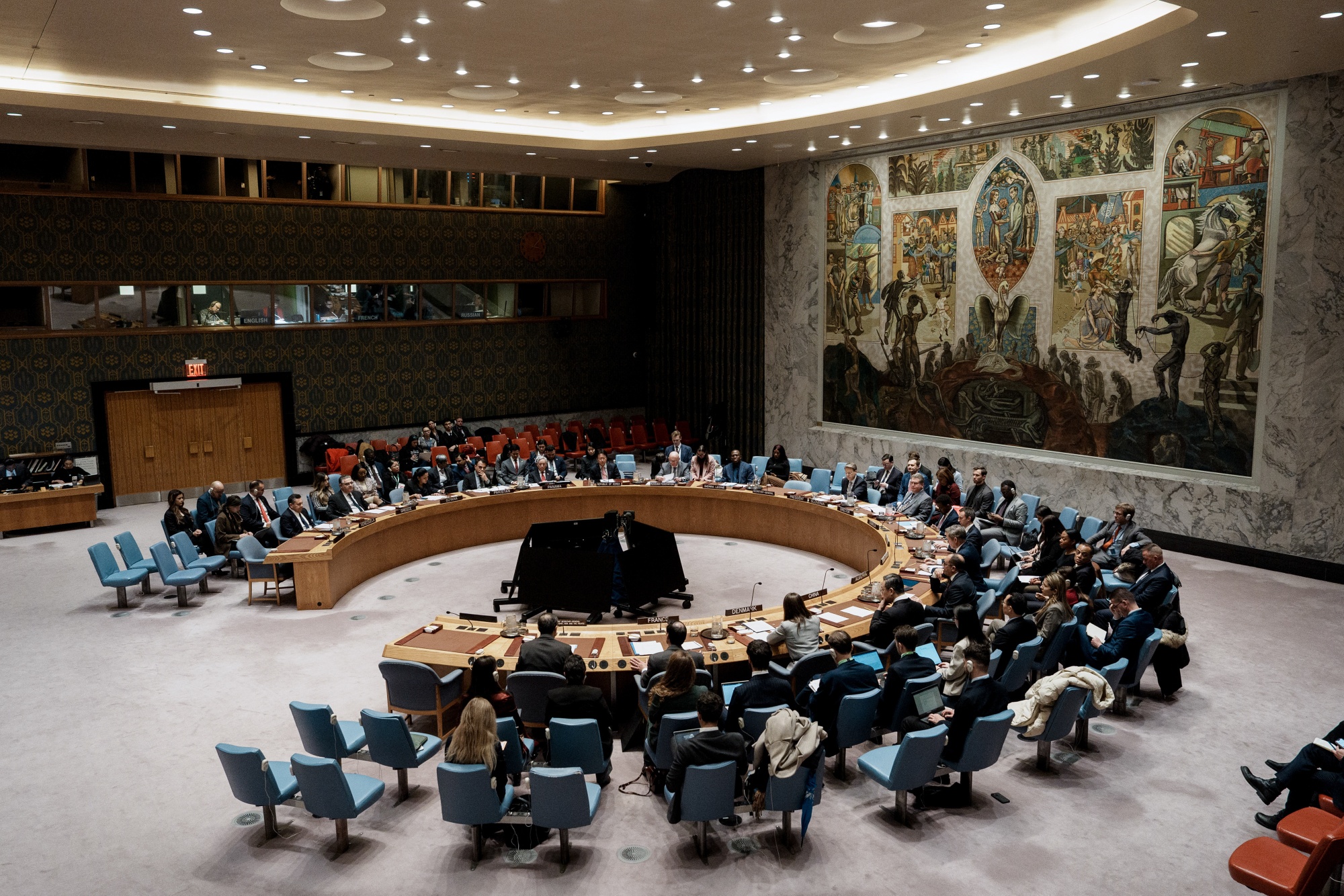
A UN Security Council meeting in New York on Dec. 23.
Photographer: Adam Gray/Bloomberg
There was a time, hard to imagine now, in the early 1990s when the UN was the byword for consensus building and multilateralism par excellence. Those are two things that have fallen out of favor in the Trump era but were also in decline since Russia’s rupture with the West dating back to the ouster of Libyan dictator Moammar Qaddafi. As insiders at the UN’s Turtle Bay headquarters wryily observe, being secretary general has become more secretary than general these days. The incumbent, António Guterres, has been sidelined in the geopolitical debate, consigning the body to new lows of irrelevancy. His successor will be expected to act as the world’s chief diplomat, but armed with few tools beyond moral suasion. The star power of a Kofi Annan is needed — minus the scandal that stained his record. The candidates range from Michelle Bachelet, the former president of Chile who was tortured under the Pinochet dictatorship, to Rafael Mariano Grossi, the Argentine head of the International Atomic Energy Agency courting the Trump vote. Their path to selection will be complex given a gridlocked Security Council where the US and Russia readily wield vetoes. The winner will be the inevitable result of compromise, a shared desire by the two powers to keep the UN toothless. — Magdalena Del Valle 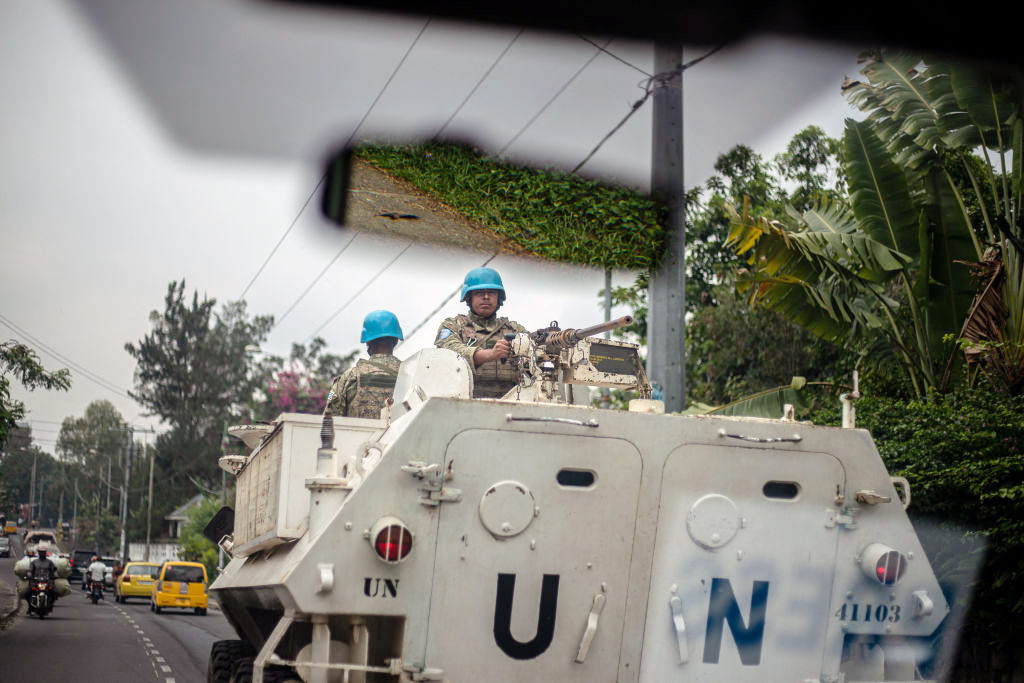
UN soldiers near Goma, eastern Democratic Republic of the Congo, in 2025.
Photographer: Jospin Mwisha/AFP/Getty Images
Global Must ReadsIran-backed Houthi militants in Yemen said they attacked two Saudi Arabian oil tankers with missiles and drones in the Red Sea, opening a new front in the US-Iran war that has already disrupted global energy supplies. US House Republicans approved a $95 billion budget plan largely aimed at funding Trump’s war with Tehran despite rising fears the unpopular conflict will endanger GOP lawmakers’ prospects in midterm elections. 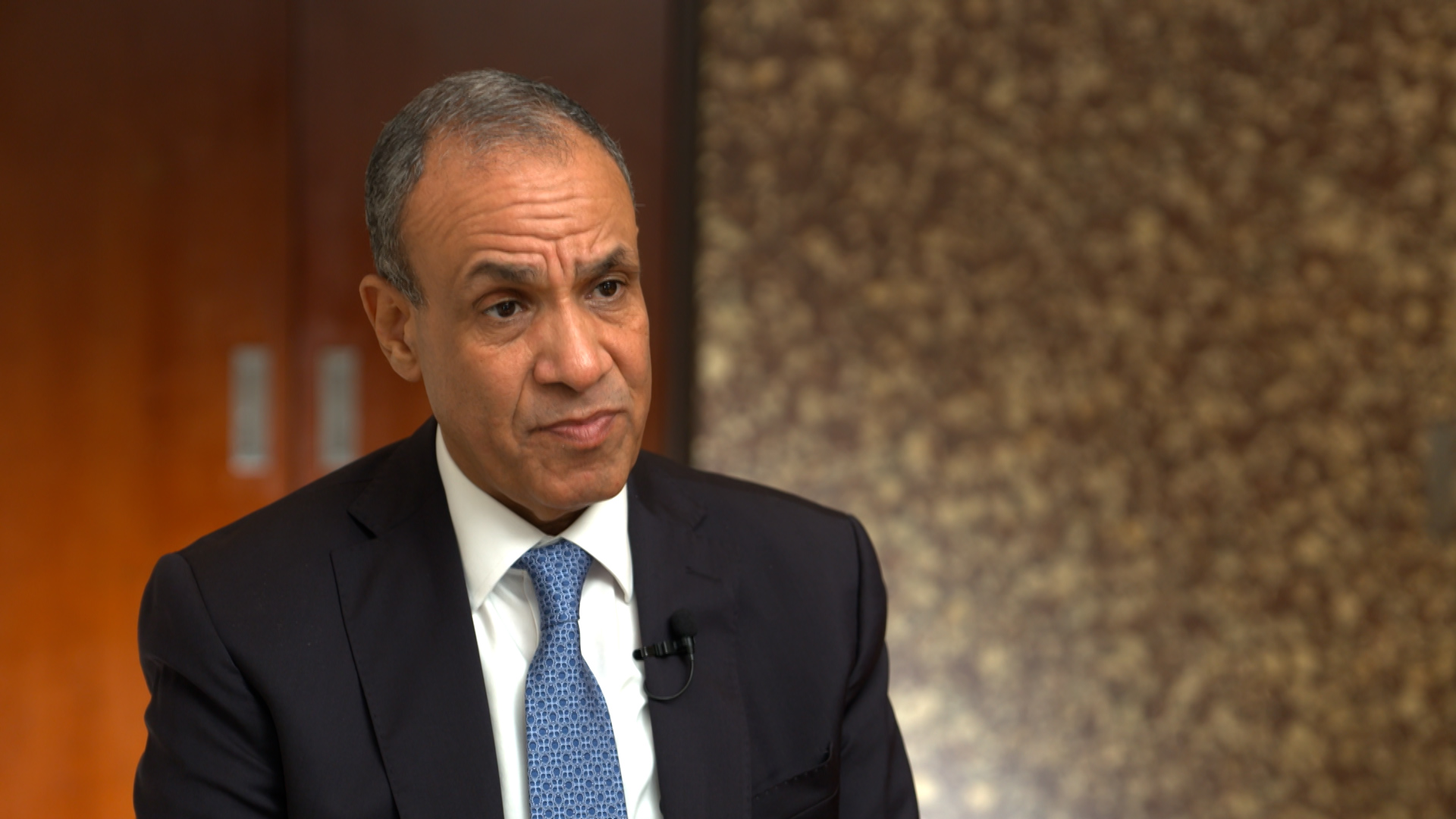 
Egyptian Foreign Minister Badr Abdelatty speaks with Bloomberg’s Philip Heijmans on the US-Iran war.
Senior Saudi and United Arab Emirates officials posted coordinated social-media messages highlighting the countries’ longstanding ties, a display of public alignment after months of tensions between the Persian Gulf neighbors and a renewed escalation in the Iran conflict. The US and Saudi Arabia finalized a long-sought nuclear technology-sharing deal that cracks the door open for the kingdom to enrich its own atomic reactor fuel. A White House official accused China’s Moonshot of improperly using US artificial-intelligence models and Nvidia chips to create the Kimi K3 system that stunned the tech industry last week with its advanced capabilities. A Senate panel meanwhile advanced legislation that could eventually ban the sale of Mercedes-Benz vehicles in the US over the German automaker’s partial Chinese ownership, setting up a potential clash as the proposal moves through Congress. Indian Prime Minister Narendra Modi pledged tougher action against exam-paper leaks as student protesters intensified their campaign for the resignation of the education minister while opposition lawmakers kept up pressure in parliament. Breaking his silence on the issue, Modi announced his government would set up fast-track courts to ensure “swift and stringent” punishment for those involved in leaks, but didn’t directly address broader demands for reform. Brazilian presidential candidate Flávio Bolsonaro denied fresh links to a major banking scandal after local media reported that his law firm received money from a consultant tied to Banco Master. The allegations, which he refutes, further embroil the main challenger to President Luiz Inácio Lula da Silva ahead of the October election. Confirmed Ebola deaths in Democratic Republic of Congo surpassed 1,000, prompting Africa’s top public health official to warn the outbreak could become one of the worst on record unless transmission is rapidly brought under control. 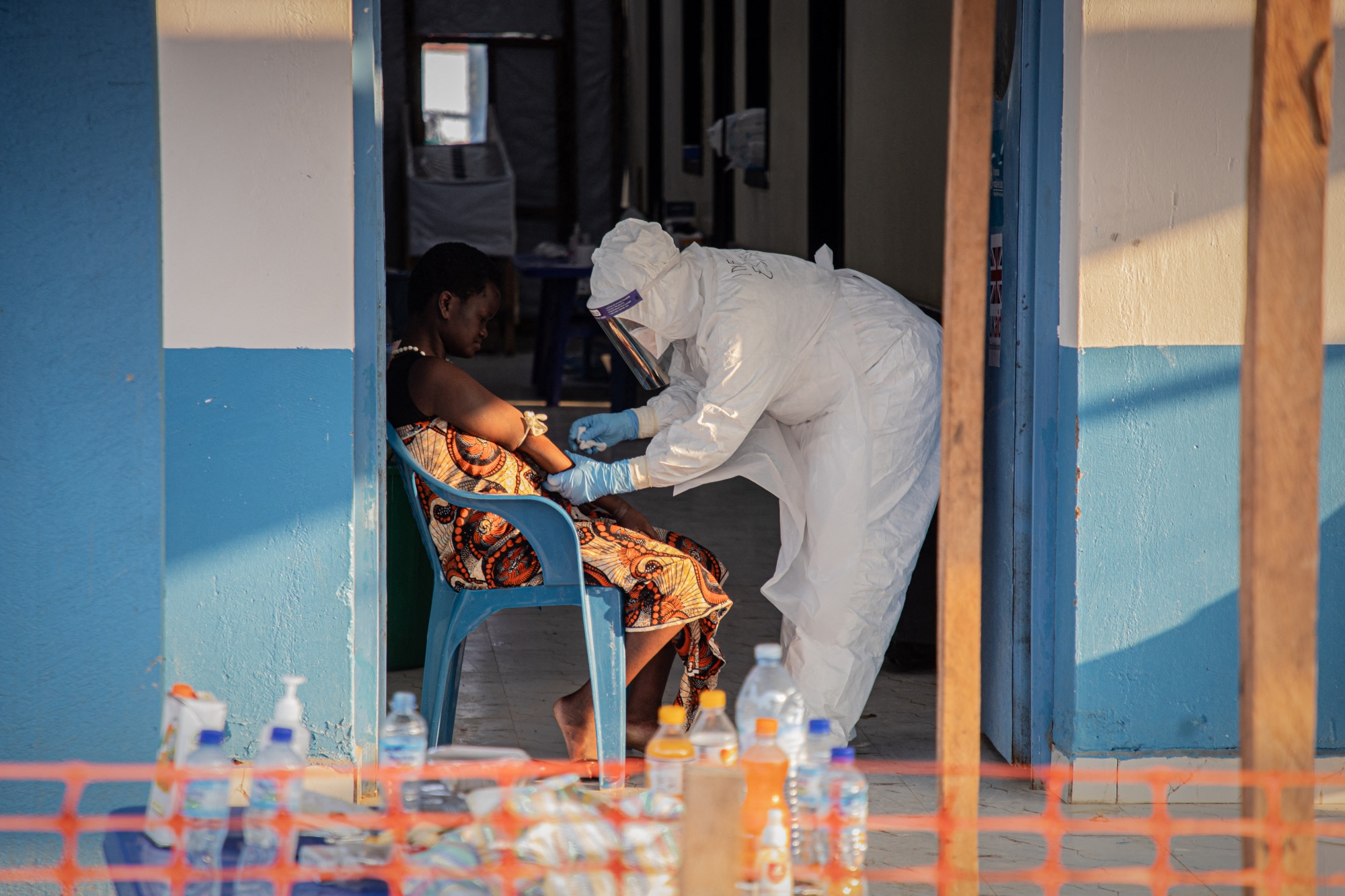
A healthcare worker takes samples from a patient at the Ebola Treatment Center in Bunia, Congo.
Photographer: Benediction Murhabazi/AFP/Getty Images
Russia’s key Novorossiysk export hub for oil and grain on the Black Sea has imposed an informal ban on nighttime navigation as Ukraine steps up drone attacks on the country’s port infrastructure. Australian Foreign Minister Penny Wong renewed her public criticism of China’s ballistic-missile test earlier this month, labeling it “provocative and destabilizing” and calling out Beijing’s rapid buildup of its nuclear arsenal. The UK will cut tax on pubs, social clubs and some live-music venues across England as new Prime Minister Andy Burnham marks his first week in power with a string of promises to lower the cost of living. Sign up for the Washington Edition newsletter for news from the US capital and watch Balance of Power at 1 and 5 p.m. ET weekdays on Bloomberg Television. Chart of the Day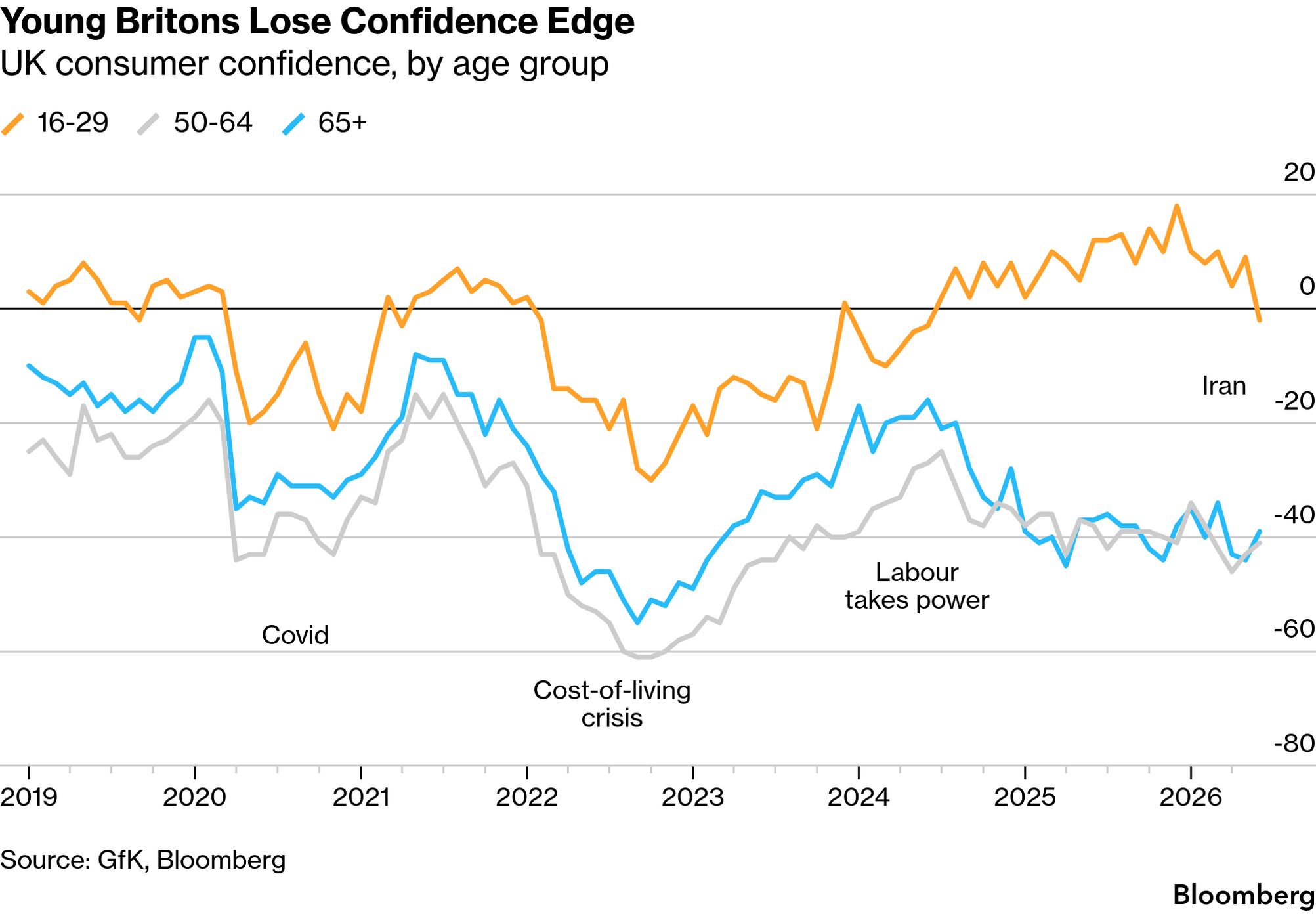
Gen Z is becoming less sure about whether Britain’s economy is working for them as high unemployment and low savings rates leave younger people feeling pessimistic about establishing their careers and buying property. Consumer sentiment across all age groups was dented in April, a confidence tracker from GfK shows, but while the mood among over-50s has largely recovered, those aged 16 to 29 have become more skeptical. And FinallyIsraeli authorities are planning to use crocodile-filled moats to guard high-security Hamas prisoners, arguing that it saves money and treats those inmates in the way they deserve. Under the program, the funnels will be built around the wing of a jail in southern Israel where suspected members of the Nukhba, the militant group’s elite infantry, are being held. Critics say it’s undignified political theater and an abuse of the animals. 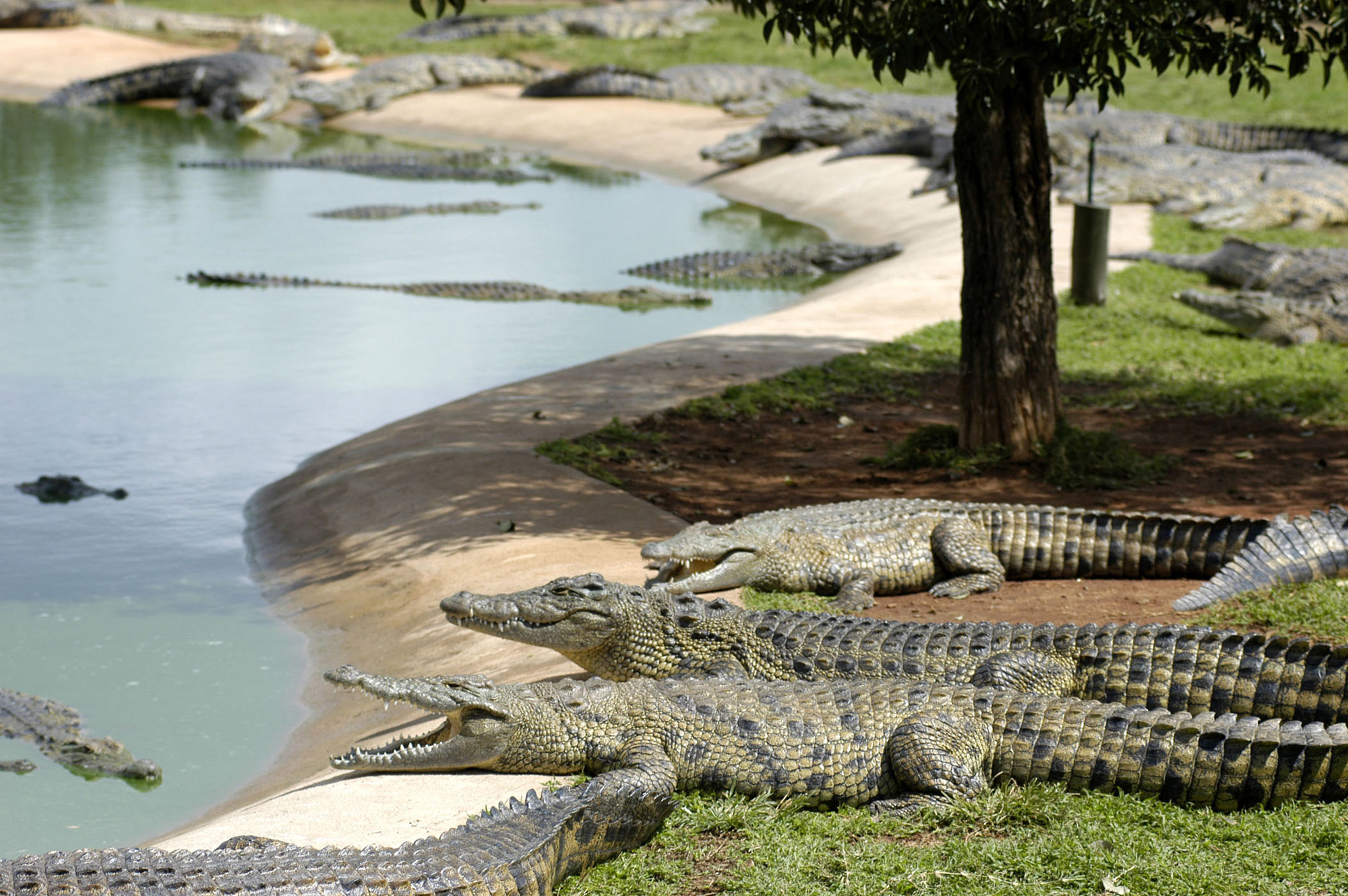
The Inyoni Crocodile Farm north of Johannesburg, South Africa.
Photographer: Naashon Zalk/Bloomberg News
More from Bloomberg
We’re improving your newsletter experience and we’d love your feedback. If something looks off, help us by reporting it here. Follow Us
You received this message because you are subscribed to Bloomberg’s Balance of Power newsletter. If a friend forwarded you this message, sign up here to get it in your inbox.
|
Thursday, July 23, 2026
Sidelined and toothless





Subscribe to:
Post Comments (Atom)
Sidelined and toothless
The United Nations is choosing a new leader ...
-
PLUS: Dogecoin scores first official ETP ...
-
Swaps, memes, homes, tokens. View in browser Unicorn bucket We have talked a fe...


No comments:
Post a Comment