| Read in browser | ||||||||||||||
Welcome to Balance of Power, bringing you the latest in global politics. If you haven’t yet, sign up here. Forget fun in the sun: Europe’s summer is growing more dangerous. The heat death toll is already close to 20,000 people, according to a Bloomberg compilation of excess fatalities in countries including Spain, France, Germany and the UK in June and July to date. The Spanish government declared a national state of emergency over wildfires for the first time today after blazes went out of control on the outskirts of Madrid. The string of heat waves has shocked people across the continent, with extreme temperatures made worse by climate change. Roads cracked, railways melted and homes became dangerously overheated, changing the way residents, economists and political leaders perceive the threat. 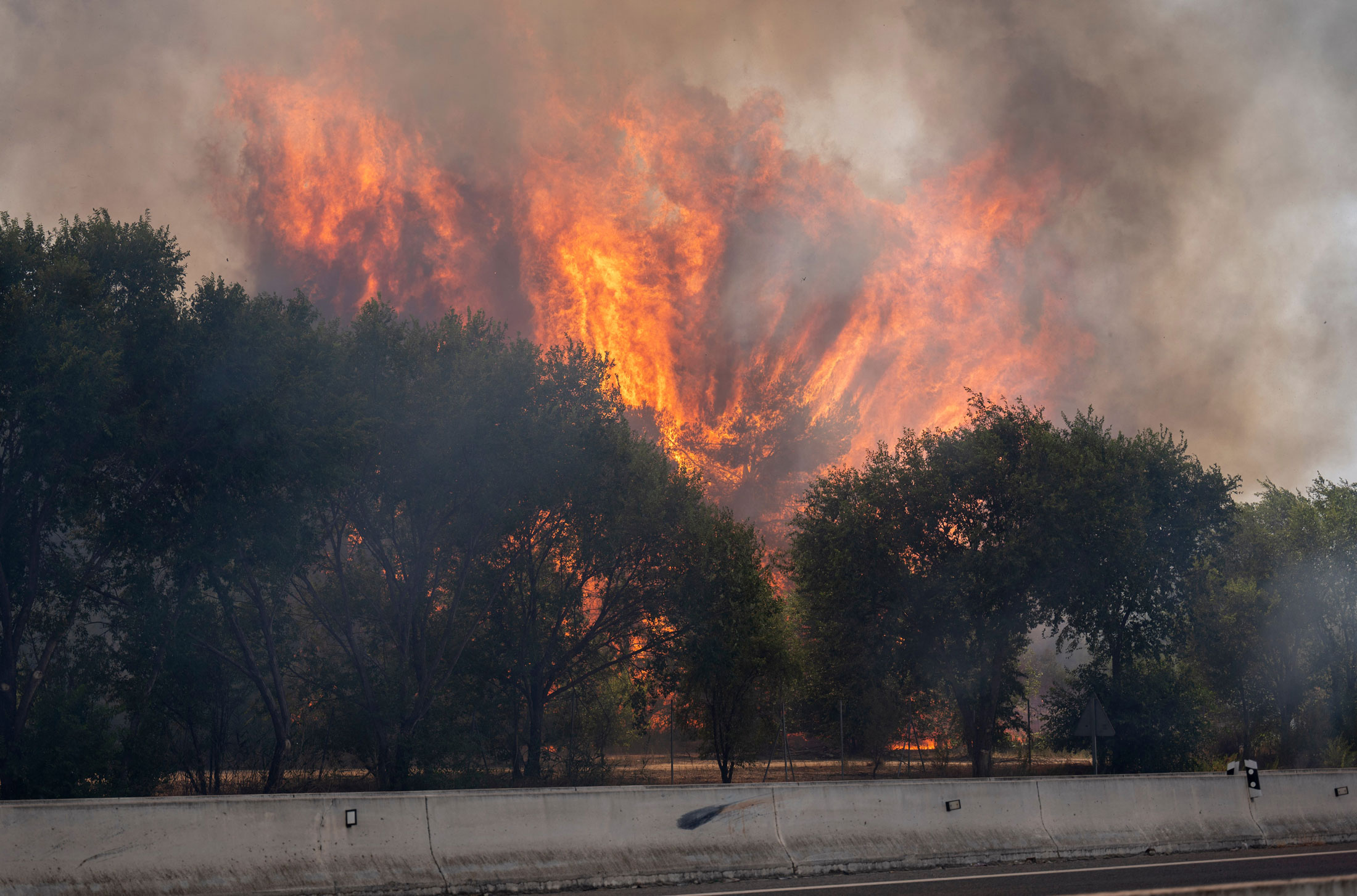
A wildfire burns near Madrid.
Photographer: Alberto Ortega/Sipa/AP Photo
The death rates as well as the discomfort experienced by millions should be a “wake-up call for all European policymakers,” said Carsten Brzeski, global head of macro at ING Group NV. The economist, who spends most of his time focusing on inflation and gross domestic product, warned the thermometer has now “become a leading indicator” for tracking economic growth. Numbers on the economic impact are trickling in. One estimate put the cost of a single week of extreme heat in the UK at £1.15 billion ($1.5 billion) through lost working hours. That climbs to £2.36 billion by another calculation if heat-induced failures in infrastructure and equipment are included. Leaders are starting to react. London Mayor Sadiq Khan said the city will need private investors to help fund a multi-billion effort to adapt homes. Even France’s far-right National Rally party, whose head, Marine Le Pen, once dismissed the major UN-backed IPCC climate report as “very, very alarmist,” has acknowledged the need to take the science seriously. August is traditionally the worst month for heat. All the indications are that Europe’s heat waves will only get longer, more intense and — unless urgent measures are taken — even deadlier. — Laura Millan 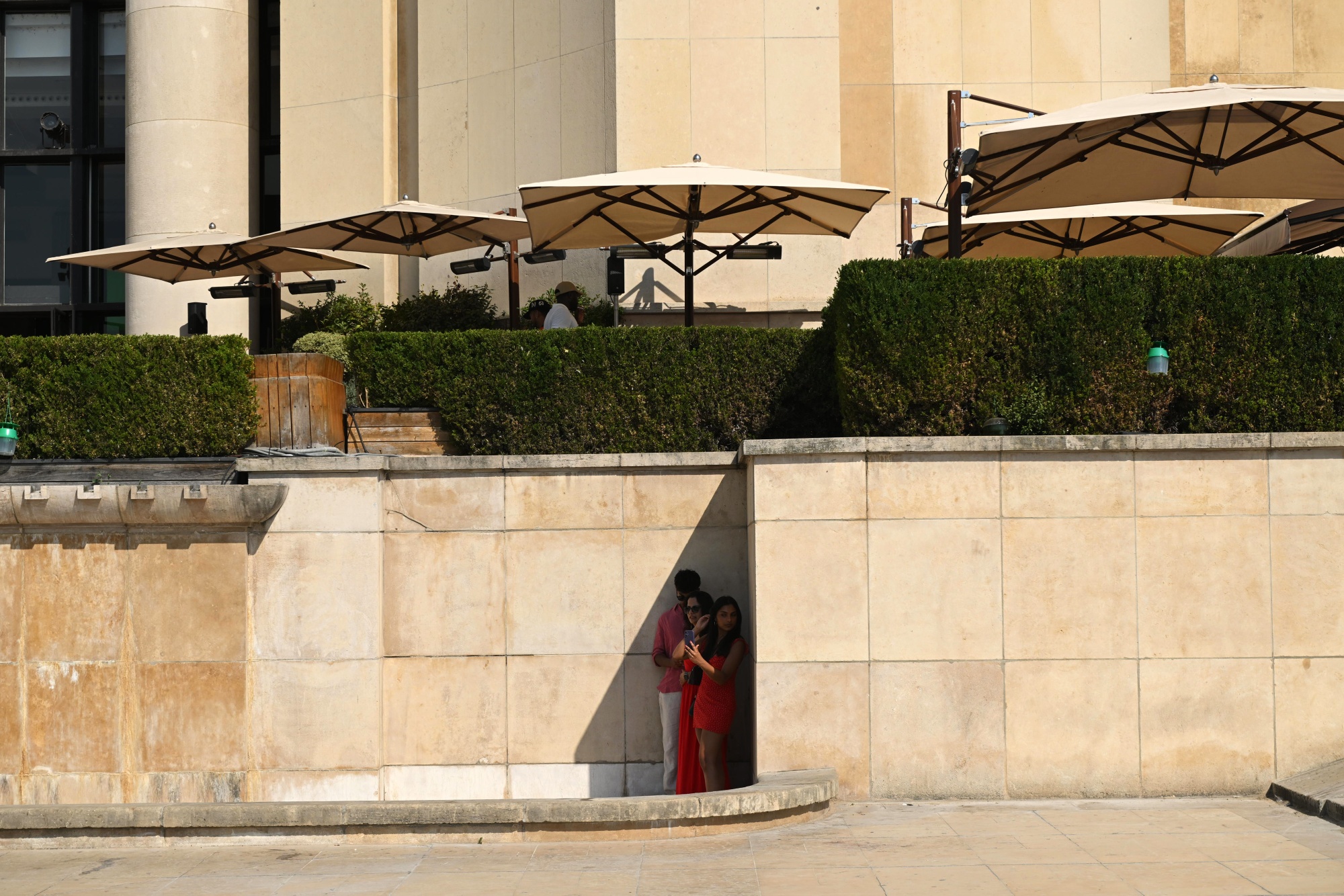
People stand in the shade in Paris on June 26.
Photographer: Benjamin Girette/Bloomberg
Global Must ReadsThe US will collect duties of between 10% and 12.5% on imports from most major trading partners, its biggest move yet to reconstruct President Donald Trump’s tariff wall that was pierced by the Supreme Court. The new levy on Chinese goods might irk Beijing without provoking a retaliation, while the European Union noted that its rate complies with the bilateral trade deal worked out with the US over the past year. 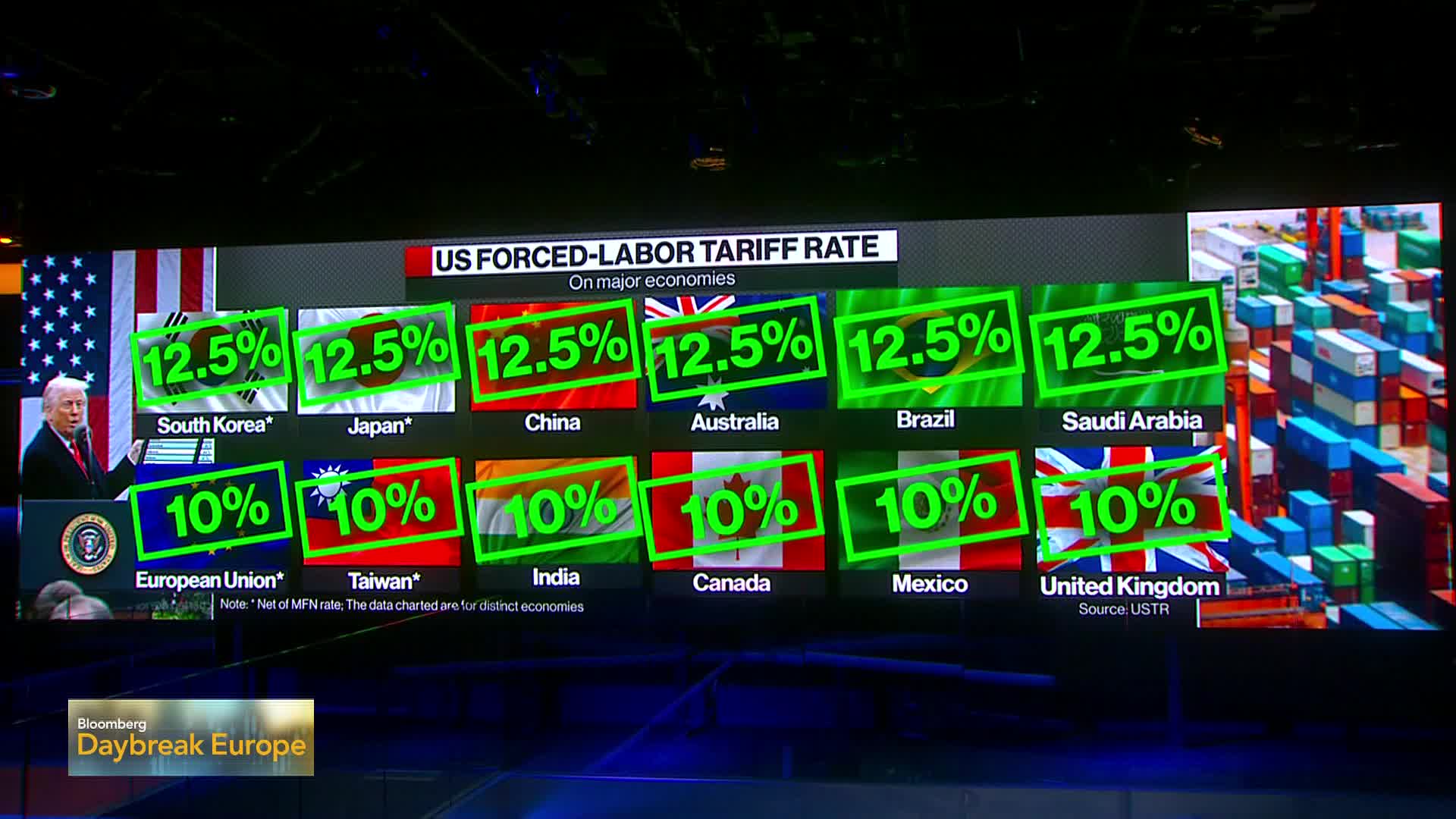 
Bloomberg’s Rosalind Mathieson reports on the new tariffs.
Trump is considering a “massive attack” on Iran to push the nation to negotiate a peace deal, raising the prospect of even higher energy prices that have already rattled economies. The president told Axios that he was close to making a decision on strikes that would be “bigger than ever before,” adding that Iran isn’t ready to make a deal. The remarks underscore the bind he finds himself in after renewed fighting caused an interim peace deal to collapse and all but closed the Strait of Hormuz. Ukraine’s popular former defense minister, Mykhailo Fedorov, rejected all jobs offered to him by President Volodymyr Zelenskyy, saying he would only accept reinstatement to his old position, a move that could breathe new fire into nationwide protests backing him. Russian businesses are grappling with the bleakest conditions since the early months of the war as Ukrainian strikes drive up fuel and transportation costs, threatening already sluggish growth. India’s top judge sparked New Delhi’s biggest protests in years when he compared unemployed youngsters to cockroaches during a routine court hearing. The demonstrations are testing Prime Minister Narendra Modi’s government as they spread to other cities and highlight the extent to which the nation’s economic rise is failing to absorb young graduates, with many feeling their lives and futures are being ignored by the government. 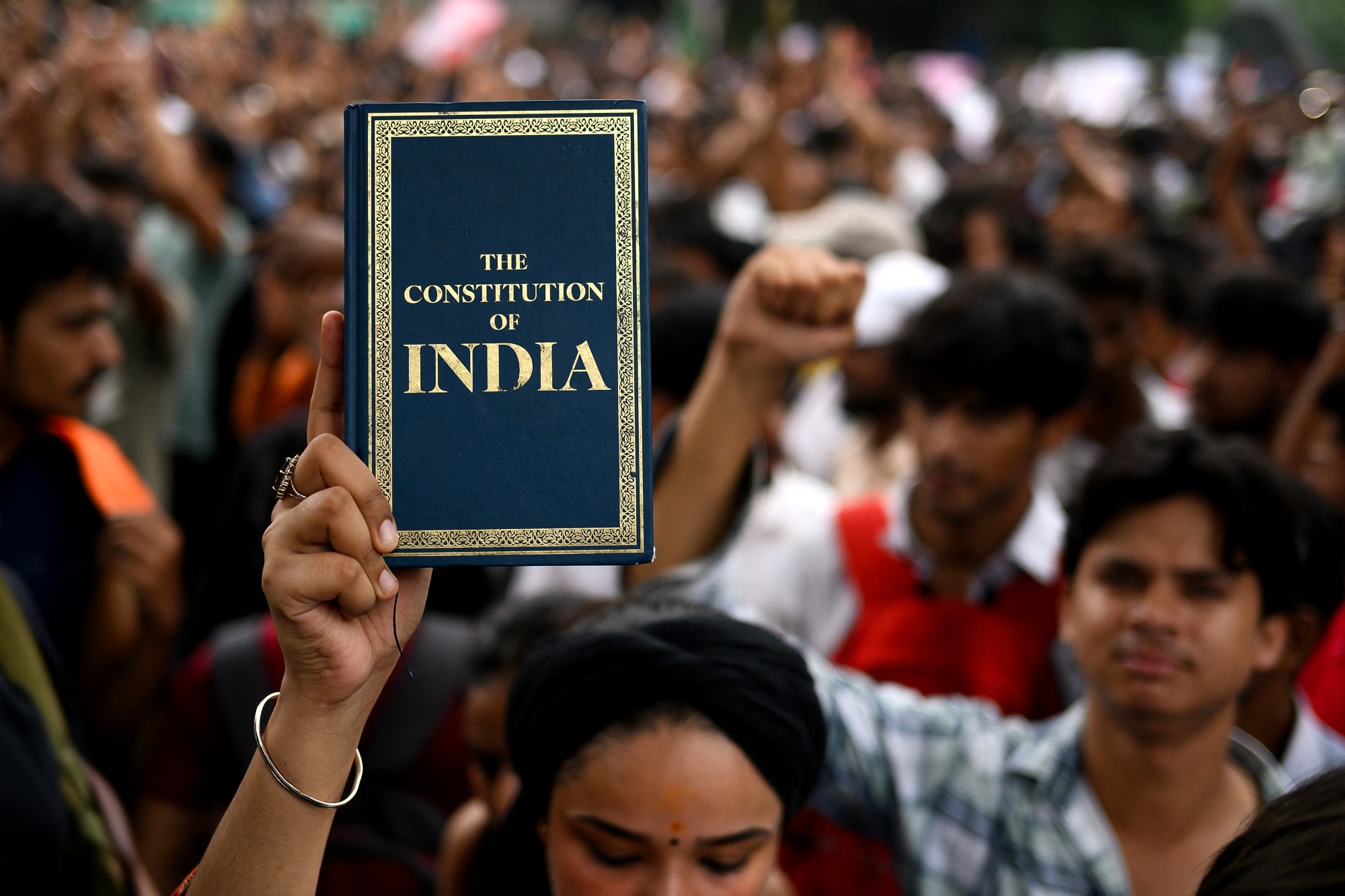
A Cockroach Janta Party supporter during a protest in New Delhi on Monday.
Photographer: Manan Vatsyayana/AFP/Getty Images
The Philippines and China reported their third clash in the South China Sea this week that further heightened tensions as the US flexed its presence in disputed waters. China Coast Guard says it took “control measures” on multiple Philippine vessels conducting illegal activities at the Scarborough Shoal. Tensions were already high after Manila this week accused Chinese officials of aggressively striking and wounding a Navy serviceman with a wooden baton at the Second Thomas Shoal. A South African court halted a parliamentary inquiry into whether President Cyril Ramaphosa should be impeached over his handling of a robbery at his wildlife ranch. The right-wing presidential campaign of Flávio Bolsonaro has swung into desperation mode, as the Brazilian fought allegations of ties to a bank scandal, beseeched his stepmother for support and faced a new police probe. Prime Minister Andy Burnham will open a new branch of 10 Downing Street in north-west England today in an attempt to demonstrate his vision for devolving power away from London. Chinese officials are seeking clarity from Washington on what the US expects from upcoming artificial-intelligence talks, sources say, as the Trump administration escalates pressure on China’s fast-rising AI sector. 
Don’t miss from Bloomberg Weekend: Mishal Husain speaks with Karen Hao about what AI means for the future workforce, Shawn Donnan writes about the current era of resilience, while we investigate the enormous scale of Jeffrey Epstein’s network. Subscribe to the newsletter here.
Sign up for the Washington Edition newsletter for news from the US capital and watch Balance of Power at 1 and 5 p.m. ET weekdays on Bloomberg Television. Chart of the Day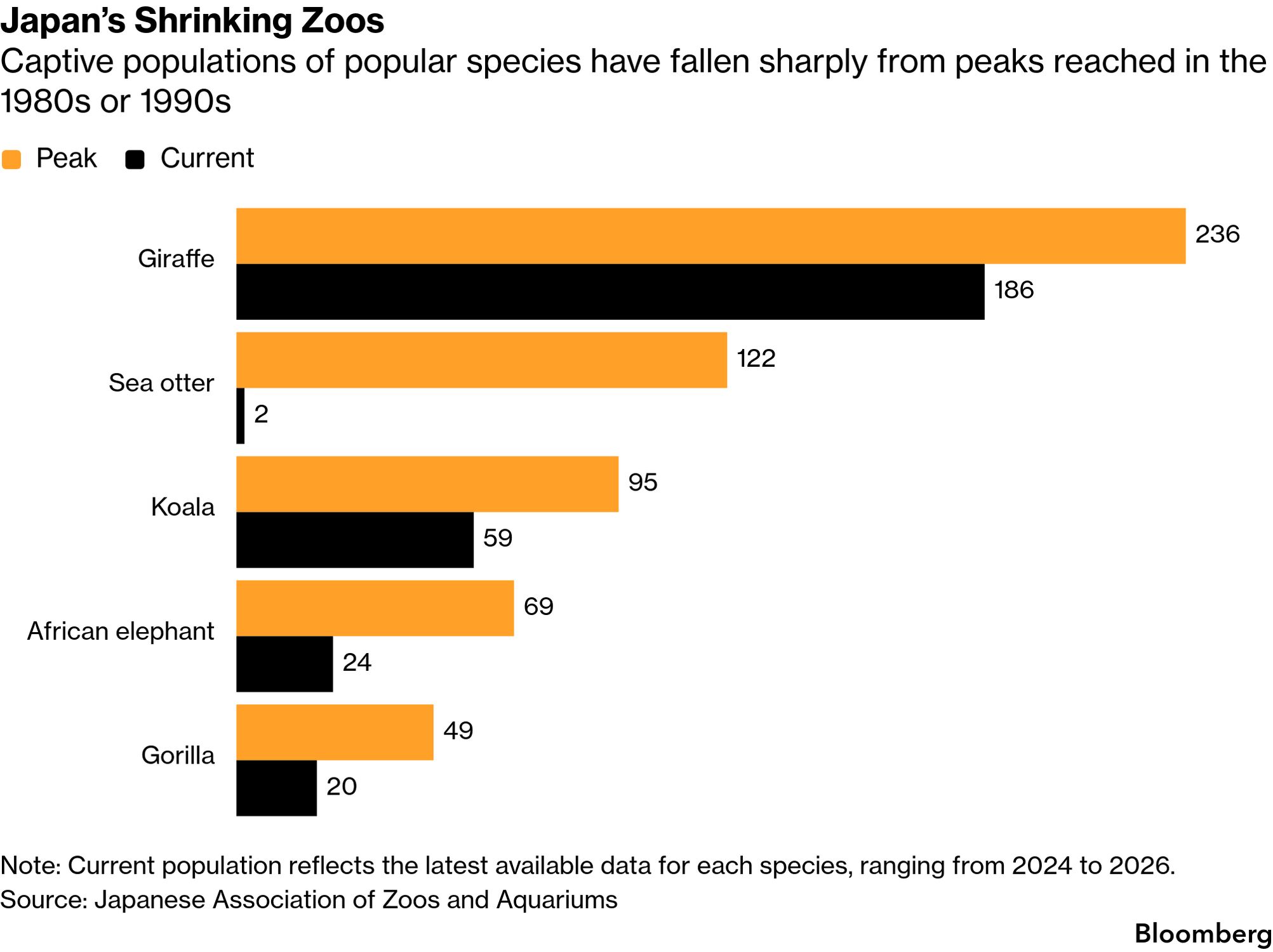
Japan has one of the highest concentrations of zoos per capita in the world and fans travel hundreds of miles for a glimpse of celebrity animals. Yet behind the crowds, a network developed over almost 150 years is facing an uncertain future as rising costs collide with tightening municipal budgets in one of the world’s fastest-aging societies. Many zoos with hundreds, sometimes thousands, of animals are now struggling to sustain them, raising difficult questions about how a shrinking society cares for living collections it can’t easily abandon. And FinallyJames Mwazighe watched the flood waters nearly engulf his daughter’s bed as seasonal rains swept across southern Kenya in March. Jane, his usually playful two-year-old, lay writhing in pain from malaria, her tiny body ravaged by severe diarrhea. His nearby farmland — normally a bounty of bananas, maize and beans — was a swamp. The extreme flooding in his village, Kimorigo, followed Trump’s decision to shut down the US Agency for International Development and its irrigation project in the area with little notice or preparation, as our Big Take investigation shows. 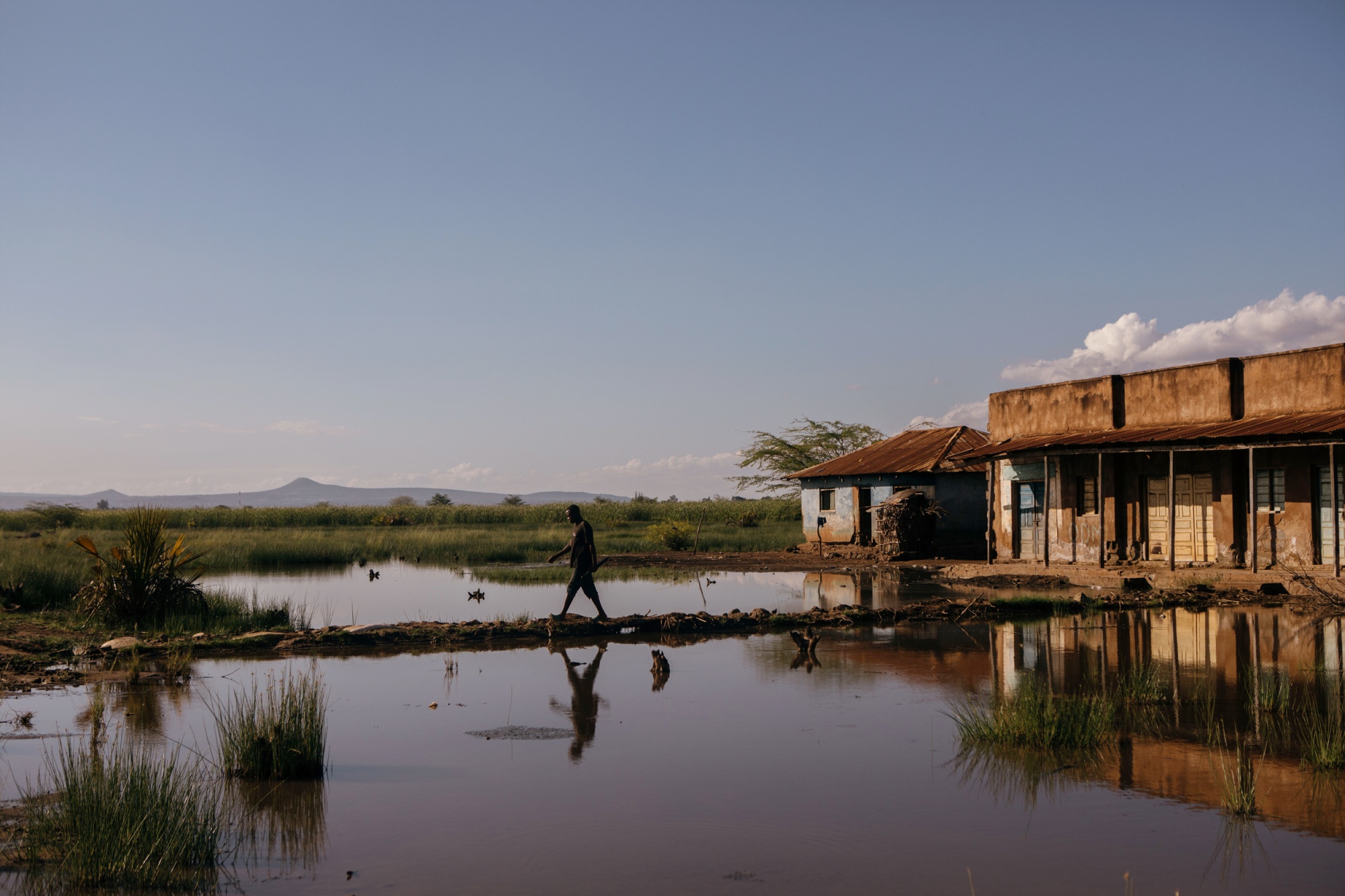
The flooding in the low-lying village of Kimorigo.
Photographer: KC Cheng/Bloomberg
Pop Quiz (no cheating!). Which superstar singer is facing a review of a Spanish court’s ruling to wipe out $63 million in tax claims against her? Send your answers to balancepower@bloomberg.net More from Bloomberg
We’re improving your newsletter experience and we’d love your feedback. If something looks off, help us by reporting it here. Follow Us
You received this message because you are subscribed to Bloomberg’s Balance of Power newsletter. If a friend forwarded you this message, sign up here to get it in your inbox.
|
Friday, July 24, 2026
Getting hotter





Subscribe to:
Post Comments (Atom)
Millionaire warns: Move your money ASAP…
He's only seen this setup once before (and it made his clients $95M in profit) ͏ ͏ ͏ ͏ ͏ ͏ ͏ ͏ ͏ ͏ ͏ ͏ ͏ ͏ ͏ ͏ ͏ ͏ ͏...
-
PLUS: Dogecoin scores first official ETP ...
-
Swaps, memes, homes, tokens. View in browser Unicorn bucket We have talked a fe...


No comments:
Post a Comment