| Read in browser | ||||||||||||||

Welcome to Balance of Power, bringing you the latest in global politics. If you haven’t yet, sign up here. Outside 10 Downing Street yesterday, Andy Burnham made a plea for stability and an end to the churn that’s seen him become Britain’s seventh prime minister in a decade. Not even 24 hours into the job, he’s already facing the first signs of a political rebellion. Burnham’s appointment of a raft of Labour figures to his cabinet who were instrumental in efforts to oust Keir Starmer has provoked an angry reaction from supporters of the former prime minister. One called it a divisive cabinet that breaks Burnham’s pledge to be an inclusive leader. Another said the appointments risk creating a long list of political enemies who’ll likely seek revenge on the new premier. John Healey, who resigned as defense secretary in June, returned as Burnham’s shock pick for chancellor of the exchequer. 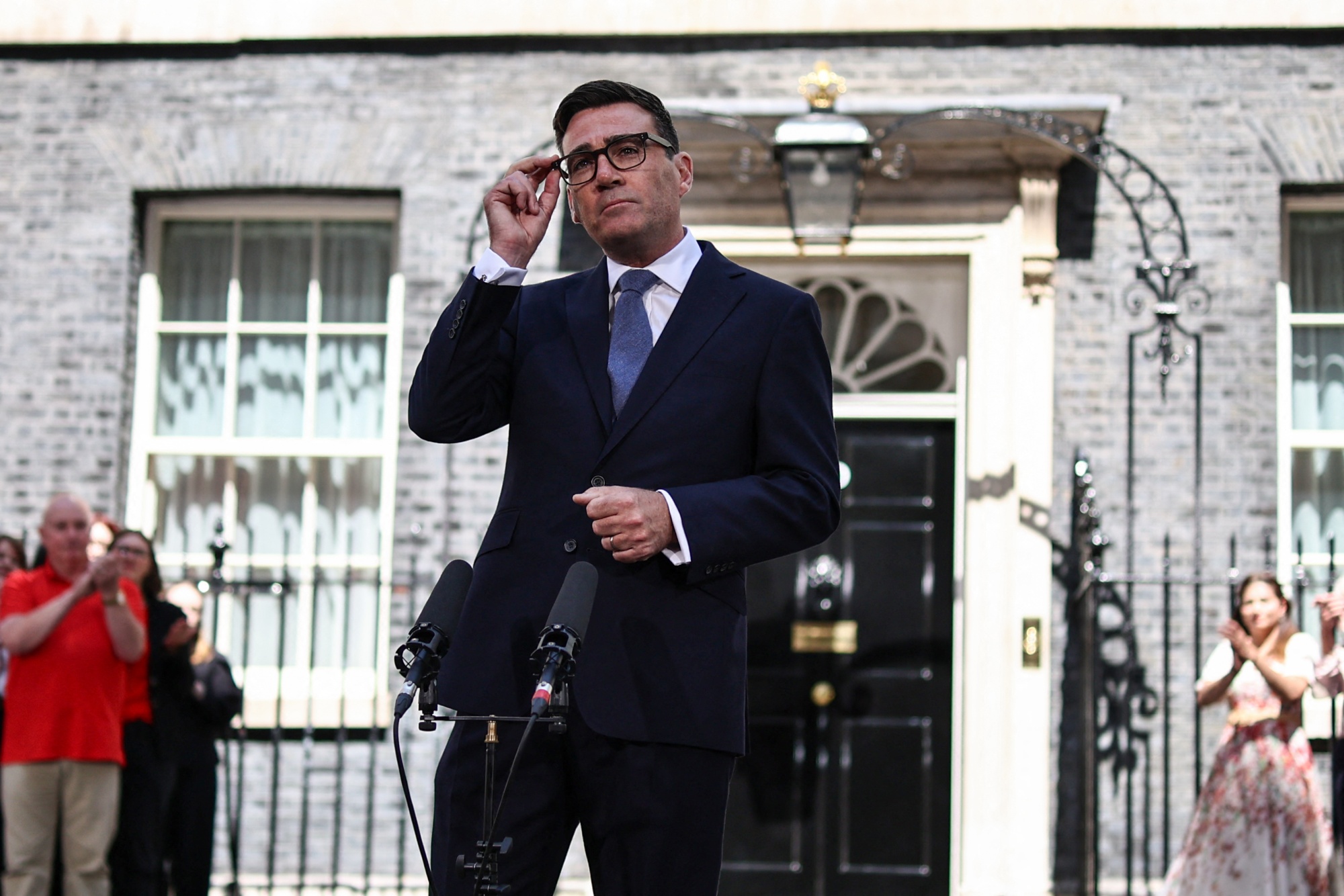
Burnham gives his first speech as prime minister in front of 10 Downing Street in London yesterday.
Photographer: Henry Nicholls/AFP/Getty Images
While some in the party viewed Healey as a fiscally safer choice than more obviously left-wing candidates, a Starmer supporter pointed out he’d previously quit after demanding massive increases in defense spending. Wes Streeting, who resigned as health secretary in May in a bid to trigger Starmer’s ouster, returns as the defense secretary. Streeting has no discernible military experience and replaced Dan Jarvis, a former soldier, upsetting some defense-minded Labour lawmakers. Britain’s new foreign secretary is Ed Miliband, who led the cabinet rebellion against Starmer. US President Donald Trump has repeatedly criticized his policies on net zero, so he’ll face a significant test winning friends in Washington. Burnham’s reappointment of Shabana Mahmood as home secretary disappointed the Labour left, who hoped she’d be replaced and that he’d drop her more hardline immigration reforms. The premier’s allies insist the appointments represent all factions and regions. As the new leader starts work, though, his cabinet picks risk sending a dangerous message to potential Labour rebels. Turn on the prime minister and soon you too could have a seat at the top table. — Alex Wickham 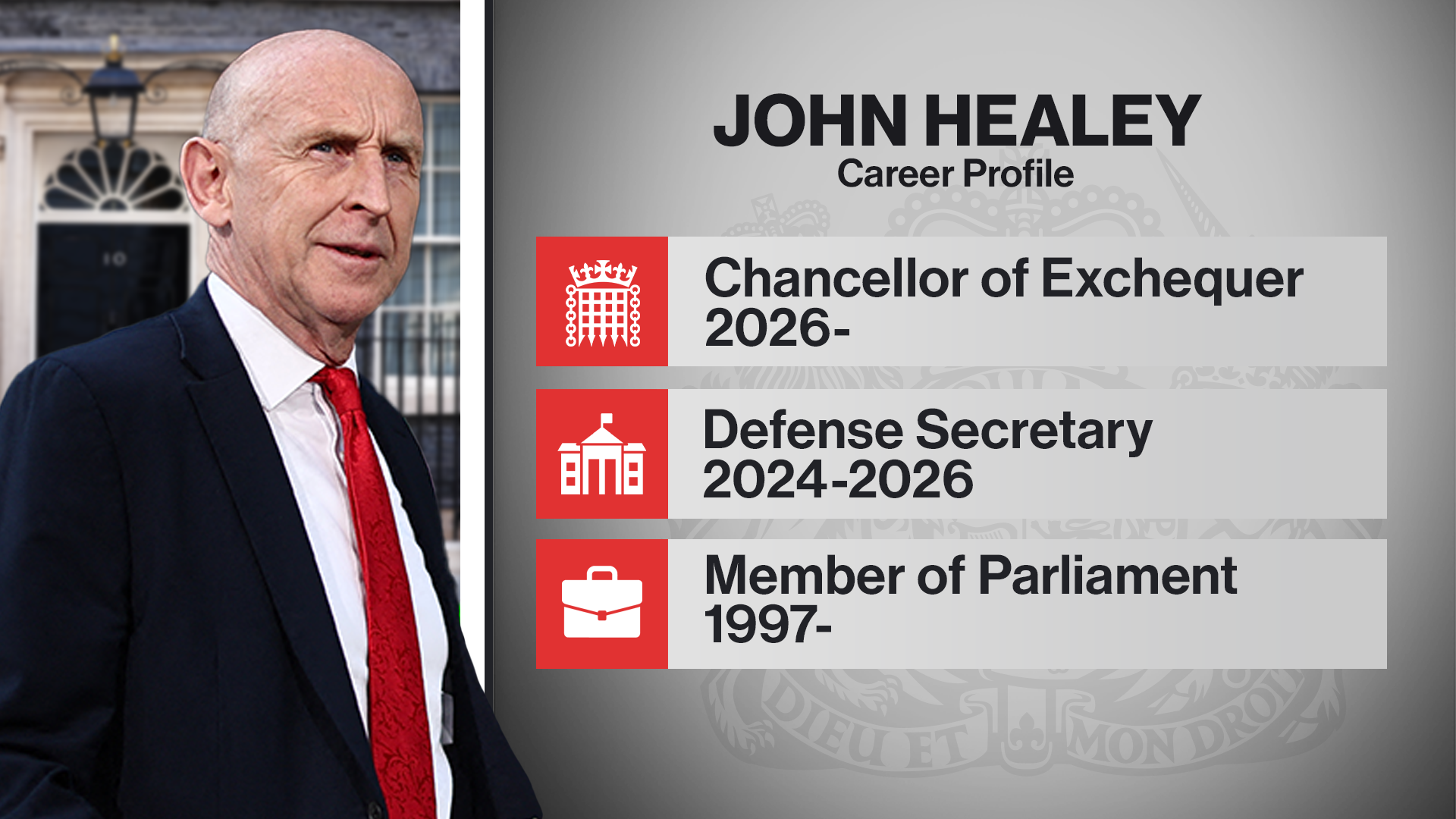 
Tim Bale, politics professor at Queen Mary University of London, says Healey is the “ultimate safe pair of hands.”
Global Must ReadsThe US and Iran exchanged strikes for a 10th consecutive day even as mediators sought to revive a truce, while the Houthi militant group in Yemen threatened shipping in the Red Sea that would risk the flow of millions of barrels of oil. The Tehran-backed group vowed to impose a maritime blockade on Saudi Arabia, prompting the Saudi-led military coalition in Yemen to say it had taken steps to protect vessels. Indian protesters vowed to press on after police used tear gas and batons to block thousands of demonstrators from marching on parliament, adding pressure on Prime Minister Narendra Modi’s government. Students — whose main demand is the resignation of Education Minister Dharmendra Pradhan — packed roads in central New Delhi yesterday in the city’s largest demonstrations since the farmer protests in 2021. 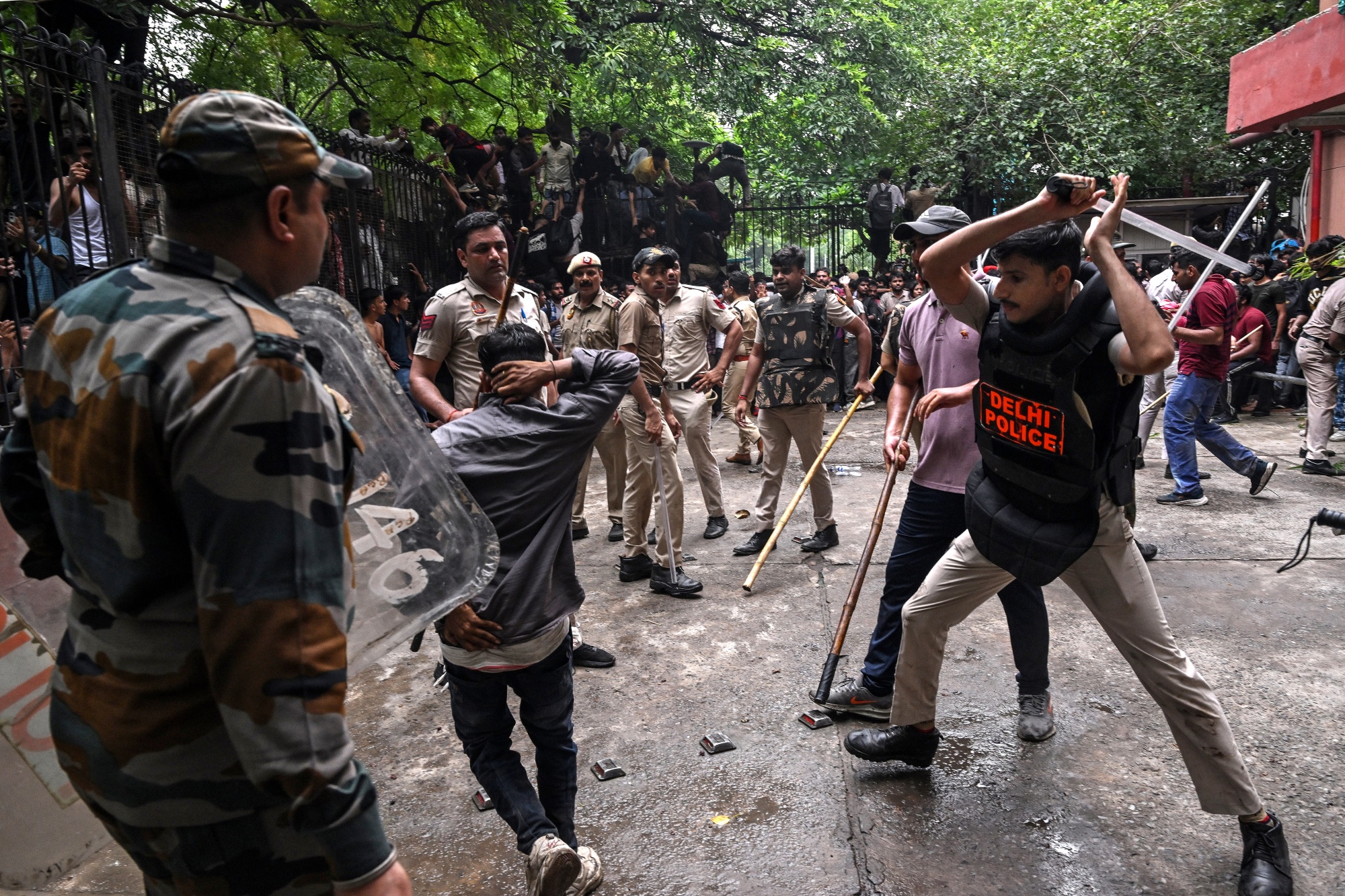
Police clash with protesters in New Delhi yesterday.
Photographer: Arun Sankar/AFP/Getty Images
The firestorm that took down one of German Chancellor Friedrich Merz’s key parliamentary allies has given him a window to tighten his grip on policymaking. Merz’s chief of staff, Thorsten Frei, is seen as a likely successor to conservative parliamentary group leader Jens Spahn, setting in motion a staffing merry-go-round that could change the face of a chancellorship under pressure from the far-right AfD. The Trump administration vowed to impose a fresh 50% tariff on some Canadian goods over what it said was unfair treatment of American alcohol, cars and dairy, further inflaming tensions between the two neighbors. If Washington follows through with the levies, which are set to take effect in 30 days, the move would mark one of the most severe trade actions the president has taken against the US’s second-largest trading partner. Ukrainian President Volodymyr Zelenskyy is considering removing Oleksandr Syrskyi as head of the army, sources say, amid pressure from widespread protests demanding the military leader’s ouster and following the dismisal of popular Defense Minister Mykhailo Fedorov. Meanwhile, the European Union is set to discuss at least three possible scenarios for getting out of an impasse that has stalled its latest package of sanctions on Russia. 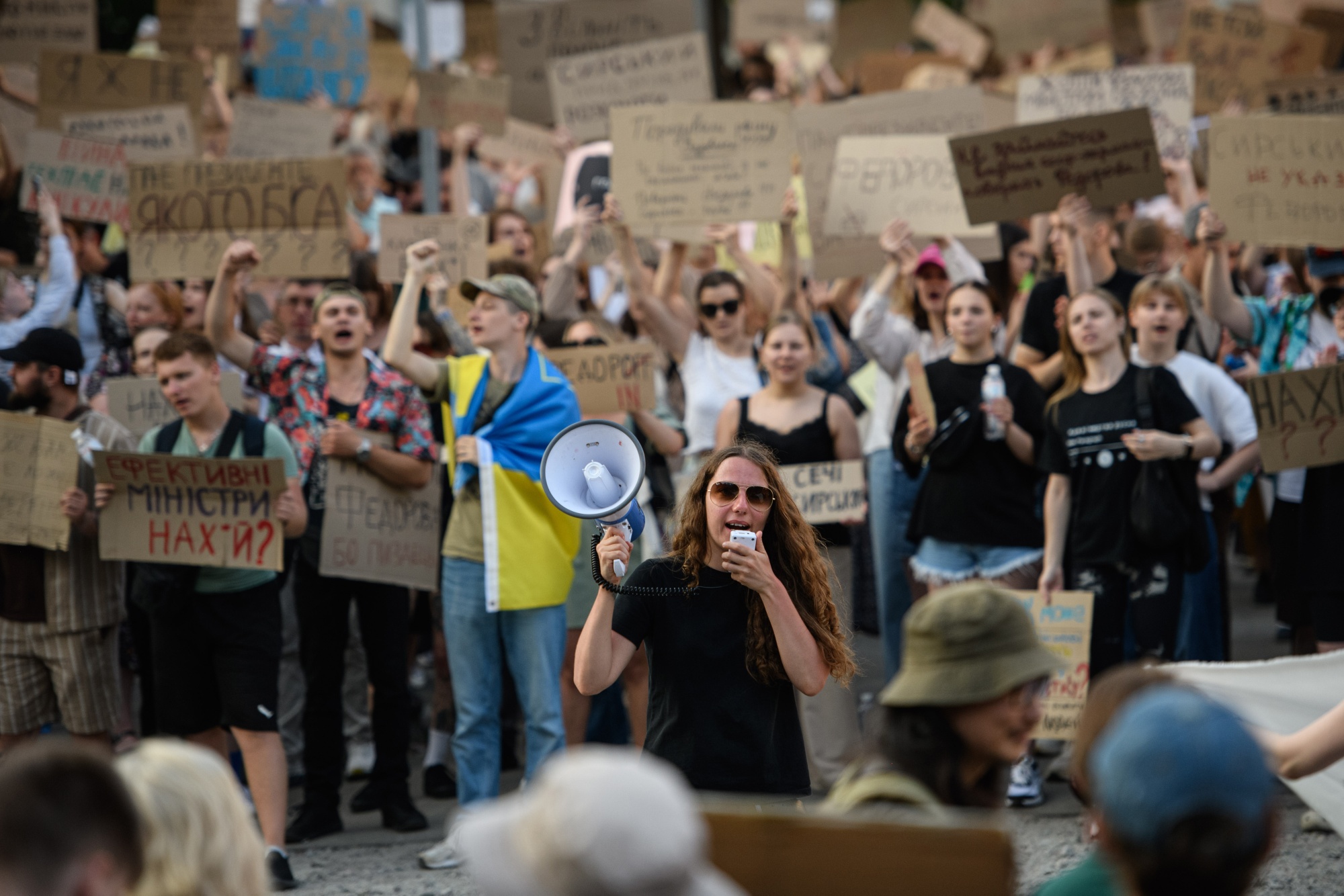
A demonstration against the decision to drop Fedorov as defense minister, in Kyiv on July 16.
Photographer: Olga Ivashchenko/Bloomberg
Approval ratings for Japanese Prime Minister Sanae Takaichi dropped in the latest opinion polls as she pushed ahead with some divisive legislation despite voters’ concerns about the cost of living. Hungarian Prime Minister Péter Magyar suffered his first major setback since taking office after chess legend Judit Polgár declined to be nominated as president a day after he had publicly endorsed her. South Korean President Lee Jae Myung’s attempt to set an example by selling his apartment in support of a housing-supply drive has instead highlighted the financing constraints facing ordinary homebuyers, fueling criticism of his government’s lending policies. Frontline health workers in eastern Democratic Republic of Congo may soon be offered an experimental vaccine against the Bundibugyo strain of Ebola, as researchers test whether it can provide partial protection while a strain-specific vaccine remains months away. Sign up for the Washington Edition newsletter for news from the US capital and watch Balance of Power at 1 and 5 p.m. ET weekdays on Bloomberg Television. Chart of the Day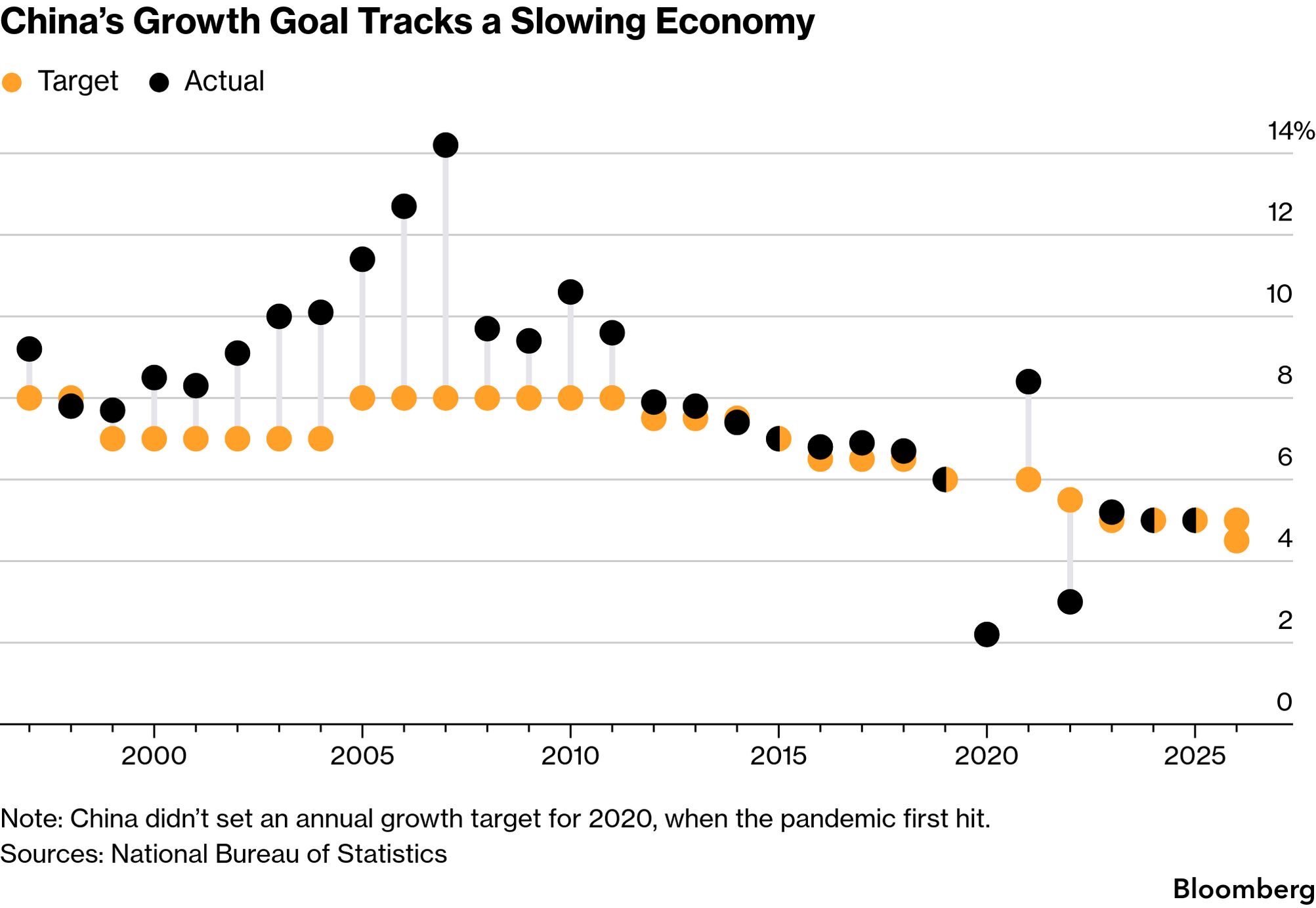
China’s cabinet pledged to ensure the country will meet its full-year economic goal and to forge ahead with implementing policies after growth slipped below the official target range in the second quarter. A less restrictive fiscal stance would mark a reversal for Beijing after its cumulative budget deficit narrowed in May for the first time in more than two years, restraint that had amounted to a de facto austerity policy. And FinallyShakira thought she’d won when a Spanish judge in April wiped out $63 million in tax claims against her, with the Colombian star dedicating the victory to “ordinary citizens who are abused and crushed every day.” But the dispute is set to be thrust back into the limelight after the revenue agency asked the Supreme Court to review the ruling, adding to a heightened scrutiny on taxation in Spain. Arguments that were once left to specialist lawyers have spilled into public view, drawing in campaigners, unions, politicians and even officials charged with enforcing fiscal laws. 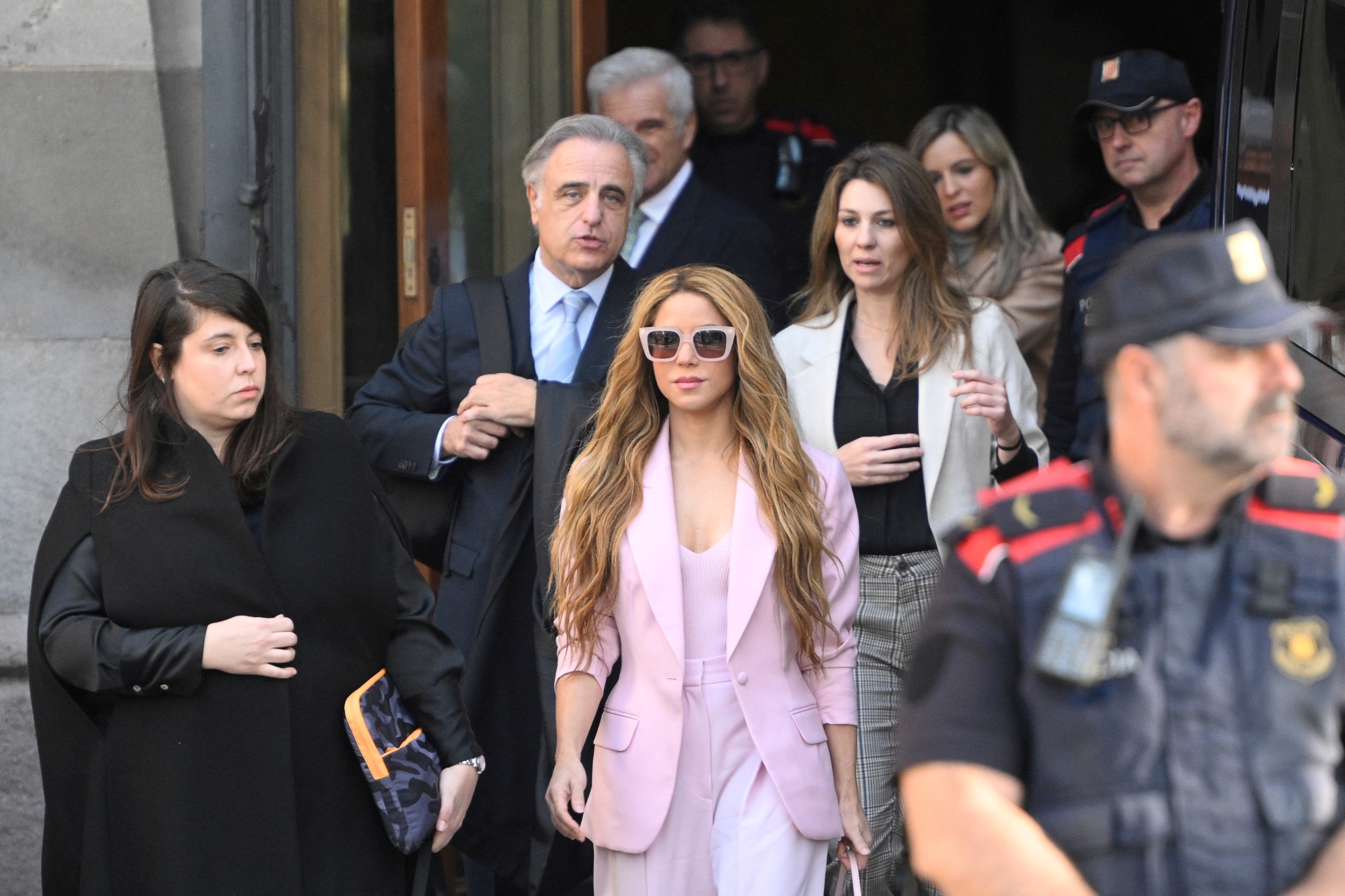
Shakira (center) leaves court after attending her trial on tax fraud in Barcelona in November 2023.
Photographer: Josep Lago/AFP/Getty Images
More from Bloomberg
We’re improving your newsletter experience and we’d love your feedback. If something looks off, help us by reporting it here. Follow Us
You received this message because you are subscribed to Bloomberg’s Balance of Power newsletter. If a friend forwarded you this message, sign up here to get it in your inbox.
|
Tuesday, July 21, 2026
A cabinet of rebels





Subscribe to:
Post Comments (Atom)
Wall Street Misread Kimi K3
The disruption is real – but it may favor infrastructure suppliers over premium model providers ...
-
PLUS: Dogecoin scores first official ETP ...
-
Swaps, memes, homes, tokens. View in browser Unicorn bucket We have talked a fe...


No comments:
Post a Comment