| Read in browser | ||||||||||||||

Welcome to Balance of Power, bringing you the latest in global politics. If you haven’t yet, sign up here. One of the clearest threads running through US President Donald Trump’s often unpredictable foreign policy is a drive for energy dominance: expand oil production, place more supply under American influence and steer business toward US companies. In Venezuela, the US administration used force to remove Nicolás Maduro and pressed for reforms to revive the oil industry. In Iran, Trump threatened to “take” the country’s oil. 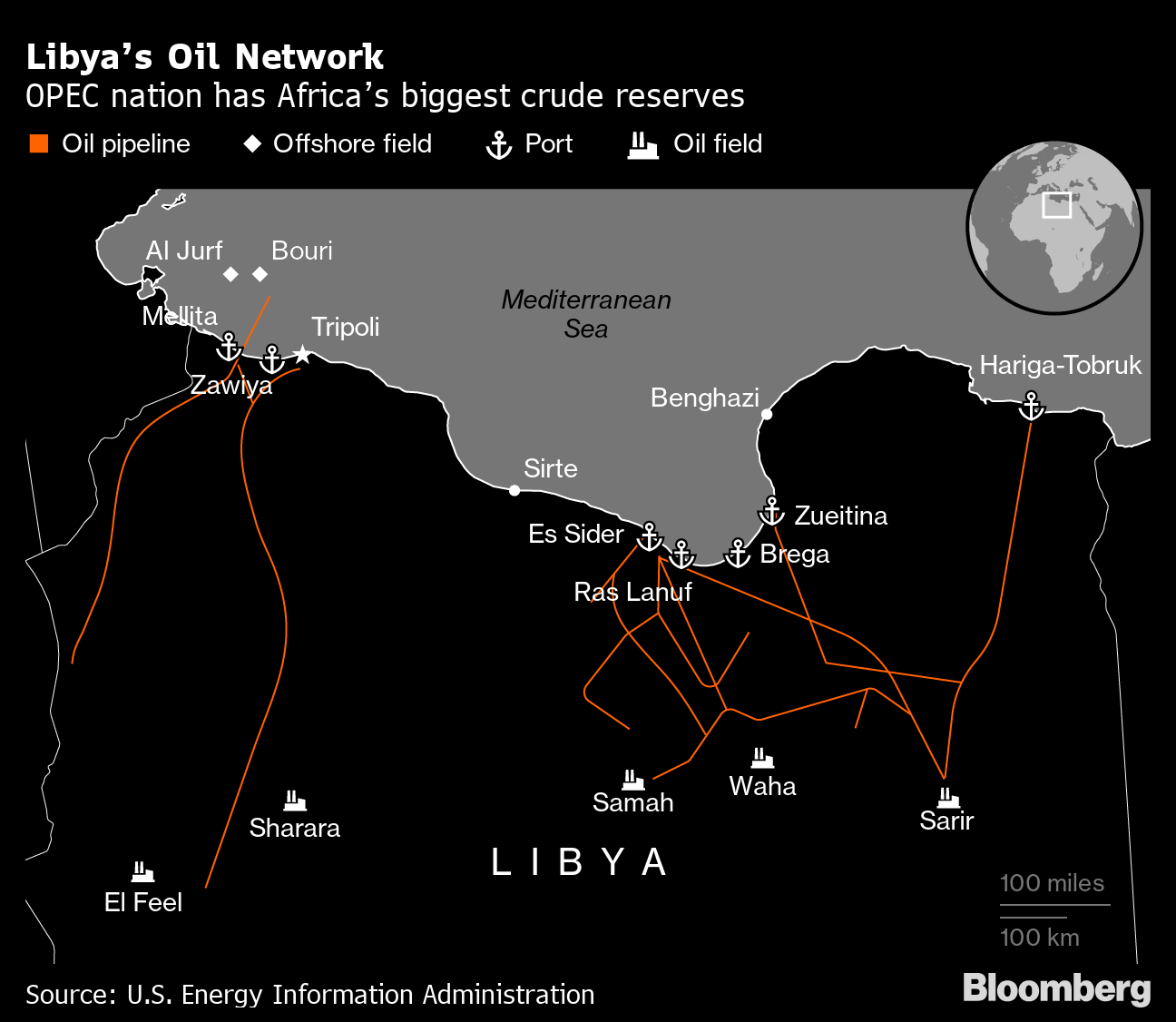
Now, more quietly, the same approach is playing out in Libya. Washington is trying to bring the country’s rival eastern and western camps together, betting that greater stability will unlock Africa’s largest oil reserves. Libya already produces about 1.3 million barrels a day. Reaching its target of 2 million would add roughly 700,000 barrels daily from fields close to Europe. US companies are moving in. ConocoPhillips has signed a new development agreement, Chevron is returning and Exxon Mobil is exploring a comeback after a decade-long absence. Trump has derided allies that refuse to follow his fossil-fuels-first lead. He attacked Britain’s energy policy, saying the UK should “DRILL, BABY, DRILL!!!” in the North Sea and demanding “NO MORE WINDMILLS!” Trump’s approach contrasts sharply with Beijing’s. China remains the world’s largest coal consumer and oil importer, but is building renewable power at unmatched scale. Its latest plan calls for doubling the supply of clean energy by 2035. The limits of Trump’s strategy are on display at the Group of Seven summit, where he’s promoting an interim deal with Iran intended to reopen the Strait of Hormuz after he began a war that disrupted supplies and drove oil prices sharply higher. Libya may also prove difficult. Armed factions control fields, pipelines and terminals, rival governments benefit from the country’s division, and foreign powers retain influence over competing camps. In much of the world, oil remains entangled with political forces Trump cannot simply command. — Peter Martin and Paul Burkhardt 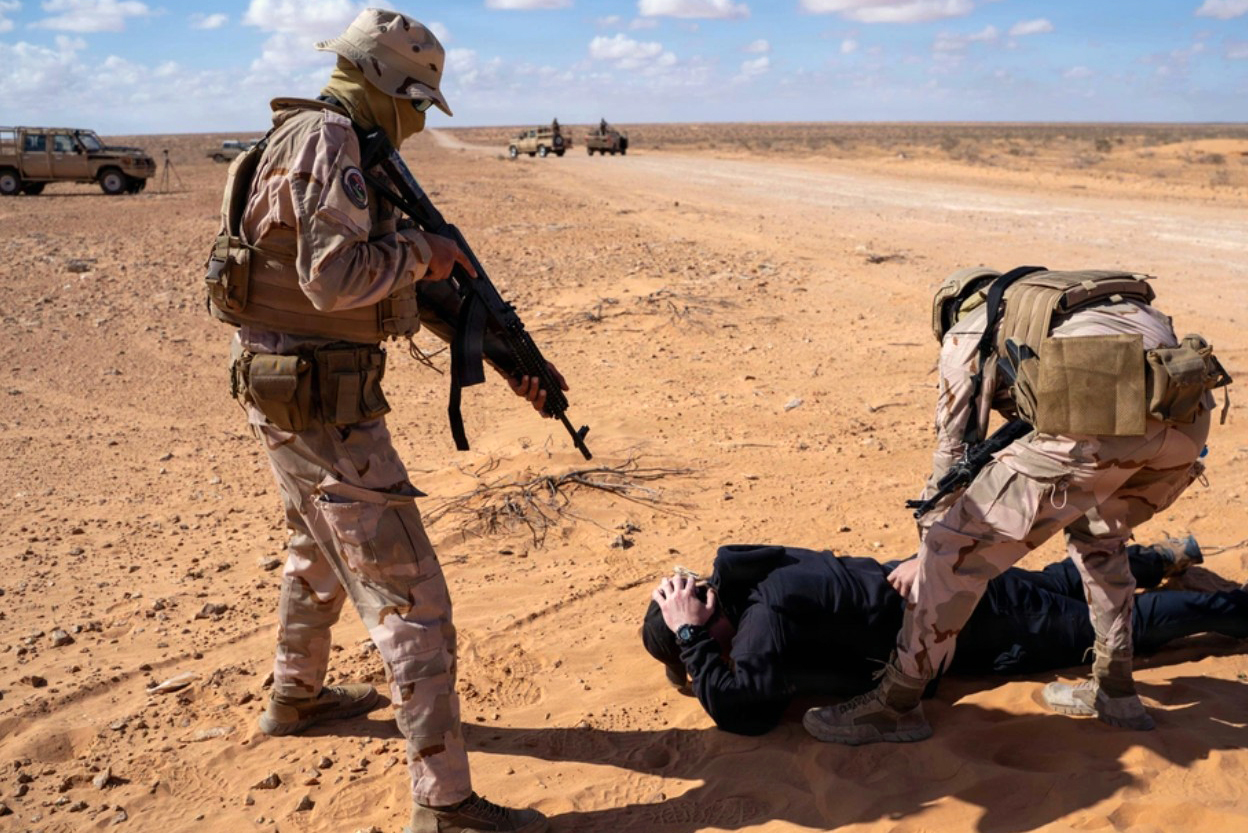
Libyan joint force soldiers train in a special operations exercise in Sirte on April 25.
Photographer: Katelynn Moeller/US Air Force
Global Must ReadsIran is set to receive broad financial incentives as part of its agreement with the US to end the war, including the right to sell oil immediately, tap a $300 billion development fund and get eventual access to its frozen assets. Here is the 14-point draft deal that the two sides are preparing to sign formally and that both are claiming as a victory. 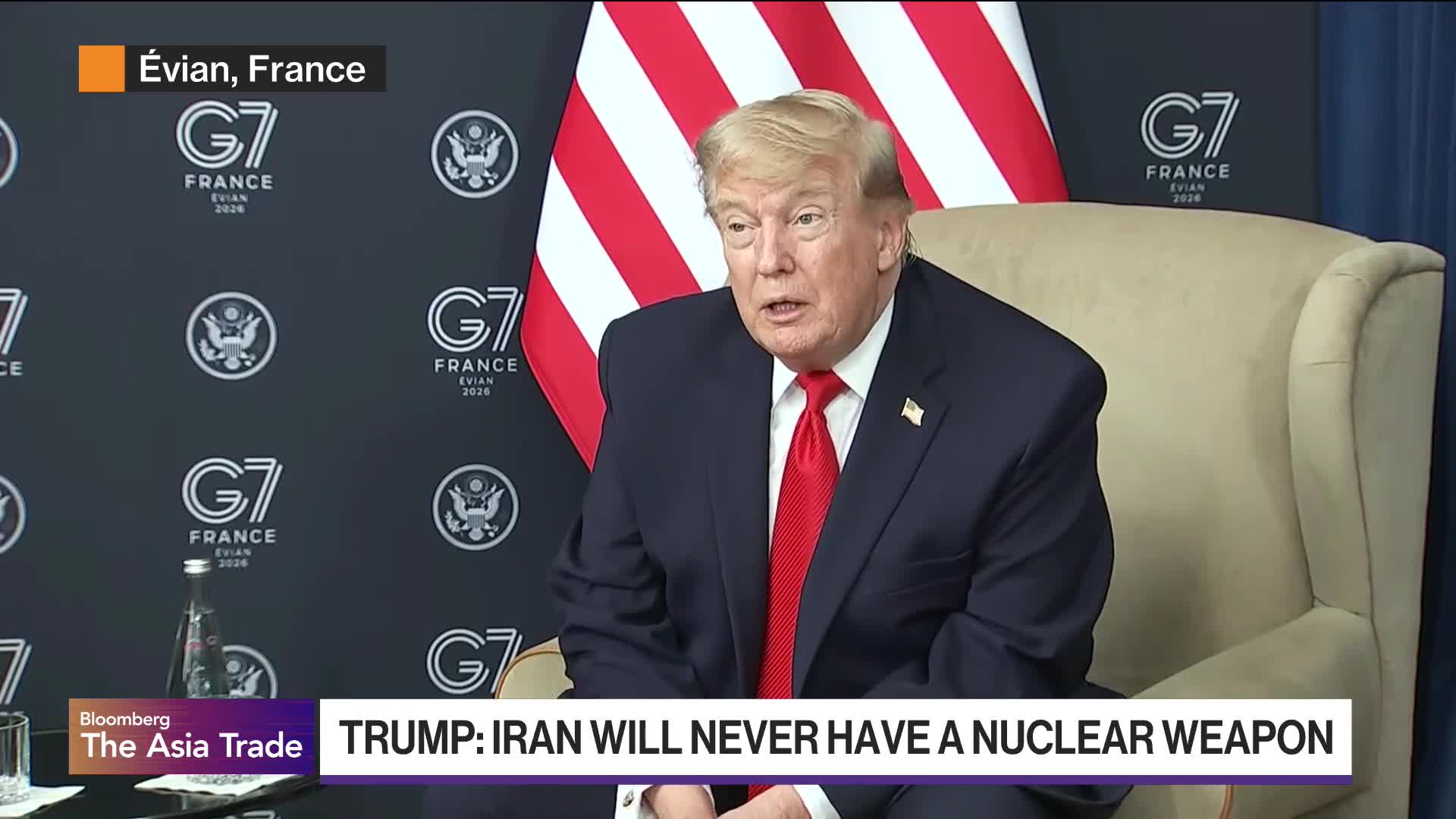 
WATCH: Bloomberg Economics’ Chris Kennedy breaks down the latest developments.
South Korean President Lee Jae Myung used a brief exchange at the G7 to seek Trump’s help engaging with North Korea to resolve issues related to its nuclear program. Lee’s office said he asked that the US president “take the lead in the peaceful resolution of the North Korean issue, just as he resolved the Middle East war.” Taiwan blasted Kenya for “brazenly” blocking its participation at an international maritime event after officials detained a scholar for 20 hours and declined to recognize her Taiwanese passport. Taipei accused Nairobi of caving to “China’s pressure,” and called on friendly countries to curb its bullying, which it described as verging on “gangster-style intimidation.” 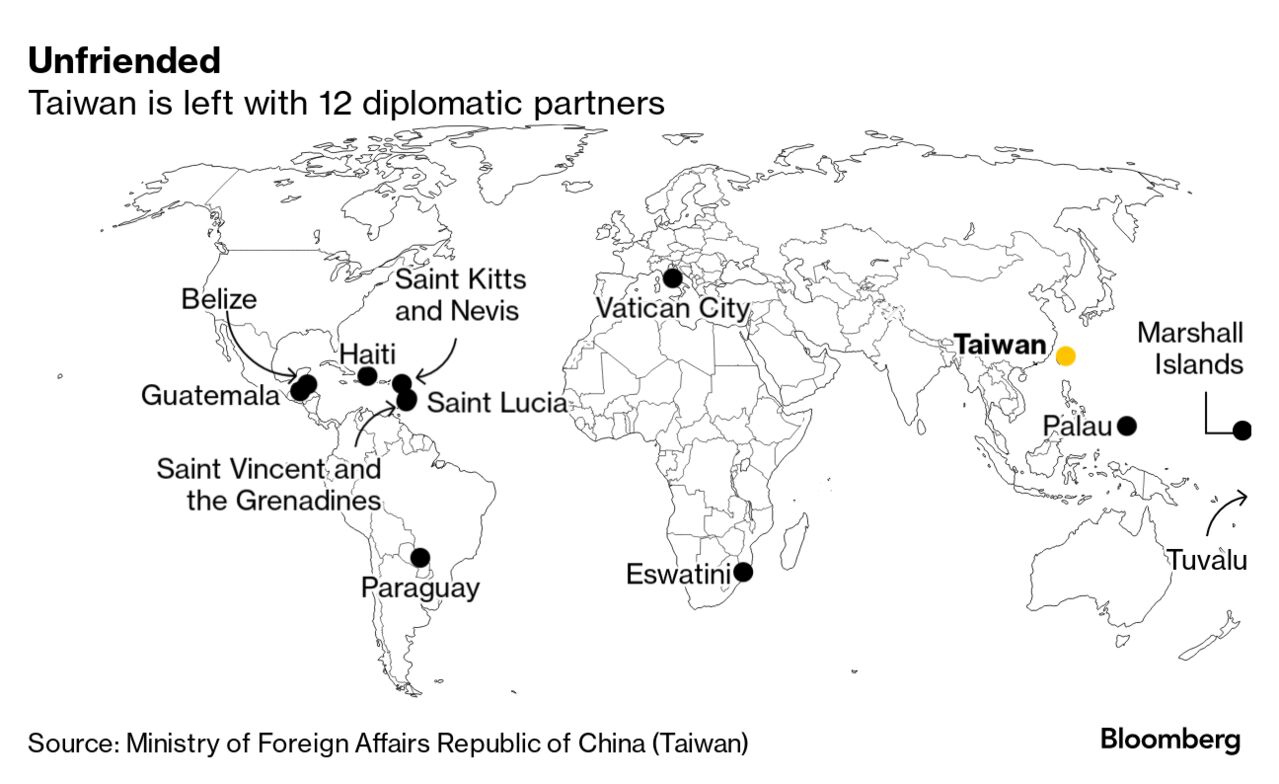
Trump and Narendra Modi shook hands and smiled at the G7 ahead of their first bilateral meeting in a year. Noticeably absent was the Indian prime minister’s trademark bear hug, and the relatively restrained greeting reflected a relationship that has come under pressure since India’s military confrontation with Pakistan last year and Trump’s tariff measures. Vladimir Putin is hosting leaders of the Association of Southeast Asian Nations, with energy security likely to top the agenda of their first joint summit since the Russian president ordered the 2022 full-scale invasion of Ukraine. The UK said a Russian warship fired warning shots near a British yacht just outside of its territorial waters in an attempt to prevent a possible collision. 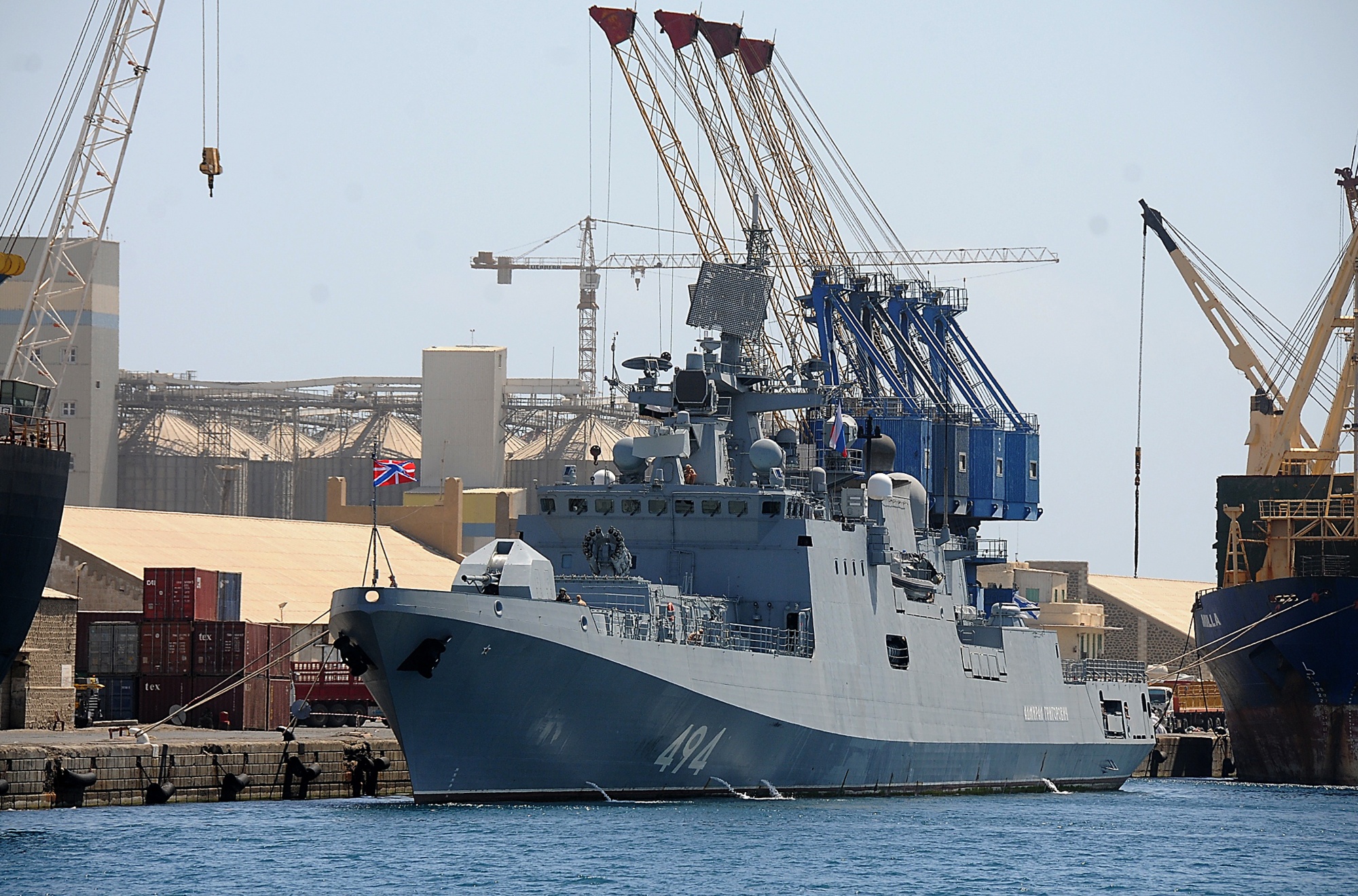
A 2021 picture of Russian Navy frigate RFS Admiral Grigorovich, which fired the shots.
Photographer: Ibrahim Ishaq/AFP/Getty Images
Mexico’s leftist ruling party is seeking to annul a local election that a centrist opposition party swept earlier this month, raising questions over how the still-dominant Morena party of President Claudia Sheinbaum might respond to setbacks in nationwide midterm votes set for next year. Australia’s hard-right opposition leader, Pauline Hanson, has called for a “monocultural society,” rejecting decades of the country’s multiculturalism and blaming its housing crisis on high levels of immigration. Brazil’s Supreme Court found former lawmaker Eduardo Bolsonaro guilty of trying to unlawfully interfere with judicial proceedings related to the trial of his father, ex-President Jair Bolsonaro, who was convicted of plotting a coup after his 2022 election defeat. The Philippine Senate elected a new leader today after weeks of a power struggle that’s deepened political uncertainty ahead of Vice President Sara Duterte’s impeachment trial next month. Sign up for the Washington Edition newsletter for news from the US capital and watch Balance of Power at 1 and 5 p.m. ET weekdays on Bloomberg Television. Chart of the Day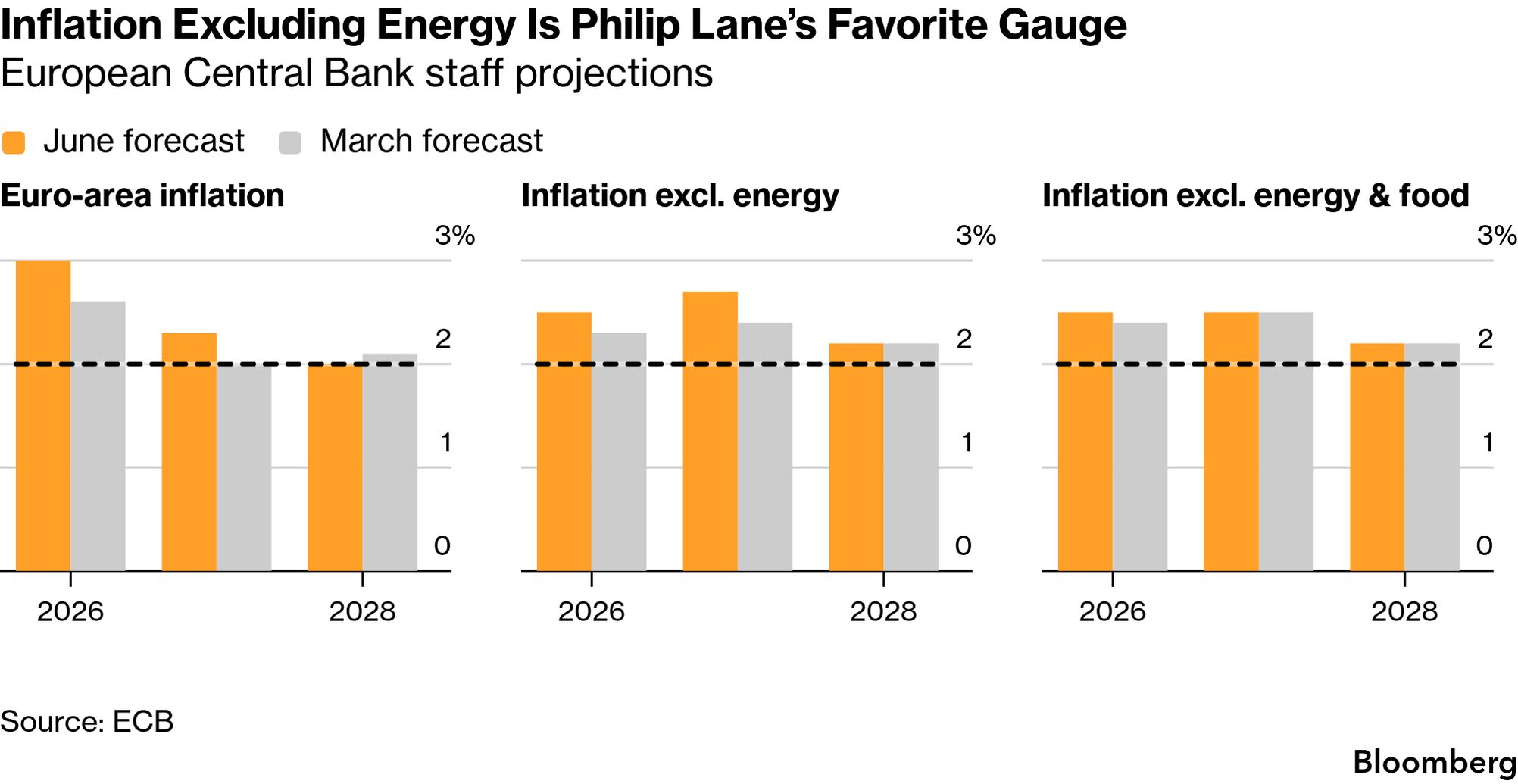
European Central Bank officials are signaling that a US-Iran peace accord won’t necessarily stop them lifting interest rates further, even if it prevents a more pronounced overshoot in inflation. While policymakers including ECB President Christine Lagarde welcome the prospect of oil shipments resuming through the Strait of Hormuz, they say significant economic havoc has already been inflicted and have no regrets about last week’s decision to hike. And FinallyBrazilian companies are racing to plant their flag in Venezuela as the country reemerges from more than a decade of isolation. A delegation of Brazilian business executives is meeting with authorities in Caracas this week, showing off their products and services in anticipation of riding a wave of economic revival. The visit underscores efforts by President Luiz Inácio Lula da Silva’s administration to deepen ties with neighboring Venezuela after years of commercial stagnation. 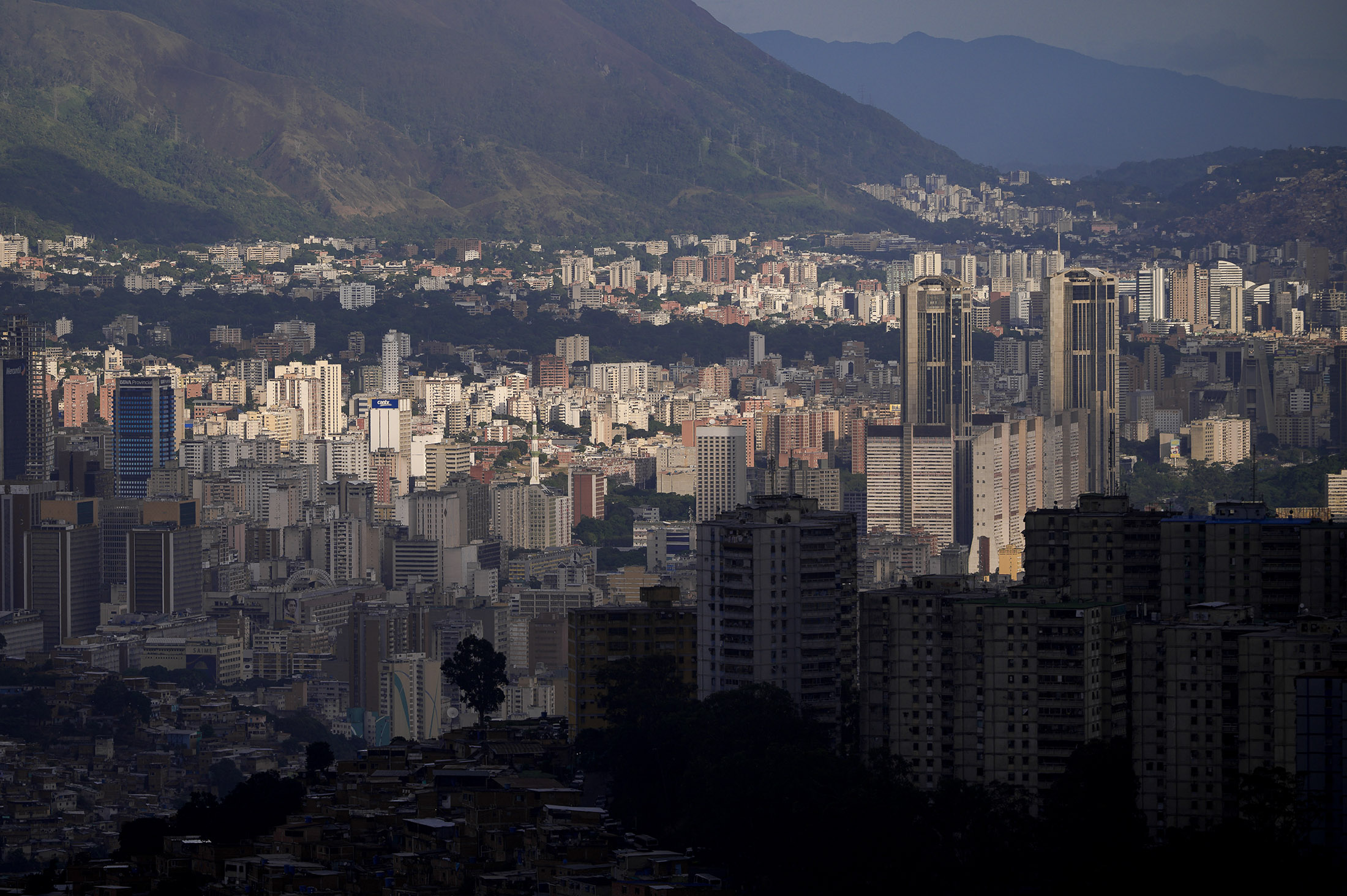
The skyline of Caracas, Venezuela.
Photographer: Bloomberg via Photographer: Bloomberg/Bloomberg
More from Bloomberg
We’re improving your newsletter experience and we’d love your feedback. If something looks off, help us by reporting it here. Follow Us
You received this message because you are subscribed to Bloomberg’s Balance of Power newsletter. If a friend forwarded you this message, sign up here to get it in your inbox.
|
Wednesday, June 17, 2026
Trump’s next focus





Subscribe to:
Post Comments (Atom)
-
Bloomberg Evening Briefing Americas View in browser Who's paying for Donald Trum...
-
PLUS: Dogecoin scores first official ETP ...


No comments:
Post a Comment