| Read in browser | ||||||||||||||
Welcome to Next Africa, a daily newsletter on where the continent stands now — and where it’s headed. Sign up here to have it delivered to your email. In today’s edition, we look at Sweden’s prosecution of two executives who did business in Sudan. And:
Holding Business to AccountAlmost a quarter century after one of Sweden’s most prominent billionaire investment groups bet big on oil in what was then central Sudan, two of its most powerful former executives have been charged for complicity in war crimes. Sudan was split in two by a 2011 referendum that created South Sudan, but the controversy of Lundin Oil’s investment in the Block 5A exploration area has endured. The defendants are Ian Lundin, the company’s former chairman, and Alexandre Schneiter, its one-time head of exploration. Prosecutors in Stockholm accuse them of indirectly encouraging atrocities by the Sudanese military and allied paramilitary groups within their oil concession between 1999 and 2003. If found guilty, they face lengthy jail sentences. 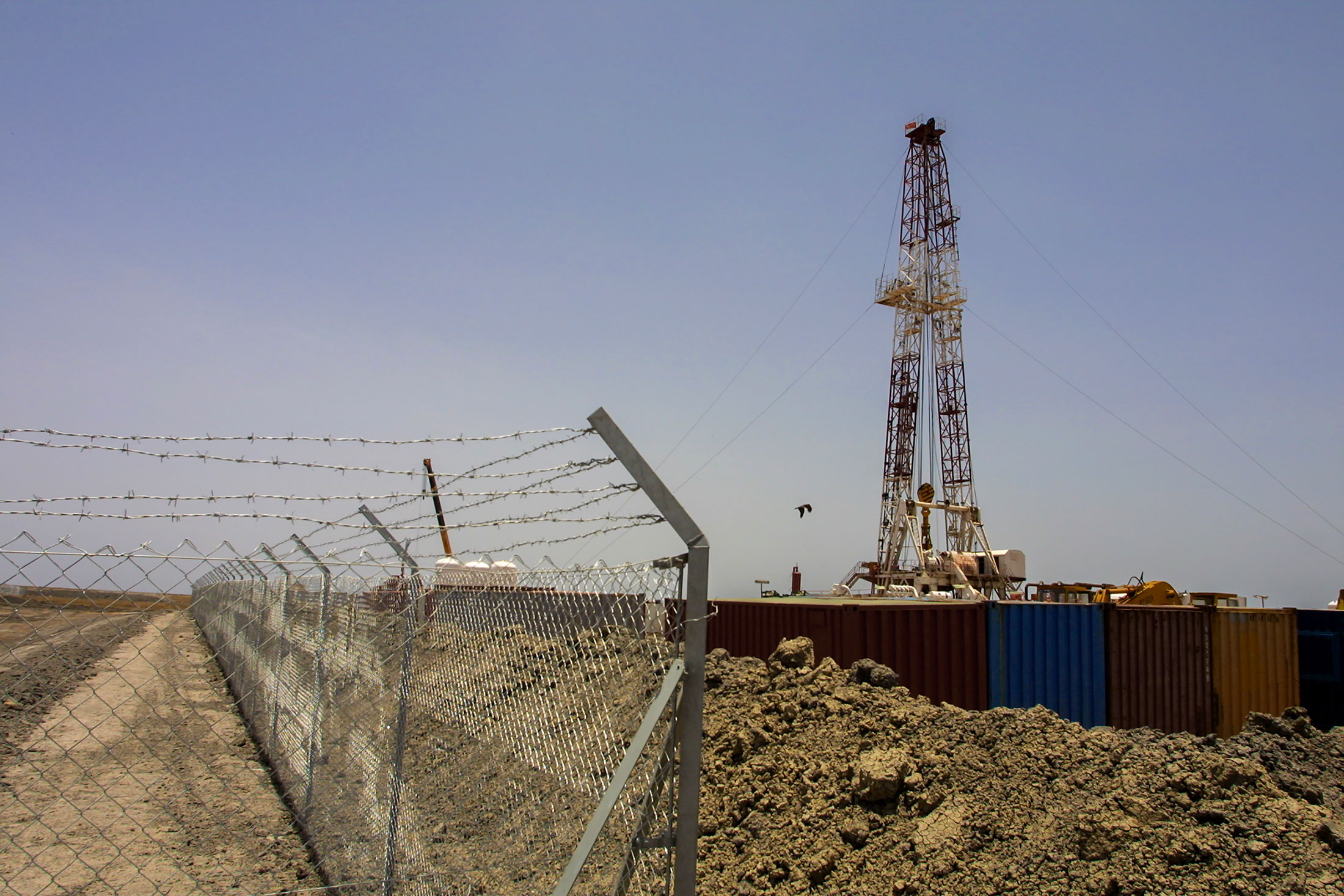
A Lundin Oil facility in Sudan in 2001.
Photographer: Paul Hansen
Instances of business leaders being prosecuted for war crimes are virtually unheard of. One historical example occurred in the late 1940s, when the US put executives from chemicals firm IG Farben and arms giant Krupp on trial for aiding Nazi Germany. Lundin began operating in Sudan in the 1990s and requested help from the North African nation’s then-leader Omar al-Bashir to secure drilling sites as longstanding rivalries between the government in Khartoum and rebel groups erupted into violence. What happened next was a catastrophe. The national army and allied militias conducted raids, razed homes and dropped bombs in dozens of settlements. Investigators estimate some 12,000 people were killed and 160,000 others were displaced, in many cases permanently. Prosecutors say the defendants were aware of attacks on civilians but chose to keep doing business with the government anyway. The two men reject the charges, with their lawyers arguing they were neither involved in — nor even aware of — all the reported raids. They also say the violence was about much more than oil, namely regional rivalries, disputes over territory, and religious and cultural divides. Whatever the outcome, the case in Sweden — one of a few countries to implement universal jurisdiction which holds that some offenses are so grave any nation can pursue them — is likely to act as a warning for other companies doing business with governments with poor human rights records. Corporations of all kinds, and especially those in resource industries, routinely operate in conflict zones. The spotlight may shine brighter now, though, on how they conduct themselves to remain in business. — Simon Marks 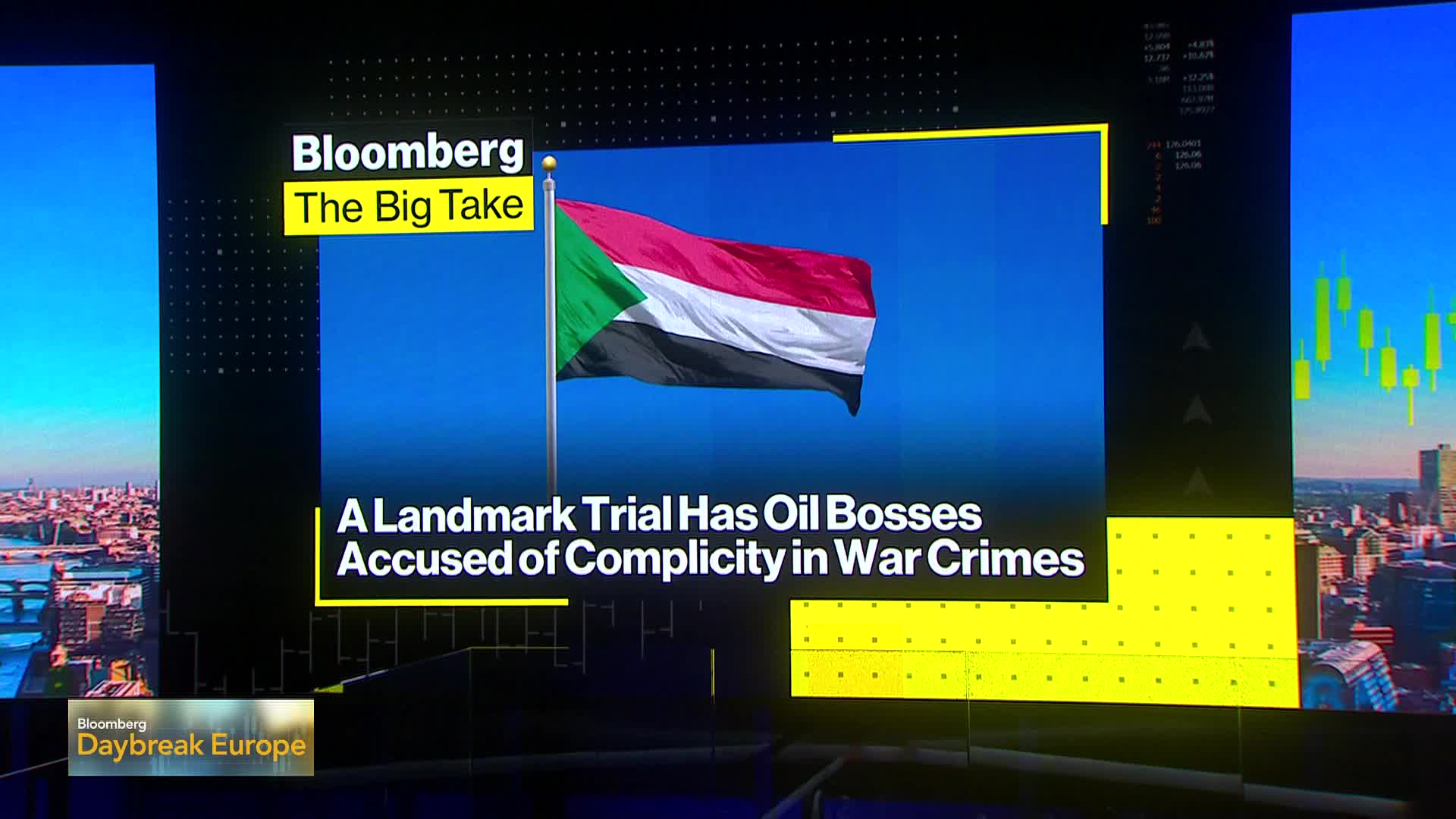 
Simon Marks reports on the Swedish case on Bloomberg TV.
What Everyone’s ReadingSouth Africa’s government may soon need to take control of Johannesburg to avert its financial collapse, new analysis shows. “The City of Johannesburg is essentially bankrupt,” Lael Bethlehem, a partner at Genesis Analytics, said when presenting her findings of a study commissioned by two leading business lobby groups. The economic hub has descended deeper into dysfunction in recent months, leaving the municipality unable to pay its bills. As more patients recover from the world’s largest recorded Bundibugyo Ebola outbreak, doctors are beginning to piece together how the rare virus behaves. Previous Bundibugyo outbreaks had lower fatality rates than epidemics caused by the more common Zaire and Sudan strains, but doctors say it’s too early to know whether the current epidemic will follow the same pattern. 
This month’s Next Africa TV show includes a look at how President Donald Trump’s America First strategy is changing the landscape of healthcare across Africa as the growing Ebola outbreak spreads in Congo and Uganda.
South African President Cyril Ramaphosa said the government won’t allow anyone to destabilize the country, following a series of xenophobic attacks. “Those who transgress will meet the full might of the law,” he said. “We want this whole process of immigration to be handled in the parameters of our law and as smoothly as possible.” Investors are fleeing the dollar bonds of African oil producers, reversing a popular emerging-market trade since the start of the Iran war, as the re-opening of the Strait of Hormuz drives down crude prices. The Republic of Congo’s eurobonds are leading the declines, while securities issued by Angola, Cameroon, Gabon and Nigeria have also seen losses. That’s a turnaround from the first three months of the fighting. The US has sanctioned Rwanda’s Gasabo Gold Refinery for fueling conflict by processing precious metals stolen from eastern Congo. Rwanda-backed M23 rebels, who have occupied Congo’s two biggest cities in the region for more than a year, have been trafficking gold with the help of Rwanda’s army, the US government says. 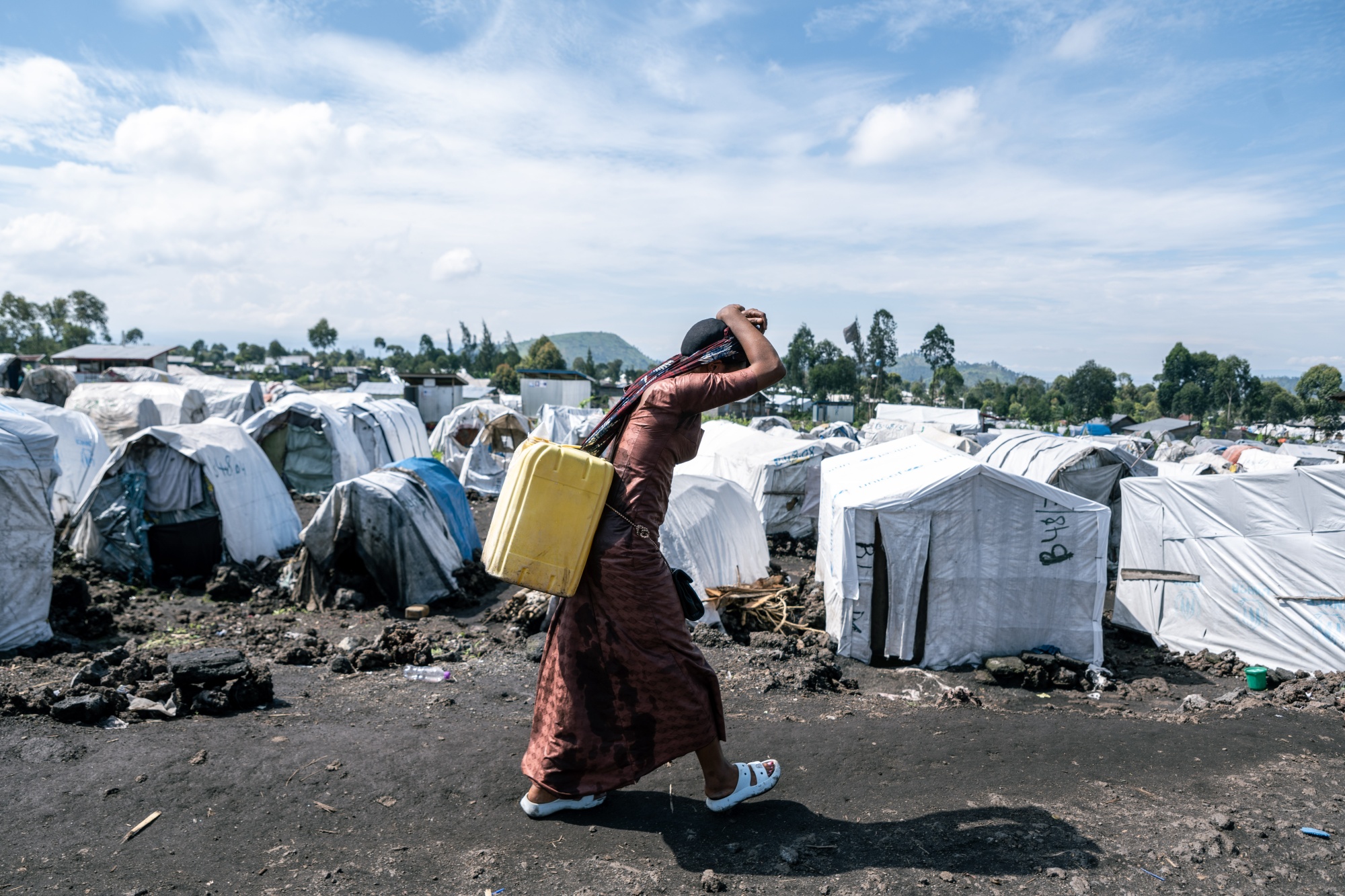
A camp for people displaced by clashes between M23 rebels and Congo’s army in the North Kivu province.
Photographer: Arlette Bashizi/Bloomberg
Next Africa Quiz — Which African nation’s ruling party secured a landslide win in parliamentary elections, handing its Nobel Peace Prize-winning prime minister another five-year term? Send your answers to gbell16@bloomberg.net. On this week’s podcast, Jennifer Zabasajja speaks with Bloomberg’s Prinesha Naidoo and Onafriq MD Rachel Balsham about the disruption to remittance flows from the Iran war. What’s coming up
Last WordOn the last Saturday of each month, Rwandans come together for a centuries-old cultural practice to work and listen to political speeches. A mainstay of precolonial Rwanda, the ritual known as Umuganda is now state policy in the East African nation. Every household must provide one worker for public-service initiatives such as tree planting and fixing public buildings. A new documentary showcases the practice. 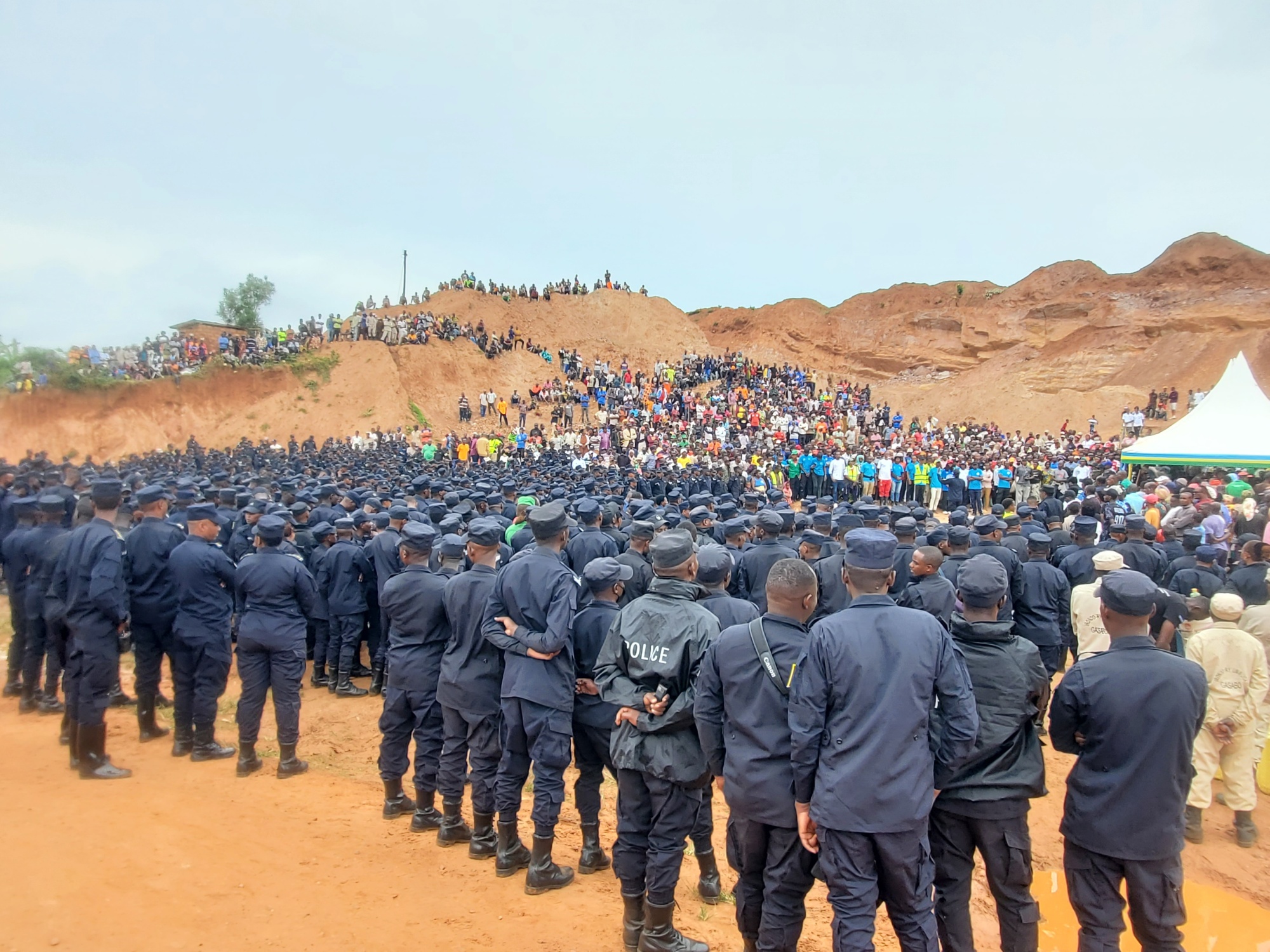
A still from Umuganda showing a community participating in the monthly ritual.
Source: Zion Films Company
We’ll be back in your inbox with another edition on Monday. Send any feedback to gbell16@bloomberg.net. More From BloombergEnjoying Next Africa? You might also like:
We’re improving your newsletter experience and we’d love your feedback. If something looks off, help us fine-tune your experience by reporting it here. Follow Us
You received this message because you are subscribed to Bloomberg’s Next Africa newsletter. If a friend forwarded you this message, sign up here to get it in your inbox.
|
Friday, June 26, 2026
Next Africa: A corporate reckoning





Subscribe to:
Post Comments (Atom)
Fermeture de Binance en France, que faire avant le 1er juillet ?
D'autres plateformes sont concernées par la régulation MiCA ...
-
Bloomberg Evening Briefing Americas View in browser Who's paying for Donald Trum...
-
PLUS: Dogecoin scores first official ETP ...


No comments:
Post a Comment