| Read in browser | |||||||||||||||
Welcome to Balance of Power, bringing you the latest in global politics. If you haven’t yet, sign up here. US Secretary of Defense Pete Hegseth put a new spin this weekend on one of the White House’s favorite pastimes: dividing the world between good and bad allies. Speaking at Asia’s premier annual defense conference in Singapore, he lavished praise on regional allies, singling out South Korea as a model student. Europe and NATO faced the usual barrage of condescension for “moralizing” and “drama,” despite actually ramping up defense spending. European delegates largely dismissed the rhetoric, saying they’d heard it all before. For the defense officials, executives, scholars and journalists wandering around the lobby of the spacious Shangri-La Hotel, Hegseth’s prepared remarks were most notable for advocating a “quiet” approach to the region, allowing him to largely avoid two major topics: Taiwan and Iran. 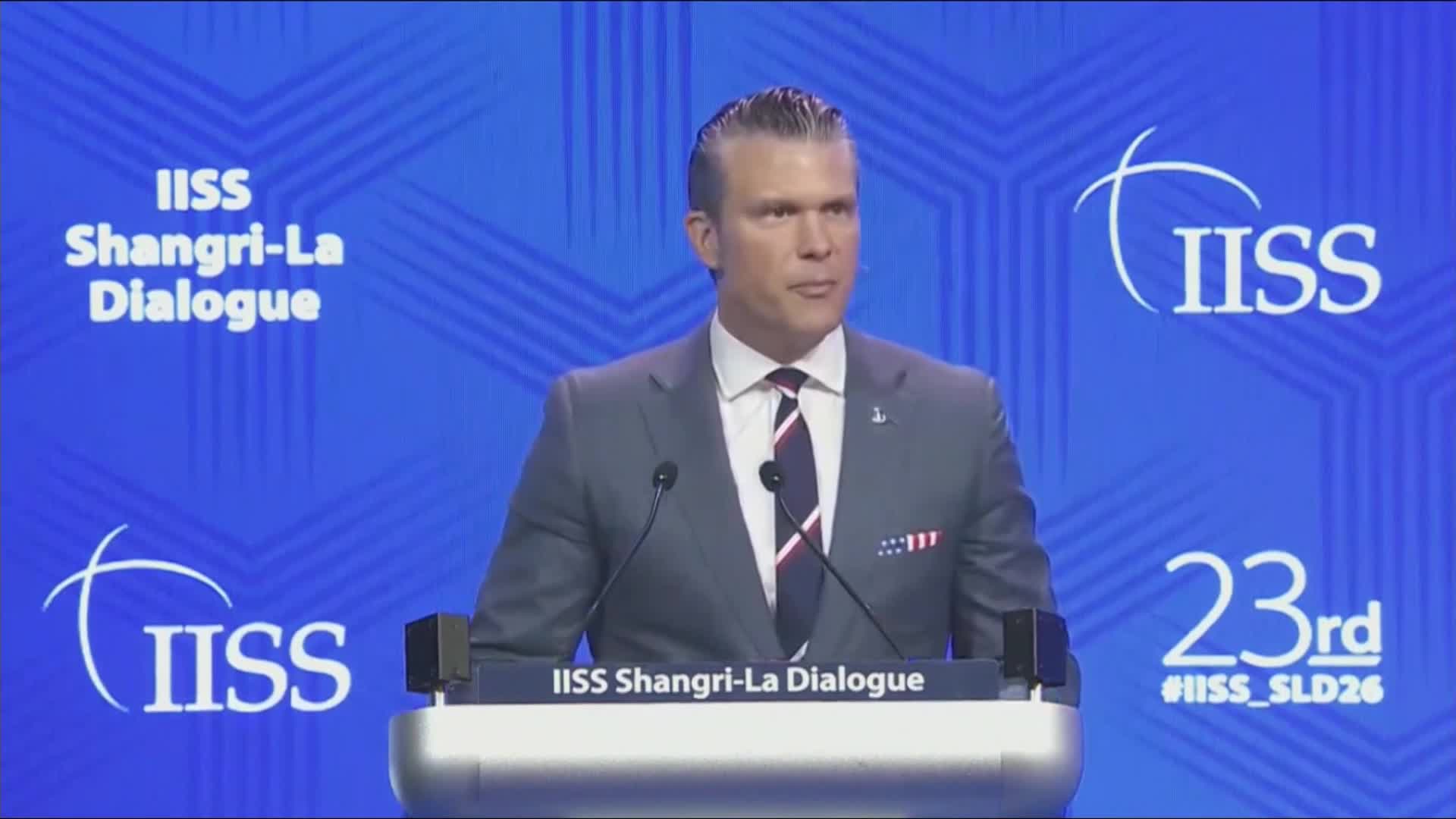 
Pete Hegseth takes swipes at Europe, hails China ties at Singapore defense forum.
While Hegseth acknowledged “rightful alarm” over China’s military buildup, he didn’t mention Taiwan, the main flashpoint between the two superpowers, and praised stable ties with China following Donald Trump and Xi Jinping’s recent summit. Asian officials facing acute energy shortages hoped for clarity on when oil and gas will start flowing through the Strait of Hormuz. Hegseth again skirted the issue, merely assuring the audience that Trump would only make a “great” deal. The question-and-answer sessions at the Shangri-La Dialogue have long produced some memorable exchanges. This time around delegates appeared to pull their punches: Nobody, for instance, asked Hegseth to clarify Trump’s remarks that Taiwan arms sales were a “very good negotiating chip” with China. Perhaps those in the room were wary of offending him. During his remarks, Hegseth questioned the usefulness of these kind of talk shops, saying allies needed “less Shangri-la, more ships, more subs.” With China’s defense minister skipping the forum for a second year running, the annual forum risks losing its relevance if Hegseth decides to stop showing up. While there’s no sign of that for now, allies in both Asia and Europe will be more worried if the US stays too quiet in defending the values that have traditionally defined the so-called leader of the free world. 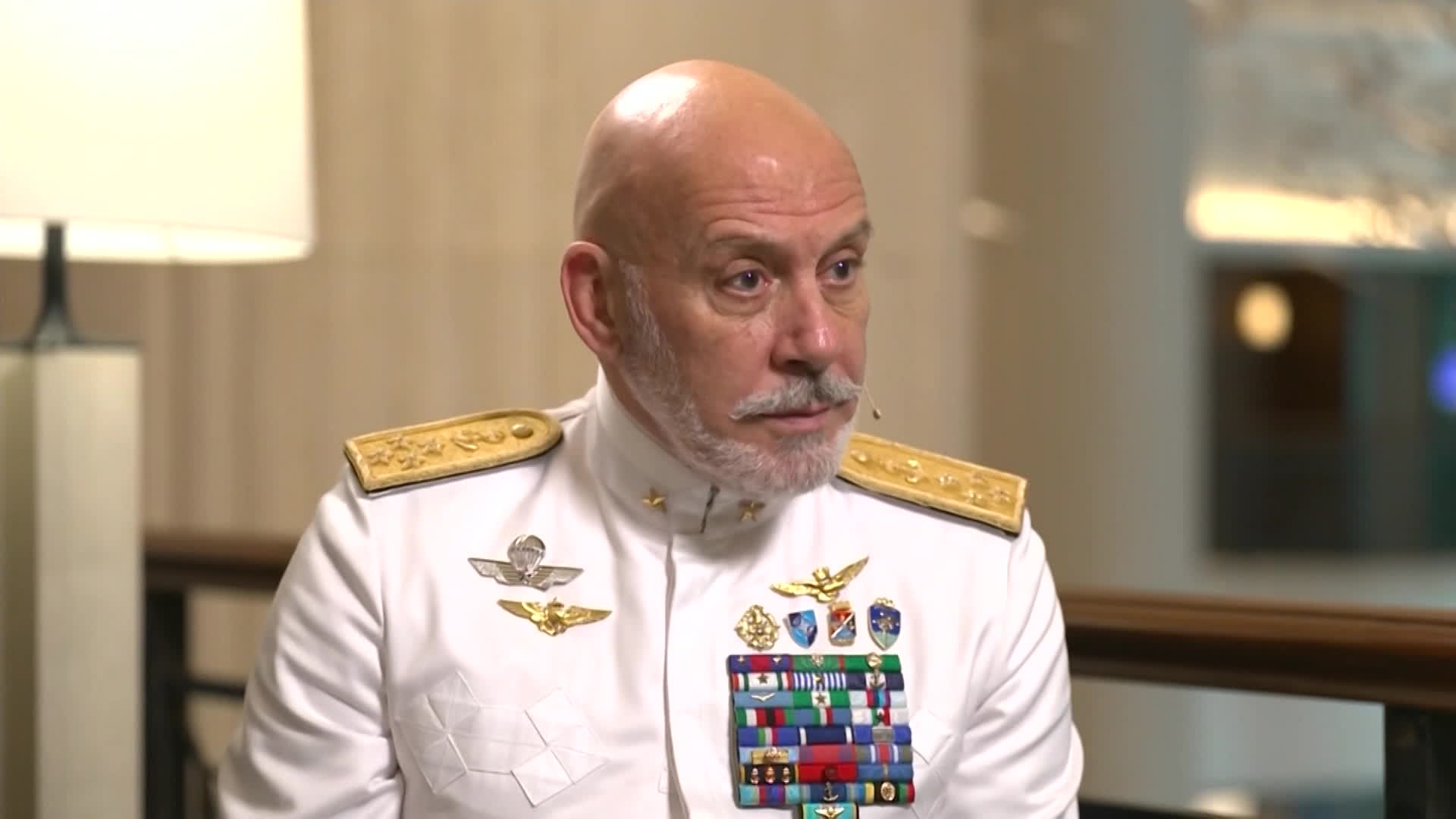
NATO’s military chief says there’s no “drama” with the US.
Global Must ReadsVietnamese leader To Lam opened the forum by warning that military power alone can’t ensure security, and called mechanisms to actively prevent conflicts from spiraling. His speech was a rare display of foreign policy prescriptions from the country’s Communist Party chief and president, who has sought to balance security and economic relationships with China and US. 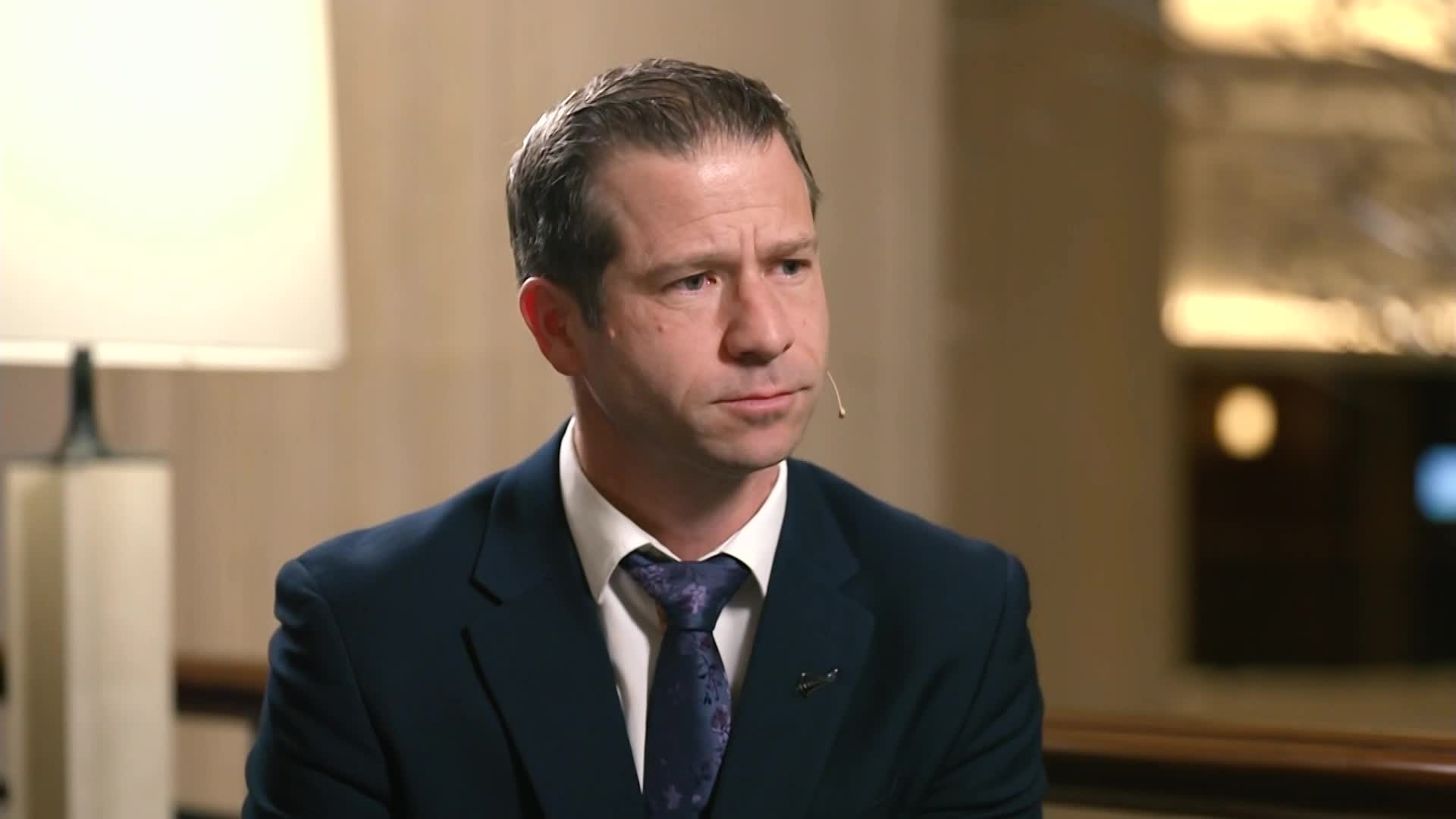
Malaysia won’t rush a defense budget increase despite US pressure for partners to become more self-reliant, Defense Minister Mohamed Khaled Nordin said. The Southeast Asian nation is also pursuing asymmetrical warfare capabilities, focusing on low-cost, mass-produced weapons like drones and rockets. Malaysia slammed Norway for scrapping a weapons deal, saying it raised troubling questions about how stronger countries deal with smaller ones. The $2.8 billion deal for a naval strike missile system was canceled earlier this year due to a change in Norway’s export control regulations. Malaysia’s defense minister said the episode creates an erosion of trust within the rules-based global order. Sign up for the Washington Edition newsletter for news from the US capital and watch Balance of Power at 1 and 5 p.m. ET weekdays on Bloomberg Television. More from Bloomberg
We’re improving your newsletter experience and we’d love your feedback. If something looks off, help us by reporting it here. Follow Us
You received this message because you are subscribed to Bloomberg’s Balance of Power newsletter. If a friend forwarded you this message, sign up here to get it in your inbox.
|
Sunday, May 31, 2026
Hegseth’s softer side





Subscribe to:
Post Comments (Atom)
-
Revolutionary Stem Cell & PRP —Start Your Journey Today ...
-
You’ve shown interest in Regenerative Medicine ...


No comments:
Post a Comment