| Read in browser | ||||||||||||||
 Welcome to Balance of Power, bringing you the latest in global politics. If you haven't yet, sign up here. For the latest coverage of the Middle East conflict, follow our Live Blog. Even as missiles and drones fly across the Middle East, the future of Iran's autocratic Islamic Republic is about to be decided by an election. With Supreme Leader Ayatollah Ali Khamenei killed in a US-Israeli strike on Tehran, the task of choosing his successor falls to the Assembly of Experts, a group of 88 senior clerics who've only performed the task once before, in 1989. Grainy footage from the time shows Khamenei silently bowing his head as the result of the vote becomes clear. He became the only head of state that many Iranians have ever known, and the polarizing legacy of his 36-year iron rule was on full display in the parallel reactions to his death. On social media, footage showed celebrations and dancing in the streets; on state TV, demonstrators mourned and vowed vengeance. Foreign Ministry spokesman Esmail Baghaei said he "hopes" there will be a vote "within the next few days," though it's unclear how the process would work during an active conflict. 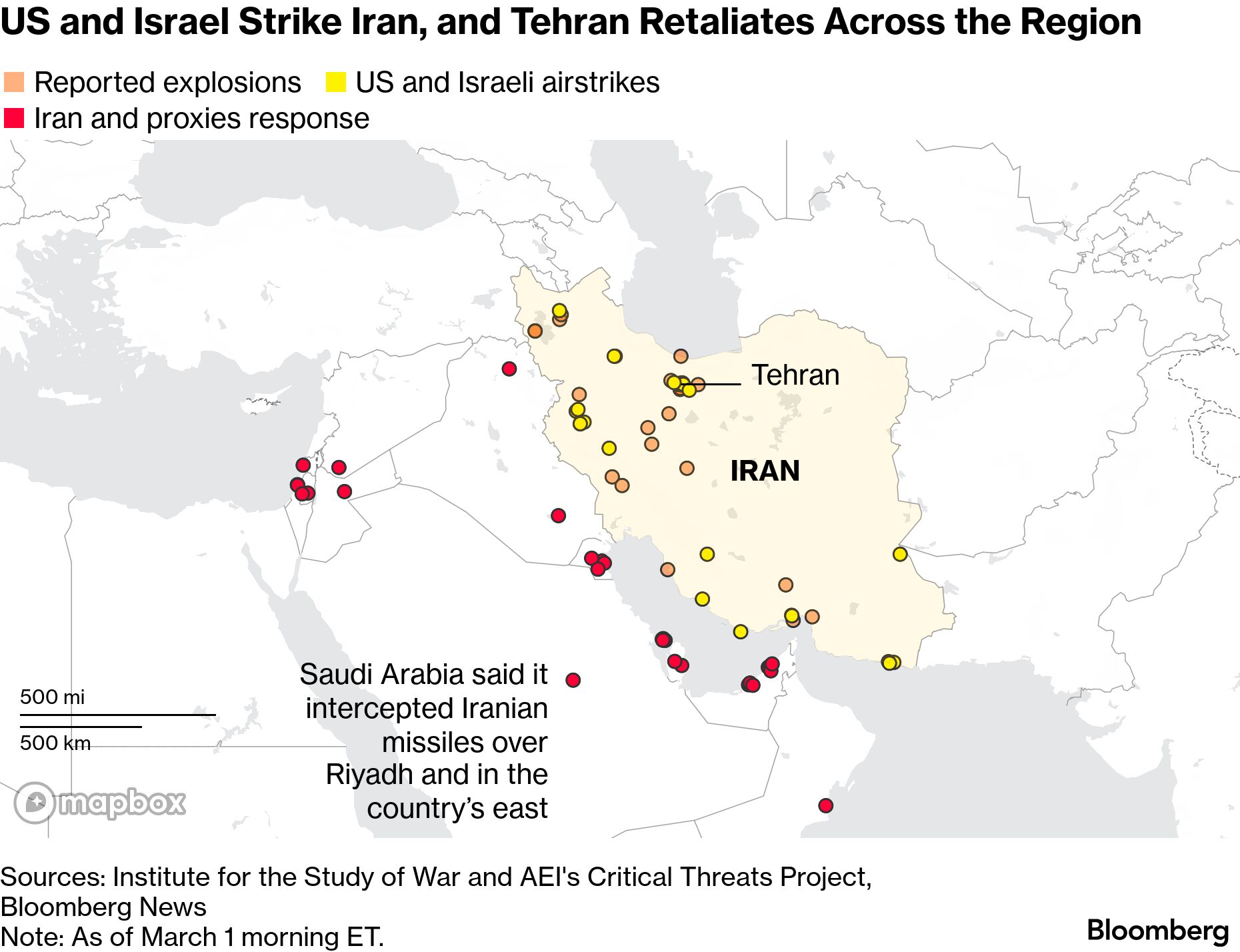 The basic choice is between hardliners, who would signal continuity of all the contentious foreign and domestic policies that have brought us to this point, or a more pragmatic figure who's prepared to compromise. The former camp has a much longer list of contenders, notably Khamenei's son Mojtaba. The latter might include moderate former presidents Mohammad Khatami or Hassan Rouhani, but they've been ostracized from politics and won't placate a public that's demanding wholesale change. All the while, the challenge of dealing with an unpredictable American administration remains. President Donald Trump has made numerous, sometimes contradictory statements on the goals of the attack, including that it could end in a few days or last four to five weeks. He's said the ultimate aim is the freedom of Iranians and also that he could cut a deal with the Islamic Republic. Hanging over all of this is the Islamic Revolutionary Guard Corps, whose power and profit rose more than any other group under Khamenei's patronage. They're unlikely to give up their privileges without a fight. — Patrick Sykes 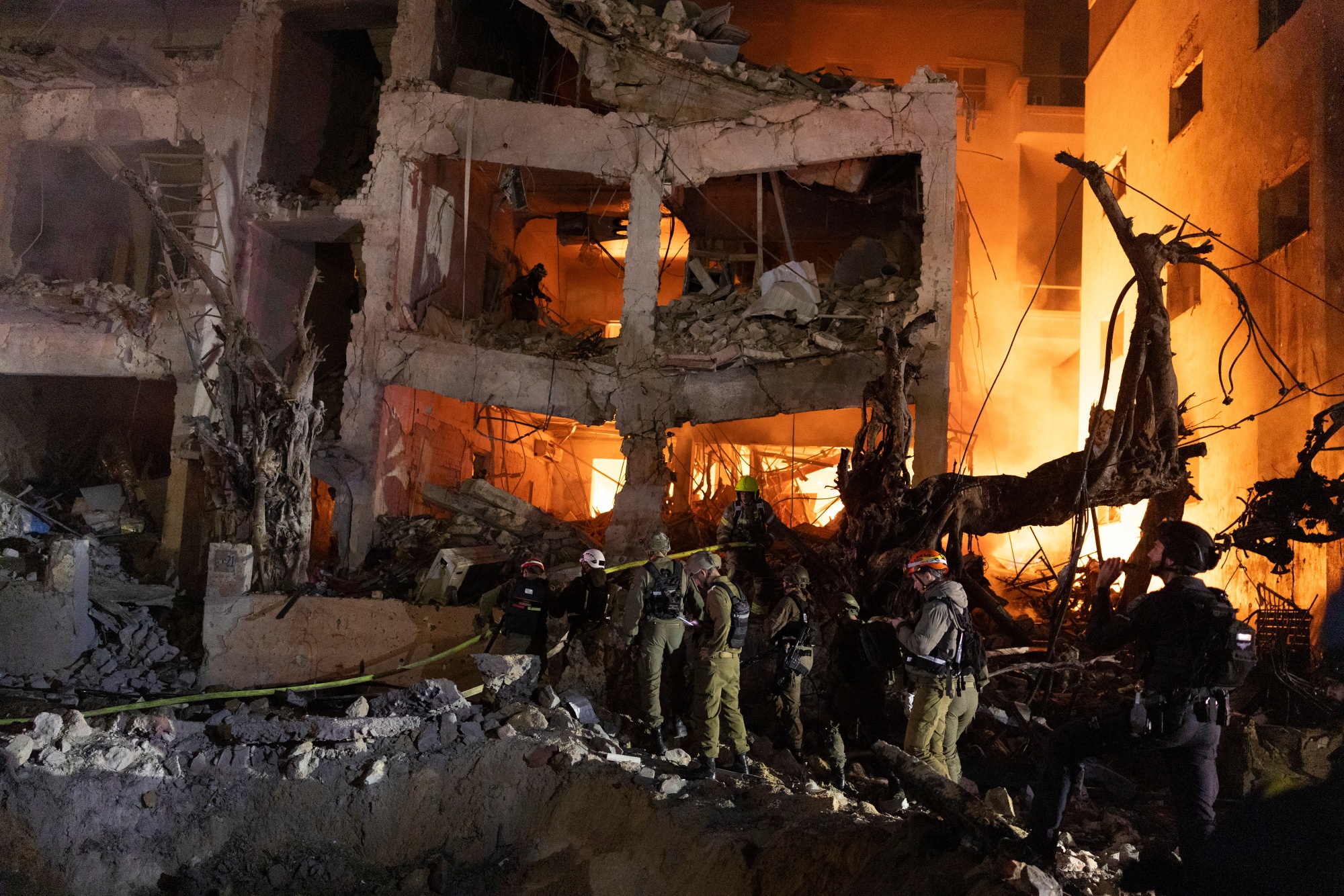 A building hit by an Iranian missile strike in Tel Aviv on Saturday. Photographer: Kobi Wolf/Bloomberg What next for the Iranian regime, regional politics and oil? Bloomberg TV's Joumanna Bercetche speaks with reporters Alex Longley, Golnar Motevalli and Kate Sullivan in a Live Q&A today at 8 a.m. ET. For the full experience visit: Live Q&A Global Must ReadsBlasts were heard across Bahrain, the United Arab Emirates and Qatar today as Gulf states intercepted missiles launched by Iran in response to the US-Israeli strikes, highlighting how the conflict has quickly spread across the region. Trump said the bombing campaign against Iran could last for weeks and called on the nation's leaders to capitulate, while the Islamic Republic's security chief ruled out negotiations. 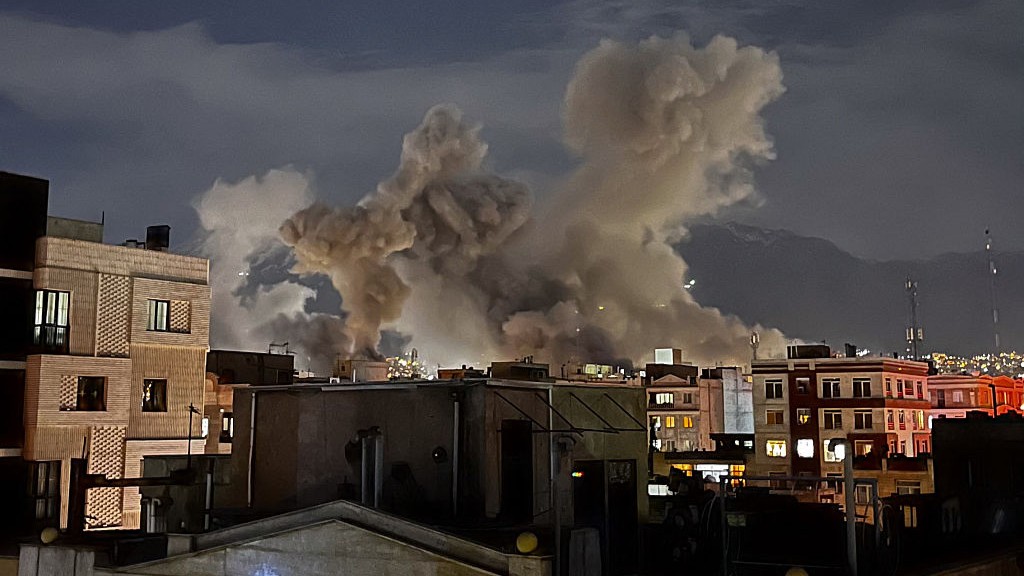 WATCH: Joumanna Bercetche breaks down the latest from the Middle East. Trump has long said the US is done with nation-building. Read today's Big Take here on how the US president has embraced a form of intervention that hearkens back to an earlier American era: openly targeting adversaries' leaders for death or arrest while offering few details about how the US intends to manage the aftermath. Oil surged the most in four years as tanker traffic all but stopped through the Strait of Hormuz and a big refinery in Saudi Arabia halted, with the escalating conflict threatening supplies in one of the world's key producing regions. European natural gas futures jumped as much as 28% — the biggest increase since August 2023 — as the conflict risks triggering the most serious shock to gas markets since Russia's invasion of Ukraine four years ago upended global energy trade. 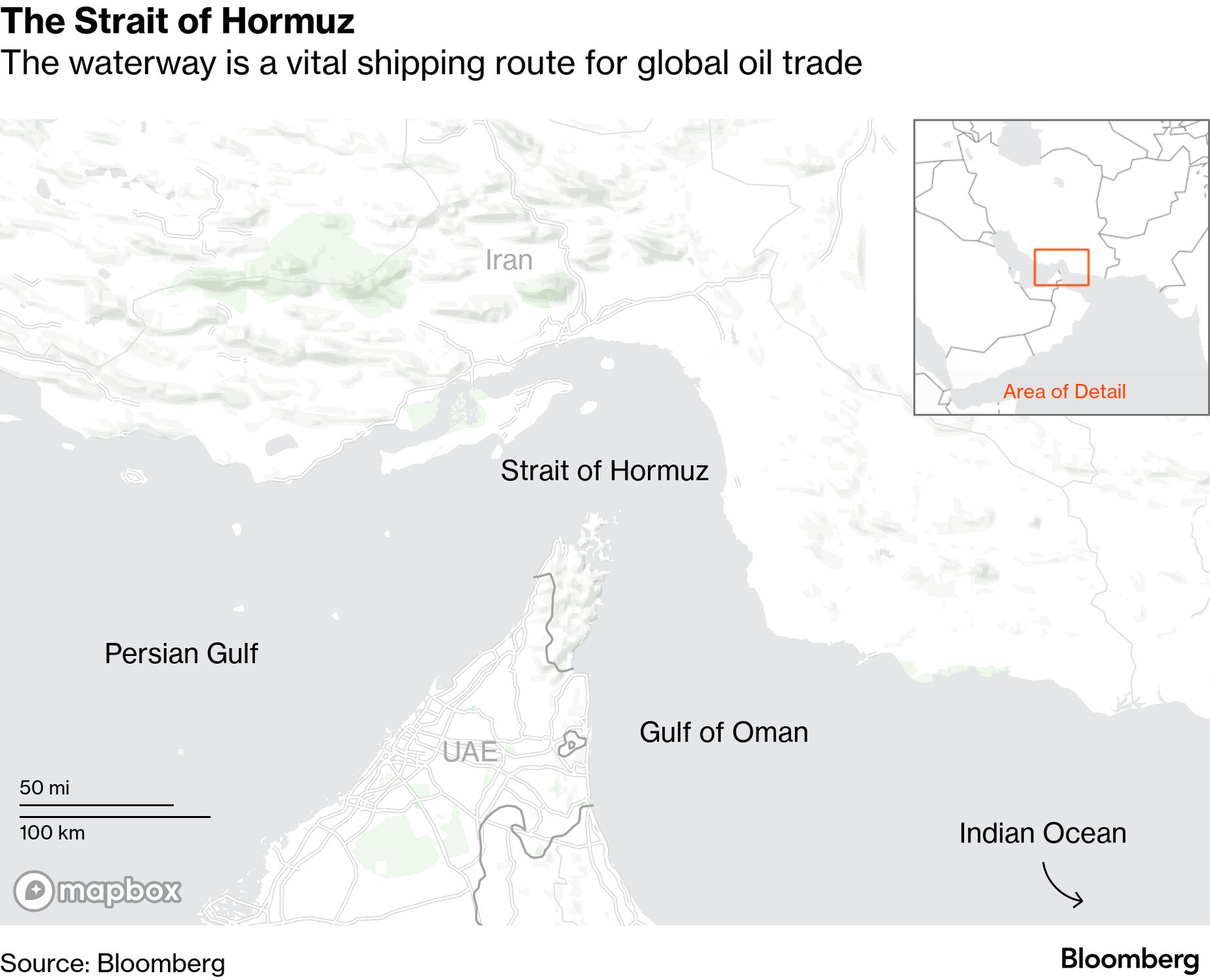 Travel chaos rippled through the Middle East and beyond, sending airline stocks sharply lower, as carriers across the Persian Gulf extended blanket flight suspensions, causing significant disruptions at some of the world's busiest airports. In Europe, shares of the major airlines slumped amid concern that the conflict will deter travel just as the industry heads into the crucial summer period. Argentine President Javier Milei spent much of his two-hour state of the nation address hurling insults at opponents in a return to the boisterous persona he adopted on the campaign trail, labeling rivals "parasites," "delinquents" and "thieves" and blaming them for repeated economic crises. It was his first address to Congress since his party pulled off a big political comeback to win midterm elections in October, aided by a bailout from the US Treasury. Venezuela's main opposition leader María Corina Machado announced she'll return to the South American nation in the next few weeks, testing acting President Delcy Rodríguez's tolerance for dissent and a US commitment to back the Nobel Peace Prize winner. 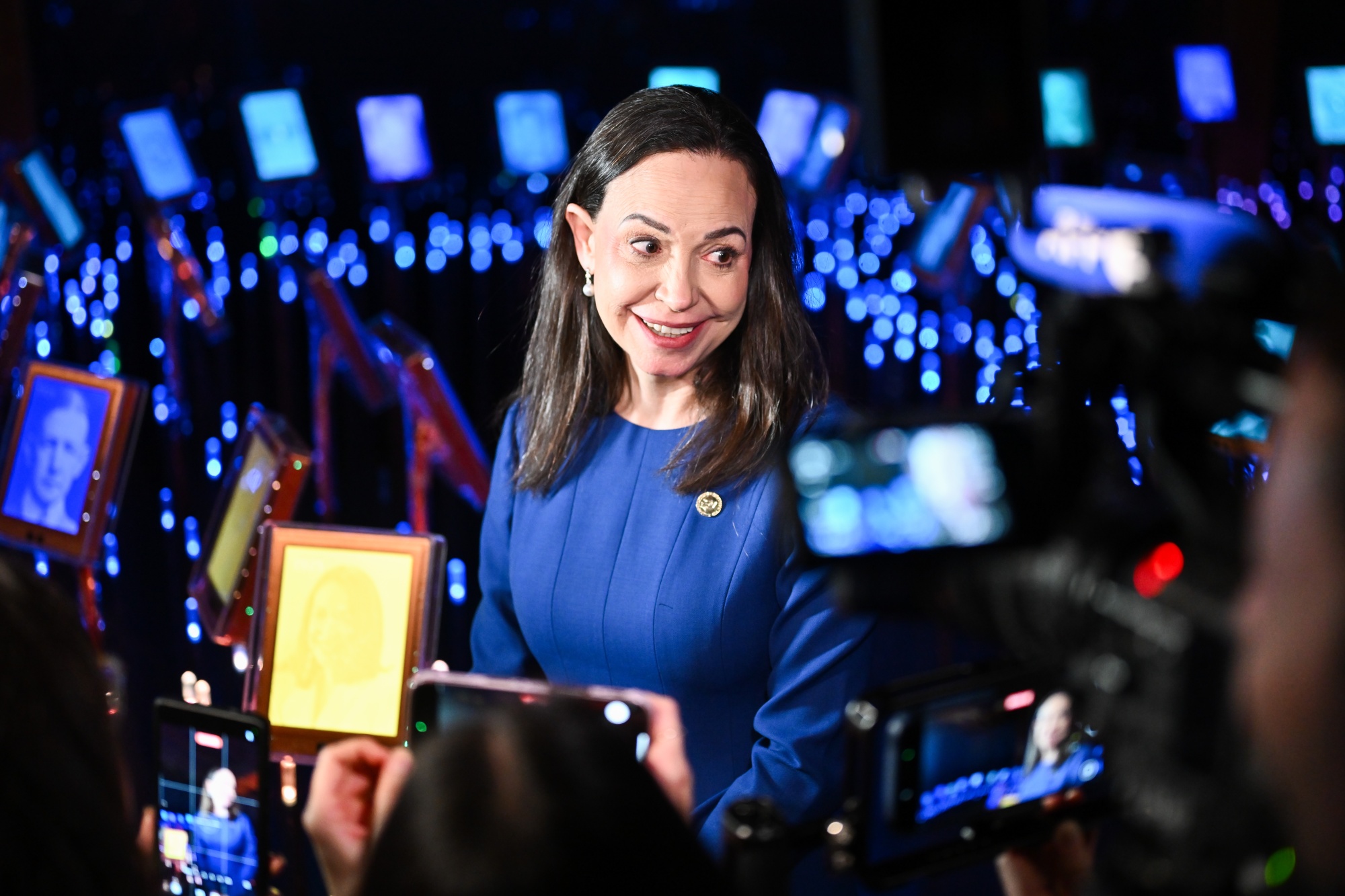 María Corina Machado. Photographer: Naina Helén Jåma/Bloomberg UK Chancellor of the Exchequer Rachel Reeves has been given a £22 billion ($30 billion) windfall ahead of her spring update this week, an unexpected boost as she seeks to show her efforts to stabilize the public finances are working. Democratic Republic of Congo's main copper-export corridor was severed after a bridge collapsed just south of the Zambian border, disrupting shipments from the world's second-largest producer of the metal. Sign up for the Washington Edition newsletter for news from the US capital and watch Balance of Power at 1 and 5 p.m. ET weekdays on Bloomberg Television. Chart of the Day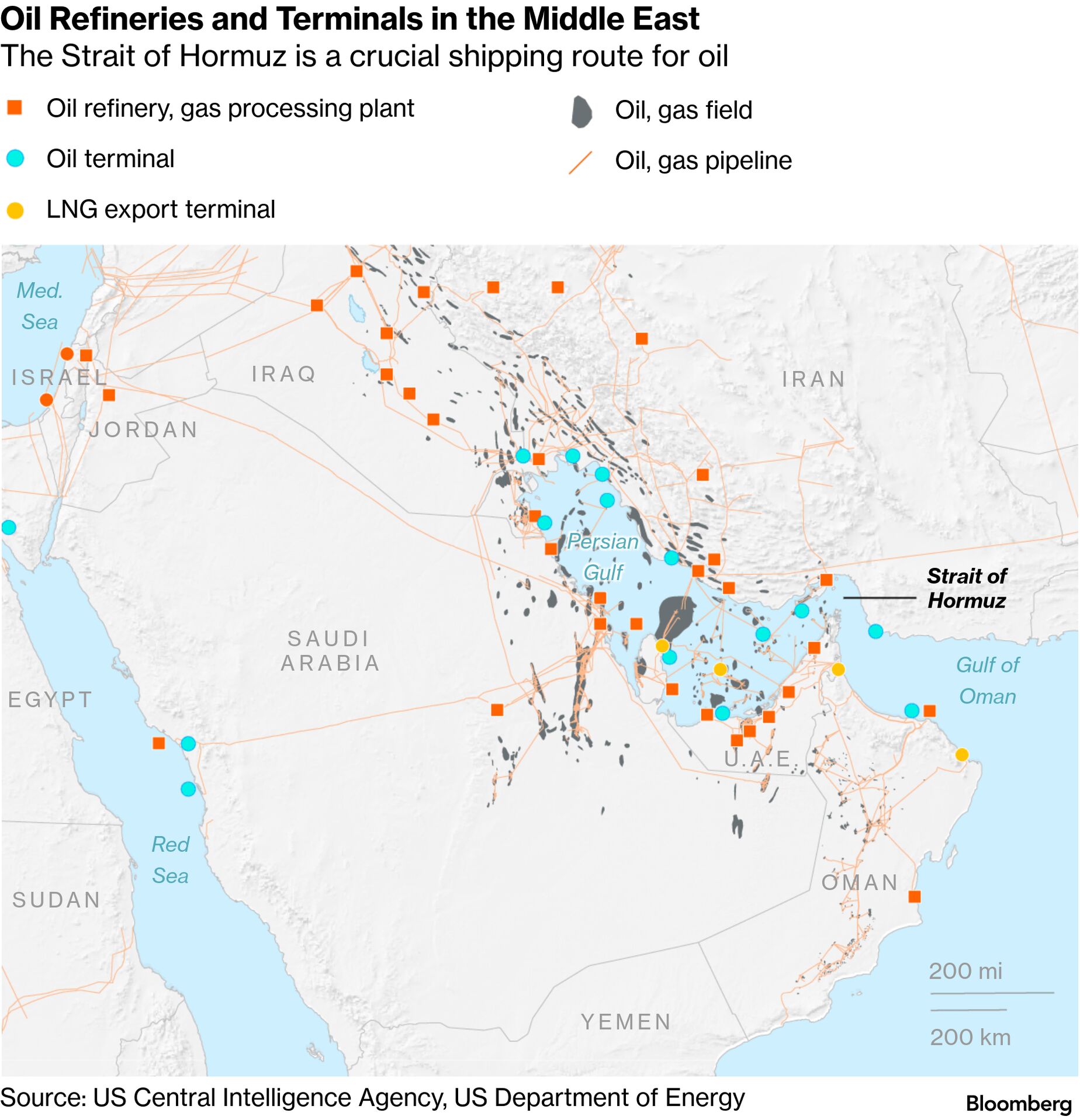 The most immediate economic impact from the conflict, models suggest, is through market reaction. Investors are fleeing to safe havens such as gold, while stocks slump — leaving smaller economies most vulnerable. A complete outage of oil from Iran could lift its price by about 20%. And with about a fifth of global crude supply flowing through the Strait of Hormuz, if that's shut the price of brent crude may spike to as much as $108 per barrel. China would be hit hard given they buy an estimated 99% of Iranian exports. And FinallyChina has spent nearly two decades assembling a media empire in Africa. Its broadcasters, newswires and print publications have hired hundreds of journalists, opened dozens of bureaus, built state-of-the-art studios and engaged high-profile local anchors to spread Beijing's message. Yet few people watch — a stark contrast to China's broader success in boosting its diplomatic and economic influence on the continent. 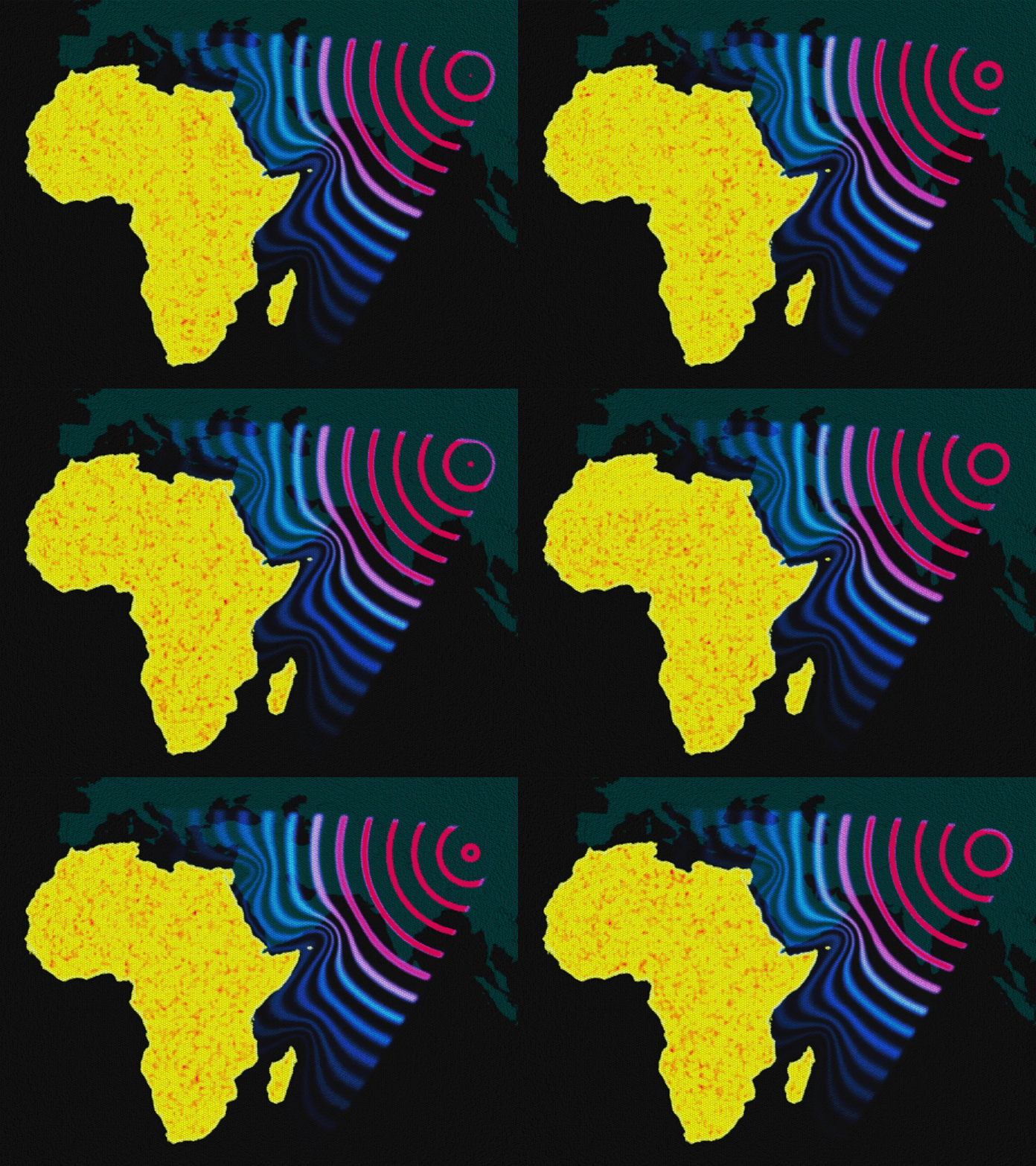 Illustration: Irene Suosalo for Bloomberg Businessweek. Thanks to everyone who answered Friday's quiz question, and congratulations to Gabriel Sivzattian, who was first to name New Zealand as the country whose prime minister, Jacinda Ardern, raised eyebrows this week when she announced she was relocating to Australia. More from Bloomberg
We're improving your newsletter experience and we'd love your feedback. If something looks off, help us by reporting it here. Follow us
You received this message because you are subscribed to Bloomberg's Balance of Power newsletter. If a friend forwarded you this message, sign up here to get it in your inbox.
|
Monday, March 2, 2026
Continuity or pragmatism





Subscribe to:
Post Comments (Atom)

-
PLUS: Dogecoin scores first official ETP ...
-
Swaps, memes, homes, tokens. View in browser Unicorn bucket We have talked a fe...


No comments:
Post a Comment