| Read in browser | ||||||||||||||
 Tinned fish is generally a pretty low-carbon protein. But it's not always low impact, particularly if it's sourced from areas where overfishing has sent stocks plummeting. Today's newsletter takes you inside Patagonia's quest to find a sustainable replacement for its popular canned Atlantic mackerel. Plus, your weekend read on Berkshire Hathaway and weekend listen on societal collapse. (It's not as depressing as it sounds.) For more food news, subscribe to the weekly Business of Food newsletter to find out how the world feeds itself in a changing economy and climate. Go fish, sustainablyBy Emma Court Fished from abundant, well-managed stock off the coast of Spain and France, Patagonia's canned Atlantic mackerel was once the epitome of sustainability. But as warmer oceans sent fish north, the species became overfished, so the company had to track down a new source. After a months-long mackerel absence, it's now selling a different species found in South Pacific waters off Chile, where stocks have bounced back. "It wasn't an easy decision from the perspective of doing something that was otherwise good for our business," says Paul Lightfoot, general manager of Patagonia Provisions. "But it was quite easy in that we know that our standards are what they are." 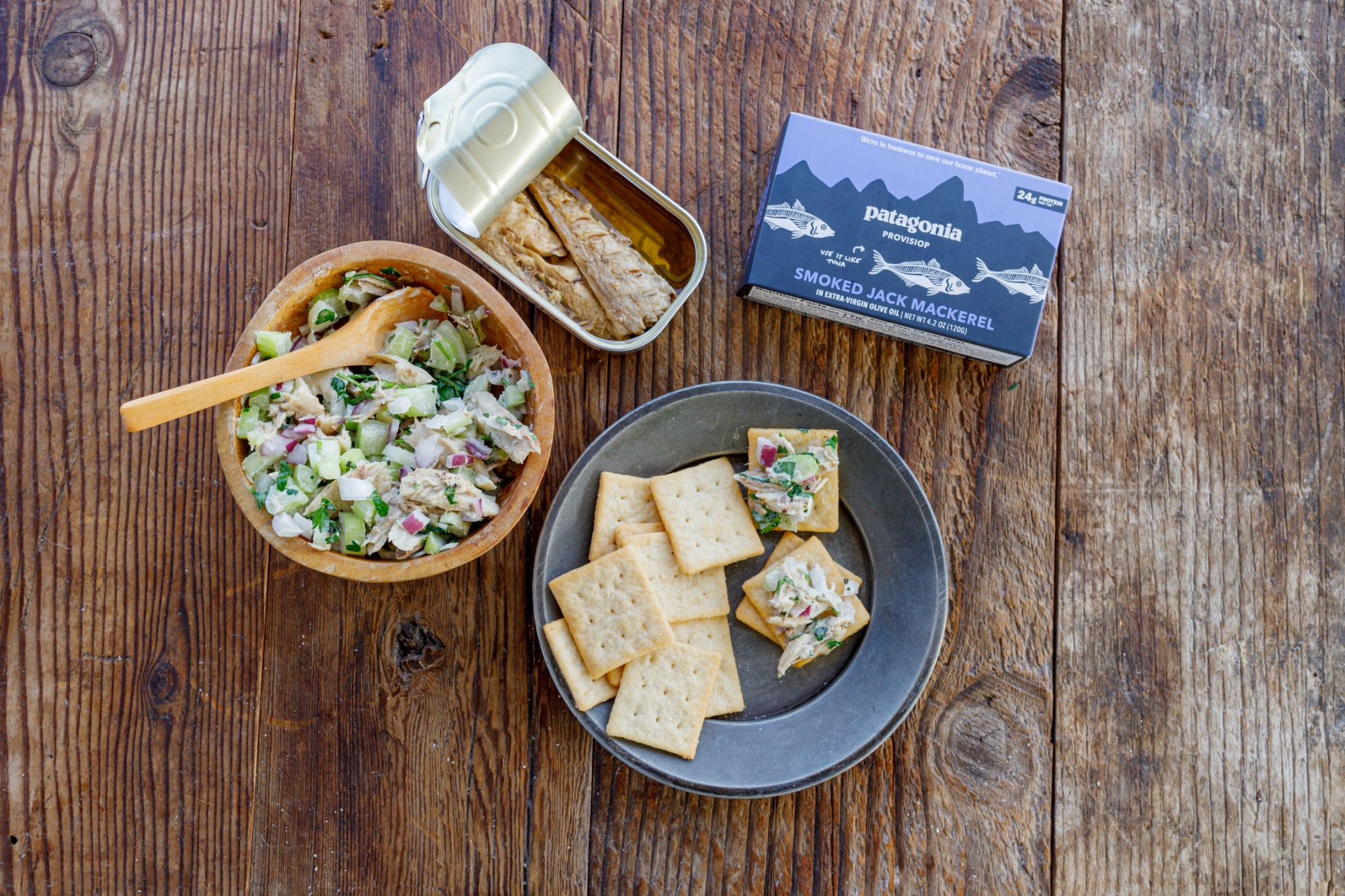 Tinned fish is one of the lowest-carbon animal proteins around. Wild fish don't need feed or belch methane. Because it's canned, it doesn't need to be refrigerated — and the aluminum can be recycled. Brightly colored seafood tins with bold designs have taken off on TikTok in recent years, leading the category to become a global hit as consumers up their protein intake and seek greener options. But sourcing seafood sustainably is becoming more difficult in an era of warming waters, spurring other tinned fish retailers like Patagonia to rejigger their supply chains. The ocean absorbs some 90% of global warming's excess heat, and higher temperatures are shifting where fish are distributed. That's upended fishing quota agreements as species move into cooler waters. In the North East Atlantic region, as mackerel moved northwest towards Iceland, the country upped its catches. But fishers from areas including the EU, where the species has traditionally been found, also continued to catch the fish. This has led to the "mackerel war," a longstanding dispute over fishing quotas. In the meantime, fish stocks have declined. Over the past 15 years, the fishing industry has, on average, caught nearly 40% more mackerel in the wider North East Atlantic than scientists advise. The International Council for the Exploration of the Seas, an intergovernmental marine science organization, has recommended reducing catches this year by 77%, or else the stock could have a smaller chance of recovery. "The problem is our international governance is so weak that we're not able to react or adapt with these climate-ready policies that can take account of these shifts, which are happening at an accelerated rate," says Erin Priddle, an official at the Marine Stewardship Council, a nonprofit that sets sustainable fishing standards. Companies selling mackerel began to look to the South Pacific for a viable alternative and found one in the jack mackerel. After being overfished in the 1990s, measures including science-based catch limits set by the South Pacific Regional Fishing Management Organization enabled the species' recovery, leading to the Chilean jack mackerel fishery earning a Marine Stewardship Council sustainability certification in 2019. In Europe, where there's a greater focus on sustainability and a long tradition of eating tinned fish, retailers have begun offering Chilean jack mackerel in recent years. They include Princes Group, a large canning brand, and the supermarkets Albert Heijn, Jumbo and Lidl. Lightfoot believes Patagonia was the first to make this move in the US. It started selling the new smoked jack mackerel online last month for $9 a can, and will roll it out at retailers, including Amazon.com Inc.'s Whole Foods Market and Sprouts Farmers Market Inc. next week. Patagonia previously offered Atlantic mackerel in different flavors and plans to introduce a second, more seasoned Chilean jack mackerel product later this year. "We are happy to say that the taste attributes are almost the exact same," Lightfoot said. "It is this beautiful, rich, meaty, great-texture fish to eat, and the nutritional claims are also just really good." Read the full story to find out how fisheries are evolving in a warming world. Fish, fish, fish$17 billion The amount of farmed salmon Norway exported in 2023. The sector contributes 3% of the country's GDP — but it's also depleting herring stocks as the small fish are caught and turned into salmon feed. Another threatMichael Dowd Doctoral student, University of Hawaii at Manoa Dowd led a first-of-its-kind study examining the impact of deep sea mining on fisheries. The results indicate that waste generated by mining the seafloor could damage fisheries. Readers really liked🏠Want to know your flood risk in Connecticut? There's a map for that. Your weekend listen Societal collapses happen more often than you think, and there's much we can learn from the past to avoid or, at least, delay another one. This week's guest on Zero is Luke Kemp, author of Goliath's Curse, which draws lessons from the rise and fall of societies over 5,000 years of human history. Akshat Rathi asks Luke whether our current moment — with climate change and AI — makes us uniquely vulnerable to societal collapse or more resilient than we might think. Listen now, and subscribe on Apple, Spotify or YouTube to get new episodes of Zero every Thursday. Your weekend readHappy Berkshire Hathaway annual letter day to all who celebrate. This year marks the first time in more than six decades that it wasn't written by Warren Buffett. His successor, Greg Abel, penned what has become a key milestone on the financial calendar. This weekend's read focuses on one corner of the Berkshire empire: PacifiCorp, a company that bills itself as the largest electric grid operator in the western US. Michelle Ma and Alexandre Rajbhandari looked at the utility's attempts to manage increasing fire risk, and how Abel views PacifiCorp's obligation to stop wildfires and compensate victims. You can subscribe to Bloomberg News to get all the latest Berkshire- and wildfire-related news. (And if you're curious, here are the takeaways from Abel's first letter.) 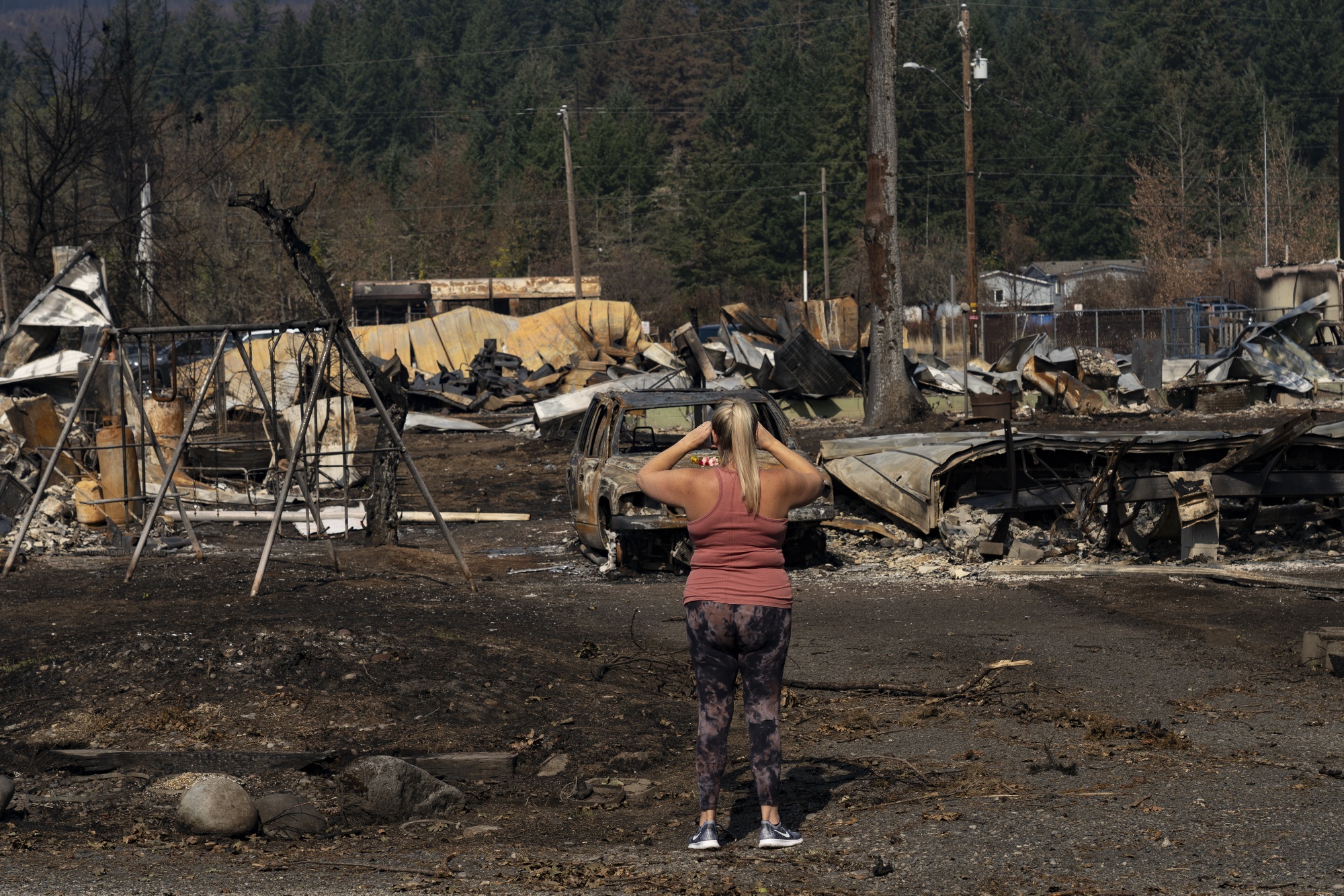 A woman takes a photo of properties and vehicles destroyed by the wildfires in Gates, Oregon, in September 2020. Photographer: Bloomberg/Bloomberg When smoke rapidly engulfed his home in Oregon, retired firefighter Fred Cuozzo rushed away in his pickup truck and nearly died from swerving around flames. All but one structure on his rural 16-acre lot was destroyed by the 2020 fire. Five and a half years later, Cuozzo, 80, is still waiting for more than $6 million that was awarded by a jury that determined Berkshire Hathaway Inc. utility PacifiCorp's equipment caused the fire. Cuozzo's award is a tiny part of billions of dollars in damage claims that followed Oregon's so-called Labor Day fires, which burned thousands of properties and rank among the state's biggest and most destructive. "You know who owns PacifiCorp: Warren Buffett, Berkshire Hathaway," Cuozzo said in an interview. "We know how much money he has – it's not going to break them by any means." PacifiCorp has embarked on an all-out effort to curb the firm's wildfire liabilities — both present and future. The company has been lobbying across multiple states for laws that would effectively cap payouts to fire victims. It's also keen to pass on fire-related losses to its customers. In court, meanwhile, PacifiCorp is appealing jury verdicts for Cuozzo and scores of others. The breadth of the company's campaign underscores the massive threat wildfires have become for PacifiCorp and utilities across the American West. In fact, utility-ignited wildfires have become one of the thorniest issues facing Buffett's successor Greg Abel as he begins his reign as Berkshire's top boss. The company already has reached settlements totaling about $2.2 billion, and Berkshire estimates PacifiCorp faces about $55 billion in claims related to western US wildfires. PacifiCorp, whose credit rating fell last year to just one rung above junk territory at S&P Global Ratings, has warned investors of potentially more trouble ahead. Berkshire declined to comment. PacifiCorp has embraced what Abel has called "legislative and regulatory reform." Working with legislators, the utility has pushed for limits on wildfire liability and for the creation of state funds to support wildfire victims. Utility lobbying bonanzas aren't new. Berkshire is following a script crafted by publicly traded, investor-owned power companies in California, the first state to navigate the fallout from large-scale, utility-sparked wildfires. Abel has called one state the "gold standard" for utility-protecting legislation: Utah. The state passed laws that cap damages for wildfire victims, created a wildfire fund and provided liability shields for utilities that submit an approved fire plan. This much is clear: As climate change has made wildfires more frequent and destructive across the American West, the issue of who pays for their costs has come to a head. Read the full story. More from Bloomberg
Explore all Bloomberg newsletters. Follow us
You received this message because you are subscribed to Bloomberg's Green Daily newsletter. If a friend forwarded you this message, sign up here to get it in your inbox.
|
Saturday, February 28, 2026
Patagonia’s tinned fish fix





Subscribe to:
Post Comments (Atom)
Next Africa: Football and politics
Moroccans vote with World Cup looming large ...
-
Revolutionary Stem Cell & PRP —Start Your Journey Today ...
-
You’ve shown interest in Regenerative Medicine ...


No comments:
Post a Comment