| By Olivia Rudgard An hour before dinner service begins at Ikoyi, a small two Michelin-starred restaurant at 180 Strand in central London, the open kitchen is a hive of activity. It's also close to completely silent. The zen-like atmosphere extends to the stove, a sleek, shining black slab at the center of the kitchen. No gas here — the restaurant uses a four-ring induction stove, installed two and a half years ago when Ikoyi moved to this site. The switch to induction means the restaurant is cooler, the cooking process more exact, and nothing is at risk of accidentally catching alight on a gas burner, says Jeremy Chan, the restaurant's head chef. Chan says he still loves the earthy, emotional experience of cooking with gas, but in the end he picked induction for its safety, efficiency and practicality. Most importantly, it gives him confidence that his chefs can follow his recipes absolutely to the letter, meaning every dish coming out of the kitchen meets the high standard he expects. He now has an induction stove in his home, too. "As much as I love [gas], I'm never going back to it," he says. Chan is part of a quiet movement of chefs who are making the same transition. Gas stoves run on methane, which produces carbon dioxide when burned, contributing to carbon emissions. They are also linked to respiratory health problems, including asthma, and using a gas range at home contributes to some 40,000 premature deaths in the UK and European Union each year, according to research published in 2024. 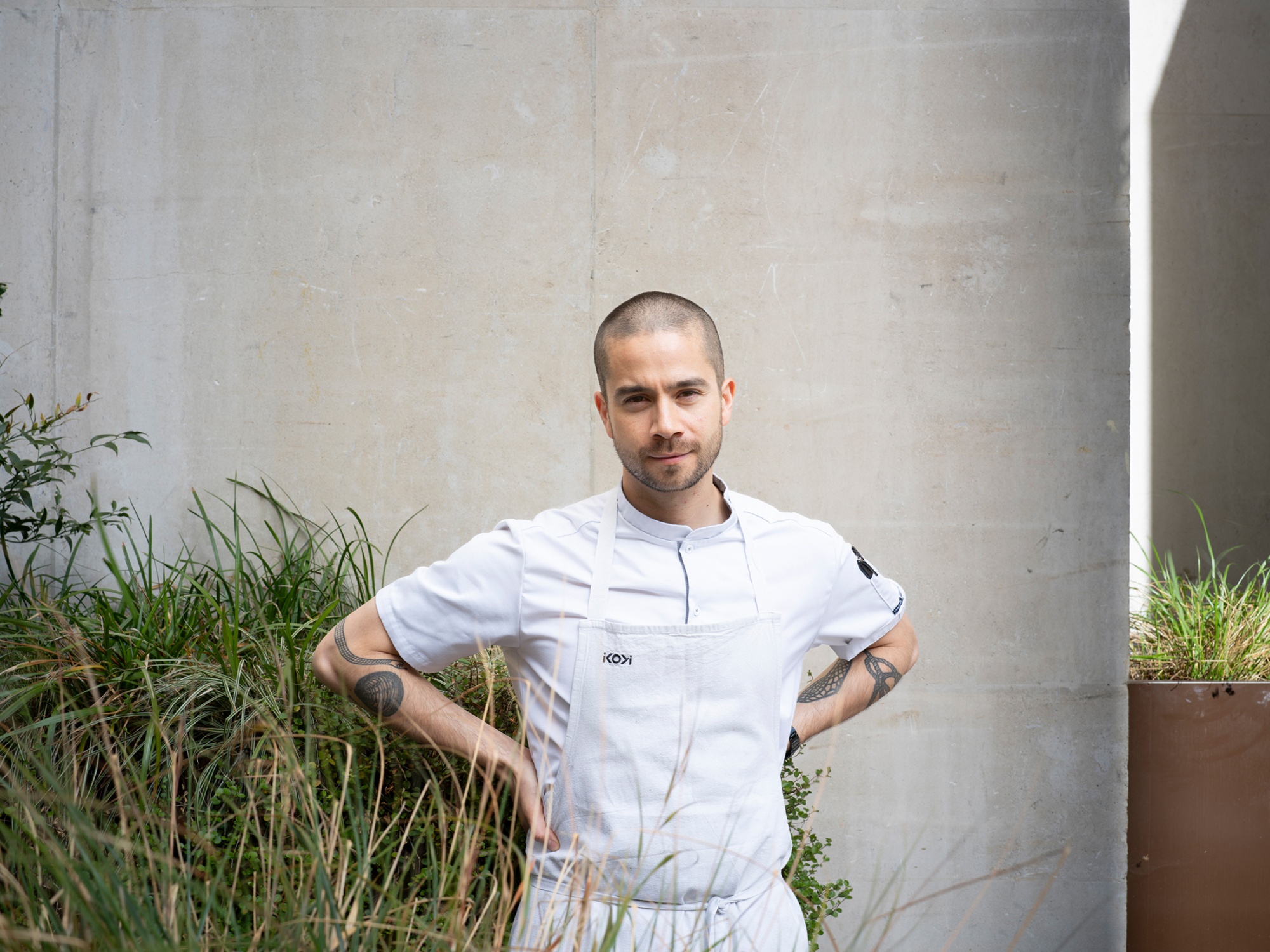 Jeremy Chan Photographer: Andy Sewell/Bloomberg That's prompted efforts to phase gas stoves out in the US. In Europe, home retailer IKEA announced that it would stop selling gas stoves in the Netherlands, and in the UK commercial landlords including Lendlease and Grosvenor have said they plan to stop installing gas in kitchens at their developments by 2030 and to retrofit existing kitchens for electric cooking by 2040. Figures on exactly how many chefs in professional kitchens use gas or electric stoves are hard to come by, but industry experts say that they are seeing an uptick in demand for induction, and not necessarily for environmental reasons. "They are really interested in the performance benefits of electric over gas," says John Cunningham, chief executive of the UK's Foodservice Equipment Association, which represents manufacturers of stoves and ovens. In some cases, members now sell more electric than gas equipment, though across the industry gas is still the leader, Cunningham says. The precise settings on the induction stove mean Chan's recipes can be carried out to exact specifications by his staff, with no room for interpretation as there would be with instructions like "a low flame." "There's less human error," he says. "You can be more precise in a more foolproof way. You can just say set it to, say, 3.5 — there's nothing to interpret there." On a recent visit as the chefs prepared for dinner service, a dish of smoked rice, lobster custard and mustard greens had the perfect al dente texture, with rice that was soft and full of flavor but still retained a bite. 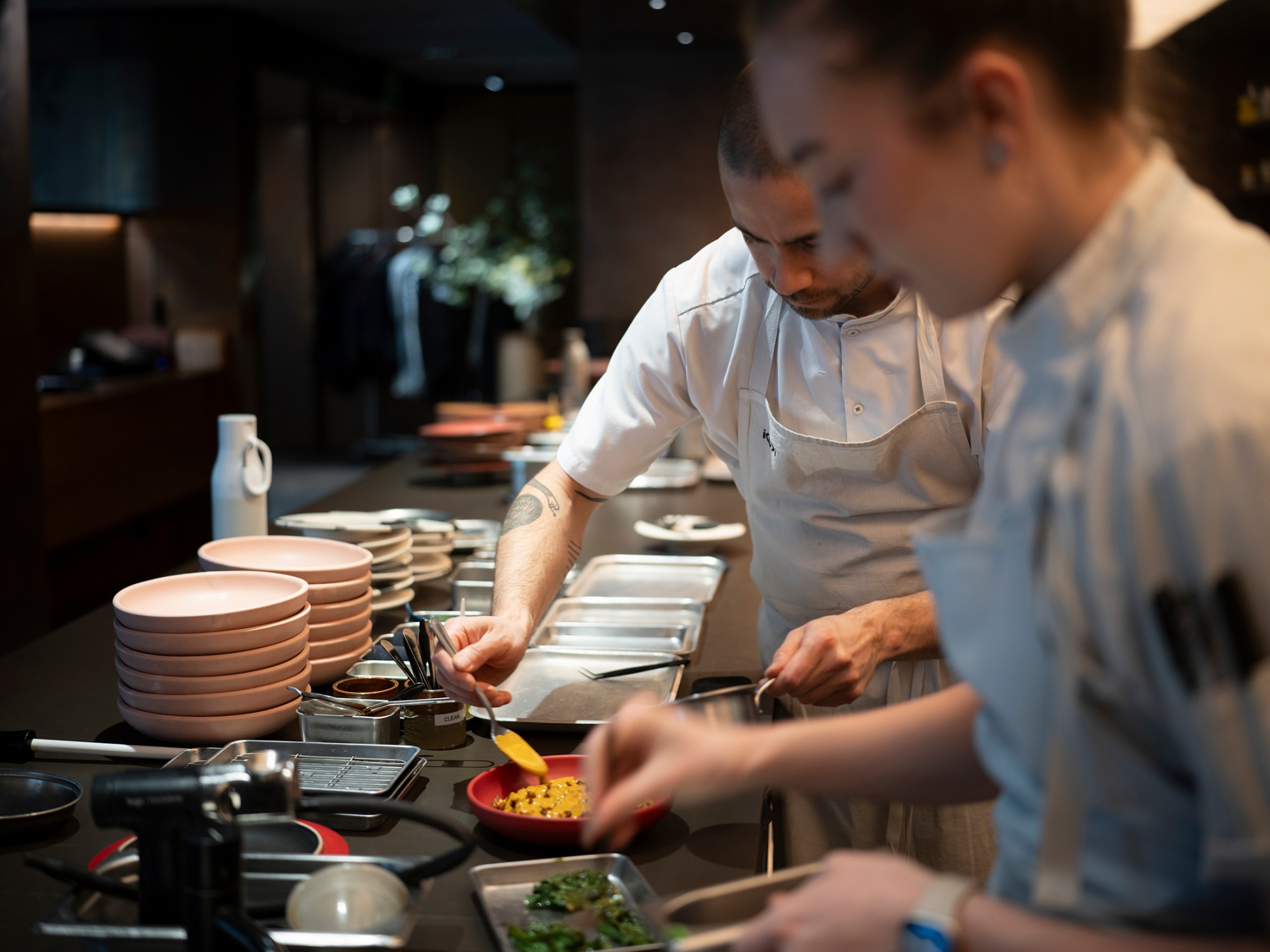 The precise settings on the induction stove mean Chan's recipes can be carried out to exact specifications. Photographer: Andy Sewell/Bloomberg 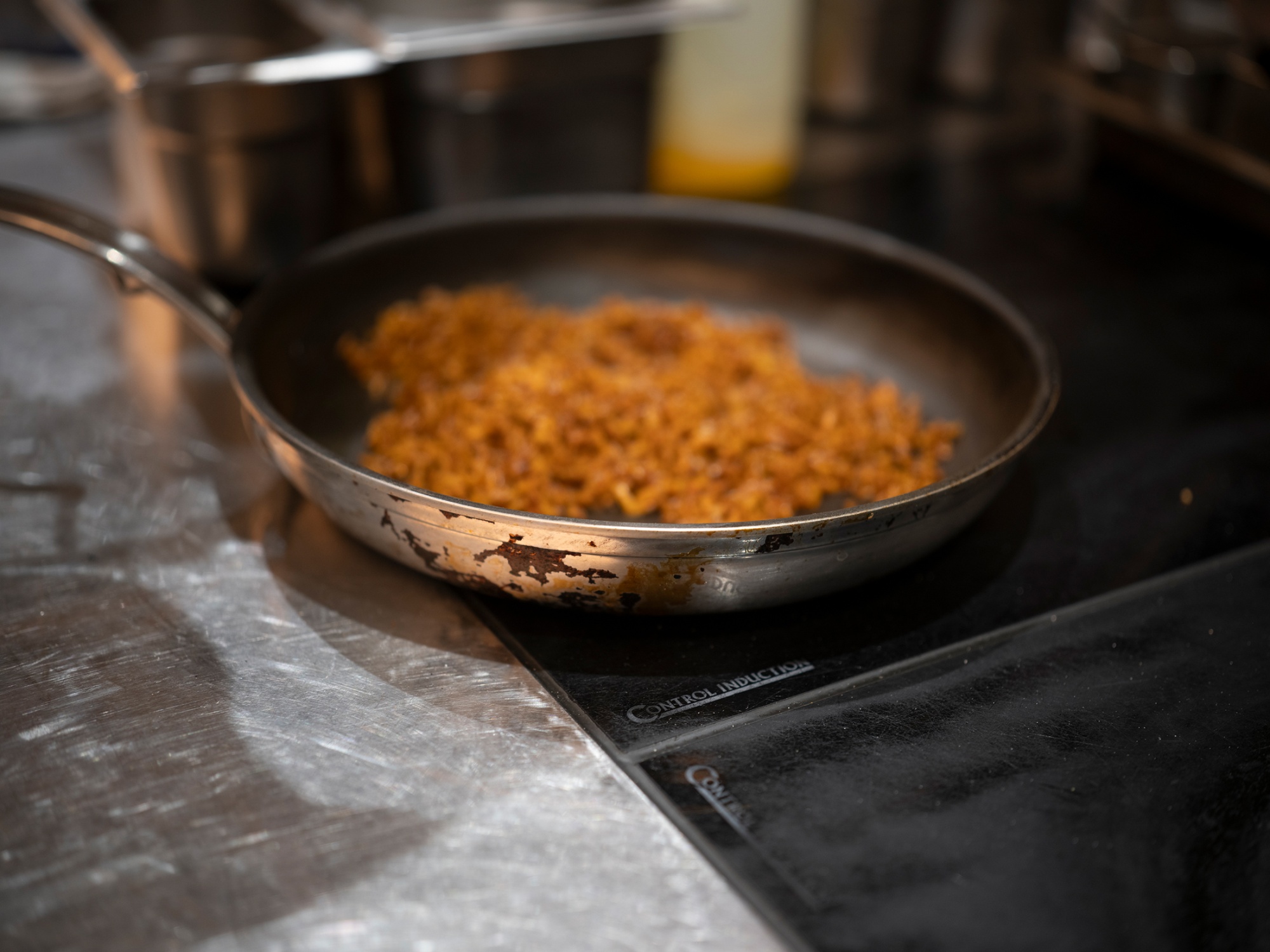 Smoked rice being prepared on an induction stove. Photographer: Andy Sewell/Bloomberg Ikoyi still has a charcoal burner, which staff use to create a smoky, intense flavor where one is required. That's the station where chef de partie Sean D'Sa works. It's the hottest part of the restaurant, but the absence of a gas stove means it's not as uncomfortable as previous places he's worked. "It's a safer choice as well — way less mess, easier to clean," says D'Sa. A poorly cleaned gas stove can be a fire hazard, if grease or dropped food clogs the burners. He recalls having to clean a long-neglected gas stove at a previous job. "It was quite disgusting — sauces and things from god knows when," he says. Chet Sharma, head chef at Bibi, an Indian restaurant in Mayfair, London, also has an all-induction kitchen and a charcoal grill. His Breville Control Freak induction stove can keep food at a precise temperature, ideal for a sous vide dish of scallops in butter that must be held at exactly 48C (118F). "That sort of thing, it'll never work with gas." Persuading chefs that induction can produce the same results as gas can still be a challenge, says Ellen Chew, founder of Chew On This, a company that runs several restaurants across the UK, mostly serving southeast Asian food. Chew is a longtime fan of induction — she brought a single-ring portable induction cooker from Singapore in her suitcase when she first came to the UK 20 years ago, so she could showcase cooking on the go. In Chinese cooking, the need to create the "breath of the wok," a slightly charred and smoky flavor that comes from cooking over a hot flame, means induction is not the usual choice, Chew says. While this was challenging to achieve in older induction models because they couldn't heat the wok quickly enough, that's no longer true for newer appliances, meaning an open flame is not required. 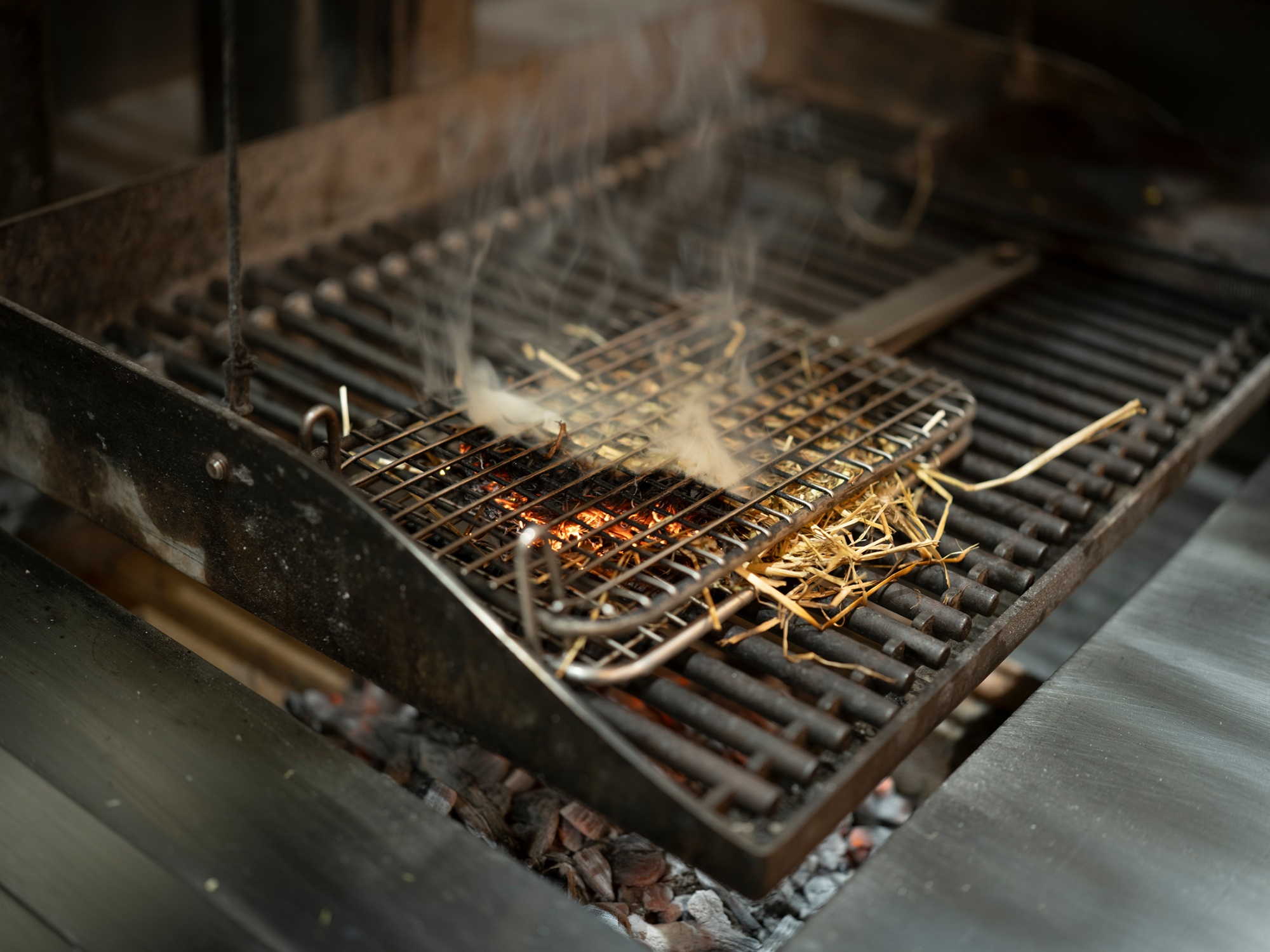 A charcoal burner used to create smoky flavors at Ikoyi. Photographer: Andy Sewell/Bloomberg Chefs are also recommending a growing number of induction woks and stoves for use at home. On his YouTube channel, Detroit-based chef and content creator Jon Kung recommends a $200 concave portable wok burner that can be used for stir-frying at home and works perfectly well with a standard carbon-steel wok. The California-based celebrity chef Martin Yan is also a fan. The intense heat required for the "breath of the wok" is perfectly achievable on induction, he said last year at a San Francisco Bay Area event to promote the technology. One of Chew's restaurants is Shan Shui in Bicester Village, a shopping center about an hour outside London. The kitchen switched away from gas two years ago. Ollie James, 43 — who also happens to be head chef at the Ottolenghi restaurant a couple of doors down — is a longstanding customer. (In his restaurant, they also do almost all their cooking on induction, apart from chargrilling, which they do on a small gas appliance). James has been eating at Shan Shui for seven years and did not notice a difference when the switch was made. His favorite dish, seafood noodles, didn't change at all. "It's still got a nice color on the seafood, and it's not mushy or anything," he says "I think the quality is still there." Read and share this story on Bloomberg.com. | 










No comments:
Post a Comment