Friday, March 21, 2025

The Trump effect

Welcome to Balance of Power, bringing you the latest in global politics. If you haven't yet, sign up here.Few countries are caught as neatly
View in browser
Bloomberg

Welcome to Balance of Power, bringing you the latest in global politics. If you haven't yet, sign up here.

Few countries are caught as neatly in the crosshairs of the accelerating US-China trade war as Australia. 

There may yet be a silver lining for Prime Minister Anthony Albanese.

Australia is used to straddling the line between its largest trading partner, China, and its longtime American ally. But that balancing act has become increasingly precarious under US President Donald Trump.

In the face of growing regional tensions, Canberra has tied itself closer than ever to the US, particularly through the Aukus pact under which America will sell Australia a fleet of nuclear-powered submarines. Deputy Prime Minister Richard Marles showed up in the US with a downpayment of $500 million last month.
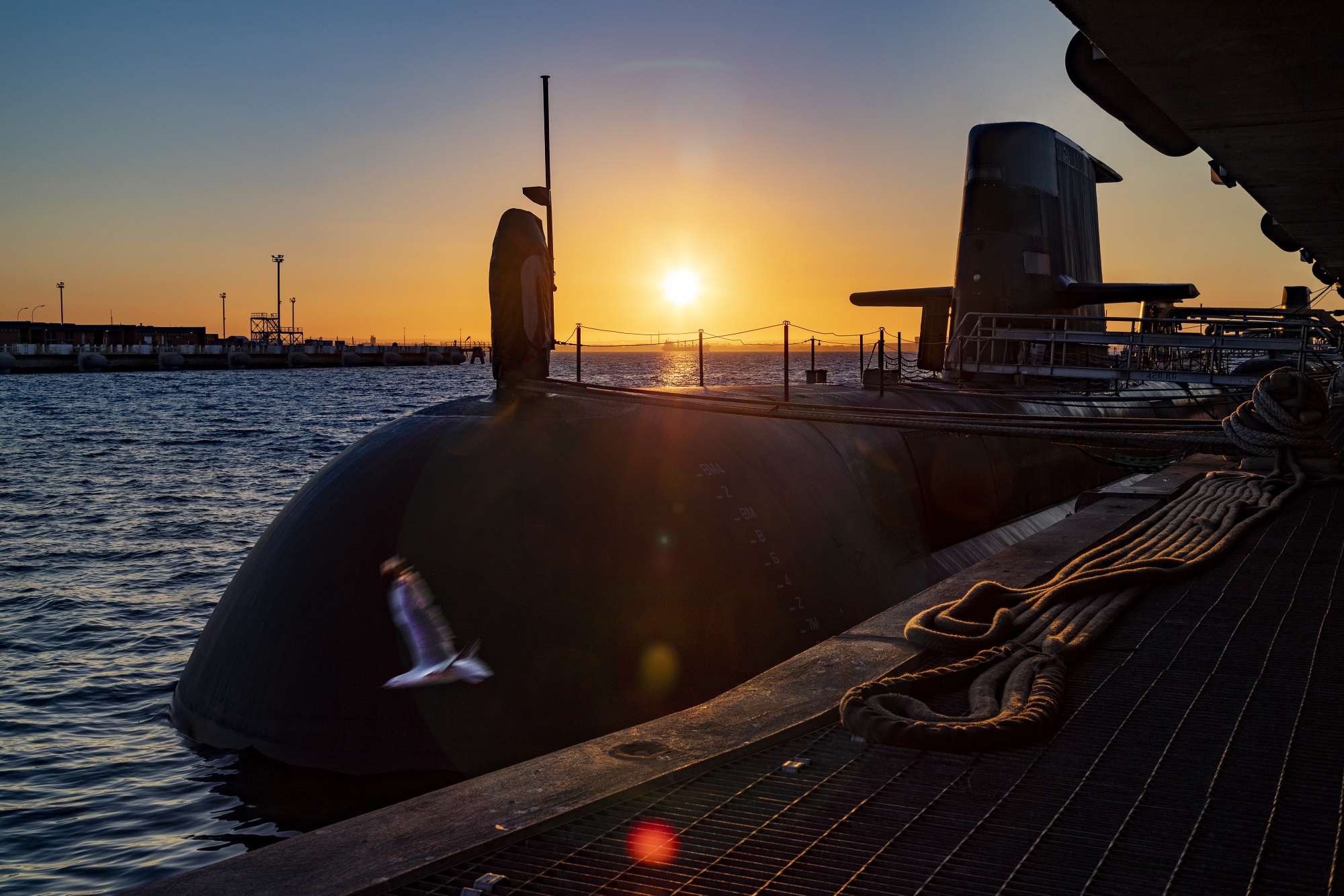
A Royal Australian Navy submarine. Aukus will bring in a new fleet. Photographer: POIS Yuri Ramsey/Australian Defence Force/Getty Images

But none of it mattered when it came to trade. Trump rejected Australia's request for an exemption from steel and aluminum tariffs, embarrassing Albanese. Concern is building over further levies on April 2.

Equally, Albanese's stabilization of relations with Beijing is facing its strongest test yet. Three Chinese warships held highly unusual live-fire drills off Australia's heavily populated east coast in February, before circumnavigating the island continent.

The twin challenges should be a headache for Albanese, who faces an election by May 17. Instead, his approval ratings are rising and support for his Labor government is tentatively growing.

Part of that is almost certainly due to Trump. Overall, Australians don't like the US president. Opposition leader Peter Dutton has been forced to back pedal on his early praise of Trump, whom he called a "big thinker." But Dutton's policies bear the Trump hallmark, from government cuts to ditching DEI measures.

It's a similar story in Canada, where tensions with the US have reinvigorated the center-left government.

With Australia and Canada heading to elections within weeks of each other, the US president may end up saving both parties.

Call it the Trump effect.— Ben Westcott
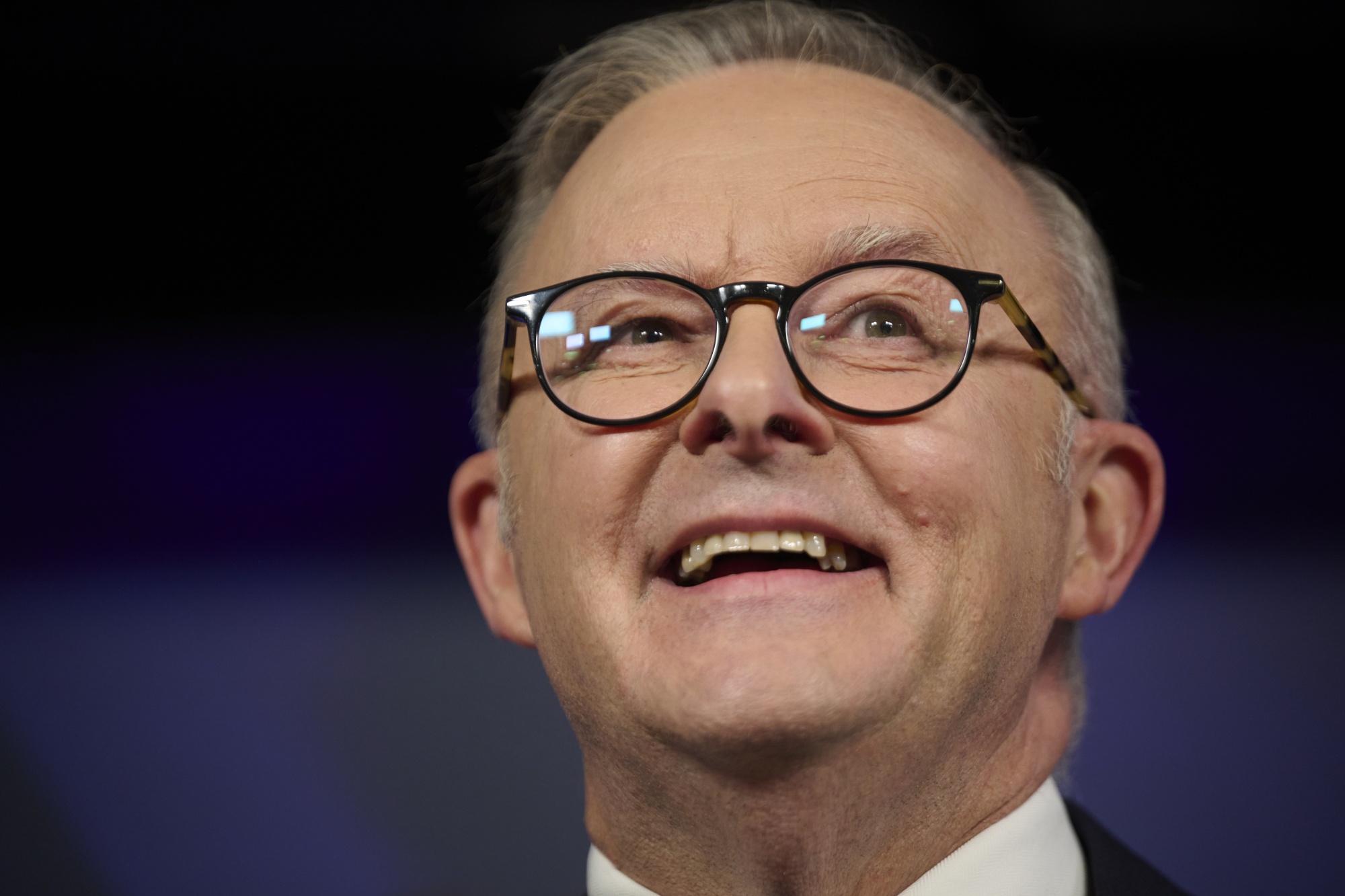
Anthony Albanese. Photographer: Rohan Thomson/Bloomberg

Global Must Reads

News just in: Germany's move to unlock hundreds of billions of euros in debt-financed defense and infrastructure spending passed its final legislative hurdle today when lawmakers in the upper house of parliament in Berlin approved the measures. Investors have been closely monitoring the passage of the bill, which ends decades of German austerity and ushers in a new period of deficit spending designed to boost Europe's biggest economy and bolster the military.

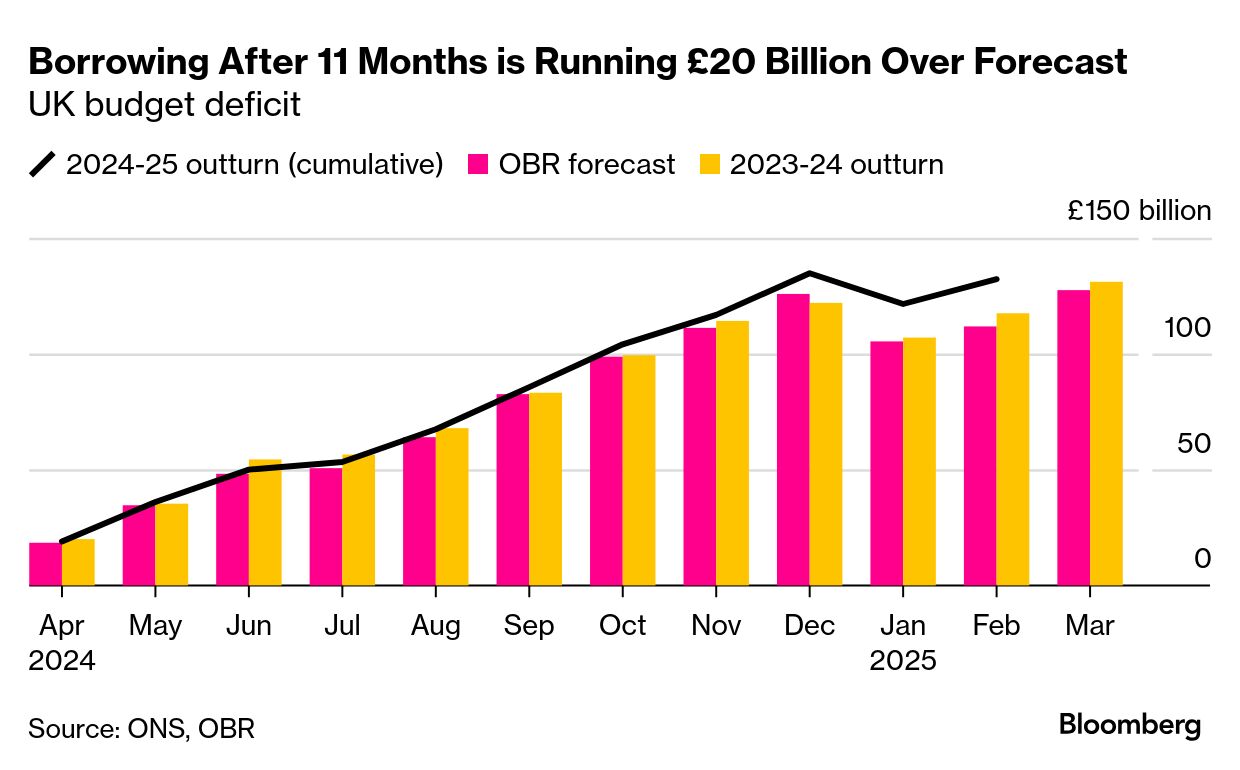
Chancellor of the Exchequer Rachel Reeves is set to overshoot her borrowing forecasts for the current fiscal year by some £20 billion ($26 billion), underscoring the fragile state of the UK's public finances. The figures come ahead of the Spring Statement next week, when Reeves is expected to announce billions of pounds of cuts to public spending and welfare.

European Union leaders tussled over weapons deliveries to Kyiv and who would represent them in US-led diplomacy on the war. An effort at summit talks yesterday to provide €5 billion ($5.4 billion) to secure ammunition for Ukraine this year was held up by France and Italy, sources say. With Europe preparing to massively ramp up defense spending, it's struggling to produce enough gunpowder and other explosives to meet demand.

Trump denied reports that Elon Musk will be briefed about the American military's contingency planning for any potential war with China, a move that would grant Pentagon access to a billionaire with extensive business ties to Beijing. Trump is meanwhile invoking emergency powers to boost US critical mineral production to reduce its reliance on China. 

Israel's cabinet backed Prime Minister Benjamin Netanyahu's decision to fire the country's domestic intelligence chief, Ronen Bar, defying thousands of protesters who rallied against his removal and those of other security and judicial officials.

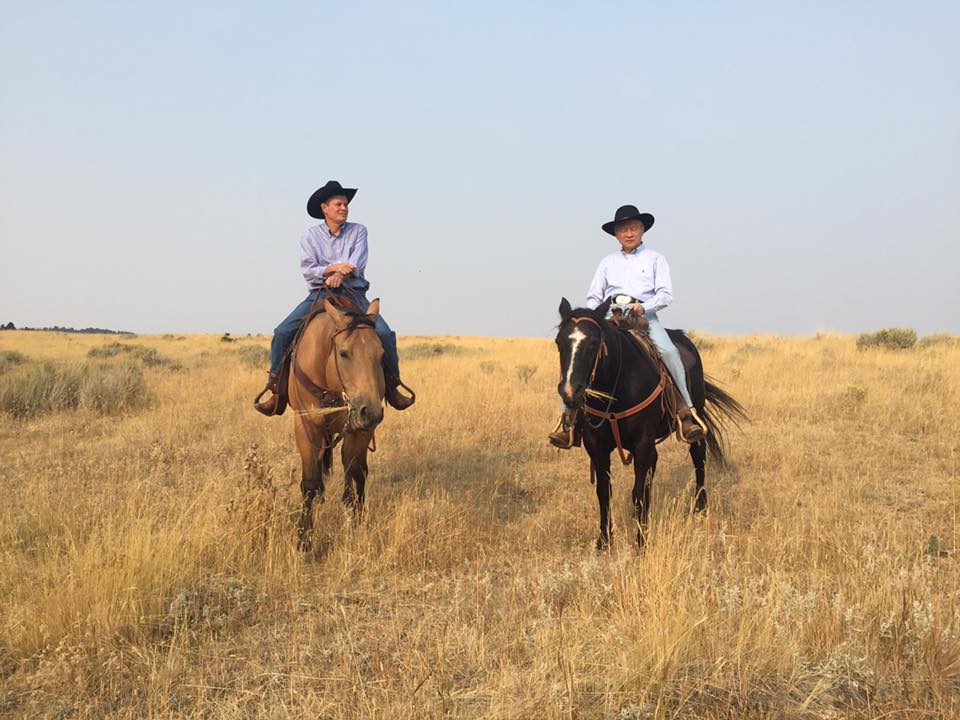
President Xi Jinping's government is set to welcome a US senator close to Trump for talks in China this weekend, as the world's largest economies try to advance stalled trade negotiations.

Senator Steve Daines with then-Chinese ambassador Cui Tiankai in Montana in 2017. Source: Senator Steve Daines/Facebook

Japan and China are due to hold their first economic dialogue in six years tomorrow, an event aimed at reducing tensions as the Asian giants face trade pressure from the US.

Sudan's army entered the presidential palace in Khartoum today, a symbolic victory over the rebel Rapid Support Forces paramilitary group that it has fought in a brutal civil war for two years.

European leaders discussed Bosnia-Herzegovina at their summit yesterday as alarm mounts over a potential disintegration of the war-scarred Balkan nation.

Sign up for the Washington Edition newsletter for news from the US capital and watch Balance of Power at 1 and 5 p.m. ET weekdays on Bloomberg Television.

Chart of the Day

Riding a wave of early support in the polls, Canadian Prime Minister Mark Carney is set to call a national election within days to seek his own mandate at a time when the country has been shaken by a sharp deterioration in ties with the US. Carney was sworn in March 14 after assuming the leadership of the Liberal Party from Justin Trudeau, and one recent survey shows that voters have a more favorable impression of him than Pierre Poilievre of the opposition Conservative Party. 

And Finally

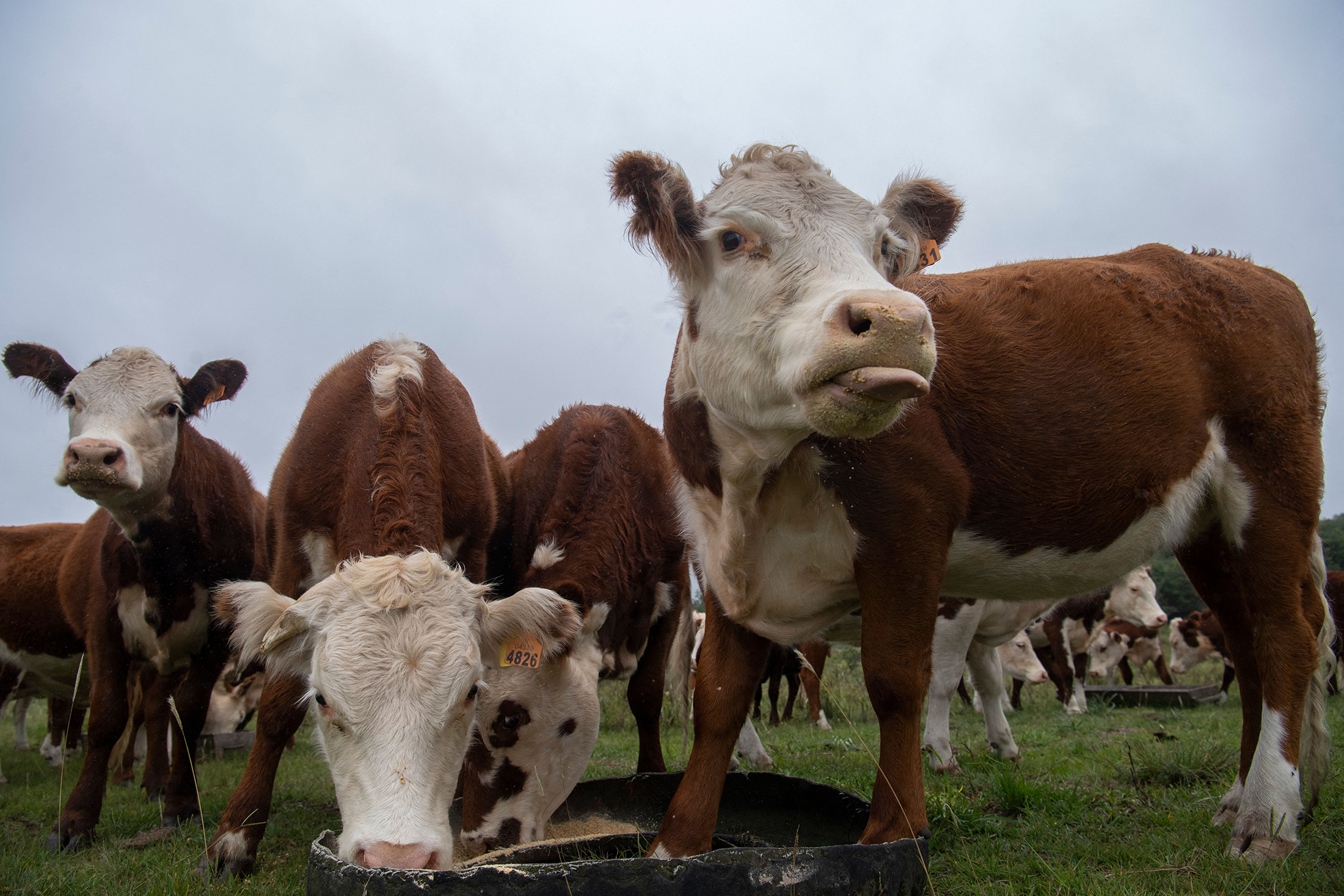
Beef is a major industry in Uruguay, whose national identity is tied to ranching and weekend barbecues. For a quarter of a century, a handful of firms leveraged the sector's prestige to collect nearly $500 million from patrons in return for stakes in cattle ventures. Now, about $300 million belonging to nearly 6,000 investors is missing in what amounts to one of the biggest-ever retail investor fraud cases in this most meat-loving of South American nations.

A herd of cows grazes in a field in Lavalleja Department, Uruguay. Photographer: Pablo Porciuncula/AFP/Getty Images

Pop quiz (no cheating!). The mayor of which major city was detained this week, sending the country's markets into freefall? Send your answers to balancepower@bloomberg.net 

More from Bloomberg

  • Check out our Bloomberg Investigates film series about untold stories and unraveled mysteries
  • Next China for dispatches from Beijing on where China stands now — and where it's going next
  • Next Africa, a twice-weekly newsletter on where the continent stands now — and where it's headed
  • Economics Daily for what the changing landscape means for policymakers, investors and you
  • Green Daily for the latest in climate news, zero-emission tech and green finance
  • Explore more newsletters at Bloomberg.com
Follow Us

Like getting this newsletter? Subscribe to Bloomberg.com for unlimited access to trusted, data-driven journalism and subscriber-only insights.

Want to sponsor this newsletter? Get in touch here.

You received this message because you are subscribed to Bloomberg's Balance of Power newsletter. If a friend forwarded you this message, sign up here to get it in your inbox.
Unsubscribe
Bloomberg.com
Contact Us
Bloomberg L.P.
731 Lexington Avenue,
New York, NY 10022
Ads Powered By Liveintent Ad Choices

No comments:

Post a Comment

The only factory making America’s new “AI Metal”

Without this material, AI data centers could be crushed by energy costs. ͏  ͏  ͏  ͏  ͏  ͏  ͏  ͏  ͏  ͏  ͏  ͏  ͏  ͏  ͏  ͏  ͏  ͏  ͏  ͏  ͏  ͏ ...