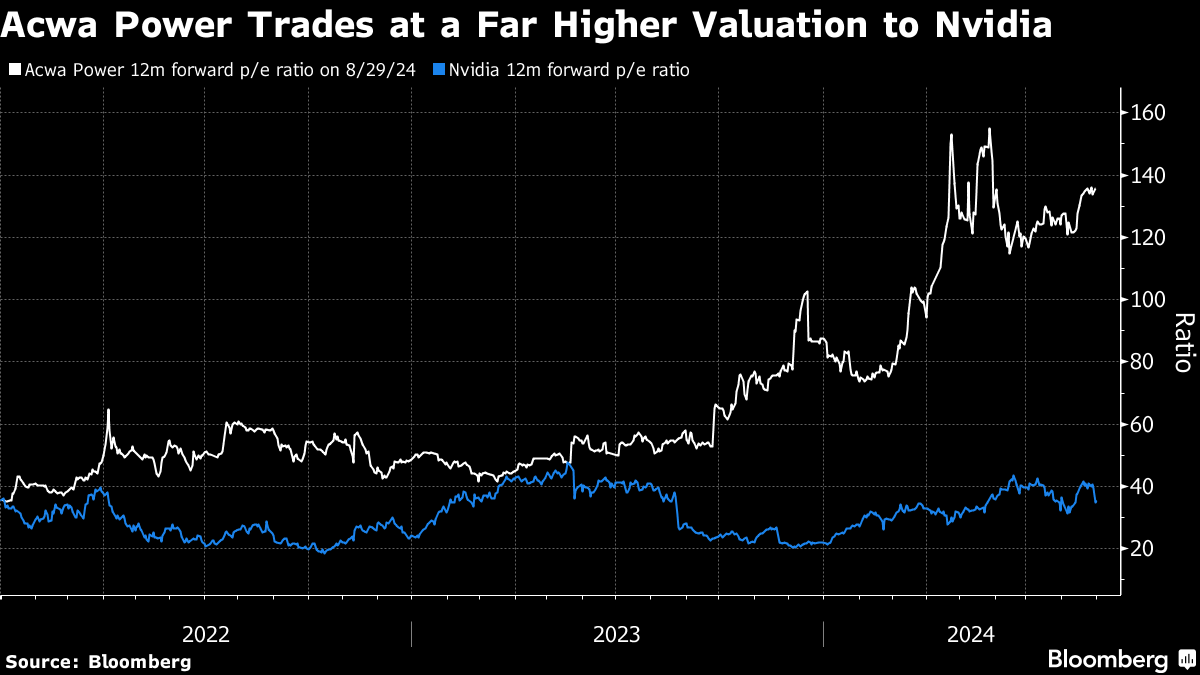
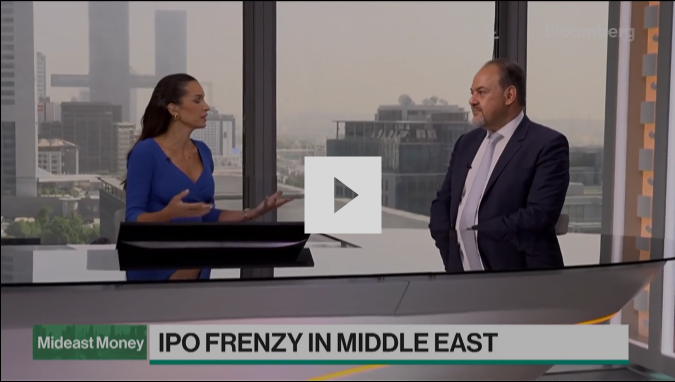
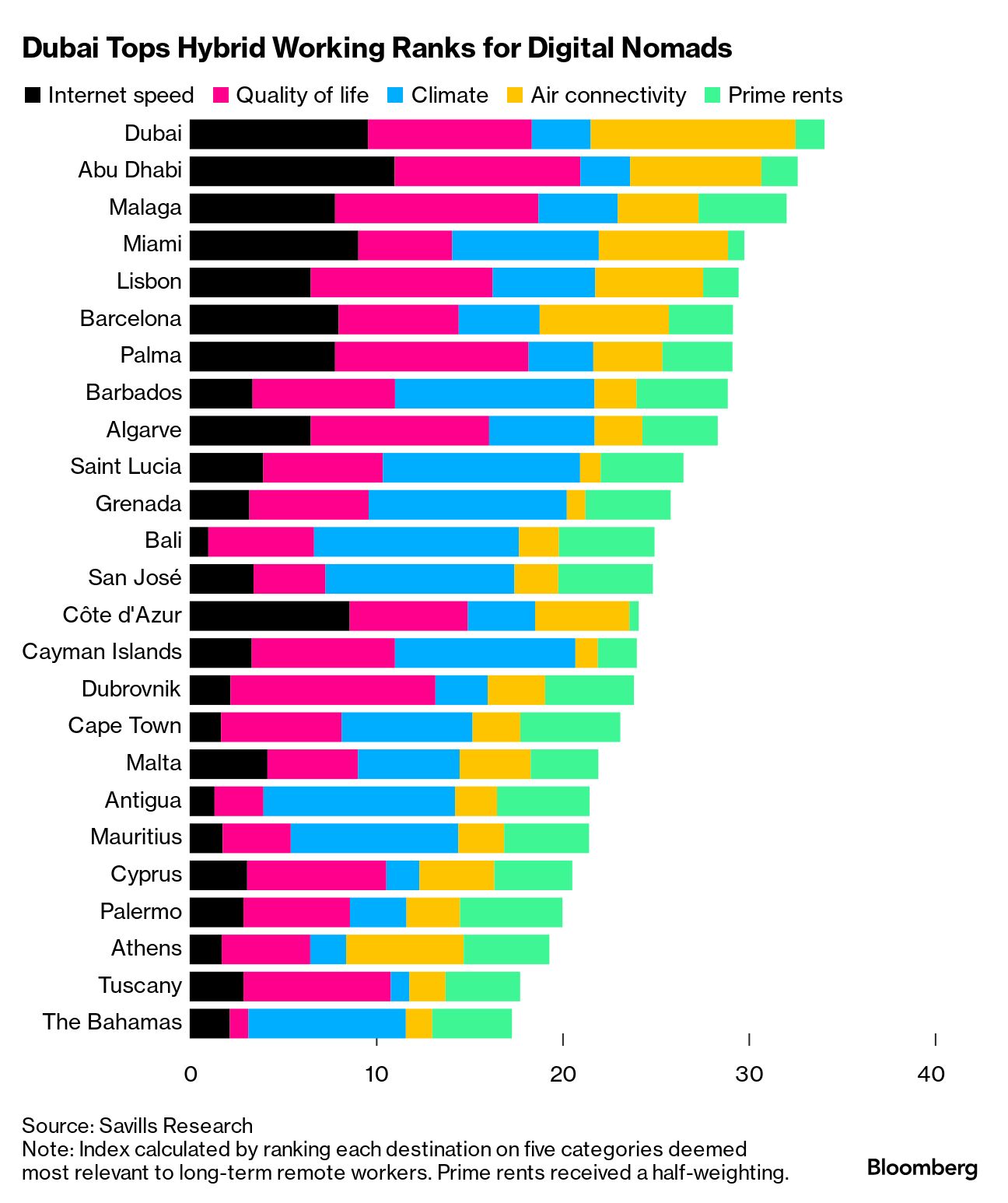
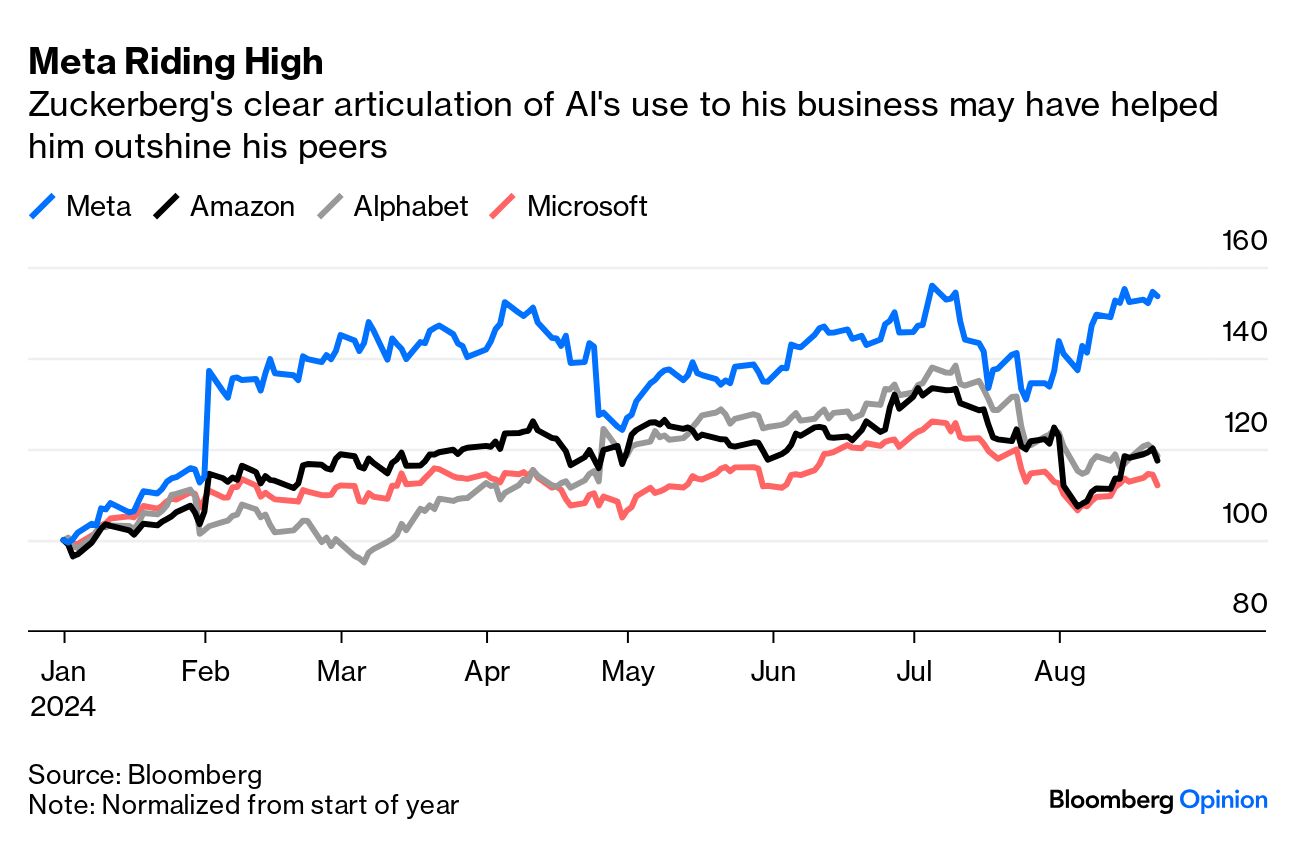
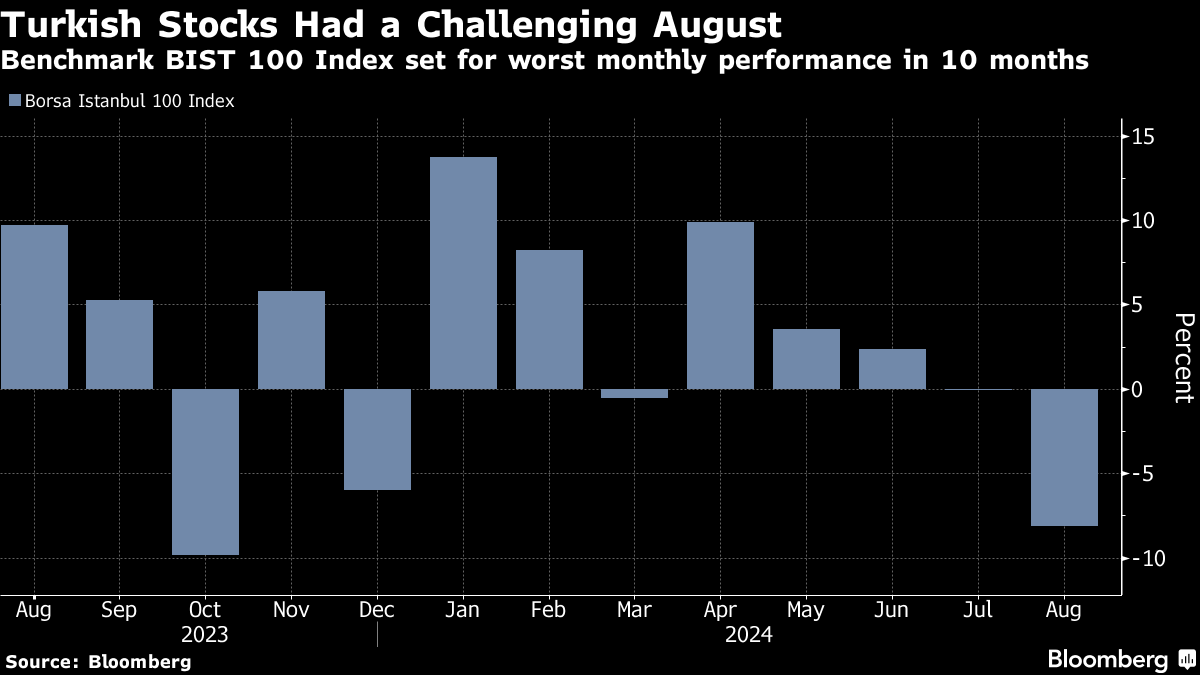
| Welcome to the Mideast Money newsletter, I'm Adveith Nair. Join us each week as my team and I chronicle the intersection of money and power in a region that's become one of the most influential in global finance. You can sign up here. This week, a flurry of initial public offerings, a $52 billion asset manager's sweeping management reshuffle and rich Turks and Egyptians are helping fuel Dubai's property boom. But first, over to Farah Elbahrawy, who's found a list of regional stocks that are pricier than Nvidia. Much has been written about frothy US equity valuations. The Nasdaq 100 index came under some pressure over the summer but the tech-heavy benchmark is still up 16% for the year, while the S&P 500 continues to trade near record levels. A lot of that's down to Nvidia, which is the key beneficiary of a race to upgrade data centers to handle artificial intelligence software and has gained 141% this year to become the world's third-most-valuable company. While its outlook last week failed to match up to investors' expectations and the stock slumped 6.4%, it still trades at a price-to-earnings ratio of 34. That's high, but it also looks like a bargain compared to some of the biggest companies in the Middle East. Regional equities are up so far this this quarter, meaning some stocks come with even more eye-watering premiums. Case in point: Saudi Arabia's ACWA Power — the kingdom's third-largest listed firm, which trades at 136 times forward earnings. That makes it about 10 times more expensive to own than a basket of European utilities including Iberdrola and National Grid. "I think there is a retail investor portion there that is dictating some of those prices," Mohammed Ali Yasin, founder and chief executive officer of Oracle Financial Consultancy and Investments told my colleague Joumanna Bercetche on Bloomberg TV. "You find 80%-90% of those companies are held by governments and so the true market mechanism is not really dictating it." The Saudi wealth fund owns about 44% of ACWA, which is up nearly eightfold since its 2021 debut. Most analysts, including Morgan Stanley and Citigroup, recommend investors sell. JPMorgan Chase analysts said this summer the firm's "valuations look already rich as compared to both main peers and the overall market context." Over in the United Arab Emirates, International Holding's 43,000% rally since the start of 2019 has seen it transform into one of the world's largest companies. Valuation metrics like price-to-book ratio have surged, and IHC trades at a premium to even Warren Buffett's Berkshire Hathaway. Unlike ACWA, the Abu Dhabi-based firm has no analysts tracking it, highlighting another issue for investors looking at the Middle East as an investment destination. Research is sparse for firms like IHC and its units Alpha Dhabi and Multiply Group. Abu Dhabi National Energy, known as Taqa, is one of the biggest utilities in the world, with not a single foreign analyst covering it. Only three regional ones track the near $80 billion firm with a trailing price-to-earnings ratio higher than Microsoft or Apple. "The question is do those companies want to be covered?," Yasin said. "Sometimes, some of those companies don't see the value. They are closely held by certain big party and that big party is happy where it is. It looks at it as a holding company, and spins off some of its underlying companies." Some of these Abu Dhabi firms are all linked to a powerful royal — Sheikh Tahnoon bin Zayed Al Nahyan. Several companies tied to his empire were part of the August FTSE Russell index review, meaning international investors are now more likely to be passive investors in these stocks that have little-to-no analyst coverage. Related Coverage There are signs though, that firms are taking a more active interest in the region. BlackRock is expanding its research division to the Middle East and Bernstein opened a new office in Dubai to work with investors looking to increase regional exposure. "I think the market will force those companies to open up once the liquidity dries up and they need some of that foreign money coming in," Yasin said. Israelis took part in day-long labor strikes and protests to force the government to agree to a cease-fire with Hamas and secure the release of hostages in Gaza. 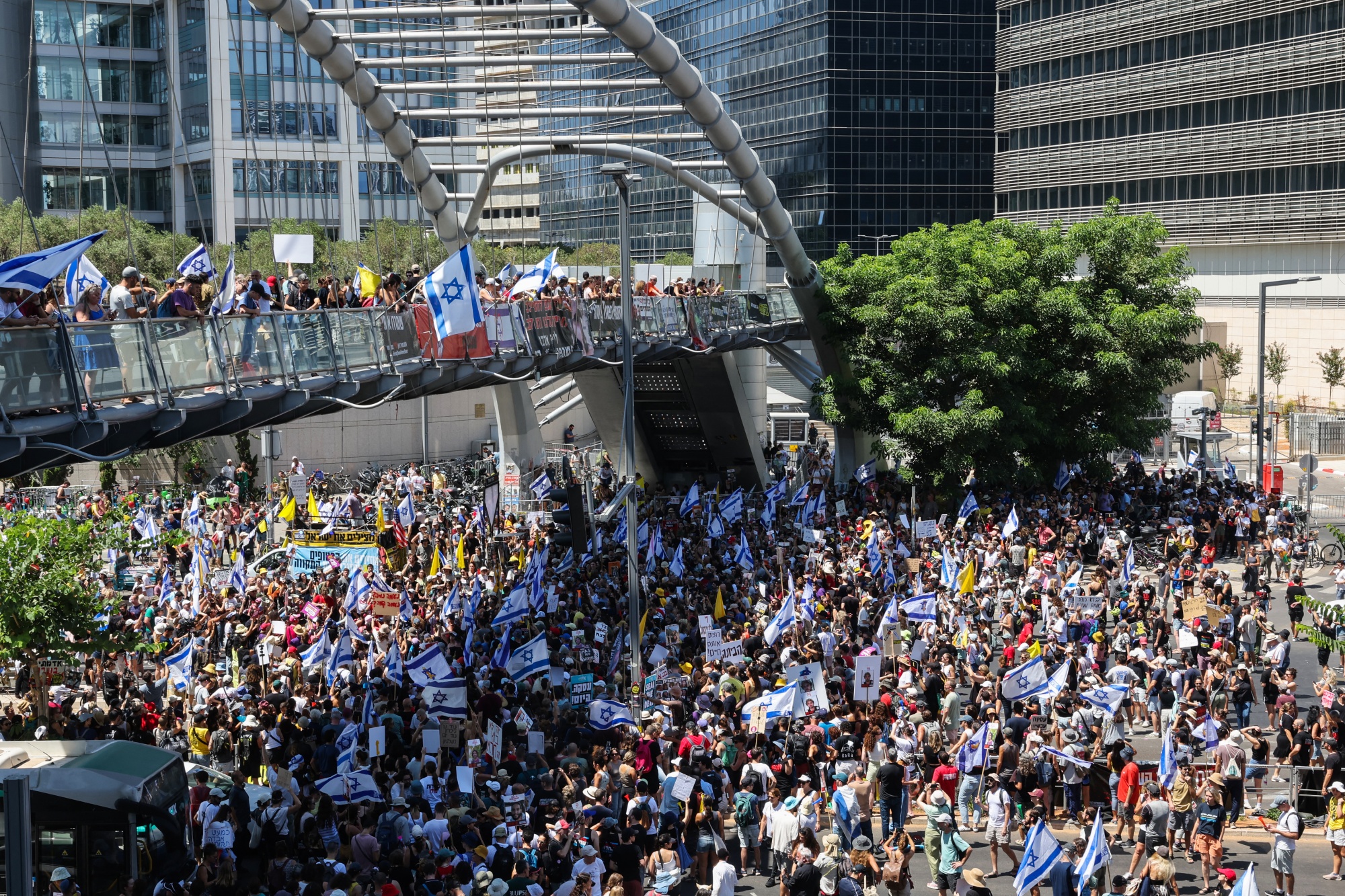 Protesters in Tel Aviv, on Sept. 2. Photographer: ack Guez/AFP/Getty Images A secretive trader known as 'Hector' is said to have become one of the most powerful kingpins in the global oil trade. Saudi Arabia is looking to cut red tape and make it easier for foreign investors to pump cash into the kingdom. The Saudi sovereign wealth fund is one of the co-investors that lost money on Vista Equity Partners' acquisition of Pluralsight. The largest alternative asset manager in the Middle East is set to lose one of its co-CEOs as part of a sweeping reshuffle. 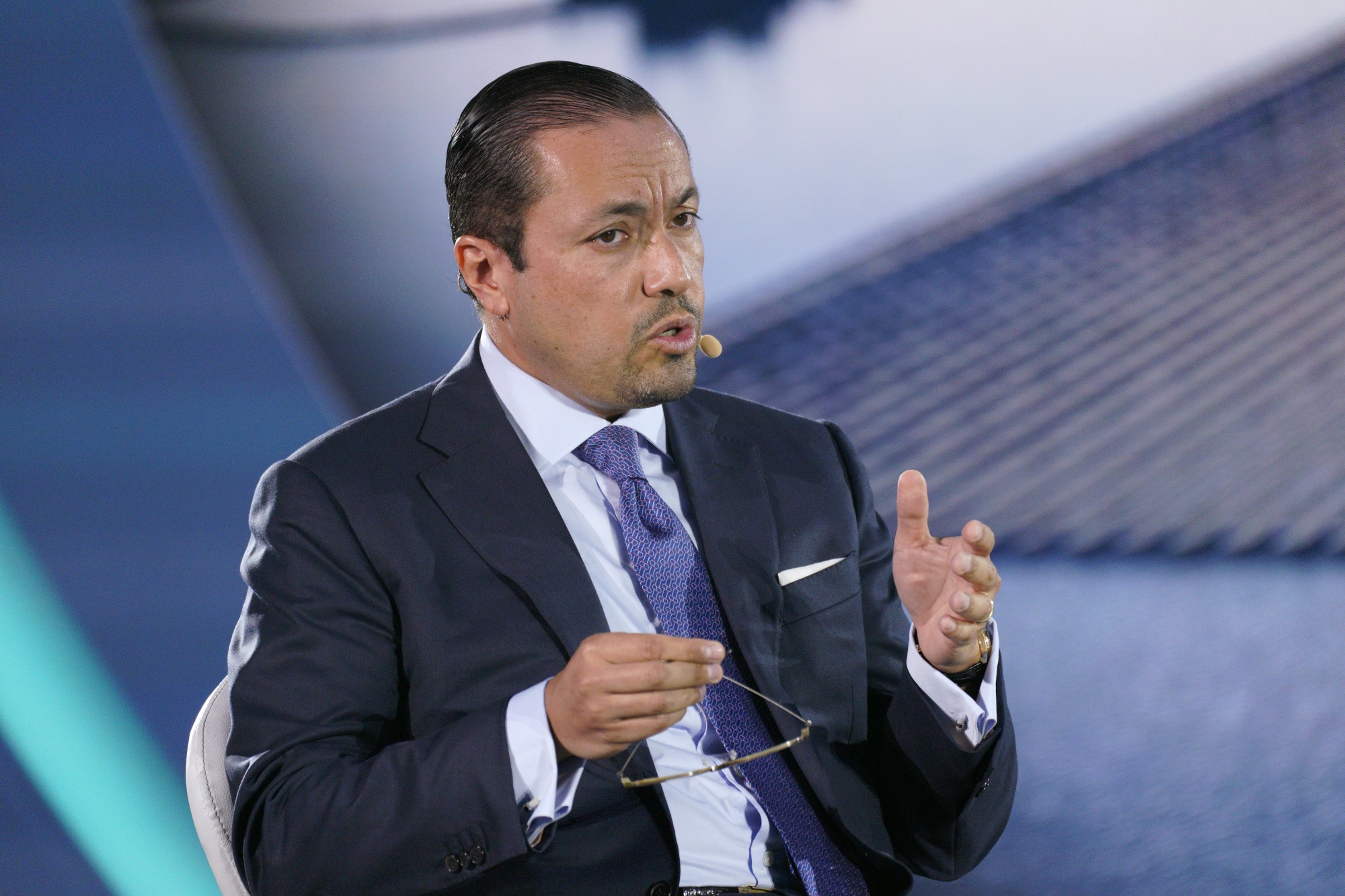 Hazem Ben-Gacem Photographer: Bryan van der Beek/Bloomberg Abu Dhabi's Adnoc has largely completed due diligence on its planned €11.7 billion bid for German chemical company Covestro. The Middle East's biggest aluminum producer wants more acquisitions to boost growth after making its first two deals this year. A Dubai developer says rich buyers fleeing currency instability in Turkey and Egypt are helping drive demand. 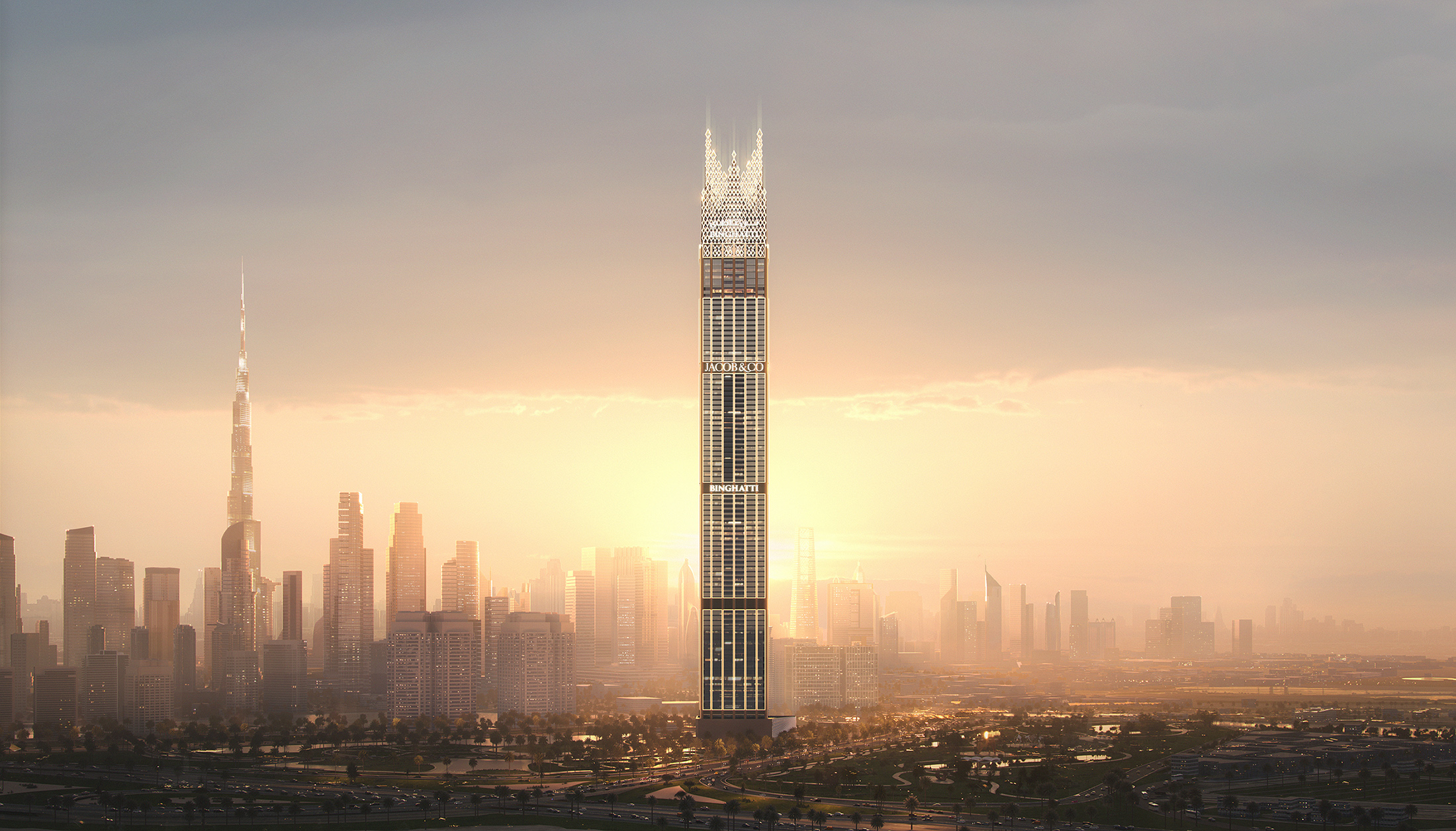 A rendering of Burj Binghatti Jacob & Co. Residences. Source: Bingahtti Properties Dubai and Abu Dhabi have been ranked the best spots for globetrotting executives. Saudi Arabia suggested it could make a bid to host the Olympics. Nvidia's stock rally has minted many new multimillionaires. But a culture problem is brewing. Google and Microsoft can learn a thing or two from Mark Zuckerberg on how to navigate the generative AI hype cycle. (Opinion) HSBC's incoming CEO is considering plans that could remove layers of middle management at Europe's largest bank. Meanwhile, Nuno Matos — who lost out on the top job — could become one of the world's most eligible bank CEO candidates. 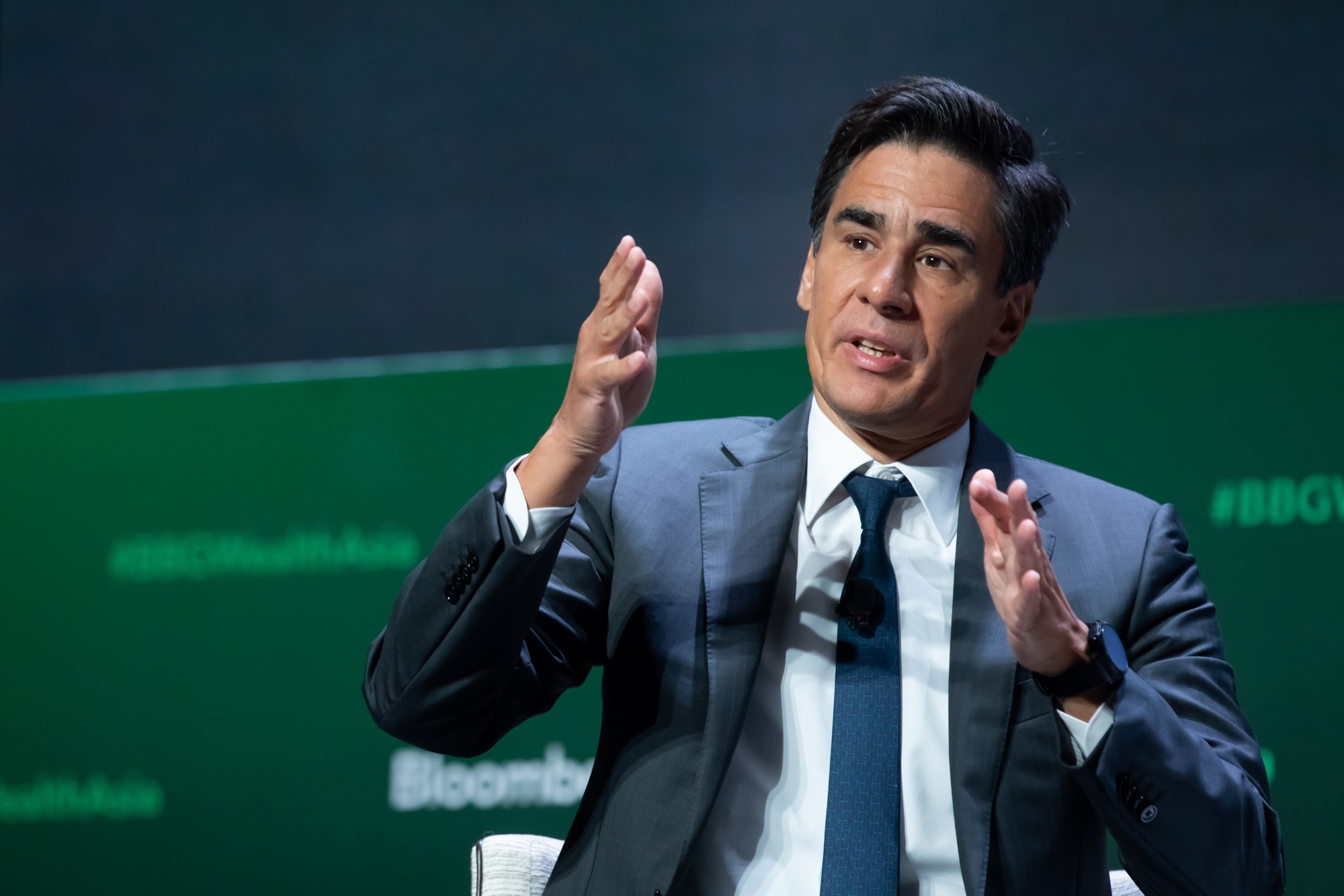 Nuno Matos Photographer: Paul Yeung/Bloomberg One of the most-controversial credit trades turns into a big winner for hedge funds. Private equity's next big play? Your kid's sports team. Commercial real estate landlords face a $1.5 trillion maturity wall. Apple's executive succession strategy involves keeping the old guard around as long as possible. Turkey's benchmark Borsa Istanbul 100 Index tumbled 8% in August, making it the world's worst-performing stock market. Foreign investors are also pulling out more cash, selling $2.9 billion in the three months through Aug. 16, according to data from the central bank. Turkish investors say the big question is: how bad will the economic slowdown be? Also Read: 'Mystery Move' Triggers Turkish Lira Losses Before Calm Returns After a summer lull in what's been a hot market for initial public offerings, listings are back. Last week saw a flurry of announcements from firms ranging from a perfume maker and flour miller to an oil services provider and a food delivery company. In Saudi Arabia, Al Majed for Oud received more orders for its IPO than shares available in just a few hours after books opened on the $188 million deal. Oud perfume is a Middle Eastern fragrance derived from the resin of the aquilaria tree and is counted among the rarest natural resources in the world. Arabian Oud, another maker of the perfume, may also eventually come to the Riyadh bourse. 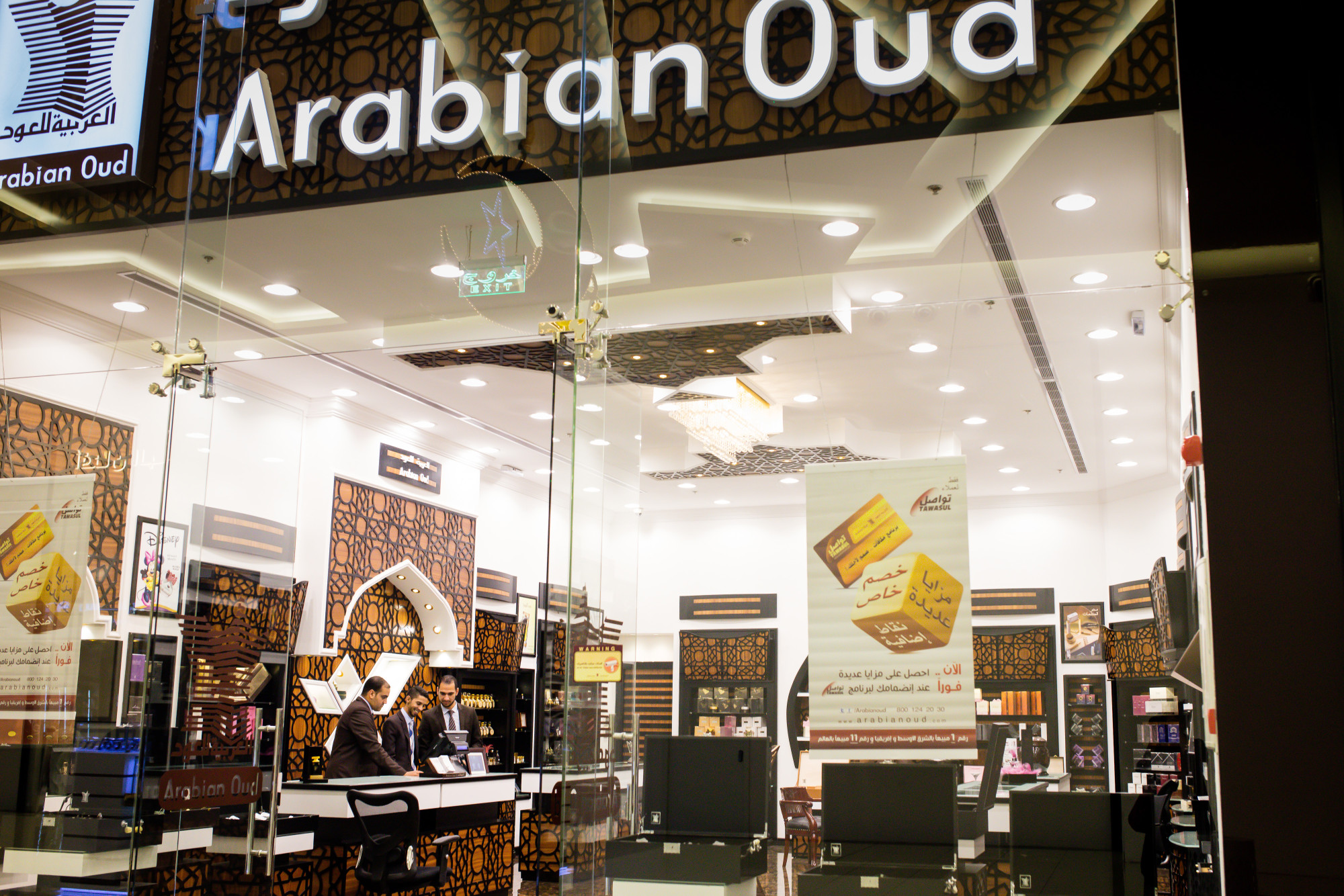 An Arabian Oud perfume store in Jeddah, Saudi Arabia Photographer: Tasneem Alsultan/Bloomberg Meanwhile, Arabian Mills' $271 million IPO was also covered within an hour. The firm is the fourth Saudi flour milling firm to announce plans to go public after the government split the state-controlled industry into four firms and sold them to the private sector. The Saudi wealth fund is also set to join the fundraising rush. The Public Investment Fund has hired bankers for the IPO of the kingdom's largest medical procurement firm — and could raise close to $1 billion by selling a 30% stake. Over in the UAE, Delivery Hero is looking to list its Middle Eastern unit, Talabat, in Dubai. Meanwhile, NMDC is planning an $877 million listing that's set to be the country's biggest IPO this year. 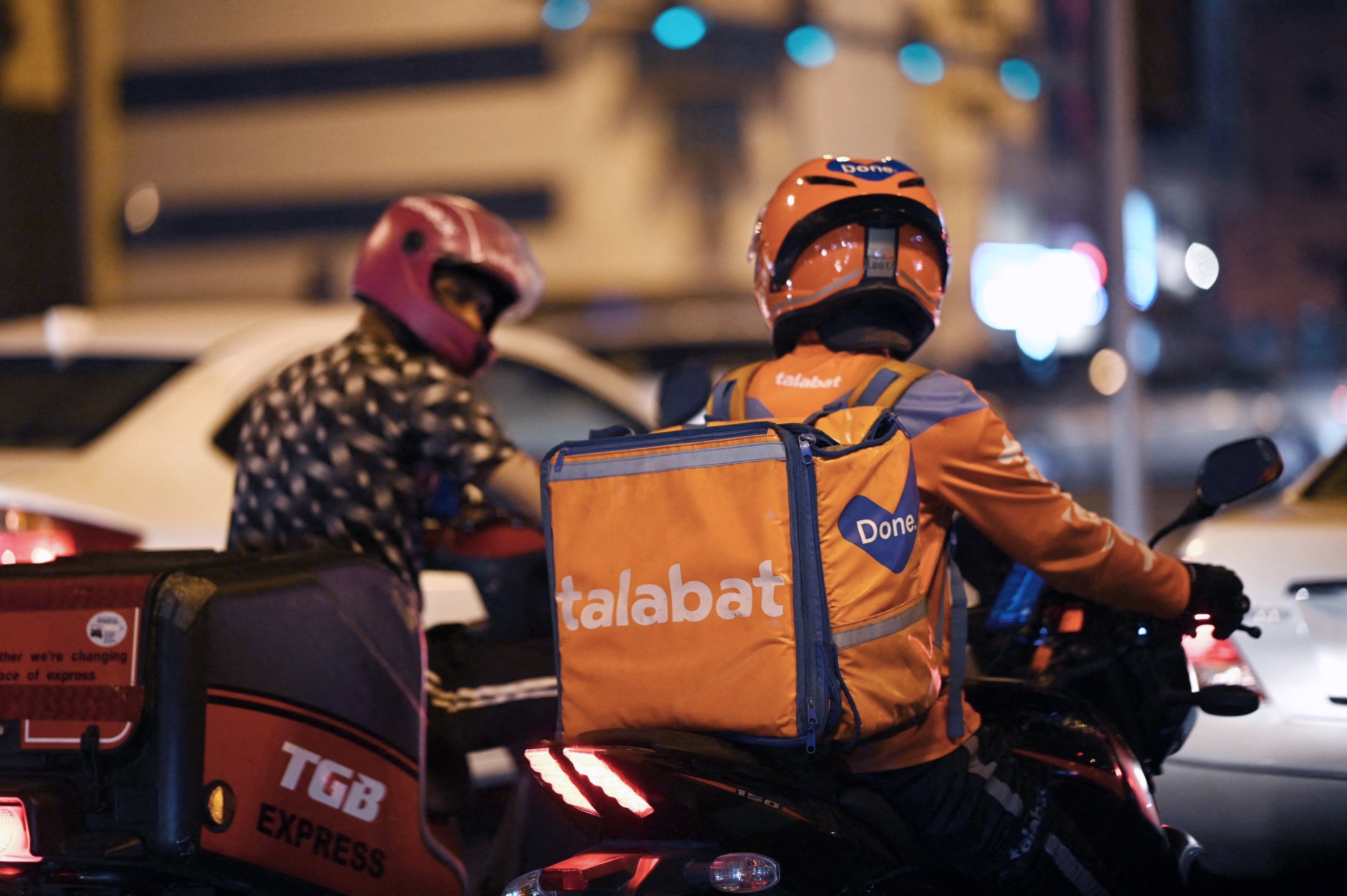 A Talabat courier. Photographer: Gabriel Bouys/AFP Also Read: Goldman Sees Gulf IPO Frenzy Extending Into Next Year The wave of listing activity in the Persian Gulf gathered steam in late 2021 as governments sold stakes in state-owned businesses to reduce their reliance on the energy sector. EFG Hermes has said it expects the boom to continue. Likely IPOs in the UAE include a potential offering of Abu Dhabi flag carrier Etihad Airways, a catering business that could raise up to $400 million and hypermarket chain LuLu Group that could be one of the biggest in the Middle East this year. If you'd like to get the Mideast Money newsletter in your email inbox every Monday, please subscribe using this link. You could also send us your feedback here. Thanks! | 







No comments:
Post a Comment