Thursday, May 30, 2024

Young voters are angry about grocery bills

Plus: $500,000 to work at Walmart?

It's no secret that grocery shopping (to say nothing about going out to a restaurant) has become more expensive over the past few years. As Joshua Green writes, it's a political problem as much as an economic one for President Joe Biden, especially with a demographic he needs to win reelection: young people. Plus: higher pay for Walmart managers, a look at Israel's wartime economy and the race to make more weight-loss drugs. If this email was forwarded to you, click here to sign up.

While the world awaits a verdict in Donald Trump's Manhattan criminal trial, another important political development is underway at US grocery stores: Prices are up. And young people are mad about it.

Unless you employ a team of private chefs to prepare your meals, you've probably noticed this already. You may be mad about it, too. For all I know, you may be Cardi B, whose viral tweet complaining about "ridiculous" grocery prices made national headlines last year and launched a million local news stories about the staggering cost of food. (Doesn't she have an army of private chefs to handle her food shopping?)
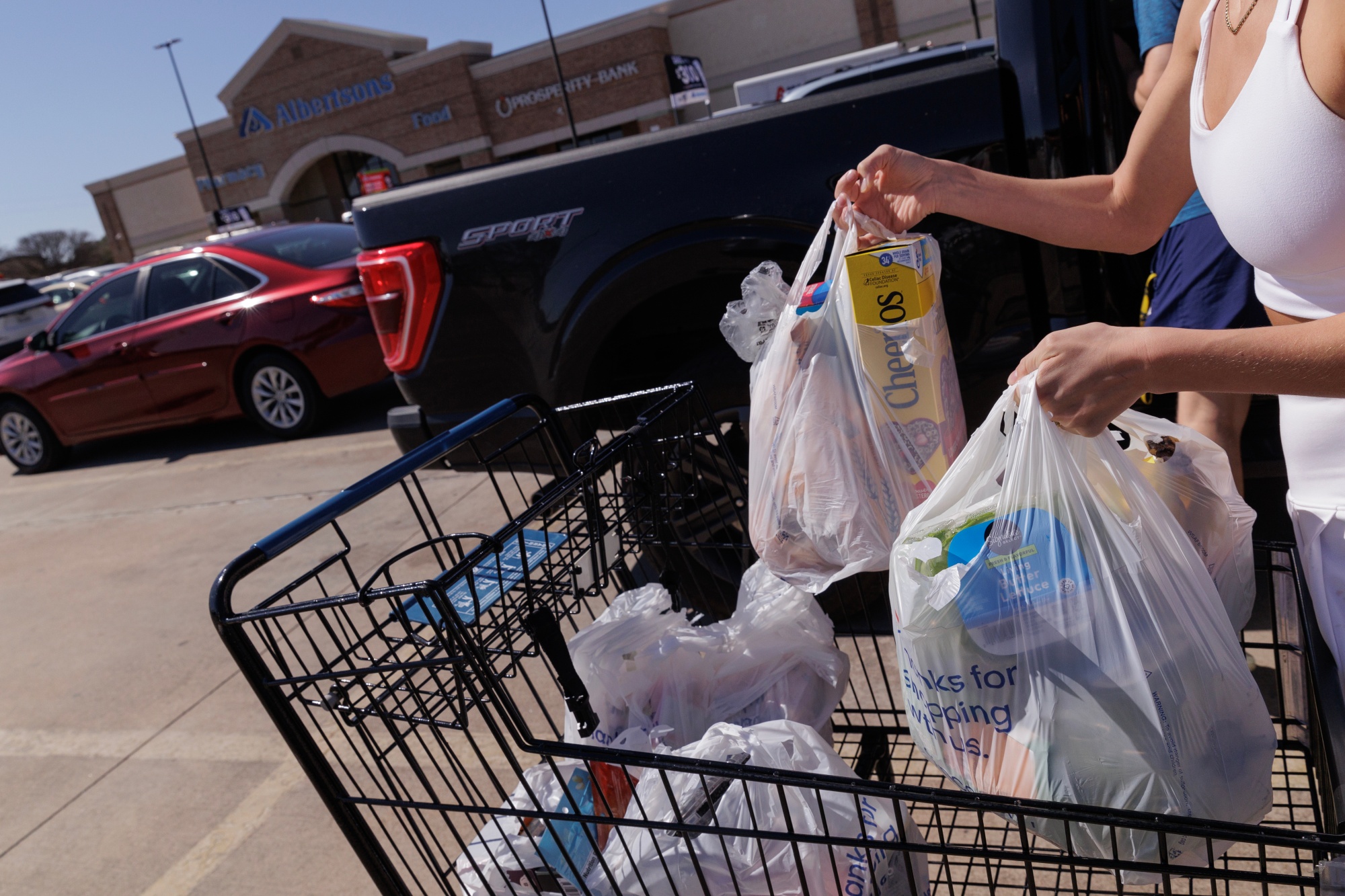
It costs more to fill that cart now. Photographer: Shelby Tauber/Bloomberg

But grocery-price rage among young people is especially acute—and stands to be a critical factor in November because they're the likeliest group to sway the presidential election. That's just one data point that jumps out of a new Data for Progress study that drills down on 2024 swing voters and provides a granular examination of their biggest concerns.

The bullet-point takeaways are that this year's key voters are younger and more diverse than the overall electorate. They aren't particularly partisan and describe themselves as "moderate." They're politically disengaged but lean a smidge toward Trump. They're RFK Jr. curious (46%).

But what they're really focused on is the economy. And they're overwhelmingly fixated on food prices. Perhaps that shouldn't be surprising given how much they've shot up: Food costs are up more than 20% since 2020, according to the Bureau of Labor and Statistics.

It's all but certain that the Trump verdict will dominate political news coverage for a while. But the Data for Progress study, which interviewed 4,923 likely voters, found that younger swing voters may not be paying attention to the trial.

When polled, they named the "economy, jobs and inflation" as their top issues when deciding whom they'll vote for in November. It wasn't close, either. One-third (33%) chose that category as their priority, with "immigration" trailing in a distant second place (8%).

Among these "economy, jobs and inflation" voters, "inflation" was far and away their top issue (55%), handily beating "economic growth" (15%) and a host of other concerns. The issue exercising the inflation crowd the most is the "cost of food and groceries" (62%), which dwarfed rent and home prices (18%) along with the cost of gas (5%).

The study also found broad agreement about who should fix inflation: Joe Biden. Among swing voters, 61% said "Biden needs to take more action to solve our country's problems."

This hardly comes as news to the president. Along with other Democrats, he's sought to pin responsibility for inflation on greedy corporations ("greedflation"). He recently complained on CNN that foodmakers are shrinking their products ("shrinkflation"): "Snickers bar, they did a thing," Biden said, "and it's, like, 20% less for the same price. That's corporate greed." He added, "We've got to deal with it."

Last week, the Biden administration took practical steps to battle inflation by announcing it would release 1 million barrels of gasoline from the government's strategic reserve in an effort to bring down prices. No one is going to complain about lower gas prices (except Republicans), but that won't do much to bolster Biden's standing with swing voters, unless he can figure out how to bring down grocery prices, too.

It's an unfortunate reality for Biden—but maybe also an opportunity?—that there's no National Snickers Reserve that a president can tap to ease the burden on hungry, strapped swing voters beset by the post-Covid-19 run-up in prices. He'll have to hope that prices come down on their own or that young people shift their focus to a problem that a president can do more to solve.

That could be a tall order. Cardi B told Rolling Stone recently that she won't be voting for either major party candidate, citing, among other things, the high cost of living.

In Brief

Walmart Sweetens Pay to Retain Vital Managers

Harden oversees 400-plus employees at his store in the Dallas area. Photographer: Shelby Tauber/Bloomberg

After working as a Walmart store manager in the Dallas area for more than a decade, Greg Harden has seen it all. Walmart Inc.'s procedures for managing schedules for hundreds of store associates, keeping track of delivery vehicle arrivals and even operating gasoline pumps for customers had all become second nature. But earlier this year he got some news about Walmart that shocked him. The retailer redesigned its compensation scheme in a way that would significantly increase store manager pay with stock grants and bonuses. With the changes, Harden could make as much as $530,000 this year. "I almost fainted when I found out," he says.

The world's largest retailer is rethinking one of its most important roles after falling behind the competition. A couple of years ago, Walmart's attrition rate for store managers spiked to almost double that of other big-box retailers such as Home Depot Inc. and Target Corp., according to data from human resources analytics company Revelio Labs Inc.

Souped-up compensation is just the most recent in a string of changes made to improve managers' work life. New technology has cut down on hours of busywork, and new benefits include telehealth and doula services. The initiatives have helped boost retention and lowered turnover rates in the last year, says Cedric Clark, Walmart's executive vice president of store operations. Engagement scores that measure how managers feel about their jobs have also risen, he says.

Jaewon Kang has more data on whether the corporate changes are having an effect and other benefits beyond the big number here: Yes, Walmart Store Managers Really Can Make $500,000 a Year

Israel's War May Jeopardize Its Future Growth

It was an intelligence failure most of all: Across the security establishment, there had been the conviction that the enemy next door was deterred. Yes, it'd been observed carrying out military exercises, but it wouldn't dare attack. Then, as hostile fighters poured into Israel, where soldiers were on home leave for a Jewish holiday, death and destruction mounted rapidly. Israel had to lean on the US for equipment and ammunition. It was a lesson, leaders said, that the country needed to vastly increase military preparedness and spending.

That may sound like Israel today as it fights an unforgiving war against Hamas in Gaza. But it's in fact an account of the 1973 Yom Kippur War, when Syrian tanks rumbled across the Golan Heights unimpeded. After 18 days of extremely bloody conflict, Israel spent years recalibrating the balance between defense and development.

What happened then is being viewed by economists as a cautionary tale.

Galit Altstein and Ethan Bronner examine Israel's economy as defense spending rises and the tech industry looks elsewhere: Israel's Military Ramp-Up Threatens Another 'Lost Decade'

Making the 'Crown Jewel' of Weight-Loss Drugs

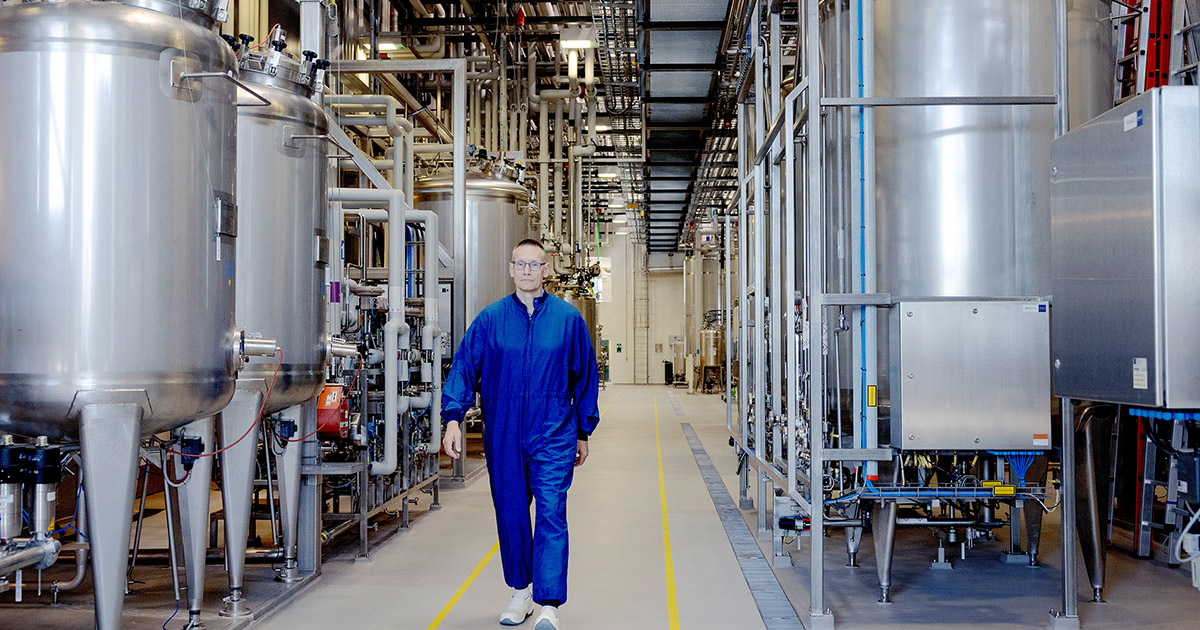
Hallgren at Novo Nordisk's factory in Kalundborg, Denmark. Photographer: Nanna Navntoft/Bloomberg

Michael Hallgren, the almost 7-foot-tall Dane tasked with boosting Novo Nordisk A/S's production of the key ingredient in Ozempic, needs a car to navigate the sprawling factory complex rising on what were once fields of grain outside Kalundborg, a former fishing village of 16,000 people in central Denmark. Once Hallgren is inside—clad in a construction hat and neon vest it takes him a few minutes just to cross one of the company's massive halls lined with two-story steel vats for drug ingredient production. The facility is scheduled to start churning out medicine next year, but Novo has said it doesn't know when it will be able to satisfy global demand for Ozempic and its sister drug, obesity medicine Wegovy.

After vastly underestimating the demand that would exist for weight-loss drugs, the company is playing catch-up with an eight-year, more than $8 billion expansion project that's due to finish in 2029 at the Kalundborg site. Novo is battling US drugmaker Eli Lilly & Co. for the lead in the booming market for the pound-shedding meds. The longer it takes Hallgren to scale up ingredient production, the more sales Novo risks losing, either to Lilly or to the compounding pharmacies that are supplying copies of Wegovy, thanks to a US regulatory loophole that allows them to provide a version of the drug as long as it's in shortage.

Naomi Kresge and Sanne Wass take us on a visit to Kalundborg, one of only two places in the world where Novo makes semaglutide: The Secret Ozempic Recipe Behind Novo's Race to Boost Supplies

The Changing Electorate

31 million
That's how many more people will be eligible to vote in the fall election than when Americans last voted for president. The number includes people who moved from a different state, turned 18 or became naturalized US citizens.
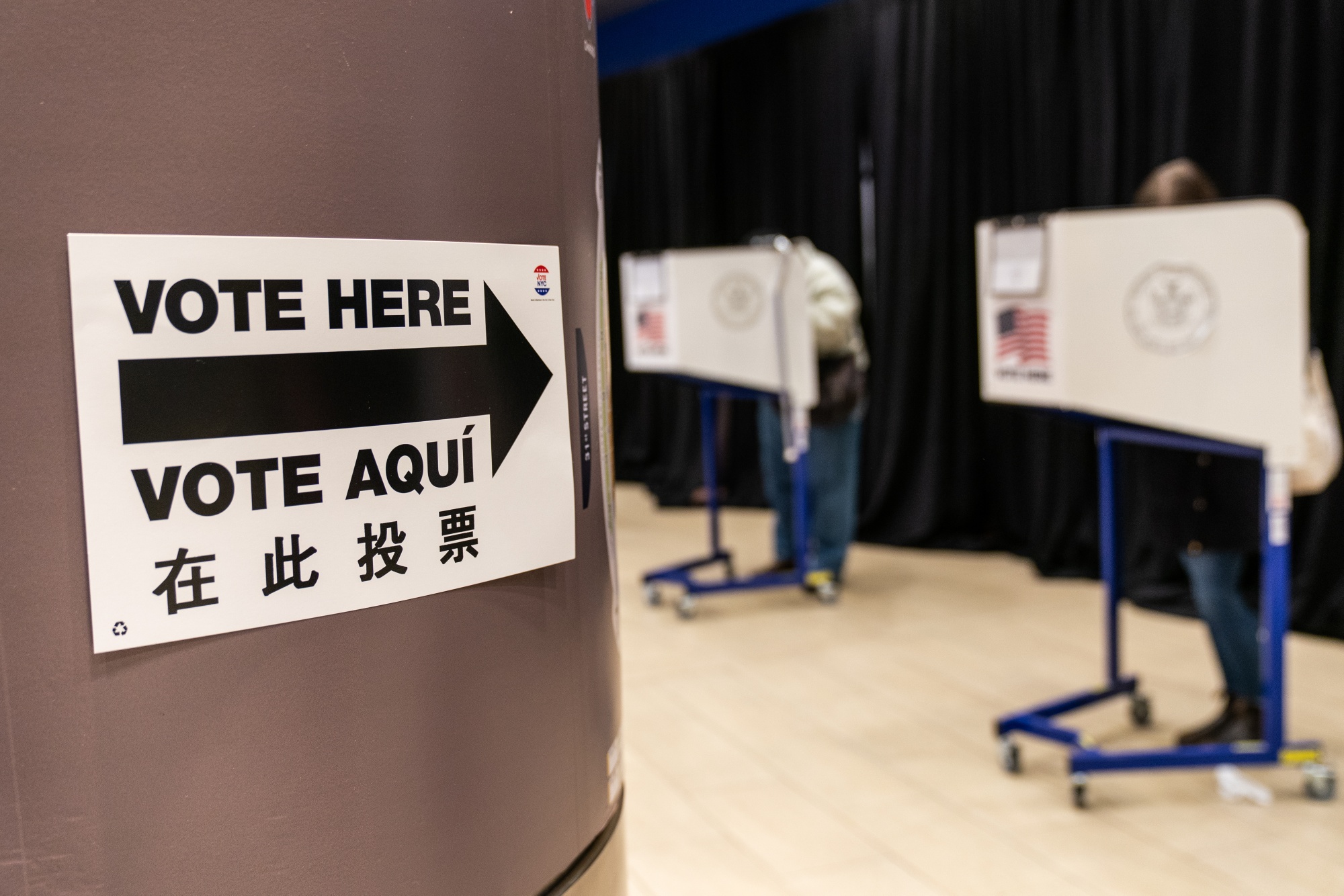
A polling station in New York in 2020. Photographer: Bloomberg

A Therapy Breakthrough

"We're on the precipice of integrating psychedelic medicine into mainstream medicine."
Jeff George
Chairman of Lykos Therapeutics
MDMA, commonly known as ecstasy, is up for FDA approval—a big step toward its becoming a licensed treatment for post-traumatic stress disorder. Read the full story here.

More From Bloomberg

Like Bw Daily? Here are a few other newsletters we think you might enjoy:

  • Business of Space for inside stories of investments beyond Earth
  • FOIA Files for Jason Leopold's weekly newsletter uncovering government documents never seen before
  • CityLab Daily for today's top stories, ideas and solutions, from cities around the world
  • Tech Daily for exclusive reporting and analysis on tech and AI
  • Green Daily for the latest in climate news, zero-emission tech and green finance
  • Explore all Bloomberg newsletters at Bloomberg.com.

No comments:

Post a Comment

Dropping the Dough: Yum! Brands Strategically Trims the Fat

Yum! Brands is shedding Pizza Hut’s drag to sharpen its Taco Bell and KFC focus, unlock billions in capital and fuel shareholder return...