| By Daniel Carvalho On April 29, Jéssica Lima and her family went to bed. They woke up with a river inside their house. Lima's home, in a rural area of Roca Sales, Brazil, is one of the many pummeled by the worst flood in the history of Rio Grande do Sul, the southernmost state in the country. The catastrophic floods, following torrential rainfall, have taken the lives of at least 169 people and displaced more than 581,000. The impacts have been widespread across the state that is home to 11 million people. 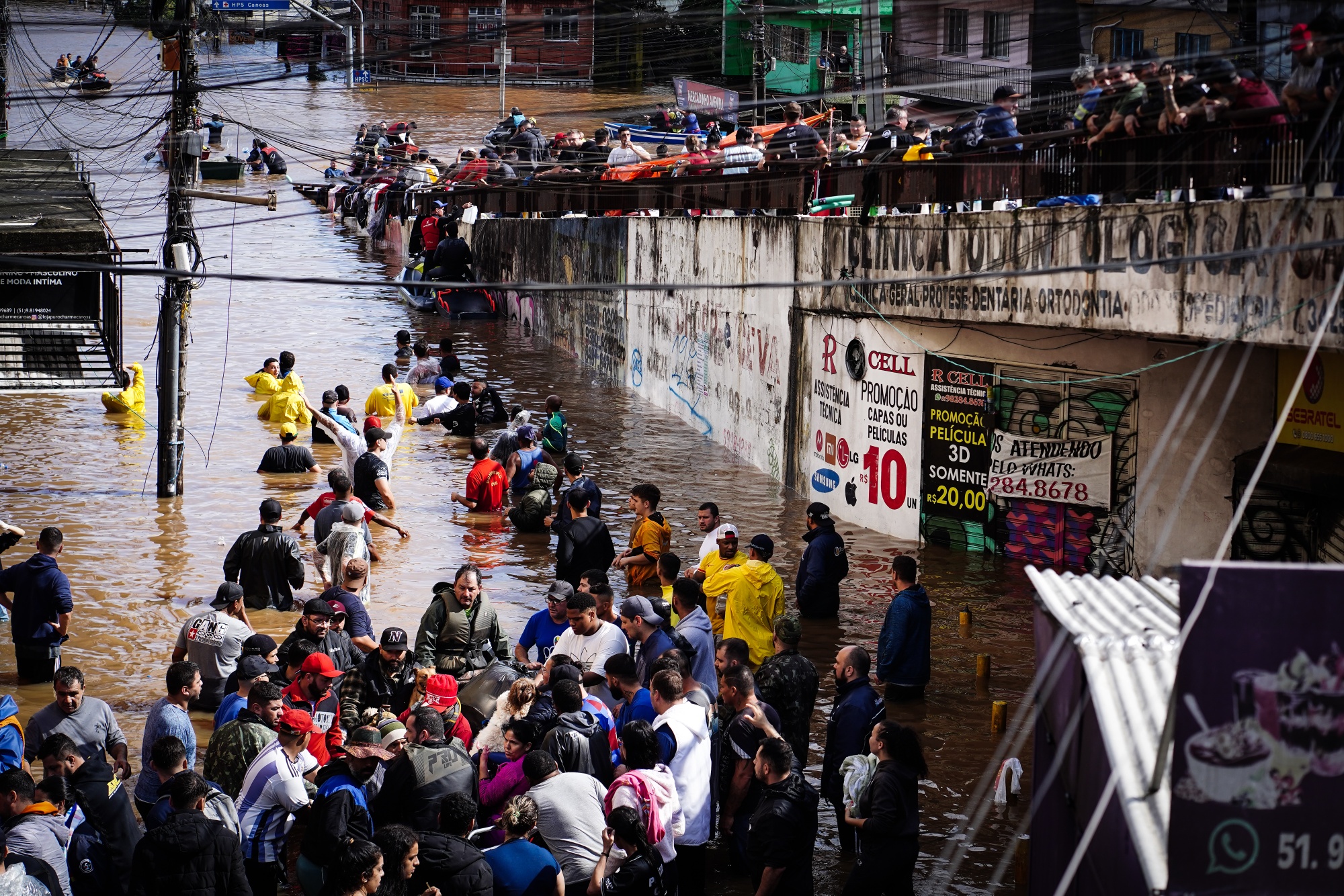 Residents and volunteers help with rescues through floodwaters in Canoas, Rio Grande do Sul, Brazil, on May 5. Photographer: Carlos Macedo/Bloomberg This was the third major flood for Rio Grande do Sul in the past year, and there are indications that severe weather events such as this will become more common due to climate change. It's given many residents like 30-year-old Lima reason to want to leave the area for good. "It's hard to get a house here," she said by phone. "It's hard to find a place that hasn't been hit by water. And we've lost everything. We've been pretty shaken up." While the federal government has already announced resources in the order of 77.5 billion reais ($14.9 billion) in aid to Rio Grande do Sul – there are new concerns over whether efforts to rebuild its cities will be wasted the next time disaster strikes. Mayors and other local authorities are now weighing the idea of relocating entire neighborhoods away from high-risk areas. It's a change that will permanently reshape Brazilian maps and turn thousands of people like Lima into the world's newest climate refugees. 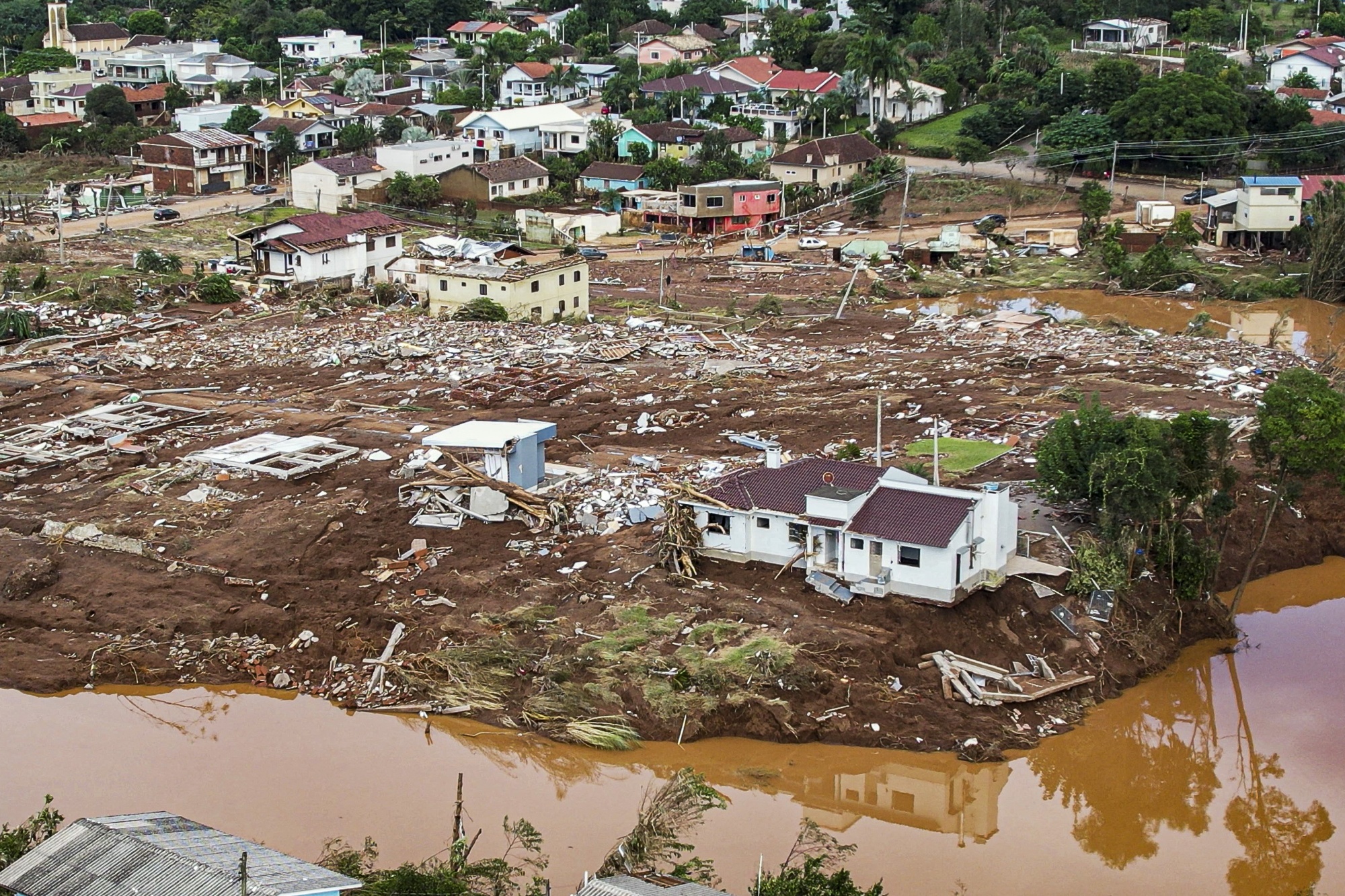 Homes destroyed by floods in Roca Sales, on May 5. Photographer: Gustavo Ghisleni/AFP/Getty Images "When you have the recurrence of dramatic situations like this that killed people, put people at risk, naturally, this is one of the real possibilities that have to be worked on," Rio Grande do Sul Vice Governor Gabriel Souza said in an interview. There are more than 48,000 people sheltered in schools, colleges and sports gymnasiums. A countless number of families are in tents on roadsides, living with continuous rain and temperatures around 7C (44.6F) as winter looms. The state government is preparing to move displaced residents to four "provisional cities," located in Canoas, Porto Alegre, São Leopoldo and Guaíba. Meanwhile, 5,500 houses are being built elsewhere at a cost of 140,000 reais ($27,090) each, according to the local government. Officials say it's still impossible to estimate how many municipalities will have to move their residents to other areas because it's still raining and the water has not yet receded completely. Severe weather has sparked mass exodus from cities before. For example, New Orleans in the US saw its population plummet after Hurricane Katrina in 2005 — with those numbers never returning to what they were in the early 21st century. As climate change increases the number and intensity of floods and fires around the world, more people will likely be forced to move. The question remains: Where to? 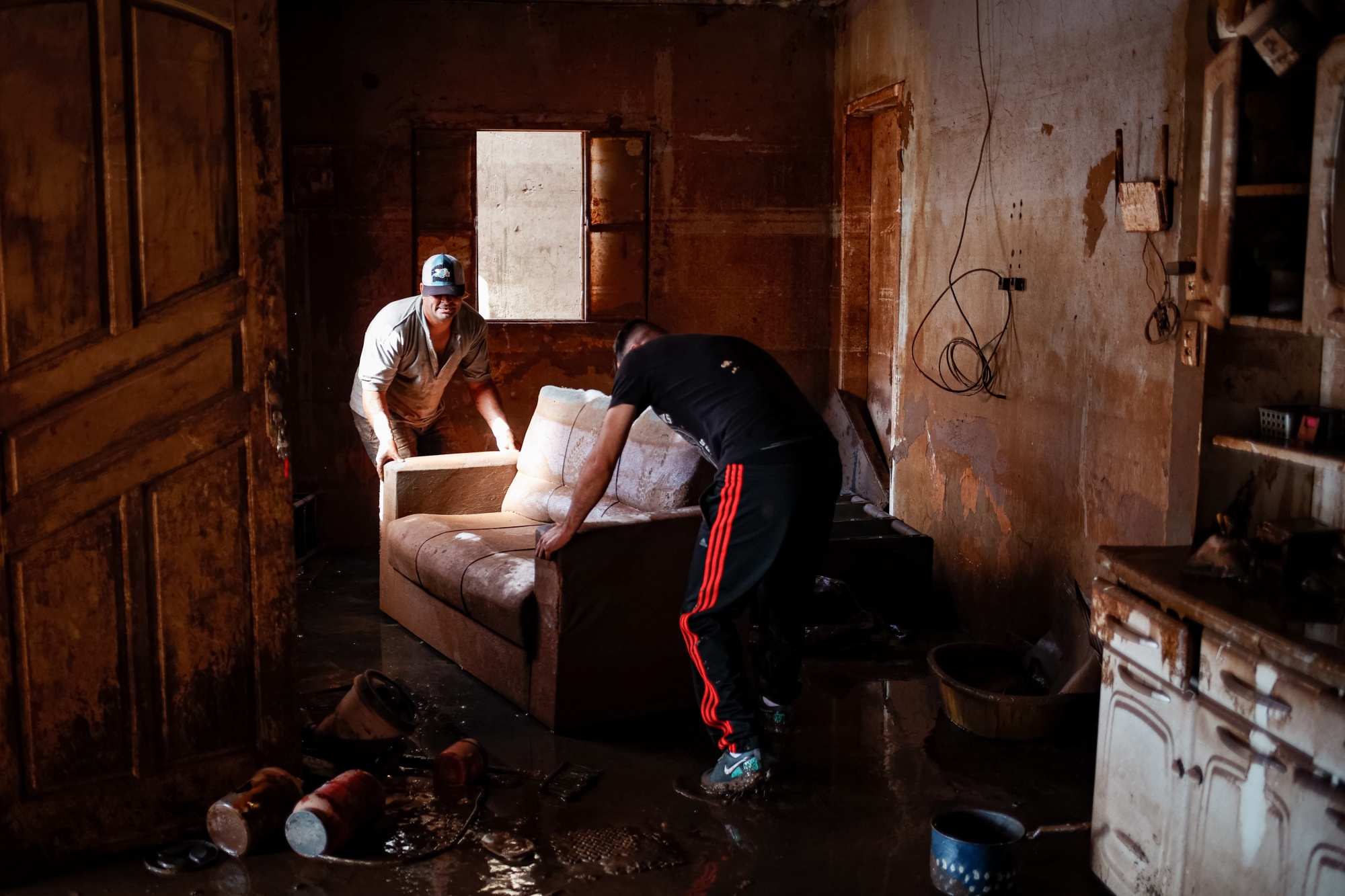 Residents remove damaged furniture from a home in Eldorado do Sul on May 22. Photographer: Tuane Fernandes/Bloomberg Many families in Rio Grande do Sul still don't know where to go. Yet, they are aware that there's no alternative but to start life from scratch. Lima's family has already shown resilience. Her husband and children — a four-year-old daughter and 11-year-old son, who has cerebral atrophy and severe autism — are currently living at a neighbor's house as they look for a new home. Before the floods, Lima and her husband had just bought new furniture – not all paid off. "When we left home, the first thing I did was thank God for being alive," she said. "The sadness was great, but the important thing is to be well. Things, in time, we'll get back, God willing." Read the full story here. By Barbara Nascimento, Simone Iglesias, and Gerson Freitas Jr President Luiz Inácio Lula da Silva wants to show off the Amazon's reality when Brazil hosts a United Nations climate summit next year. For attendees, that means complicated journeys and precarious conditions. The northern state of Pará, which is home to about a quarter of the world's largest rainforest, needs to more than triple its hotel capacity and overcome both transport and sanitation bottlenecks before it can welcome COP30 delegates in late 2025. Belém, the state capital, has just 12,000 beds at present. Based on the number of attendees at last year's conference in Dubai, it will need at least 41,000 at its peak when heads of state are in attendance. So one option under consideration is using cruise ships as floating hotels. 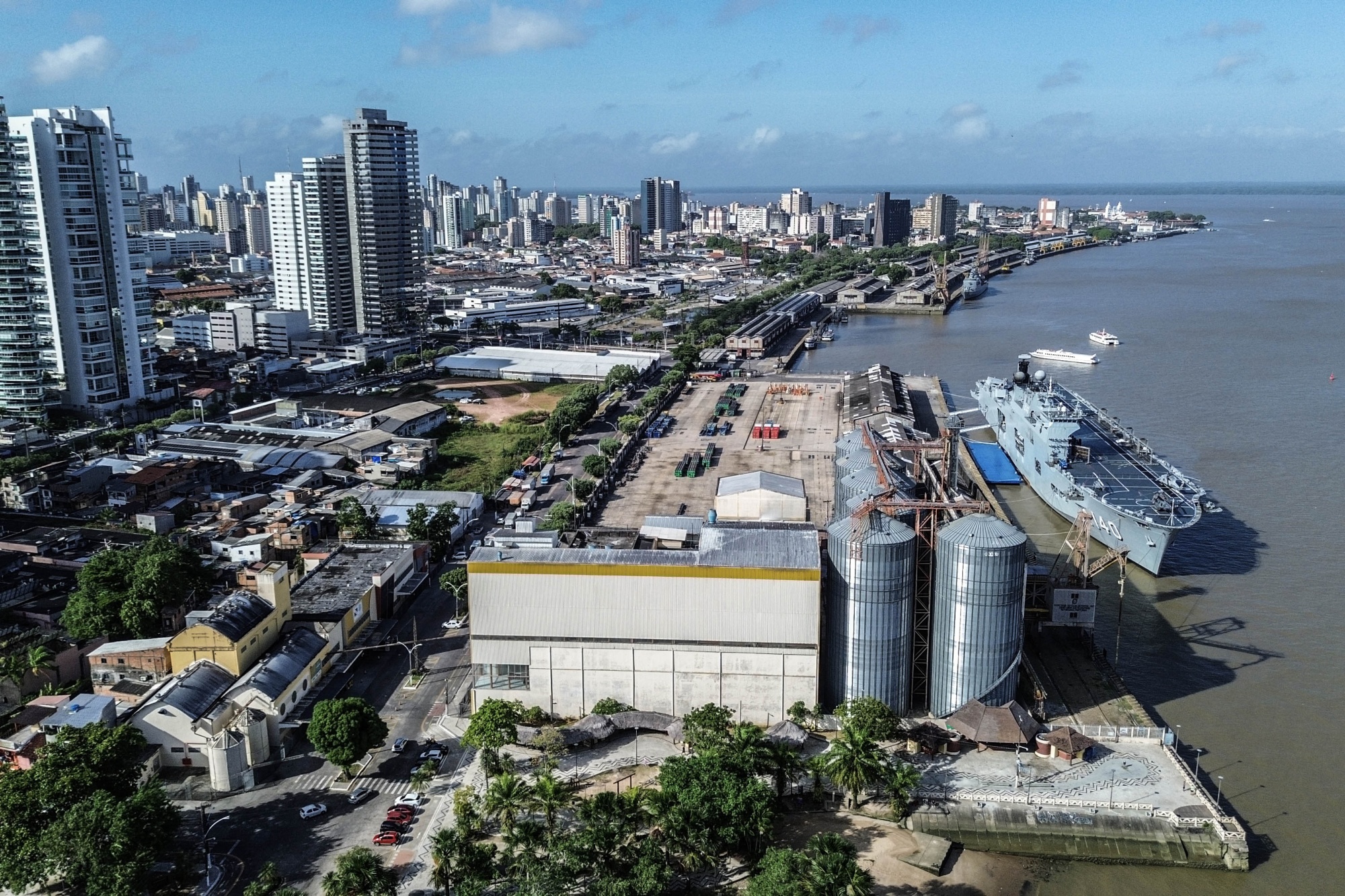 The city of Belém will host the COP30 climate summit in 2025. Photographer: Dado Galdieri/Bloomberg Then there's getting people into town. Given Belém's airport can't yet handle the volume of passengers required, the mayor has suggested delegates could fly to other cities and then make the remaining hours-long trek by road. The scale of Pará's logistical challenges led some within government to suggest moving the event — or at least parts of it — to Brazil's biggest cities, São Paulo and Rio de Janeiro. But both Lula and the state governor are adamant that the conference be held in the Amazon. "We will have the 'COP of the Forest,'" Governor Helder Barbalho said in an interview, adding that relocating the UN summit has been "completely ruled out." Read the full story here. | 









No comments:
Post a Comment