| By Jennifer A Dlouhy The US will pledge $3 billion toward a United Nations fund meant to help developing countries slash greenhouse gas emissions and adapt to climate change — an effort that could help rebuild trust in rich nations' promises of aid amid pivotal climate talks in Dubai. The support for the Green Climate Fund, described by State Department officials ahead of a planned speech by Vice President Kamala Harris at the COP28 summit Saturday, would come on top of $9.3 billion in new commitments already announced by the UK, France, Germany, Japan and other nations. This is the second round of replenishment for the fund, and the US promise would bring it to its highest level yet. 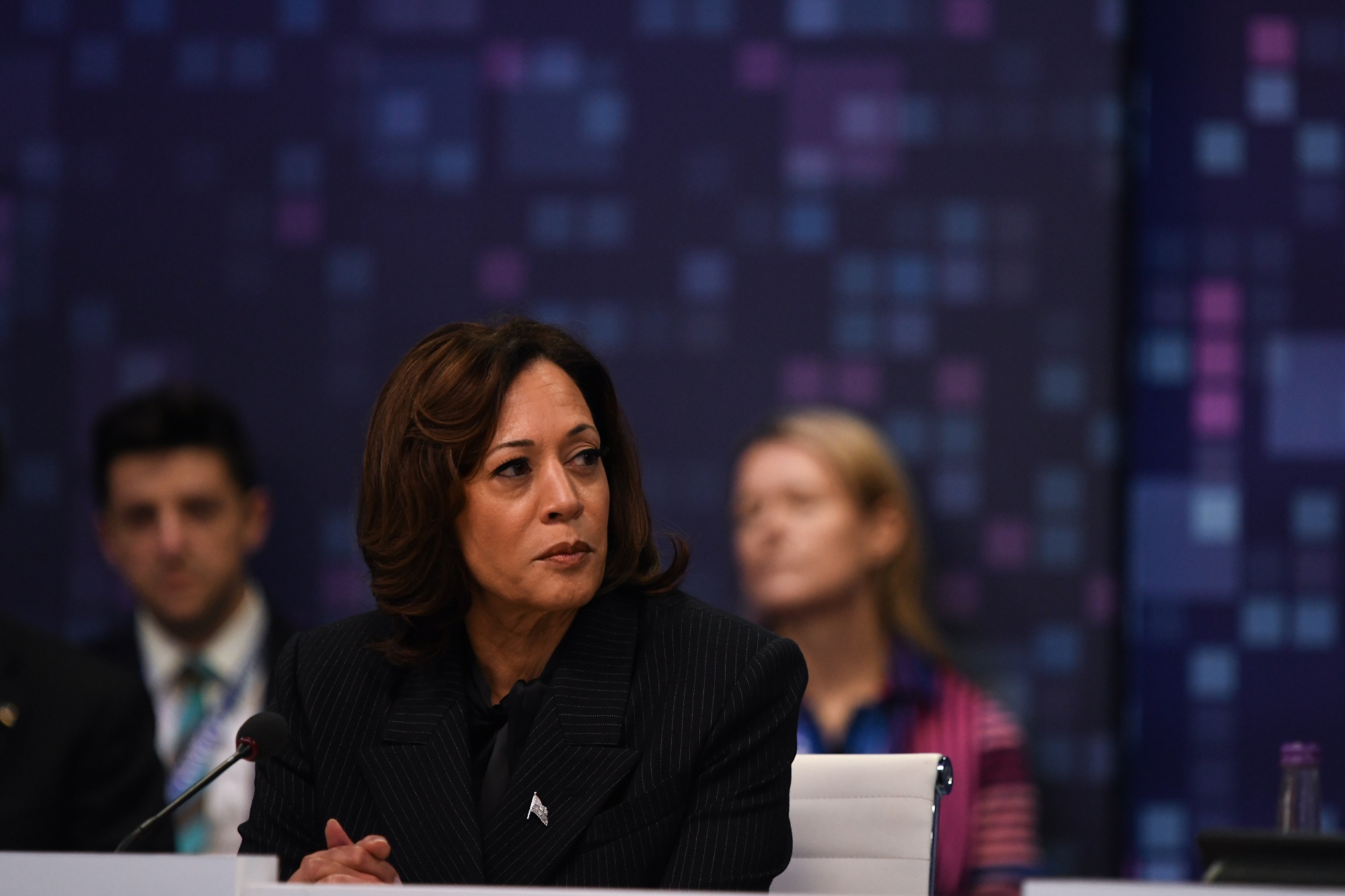 US Vice President Kamala Harris Photographer: Chris J. Ratcliffe/Bloomberg The Biden administration's commitment follows a steady increase in the grants, loans and other finance the US has directed toward climate change in recent years as it seeks to rebound from the presidency of Donald Trump, who pulled the nation out of the Paris Agreement and canceled funding for major global warming initiatives. The pledge is seen as helping to shore up US credibility at the start of the two-week COP28. During negotiations at recent COPs, the limits of finance — and the long-running failure of wealthy countries to provide it — have fostered deep mistrust and tension. The rich world was supposed to provide $100 billion a year in climate finance for emerging economies starting in 2020, a milestone it appears to have reached two years late. After building its economy by burning fossil fuels, and generating the largest share of greenhouse gases in the atmosphere today, the US also is under pressure to provide more support for countries bearing the brunt of the resulting planetary warming. 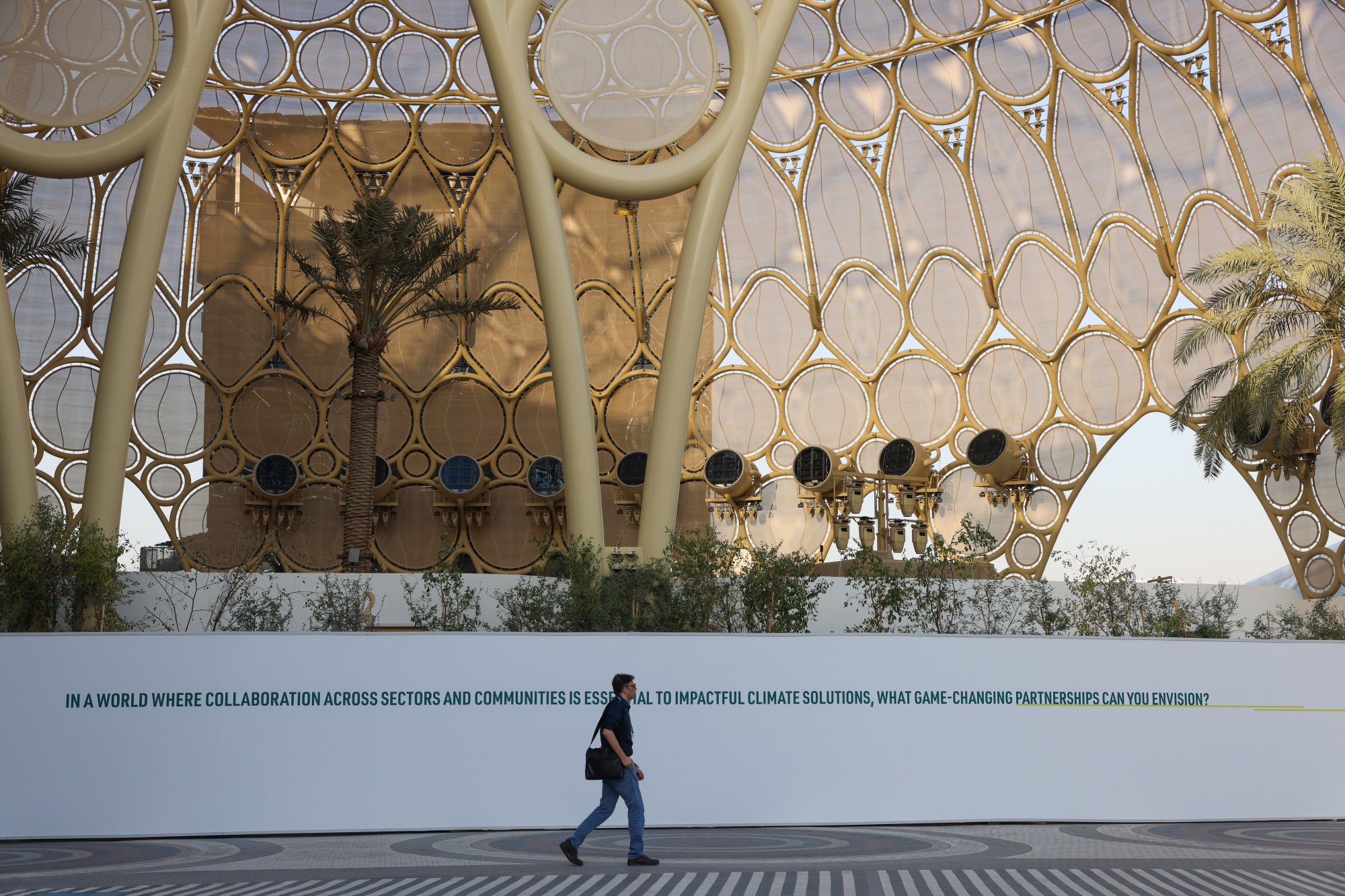 An attendee walks across a plaza in Expo City in Dubai ahead of the COP28 climate conference. Photographer: Hollie Adams/Bloomberg Overall, rich countries appear to have provided at least $100 billion in climate finance for poor nations in 2022, making good on their overdue promise of funding, according to the latest estimates from the Organization for Economic Cooperation and Development. However, the amount that went to support adaptation — instead of more bankable ventures such as renewable energy development — declined roughly 14% in 2021. The issue looms large over the conference that began Thursday in Dubai. Biden isn't planning to attend the conference this year, though high-ranking US officials besides Harris, including Secretary of State Antony Blinken, are at the summit. Harris is set to deliver a US statement to the conference and then participate in an event on renewable energy, using the events to highlight the nation's work to reduce greenhouse gas emissions, support adaptation and boost climate resilience, a White House official said. Click here to read the full version of this story as it appeared on Bloomberg.com World leaders are gathering in Dubai in an effort to accelerate global climate action. Against this backdrop, from Dec. 4-5, Bloomberg will convene corporate leaders, government officials and industry specialists for events and conversations focused on creating solutions to support the goals set forth at COP28. Register here. | 











No comments:
Post a Comment