Tuesday, May 2, 2023

Dividing the world

The US-China geopolitical rivalry is fragmenting the world.

A global contest for influence is gathering pace.

It's at the root of German Chancellor Olaf Scholz's trip to Kenya and Ethiopia this week in a continuation of his tour of the "Global South." He's made the rise of a multipolar world a theme of his chancellorship and is reaching out to nations he sees as important swing states.

Scholz is far from the only one.

Key Reading:

The world is fragmenting as a result of the US-China geopolitical rivalry, with each side and its respective allies seeking to bring non-aligned states on board and set the narrative.

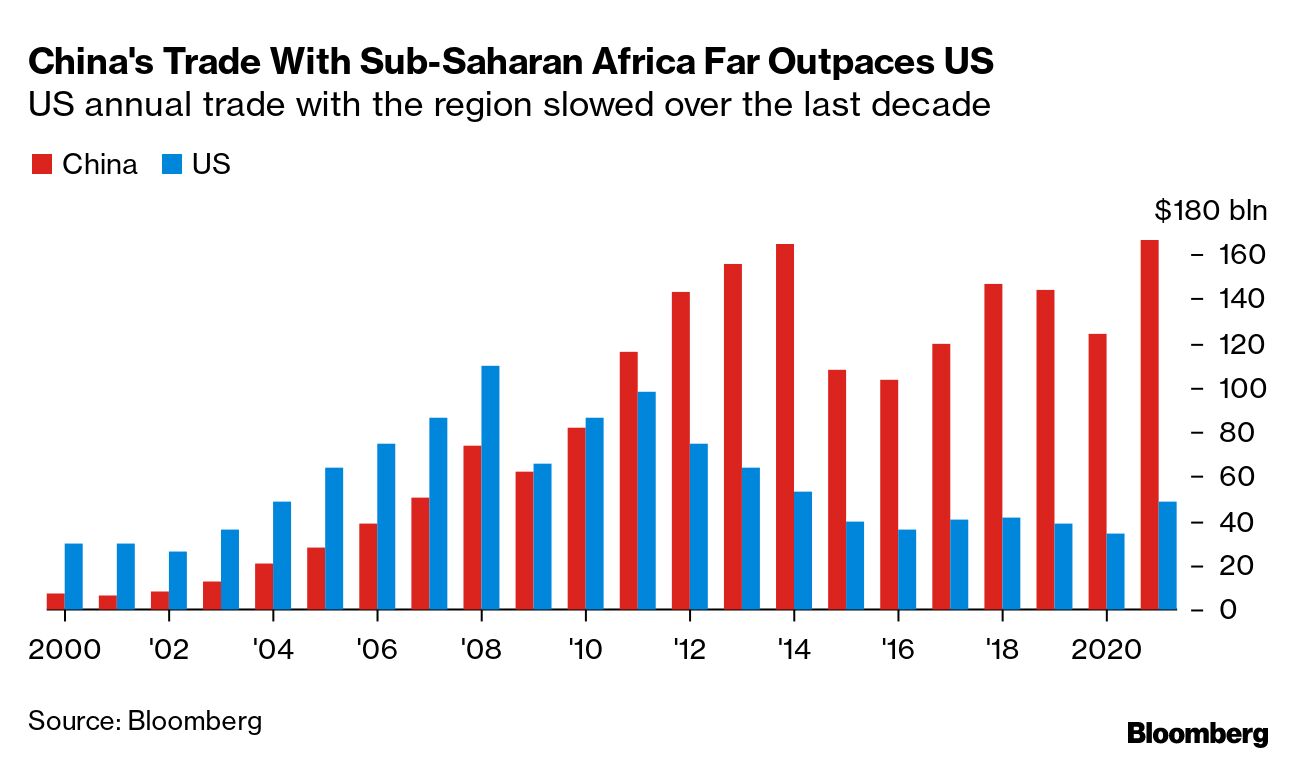
So Washington and fellow Group of Seven members such as Germany are attempting to counter China's success in building infrastructure projects across Africa through President Xi Jinping's Belt and Road Initiative. Japanese Prime Minister Fumio Kishida, the current G-7 chair, is meanwhile touring Egypt, Ghana, Kenya and Mozambique.

They're also seeking to correct Moscow's claims that economic sanctions and not Russia's invasion of Ukraine are responsible for grain shortages and fuel-price inflation that have hit poorer countries in Africa, the Middle East and Latin America especially hard.

Russia's war on Ukraine is the key dividing line, with large economies including Brazil and South Africa unwilling to accept the US and European apportioning of blame solely on Moscow and refusing to go along with the G-7 in sanctioning Russia for its aggression.

Venezuela is another arena for the great power competition, as evidence emerges that China is re-engaging with Caracas after years of cooling ties, Patricia Laya and Fabiola Zerpa report.

Venezuela, whose ability to export its massive oil reserves has been crippled by US-led sanctions, was the subject of outreach from Washington last year as President Joe Biden's administration sought to bring more crude to market to tamp down inflation. Now it appears to be turning back to China.

The struggle for global sway is just beginning. As Scholz and the US are finding, the outcome is far from certain. 

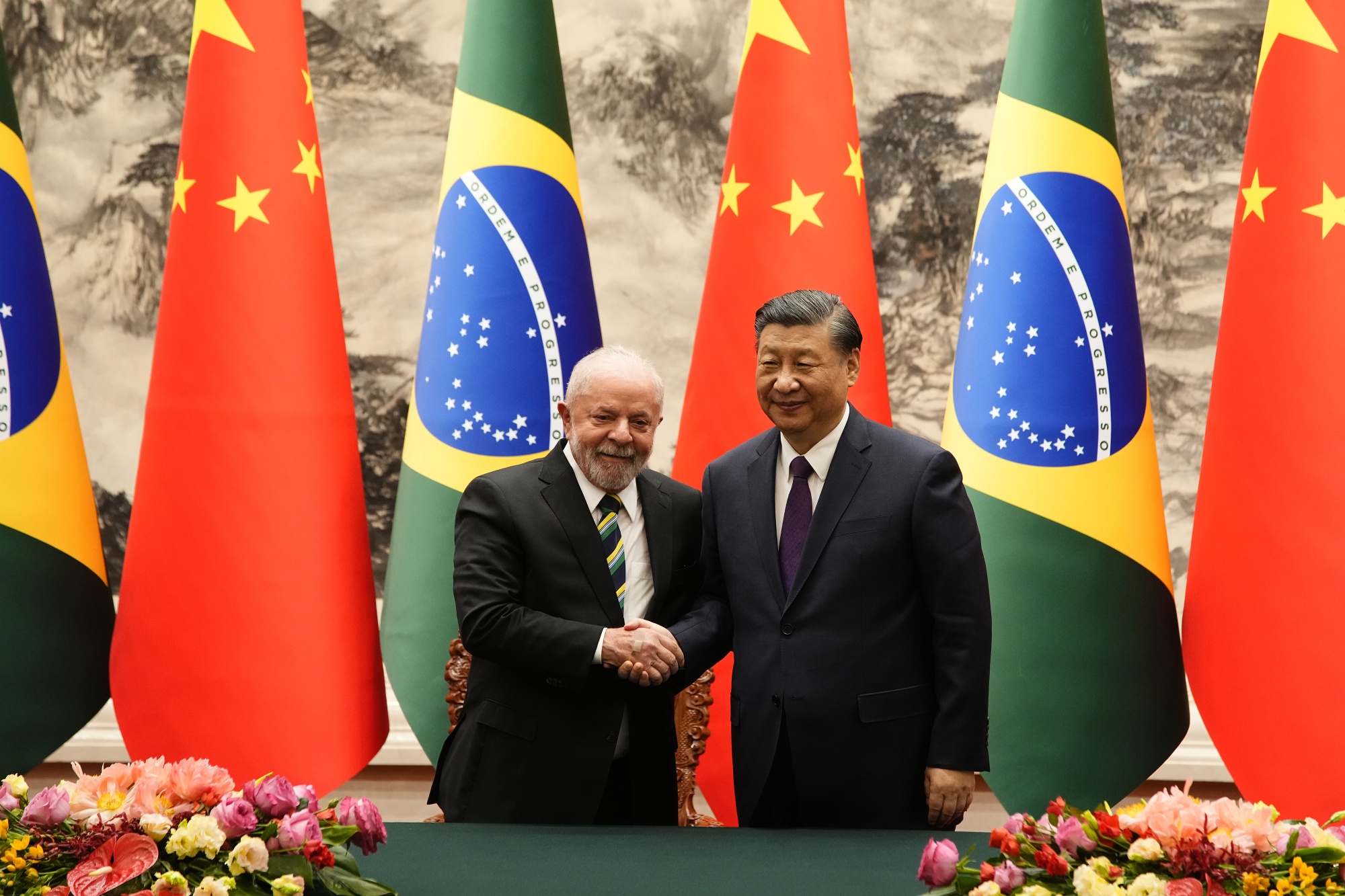
Brazilian President Luiz Inacio Lula da Silva with Xi at the Great Hall of the People on April 14 in Beijing. Photographer: Ken Ishii/Getty Images  

Understand power in Washington through the lens of business, government and the economy. Sign up for the new Bloomberg Washington Edition newsletter delivered weekdays.

And if you are enjoying this newsletter, sign up here.

Global Headlines

The growing danger of a US default prompted Biden to invite top congressional leaders for a May 9 meeting on the debt limit. It's the first sign of progress in what's a high-stakes game of chicken between Republicans and Democrats, playing out against Treasury Secretary Janet Yellen's dire warning yesterday that the nation risked default as soon as June 1.

  • Biden is under increasing pressure from business groups to negotiate with House Speaker Kevin McCarthy on the debt limit, a blow to his goal of avoiding talks with Republicans on raising it.

Russia has incurred more than 100,000 casualties, including 20,000 killed, in fighting in Ukraine since December, US National Security Council spokesman John Kirby told reporters in Washington. He said about half of those killed belonged to the Wagner mercenary force, "the majority of whom were Russian convicts that were thrown into combat" in the eastern city of Bakhmut, where fighting has raged for months. 

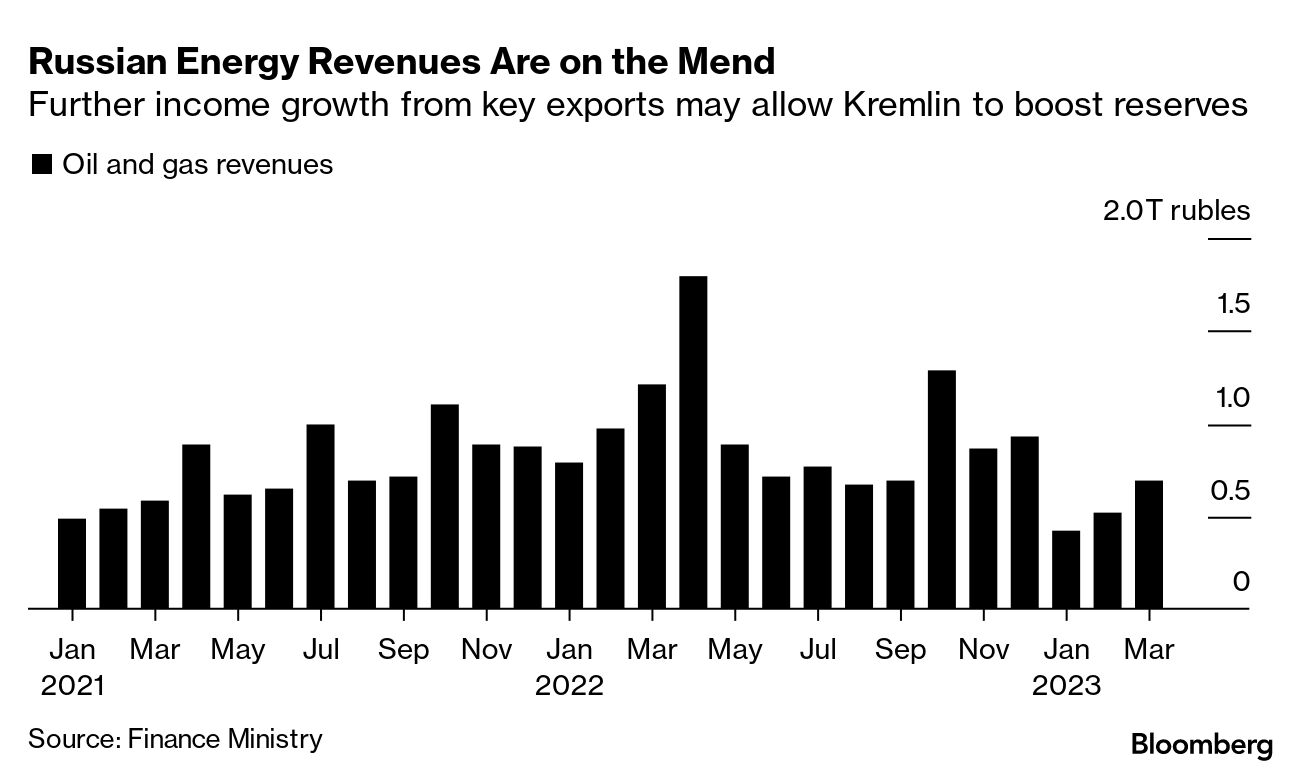
Russia is likely to resume buying foreign currency for its reserves as soon as this month as rising oil earnings stabilize public finances. A turnaround now would underscore the Kremlin's ability to keep up the flow of petrodollars in the face of sanctions and the price cap imposed for buyers by G-7 industrialized nations and their partners in the European Union.

Mending bridges is the main goal when Kishida visits Seoul on Sunday for the first formal bilateral summit in the South Korean capital in 12 years. A dispute over whether Japan justly compensated Koreans forced to work in its mines and factories during the country's 1910-1945 colonial rule over the peninsula has hurt trade and security cooperation between the two US allies.

Best of Bloomberg Opinion

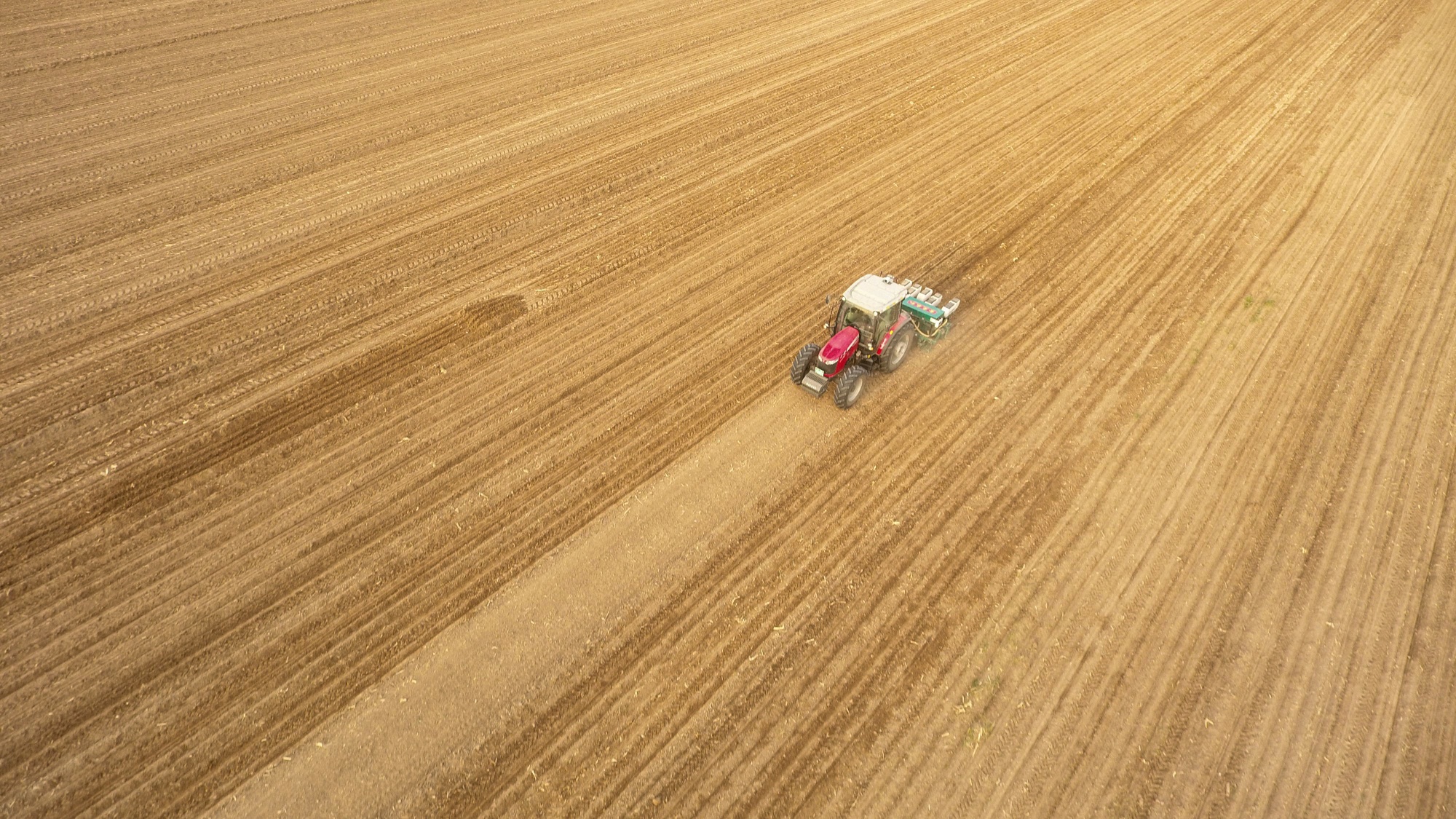
Xi's government is pressuring domestic farmers to increase production of soybeans. China relies on imports for more than 80% of its soybean consumption, with purchases concentrated in a few key countries led by Brazil and the US. But as Hallie Gu explains, the risks of the policies fall heavily on millions of farmers.

A machine seeding corn and soybean at a field in Liaocheng. Source: AFP/Getty Images

Explainers You Can Use

The anti-incumbent wave sweeping Latin America came to a halt in Paraguay on Sunday, with the conservative Colorado Party winning a third straight mandate to run the nation. The election results make Paraguay an outlier in a region where angry voters in countries including Chile and Colombia dumped more traditional parties in recent years to embrace left-wing candidates promising change.

Tune in to Bloomberg TV's Balance of Power at 5pm to 6pm ET weekdays with Washington correspondents Annmarie Hordern and Joe Mathieu. You can watch and listen on Bloomberg channels and online here.

News to Note

  • Efforts to hold peace talks between two warring generals in Sudan appeared to have faltered as yet another cease-fire was broken, and the African Union planned an emergency session to discuss how to end the conflict.
  • Biden reaffirmed the US's "ironclad" alliance with the Philippines after meeting with President Ferdinand Marcos Jr., a message intended to reassure a key ally in the face of heightened tensions with China.
  • The board of the municipal authority overseeing Walt Disney's Florida parks appointed by Governor Ron DeSantis sued the company yesterday, claiming Disney violated the US state's law in trying to ward off its efforts to govern park operations.
  • Africa could suffer a permanent economic hit if tensions splinter the global economy into opposing trading blocs around the US and China, the International Monetary Fund said.
  • Palestinians launched three rockets from the Gaza Strip after blaming Israel for the death in prison of a militant on the 86th day of his hunger strike.

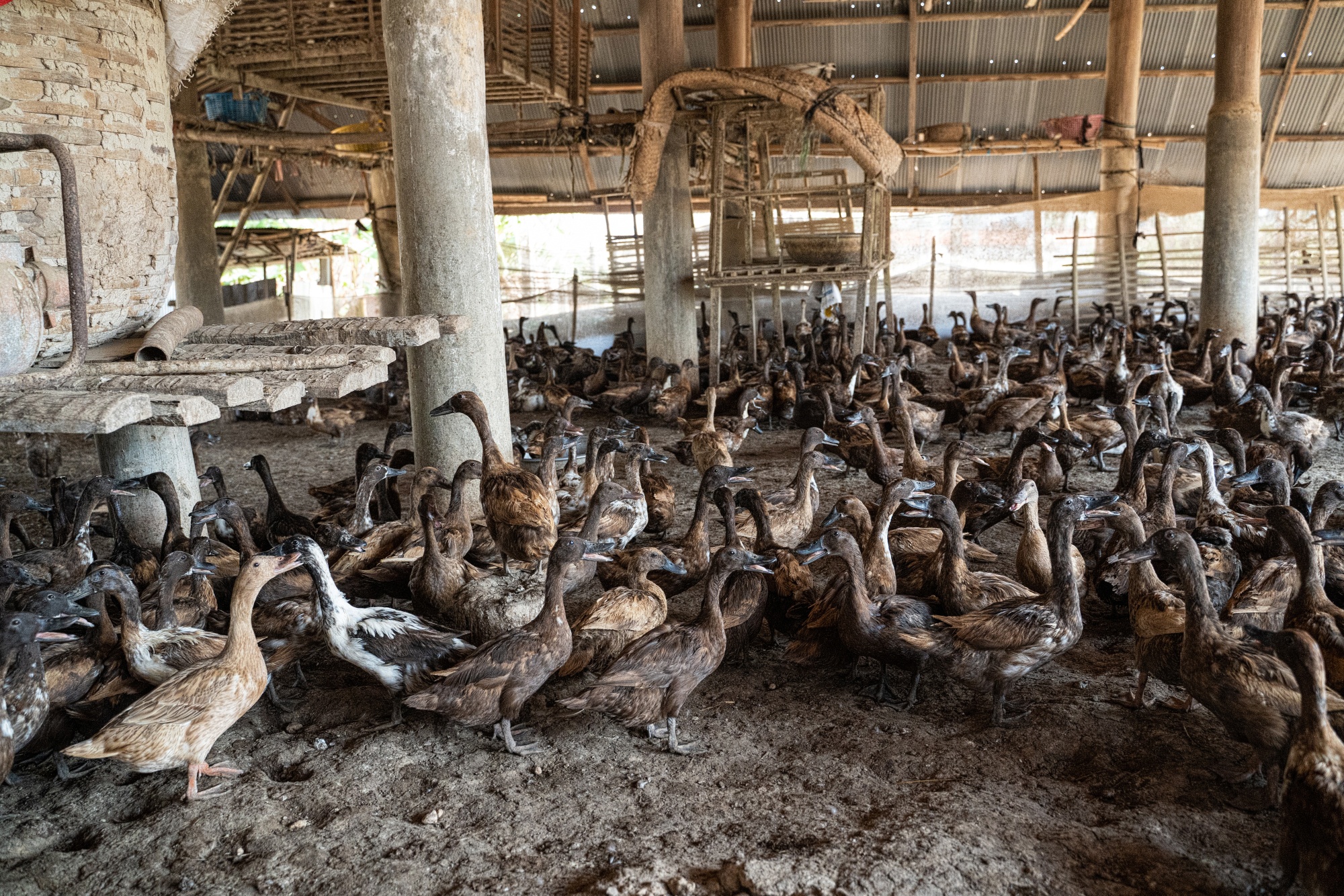
And finally ... A village in Cambodia offers clues to how the world is preparing for the next pandemic. As Michelle Fay Cortez and Suzi Ring report, Rolaing became a hive of public-health activity in February after an 11-year-old girl died of H5N1, the most virulent strain of bird flu. Using the lessons learned from Covid-19, health workers arrived in the village within hours and set up a makeshift testing center, identified a dozen of the girl's closest contacts, took swabs and scoured for the pathogen.

A duck farm in Sithor Kandal district, Prey Veng, Cambodia. Photographer: Cindy Liu/Bloomberg

No comments:

Post a Comment

You know the numbers. Tomorrow at 2PM you finally see what's behind them.

Monday July 27th at 2PM. Live only. The free Watchlist that's never been given away — yours tomorrow. ͏  ͏  ͏  ͏  ͏  ͏  ͏  ͏  ͏  ͏  ͏ ...