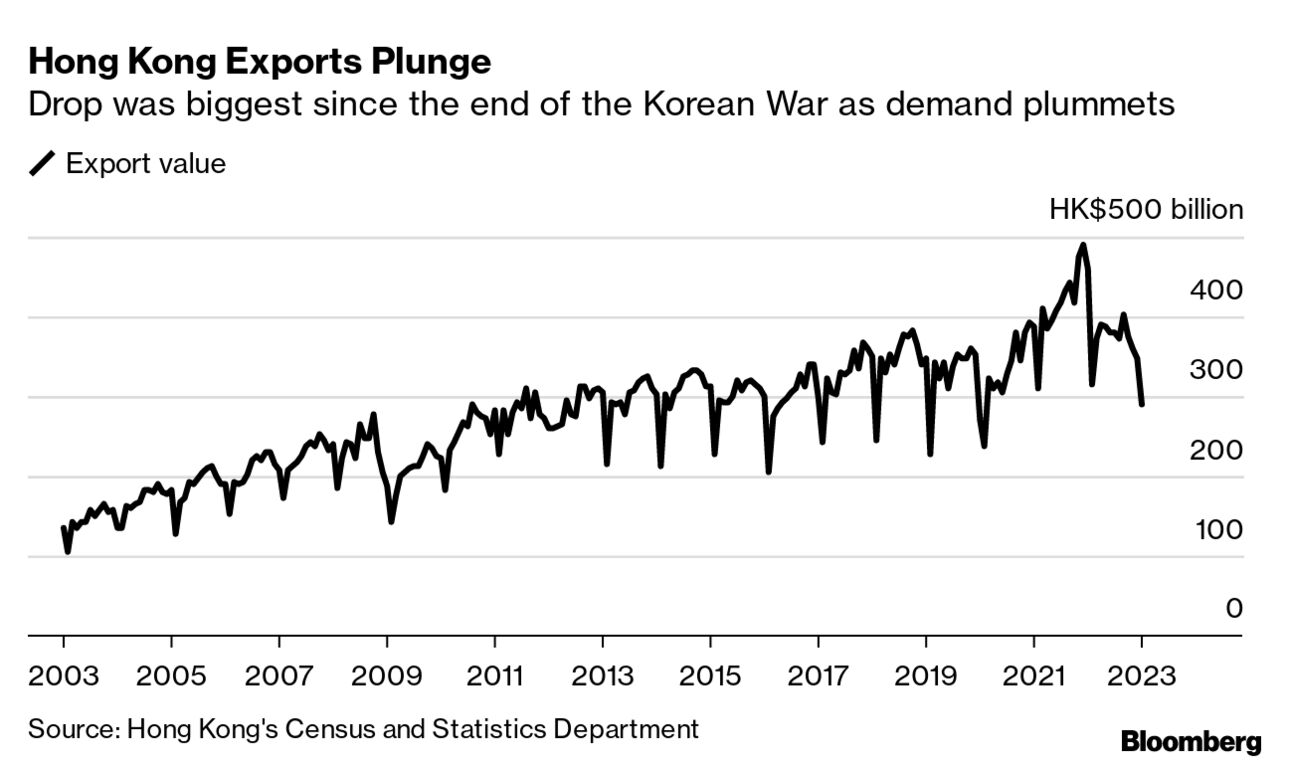
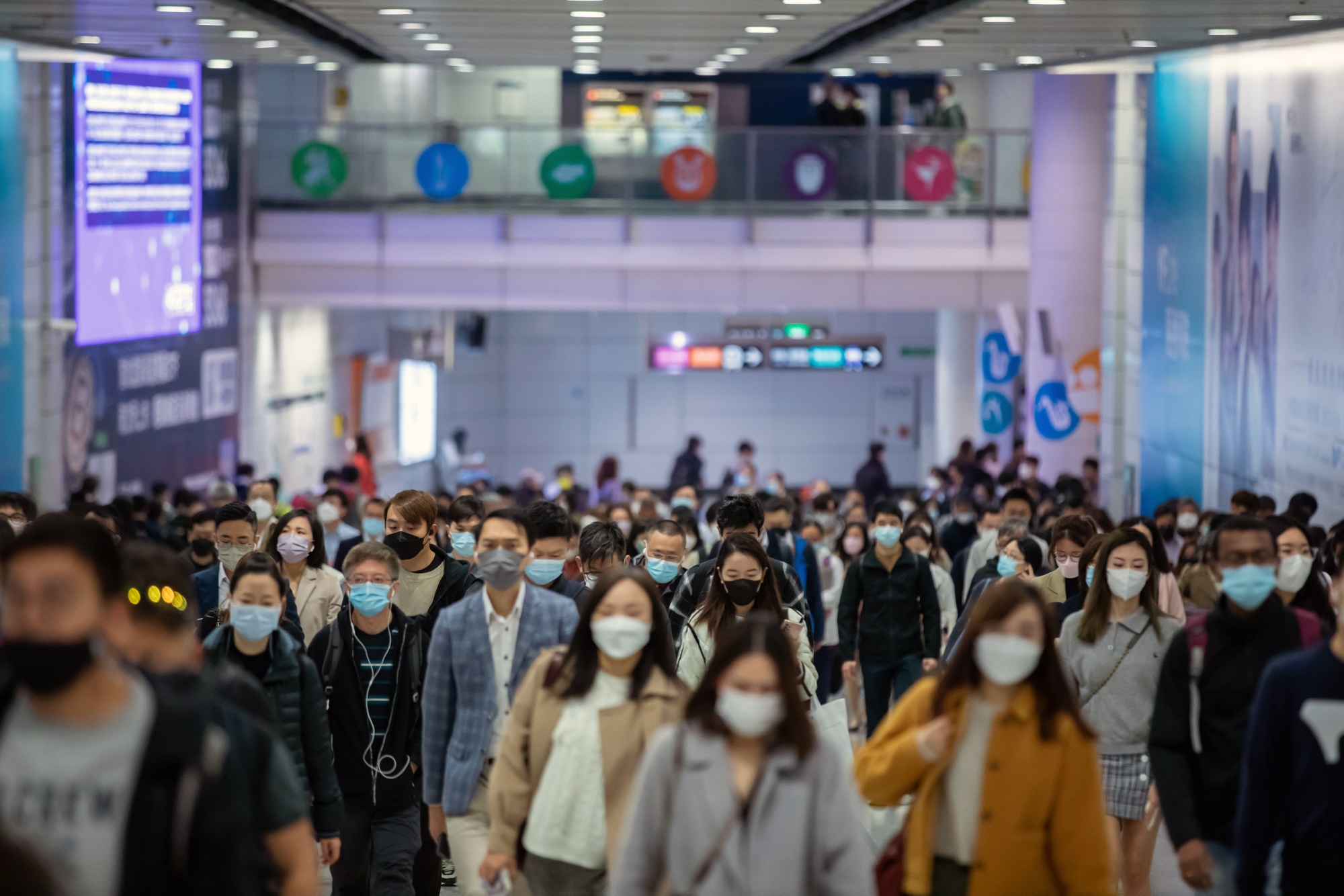
| In announcing the end of one of the world's longest mask mandates, Hong Kong leaders declared the city is finally returning to normal. But for many in the former British colony, the city changed forever in July 2020 when the measure first took effect. It coincided with Beijing imposing a national security law that has fundamentally altered a city with a proud history of protest, press freedom and vigorous debate. Three years later, key democracy proponents sit in jail and newspapers that criticized the Communist Party have been shuttered. Key reading: Authorities in Hong Kong are moving to revitalize an economy battered by Covid restrictions. Gross domestic product contracted in 2022 for the third time in four years, while the population has fallen by a net 187,000 in the past three years as residents left for other cities. Hong Kong still has many positives to lure foreigners back. Taxes are low, nightlife is vibrant and the territory is blessed with great hiking trails and scores of beaches. Skyrocketing rents in nearby rival finance hub Singapore may push some expats to return. As long as money can be made, foreign companies will still operate in Hong Kong — just as they do in the mainland. Yet even as the bars fill up, bands come to town and global executives start visiting employees they haven't seen in years, the old days aren't coming back. It's now firmly established that loyalty to the Communist Party remains the key qualification for government officials, putting anyone who challenges Beijing at risk of being expelled. As Hong Kong residents finally take off their masks, it's hard to ignore that Beijing has used the time to reveal its true face to the city. — Daniel Ten Kate | 








No comments:
Post a Comment