Wednesday, August 31, 2022

Where’s your headroom gone?

With Allegra Stratton

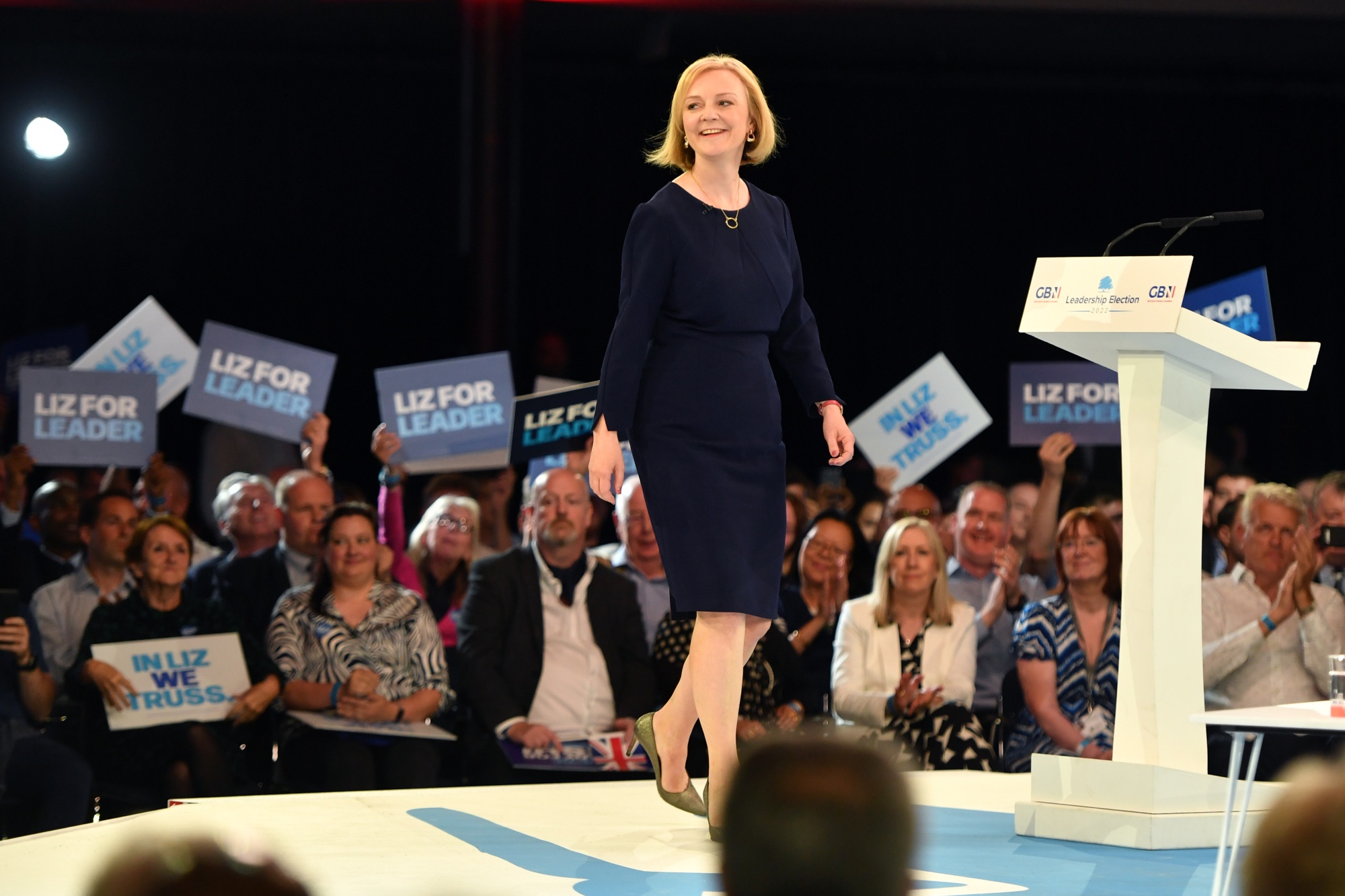
This long, hazy summer of Tory hustings has played out in TV studios around the land, decked out with black fabric and bright political banners. In London tonight, the two candidates hoping to become prime minister have one more chance to impress the placard-waving Conservative Party activists.

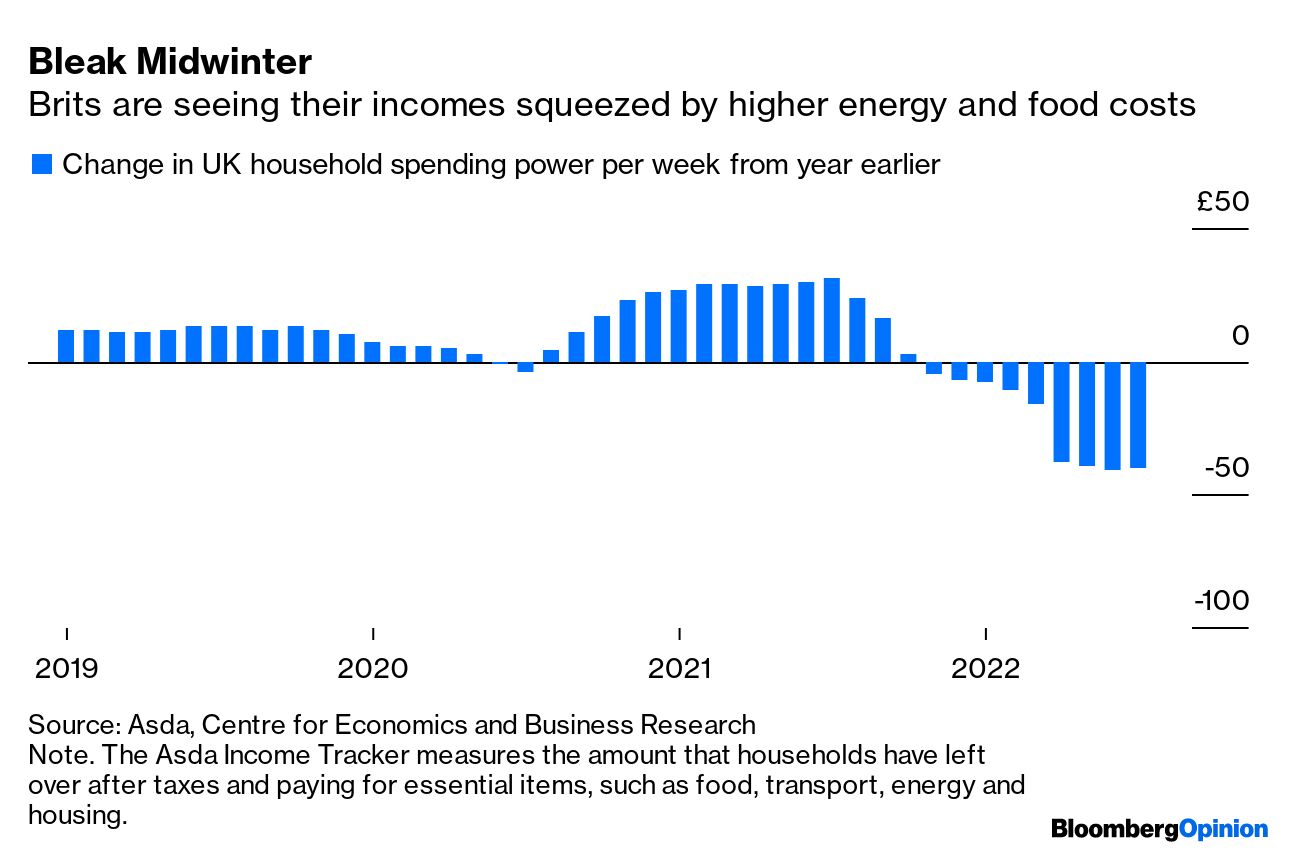
The contrast between the room where it happens and the world outside now seems especially stark. It's likely that the favorite, Liz Truss, will continue to espouse her low-tax philosophy. But former Bank of England chief economist Charlie Bean sees trouble ahead. He told Bloomberg Television today that — in his view — the £30 billion in fiscal "headroom" Truss has allocated to pay for tax cuts has already evaporated. The forthcoming recession, Bean predicted, would be longer and harder than many people anticipate.

Let's see if that comes up this evening.

Liz Truss at a leadership hustings in Manchester on August 19. Photographer: Anthony Devlin/Bloomberg

What just happened

The stories you need to know about this evening

  • Truss is considering cutting business rates for small- and medium-sized companies.
  • UK rail workers in Britain plan to strike again — coinciding with the Labour Party's annual conference.
  • Euro-zone inflation accelerated to another historic record, jumping 9.1% in August.

How not to cancel Christmas

If "bread and butter" issues are core to political success then news of a quantum leap in the price of margarine should also come up tonight.

Shop prices rose this month at the highest rate since at least 2005, according to the British Retail Consortium. This level of food-price inflation could apparently continue for six months.

Our reporter Alice Kantor has a fascinating read on how people are planning on getting through the winter: "Some plan to spend more time in the office to avoid heating their homes during the day; others say they'll cook fewer meals. A few intend to stop paying their bills entirely."

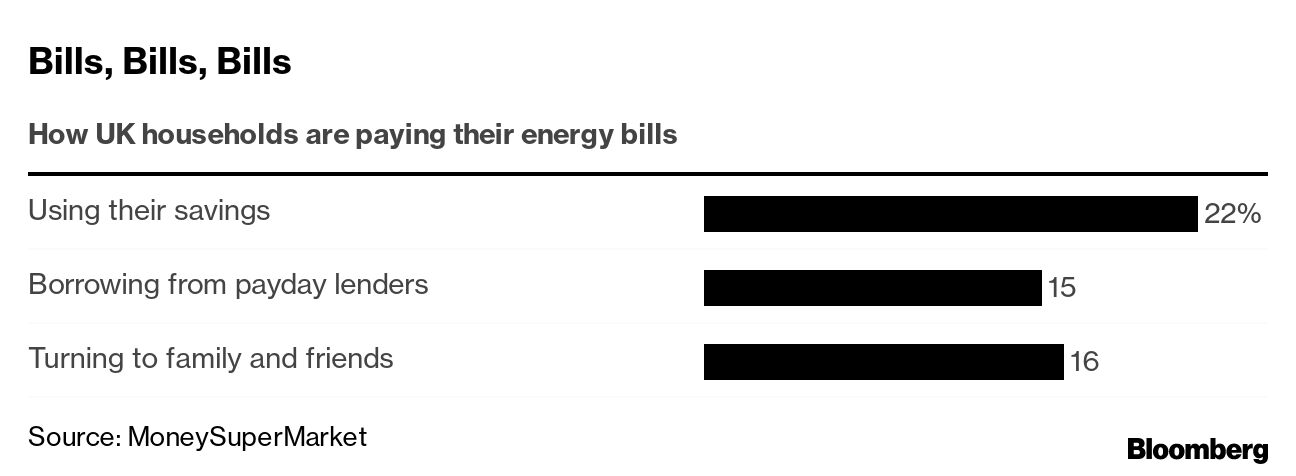
Alice also highlight how people plan to pay for their ballooning energy bills: 22% of respondents will dip into their savings; 15% will borrow from payday lenders; and 16% will turn to family and friends.

Too much despair? Actually there's more relief in the news today than usual. The UK's North Sea gas storage facility at Rough looks on track to partially reopen this winter, initially to the tune of 10 liquefied natural gas cargoes, according to our reporter Elena Mazneva.

As well as that, gas prices "tumbled" as markets responded to signals from European countries that they are preparing big interventions in energy markets. (Just don't get too excited — the respite isn't expected to last long.)

And if that doesn't pep you up, then why not think about Christmas — after all, it's September tomorrow. The consumer sector is always looking ahead, so Andrea Felsted of Bloomberg Opinion talks us through why this year's Christmas is likely to be different, but not cancelled.

These are her reasons: This will be the first truly post-Covid autumn/winter, and potentially a "revenge Christmas"; the labour market remains strong (despite some cooling); and people still have savings. The World Cup in November and December could also encourage some festive football spending.

"Consumers also try to protect Christmas," writes Andrea. When life is a struggle, people try to make the holidays a brief respite from their woes." (Her verdict on early 2023 is less rosy).

As if to back her up, retailer John Lewis announced today that it will hire an extra 10,000 temporary workers — 3,000 more than last year. Not only that, John Lewis says sales of Christmas trees and baubles have tripled compared to last summer "perhaps because shoppers are trying to lock in purchases before prices rise further."

It reminds me of something I heard former England bowler Steven Finn say on Test Match special last week. He revealed that in his playing days he would try to engage umpires on the pitch (translation: charm them) by sparking up occasionally controversial conversations. One was whether or not Christmas should only happen every other year.

It might not have got him any wickets, but it made me laugh. In any case, we will all need the break so maybe not this year Steven. Even if the fairy lights are on eco mode.

What we learned from the Mar-a-Lago photo

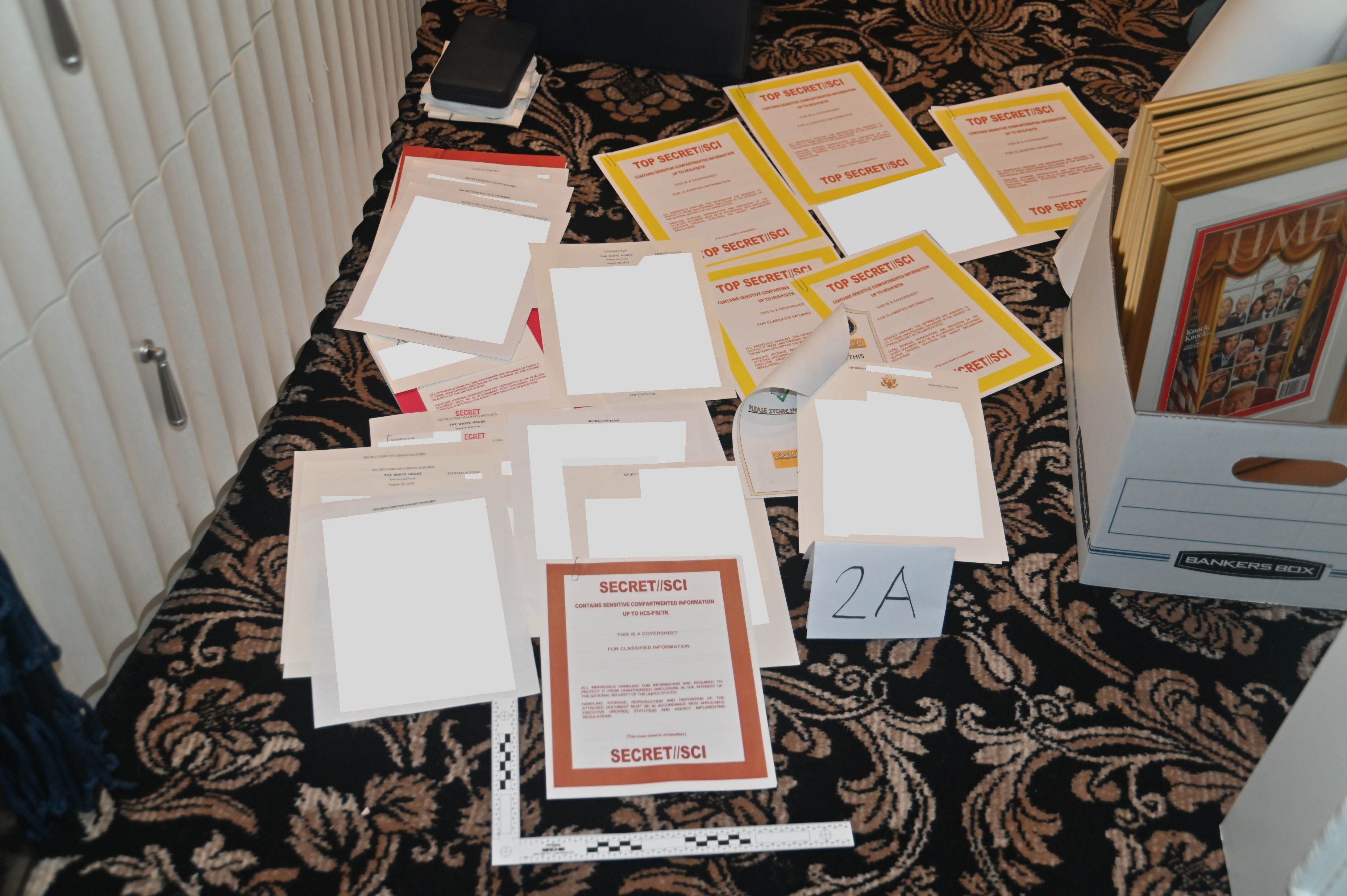
Documents from Trump's home submitted as evidence by the US Department of Justice.

The latest twist in the tale of the FBI raid on former President Donald Trump's Florida home came in a filing by the Department of Justice. As Bloomberg's Bill Faries explains, it was the photo in the filing that spoke loudest. Files strewn on the floor included several marked "TOP SECRET/SCI," — types of documents normally found in highly secure facilities. And they are the sort of paperwork the government argued Trump had no right or authority to take with him when his presidency ended. 

It's a juicy, complex and controversial story. Get up to speed with five things we just learned about the Trump Mar-a-Lago search.

What we're reading tonight

Get ahead of the curve

Brutal summerUK markets just endured their worst August in years — and the rout may not be over. 

Cheap buses for climate. Germany's experiment with super-cheap public transport made a sizeable dent in its CO2 emissions.

Gorbachev's failuresThe evil empire he inherited crumbled — but a new one has been allowed to rise, says Leonid Bershidsky.

Big bill incoming. A decision on how to classify the government's £400 energy grants will impact both the Treasury and consumers.

Worth every pennyAmazon's Lord of the Rings series leaves its haters in the dust.

Avocado is toastAt London's best Mexican restaurant, there's no avocado in the guacamole.

The big number

£131
How much working from home could add to a monthly energy bill in the UK under the new price cap.

Shell's messy $1 billion oil cleanup 

One key story, every weekday

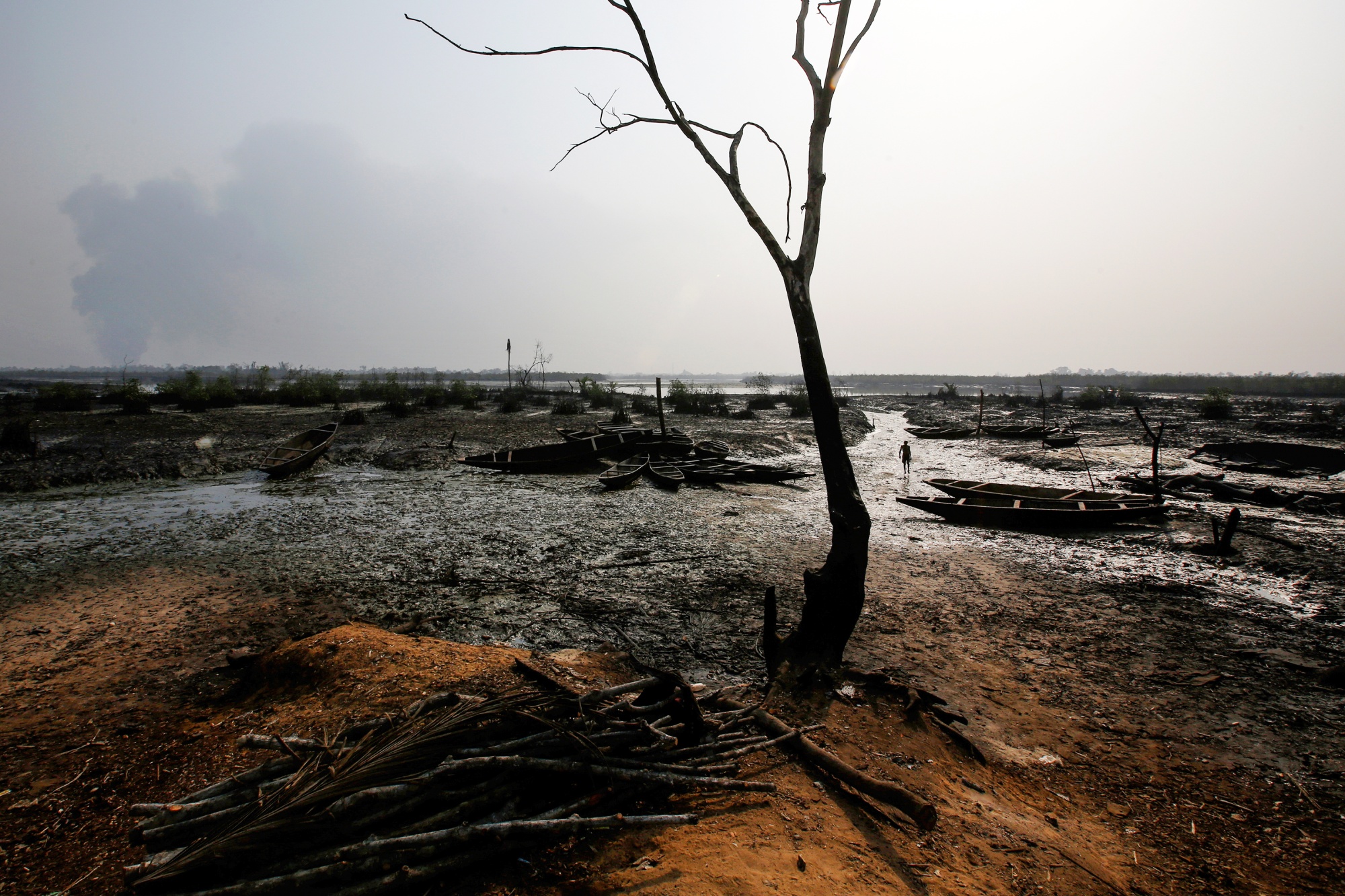
Abandoned fishing boats in a polluted Ogoniland estuary. Photographer: George Osodi/Bloomberg

In the more than a quarter century since Shell left Ogoniland in southern Nigeria, oil has continued to ooze from dormant wellheads and active pipelines, leaving the 386-square mile kingdom's wetlands shimmering with a greasy rainbow sheen, its once-lush mangroves coated in crude, well-water smelling of benzene. 

So when a $1 billion cleanup began in 2019, backed by Shell's funding pledge and the United Nations, it was heralded as the most ambitious initiative of its kind anywhere in the world. 

But documents seen by Bloomberg and reported for the first time indicate that the project is making one of the earth's most polluted regions even dirtier.

Read the full story in The Big Take.

What happens next

Your early warning system for the day ahead

9:30 a.m.
ONS data on economic activity and social change.
Manufacturing PMI data for August.

After market close FTSE to confirm index review.

11 p.m. Transfer window closes for English Premier League and Football League clubs.

Follow all tomorrow's corporate news in The London Rush, live on Bloomberg UK from 8 a.m.


Please send thoughts, tips and feedback to readout@bloomberg.net. You can follow Allegra on Twitter. The Readout is edited by Adam Blenford.

No comments:

Post a Comment

The Dark Side of the AI Boom

The biggest AI risk no one is talking about   ...