| Read in browser | ||||||||||||||

Welcome to Balance of Power, bringing you the latest in global politics. If you haven’t yet, sign up here. Brazil’s Luiz Inácio Lula da Silva will need quick instincts and measured words when he meets Donald Trump at the White House tomorrow. The two presidents — one a past union leader, the other a real-estate baron — struck up a surprisingly easy rapport last year, helping pave the way for a rollback of some US tariffs on Brazilian goods. But the mood is shifting. Tensions over Venezuela and the Iran war have prompted Lula to toughen his stance and speak out more openly against Trump. Recent experience underscores the risks. 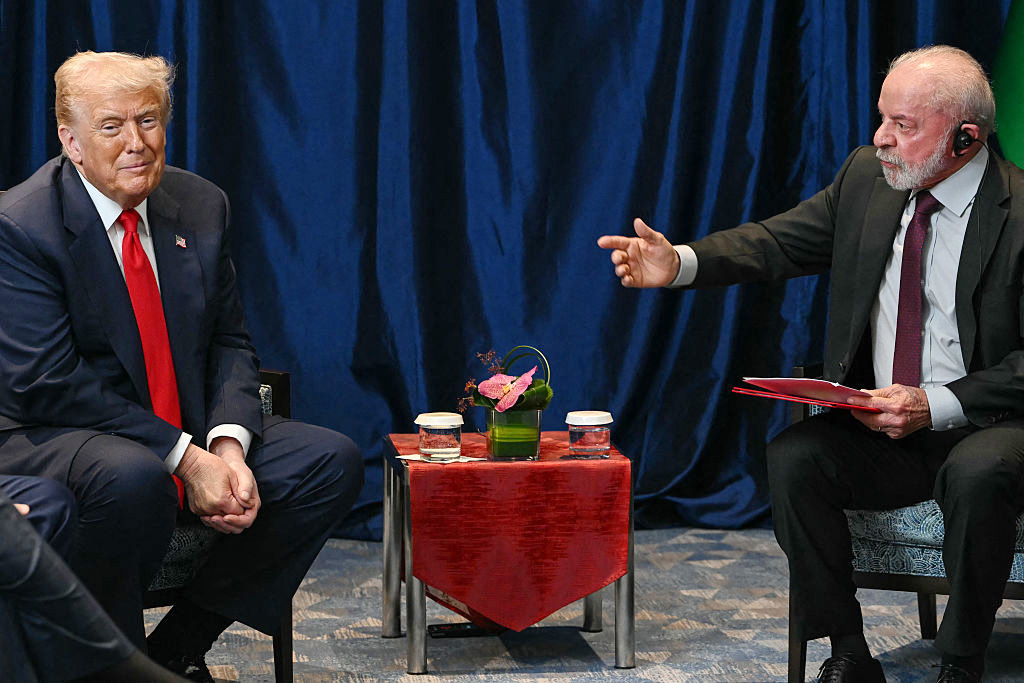
Trump and Lula in Kuala Lumpur on Oct. 26.
Photographer: Andrew Caballero-Reynolds/AFP/Getty Images
Chancellor Friedrich Merz learned that poorly chosen comments can carry real-world consequences when Trump responded to his criticism by announcing US troop pullouts from Germany. For Lula, it’s a reminder that tone can matter as much as substance. Several points of contention lie ahead. Washington is weighing whether to classify Brazilian criminal groups as terrorist organizations, potentially opening the door to sanctions on parts of Brazil’s financial system. The US is also pressing ahead with a Section 301 probe into Brazil’s trade practices, including its wildly popular Pix payments system. It has additionally bristled at Brazil’s opposition to extending a moratorium on tariffs for digital services like streaming and downloads. The political calculus here for Lula is complicated. Confrontation with Trump may not be entirely unwelcome at home. With elections looming and polls showing a tight race against Flávio Bolsonaro — son of Trump ally Jair Bolsonaro — Lula has leaned into a sovereignty narrative that resonated with voters during past clashes with Washington. Yet the risks are real. Markets are watching closely, and Brazil’s government has moved cautiously. That leaves Lula walking a familiar tightrope: Holding firm without escalating tensions. If past experience is any guide, the political veteran will make it look easy. — Daniel Carvalho 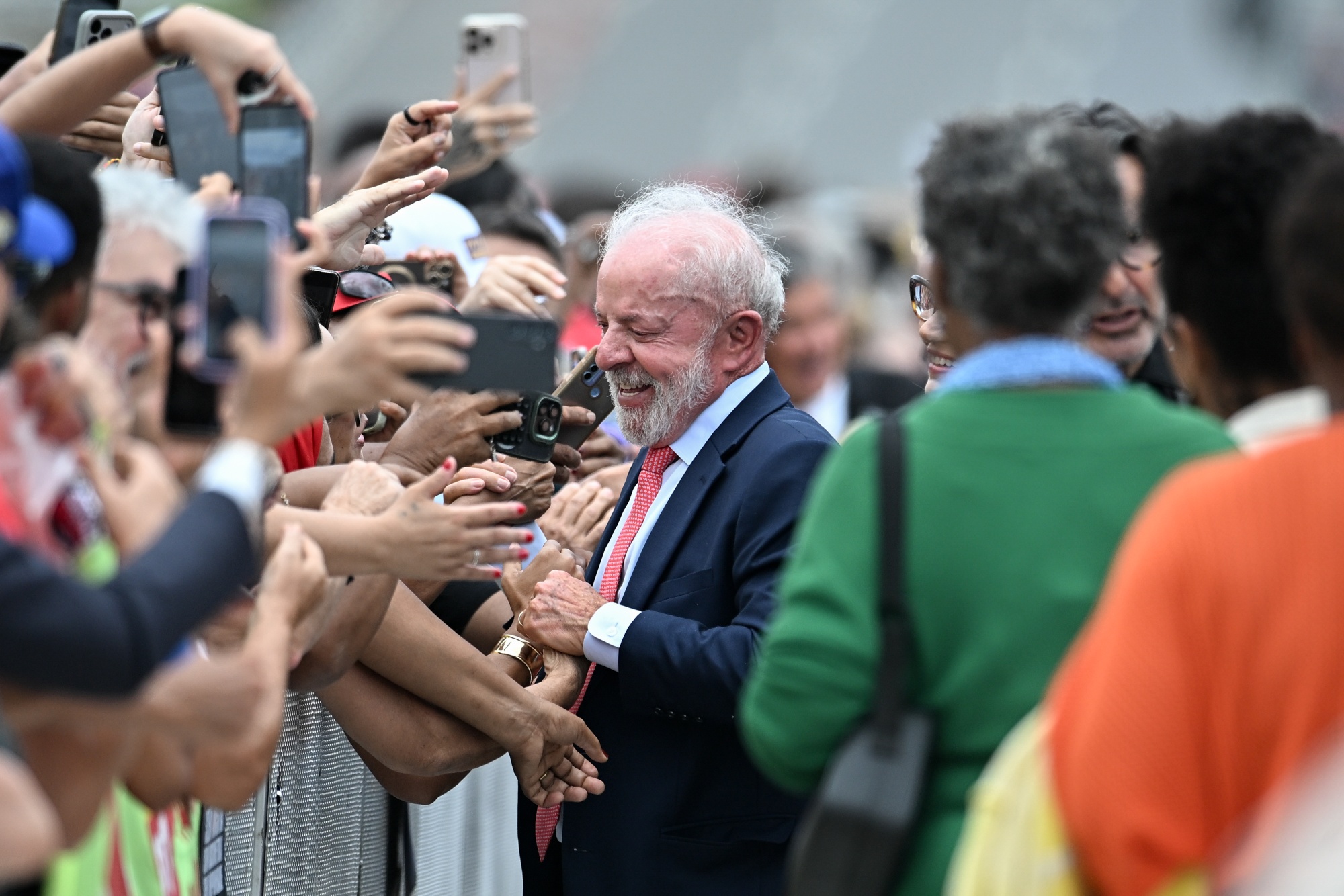
Lula arrives for a ceremony in Brasilia to commemorate three years since an attempted coup in January 2023 by former President Jair Bolsonaro.
Photographer: Ton Molina/Bloomberg
Global Must ReadsThe US believes it’s close to an agreement with Iran to end the war, Axios reported today, as China added its voice to global diplomatic pressure to wrap up the conflict. Trump said he’d pause an effort to help stranded ships exit the Strait of Hormuz to see if the US can reach a deal, shelving the operation after being warned it risked escalating the conflict. Trump plans to discuss the Iran war with Chinese counterpart Xi Jinping during their summit next week and sought to downplay tensions over the conflict. Foreign Minister Wang Yi urged Iran to keep negotiating in pursuit of a lasting truce with the US as he hosted Tehran’s top diplomat days before the US leader is scheduled to arrive in Beijing. It’s Abbas Araghchi’s first trip to China since the war started. 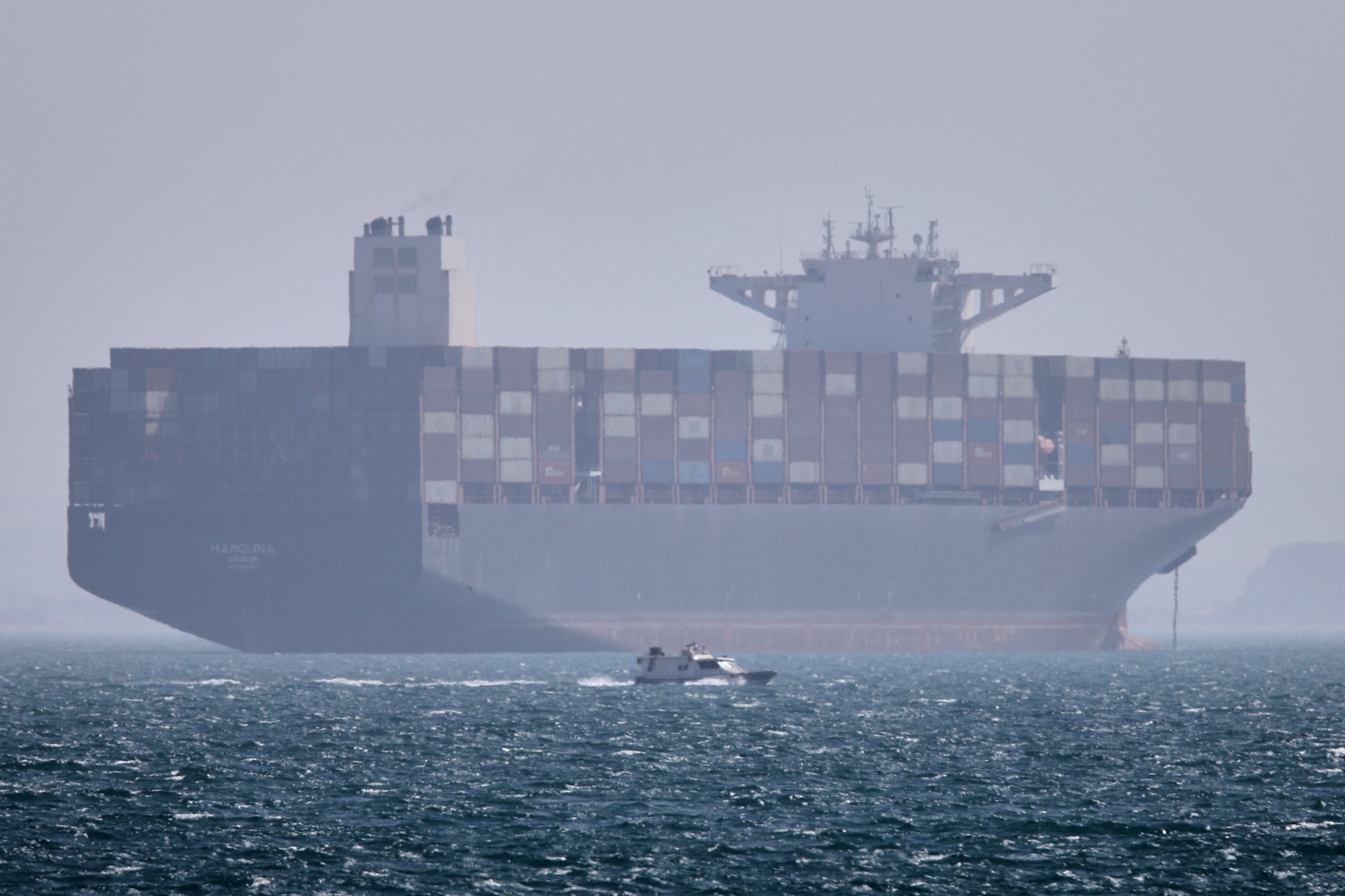
A container ship in the Strait of Hormuz off Bandar Abbas, Iran, on Saturday.
Photographer: Amirhosein Khorgooi/ISNA/AP Photo
Friedrich Merz entered office one year ago pledging to kickstart Germany’s economy, restore its leadership in Europe and build trust in democratic institutions as a bulwark against the rising tide of the far right. The embattled chancellor is now struggling on all those fronts and facing questions about how much longer his coalition will last, while ruling out the formation of a minority government if it collapses. Ukraine said overnight drone and missile attacks showed Russia had rejected Kyiv’s offer of a truce, raising the stakes ahead of President Vladimir Putin’s demand for a ceasefire during Moscow’s May 9 World War II Victory Day parade. Russia hadn’t said it would abide by the pause proposed by Ukrainian President Volodymyr Zelenskiy, after it threatened “a massive missile strike” on central Kyiv if Ukraine disrupts Putin’s annual military ceremony. Japan’s decision to send combat troops to the Philippines for the first time since World War II and participate in a ship-sinking drill in the South China Sea this week underscores Tokyo’s increasing willingness to project military power on China’s doorstep. The exercise is one of the highlights of the annual US-Philippine drills with Japan’s 1,400 troops making it the war games’ third-largest contingent. 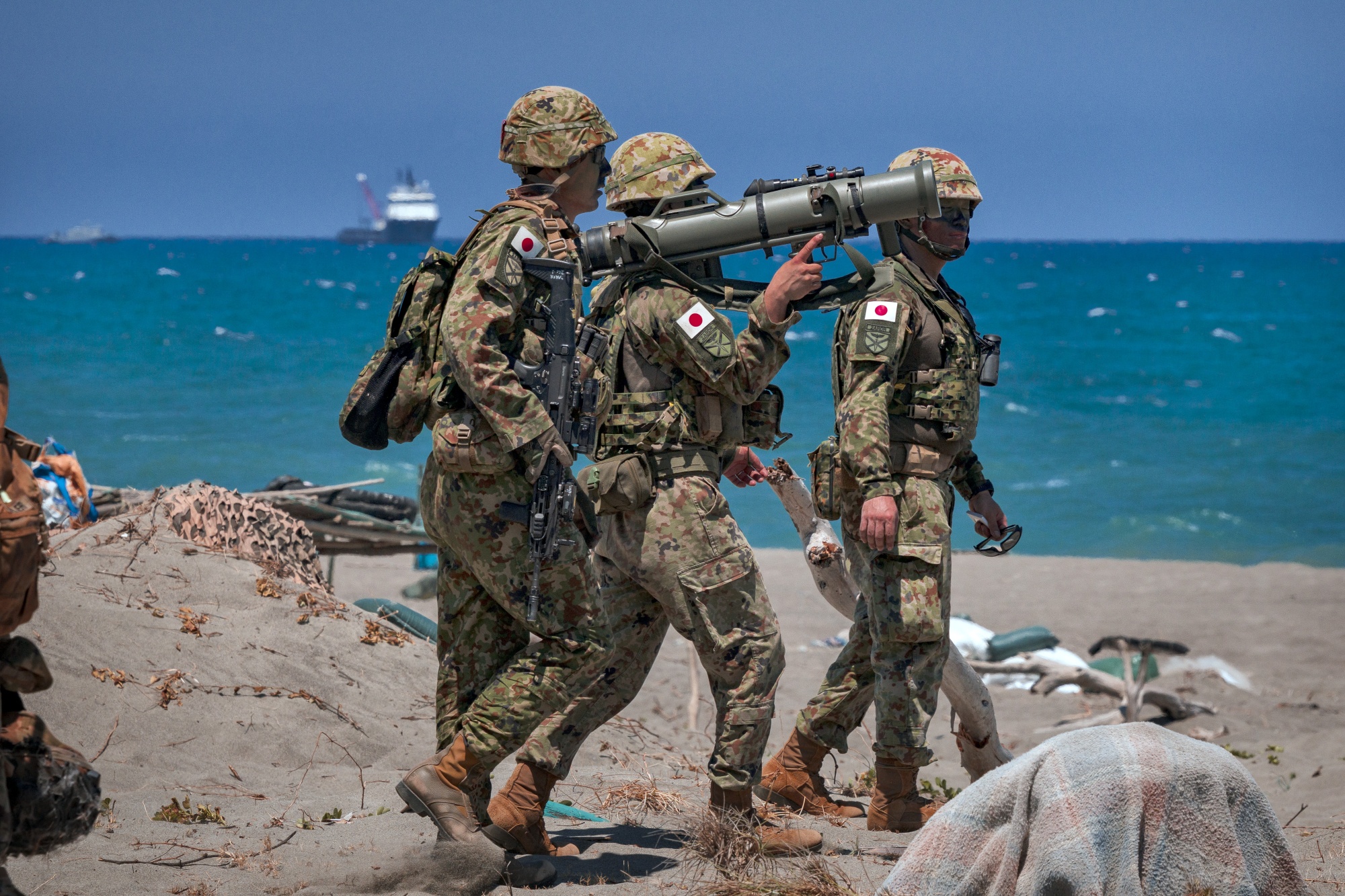
Japanese troops take part in a counter-landing live fire exercise as part of the annual Balikatan joint military drills on Monday.
Photographer: Ezra Acayan/Getty Images
Israeli Prime Minister Benjamin Netanyahu held a rare phone call this week with the president of the United Arab Emirates, underscoring their countries’ deepening relations in the wake of the Iran war. The Labour Party is expected to win its lowest proportion of London’s voters in more than a century in UK’s local elections tomorrow. The clash between Trump and Pope Leo XIV has flared up again, complicating a delicate diplomatic mission by Secretary of State Marco Rubio to the Vatican this week. An oil tanker transporting Russian fuel to Cuba appears to have stalled roughly 1,000 miles off the coast, dealing a fresh blow as the island faces its worst fuel crisis in decades. Sign up for the Washington Edition newsletter for news from the US capital and watch Balance of Power at 1 and 5 p.m. ET weekdays on Bloomberg Television. Chart of the Day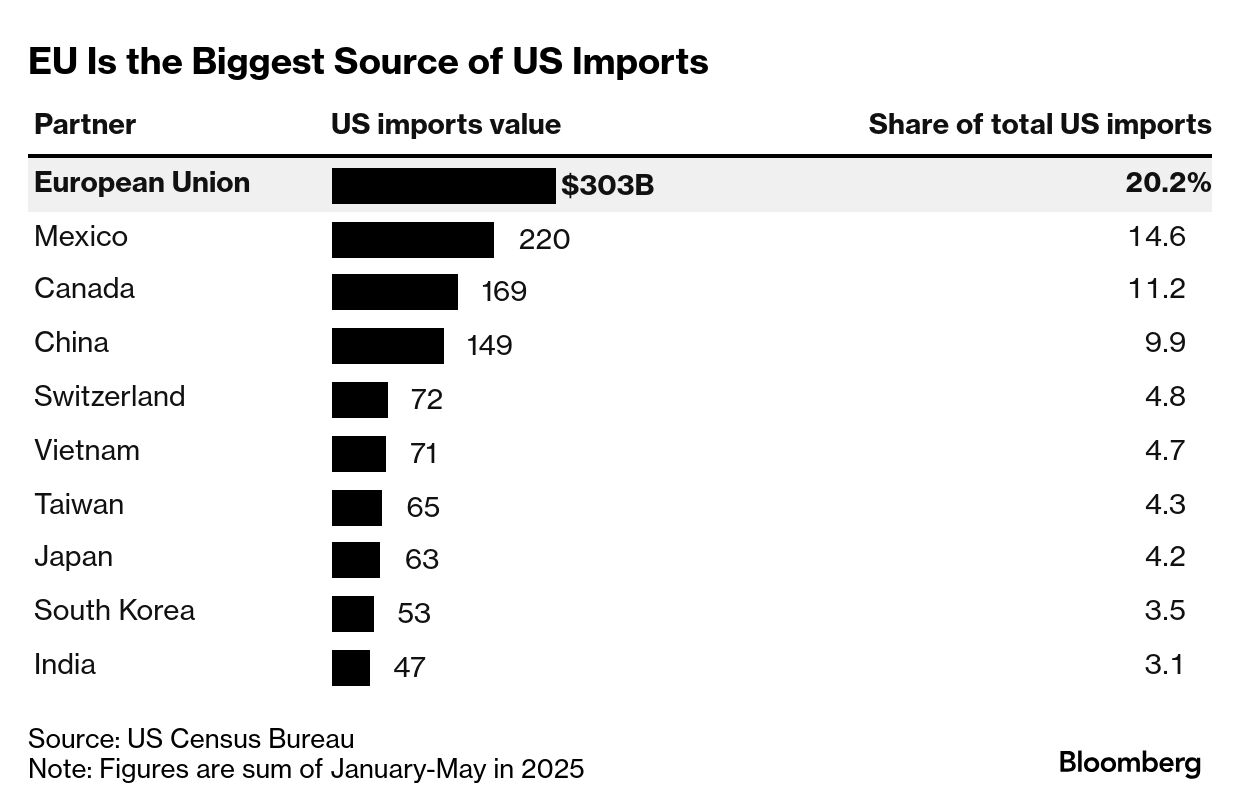
The European Union wants the main parts of a US trade deal adopted by July, as it pushed Washington to respect previous commitments made under the pact. Trump is frustrated that the EU is taking months to formally ratify a trade deal the two sides initially reached 10 months ago, and said he would slap 25% tariffs on European cars and trucks after accusing the bloc of failing to honor its prior commitments. The EU says it’s simply going through its legislative process. And FinallySince Trump revealed a security strategy last year that he insists will ensure “American dominance in the Western Hemisphere,” he’s toppled Venezuela’s Nicolás Maduro, floated the idea of strikes on Mexican cartels and pushed for regime change in Cuba. He’s also mulled taking back the Panama Canal by force. At the same time, as this Big Take explains, the US military is reviving its jungle training school in Panama after a 25-year hiatus, signaling to all Latin America that it’s back in the region. 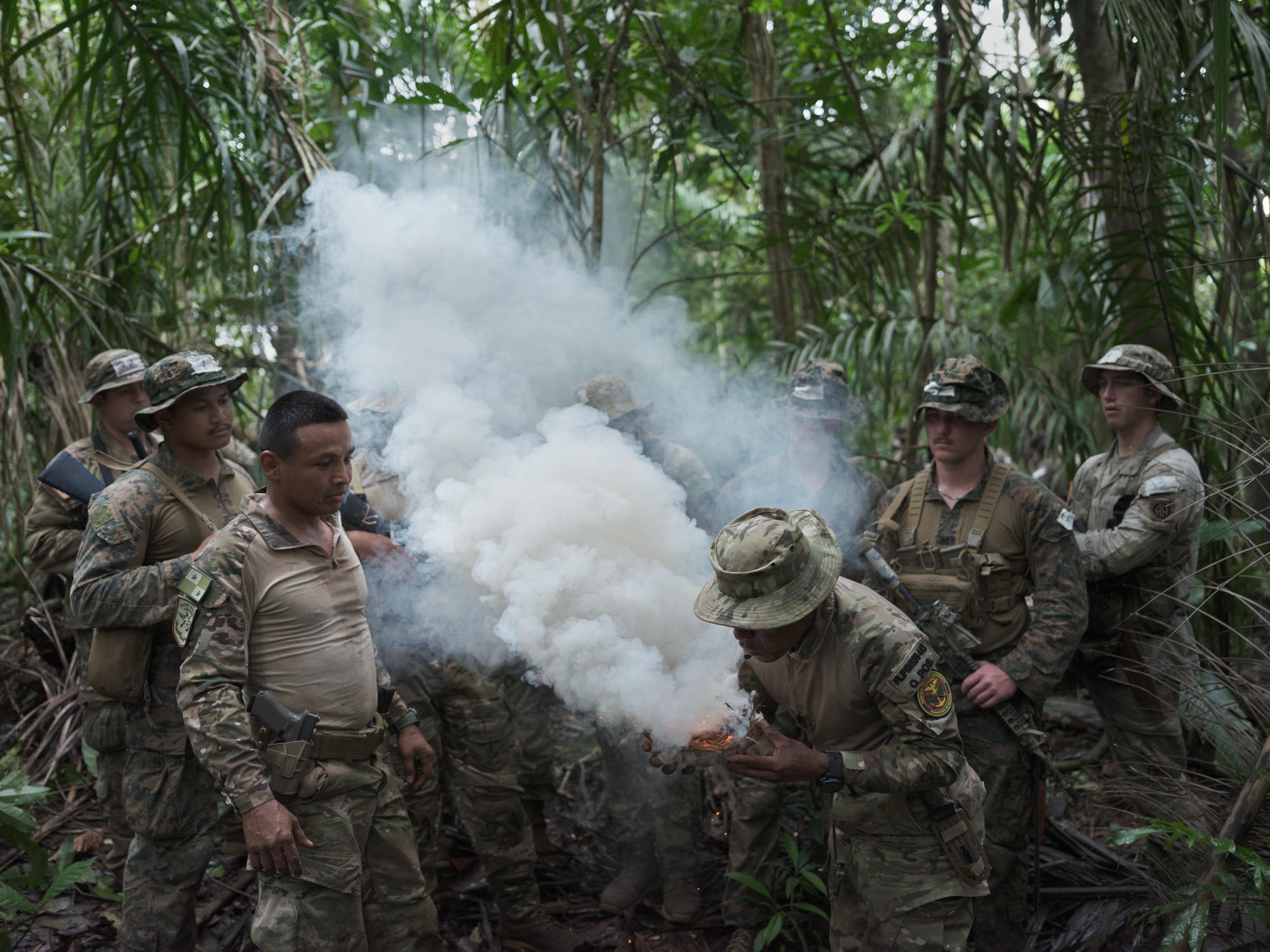
Commander Albis Fajardo of Panama’s National Aeronaval Service demonstrates how to start a fire using a coconut husk during a training exercise near Colón in February.
Photographer: Luis Antonio Rojas/Bloomberg
More from Bloomberg
We’re improving your newsletter experience and we’d love your feedback. If something looks off, help us by reporting it here. Follow Us
You received this message because you are subscribed to Bloomberg’s Balance of Power newsletter. If a friend forwarded you this message, sign up here to get it in your inbox.
|
Wednesday, May 6, 2026
Lula’s Trump encounter





Subscribe to:
Post Comments (Atom)
Jason Bodner's market anomaly targets stocks before August 14
Have you heard about this market anomaly? ͏ ͏ ͏ ͏ ͏ ͏ ͏ ͏ ͏ ͏ ͏ ͏ ͏ ͏ ͏ ͏ ͏ ͏ ͏ ͏ ͏ ...
-
PLUS: Dogecoin scores first official ETP ...
-
Swaps, memes, homes, tokens. View in browser Unicorn bucket We have talked a fe...


No comments:
Post a Comment