| Read in browser | ||||||||||||||
Welcome to Balance of Power, bringing you the latest in global politics. If you haven’t yet, sign up here. President Donald Trump assumed the world’s most powerful military would easily overpower Iran when the US began airstrikes alongside Israel. Yet more than 10 weeks on, Tehran hasn’t agreed to any concessions over its nuclear program and the war is stuck in an uneasy truce. The stalemate demonstrates a new paradox: On battlefields around the world, the underdog is standing its ground. 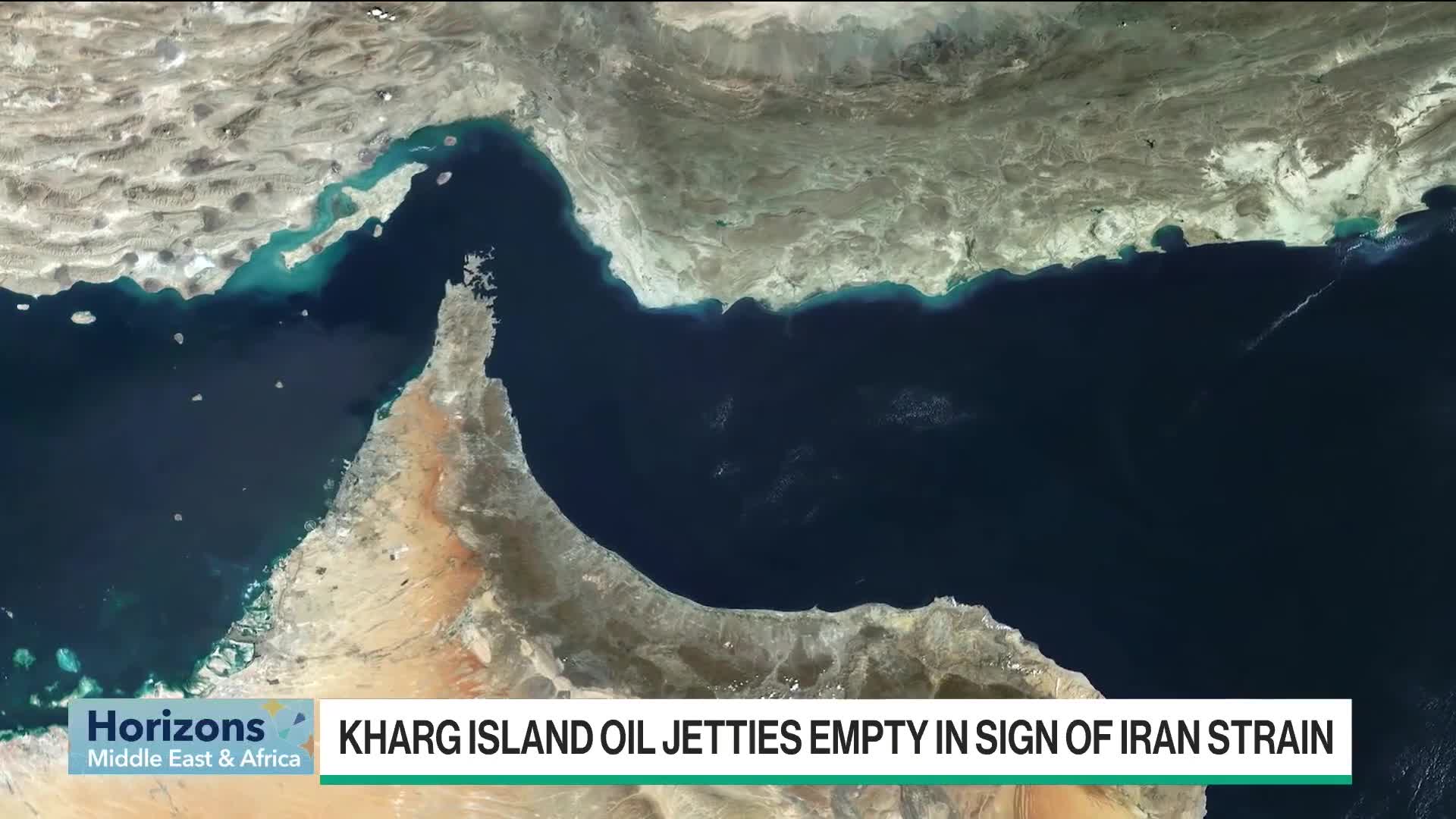 
Oil shipments from Iran’s main export terminal appear to have come to a standstill over the past several days. Bloomberg’s Stuart Livingstone-Wallace reports.
Iran’s stockpile of ballistic missiles and long-range strike weapons did enough damage to Gulf nations and energy assets to earn a ceasefire, and little progress has been made since. Trump has repeatedly claimed the US destroyed Iran’s navy during the bombing campaign. But the Islamic Republic is deploying midget submarines to help secure the Strait of Hormuz — the critical waterway that’s become a bargaining chip in peace negotiations. The subs are aging copies of North Korean designs and are dwarfed by US nuclear-powered Los Angeles-class attack submarines. Still they have helped to keep Hormuz under Tehran’s control. Russian President Vladimir Putin was equally confident of a swift victory in Ukraine. But despite inferior air defenses and a significant disadvantage in scale and personnel, Kyiv is still fighting. Ukraine has innovated with drone warfare, keeping the contact line in check, taking out Russian warships in the Black Sea, and striking oil infrastructure deep inside Russia. It’s a potentially awkward reality as Trump meets President Xi Jinping in Beijing for talks that are expected to feature Taiwan. Students of Chinese military history may see parallels in Iran’s successful defense. China once looked to combat the US by manufacturing vast quantities of missiles. It may have since closed the technological gap, too. Yet such traditional power strategies may no longer be uppermost in any future invasion of Taiwan. Big is not necessarily better when it comes to modern warfare. — John Bowker 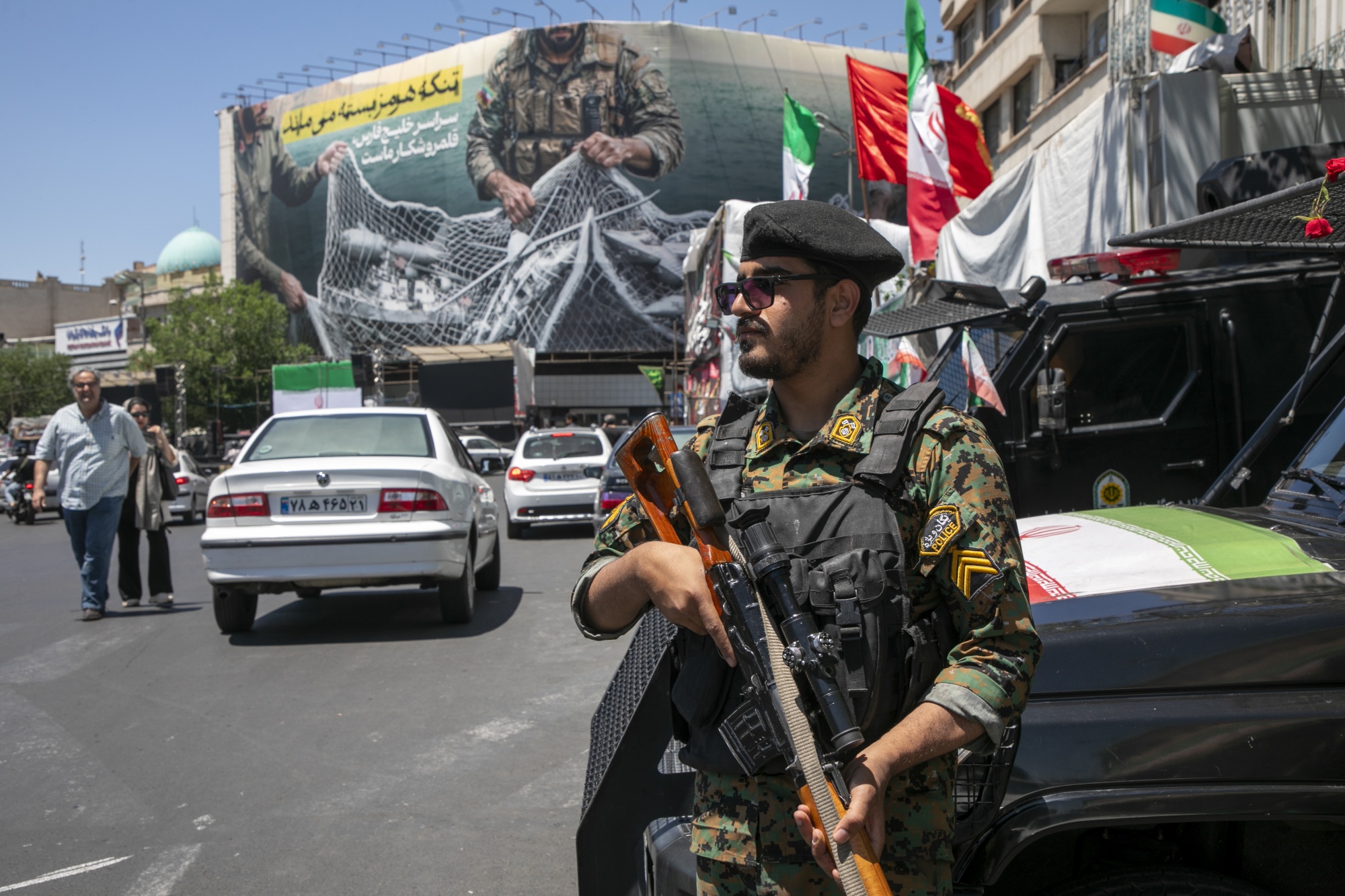
An Iranian police officer near a poster depicting Iranian soldiers holding a net in the shape of the Strait of Hormuz, with US military aircraft ensnared in it, on May 9.
Photographer: Majid Saeedi/Getty Images
Global Must ReadsTrump is expecting economic deals and a “wild” welcome in China, yet he will arrive facing an emboldened Xi for their summit tomorrow, just as his own hand is constrained by the conflict in Iran. Nvidia co-founder Jensen Huang was a last-minute addition to the US delegation, while trade negotiators led by Treasury Secretary Scott Bessent and Chinese Vice Premier He Lifeng started talks in Seoul to prepare for the meetings. 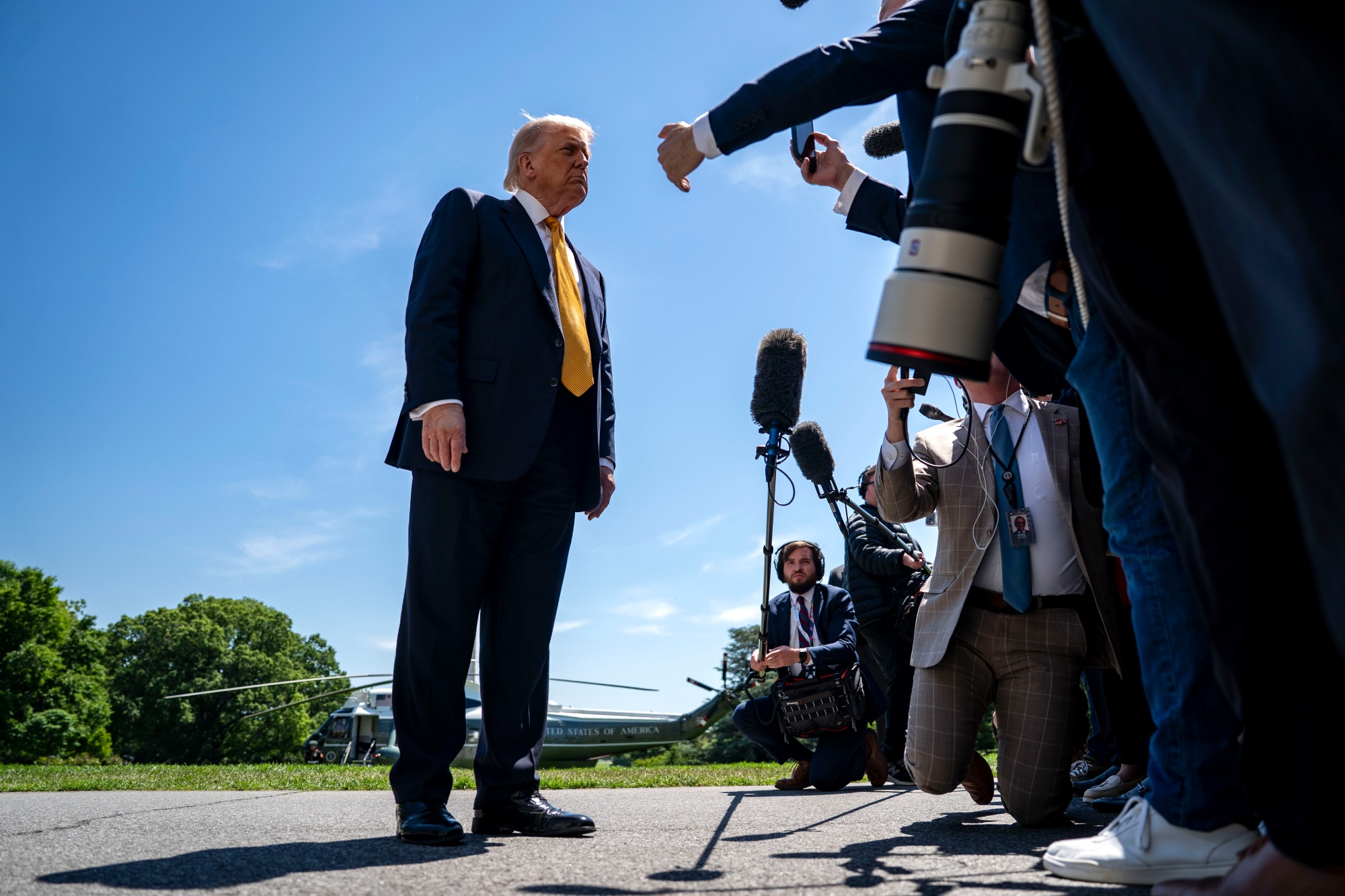
Trump outside the White House yesterday.
Photographer: Bonnie Cash/UPI/Bloomberg
Keir Starmer is due to confront one of his main rivals at a behind-closed-doors meeting today, before the unveiling of a legislative agenda in the King’s speech that many people in the ruling Labour Party don’t back the UK prime minister to deliver. A slew of ministerial resignations have so far failed to force Starmer’s downfall this week, yet he faces another day of intense pressure. German Chancellor Friedrich Merz’s coalition resolved to press ahead with reform measures after a six-hour meeting meant to regain traction with the public and narrow widening policy rifts produced few concrete agreements. A year since taking power, Merz’s popularity has sunk to a historic low as he struggles to assert authority over his coalition and within his party, allowing the far-right Alternative for Germany, or AfD, to extend its lead in the polls. The Trump administration is in the process of paying more than $35.5 billion to importers who filed for tariff refunds after the US Supreme Court found the president’s signature economic policy unlawful. As of Monday, the tool designed to handle claims on the $166 billion in overturned duties had validated nearly 87,000 declarations, clearing the way for the Treasury Department to make the payments. 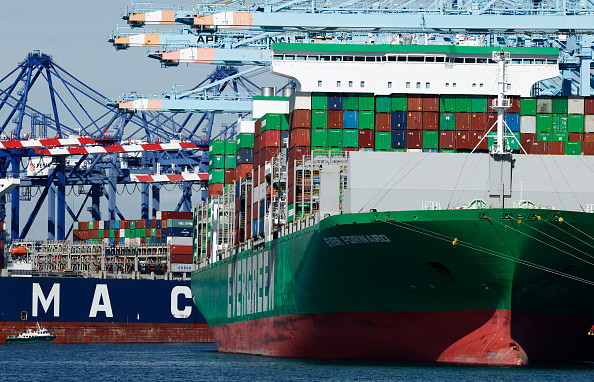
Container ships at the Port of Los Angeles.
Photographer: Mario Tama/Getty Images
Chile’s Franco Parisi, the third-place finisher in last year’s presidential election, is proving to be a formidable political operative, strong-arming the government to accept his populist initiatives in exchange for supporting its economic agenda. He and Finance Minister Jorge Quiroz are hammering out the final details on a new accord for targeted tax rebates, which would cost the government an estimated $100 million annually. Pakistan has indicated that Turkey and Qatar may join its mutual-defense cooperation pact with Saudi Arabia as the US-Iran war reshapes security alignments in the Middle East and South Asia. Brazilian President Luiz Inácio Lula da Silva scrapped a tax on imports valued at $50 or less, a measure likely to boost his popularity less than five months before he’ll seek re-election. The European Union is working to join a US-led initiative aimed at securing supply chains for artificial intelligence and semiconductors as competition with China intensifies. Jamie Dimon warned the UK that any move to hike taxes on banks in the event Starmer is replaced as prime minster would see JPMorgan Chase scrap plans to invest billions in a new London headquarters at Canary Wharf. 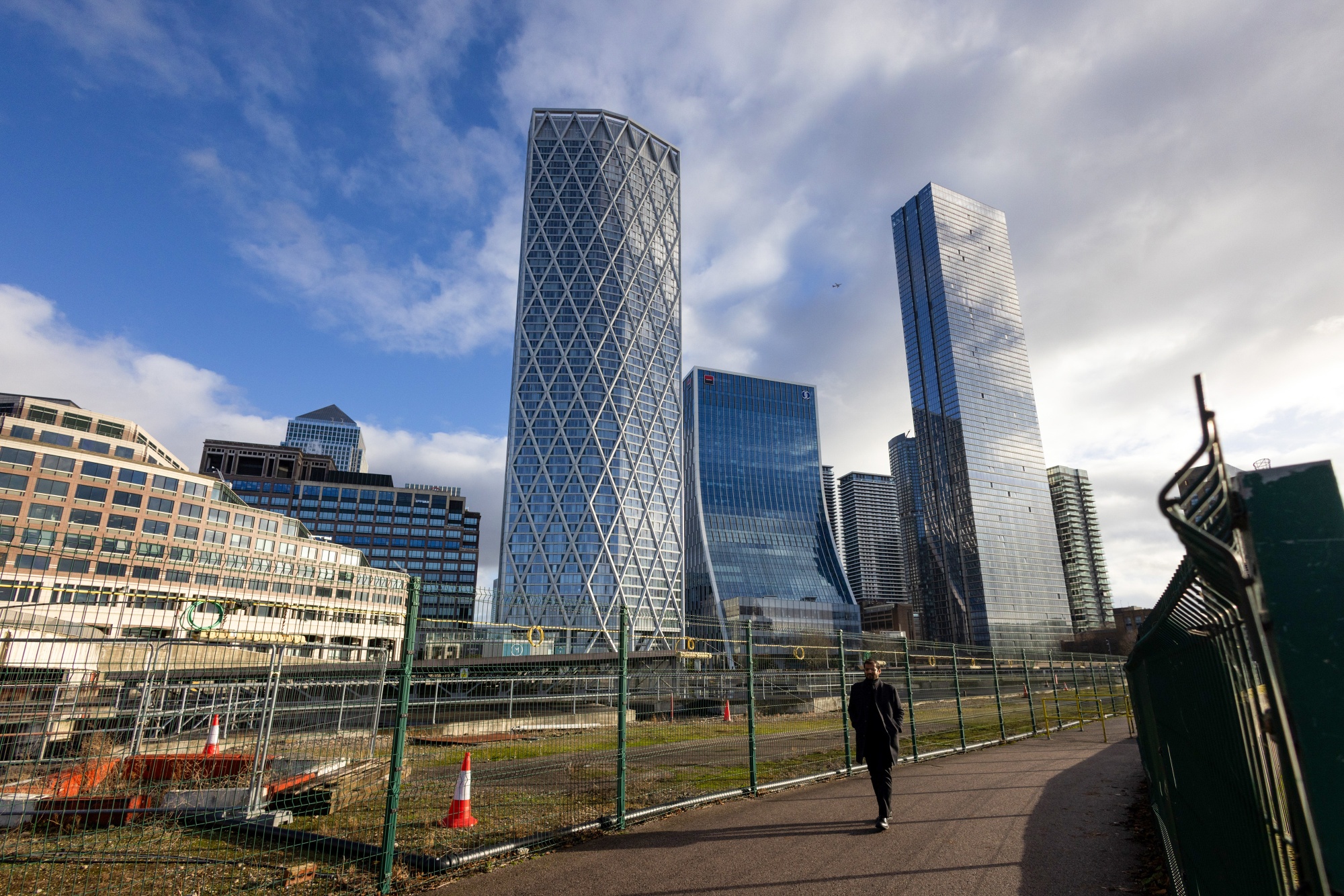
The site of JPMorgan’s planned new London headquarters.
Photographer: Chris Ratcliffe/Bloomberg
Sign up for the Washington Edition newsletter for news from the US capital and watch Balance of Power at 1 and 5 p.m. ET weekdays on Bloomberg Television. Chart of the Day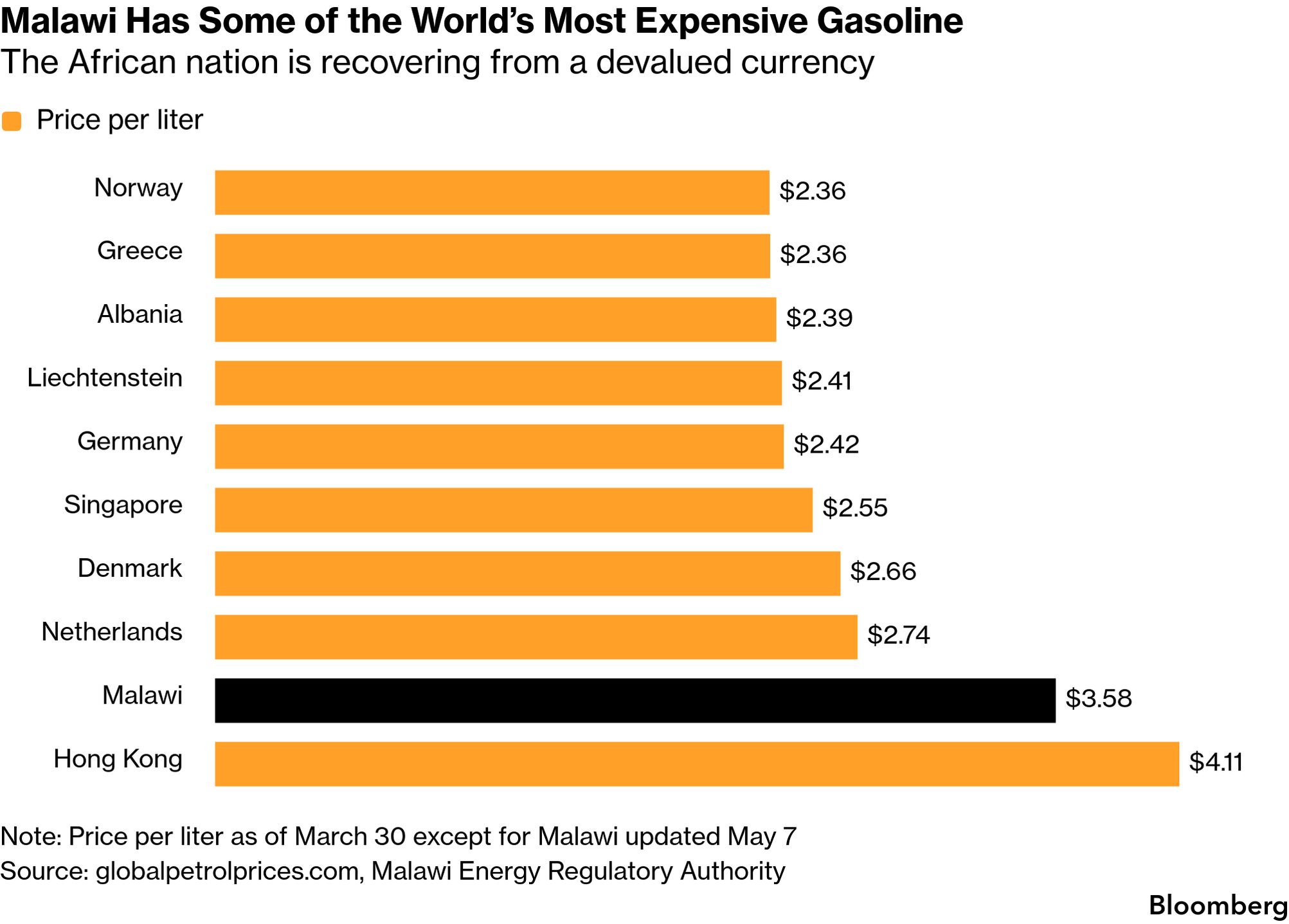
Landlocked Malawi finds itself at the sharp end of a crisis more than 3,000 miles away in the Middle East as farmers struggle with rising fuel costs and an increasing scarcity of fertilizer. Africa is the most vulnerable region along with parts of Asia, and Malawi is an extreme example of how severe the consequences could be for food security. As its small-scale farmers prepare for the planting season, it’s already getting too expensive to transport some fertilizer to rural regions, and that’s if it’s available at all. And FinallyOver the past decade, hundreds of millions of solar panels have been installed from Sicily to Lapland, turning what was once a niche technology into Europe’s biggest source of power during the summer months. But surrounding grids can’t handle the surge in output, resulting in record amounts of electricity being wasted. The glut of solar power is also pushing prices deep below zero during peak solar hours, eroding returns for producers and forcing them to shut down plants, with consumers potentially paying twice for the subsidies and compensation. 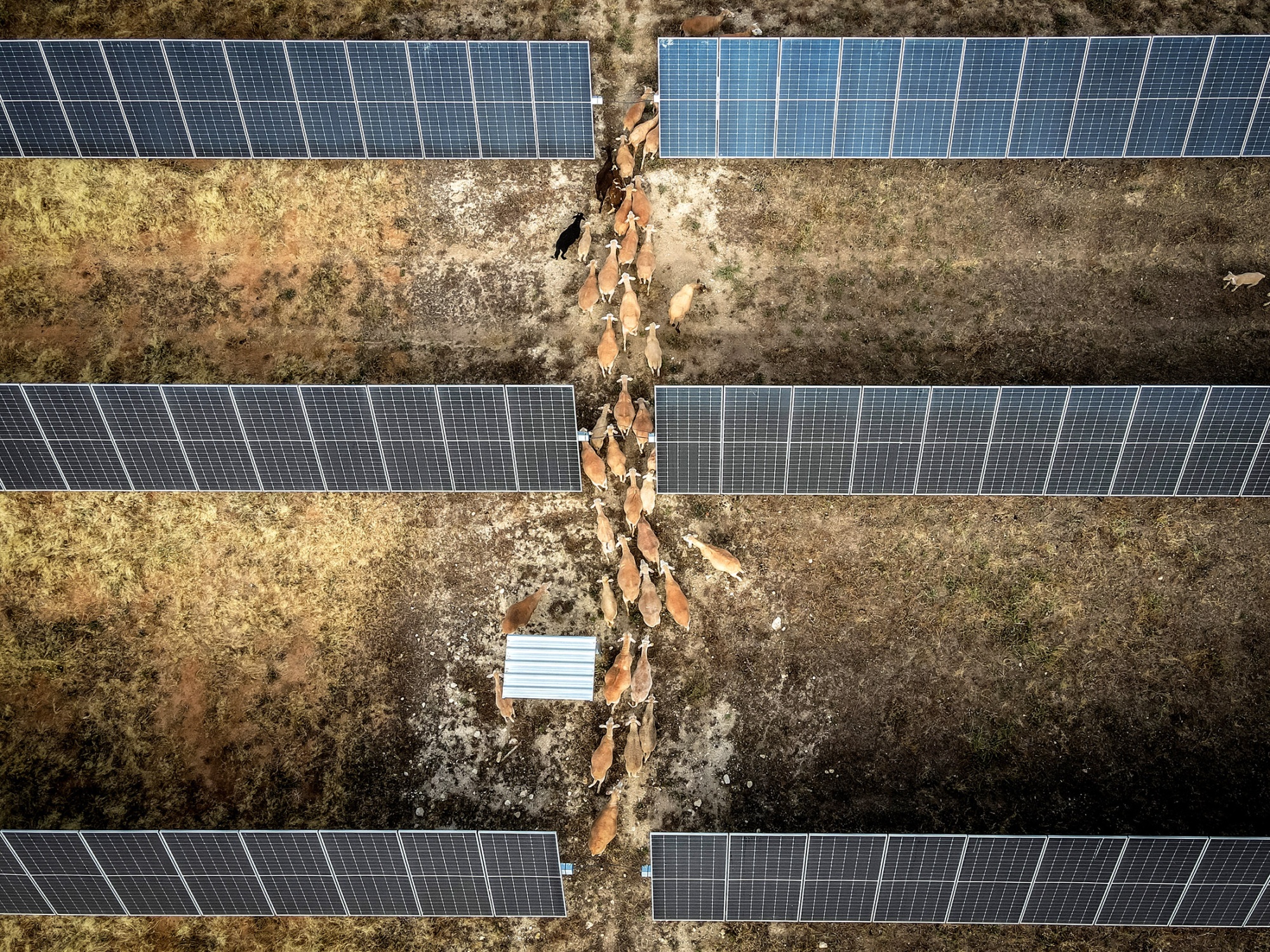
The Las Rozas solar park near Seville, Spain.
Photographer: Angel Garcia/Bloomberg
More from Bloomberg
We’re improving your newsletter experience and we’d love your feedback. If something looks off, help us by reporting it here. Follow Us
You received this message because you are subscribed to Bloomberg’s Balance of Power newsletter. If a friend forwarded you this message, sign up here to get it in your inbox.
|
Wednesday, May 13, 2026
Asymmetric warfare





Subscribe to:
Post Comments (Atom)

-
Bloomberg Evening Briefing Americas View in browser Who's paying for Donald Trum...
-
PLUS: Dogecoin scores first official ETP ...


No comments:
Post a Comment