| Read in browser | ||||||||||||||

Welcome to Balance of Power, bringing you the latest in global politics. If you haven’t yet, sign up here. South African President Cyril Ramaphosa has weathered labor unrest, deadly riots and the near-collapse of his coalition government. Yet the scandal that may define him involves neither ideology nor upheaval, but a couch stuffed with dollars. The 73-year-old former businessman restored stability to South Africa after the ruinous years of Jacob Zuma. He reclaimed South Africa’s diplomatic standing abroad — with the Trump administration the exception — pressed wealthy nations over Covid-vaccine inequality and won plaudits across the Global South for its critical stance on Israel. 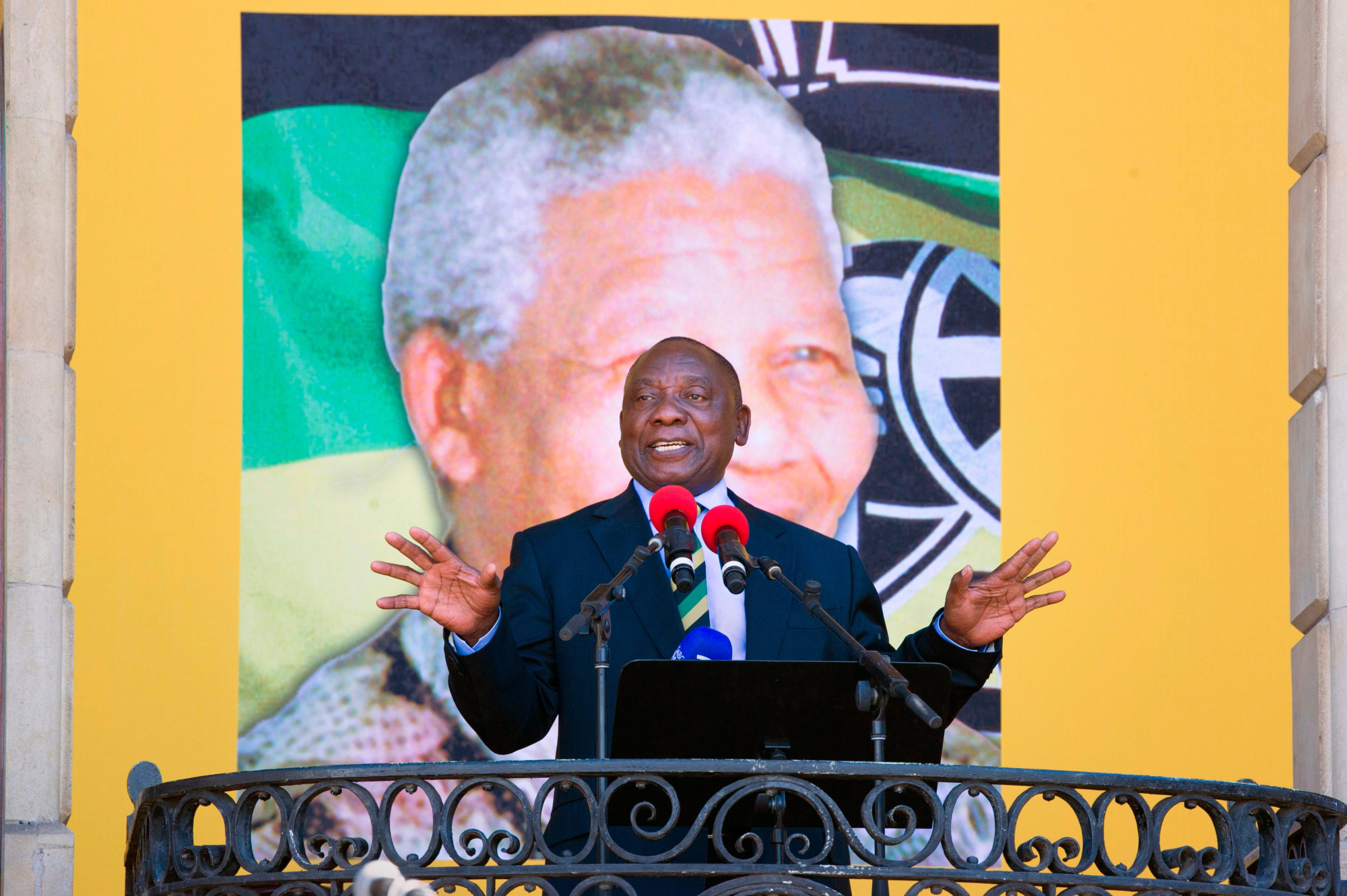
Ramaphosa at an ANC rally in February 2018 in Cape Town.
Photographer: Rodger Bosch/AFP/Getty Images
At home, he can credibly claim progress on addressing the disintegration of power infrastructure that throttled Africa’s most industrialized economy. Now he has to explain to lawmakers why large sums of foreign cash weren’t banked, but concealed at his luxury game farm. The scandal erupted in 2022, when a former spy chief accused Ramaphosa of covering up the theft of money from his ranch. The president insisted the cash came from the sale of a prized buffalo to a Sudanese businessman who — for reasons hard to fathom — arrived on Christmas Day carrying a bag of dollars. The buffalo was never collected. The buyer was never refunded. For a president elected on promises of ethical renewal, the affair carries a bitter irony. Ramaphosa rose to power presenting himself as the antidote to the corruption scandals synonymous with Zuma’s presidency. Yet when pressure mounted, his African National Congress closed ranks much as it once did for Zuma, using its parliamentary majority to block an impeachment inquiry. Now the nation’s top court has reopened the matter, ordering parliament to hold a hearing. The ANC no longer commands a majority, leaving Ramaphosa exposed to an impeachment vote. Ramaphosa has spent years trying to convince investors that South Africa had turned the page on the scandal-ridden era. The risk is his own legacy is reduced to a single, indelible image: a president brought down by an unexplained stash of cash. — S’thembile Cele 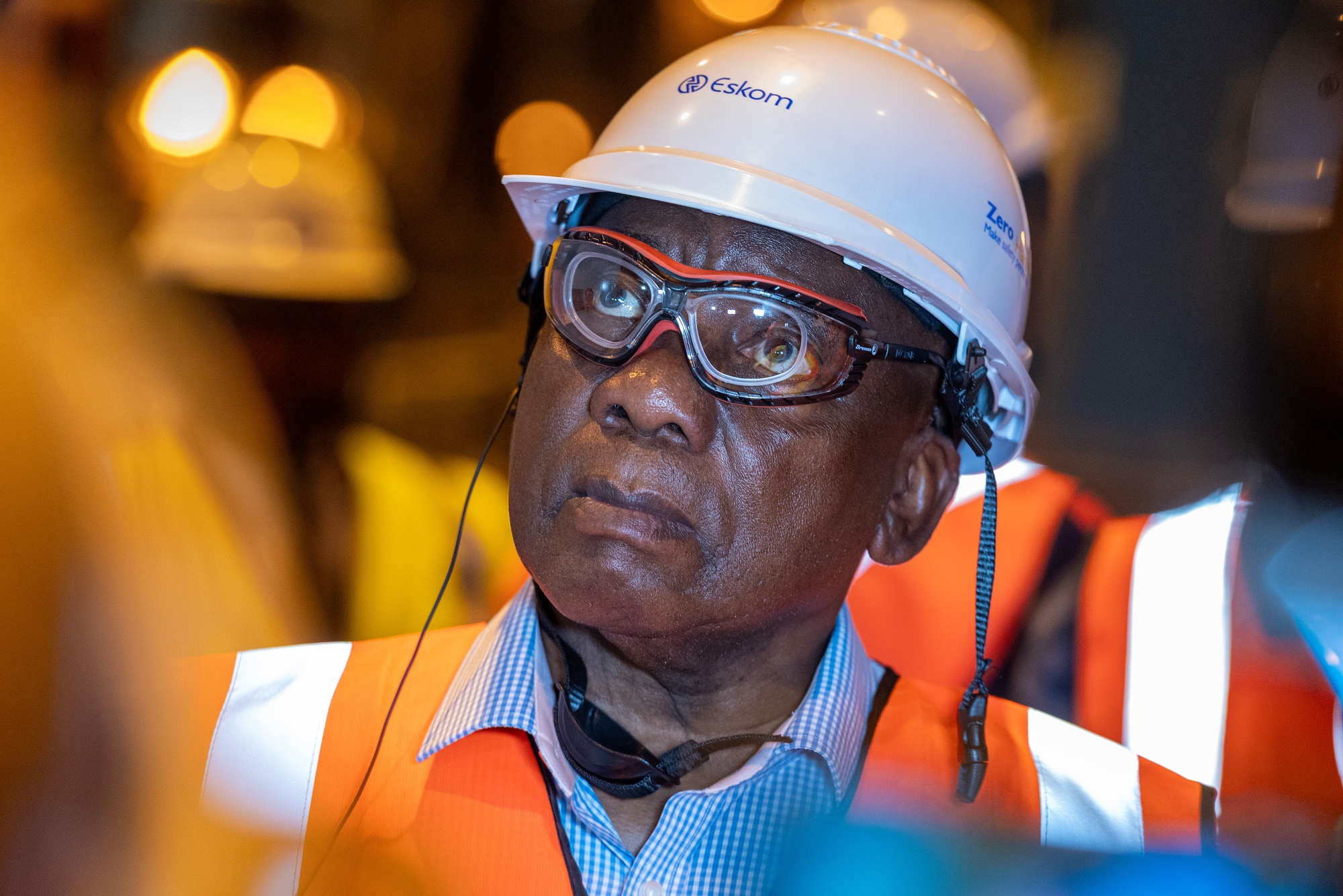
Ramaphosa inspecting the Kusile power station on April 10.
Photographer: Leon Sadiki/Bloomberg
Global Must ReadsPresident Donald Trump is expected to press Xi Jinping over China’s approach to Iran and hammer out details on a new board of trade when they meet this week in Beijing, senior US officials said yesterday, hours before China confirmed the state visit. The US leader and Iran meanwhile rejected each other’s latest peace proposals to end the 10-week conflict as the two sides struggle to maintain a fragile ceasefire. 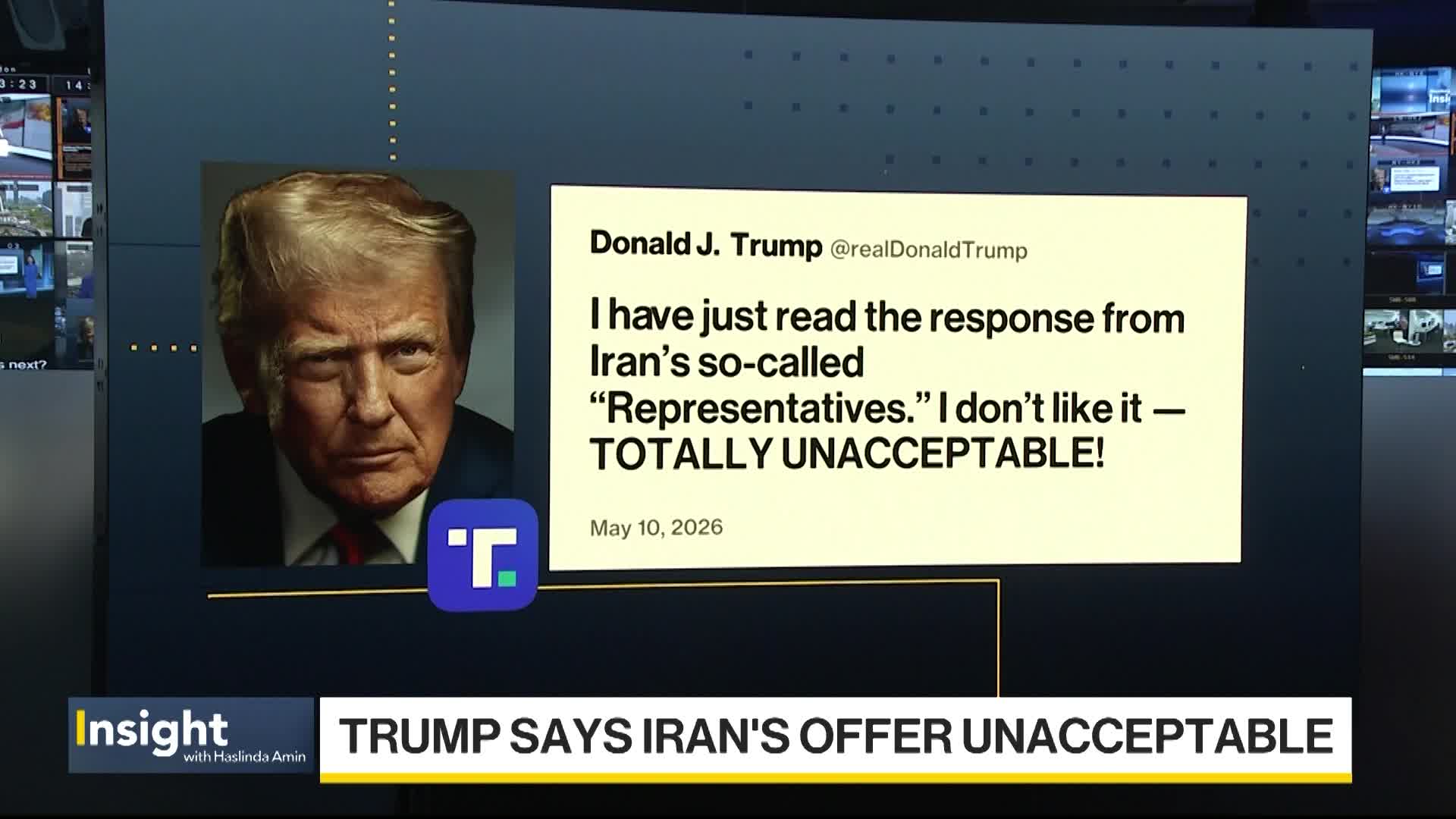 
Bloomberg’s Joumanna Bercetche reports on the latest on the Iran war.
UK Prime Minister Keir Starmer said he won’t abandon the responsibility of leading the country, vowing to rebuild Britain’s relationship with Europe as he battled to save his premiership following Labour’s sweeping defeat in local elections. Read our profile of Nigel Farage, leader of the Trump-friendly Reform UK party — the biggest winner of last week’s voting with prime ministerial ambitions of his own. Indian Prime Minister Narendra Modi’s breakthrough victory in a West Bengal election has extended the reach of his Bharatiya Janata Party beyond its northern strongholds, leaving his opponents in tatters. A Bloomberg analysis of voting patterns shows him securing success with a playbook aimed at restoring the BJP’s parliamentary majority during a national vote due by mid-2029. Former Thai premier Thaksin Shinawatra walked out of a Bangkok prison today, welcomed by the cheers from loyal supporters but as a diminished figure in Thai politics that he and his family once dominated. The 76-year-old patriarch of the Shinawatra clan was paroled after serving eight months of a reduced sentence for corruption, but his future role is unclear after his Pheu Thai party finished third in last year’s election. 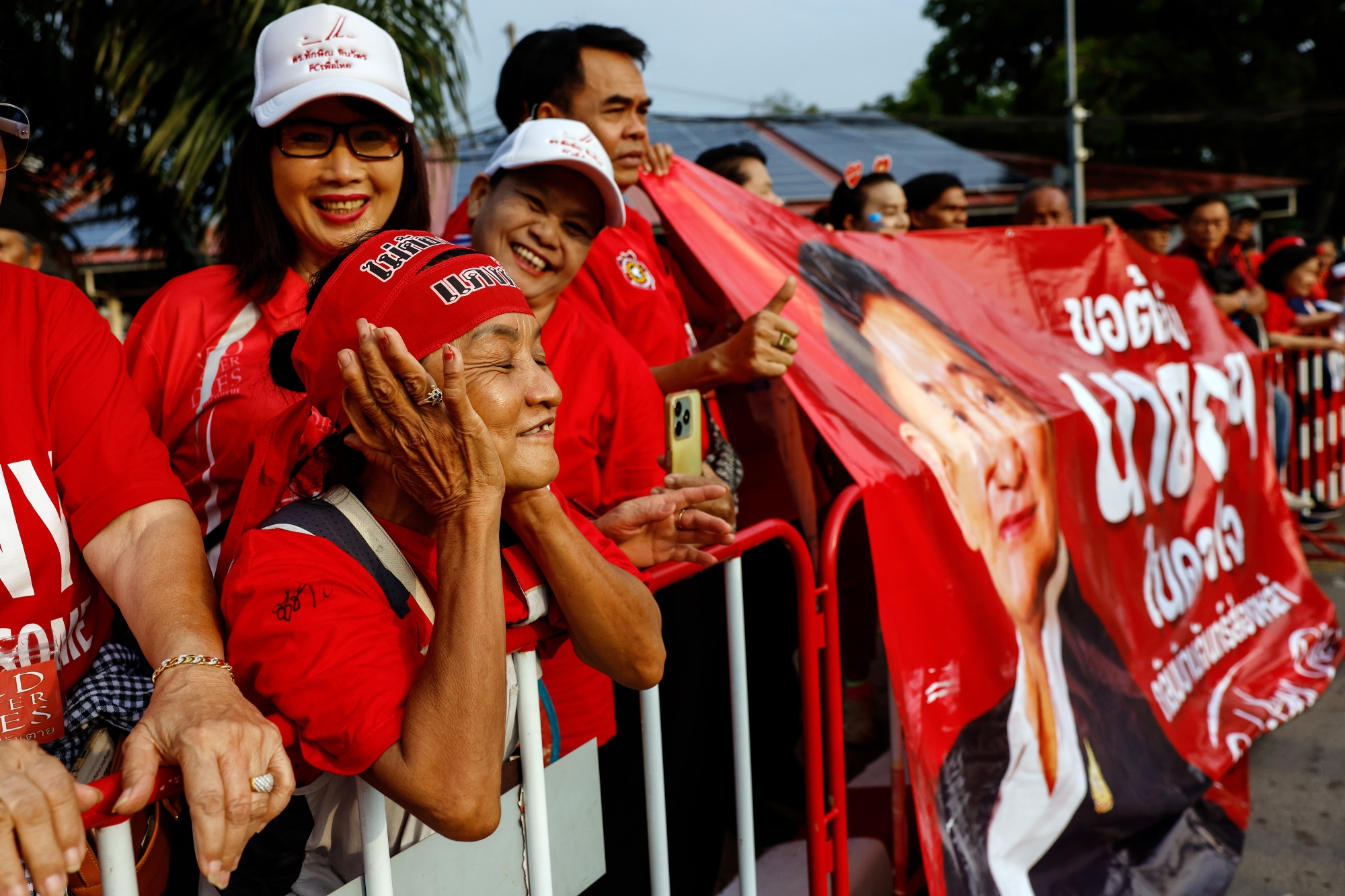
Thaksin supporters outside the Klong Prem Central Prison in Bangkok today.
Photographer: Dario Pignatelli/Bloomberg
In another dramatic turn in the scandal roiling Brazil’s political elite ahead of October’s presidential election, Senator Ciro Nogueira faces claims of wrongdoing related to Banco Master, a now-defunct bank at the center of a sprawling fraud probe. Investigators say Nogueira, who served as former President Jair Bolsonaro’s chief of staff, used his sway to help the lender expand its business in exchange for bribes and kickbacks, allegations Nogueira denies. JUST IN: Allies of the Philippines’ vice president, Sara Duterte, took power in the senate today, giving them control over the chamber that will conduct her impeachment trial as the House of Representatives voted to move forward with the bid to oust her. Prime Minister Benjamin Netanyahu said he would like to end US financial support for Israel’s military over the next decade. The race to fill a spot in June’s presidential runoff in Peru against Keiko Fujimori reflects a deepening political divide, pitting a leftist representing impoverished communities against a conservative hotel magnate backed by the wealthiest district. US Treasury Secretary Scott Bessent is taking an assertive approach to shaping Japan’s economic trajectory, and his planned detour to Tokyo en route to China may offer reassurance that Washington isn’t focused exclusively on its relationship with Beijing. Sign up for the Washington Edition newsletter for news from the US capital and watch Balance of Power at 1 and 5 p.m. ET weekdays on Bloomberg Television. Chart of the Day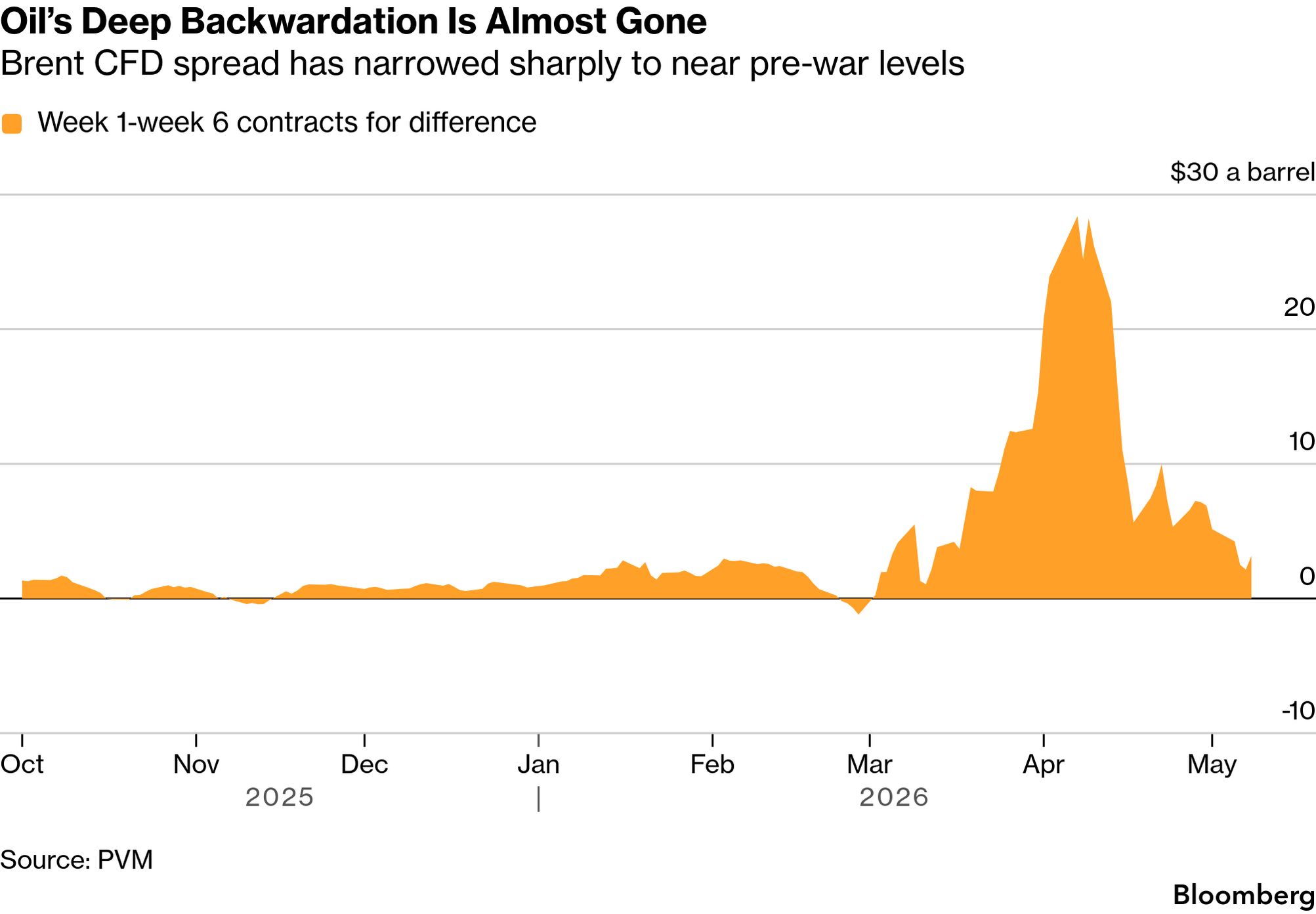
The cost of a real-world oil cargo is dropping fast as buyers back away in a dramatic reversal from last month’s bidding frenzy despite the Strait of Hormuz remaining closed. The sharp retreat provides a counterintuitive backdrop to warnings that the oil market is barreling toward a crisis point — possibly in a matter of weeks. Still, traders cautioned that the calm may be short-lived. And FinallyThe European Union is struggling to secure access to critical minerals like antimony, used in military equipment, due to a lack of financing and coordination. The Trojarova project in Slovakia, owned by Canada-based Military Metals, is seen as a potential opportunity for the region to secure access, but the company needs partners to invest and help develop refining capacity. Europe’s inability to act quickly and decisively on critical minerals has left it vulnerable to being outmaneuvered by global rivals like China and the US. 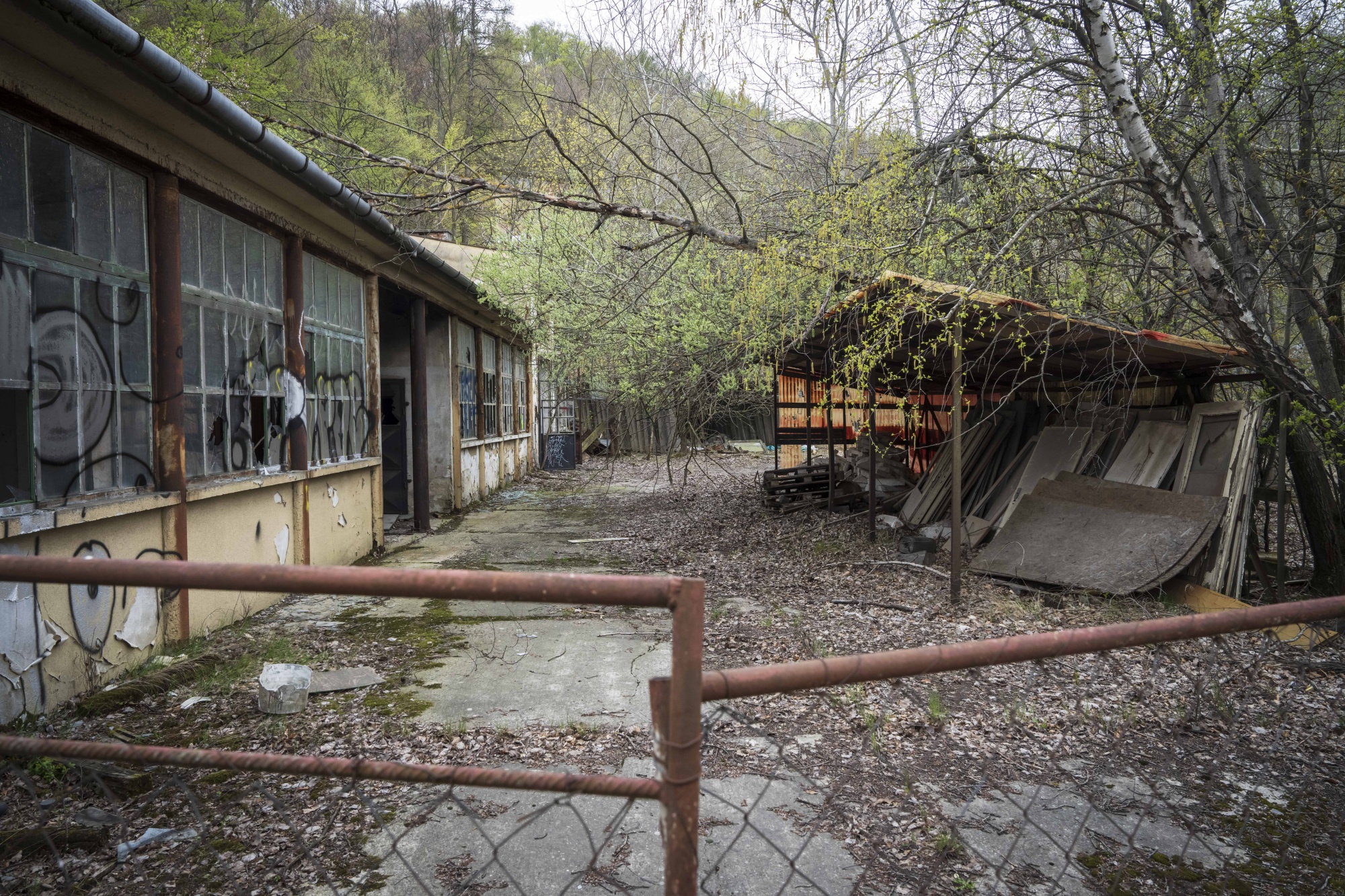
A former antimony mine facility in Pezinok, Slovakia. Soviet engineers first discovered a rich seam of the critical mineral in the 1980s.
Photographer: Milan Jaros/Bloomberg
Thanks to everyone who answered Friday’s quiz question, and congratulations to Marc Weinberg, who was first to identify Japan as the country whose prime minister gifted a record cabinet stocked with vinyl to Australia’s Anthony Albanese. More from Bloomberg
We’re improving your newsletter experience and we’d love your feedback. If something looks off, help us by reporting it here. Follow Us
You received this message because you are subscribed to Bloomberg’s Balance of Power newsletter. If a friend forwarded you this message, sign up here to get it in your inbox.
|
Monday, May 11, 2026
An expensive burglary





Subscribe to:
Post Comments (Atom)
Heat melts JPMorgan WFH rules
Some European banks are changing tack ...
-
PLUS: Dogecoin scores first official ETP ...
-
Swaps, memes, homes, tokens. View in browser Unicorn bucket We have talked a fe...


No comments:
Post a Comment